

c. 1837–1901
The Victorian world
Street, mine, wire, and the funeral trade.
The work runs from the lamplighter to the match girl to the telegraph. Nineteenth-century and Gilded Age jobs sit with it when they are the same kind of urban, industrial life.
Mayhew's London, the 1842 mine reports, and the gas lamp document a large share of it.
In this period
55
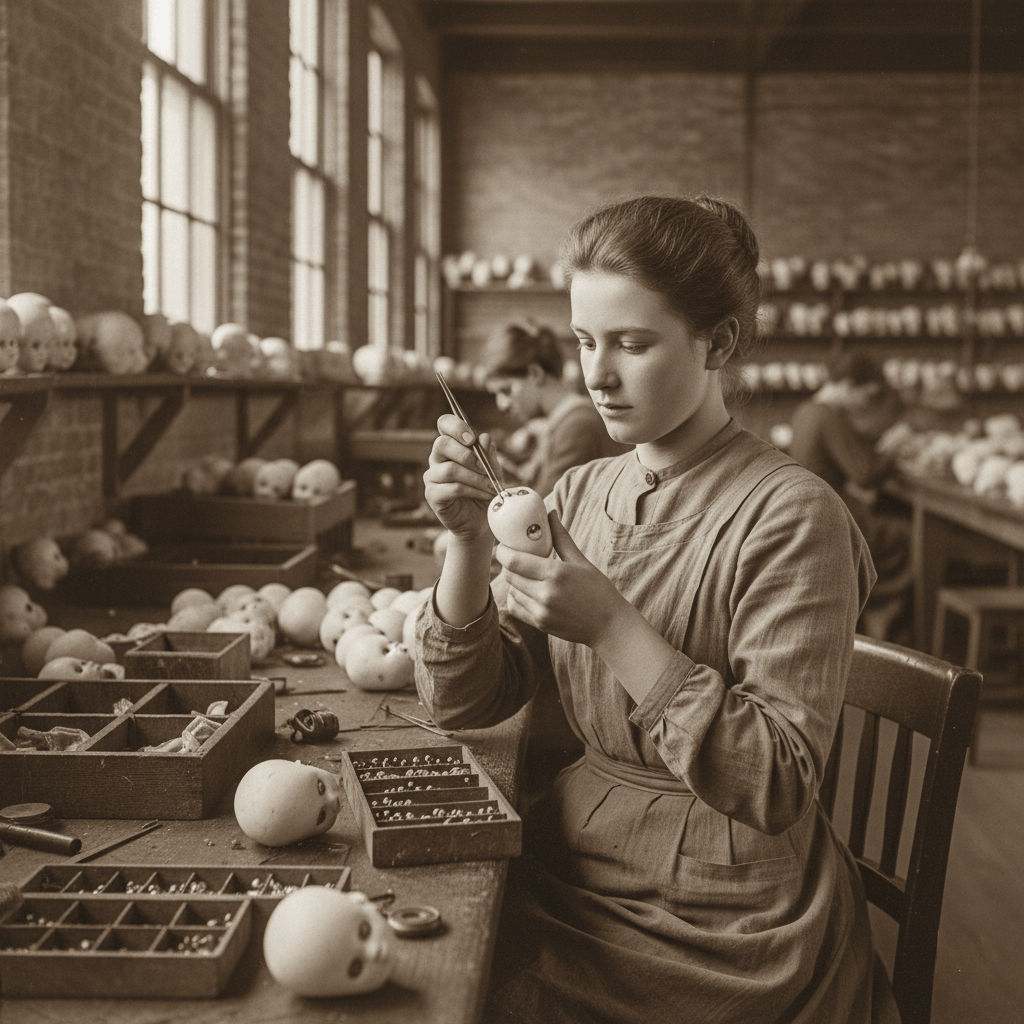 Past · Victorian EraDoll Eye SetterThe role of a Doll Eye Setter was a specialized craft within the toy-making industry, particularly prominent during the Victorian Era (1837-1901). This occupation involved the meticulous task of inserting glass or plastic eyes into dolls, ensuring that each doll had a lifelike appearance. Doll Eye Setters worked primarily in factories or workshops, where they would receive unassembled dolls from doll makers. The eyes, often made of glass, were crafted in various sizes and colors to match the intended design of the doll. The setter would carefully position the eyes, often using a small tool to secure them in place, ensuring they were aligned perfectly to create an expressive gaze. This attention to detail was crucial, as the eyes were considered the windows to the doll's personality, enhancing its appeal to children and collectors alike.
The job required not only dexterity and precision but also an artistic eye for detail, as the placement of the eyes could significantly affect the doll's overall aesthetic. Doll Eye Setters often worked long hours, sometimes in poorly lit conditions, which could strain their eyesight. The work was repetitive, yet it required a steady hand and a keen sense of proportion to ensure that each doll was visually appealing.
As the demand for dolls surged during the Victorian Era, fueled by the rise of the middle class and the popularity of children's toys, the role of the Doll Eye Setter became increasingly important. However, as the 20th century approached, advancements in manufacturing processes, such as the introduction of mass production techniques and the use of plastic eyes that could be molded directly into the doll's head, rendered the specialized skills of the Doll Eye Setter obsolete. The shift towards automation and the decline of handcrafted toys led to the gradual disappearance of this once-essential occupation.
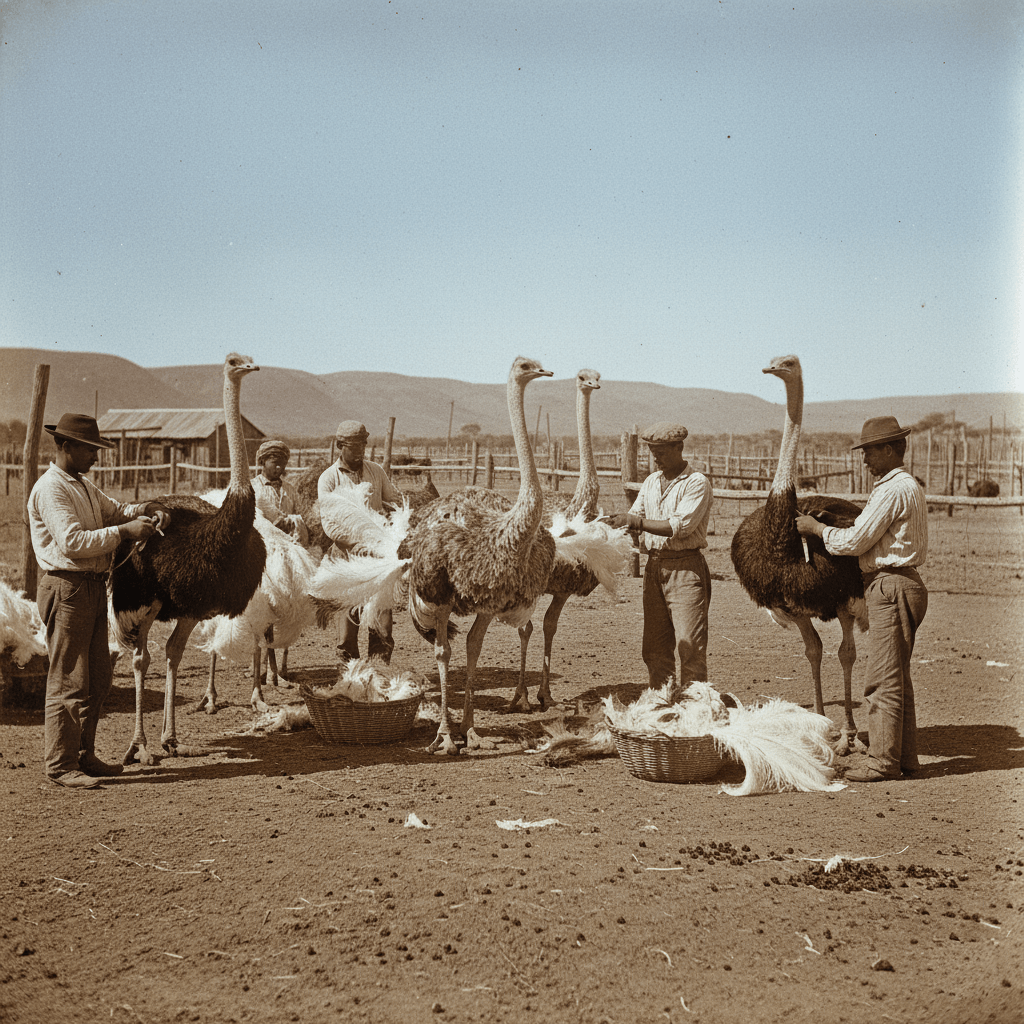 Past · Victorian EraOstrich Feather PluckerThe role of the ostrich feather plucker emerged in the late 19th century, coinciding with the rise of the fashion industry and the extravagant tastes of the Victorian elite. Ostrich feathers, prized for their softness, length, and striking appearance, became a symbol of luxury and status. The feathers were used in a variety of fashionable items, including hats, boas, and elaborate costumes. Pluckers were responsible for harvesting these feathers, a delicate task that required both skill and care to ensure the birds remained healthy and the feathers were of the highest quality.
Ostrich farms, primarily located in South Africa, became the epicenter of this industry. Workers would carefully pluck feathers from live ostriches, a process that was typically done once a year during the molting season when the birds naturally shed their feathers. The feathers were then sorted, cleaned, and prepared for shipment to fashion houses around the world. The demand for these luxurious feathers surged, leading to a booming industry that provided employment for many, particularly women, who often worked in harsh conditions for meager pay.
As fashion trends evolved and the use of synthetic materials became more prevalent, the demand for natural ostrich feathers began to decline. Additionally, the ethical concerns surrounding the treatment of ostriches and the rise of animal rights movements contributed to the job's obsolescence. By the early 20th century, the ostrich feather plucker had largely disappeared from the workforce, replaced by more humane and sustainable alternatives in the fashion industry.
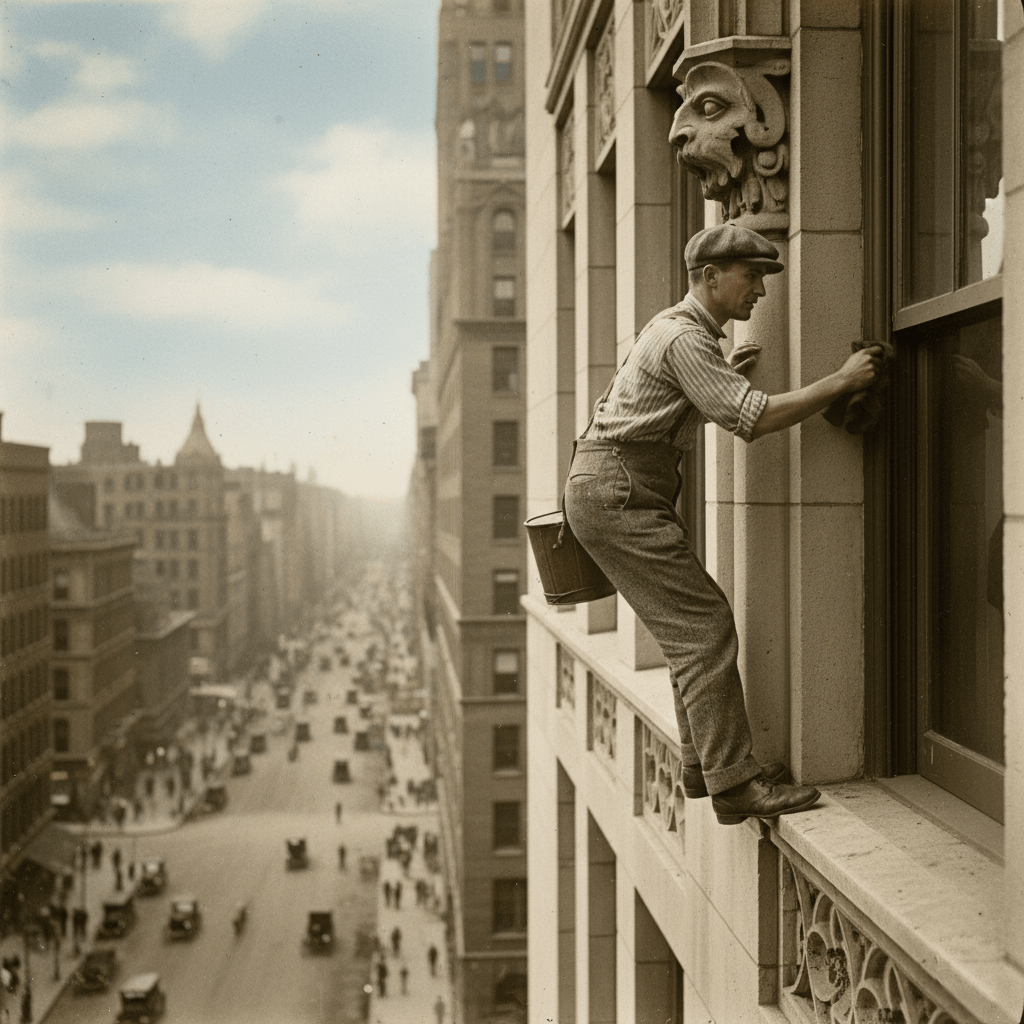 Past · Victorian EraHuman FlyThe Human Fly was a unique and daring performer who captivated audiences during the late 19th and early 20th centuries. These individuals, often acrobats or daredevils, specialized in climbing tall buildings and structures, showcasing their remarkable agility and fearlessness. The Human Fly would often scale skyscrapers, bridges, and other urban landmarks, performing stunts that left spectators in awe. Their performances were not merely about the climb; they often included intricate routines, such as hanging from ledges, performing flips, or even playing musical instruments while suspended high above the ground. This job was emblematic of the era's fascination with spectacle and the extraordinary, as cities began to rise higher and the public's appetite for thrilling entertainment grew.
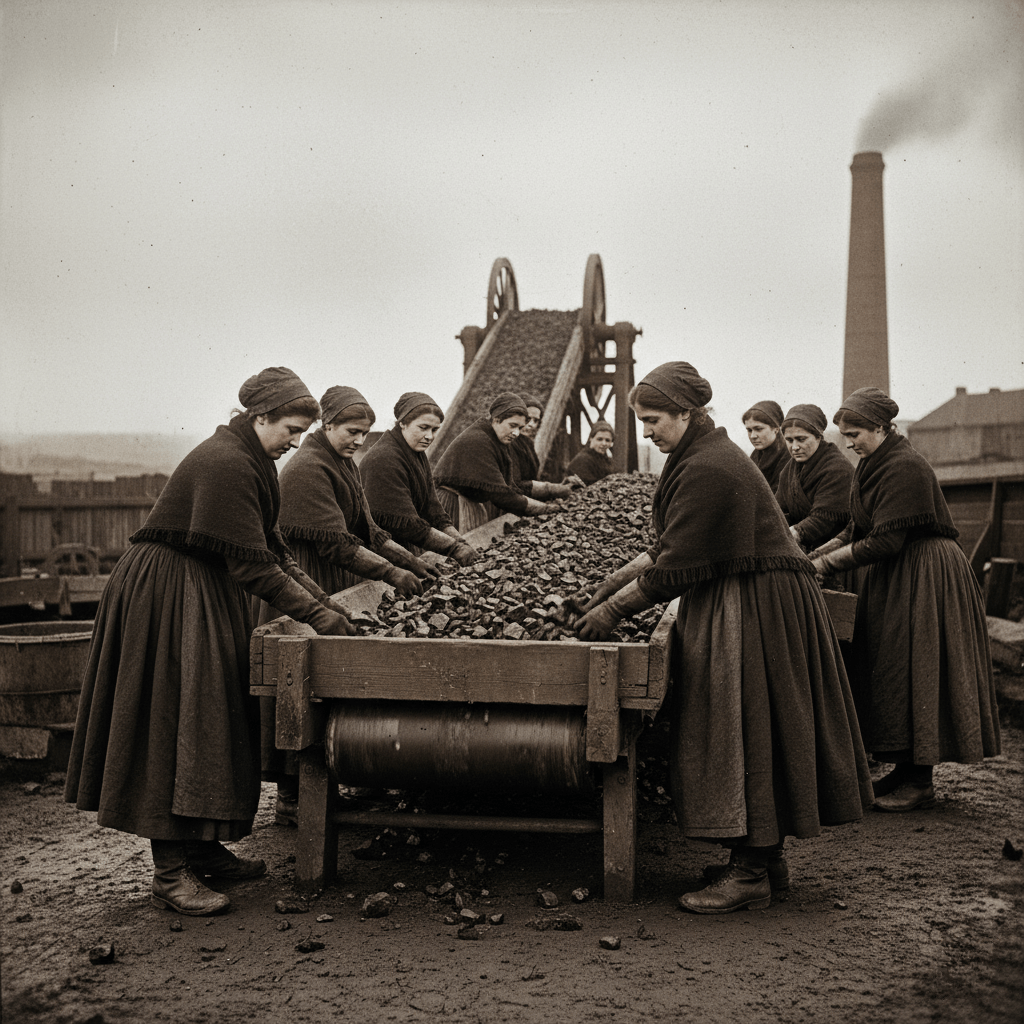 Past · Victorian EraPit Brow LassThe Pit Brow Lass was a vital yet often overlooked figure in the coal mining industry during the Victorian Era, particularly in the northern regions of England. These women worked at the surface of coal mines, known as the 'pit brow,' where they played a crucial role in the extraction and processing of coal. Their responsibilities included sorting coal from the waste material, loading it onto carts, and ensuring that the coal was ready for transport to markets. The work was physically demanding and often conducted in harsh conditions, with women frequently exposed to the elements and the dangers of the mining environment. Despite the grueling nature of their labor, Pit Brow Lasses were known for their resilience and camaraderie, often forming close-knit communities among themselves as they navigated the challenges of their work.
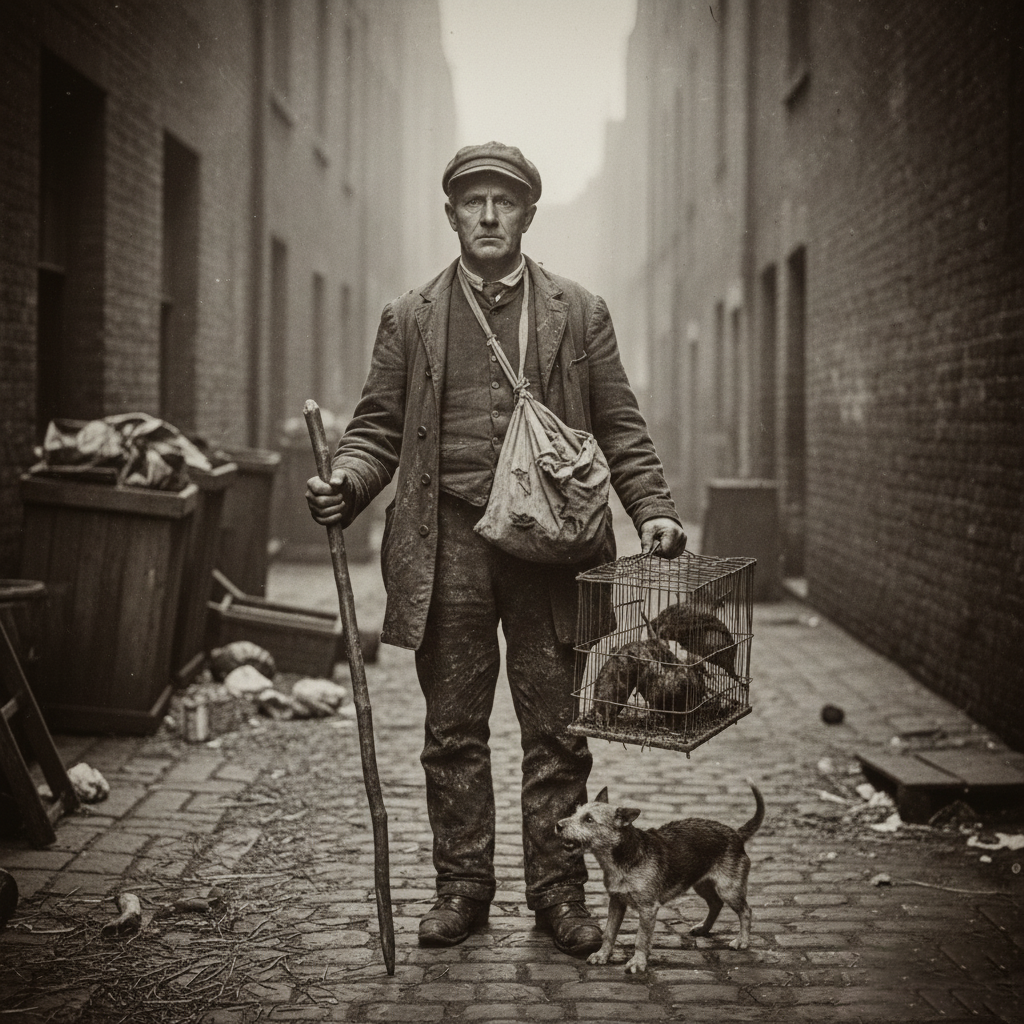 Past · Victorian EraRat CatcherIn the bustling streets of Victorian London, where the Industrial Revolution was in full swing, the role of the rat catcher emerged as a vital occupation. As cities expanded and populations swelled, so too did the number of vermin, particularly rats, which thrived in the filth and refuse of urban life. Rat catchers were tasked with the grim yet essential job of controlling these rodent populations, ensuring public health and safety in an era where diseases like the plague and typhus were rampant. Armed with traps, dogs, and sometimes even ferrets, these individuals roamed the alleys and backstreets, seeking out nests and burrows to eradicate the pests that threatened the well-being of the community. Their work was not only a matter of pest control but also a reflection of the social conditions of the time, where sanitation was often neglected, and the consequences of such neglect were dire.
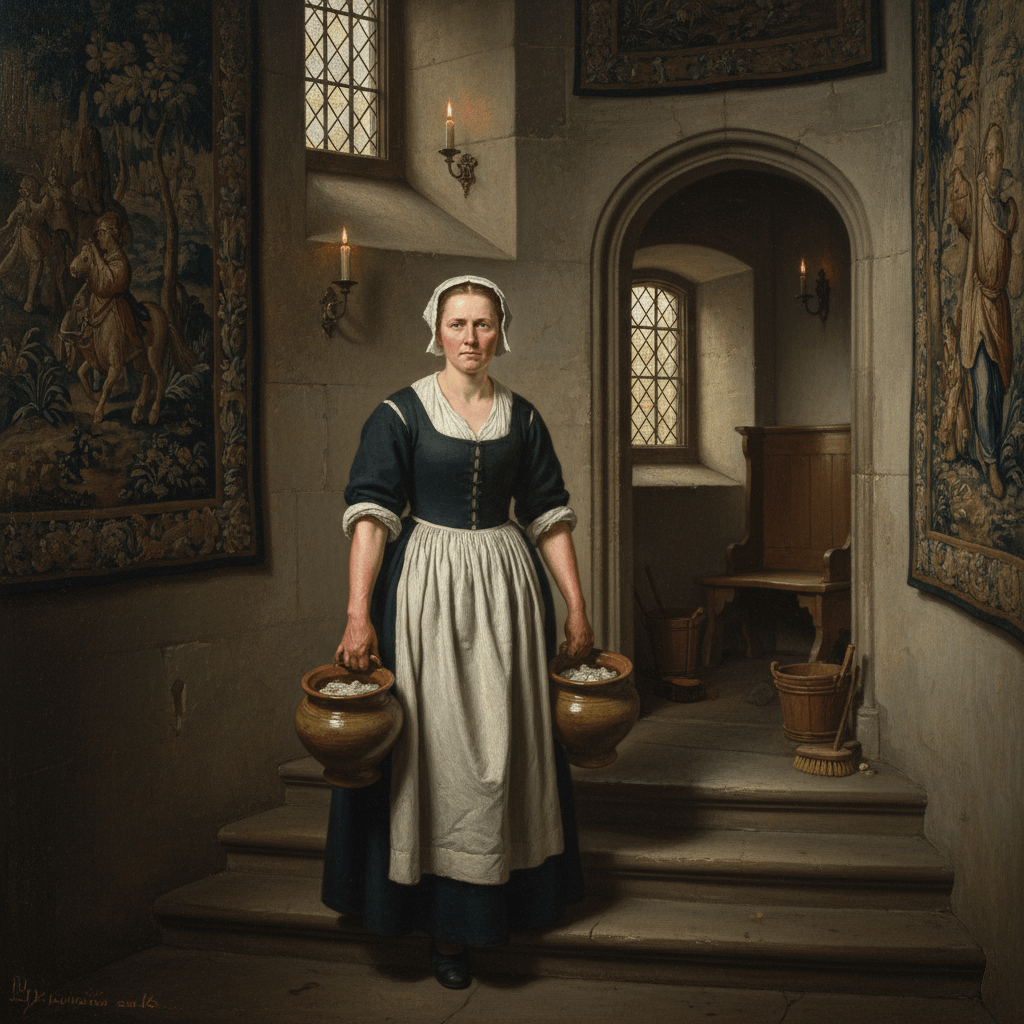 Past · Victorian EraNecessary WomanThe role of the Necessary Woman emerged during the Victorian Era, a time characterized by strict social hierarchies and the delineation of gender roles. These women were employed primarily in affluent households, where they were responsible for the maintenance of the 'necessary room'—a euphemism for the toilet or privy. This job was not merely about cleaning; it involved a range of tasks that ensured the hygiene and comfort of the household. Necessary Women were tasked with the cleaning and upkeep of the facilities, which included emptying chamber pots, scrubbing floors, and ensuring that the necessary room was stocked with essential supplies such as toilet paper and soap.
In an era when sanitation was becoming increasingly important, the work of the Necessary Woman was crucial. They were often the unsung heroes of the household, performing a job that was considered too unpleasant for the higher-status members of the family. Their work was essential in preventing the spread of disease, particularly in urban areas where sanitation was a growing concern.
Despite the low social status of this occupation, Necessary Women played a vital role in the functioning of Victorian households, often working long hours for modest pay. Their contributions were largely overlooked, reflecting the broader societal attitudes towards women’s work during this period.
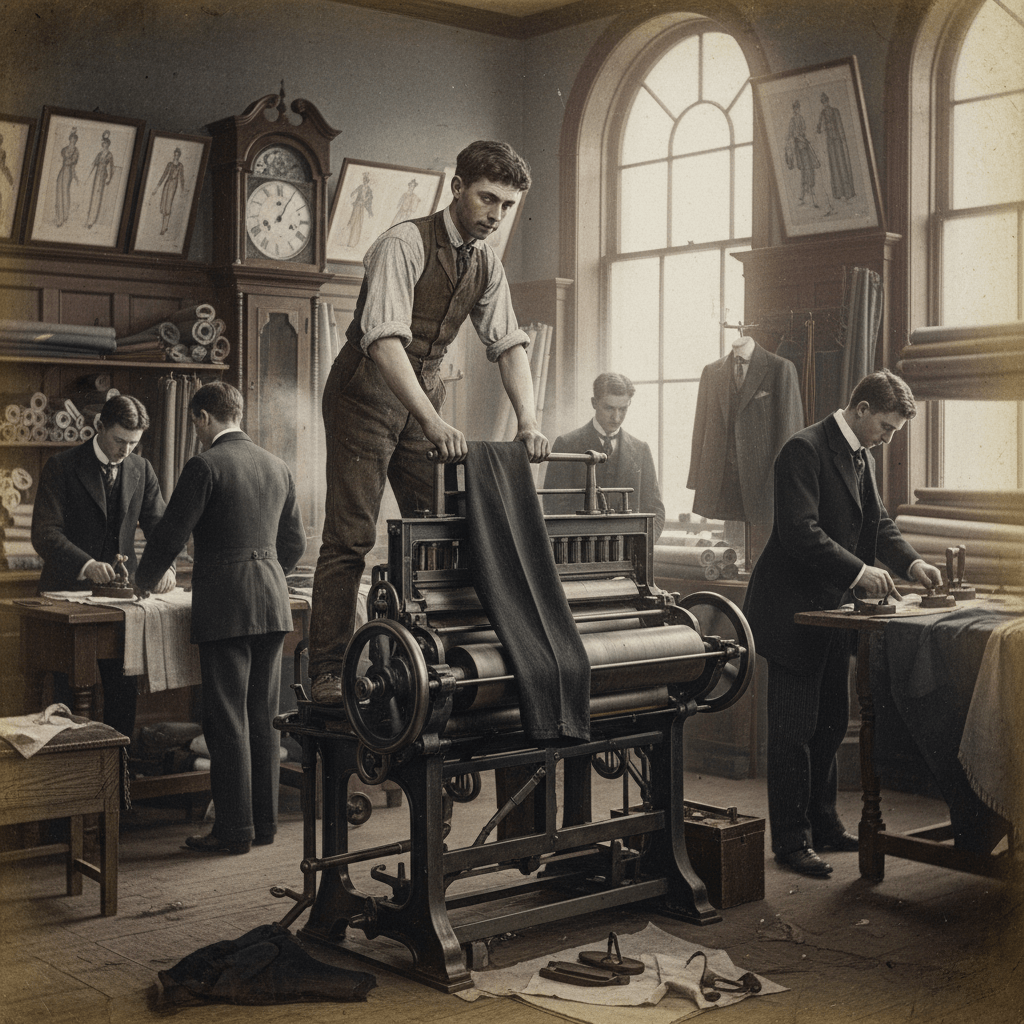 Past · Victorian EraPants PolisherThe role of a Pants Polisher emerged during the Victorian Era, a time characterized by strict social codes and a burgeoning middle class that placed great emphasis on personal appearance and propriety. As men donned trousers made from fine fabrics such as wool and cotton, the need for maintaining a polished and respectable appearance became paramount. Pants Polishers were skilled tradespeople who specialized in the care and maintenance of trousers, ensuring that they were not only clean but also had a lustrous finish that reflected the wearer's status.
The job involved applying a special polish to trousers, which was often a blend of wax and oils, to enhance their sheen and protect the fabric. This process required a keen eye for detail and an understanding of different materials, as the wrong treatment could ruin a garment. Pants Polishers would often work in tailor shops or as independent contractors, catering to the needs of gentlemen who wished to present themselves impeccably in both social and professional settings.
In addition to polishing, these artisans were also responsible for minor repairs, such as stitching up small tears or reinforcing seams, which further solidified their role as essential figures in the maintenance of men's fashion during this period.
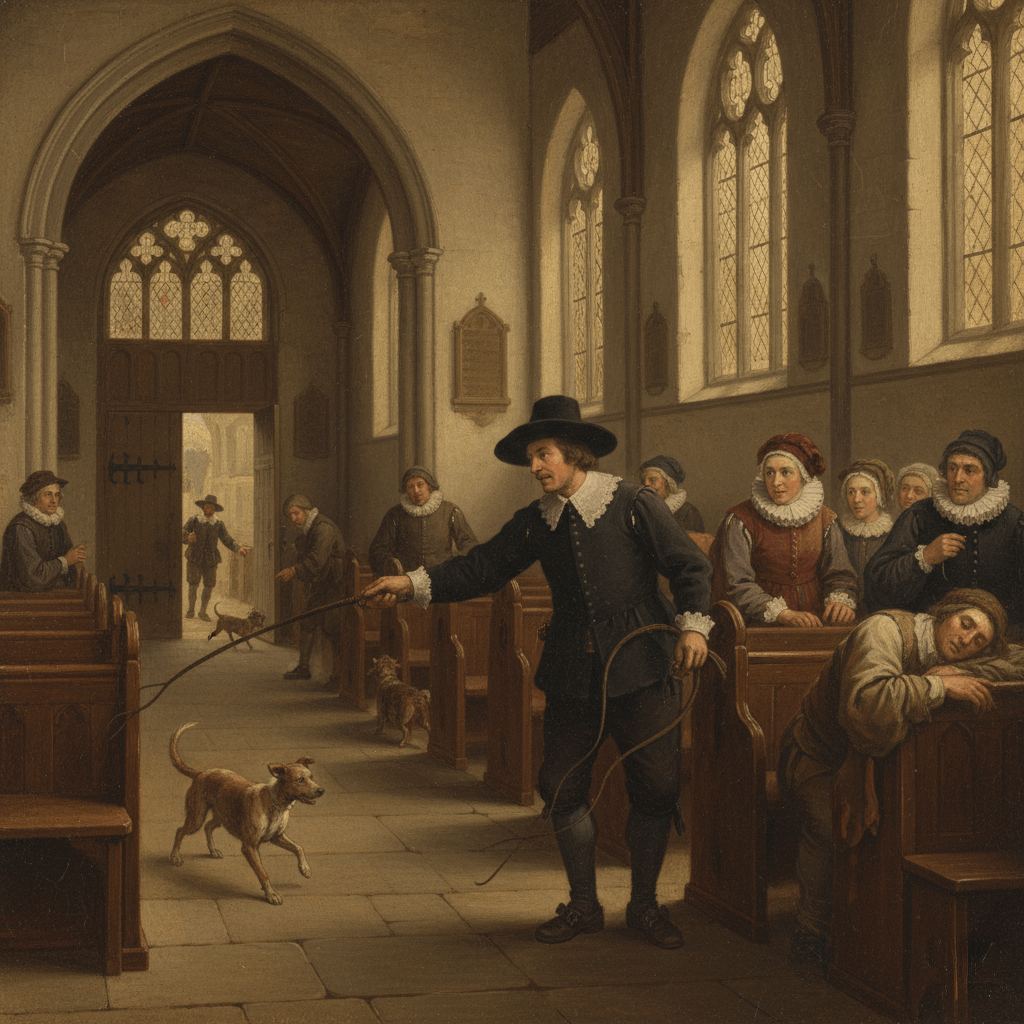 Past · Victorian EraDog WhipperThe role of a Dog Whipper was a unique and somewhat peculiar occupation that emerged in the Victorian Era, primarily in England. These individuals were employed by churches and public spaces to manage the presence of dogs, particularly during services or public gatherings. The Dog Whipper's primary responsibility was to ensure that dogs did not disrupt the sanctity of worship or the decorum of public events. Armed with a long whip or a stick, the Dog Whipper would patrol the vicinity, ready to shoo away any canine that dared to intrude upon the sacred space. This role was not merely about discipline; it was also about maintaining order and cleanliness in an era when urbanization was on the rise, and the presence of stray dogs was becoming increasingly common.
The Dog Whipper was often seen as a necessary figure, especially in rural areas where dogs roamed freely. Their presence was a deterrent to mischief, and they played a part in the broader social fabric of the time, reflecting the Victorian values of propriety and decorum. The job was often a part-time position, sometimes held by a church sexton or a caretaker, and it required a certain level of authority and assertiveness to effectively manage both the dogs and their owners.
As cities grew and societal norms evolved, the need for such a position diminished. The rise of animal welfare movements and changes in public attitudes towards pets led to a decline in the acceptance of such practices. By the early 20th century, the role of the Dog Whipper had largely faded into obscurity, replaced by more humane approaches to animal management.
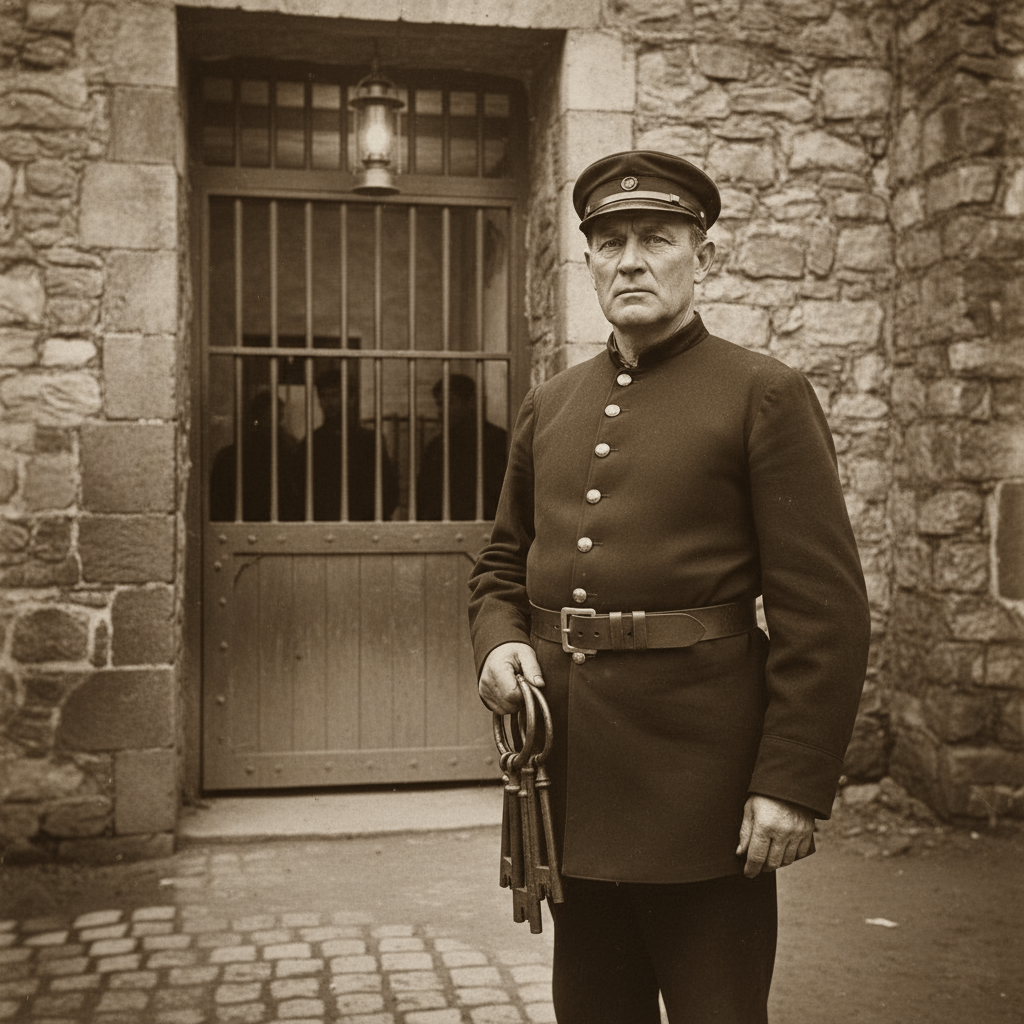 Past · Victorian EraTurnkeyThe role of a turnkey was pivotal in the management of prisons and correctional facilities during the Victorian Era, a time marked by significant social reform and a burgeoning interest in criminal justice. A turnkey was essentially a custodian of the prison, responsible for the daily oversight of inmates and the maintenance of order within the facility. This position required a unique blend of authority, vigilance, and interpersonal skills, as turnkeys were often the first line of contact between the inmates and the outside world. They were tasked with ensuring that the rules of the prison were followed, which included monitoring inmate behavior, conducting headcounts, and facilitating the daily routines of the prisoners, such as meals and exercise.
Turnkeys also played a crucial role in the rehabilitation process, as they were often involved in the educational and vocational programs offered to inmates. Their interactions could significantly influence the inmates' experiences and outcomes, making their role both challenging and impactful. The job was not without its dangers; turnkeys had to navigate the complexities of inmate relationships and the potential for violence, requiring them to maintain a firm yet fair demeanor.
As the Victorian Era progressed, the role of the turnkey began to evolve, reflecting broader changes in societal attitudes towards crime and punishment. The introduction of more structured prison systems and the rise of professional correctional officers began to overshadow the traditional turnkey role, leading to its gradual decline.
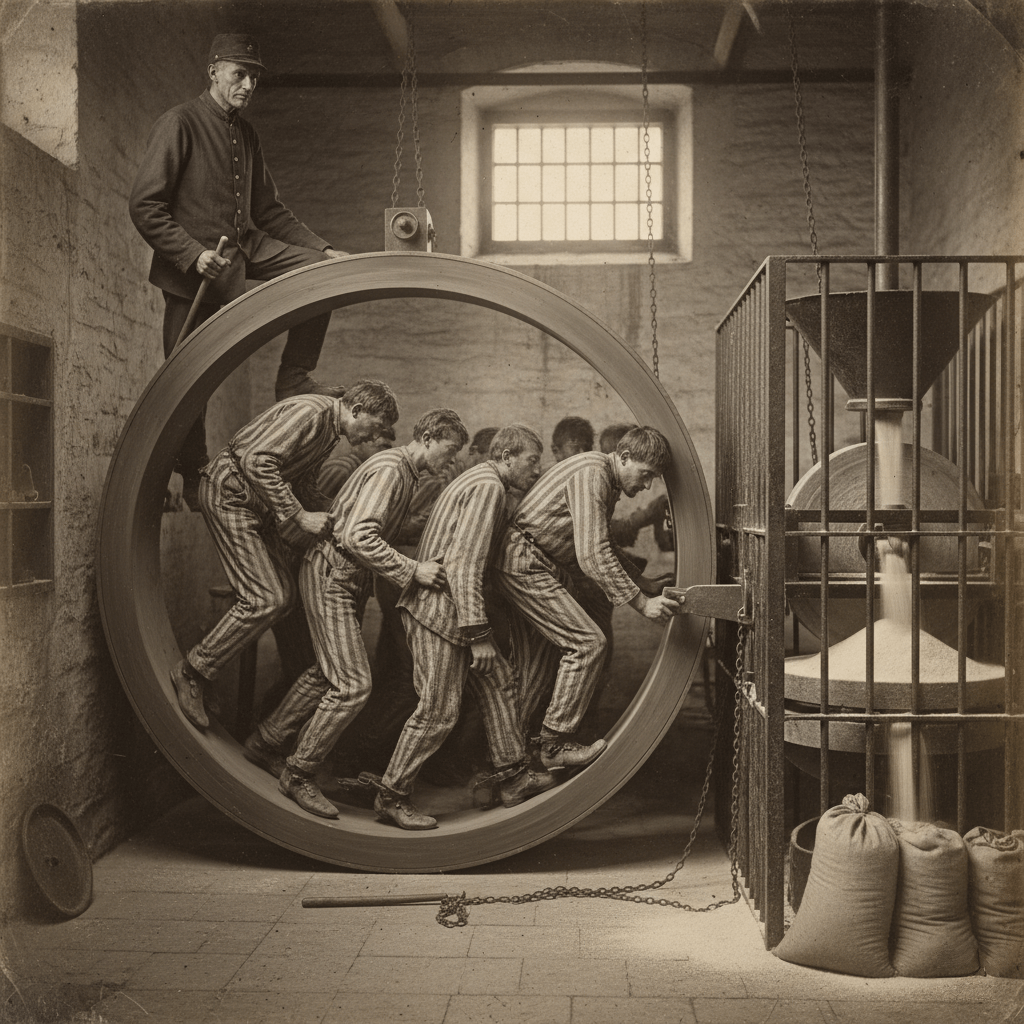 Past · Victorian EraPrison Treadmill OperatorThe role of a Prison Treadmill Operator emerged during the Victorian Era, a time marked by significant social reform and the evolution of penal systems. The treadmill, a large, rotating wheel powered by human effort, was introduced as a means of punishment and labor for inmates. Prison Treadmill Operators were responsible for overseeing the operation of these devices, which were often used to grind grain or pump water, effectively turning the physical exertion of prisoners into productive labor. This job was not only about managing the machinery but also about maintaining order among the inmates, ensuring that they adhered to the strict routines imposed by the prison system. The treadmill was a symbol of the harsh realities of Victorian penal reform, reflecting the era's belief in hard labor as a means of rehabilitation and punishment.
Operators had to be vigilant, as the treadmill could be dangerous; prisoners could easily fall or injure themselves if not properly supervised. The role required a firm hand and an understanding of the psychological dynamics at play within the prison environment. The treadmill was often seen as a form of cruel and unusual punishment, leading to debates about the ethics of such labor practices. As the 19th century progressed, the treadmill fell out of favor, replaced by more humane forms of punishment and rehabilitation, leading to the eventual extinction of the role of the Prison Treadmill Operator.
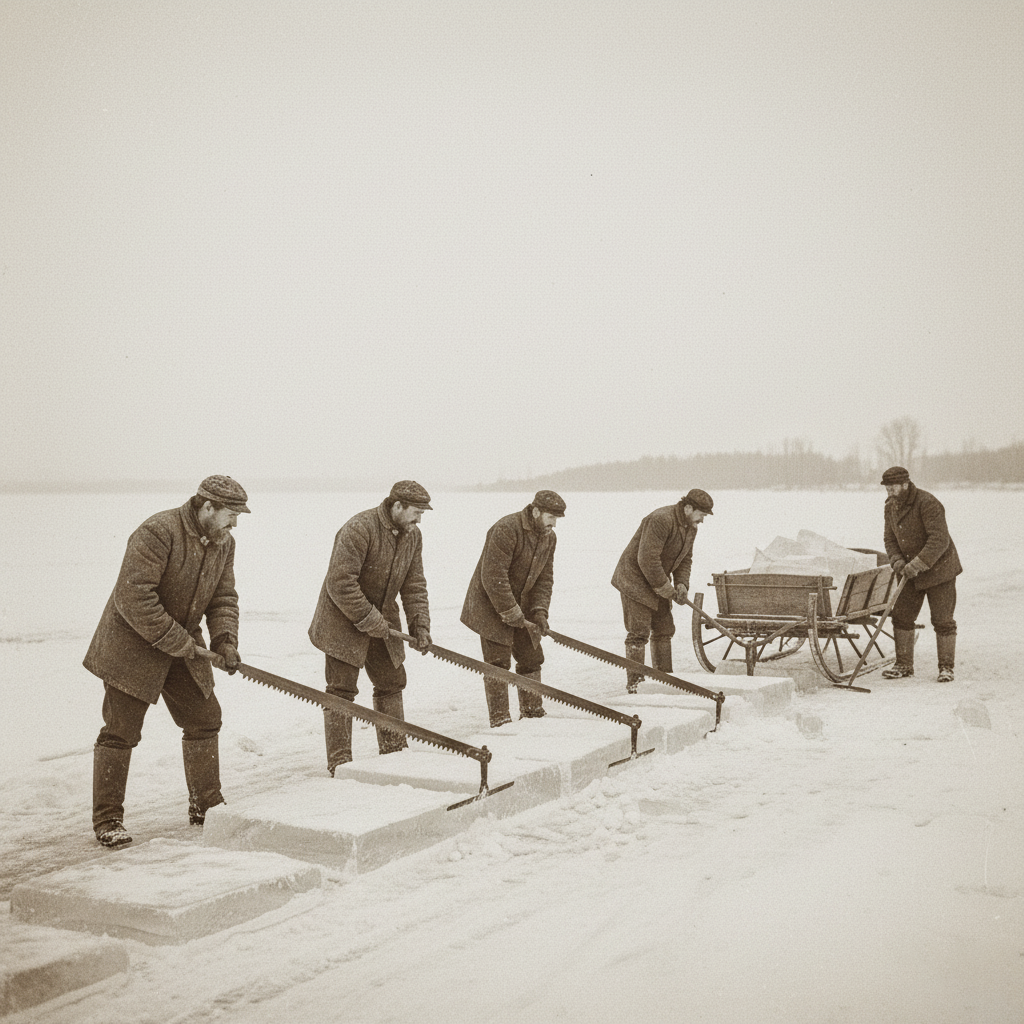 Past · 19th CenturyIce CutterIn the 19th century, before the advent of modern refrigeration, the Ice Cutter was a vital occupation, especially in regions where lakes and rivers froze during the winter months. These skilled laborers harvested ice from frozen bodies of water, which was then stored in icehouses and used to preserve food and cool drinks in the sweltering summer heat. The process was labor-intensive and required not only physical strength but also a keen understanding of the ice's thickness and quality. Ice was cut into large blocks, often weighing several hundred pounds, and transported to markets and homes, where it played a crucial role in daily life. The Ice Cutter's work was not just about brute force; it involved precision and technique to ensure that the ice remained intact during the cutting and hauling process. As the demand for ice grew, so did the complexity of the job, with cutters often working in teams to maximize efficiency and safety.
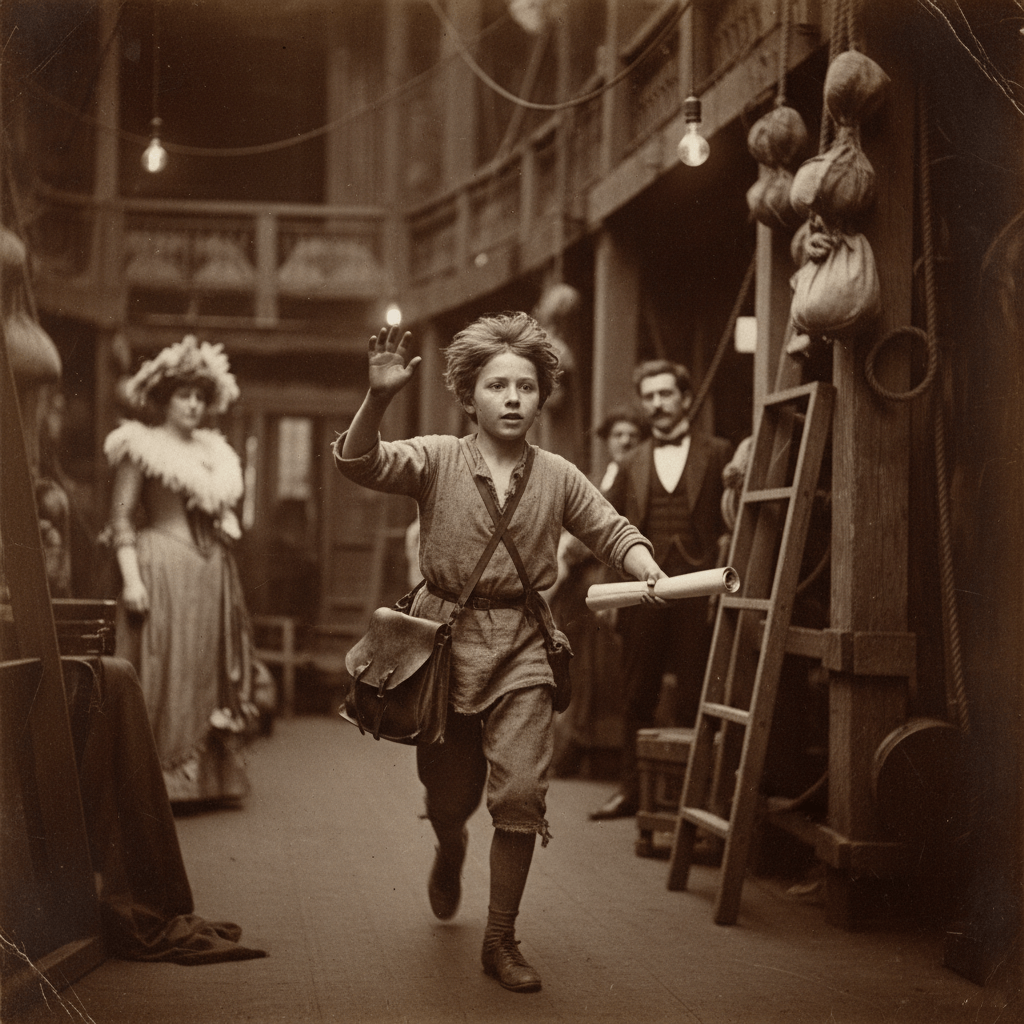 Past · Victorian EraTheatre Call BoyThe Theatre Call Boy was an essential figure in the vibrant world of Victorian theatre, acting as the vital link between the stage and the backstage. This young boy, often between the ages of 10 and 15, was responsible for ensuring that the performance ran smoothly by delivering messages and calls to actors, stagehands, and other crew members. With a keen sense of timing and an ability to navigate the bustling theatre environment, the call boy would often be found darting through the dimly lit corridors, his footsteps echoing against the wooden floors, as he relayed cues for entrances, exits, and scene changes.
The role required not only speed and agility but also a deep understanding of the production schedule and the ability to communicate effectively under pressure. The call boy would often carry a small bell or whistle to signal the start of a performance or a scene change, ensuring that everyone was in their proper place at the right time. In an era when performances were often elaborate and lengthy, the call boy's role was crucial in maintaining the rhythm and flow of the show, making him a beloved figure among the cast and crew alike.
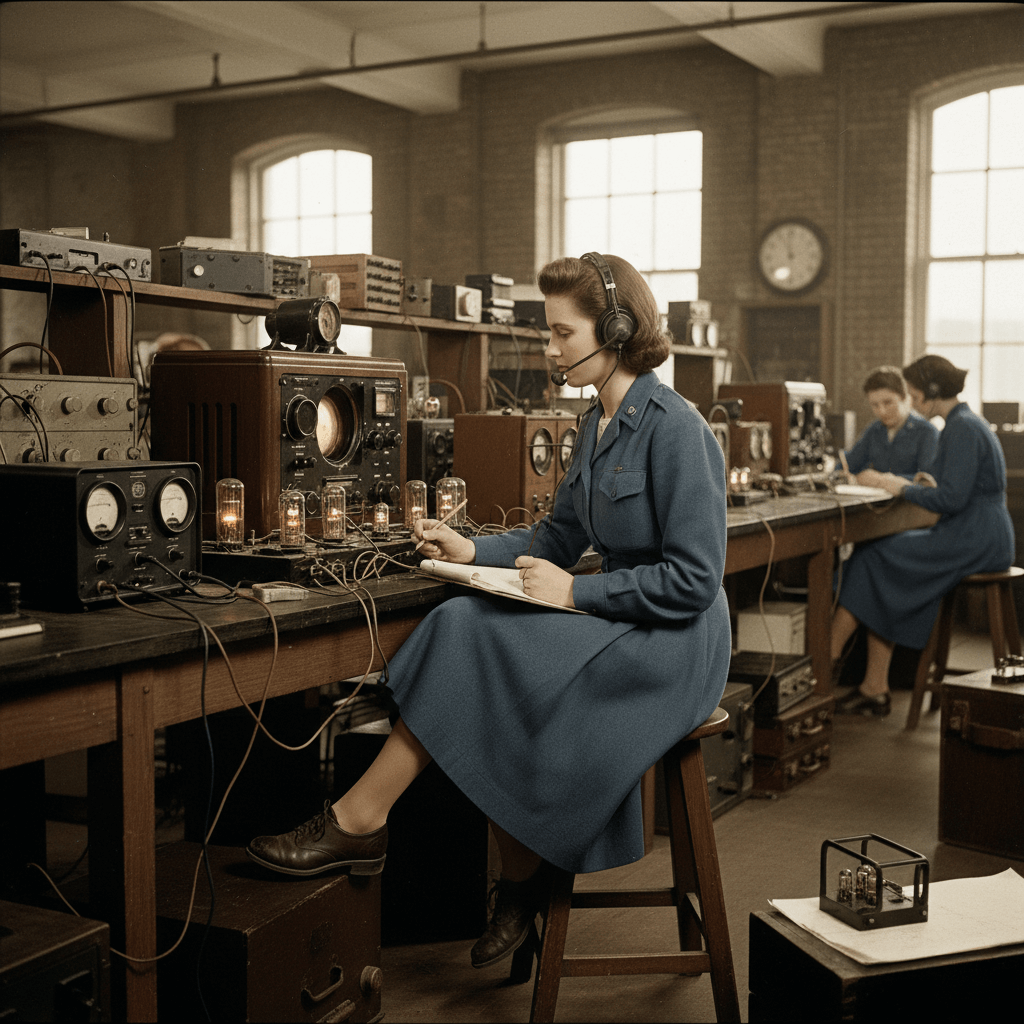 Past · Gilded AgeRadio Test GirlThe role of a Radio Test Girl emerged in the early 20th century, during a time when radio technology was rapidly evolving and becoming a staple of American life. These women were integral to the development and testing of radio equipment, ensuring that devices functioned correctly before they reached consumers. Their work involved a combination of technical skill and keen auditory perception, as they would test the clarity and quality of sound produced by various radio sets. Often employed by radio manufacturers, they would sit in soundproof booths, adjusting dials and listening intently to broadcasts, making notes on sound quality, static interference, and overall performance. The job required not only a good ear for sound but also an understanding of the technical aspects of radio equipment, making them vital contributors to the burgeoning field of telecommunications.
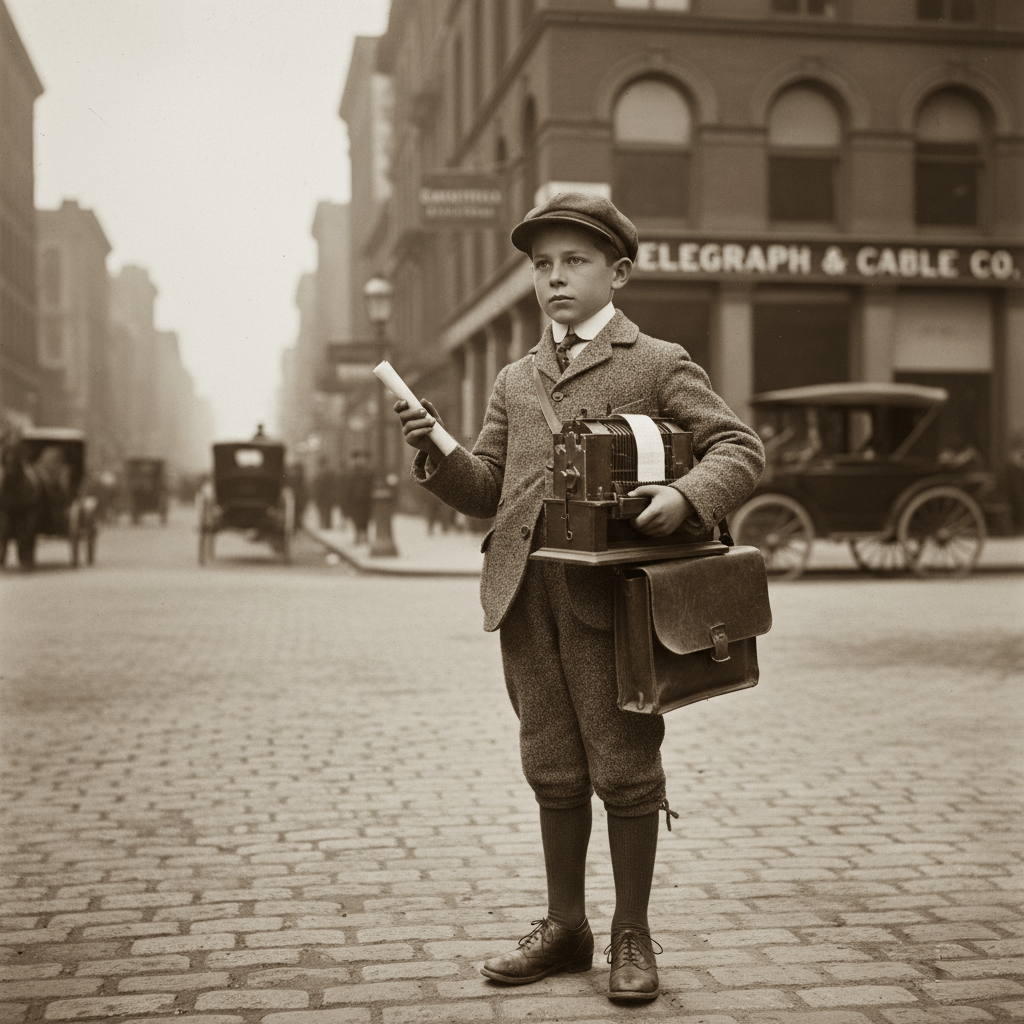 Past · Victorian EraTelemark BoyThe role of the Telemark Boy emerged during the Victorian Era, a time marked by rapid industrialization and the expansion of the British Empire. These young boys, typically between the ages of 10 and 15, were employed in the bustling telegraph offices that dotted cities and towns across the United Kingdom. Their primary responsibility was to assist telegraph operators by delivering messages and relaying information between offices and clients. The telegraph was a revolutionary technology of the time, allowing for near-instantaneous communication over long distances, and the Telemark Boys were essential to its operation.
Dressed in simple, often worn clothing, these boys navigated the busy streets, carrying messages in leather satchels. They were known for their speed and agility, darting through crowds and dodging horse-drawn carriages to ensure that messages reached their destinations promptly. The job required not only physical stamina but also a keen sense of direction and the ability to read and write, as they often had to transcribe messages before delivering them.
The social context of the era saw many children entering the workforce at a young age, often out of necessity due to family financial pressures. The work of a Telemark Boy was seen as a stepping stone for many, providing them with a glimpse into the burgeoning world of communication and technology, while also exposing them to the harsh realities of child labor during this period.
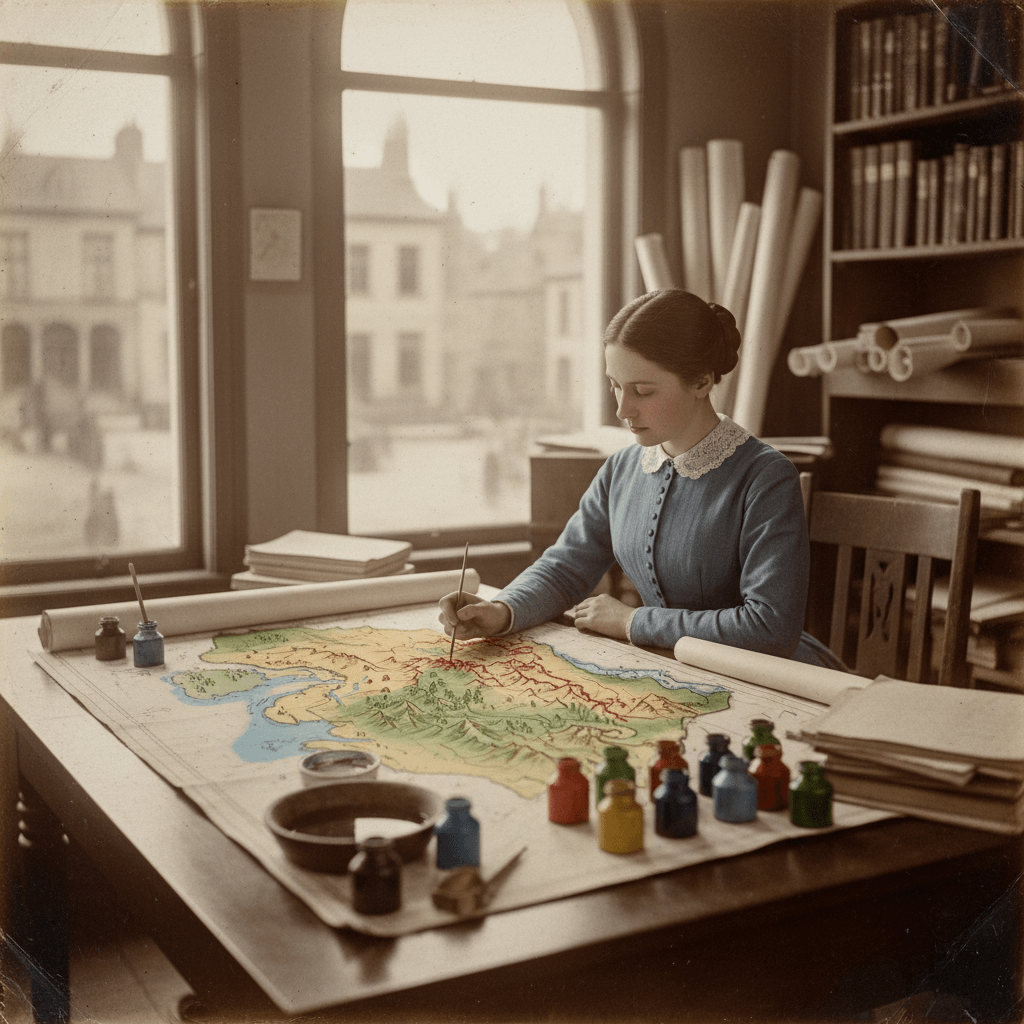 Past · Victorian EraMap ColouristThe role of a Map Colourist was integral to the production of maps during the Victorian Era, a time when cartography was both an art and a science. Map Colourists were responsible for the meticulous task of hand-painting maps, adding vibrant colors to delineate various geographical features, political boundaries, and land use. Each color had a specific meaning; for instance, blue often represented water bodies, green indicated forests, and brown was used for mountains. The work required not only artistic skill but also a deep understanding of geography and the significance of different regions.
Map Colourists worked in printing houses or cartographic firms, often alongside surveyors and engravers. They would receive printed maps, typically in black and white, and then apply their artistic talents to bring these maps to life. The process was labor-intensive, requiring precision and patience, as even the slightest mistake could lead to misinterpretation of the map's information. The final product was a beautifully colored map that was both functional and aesthetically pleasing, often used for educational purposes, navigation, and decoration.
As the demand for maps grew with the expansion of the British Empire and the rise of global exploration, the role of the Map Colourist became increasingly important. However, this job was not without its challenges, as the work environment could be cramped and poorly lit, leading to eye strain and fatigue. Despite these conditions, the Map Colourist took pride in their craft, knowing that their work contributed to the understanding of the world around them.
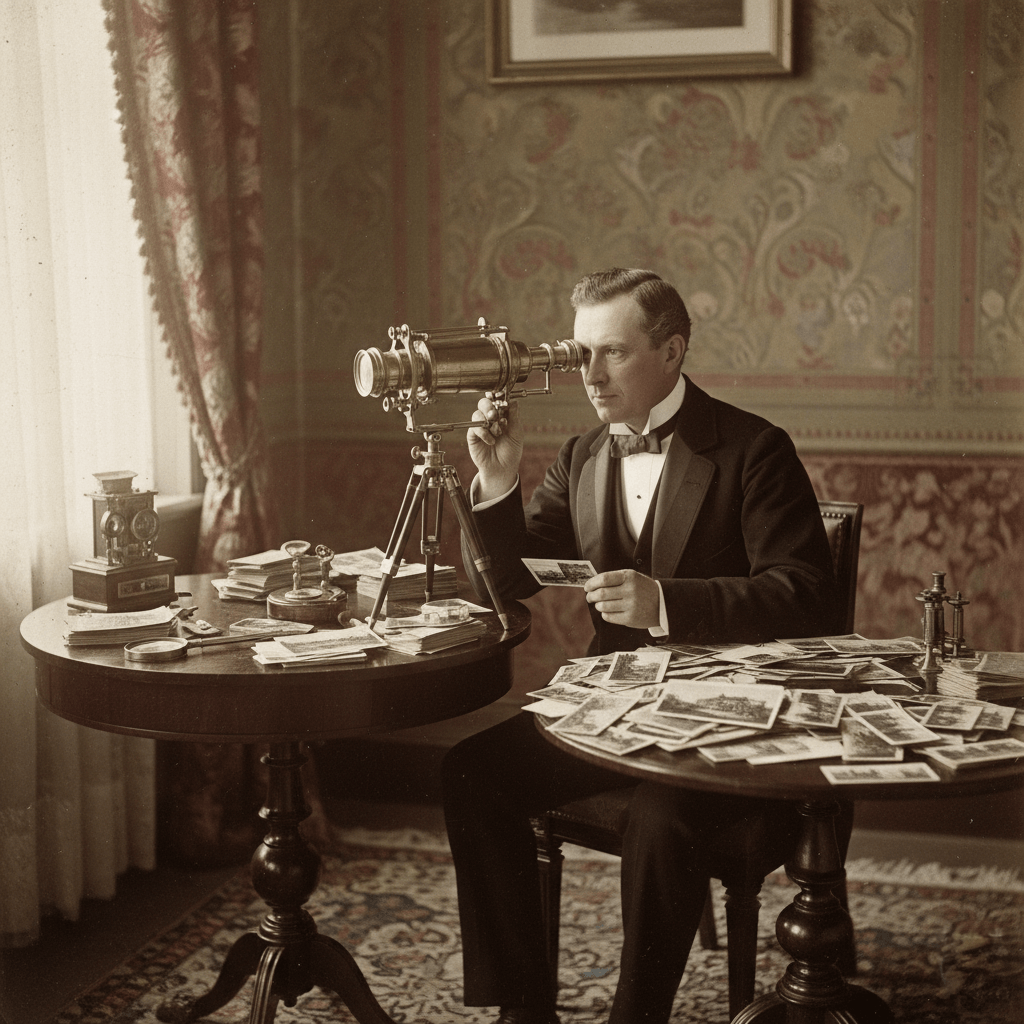 Past · Victorian EraStereoscopistThe role of a stereoscopist emerged in the mid-19th century, coinciding with the rise of the stereoscope, a device that allowed viewers to experience three-dimensional images. Stereoscopists were skilled artisans and technicians who specialized in creating stereoscopic images, which were pairs of photographs taken from slightly different angles to simulate depth perception when viewed through a stereoscope. This job was not only a technical craft but also an artistic endeavor, as stereoscopists had to carefully compose scenes, select appropriate lighting, and ensure that the images conveyed a sense of realism and depth.
Stereoscopists often worked in studios or as part of larger photographic firms, where they would collaborate with photographers and artists. They were responsible for processing the images, mounting them on cards, and sometimes even hand-coloring them to enhance their visual appeal. The popularity of stereoscopic images surged during the Victorian Era, as they provided a novel form of entertainment and education, allowing people to experience distant landscapes, historical events, and even exotic cultures from the comfort of their homes.
As the demand for stereoscopic images grew, so did the need for skilled stereoscopists who could produce high-quality work. They played a crucial role in the dissemination of visual culture, contributing to the development of photography as an art form and a means of communication.
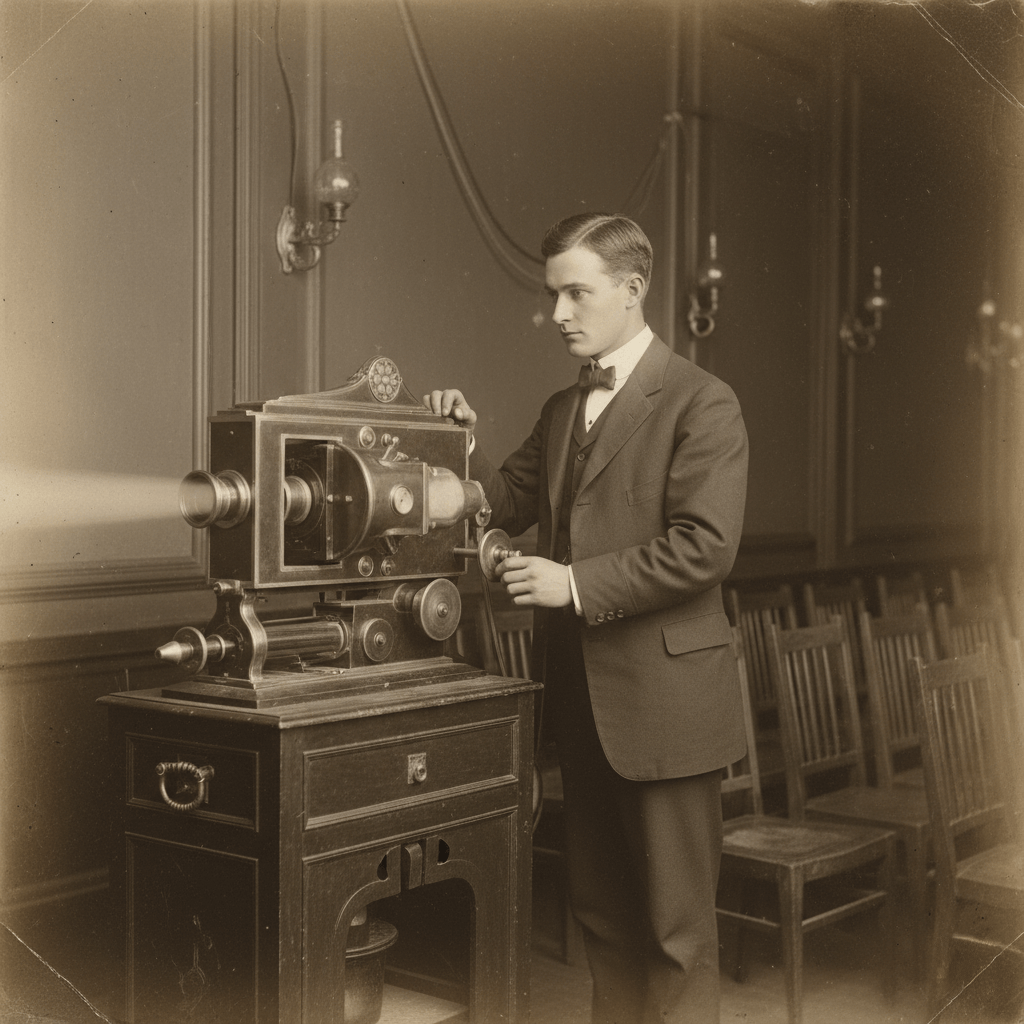 Past · Gilded AgeVitascope OperatorThe Vitascope Operator was a pioneering figure in the early days of cinema, responsible for operating the Vitascope, one of the first commercially successful motion picture projectors. This role emerged in the late 19th century, during a time when the world was captivated by the novelty of moving images. The Vitascope, developed by Thomas Edison and his team, allowed for the projection of short films to audiences in theaters, marking a significant leap in entertainment technology. Operators were tasked with not only running the machine but also ensuring that the film was threaded correctly, maintaining the right speed, and managing the light source to create a clear image on the screen. The job required a blend of technical skill and showmanship, as operators often had to engage with the audience, enhancing the viewing experience with commentary or sound effects. The excitement of the flickering images and the communal experience of watching films in a darkened theater made the role of the Vitascope Operator a vital part of the early film industry.
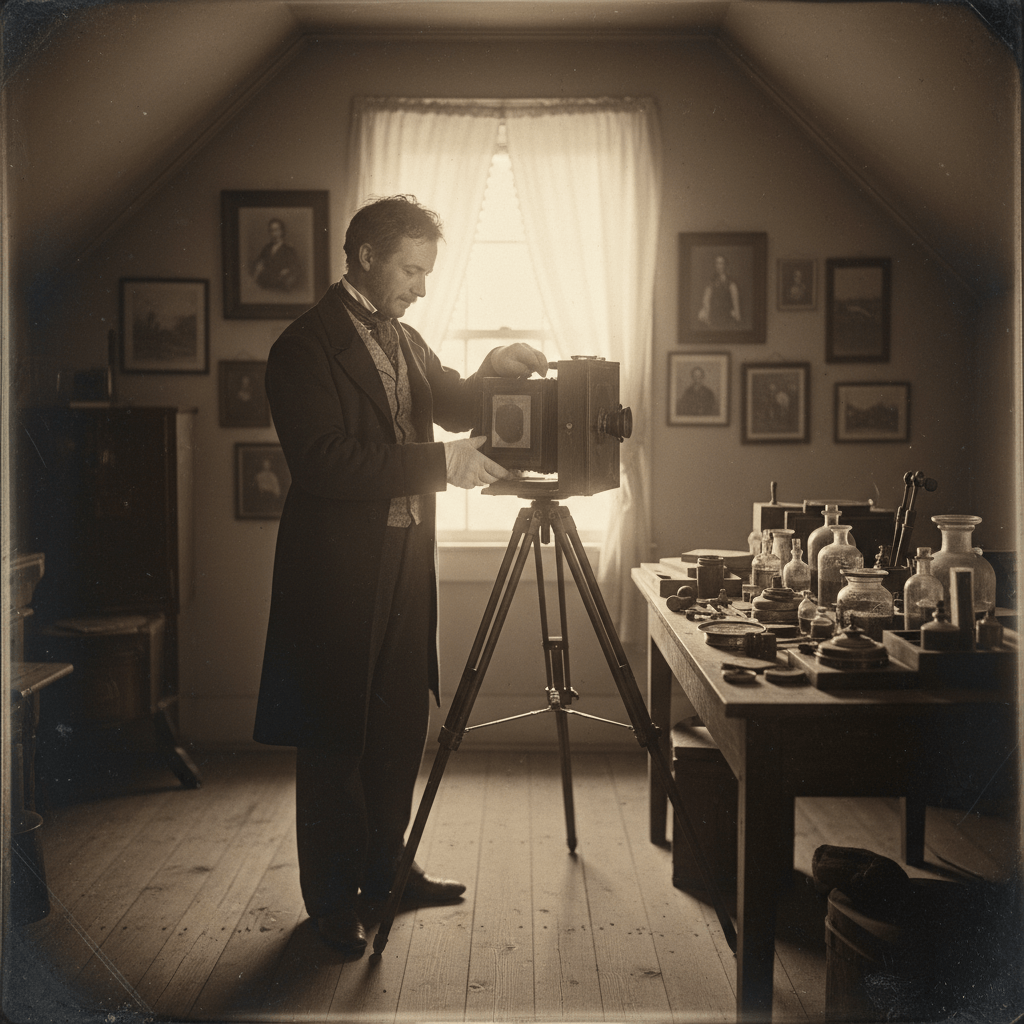 Past · 19th CenturyDaguerreotypistThe daguerreotypist was a pioneering figure in the world of photography, specializing in the creation of daguerreotypes, the first commercially successful form of photography. This intricate process, developed by Louis Daguerre in 1839, involved capturing images on a polished sheet of silver-plated copper. The daguerreotypist's work was not merely technical; it was an art form that required a keen eye for detail and a deep understanding of light and composition. Each daguerreotype was a unique image, characterized by its remarkable clarity and depth, making it a sought-after medium for portraiture and landscapes alike.
The daguerreotypist operated in a small studio, often adorned with velvet drapes and props to enhance the aesthetic of the portraits. The process began with the careful preparation of the metal plate, which was coated with a light-sensitive layer of silver iodide. After exposure in the camera, the plate was developed using mercury vapor, a hazardous but essential step that brought the latent image to life. The final product was then fixed with a salt solution, resulting in a stunning, mirror-like image that could be viewed directly or framed for display.
Daguerreotypists were often entrepreneurs, establishing their own studios and marketing their services to the public. They played a crucial role in documenting society, capturing everything from family portraits to significant historical events, and their work laid the foundation for modern photography.
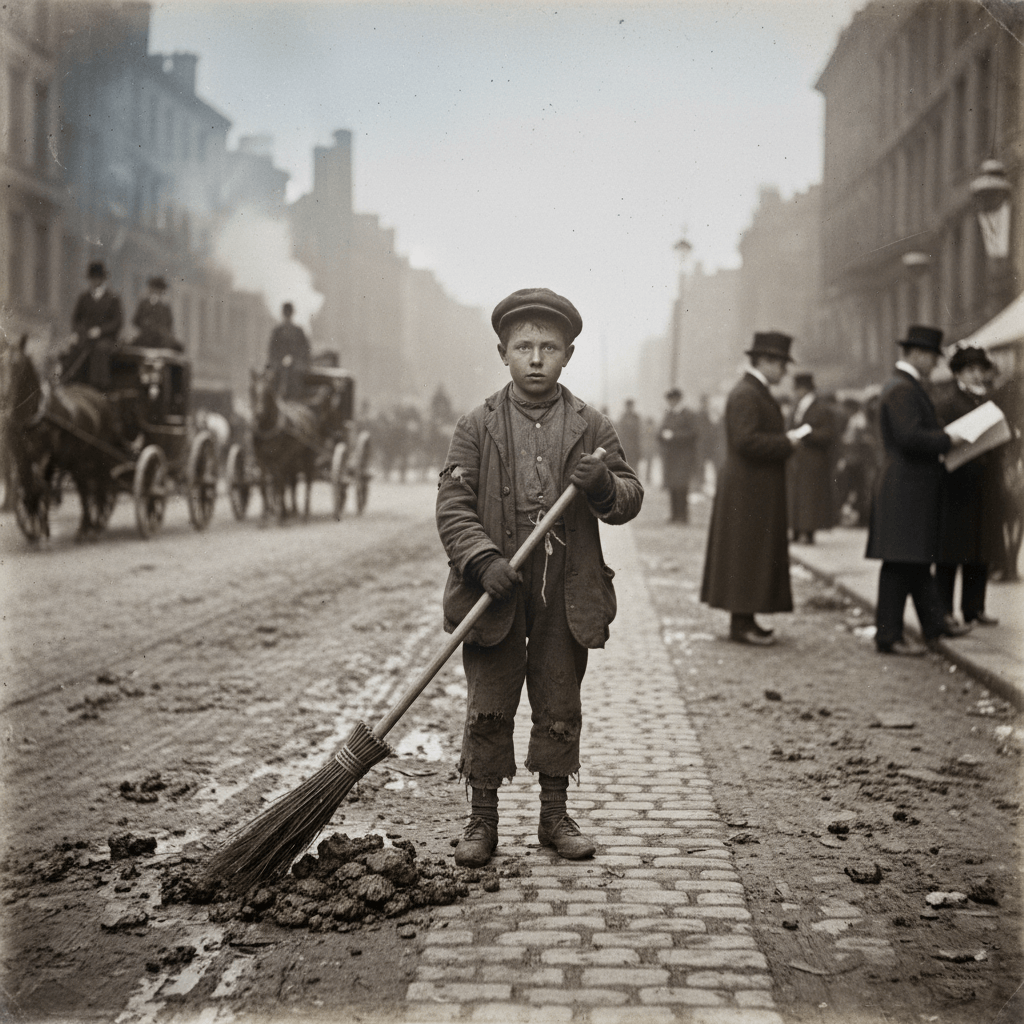 Past · Victorian EraCrossing SweeperThe role of a Crossing Sweeper emerged in the bustling streets of Victorian England, where the rapid growth of urban centers and the advent of horse-drawn carriages created a unique set of challenges for pedestrians. Crossing Sweepers were tasked with keeping the roadways clean, particularly at busy intersections, where mud, horse manure, and debris accumulated. These workers, often children or the impoverished, would stand at street corners with brooms, ready to sweep away the filth to create a cleaner path for passersby. Their work was not only about cleanliness but also about ensuring the safety and comfort of those navigating the often chaotic urban landscape.
Crossing Sweepers were a common sight in cities like London, where the streets were teeming with traffic and the air was thick with the sounds of hooves and wheels. They would often wear tattered clothing, reflecting their low social status, and their earnings were meager, relying on the generosity of pedestrians who would toss coins in gratitude for a clean crossing. This job was emblematic of the social issues of the time, highlighting the stark divide between the wealthy and the working poor, as well as the challenges faced by children in the labor force.
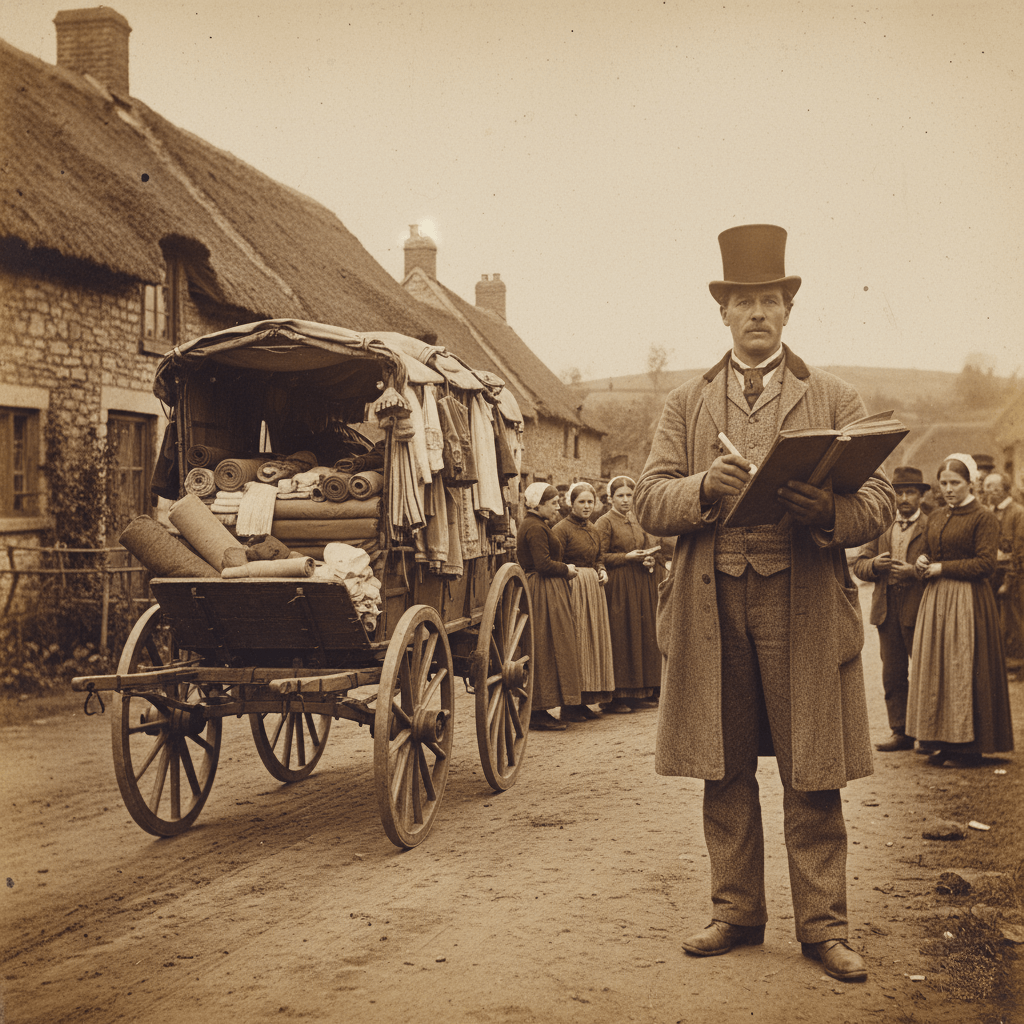 Past · Victorian EraTallymanThe Tallyman was a crucial figure in the Victorian Era, primarily serving as a collector of debts and a record keeper for local businesses and tradesmen. Often seen as a bridge between the merchant and the consumer, the Tallyman would visit homes and businesses to collect payments for goods purchased on credit. This role was particularly significant in an era when many families relied on credit to manage their household expenses, especially in the burgeoning urban centers of England. The Tallyman would carry a tally stick, a wooden stick marked with notches to record transactions, and a ledger to keep detailed accounts of debts owed and payments made.
The Tallyman’s work was not merely transactional; it involved building relationships with customers, understanding their financial situations, and sometimes negotiating payment plans. This role required a keen sense of empathy and social awareness, as many customers were struggling to make ends meet. The Tallyman was often seen as a community figure, known by name and trusted to handle sensitive financial matters with discretion.
As the Victorian Era progressed, the role of the Tallyman began to change. The introduction of more formal banking systems and the rise of credit institutions started to diminish the need for personal debt collectors. The advent of modern accounting practices and the use of printed invoices further contributed to the decline of this occupation, as transactions became more standardized and less reliant on personal relationships. By the early 20th century, the Tallyman had largely disappeared from the economic landscape, replaced by more formalized financial systems.
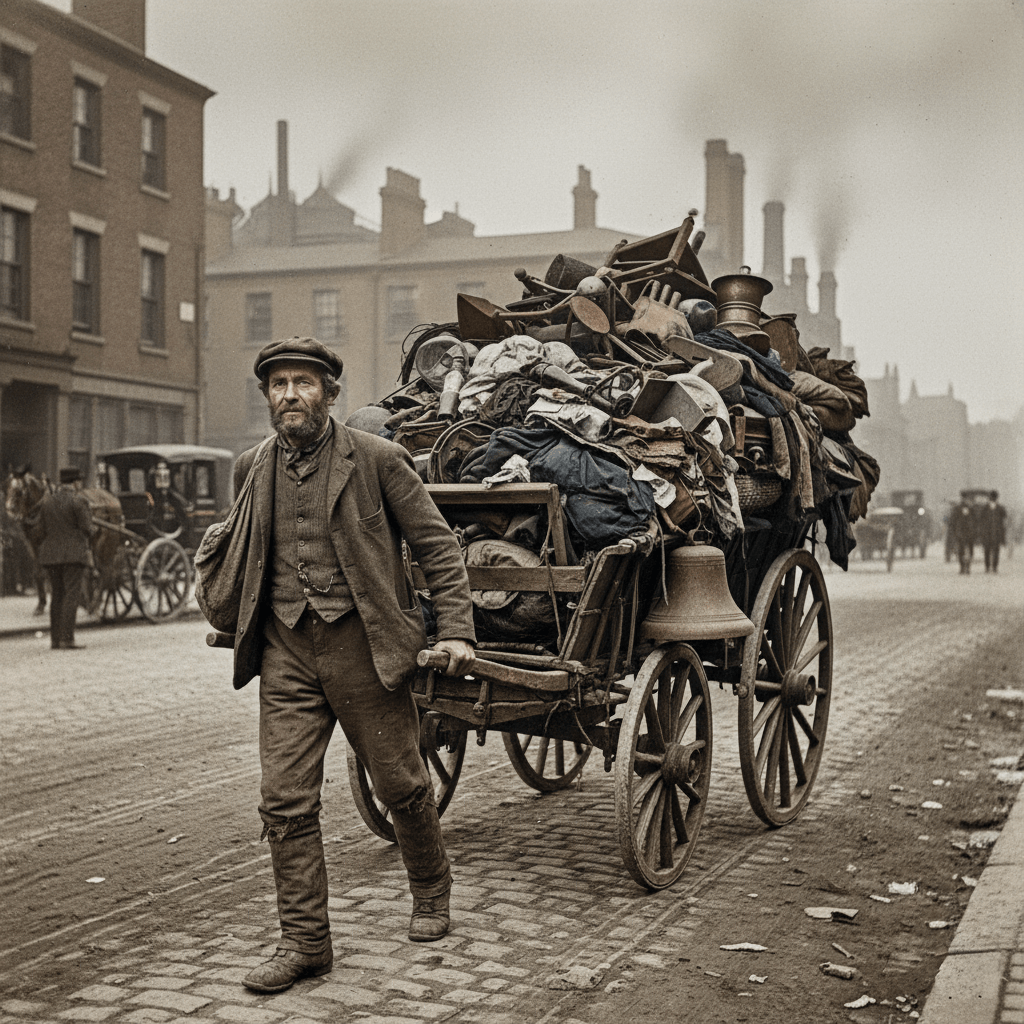 Past · Victorian EraRag-and-Bone ManThe Rag-and-Bone Man was a familiar figure in the streets of Victorian and Edwardian England, embodying the spirit of recycling long before it became a modern environmental concern. These itinerant traders collected unwanted items from households, ranging from old clothes and rags to bones and scrap metal. The rag-and-bone men played a crucial role in the economy of the time, as they provided a means for families to dispose of their waste while also offering a small income for themselves. They would often call out their trade with a distinctive cry, 'Rags, bones, and bottles!' as they pushed their carts through the neighborhoods, creating a sense of community and nostalgia for many.
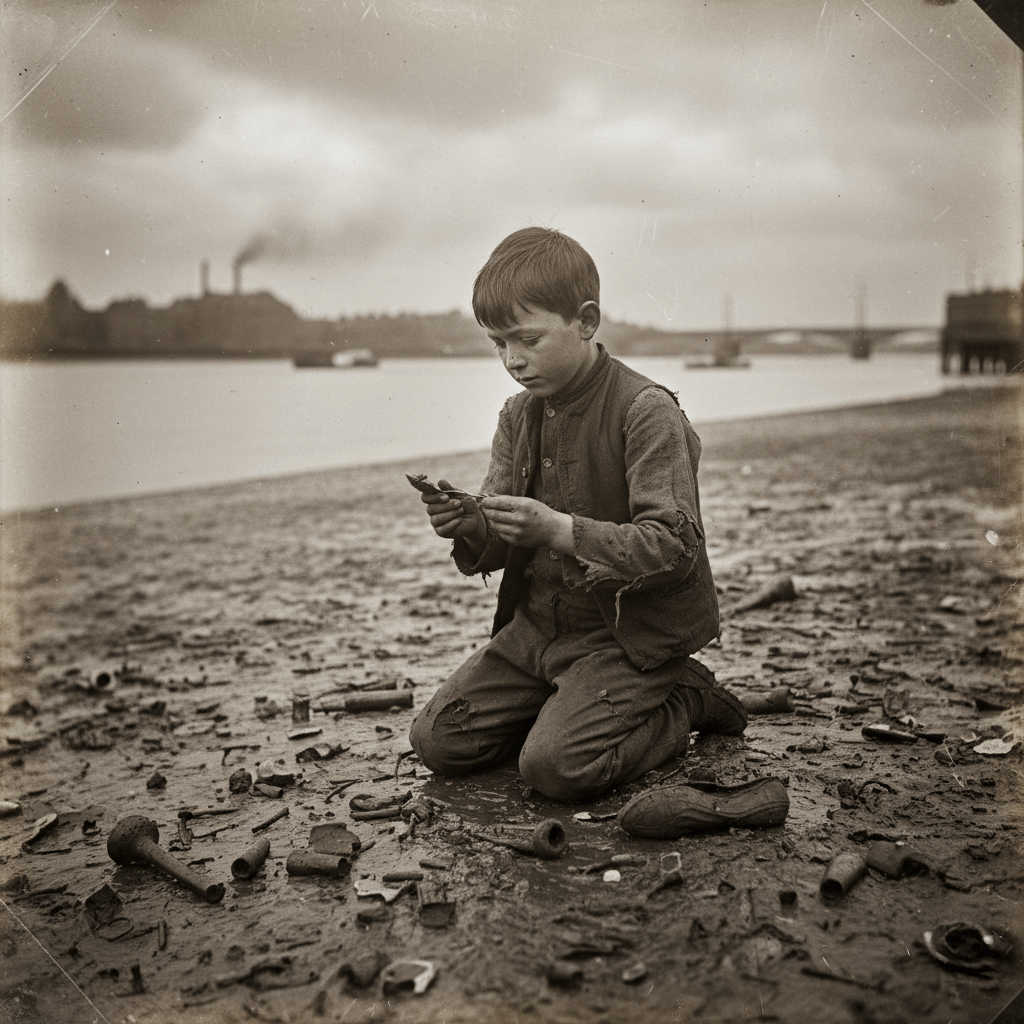 Past · Victorian EraMudlarkThe term 'mudlark' refers to individuals, often children or the impoverished, who scavenged the banks of rivers, particularly the River Thames in London, during the Victorian Era. These individuals would sift through the mud and debris left behind by the receding tide, searching for anything of value that could be sold or repurposed. The job was born out of necessity, as many families faced extreme poverty and relied on the meager earnings from scavenging to survive. Mudlarks would find items such as old coins, jewelry, pottery, and even discarded household goods, which they could sell to local traders or at markets. The work was physically demanding and often dangerous, as the muddy banks could be treacherous, and the waters of the Thames were known for their strong currents and pollution. Despite the harsh conditions, mudlarks played a crucial role in the urban economy, contributing to the recycling of materials long before the concept became mainstream.
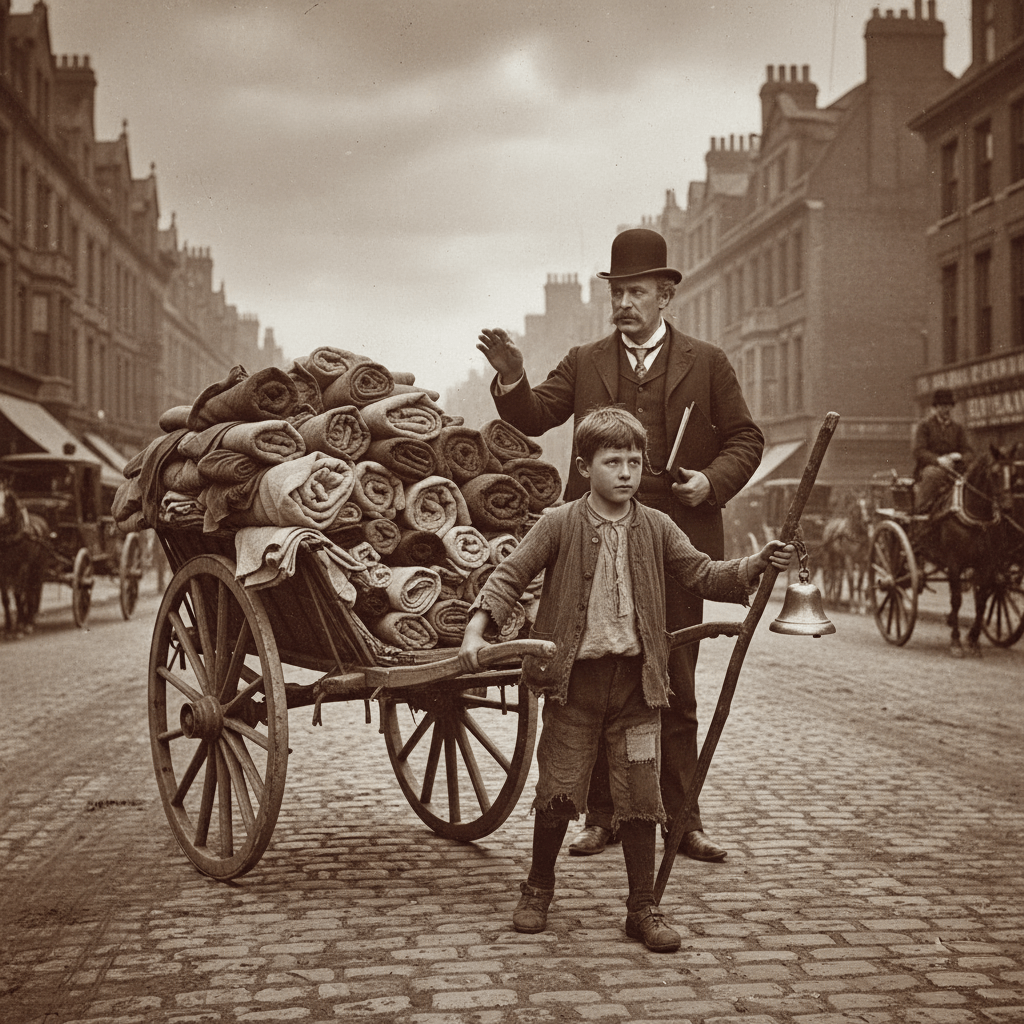 Past · Victorian EraTowel HorseThe towel horse was a common fixture in Victorian households, serving as a practical solution for drying and airing out freshly laundered towels. This job involved the creation and maintenance of these wooden frames, which were designed to hold towels in a way that maximized air circulation and minimized mildew. Craftsmen known as towel horse makers would construct these items from sturdy wood, often incorporating decorative elements to enhance their aesthetic appeal. The towel horse was not merely a functional item; it was a symbol of domesticity and cleanliness in an era that placed great emphasis on hygiene and the proper management of household chores.
In the bustling homes of the Victorian middle class, the towel horse was an essential accessory, often placed in bathrooms or near wash basins. It allowed families to dry their towels efficiently, reflecting the era's values of order and propriety. The towel horse was typically designed with multiple rungs or bars, allowing several towels to be hung at once, and was often collapsible for easy storage.
As the Victorian Era progressed, the towel horse became a staple in many households, with variations in design reflecting the tastes and preferences of the time. Craftsmen took pride in their work, often handcrafting each piece with attention to detail, ensuring that the towel horse was both functional and visually appealing.
However, as the 20th century approached, the advent of modern plumbing and the introduction of electric dryers began to change domestic practices. The need for towel horses diminished as households adopted new technologies that made drying towels faster and more efficient. The towel horse, once a common sight in homes, gradually faded into obscurity, becoming a relic of a bygone era.
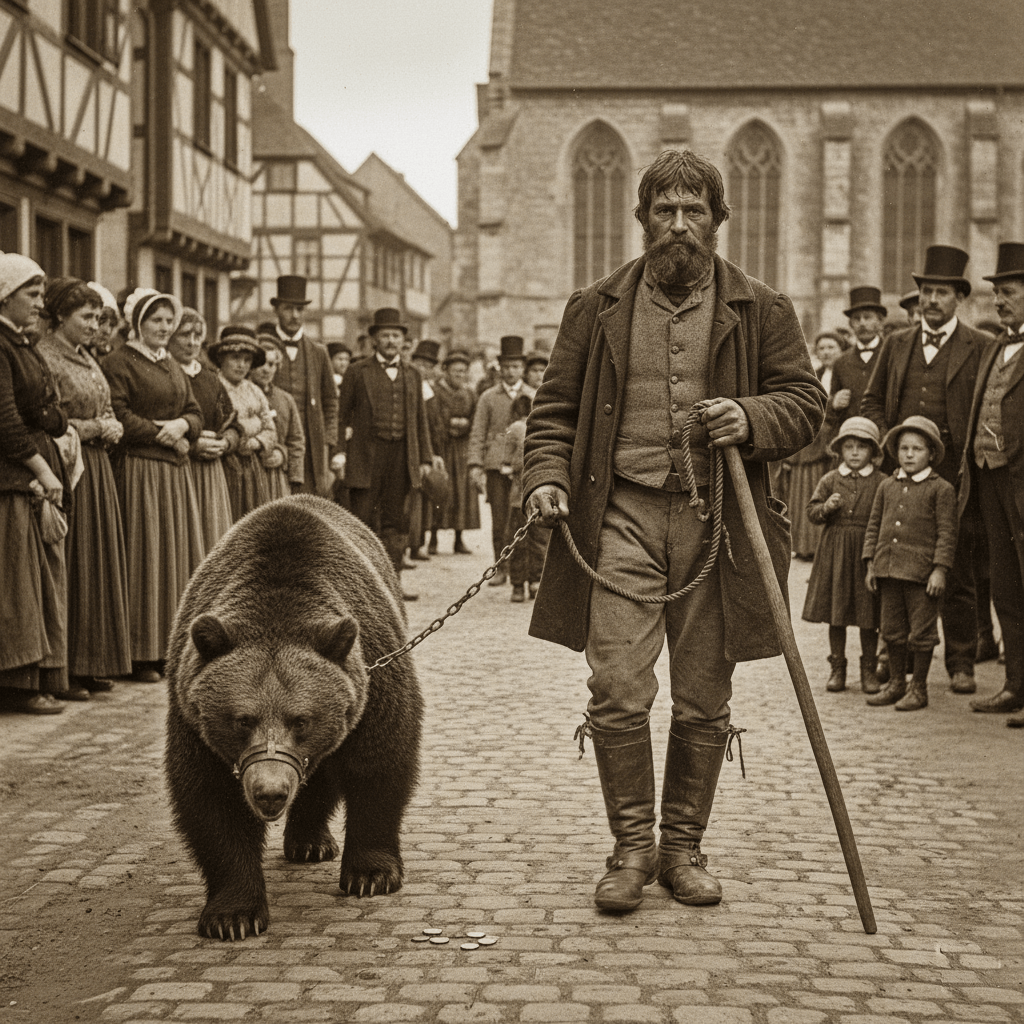 Past · Victorian EraBear-LeaderThe role of a Bear-Leader was a unique and fascinating occupation that emerged during the Victorian Era, particularly in the 19th century. These individuals were responsible for the care and management of trained bears, often leading them through towns and cities as a form of entertainment. The bear, typically a young and trained specimen, would perform tricks and engage with the public, drawing crowds and generating income for the Bear-Leader. This profession was not merely about leading a bear; it involved a deep understanding of animal behavior, training techniques, and the ability to engage with audiences. Bear-Leaders were often seen as both entertainers and animal handlers, navigating the delicate balance between showmanship and animal welfare. The spectacle of a bear performing tricks, such as dancing or balancing on a ball, was a popular attraction in fairs and public gatherings, making the Bear-Leader a notable figure in the entertainment landscape of the time.
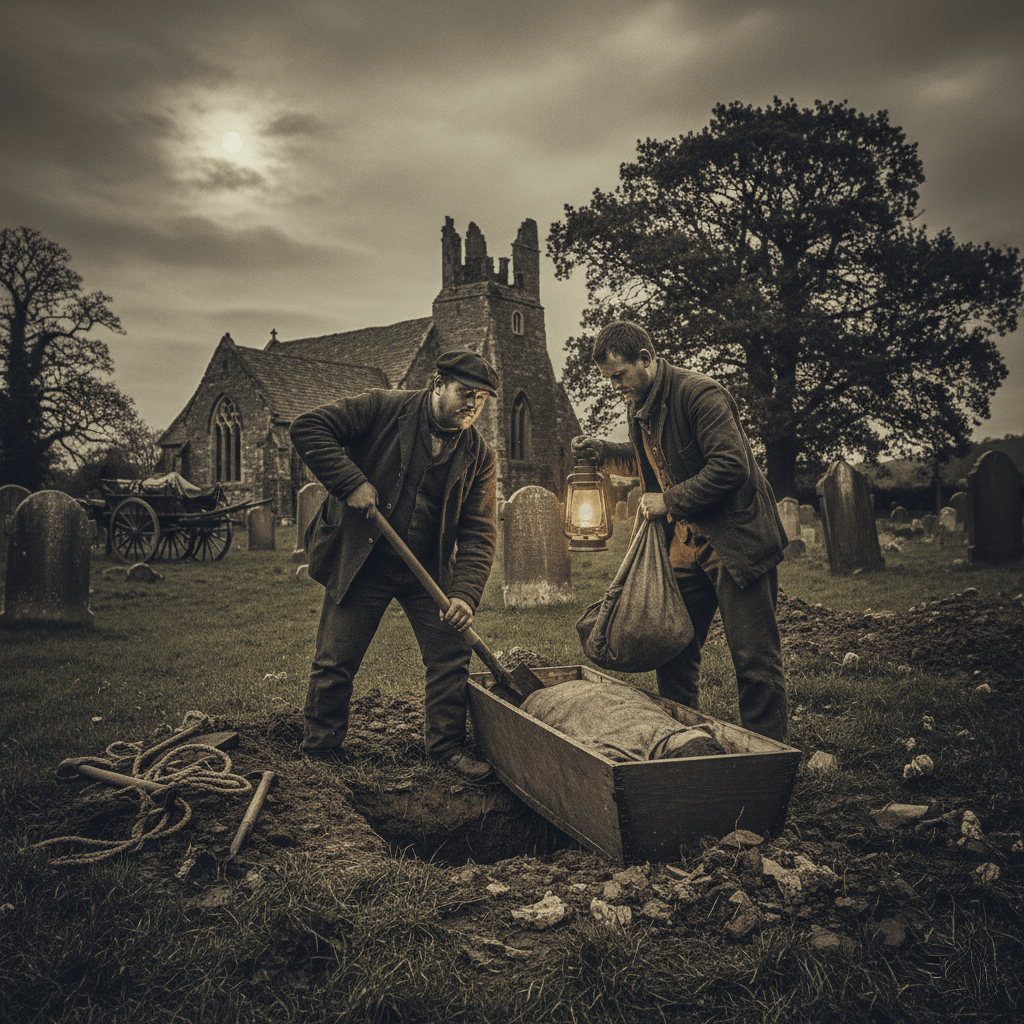 Past · Victorian EraResurrectionistThe role of a resurrectionist, often referred to as a body snatcher, emerged in the early 19th century during a time when the demand for cadavers for medical research and education far exceeded the supply. In an era where the study of human anatomy was gaining prominence, medical schools required fresh specimens for dissection, but legal restrictions limited the availability of bodies. Resurrectionists operated in the shadows, exhuming recently buried corpses from graveyards and selling them to medical institutions. This clandestine occupation was fraught with moral and legal dilemmas, as it often involved the desecration of graves and the exploitation of the deceased's families. Despite the grim nature of their work, resurrectionists played a crucial role in advancing medical knowledge, albeit through highly controversial means. Their activities sparked public outrage and led to significant legal reforms regarding the procurement of cadavers, ultimately transforming the landscape of medical education.
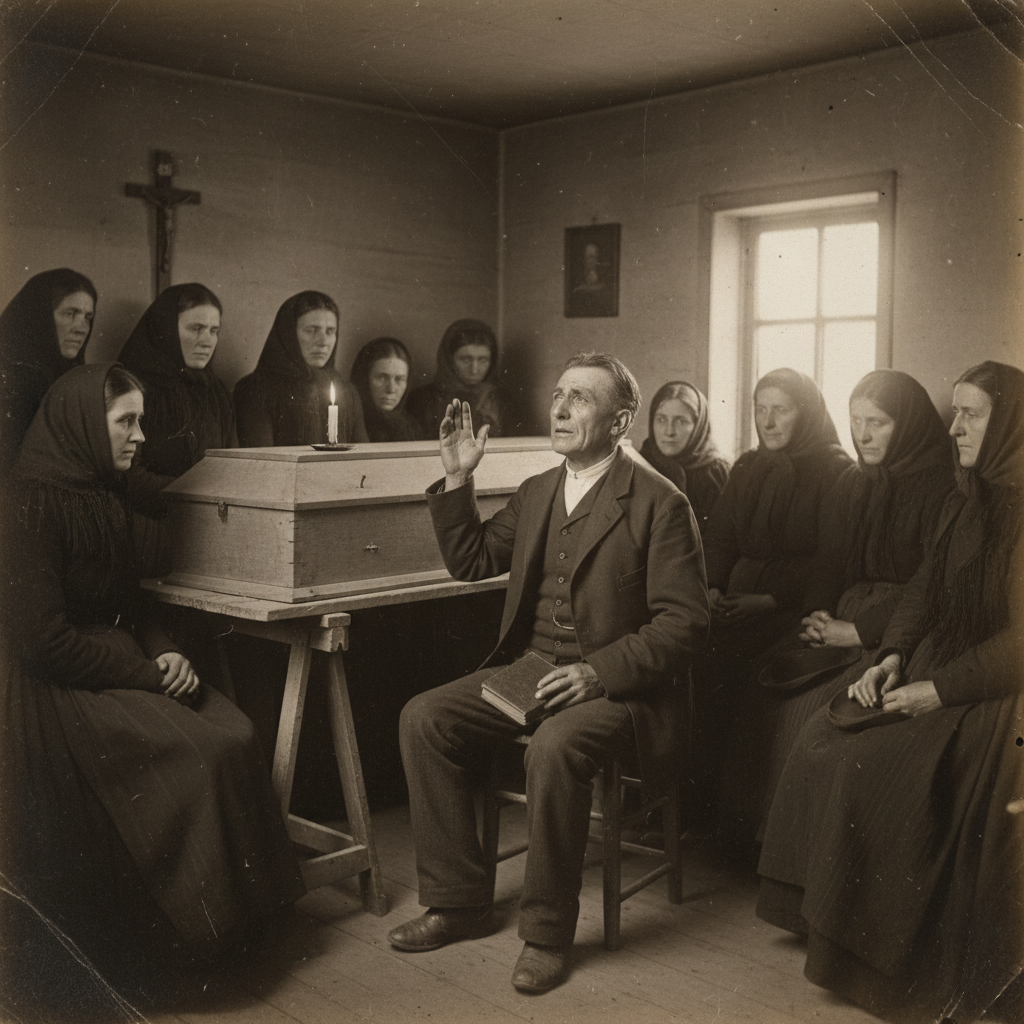 Past · Victorian EraMoirologistThe moirologist, a term derived from the Greek word 'moirologia' meaning 'to lament,' was a specialized profession that emerged during the Victorian Era, particularly in the 19th century. These individuals were skilled mourners, often hired to express grief at funerals and memorial services. Their role was to provide a public display of sorrow, which was considered an essential part of the mourning process in a society that placed great emphasis on the rituals surrounding death. Moirologists were often women, who would don black attire and engage in elaborate displays of mourning, including weeping, wailing, and reciting elegies or poems that honored the deceased. Their presence was thought to enhance the emotional atmosphere of the funeral, allowing the bereaved family to feel supported in their grief.
In addition to their emotional labor, moirologists were also expected to have a deep understanding of the customs and traditions surrounding death, including the appropriate attire, behavior, and rituals that were expected in various social contexts. They often worked alongside funeral directors and were an integral part of the mourning culture of the time, which was characterized by elaborate funerals and a public display of grief.
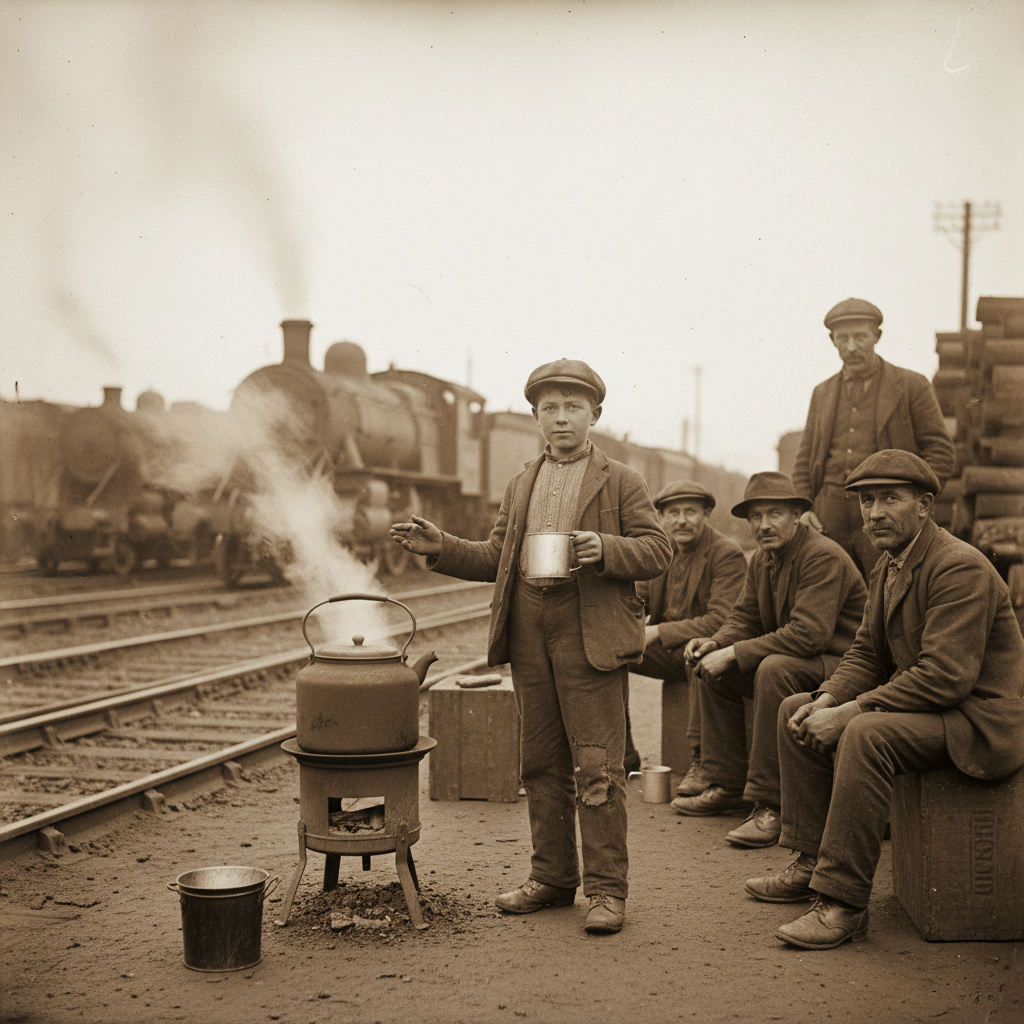 Past · Victorian EraBilly BoyThe term 'Billy Boy' refers to a young boy employed in the Victorian era, primarily in the coal mining industry, to assist with various tasks that were essential for the operation of the mines. These boys, often starting work as young as six or seven, played a crucial role in the mining process, particularly in the transportation of coal and the management of ventilation within the mines. Their small stature allowed them to navigate the narrow tunnels and shafts where adults could not fit, making them invaluable to the mining operations of the time.
Billy Boys were responsible for a variety of tasks, including pushing carts filled with coal, opening and closing ventilation doors, and sometimes even acting as lookouts for supervisors. Their work was physically demanding and often dangerous, exposing them to the perils of mining, such as cave-ins and poor air quality. Despite the harsh conditions, these boys contributed significantly to the coal industry, which was a cornerstone of the Victorian economy, fueling the Industrial Revolution and the rapid urbanization of Britain.
The life of a Billy Boy was marked by long hours, typically starting before dawn and ending after sunset, with little regard for their well-being. They were often paid meager wages, reflecting the exploitative labor practices of the time, and many faced health issues due to the hazardous environment in which they worked.
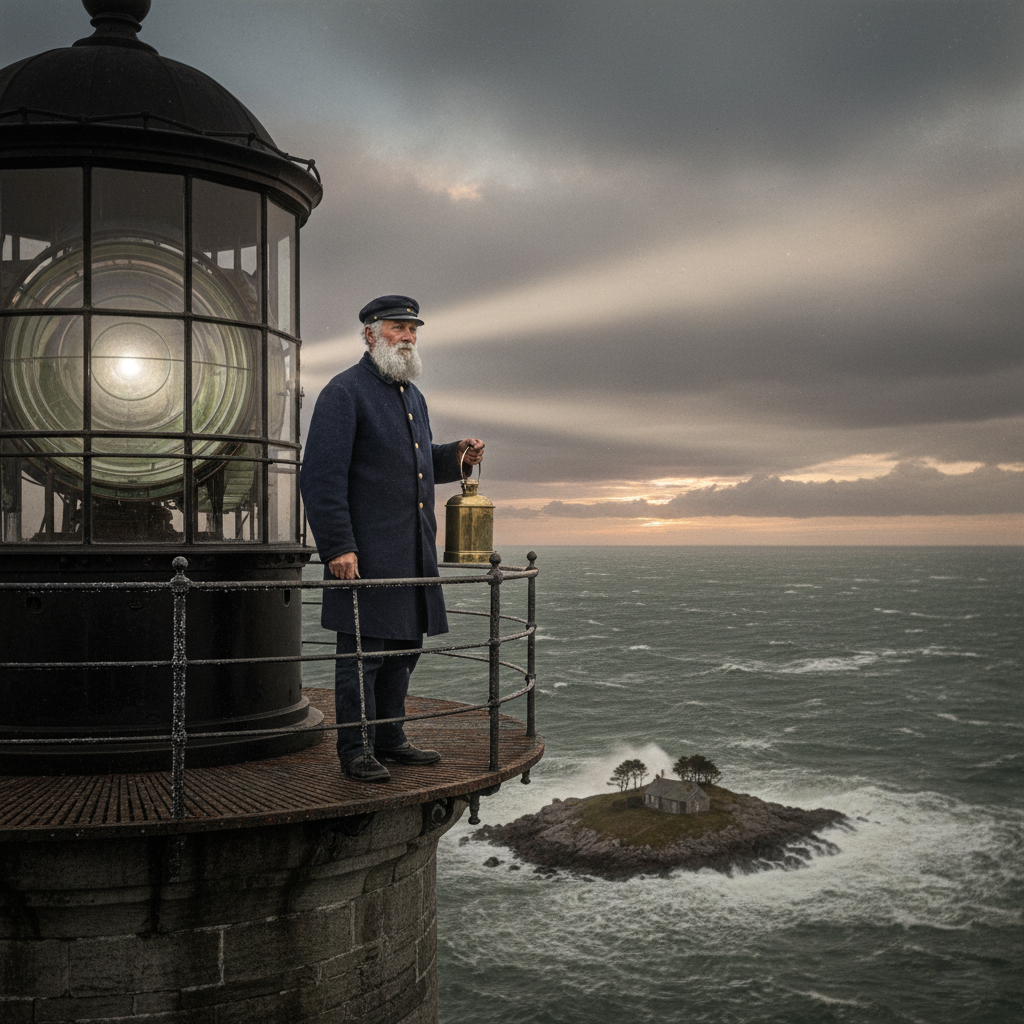 Past · 19th CenturyLighthouse KeeperThe role of a lighthouse keeper was vital to maritime safety, particularly during the 19th century when shipping traffic surged due to industrialization and global trade. Lighthouse keepers were responsible for maintaining the light and ensuring that it was visible to passing ships, guiding them safely through treacherous waters. This job required a deep understanding of navigation, meteorology, and mechanical systems, as keepers often had to troubleshoot and repair the light mechanisms, which could include oil lamps or later, electric lights. The keeper's duties extended beyond just the light; they also maintained the lighthouse itself, kept records of weather conditions, and sometimes assisted in rescue operations for distressed vessels. The isolation of many lighthouses meant that keepers often lived in remote locations, sometimes with their families, fostering a unique community around these beacons of safety.
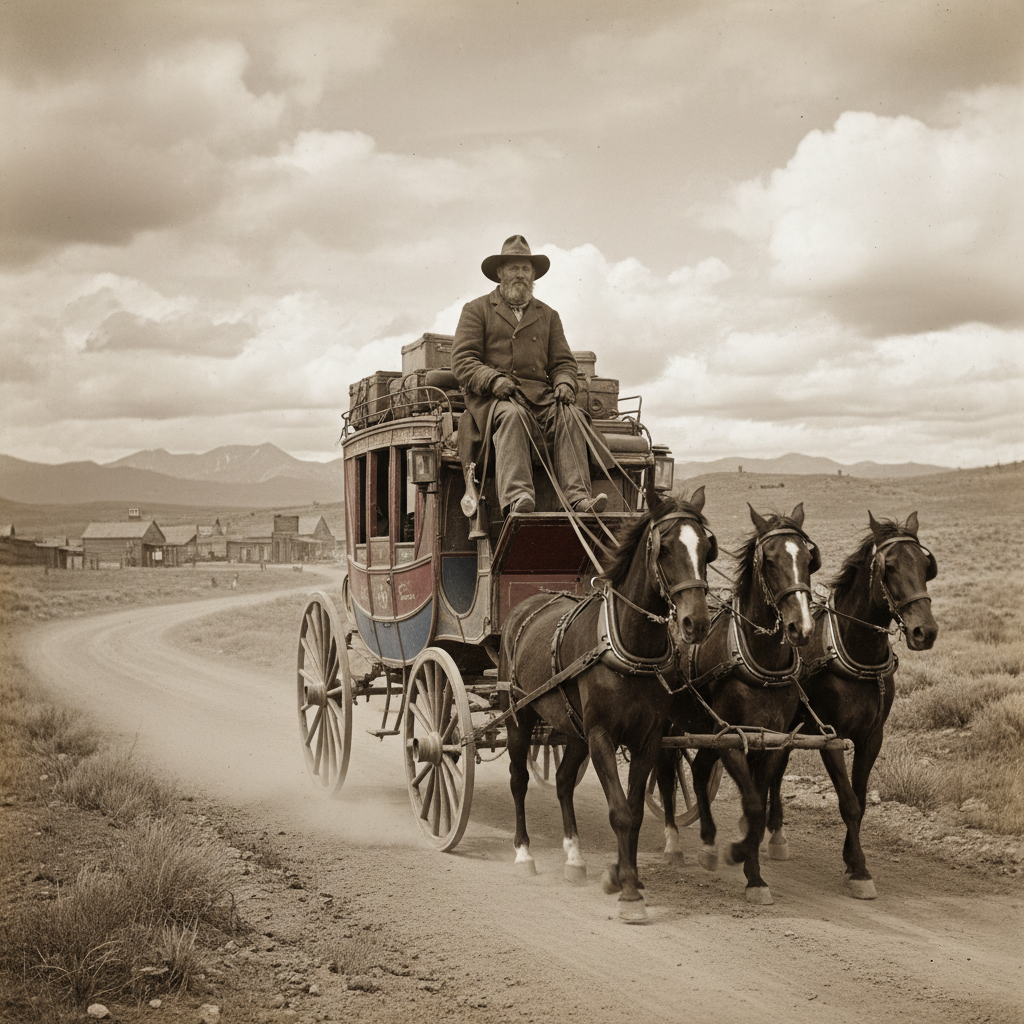 Past · 19th CenturyStagecoach DriverThe stagecoach driver, a vital figure in the 19th century, was responsible for transporting passengers and goods across vast distances in horse-drawn coaches. These drivers navigated rugged terrains, often through treacherous weather conditions, ensuring the safety and comfort of their passengers. The stagecoach itself was a marvel of engineering, designed to carry multiple passengers and their luggage, while the driver skillfully managed a team of horses, often up to six, to pull the heavy vehicle. The role required not only a deep understanding of the horses and the coach but also an intimate knowledge of the routes, including potential hazards such as rough roads, rivers, and bandit-infested areas. Stagecoach drivers were often seen as the lifeline of communication and commerce in the expanding American West, connecting remote settlements with urban centers and facilitating the movement of mail and goods.
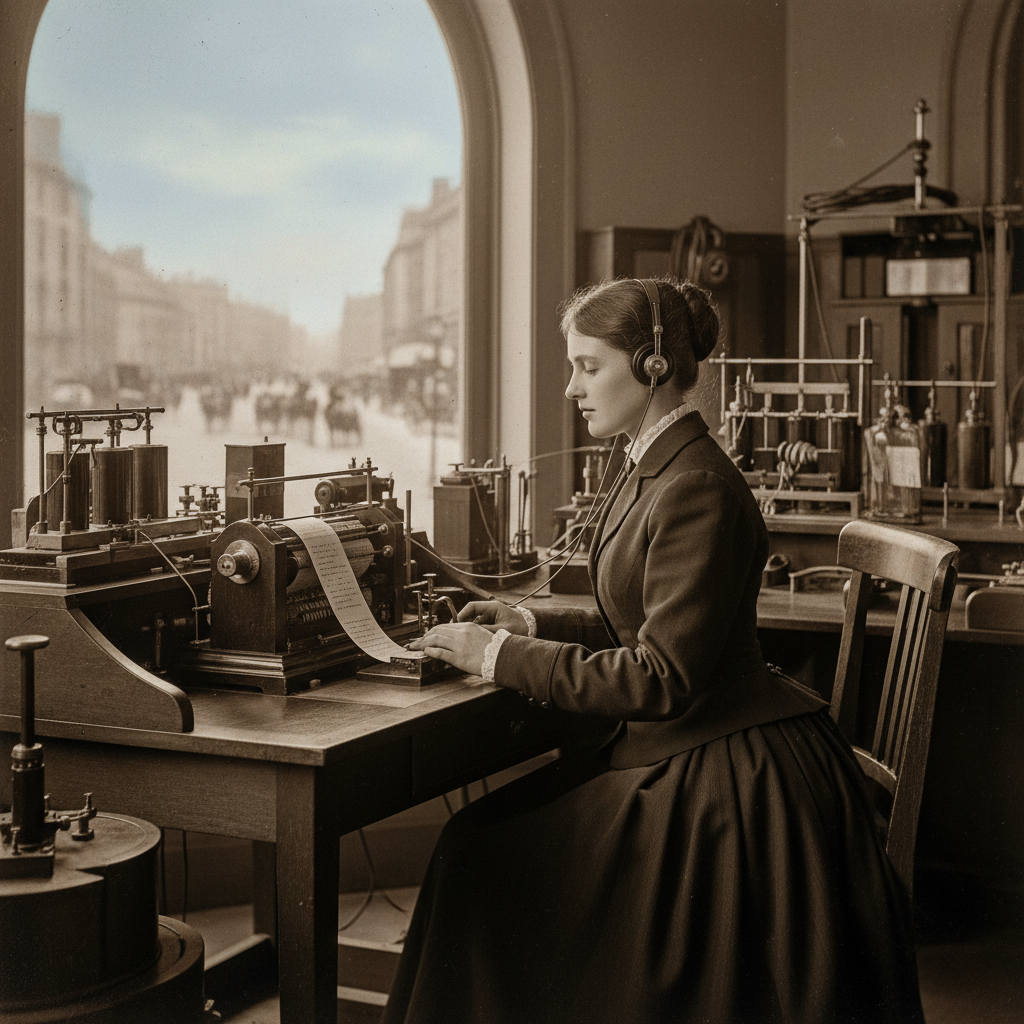 Past · 19th CenturyMorse Code DecoderThe role of a Morse Code Decoder emerged in the mid-19th century, coinciding with the advent of the telegraph. This job was pivotal in the communication revolution, allowing messages to be transmitted over long distances using a series of dots and dashes representing letters and numbers. Morse Code Decoders were responsible for interpreting these signals, translating them into readable text, and ensuring that vital information was accurately conveyed. They played a crucial role in various sectors, including military operations, maritime communication, and commercial enterprises, where timely information was essential for decision-making and coordination.
The work environment for a Morse Code Decoder was often dynamic and fast-paced. Decoders typically operated in telegraph offices, military command centers, or aboard ships, where they would listen intently to the rhythmic sounds of the telegraph machine. The ability to quickly and accurately decode messages was paramount, as delays could lead to misunderstandings or missed opportunities. The job required not only technical skill but also a keen sense of urgency and attention to detail, as decoders often worked under pressure, especially during critical communications.
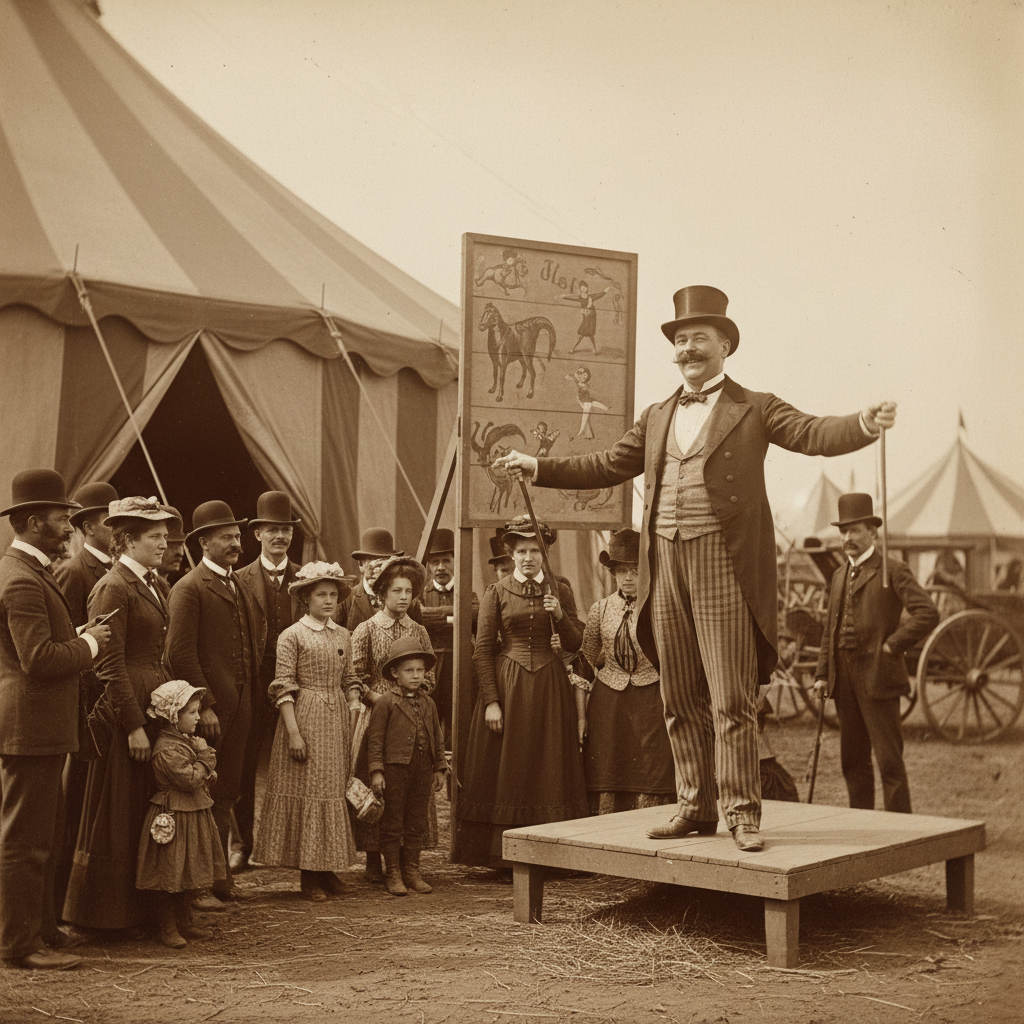 Past · Victorian EraCircus BarkerThe role of a circus barker was a vibrant and essential part of the traveling circus experience during the Victorian Era, a time when entertainment was a cherished escape from the rigors of daily life. Circus barkers were the charismatic individuals who stood at the entrance of the circus tent, beckoning passersby to come in and witness the wonders within. With their loud, boisterous voices and engaging personalities, they would entice audiences with promises of thrilling acts, exotic animals, and astonishing feats of human skill.
Dressed in flamboyant attire, often adorned with bright colors and eye-catching accessories, barkers were not just salespeople; they were performers in their own right. Their job required a unique blend of showmanship and persuasion, as they crafted elaborate pitches that highlighted the most sensational aspects of the circus. They would often use humor, exaggeration, and even a bit of theatrics to draw in crowds, creating an atmosphere of excitement and anticipation.
The circus barker's role was not limited to mere advertising; they were also responsible for managing the flow of patrons into the tent, ensuring that the audience was engaged and ready for the show. Their lively banter and ability to connect with the crowd were crucial in setting the tone for the performances that followed, making them a beloved figure in the circus community.
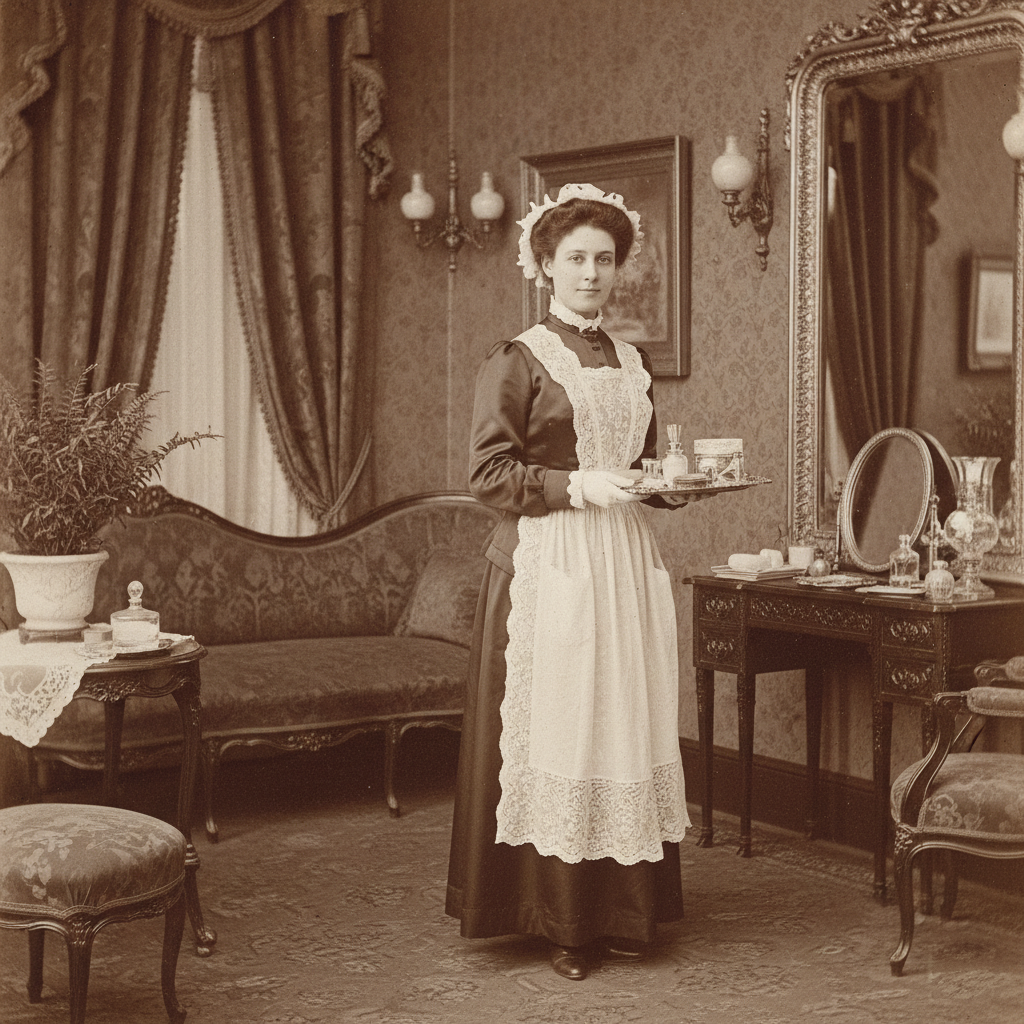 Past · Victorian EraPowder Room AttendantThe role of a Powder Room Attendant was a vital yet often overlooked position in the social fabric of the Victorian Era, particularly in the late 19th century. These attendants were responsible for maintaining the elegance and functionality of the powder rooms in theaters, opera houses, and high-end social venues. Their duties included ensuring that the facilities were clean, stocked with necessary items, and that patrons had a pleasant experience while attending to their personal grooming needs. The powder room was a sanctuary for women, a place where they could refresh their appearance, apply makeup, and socialize in a more private setting. Attendants would often assist patrons with their needs, offering services such as providing powder, perfume, and other beauty essentials, as well as helping with clothing adjustments and offering a listening ear to the social exchanges that took place within these intimate spaces.
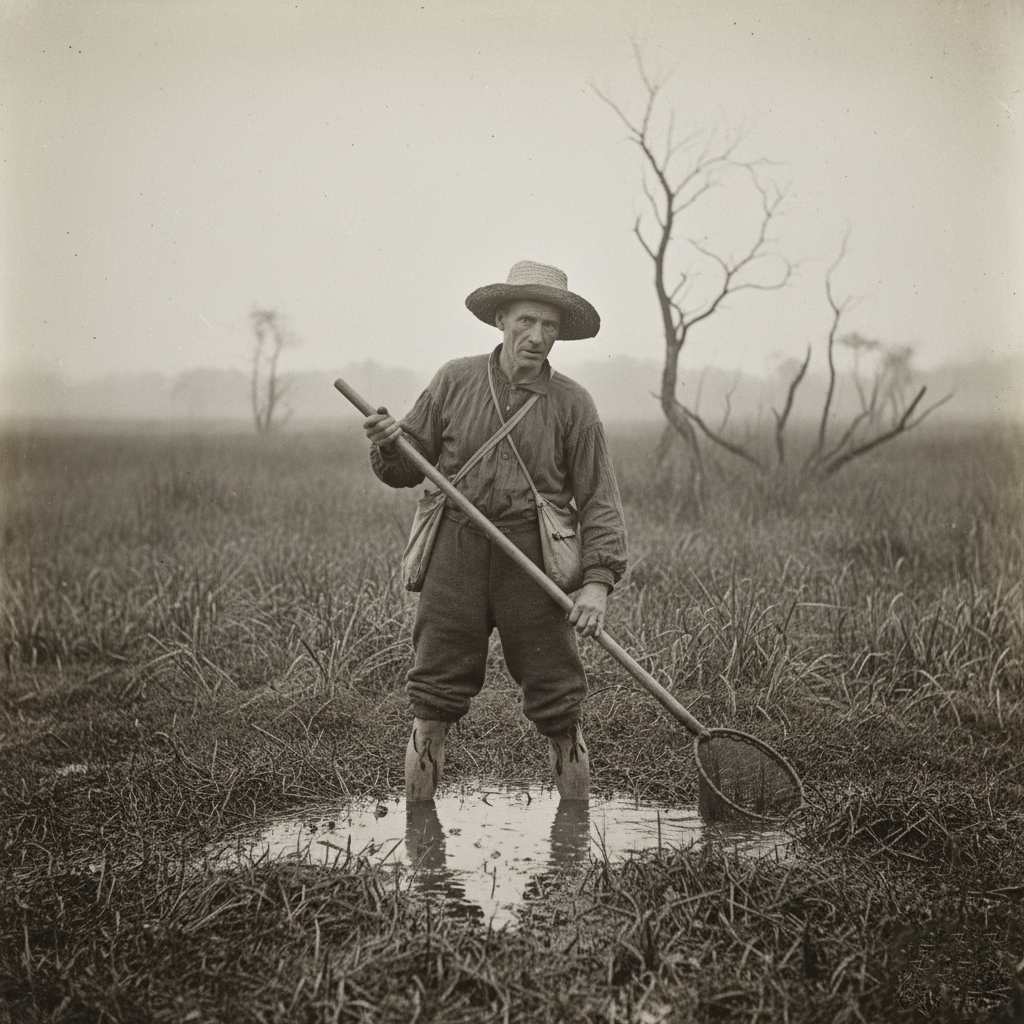 Past · Victorian EraLeech CollectorIn the Victorian Era, the leech collector played a crucial role in the burgeoning field of medicine. These individuals were tasked with harvesting leeches from freshwater bodies, primarily for use in bloodletting—a common medical practice of the time. Leeches were believed to cure a variety of ailments by drawing out 'bad blood,' and their demand surged as the medical community embraced this practice. Leech collectors would often wade into muddy waters, using nets and their bare hands to gather these slimy creatures, which were then sold to physicians and apothecaries. The job required not only physical endurance but also a keen understanding of the leeches' habitats and behaviors, as well as the ability to handle them without causing harm to themselves or the creatures.
The leech collector's work was often conducted in remote, marshy areas, where they would spend hours in the water, sometimes in harsh weather conditions. The collectors would return home with buckets filled with leeches, which they would keep alive in water-filled containers until sold. The job was labor-intensive and often poorly paid, but it was essential in an era when medical practices relied heavily on the use of leeches for therapeutic purposes.
As the medical field evolved and the understanding of human anatomy and disease progressed, the practice of bloodletting fell out of favor. By the late 19th century, with the advent of modern medicine and more effective treatments, the demand for leeches diminished significantly, leading to the decline of this once vital occupation.
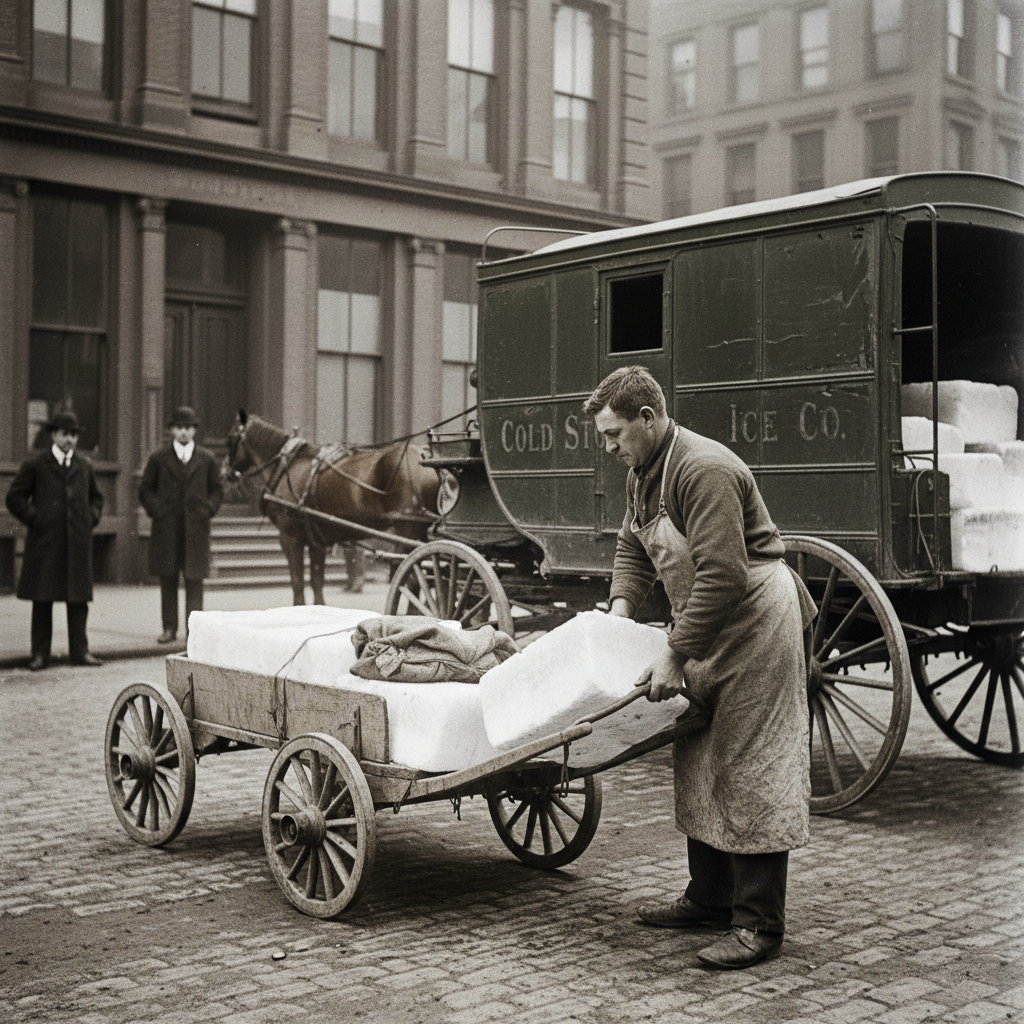 Past · Gilded AgeIce Delivery ManThe Ice Delivery Man was a vital figure in the late 19th and early 20th centuries, responsible for transporting large blocks of ice from ice houses to homes and businesses. Before the advent of modern refrigeration, ice was essential for preserving food, cooling drinks, and providing comfort during the sweltering summer months. Ice delivery men would often rise before dawn, preparing for a long day of labor that involved hauling heavy blocks of ice, sometimes weighing up to 300 pounds, using specialized tools and horse-drawn wagons. They navigated through city streets, delivering ice to households, restaurants, and markets, often shouting 'Ice!' to announce their arrival. The job required not only physical strength but also knowledge of customer preferences, as many clients had specific requests for the size and quantity of ice needed. The ice delivery man was a familiar sight in urban areas, contributing to the daily rhythm of life and commerce.
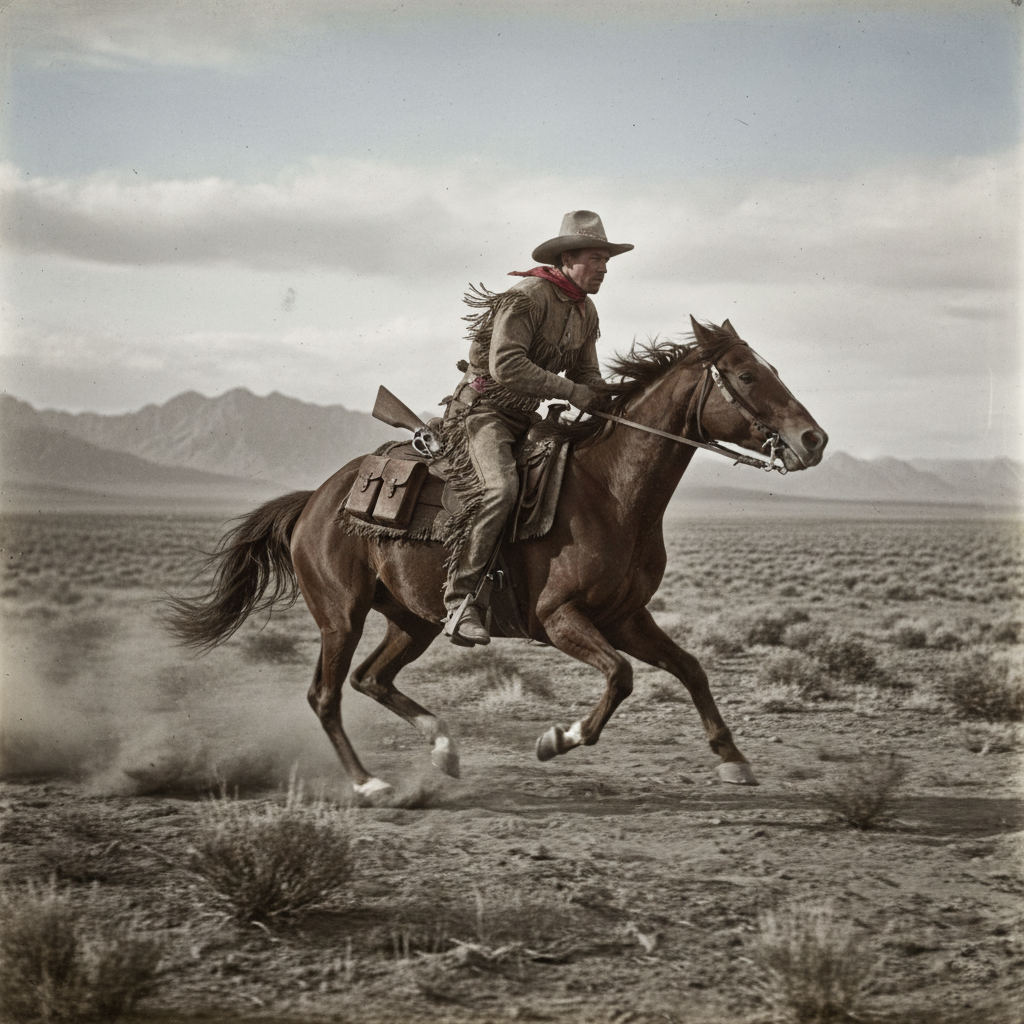 Past · Mid 19th CenturyPony Express RiderThe Pony Express was a mail service that operated in the United States from April 1860 to October 1861, providing a vital link between the East and West coasts during a time of rapid expansion and communication needs. Riders, known as Pony Express Riders, were young, brave men who undertook the perilous task of delivering mail across the vast and often treacherous terrain of the American frontier. Each rider was responsible for a segment of the route, which spanned approximately 1,900 miles from St. Joseph, Missouri, to Sacramento, California. The service was renowned for its speed, with letters often delivered in just ten days, a remarkable feat for the time.
Riders faced numerous challenges, including harsh weather conditions, rugged landscapes, and the threat of hostile encounters with Native American tribes or outlaws. They rode at a breakneck pace, often changing horses every 10 to 15 miles at designated relay stations, which were strategically placed along the route. The Pony Express was not just a job; it was a test of endurance, courage, and commitment to the mission of connecting a growing nation. Riders were often seen as heroes, embodying the spirit of adventure and the pioneering ethos of the American West.
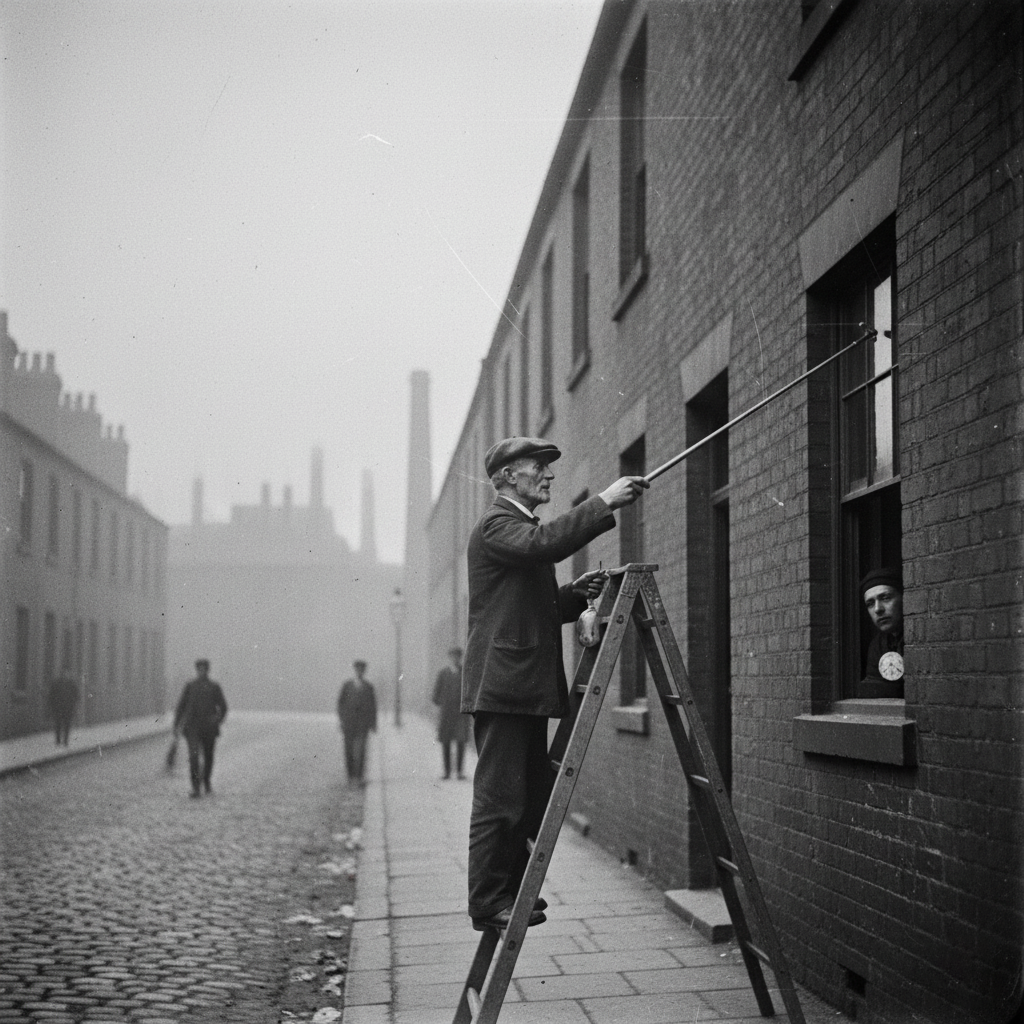 Past · Victorian EraKnocker-UpperIn the bustling streets of Victorian England, where the clamor of industry met the rhythm of daily life, a unique occupation emerged: the Knocker-Upper. This job was essential for those who needed to rise early for work but lacked the luxury of alarm clocks. Knocker-Uppers were the human alarm clocks of their time, ensuring that the working class could meet the demands of their laborious schedules. Armed with a long stick or a peashooter, they would rouse sleeping patrons by tapping on their windows or, in some cases, shooting small pellets to get their attention.
The Knocker-Upper was often a familiar figure in the neighborhood, known for their punctuality and reliability. They would typically start their rounds before dawn, navigating the dimly lit streets, often in inclement weather, to ensure that their clients were awake and ready for the day ahead. This job was not just about waking people; it was a vital service that supported the industrial economy, where time was money and every minute counted.
As the sun rose, the Knocker-Upper would call out names or tap on windows, sometimes even engaging in light banter with the residents. Their presence was a comforting routine in the lives of many, a reminder that the day was beginning and that it was time to rise and shine.
However, as the 20th century approached, the Knocker-Upper began to fade into obscurity. The advent of the mechanical alarm clock, which became increasingly affordable and reliable, rendered this occupation obsolete. The rise of technology and changing social norms shifted the way people managed their time, leading to the decline of this once-essential role.
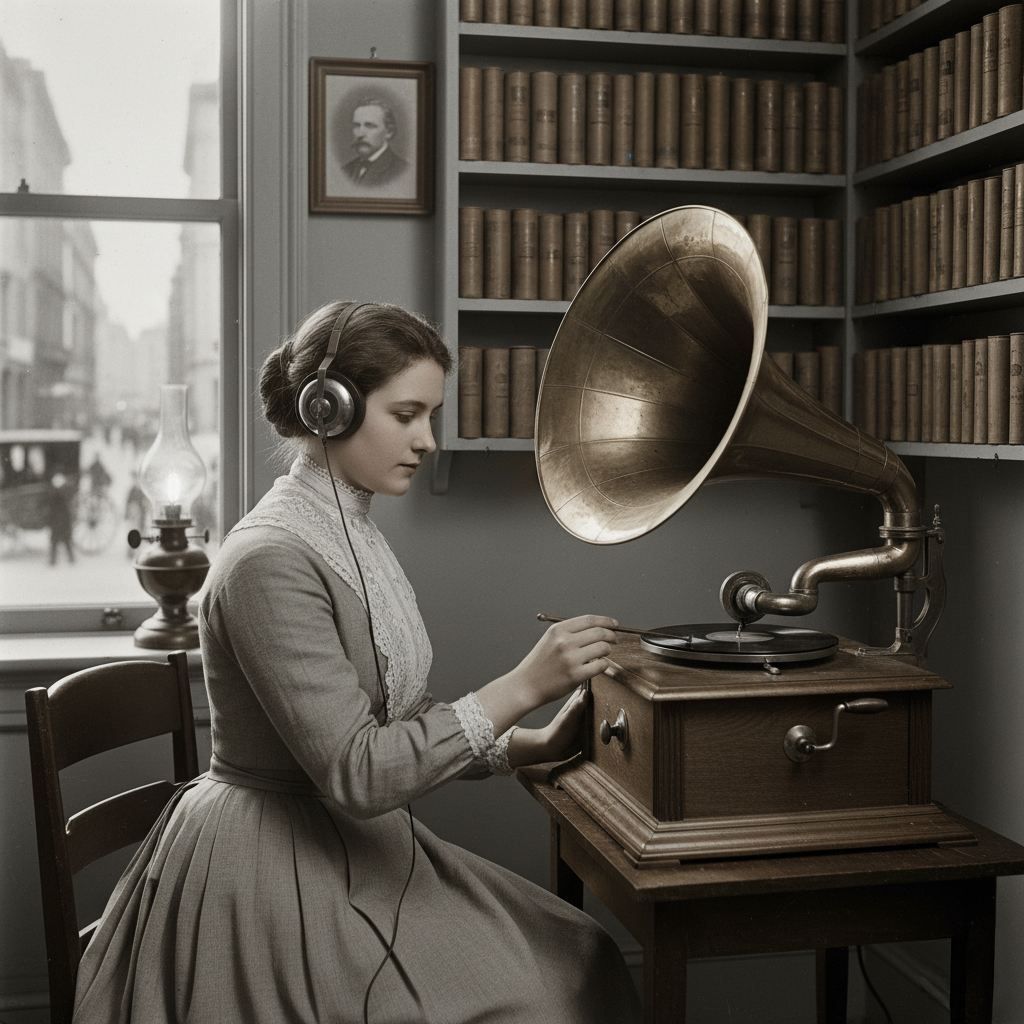 Past · Gilded AgePhonograph OperatorThe phonograph operator was a pivotal figure in the early days of recorded sound, a profession that emerged in the late 19th century with the invention of Thomas Edison’s phonograph in 1877. This role involved the operation of phonographs, which were early devices used to record and reproduce sound. Phonograph operators were responsible for managing the recording process, ensuring that sound was captured accurately onto wax cylinders or discs. They worked in recording studios, often collaborating with musicians, voice actors, and other performers to create audio recordings for entertainment, education, and commercial purposes. The job required a keen ear for sound quality and an understanding of the mechanical workings of the phonograph, as operators had to adjust the device to optimize recording conditions. As the industry evolved, phonograph operators also played a role in the distribution of recorded music, helping to create and manage catalogs of recordings for public consumption.
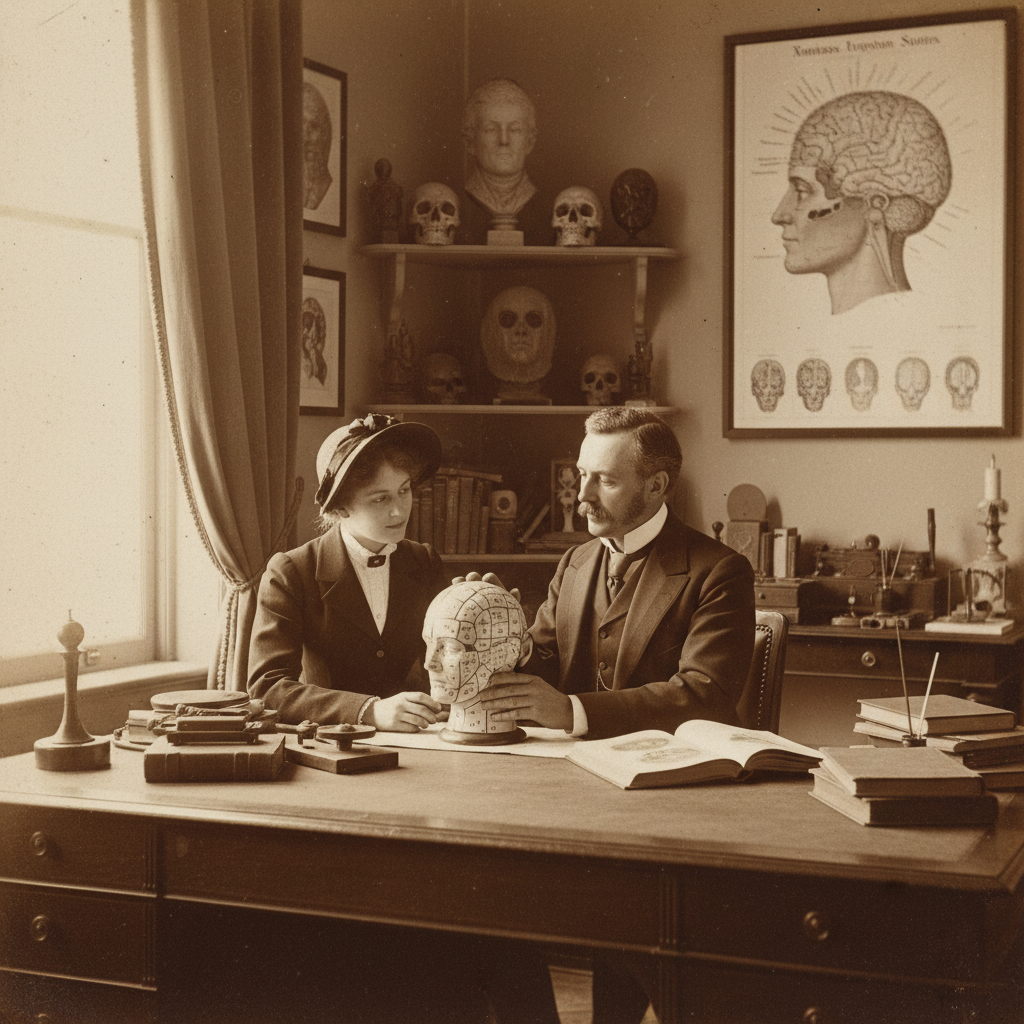 Past · 19th CenturyPhrenologistPhrenology, a now-discredited field of study, emerged in the early 19th century as a popular method for assessing personality traits and intellectual capabilities based on the shape and contours of the skull. Phrenologists believed that the brain was the organ of the mind, and that specific areas of the brain corresponded to different character traits. By examining the bumps and indentations on a person's skull, phrenologists claimed they could determine an individual's character, tendencies, and even potential for success in various fields.
Phrenologists often set up practices in urban centers, where they would offer consultations to clients seeking insights into their personalities or those of their children. They would use a combination of observation, intuition, and rudimentary anatomical knowledge to assess the skull's shape, often employing plaster casts or models to illustrate their findings. The practice was not only popular among the general public but also found its way into educational and occupational settings, influencing hiring practices and social interactions.
Despite its initial popularity, phrenology faced increasing skepticism from the scientific community as the 19th century progressed. Critics pointed out the lack of empirical evidence supporting its claims and the ethical implications of using skull shape to judge character. By the late 19th century, advances in psychology and neuroscience began to overshadow phrenology, leading to its decline and eventual obsolescence.
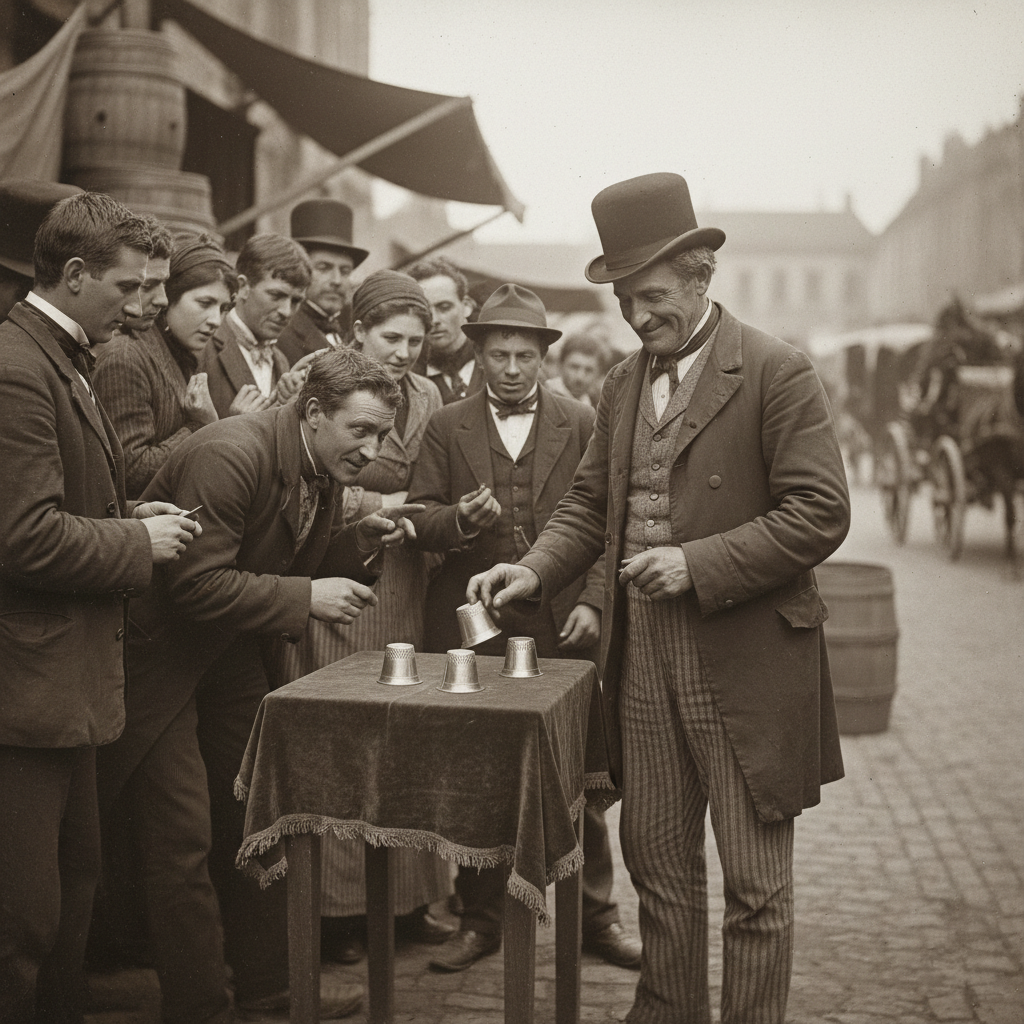 Past · Victorian EraThimbleriggerThe thimblerigger was a street performer and con artist who specialized in a game of chance known as the 'thimblerig' or 'three shells and a pea.' This game involved three thimbles (or cups) and a small object, typically a pea or a ball, which was hidden under one of the thimbles. The thimblerigger would skillfully shuffle the thimbles around, challenging onlookers to guess which thimble concealed the object. The allure of easy winnings drew crowds, and the thimblerigger would often employ sleight of hand to ensure that the game was rigged in their favor. This occupation thrived in the bustling streets and fairs of the Victorian era, where entertainment and gambling were popular pastimes. However, the thimblerigger was not merely a performer; they were also a master of deception, using charisma and cunning to manipulate the audience and create an illusion of fairness.
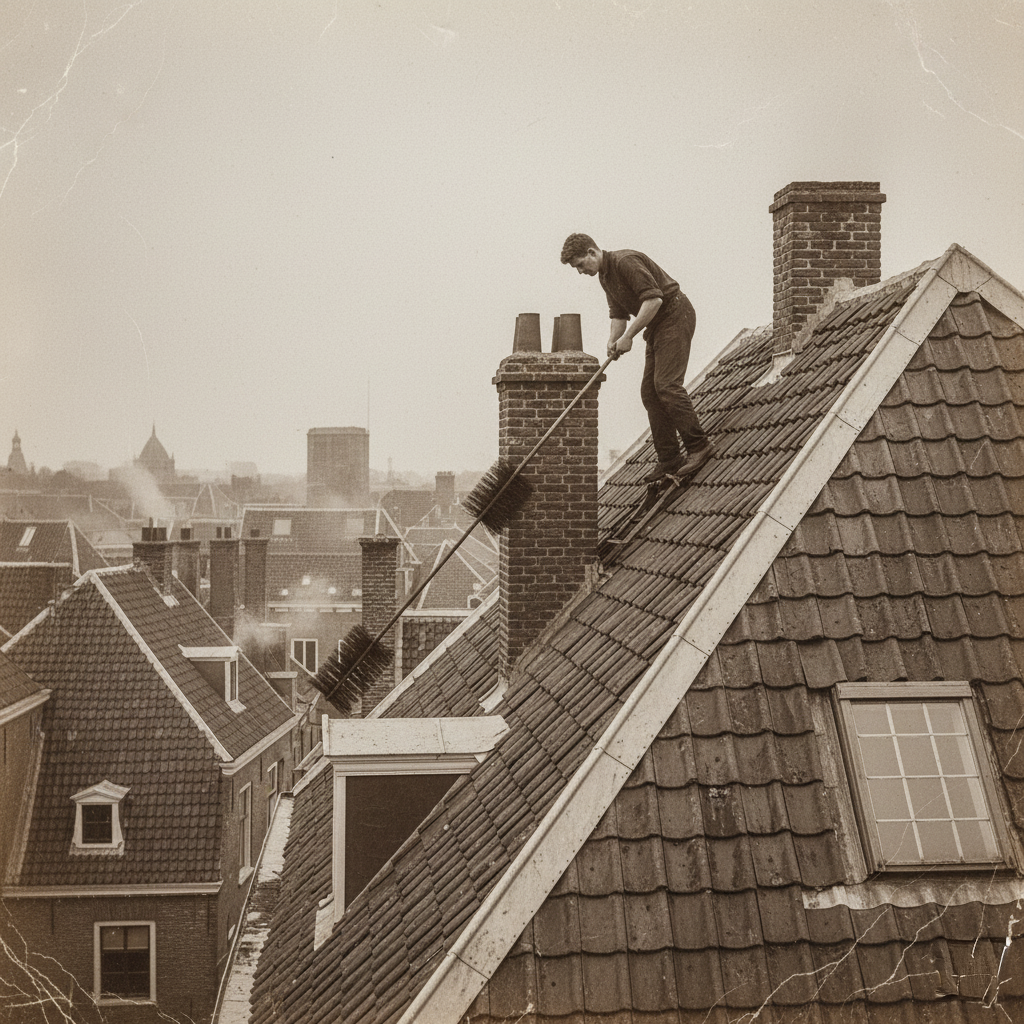 Past · Victorian EraChimney SweepThe role of a chimney sweep was crucial in the Victorian Era, particularly in urban areas where coal was the primary source of heating. As homes and factories proliferated, so did the need for clean chimneys to prevent dangerous chimney fires and ensure proper ventilation. Chimney sweeps were responsible for cleaning soot and creosote buildup from chimneys, which could lead to hazardous conditions if left unchecked. The job was often performed by young boys, some as young as six, who would climb into narrow flues to scrape away the soot. This labor-intensive work required not only physical agility but also a keen understanding of the structure of chimneys and the dangers associated with them. The job was often grueling, with sweeps working long hours in cramped, dark spaces, and it was not uncommon for them to suffer from respiratory issues due to the soot they inhaled. Despite the harsh conditions, chimney sweeps played a vital role in maintaining the safety of homes during a time when coal was the dominant fuel source.
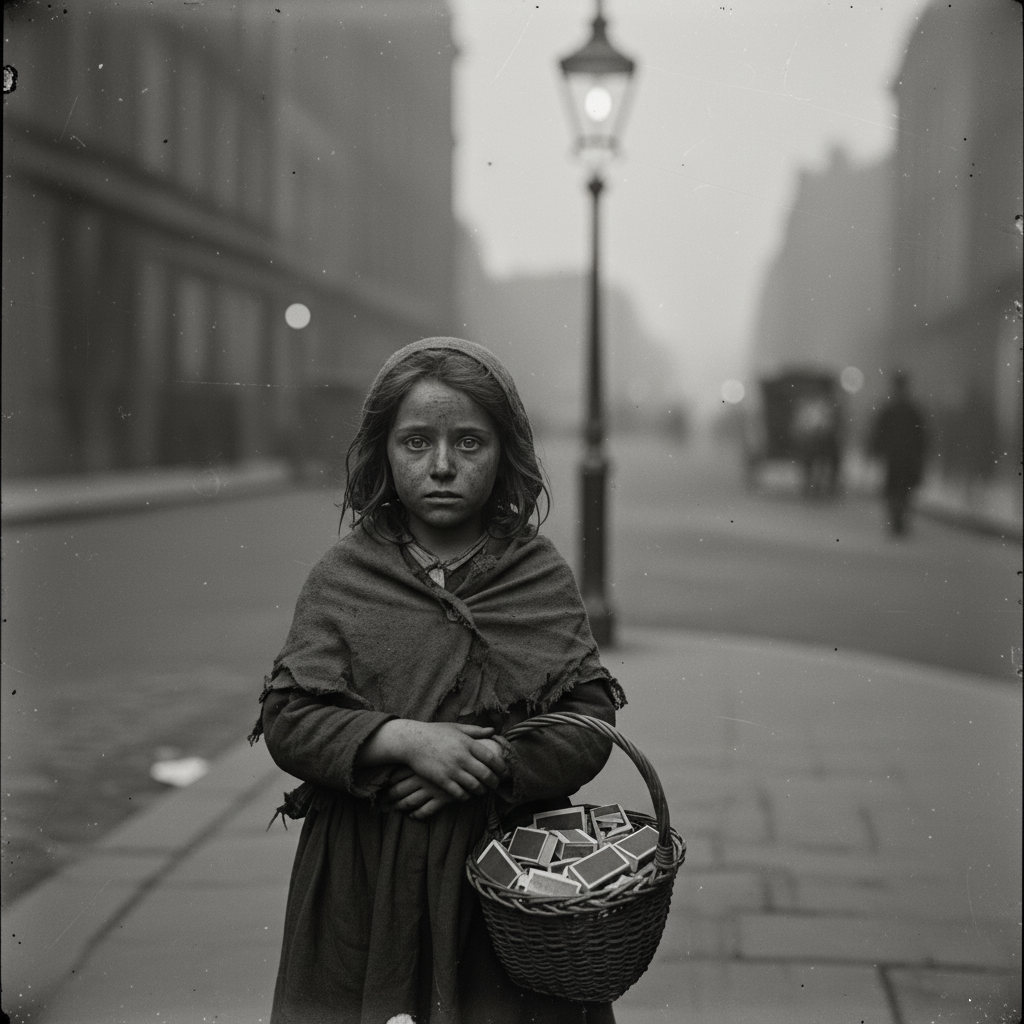 Past · Victorian EraMatchstick GirlThe role of a Matchstick Girl emerged during the Victorian Era, a time marked by rapid industrialization and urbanization in Britain. These young girls, often as young as six years old, were employed to sell matches on the streets of cities like London. The job was not only a means of survival for the girls and their families but also a reflection of the harsh realities of the working class during this period. The matchstick girls were typically from impoverished backgrounds, and their earnings were crucial for their families' subsistence. They would often work long hours, braving the elements, to sell boxes of matches to passersby, including shopkeepers and households. The matches were sold at a low price, and the girls would often carry their wares in small baskets or bags, calling out to potential customers in hopes of making a sale.
The work was grueling and dangerous; the girls were exposed to the elements, and many suffered from health issues due to malnutrition and the harsh conditions of street life. The matches themselves were often made with hazardous materials, leading to serious health risks, including phosphorus poisoning, which was a common affliction among those who worked with match production. Despite these dangers, the job was a vital source of income for many families, and the plight of the matchstick girls eventually drew public attention, leading to social reform movements aimed at improving working conditions for children.
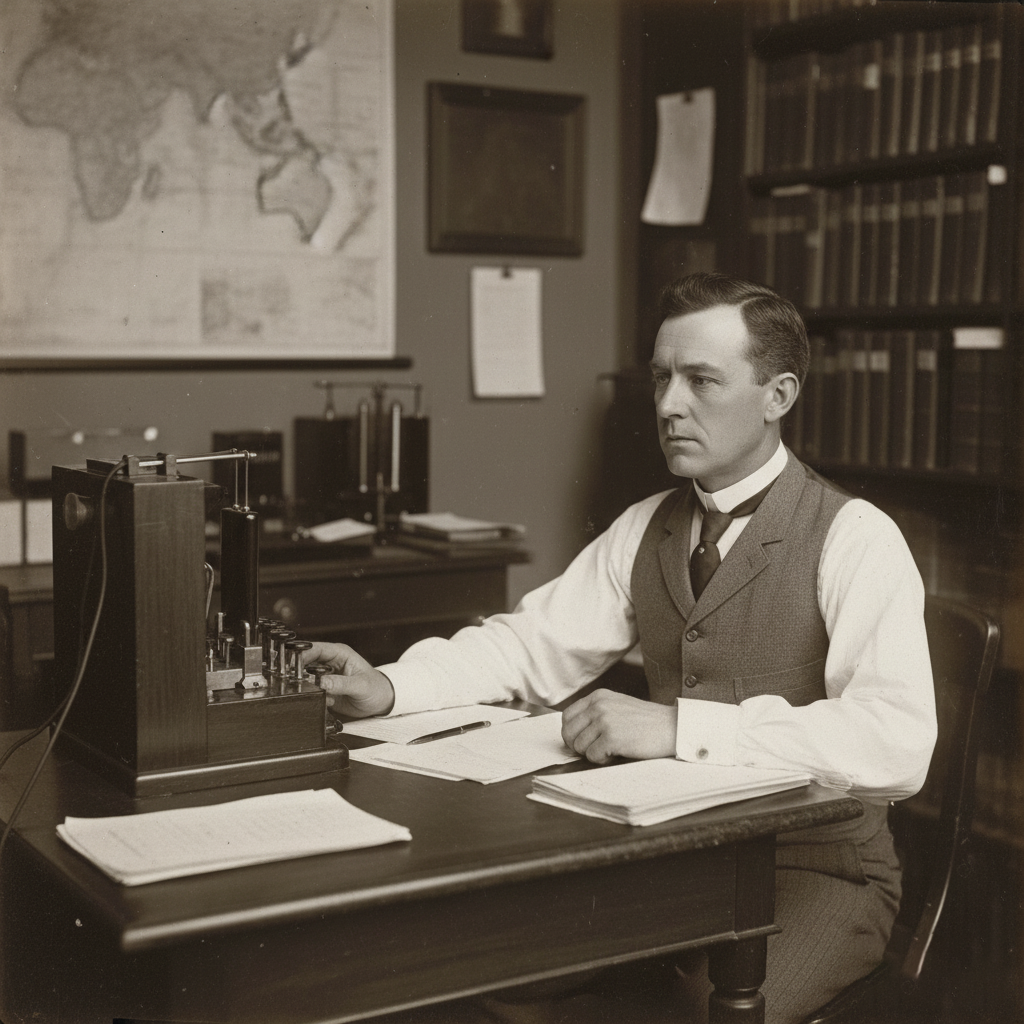 Past · Victorian EraTelegraph OperatorIn the bustling world of the Victorian Era, the telegraph operator stood as a vital link in the chain of communication that transformed society. With the advent of the electric telegraph in the early 19th century, this occupation emerged as a cornerstone of modern communication, allowing messages to traverse vast distances in mere moments. The telegraph operator was responsible for sending and receiving messages encoded in Morse code, a system of dots and dashes that conveyed information across wires.
Dressed in a crisp uniform, often adorned with a badge of the telegraph company, the operator would sit at a telegraph key, a device resembling a small lever, and tap out messages with precision and speed. The rhythmic clicking of the key became a familiar sound in telegraph offices, where operators worked in shifts, often in dimly lit rooms filled with the hum of machinery and the crackle of electrical currents.
The role of the telegraph operator was not merely mechanical; it required acute listening skills and a deep understanding of Morse code. Operators often had to decipher messages quickly, sometimes under pressure, as they relayed urgent news, weather reports, and personal correspondence. They played a crucial role in connecting people, businesses, and governments, facilitating trade and diplomacy in an increasingly interconnected world.
As the telegraph network expanded, so did the responsibilities of the operator, who often served as a point of contact for the public, answering inquiries and providing information. The job was both demanding and rewarding, offering a glimpse into the rapid technological advancements of the time and the profound impact of communication on society.
 Past · Victorian EraLamplighterIn the dimly lit streets of the Victorian Era, where gas lamps flickered to life at dusk, the lamplighter emerged as a vital figure in urban life. Tasked with the responsibility of illuminating the night, lamplighters were the unsung heroes of the city, ensuring that the streets were safe and navigable after sunset. With a long pole equipped with a flame, they would traverse their designated routes, igniting the gas lamps that lined the thoroughfares, alleyways, and public squares. Each lamp was a small beacon of light, a symbol of progress in an age that was rapidly industrializing and urbanizing.
The lamplighter's work was not merely about lighting lamps; it was a ritual that involved careful attention to detail. They would check each lamp for proper function, ensuring that the gas supply was adequate and that the glass was clean and intact. In addition to lighting the lamps, they were also responsible for extinguishing them at dawn, marking the transition from night to day. This job required a keen sense of time, as the lamplighter had to complete their rounds before the city fully awoke.
As cities grew and the demand for street lighting increased, lamplighters became a common sight, often working in pairs or teams to cover larger areas. Their presence was a reassurance to the public, a reminder that the city was alive even in the darkest hours. However, the lamplighter's role was not without its challenges; they braved the elements, working in rain, snow, and the chill of winter nights, often climbing ladders to reach the higher lamps.
The lamplighter was a figure of community, often known by name and face, fostering a sense of familiarity and safety among the residents. They were also a part of the social fabric, as their rounds often coincided with the evening strolls of townsfolk, creating a shared experience of urban life.
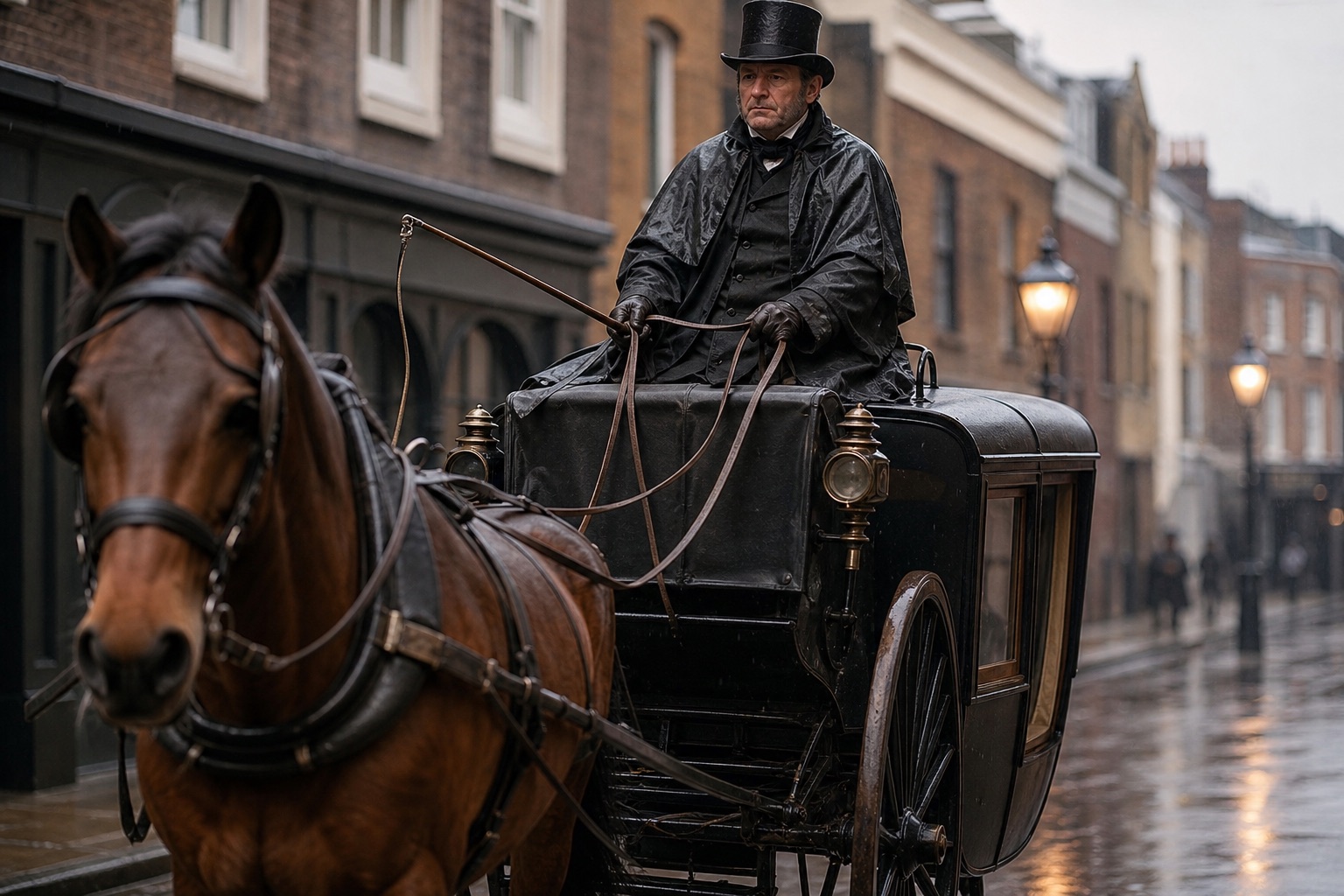 Past · Victorian EraHansom Cab DriverJoseph Hansom patented his low, two-wheeled cab in 1834, and the driver who sat it became one of the distinctive figures of Victorian streets. He did not sit in front, as a coachman did. He sat high at the back, above the roof, and drove with reins that ran over the top of the passenger compartment. The passengers sat low, between the large wheels, with a good view and almost no conversation with the man who was driving them.
The cab was fast, tippy, and cheap enough to threaten the older hackney coach. Drivers hired the vehicle and often the horse from a proprietor and lived on the difference between the legal fare and the day's costs. The trade was loud, competitive, and thickly regulated. A driver who did not know the tariff, or who took the long way, was the villain of a thousand newspaper paragraphs.
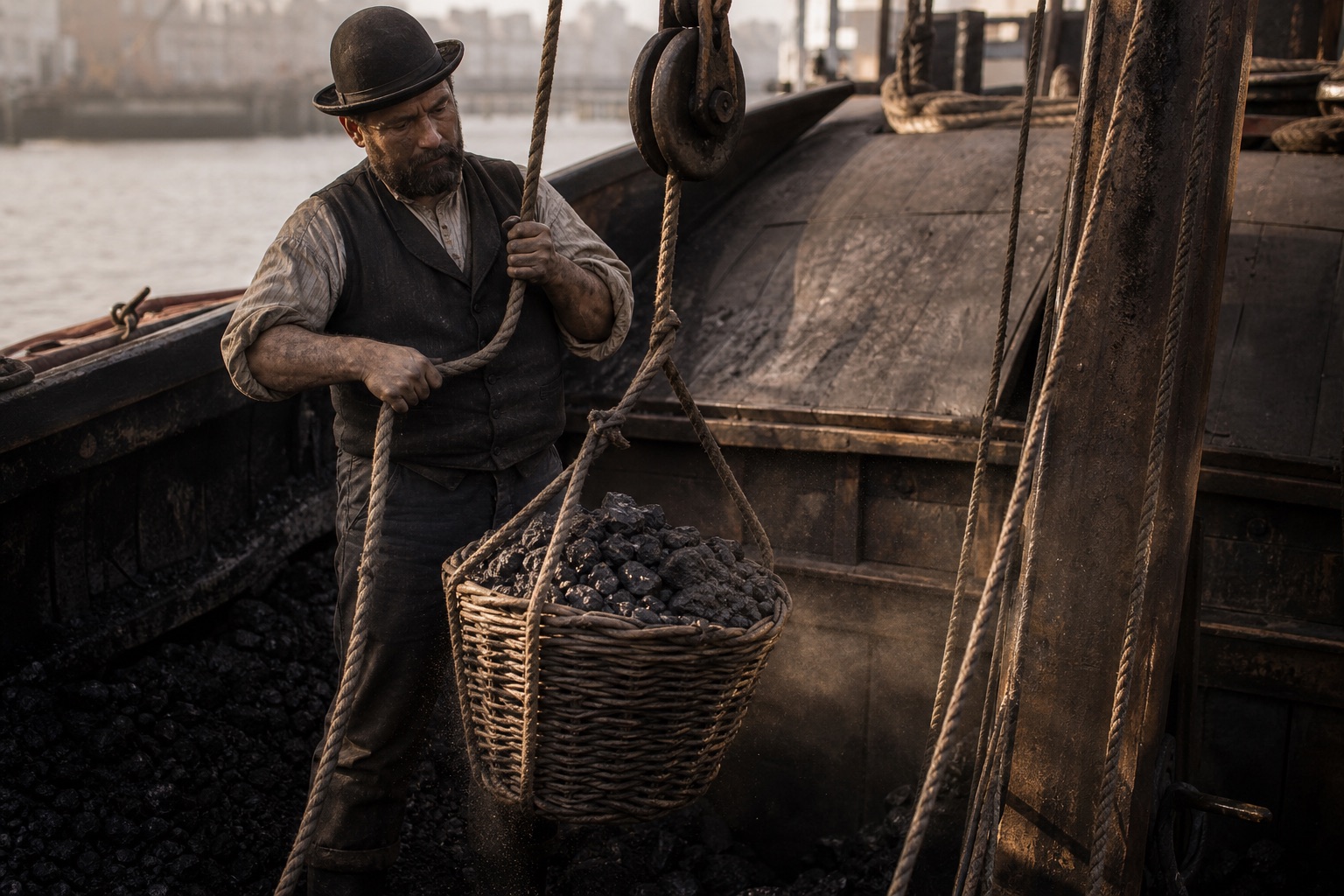 Past · Victorian EraCoal WhipperCoal reached London in colliers and left them in baskets. A coal whipper stood in a gang and hoisted those baskets out of the hold with a whip, a rope through a pulley, worked by the men's weight as they jumped down from a staging. It was the standard way of unloading a coal ship in the port before hydraulic cranes and tips. The gang was hired by the ship, paid by the ton, and often controlled by a publican who took his cut before the men saw theirs.
Parliament noticed. The Coal Whippers Act of 1843 set up a register office so that gangs were called in turn and the publican's hold on the work was broken. The act did not save the trade. Steam cranes, and then the hydraulic coal tips that emptied a wagon straight into a barge, did the jumping for them.
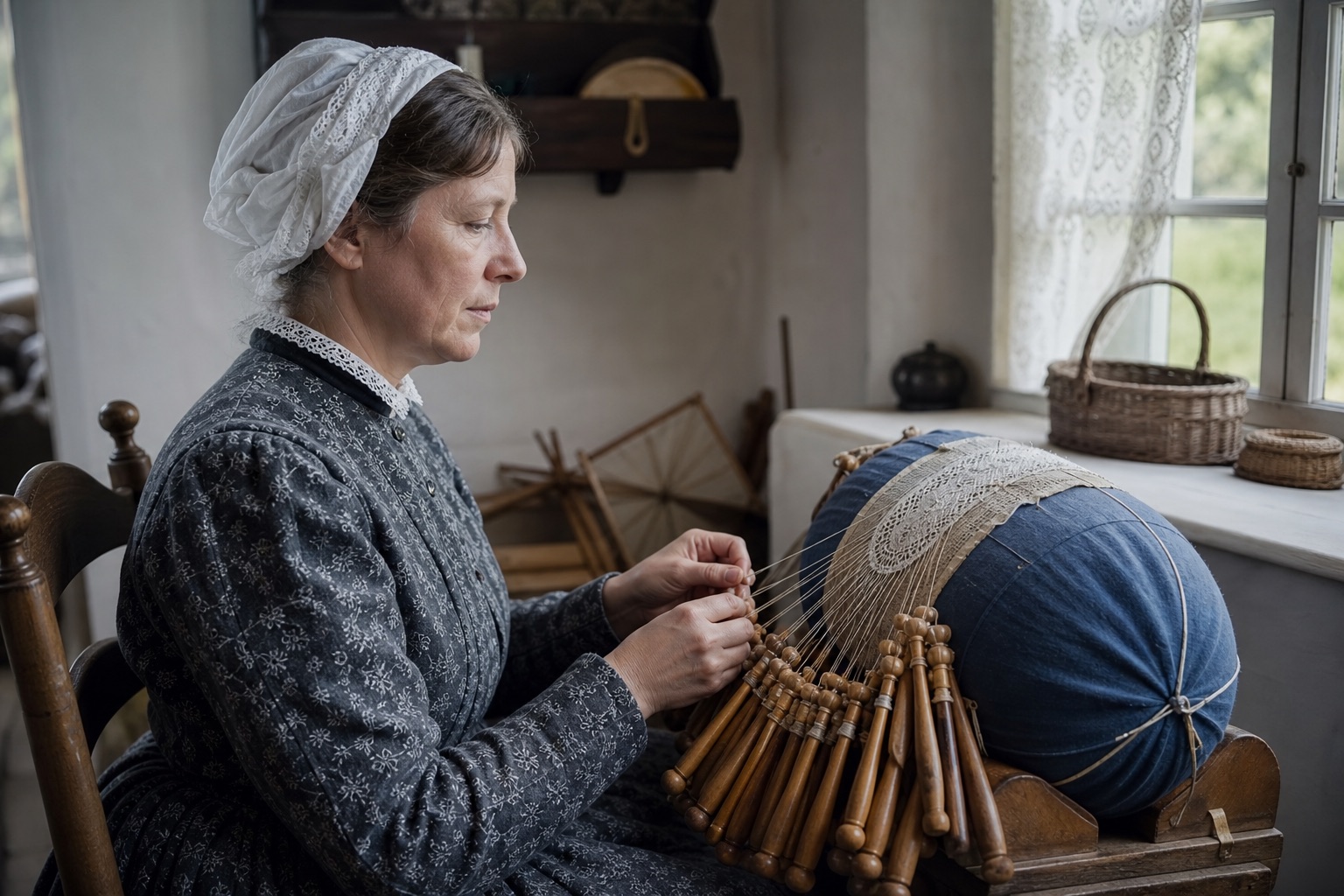 Past · Victorian EraLacemakerPillow lace was made on a cushion. A parchment pricking carried the pattern, and the thread moved on dozens of bobbins that the worker crossed, twisted, and pinned. The Midlands trade, in Buckinghamshire, Bedfordshire, and Northamptonshire, made continuous lace, ground and motif growing as one web. Bucks point was an older pride of that country. After the Great Exhibition put Maltese lace in fashion, Bedfordshire workers also made a plaited lace to sell into that taste. Devon worked differently. At Honiton and in the villages toward Beer the lacemaker made separate sprigs, sewn onto net. From the early nineteenth century that net was usually machine-made, so a celebrated Honiton piece could sit on a ground the pillow had never worked.
Women and girls did most of the hand work. Lace schools sat small children at pillows for eight or ten hours and a few pence, the mistress selling their output and keeping a margin. A woman at home might make a few shillings in a week and still work into the evening to finish a yard. John Heathcoat's bobbin-net machine of 1809, and the Leavers machine developed from it in Nottingham, put patterned lace on the market below the pillow's price. Hand lace did not stop on a given Monday. It became a poorly paid remnant beside a machine that already supplied the ordinary buyer.
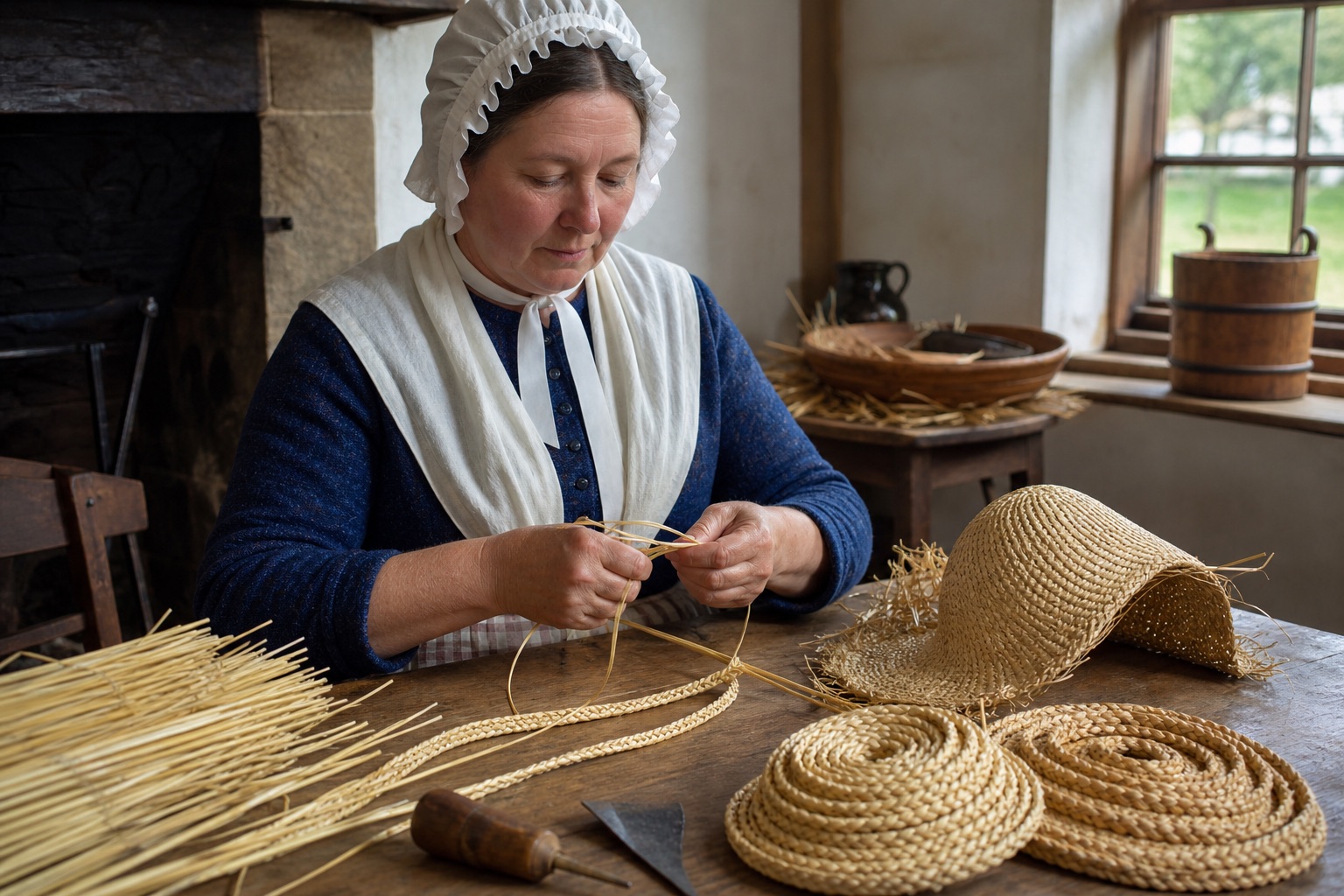 Past · Victorian EraStraw-PlaiterStraw plait was a narrow braid of split wheat straw, made in the cottages of Bedfordshire, Buckinghamshire, and Hertfordshire and sold to the hat trade of Luton and Dunstable. The plaiter damped the straws, split them, and worked a set pattern, joining a fresh straw so the edge did not lump, until she had a score of twenty yards. That score was the unit of the weekly plait market. Women and children did the work. In a village plait school a child could sit the day for pence, and a mother made her own scores in the evening for a few shillings when the buyers were kind. The hat factories turned the braid into bonnets and hats. The cottage sold them braid, not hats.
Luton's hat industry continued. The local hand plait did not. Italian straw, including the Leghorn and Tuscan kinds, had long been a finer rival for the best hats. In the late nineteenth century cheap plait from China arrived in amounts the south Midlands could not underbid. Sewing machines and factory blocking then made hats from that imported braid, or from other materials, without a village score at all. By the early twentieth century a girl in a Bedfordshire parish was no longer set to plait as her mother had been. The market had stopped paying an English hand price for the hours in the braid.
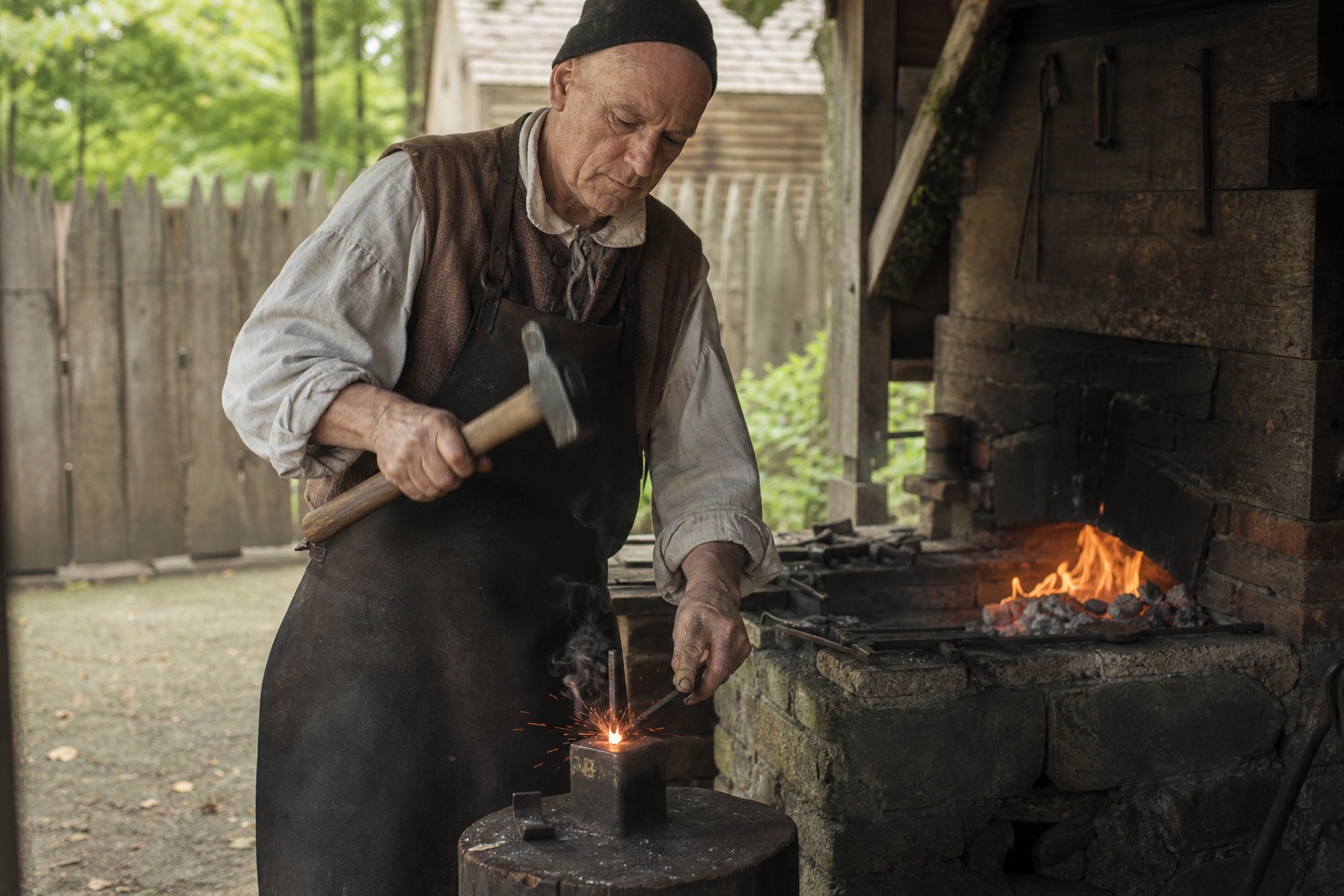 Past · Victorian EraNailerA nailer in the Black Country made nails one at a time at a hearth in the house. Rod iron, taken from a fogger, was heated, pointed, cut, and headed in a bore, often under an oliver, the foot-worked hammer that put a heavier blow behind a small hand. Dudley, Sedgley, Gornal, Lye, Halesowen, and the shops toward Bromsgrove were dense with these hearths. The count was the thousand. The fogger who had supplied the rod bought the nails back, and his prices on both sides of the bargain were deducted before the family saw cash. It was outwork, not a factory bell, and the workshop was the room where the household also lived.
Cut nails, sheared from sheet by machine from the early nineteenth century, undercut the common wrought nail. Wire nails, cheap in quantity by the 1880s and 1890s, destroyed what was left of the price. Reporters for the children's employment inquiries of the 1840s already found whole families at the block, children old enough to heat a rod or head a small nail working a long day inside a tally of a few shillings. The reports list hours and prices. Horse nails and a few special sorts lingered as hand work after general nails had gone. The nail in an ordinary carpenter's bag had become a machine nail, and the hearth could not sell against it.
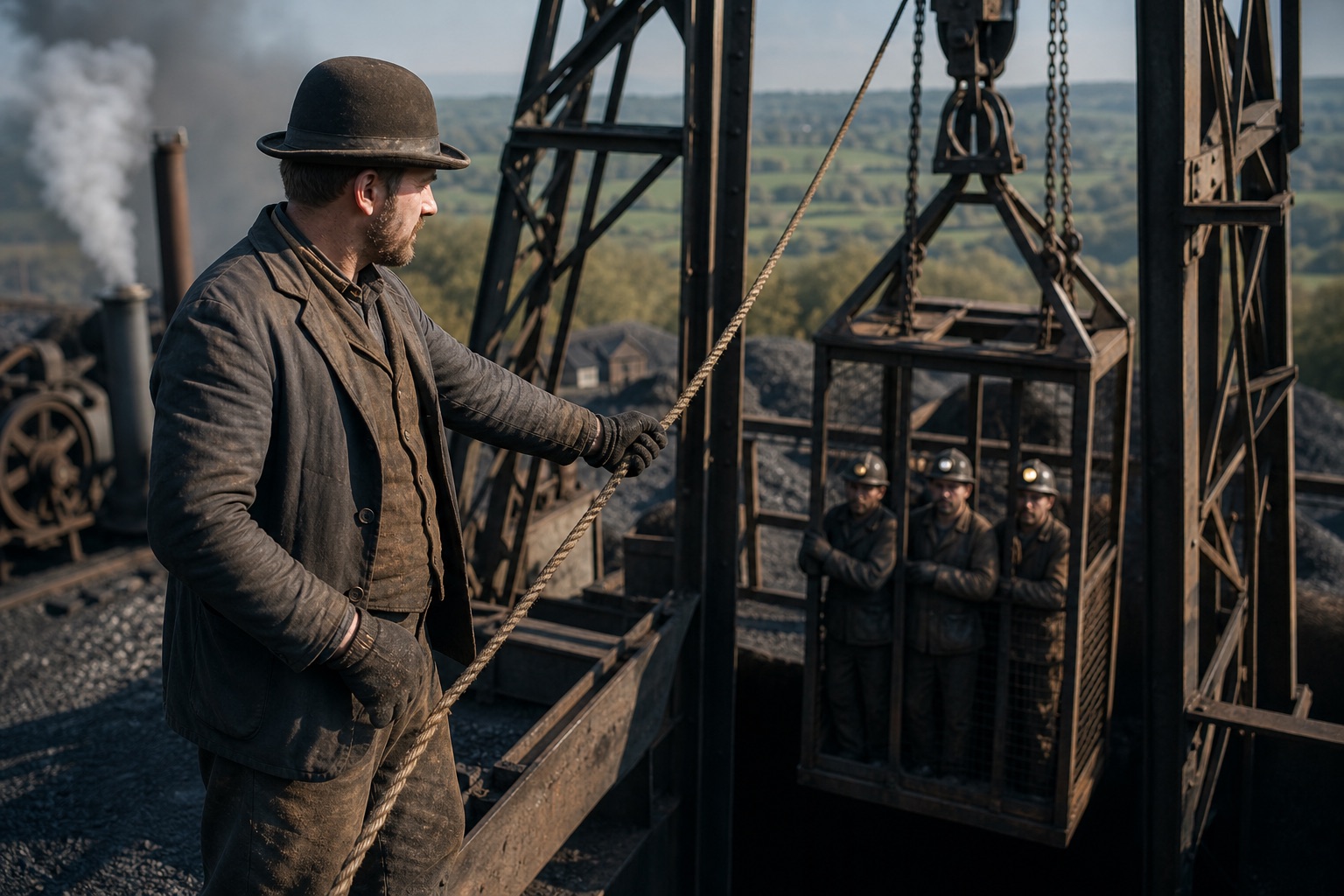 Past · Victorian EraBanksmanThe banksman was the man at the pithead who controlled the cage and signaled the winding engineman. He stood on the bank, the surface mouth of the shaft, in the decades when British collieries wound coal and men by a steam engine, a rope, and a cage. A code of bell raps, later pushed toward a standard code by the mines acts, told the engineman to raise, lower, or stop. The banksman opened the gates, saw that keps or chairs were set or clear, and decided when the cage was free to move. He did not drive the engine. The onsetter, down the shaft, was his counterpart at the pit bottom.
This exhibit is that cage-and-bell job of the steam-winding era, roughly from the spread of cages in the mid-nineteenth century through the years when many pits still wound that way. The word banksman did not die with those pits. It remains in use for the person who directs a crane or a hoist, and mining law kept a banksman's duties wherever a shaft was wound by hand signals. What thinned was this particular post: the appointed man on an open bank, ringing a bell to a steam engineman, as collieries closed and winding was enclosed, automated, and run from a control room.
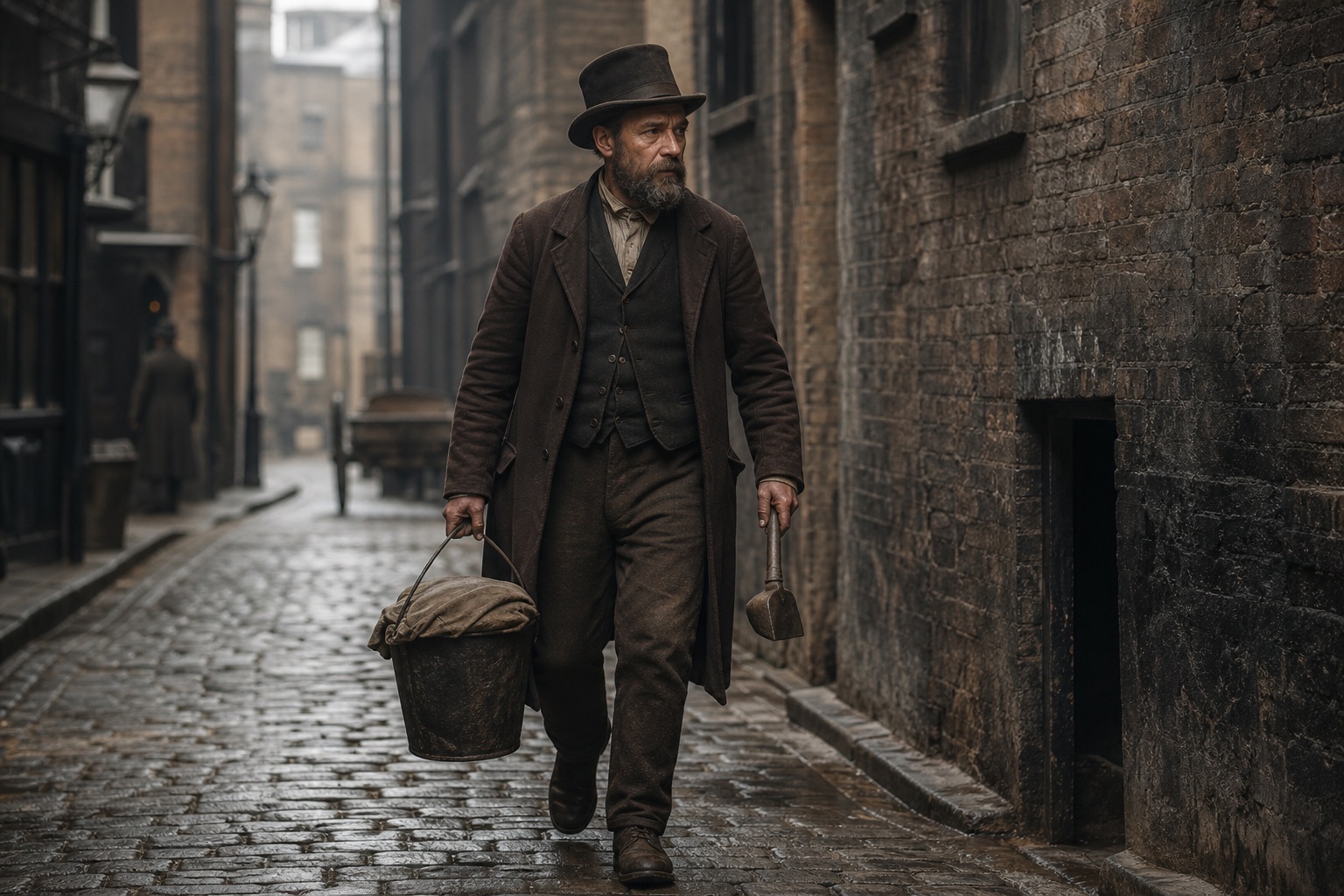 Past · Victorian EraPure-finderA pure-finder collected dog dung from the streets, mews, and kennels of Victorian London and sold it to tanneries under the trade name pure. Tanners used it as a bate. After hides had been limed and unhaired, a bate of dung softened them and made them take the later tannins. Dog dung was preferred for this step, and the yards of Bermondsey were the market. The finder walked a beat, gathered the material into a pail or a sack, and sold it by quantity and condition. Dry, saleable stock fetched more than a wet or spoiled pail. This was a poor street trade, recorded in detail by Henry Mayhew in London Labour and the London Poor.
The work was frank about its material because the material was the product. Finders handled dung as stock, and tanners bought it as an ingredient. The trade faded when chemical bates and then chrome tanning removed the yard's need for dung. It was not banned by a single famous Act. It became unsaleable. By the end of the nineteenth century and the start of the twentieth, a finder with a pail no longer had the old queue of buyers at Bermondsey.
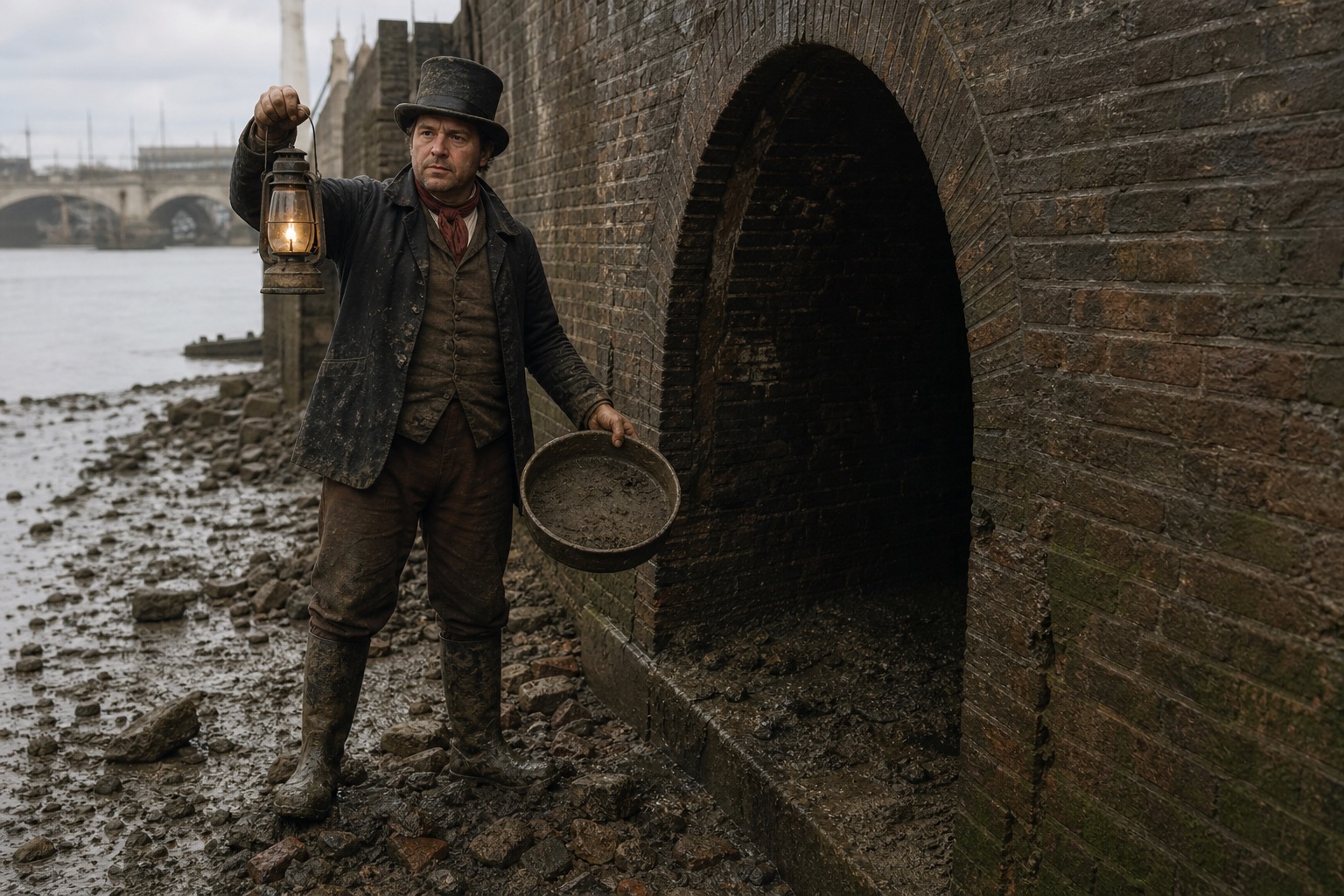 Past · Victorian EraTosherA tosher scavenged the older sewers of London for coins, metal, and other objects that had washed in from the streets. Henry Mayhew recorded the men in London Labour and the London Poor as sewer-hunters who entered the brick tunnels at low tide, usually in a small gang, with a lantern and a bag. They raked the invert, the curved floor where heavy objects settled, and sold what they brought out to dealers. The work was illegal. The sewers belonged to the commissioners, and a tosher was a trespasser, not a parish employee. Tosh was the scrap itself. The word names both the find and the man.
The workplace was sewage. That is stated here because it was the fact of the job, not as a joke and not as a shudder for the reader. The men Mayhew interviewed described a calculated round: in on the ebb, out before the water returned, avoiding the flushers and the foremen who would turn them away. Joseph Bazalgette's intercepting sewers for the Metropolitan Board of Works, begun in 1859 and built through the 1860s and 1870s, replaced the old creek outlets these gangs used. Employed flushers maintained the new system. Freelance toshing did not survive that rebuilding.
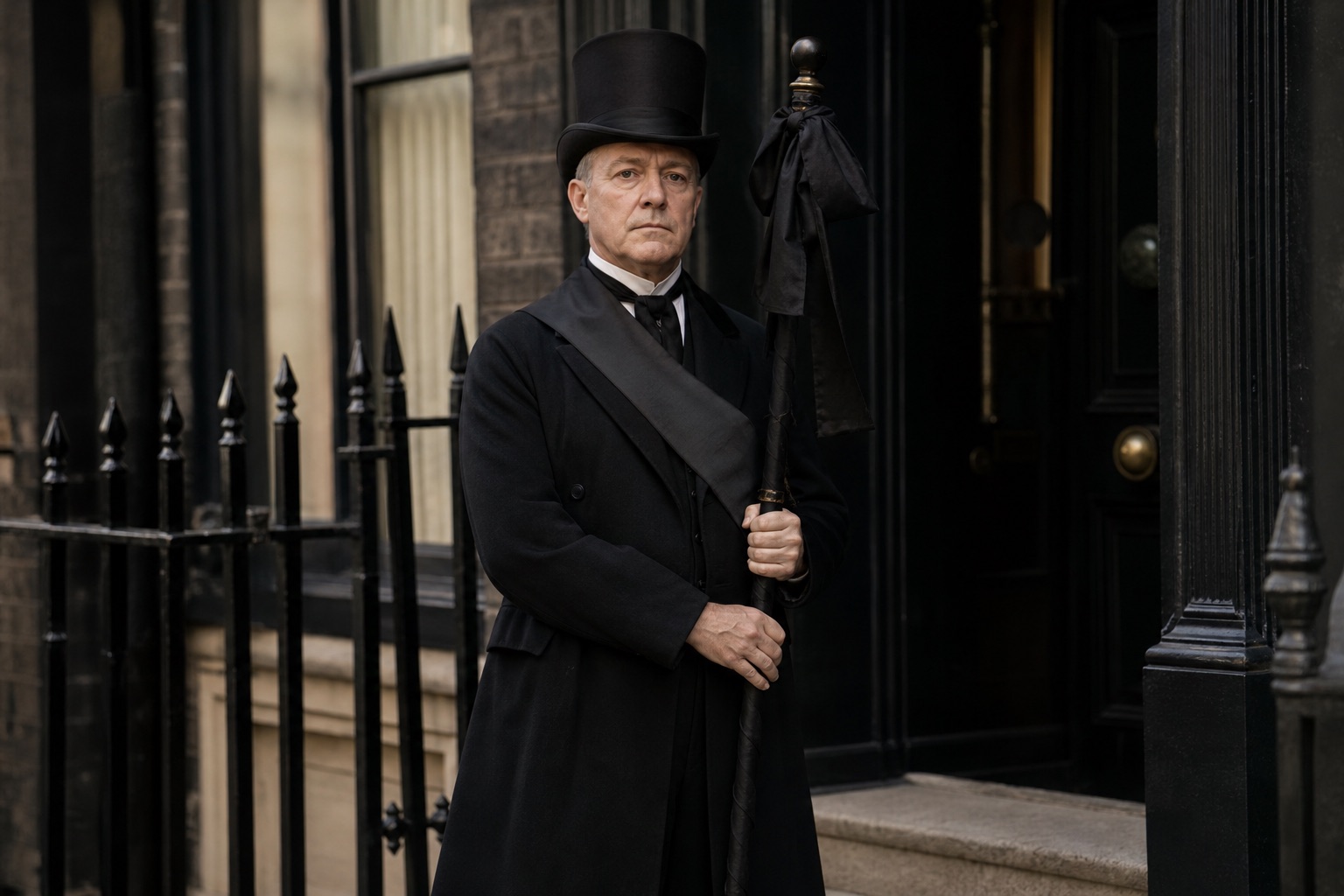 Past · Victorian EraFuneral muteA funeral mute was a hired mourner in full black who walked at the head of a Victorian funeral with a wand or a staff. Undertakers kept such men, or engaged them for the day, as part of the pageant sold to families who wanted the procession to look grave. Mute meant silent attendant. It did not mean a person unable to speak. In pairs they went ahead of the hearse from the house door toward the church or the cemetery and stood while the service asked for stillness. A tall hat with a long crepe weeper, black gloves, and the wand were the kit that made the role readable from the pavement.
The trade belonged to the commercial funeral of the nineteenth century, especially in London and in towns that copied London furnishers. Dickens placed a mute in the shop of the undertaker Sowerberry in Oliver Twist, and the figure became a stock image of hired grief. Reformers from the 1870s attacked the cost of feathers, mutes, and velvet. Simpler funerals, the motor hearse, and the decline of the pageant funeral in the early twentieth century removed the reason to hire a man to walk in silence. The mute faded because the bill changed. No statute abolished the wand.
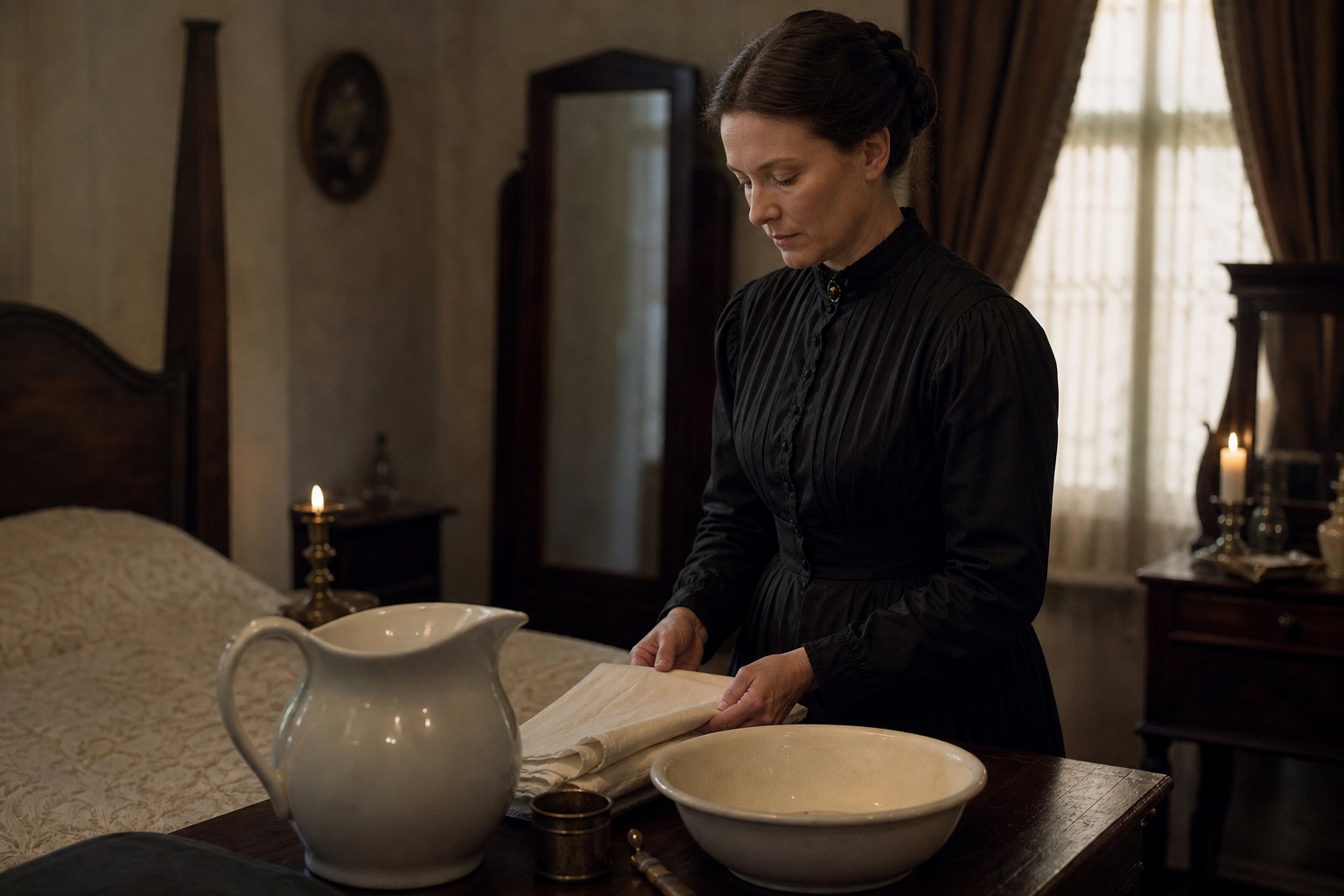 Past · Victorian EraLayer-outA layer-out was the woman of the neighborhood who came when someone died at home, washed the body, and prepared it for the interval before burial. She closed the eyes, tied a bandage or a strip of cloth under the chin so the mouth stayed shut, washed with soap and a cloth, and dressed the body in a shroud or in a clean shirt. Hair was combed. The room was left orderly enough for kin to sit. Pennies on the eyelids were a household trick used sometimes to keep the eyes closed, not a required rite. The layer-out was often the same sort of neighbor as the handywoman who attended births: known, local, and sent for by a child knocking at her door.
The work was ordinary in British towns and villages through the nineteenth century and still common in the early twentieth, especially where the dead remained in the house for a day or more. It was women's work by custom. Men of the family might lift. They did not wash. The end came when the undertaker's men removed the body to a mortuary or a chapel of rest and the washing was done there, by staff, away from the street. The layer-out was not abolished. She was left with no body in the bedroom, which had been her only workplace.
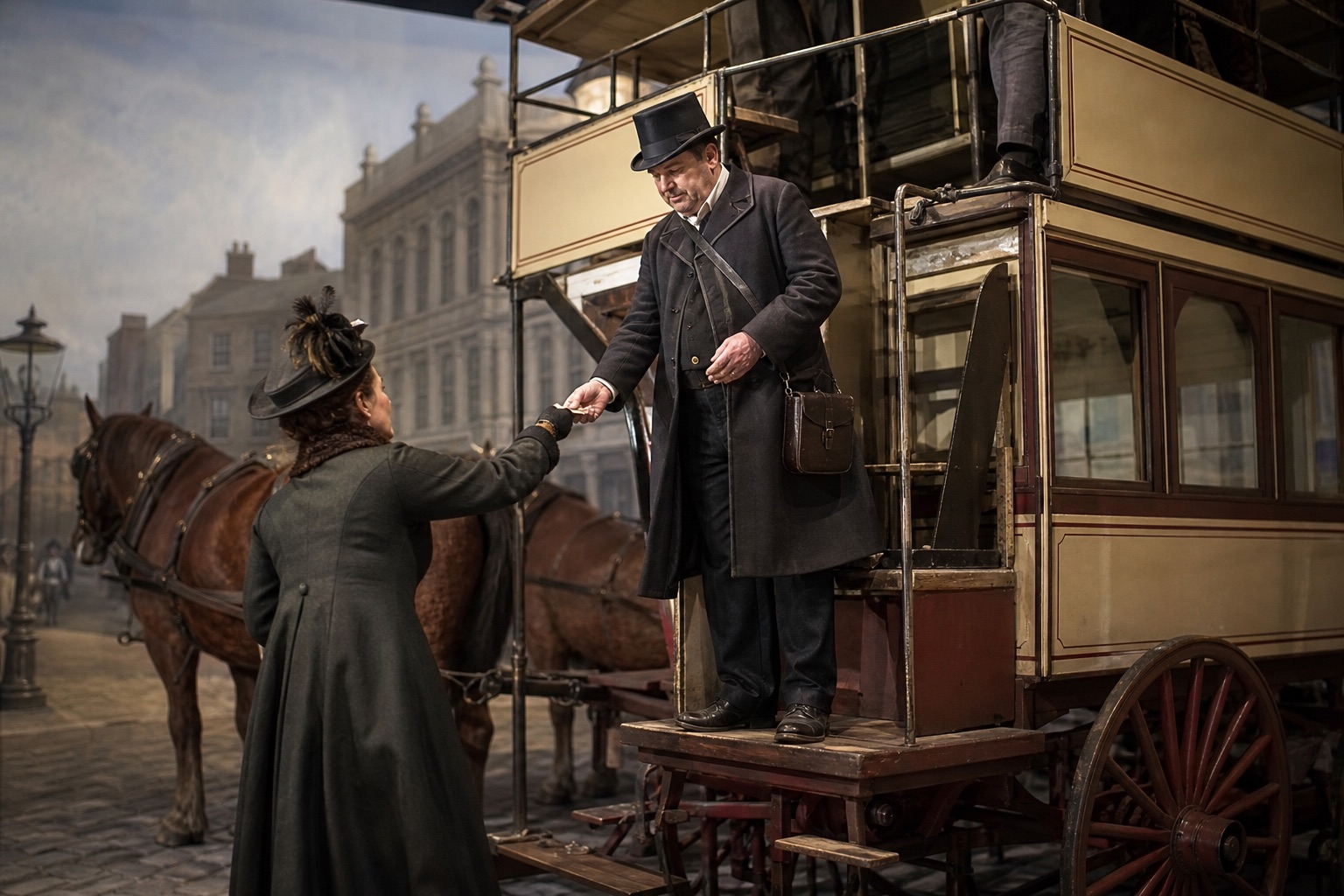 Past · Victorian EraOmnibus ConductorThe omnibus conductor of this exhibit stood on the step of a horse bus and collected the fares. George Shillibeer put such a vehicle on London streets in 1829, running from Paddington to the Bank, and the form spread through the city and into other towns. The conductor rode outside at the rear, announced stops, helped people on and off, and signaled the driver when the step was clear. He was not seated at a motor wheel and not sheltered in a cab. The horse, the rear step, and the coins in his hand are the picture.
Motor buses later took the horses off those routes. One-person operation, much later, ended even the conductor who still stood on a motor step. This record stops with the horse bus and does not follow the job onto petrol or into a modern cab. Victorian cities knew him as a weekly-wage man in a badged coat, exposed to traffic and weather, and answerable for every penny that was supposed to reach the proprietor.
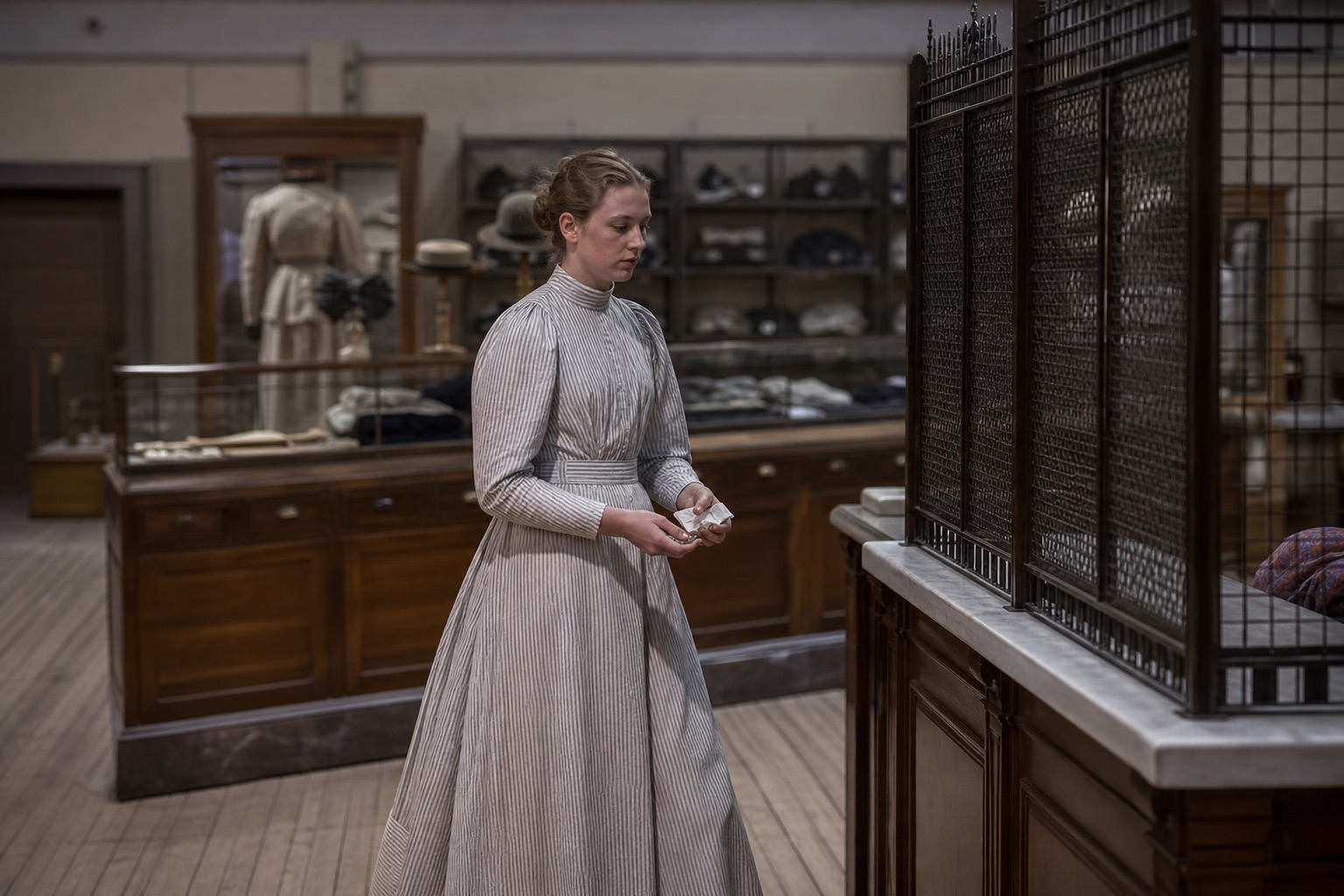 Past · Victorian EraCash GirlA cash girl was a department-store junior, often a girl or a young woman, who carried the customer's money and the written bill to a cashier and brought the receipt and the change back. The counter itself had no register yet. She waited where the sale was made, took the cash and the slip, walked the floor to the desk, and returned without mixing one purchase with another in a crowded aisle. The work was ordinary and public, a pair of errands repeated for every sale. This record keeps that walk concrete and calm.
The practice belongs to the late nineteenth century in the United States and in Britain, in dry-goods houses and the new department stores. Cable systems such as Lamson's cash railway, pneumatic tubes to a central desk, and the cash register on the counter each removed a reason to send a junior across the floor. She was not the buyer and not the cashier. She was the distance between them, and when that distance was mechanized the walk ended.