
Gilded Age
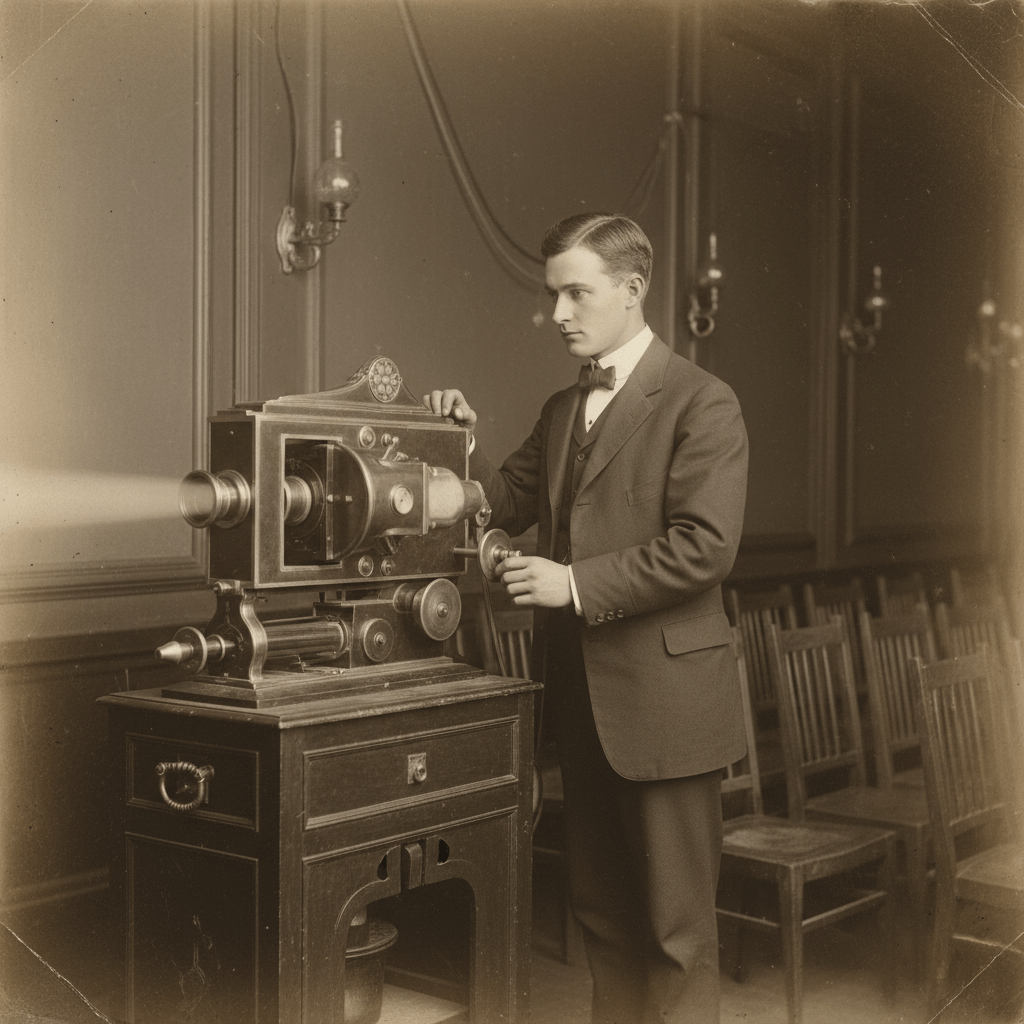
Vitascope Operator
An extinct profession from Gilded Age that became obsolete due to technological advancement and societal change.
Media Gallery
Related Exhibits
Phonograph Operator
The phonograph operator was a pivotal figure in the early days of recorded sound, a profession that emerged in the late 19th century with the invention of Thomas Edison’s phonograph in 1877. This role involved the operation of phonographs, which were early devices used to record and reproduce sound. Phonograph operators were responsible for managing the recording process, ensuring that sound was captured accurately onto wax cylinders or discs. They worked in recording studios, often collaborating with musicians, voice actors, and other performers to create audio recordings for entertainment, education, and commercial purposes. The job required a keen ear for sound quality and an understanding of the mechanical workings of the phonograph, as operators had to adjust the device to optimize recording conditions. As the industry evolved, phonograph operators also played a role in the distribution of recorded music, helping to create and manage catalogs of recordings for public consumption.
Typesetter
The role of a typesetter was pivotal in the evolution of printed communication, particularly during the Industrial Revolution. Typesetters were responsible for arranging the individual letters and characters of type to create pages of text for printing. This meticulous work required not only a keen eye for detail but also a deep understanding of typography and layout. Typesetters worked primarily in printing houses, where they would set type for newspapers, books, and other printed materials. The job involved selecting the appropriate typefaces, adjusting spacing, and ensuring that the text was aligned correctly. Each letter was cast in metal or made from wood, and typesetters would often work with a variety of fonts to achieve the desired aesthetic for each publication. The process was labor-intensive and required a high level of craftsmanship, as any errors in the typesetting could lead to costly mistakes in the final print.
Explore More Exhibits
Discover the full collection of past and future professions in The Jobs Museum.