The Jobs Museum
The Past and Future of Work
We explore how professions emerge, evolve, and disappear to help people understand the future of work. The Jobs Museum is a digital archive of past jobs and future roles.

Lamp Lighter
Victorian Era
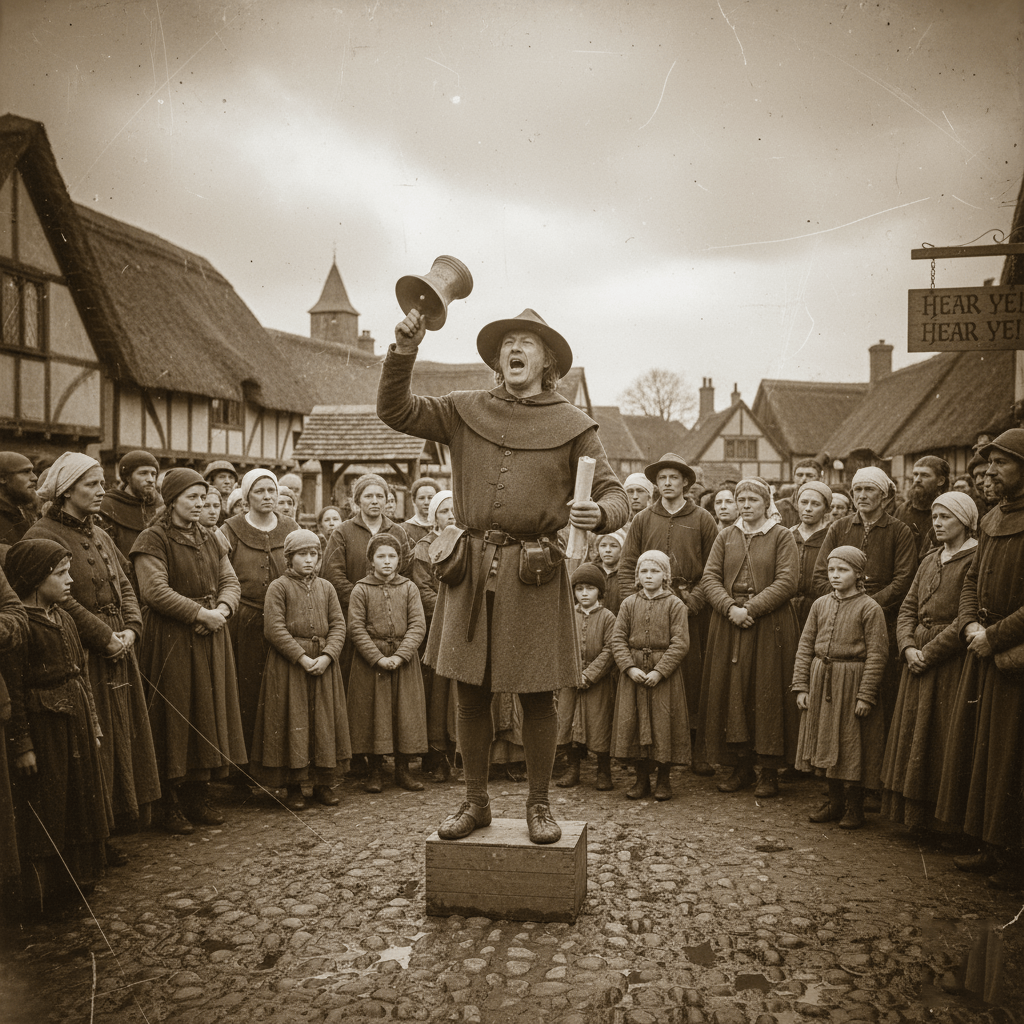
Town Crier
Medieval Period
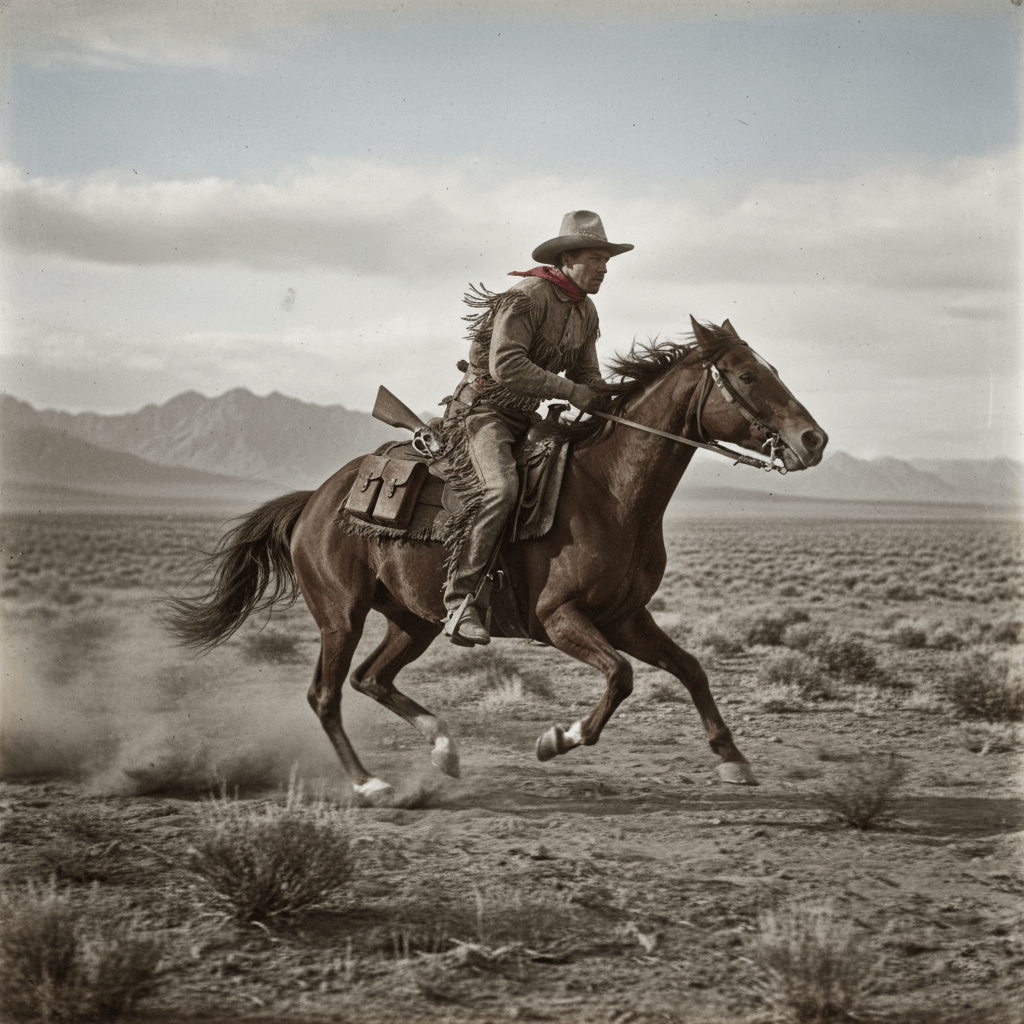
Pony Express Rider
Mid 19th Century
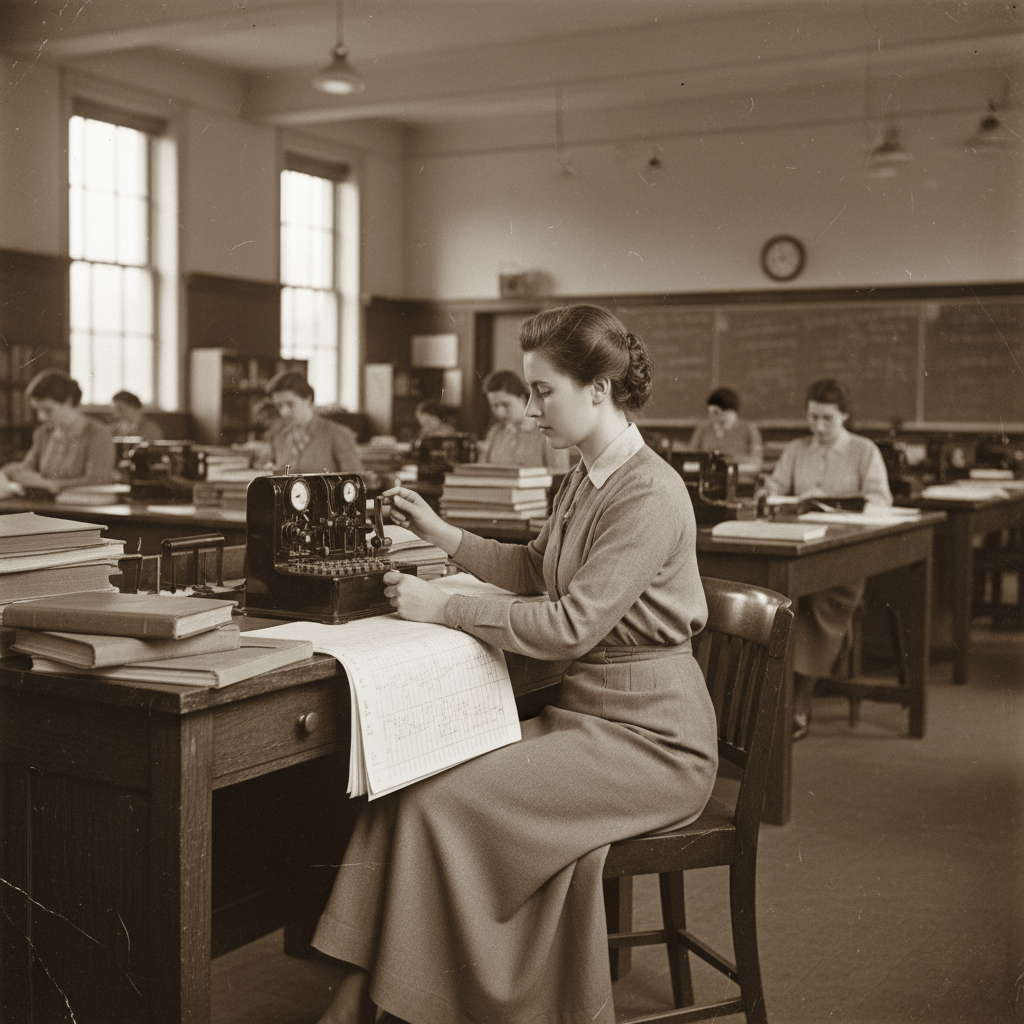
Human Computer
20th Century

Gas Station Attendant
Post-War Era
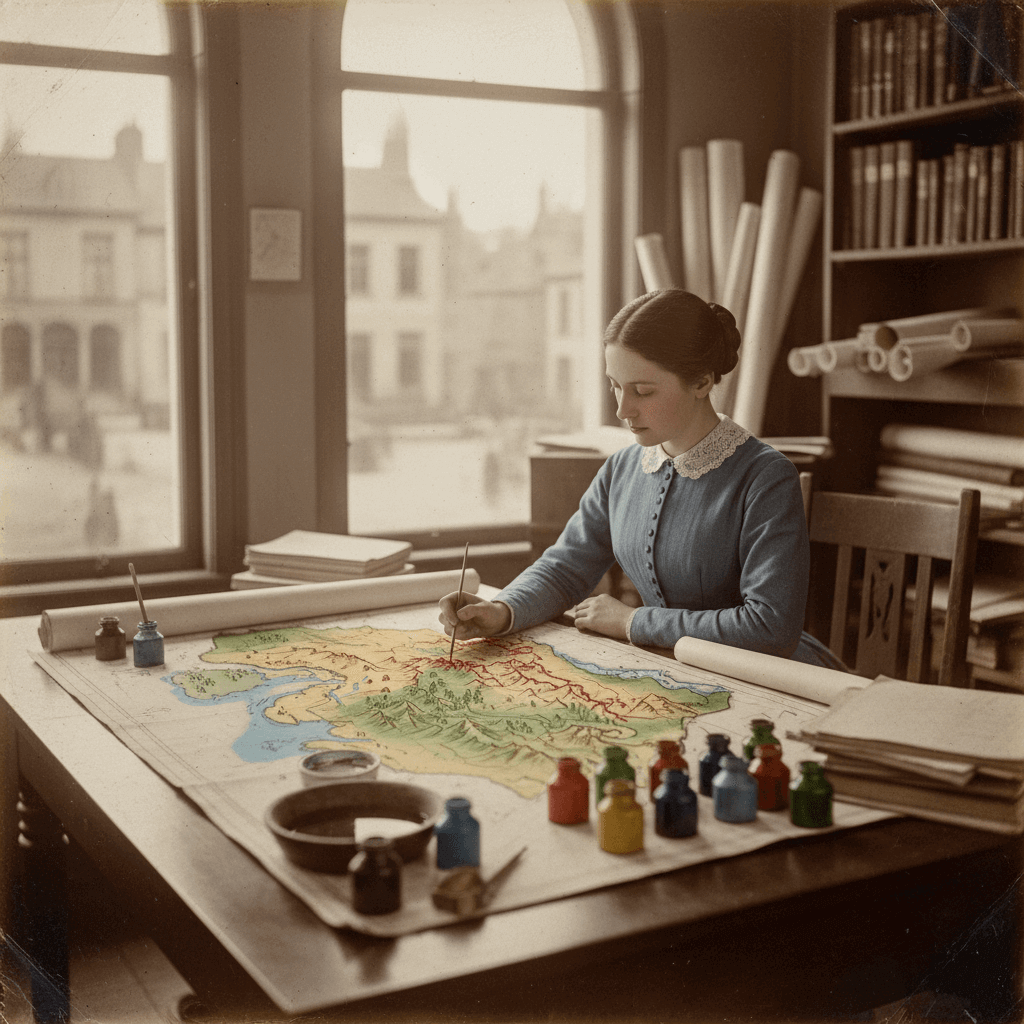
Map Colourist
Victorian Era
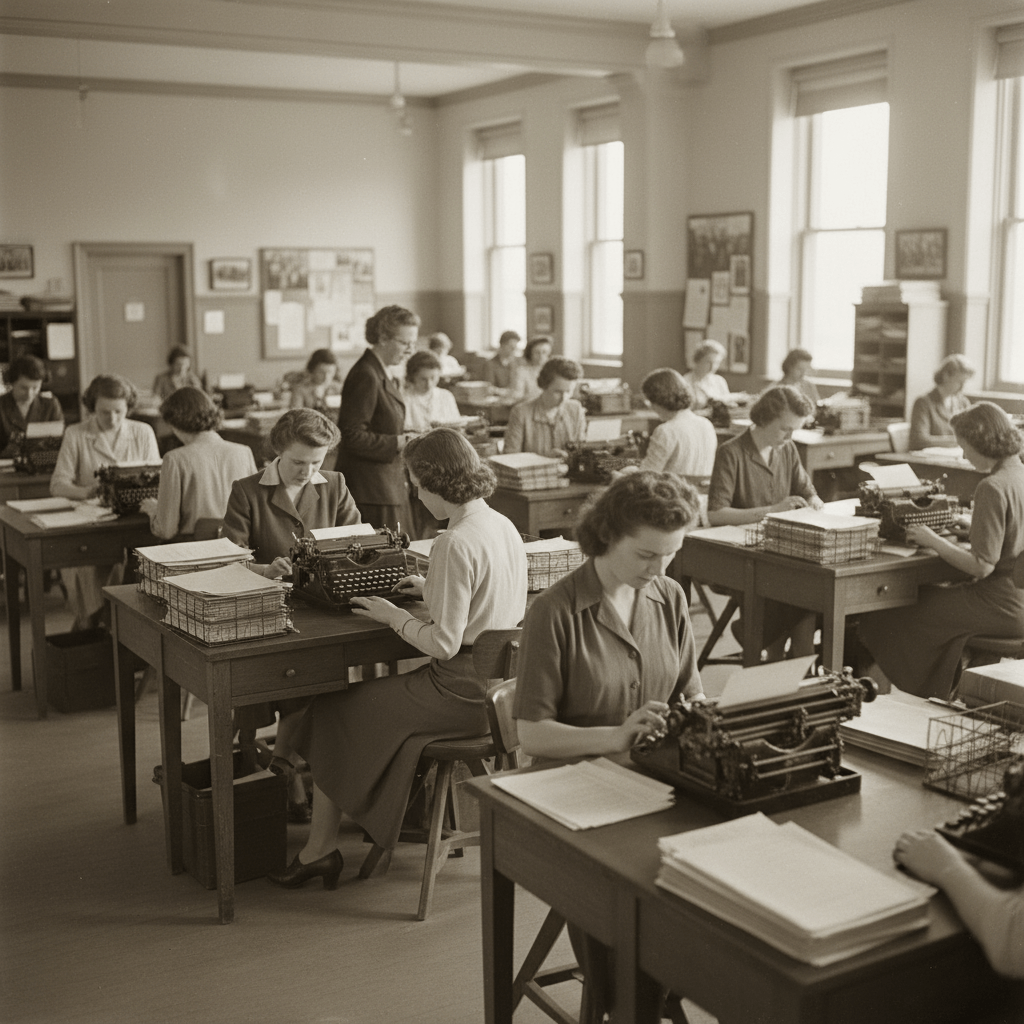
Typist Pool Worker
Post-War Era
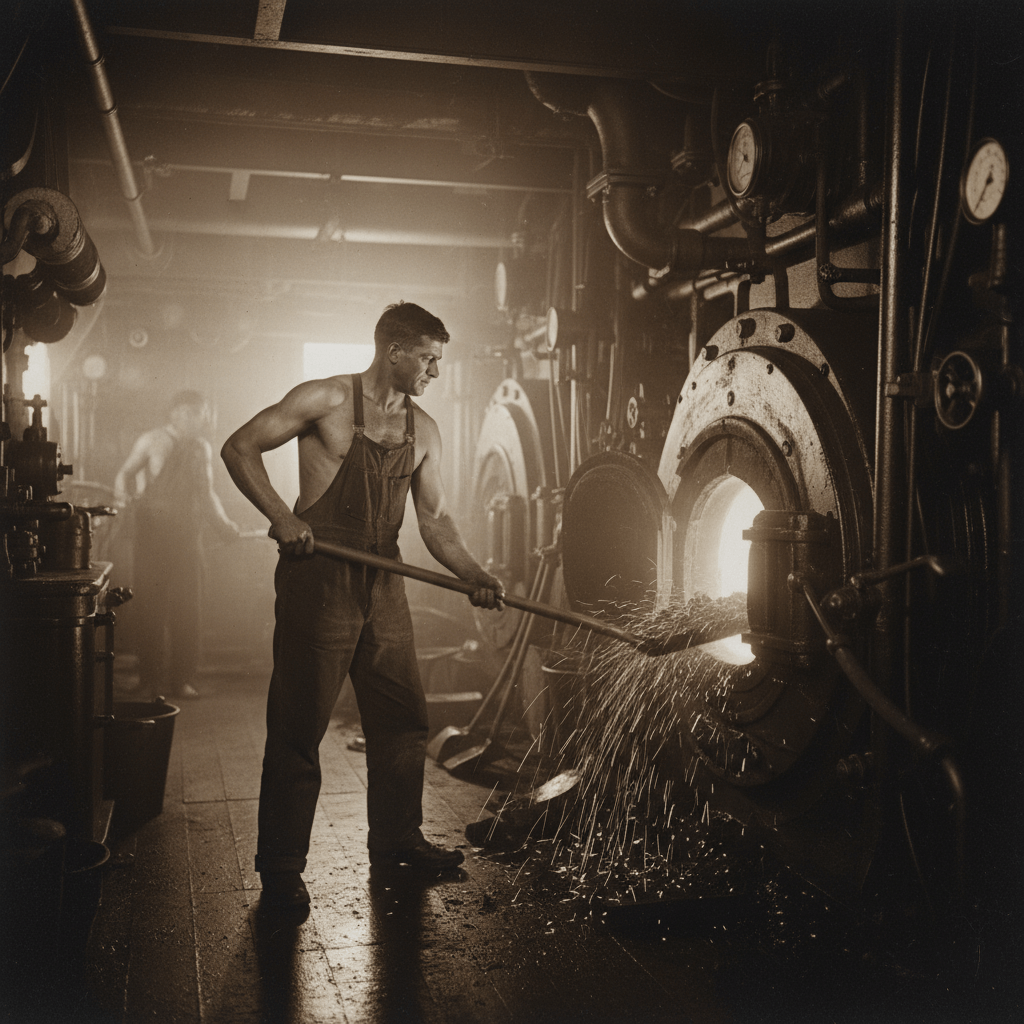
Coal Stoker
Industrial Revolution
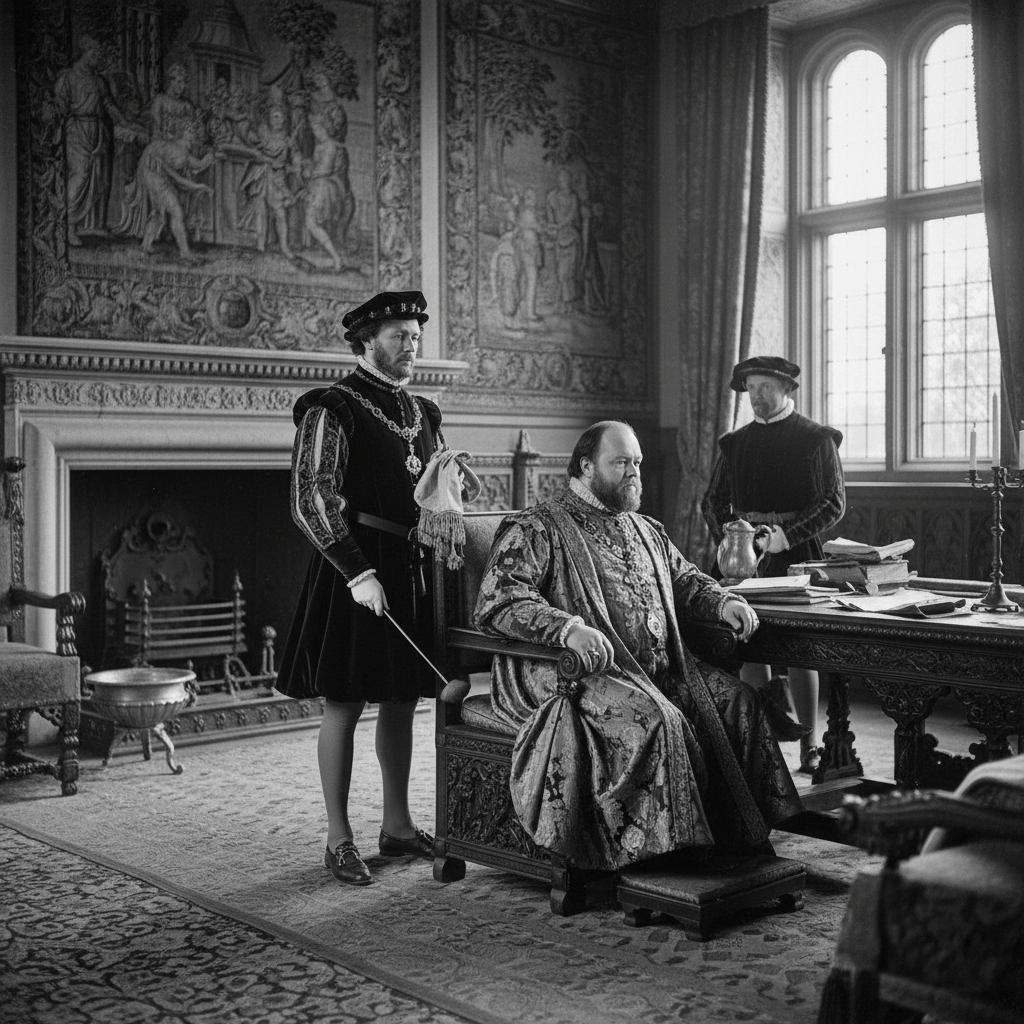
Groom of the Stool
Tudor Period
Lamp Lighter
Victorian Era
Town Crier
Medieval Period
Pony Express Rider
Mid 19th Century
Human Computer
20th Century
Gas Station Attendant
Post-War Era
Map Colourist
Victorian Era
Typist Pool Worker
Post-War Era
Coal Stoker
Industrial Revolution
Groom of the Stool
Tudor Period
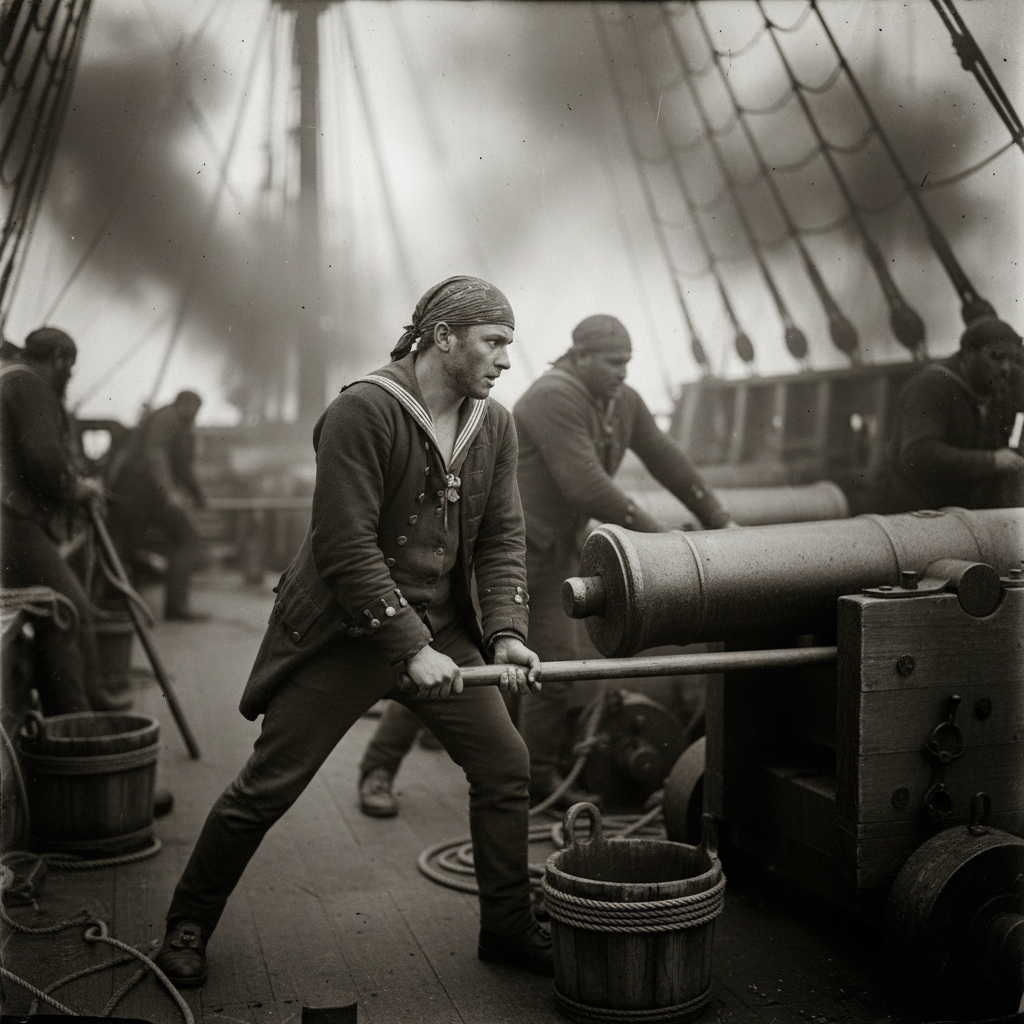
Powder Monkey
Age of Exploration
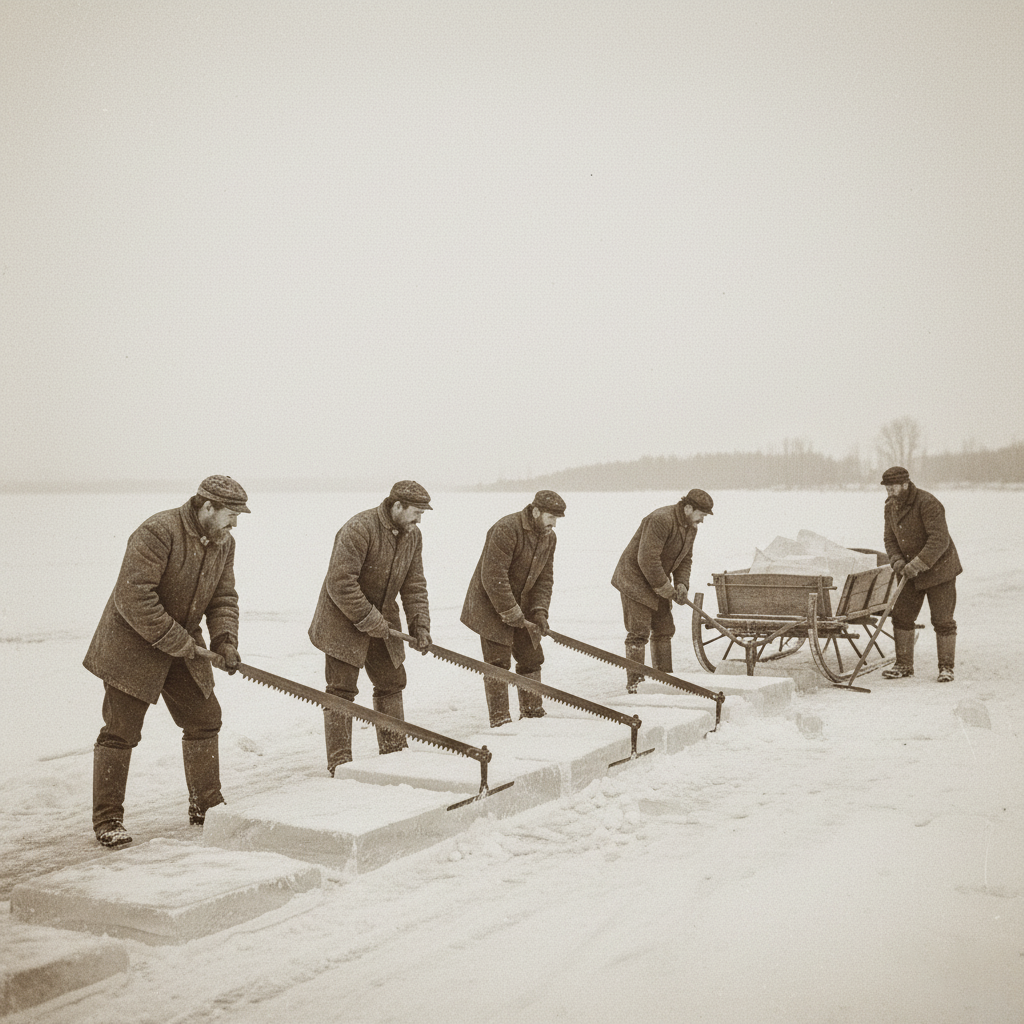
Ice Cutter
19th Century
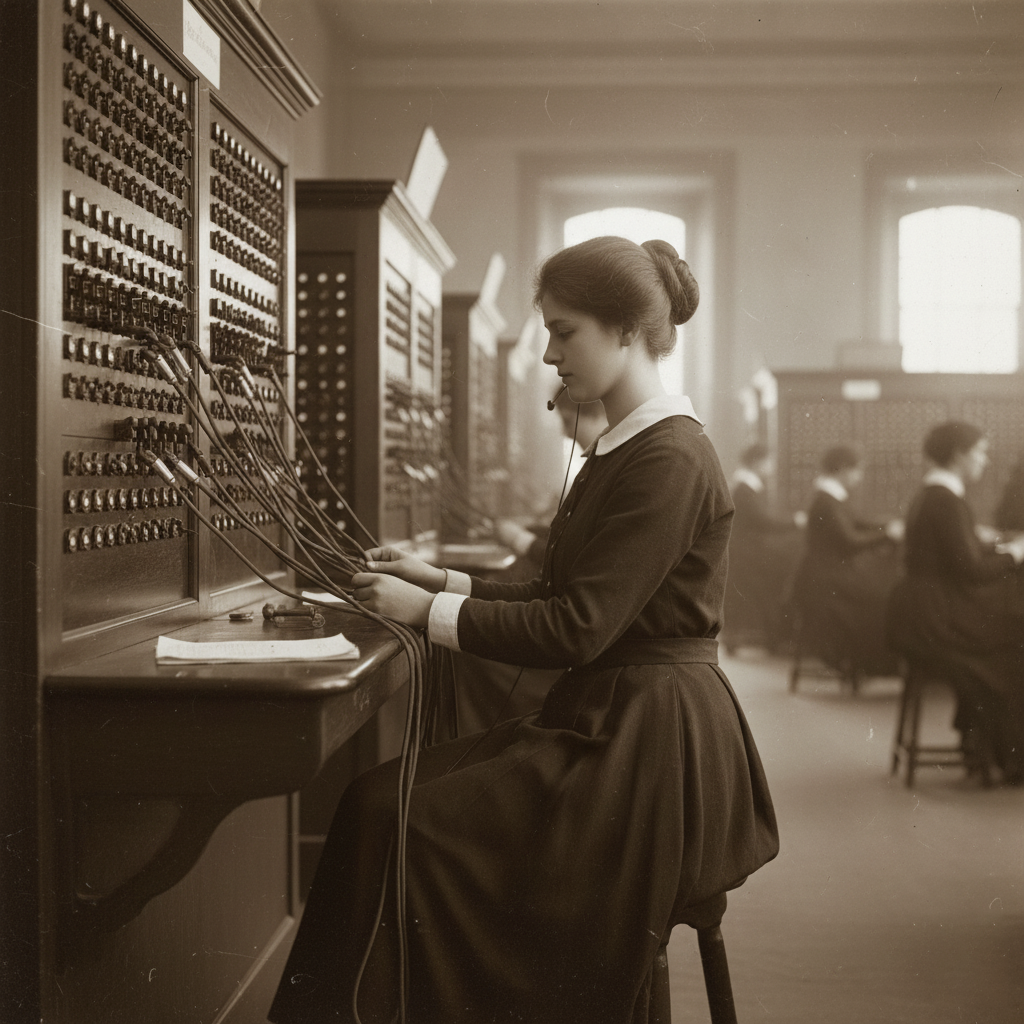
Switchboard Operator
Industrial Revolution
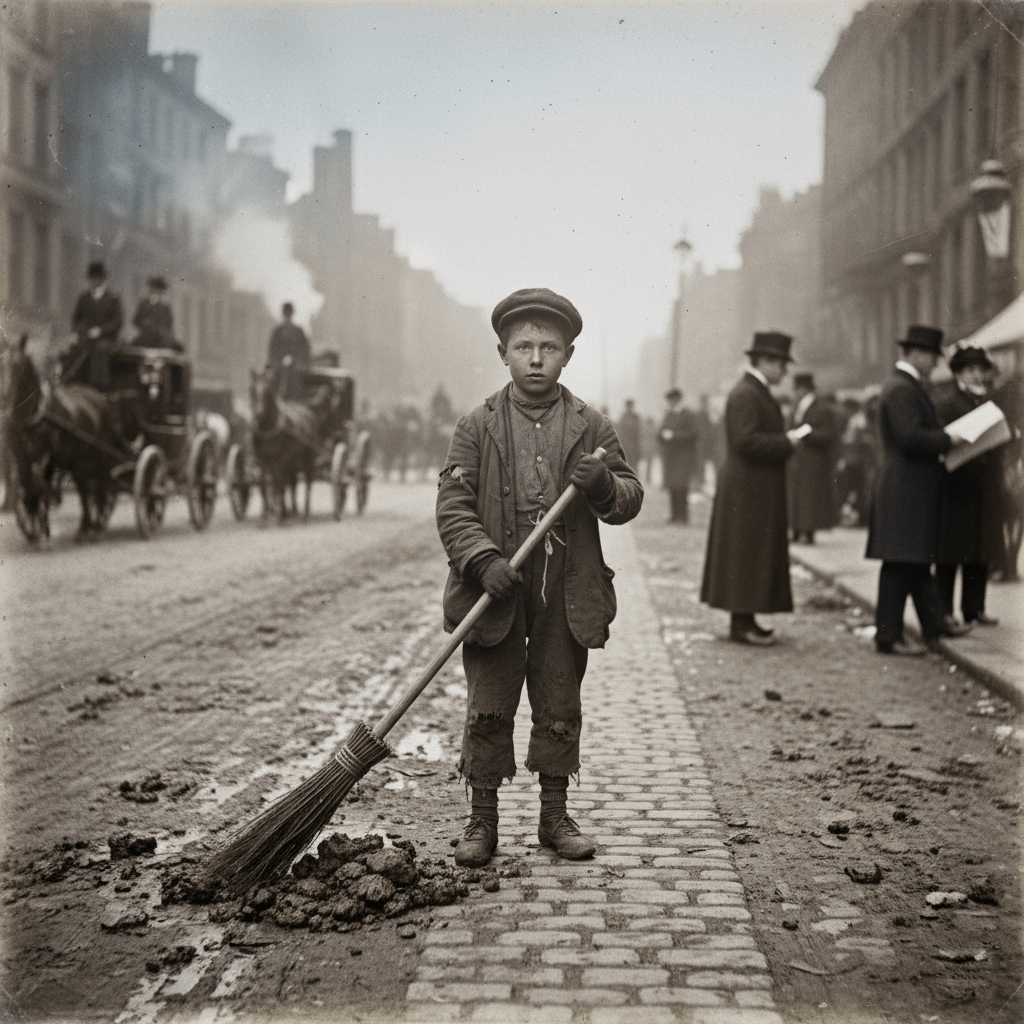
Crossing Sweeper
Victorian Era
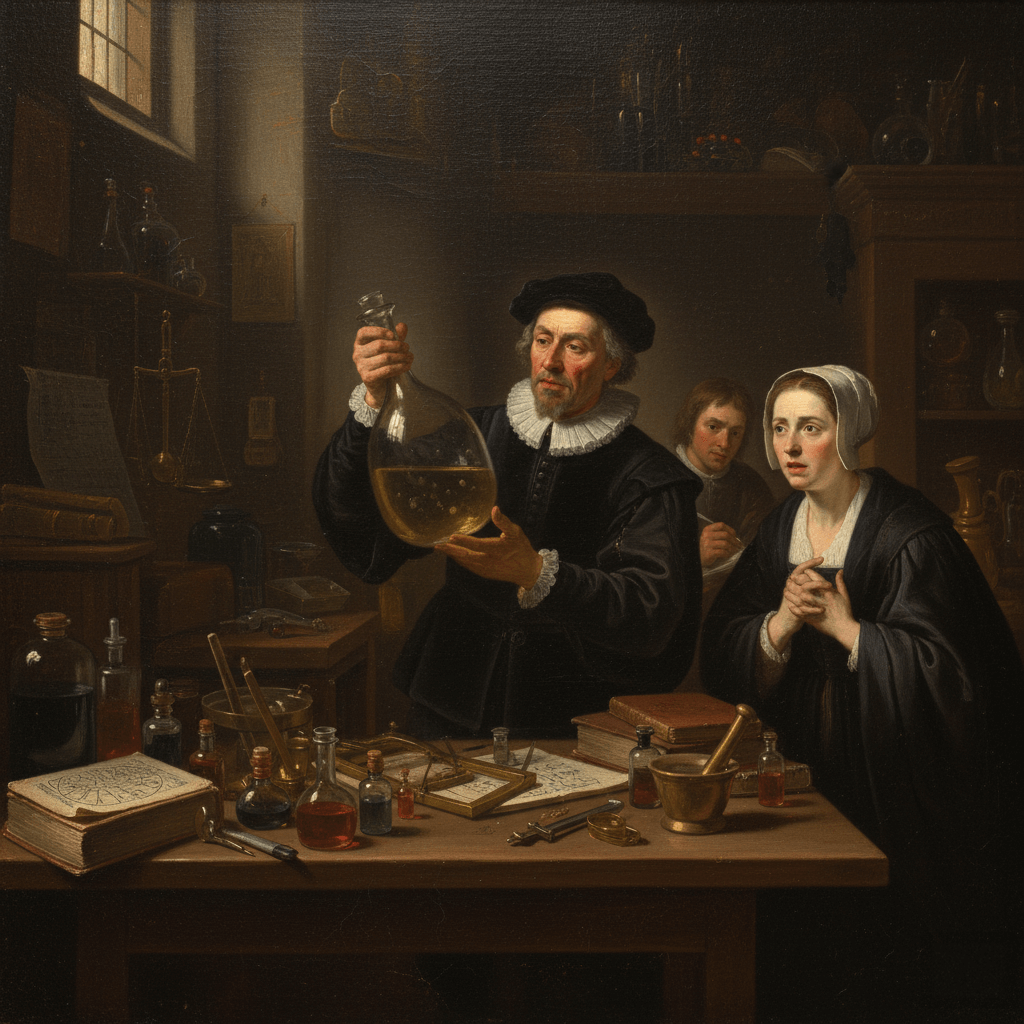
Piss-Prophet
Medieval Period
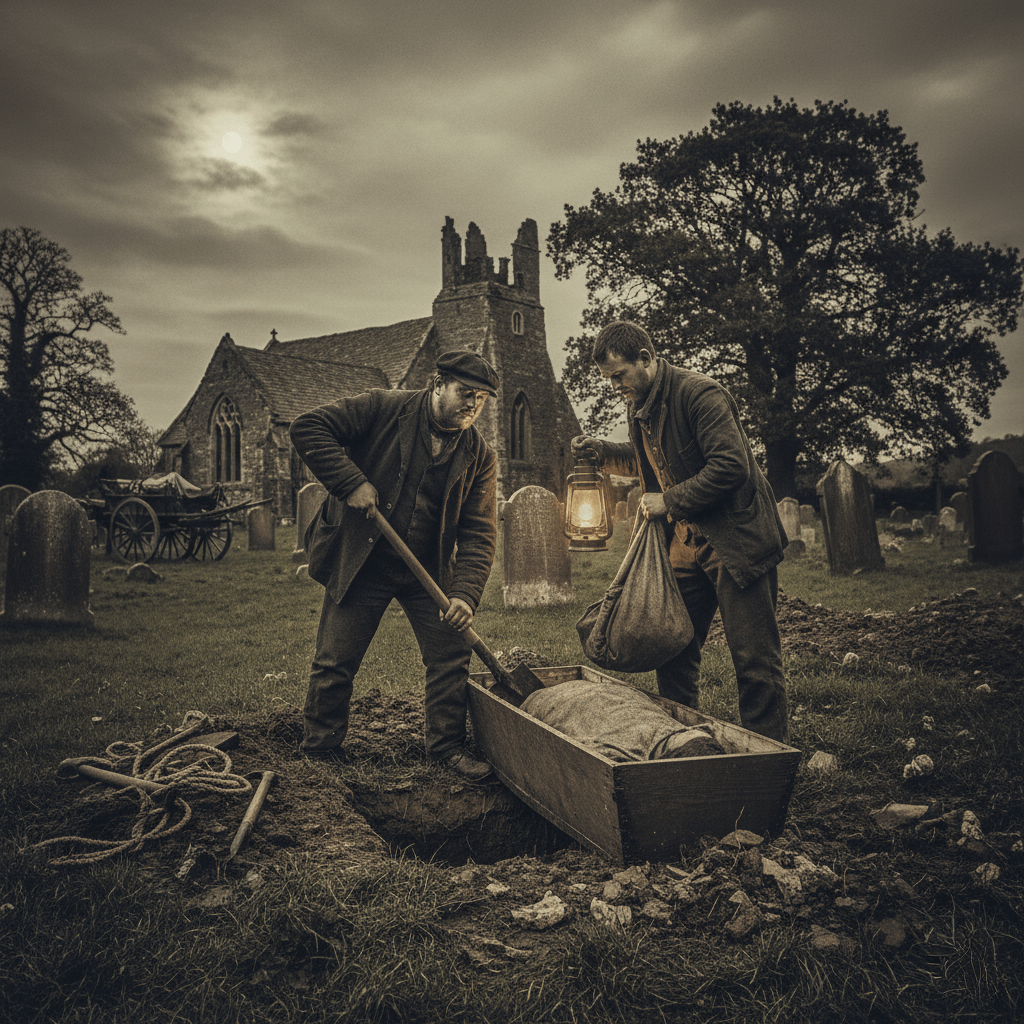
Resurrectionist
Victorian Era
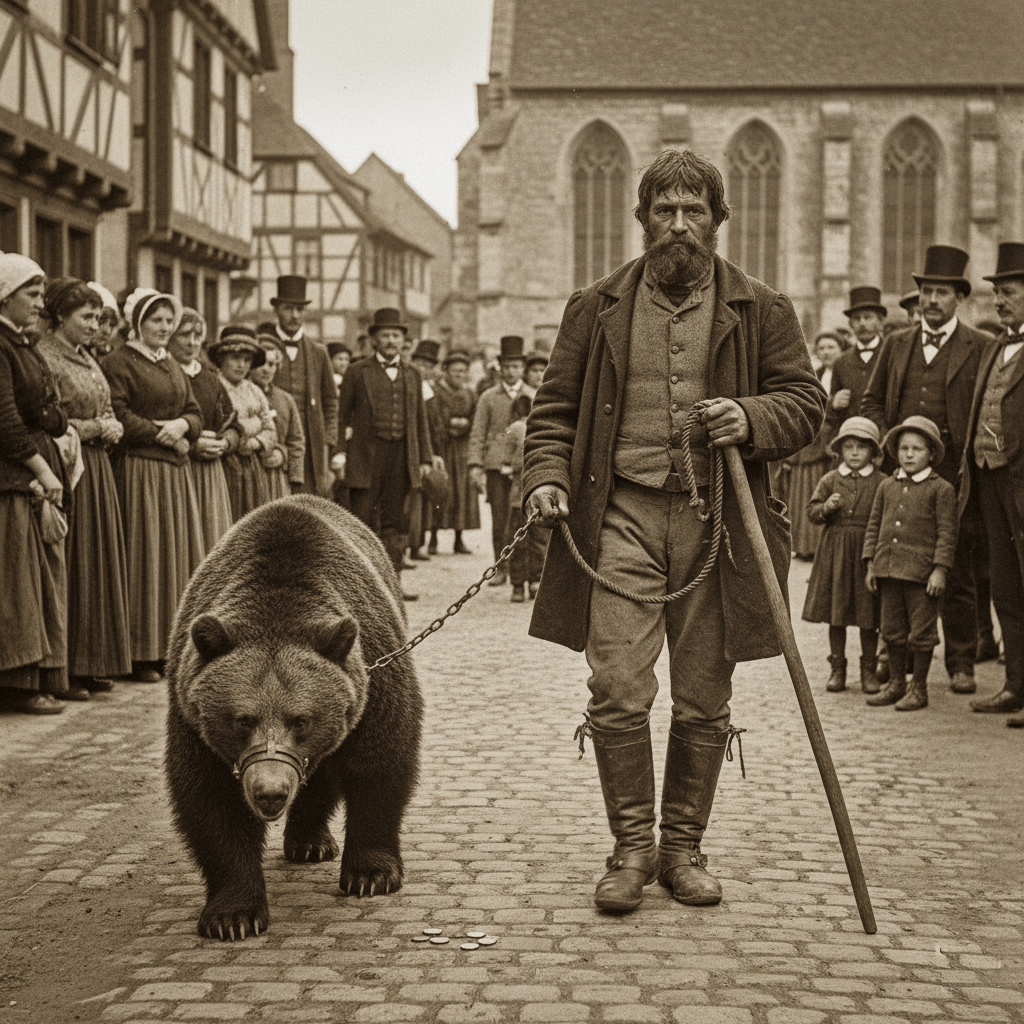
Bear-Leader
Victorian Era

Plague Doctor
Medieval Period
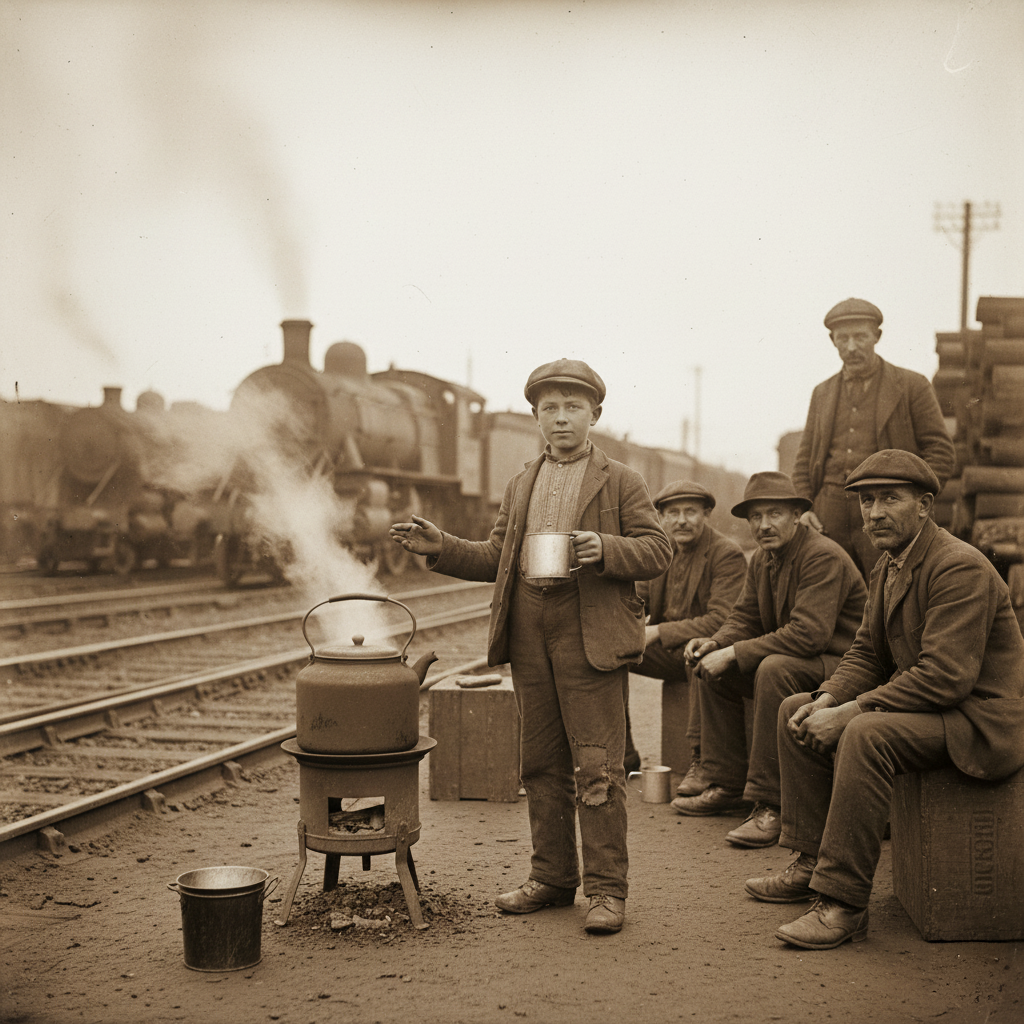
Billy Boy
Victorian Era
Powder Monkey
Age of Exploration
Ice Cutter
19th Century
Switchboard Operator
Industrial Revolution
Crossing Sweeper
Victorian Era
Piss-Prophet
Medieval Period
Resurrectionist
Victorian Era
Bear-Leader
Victorian Era
Plague Doctor
Medieval Period
Billy Boy
Victorian Era
Past Exhibits
Professions of Yesterday
These roles shaped the world we know today. They represent human ingenuity, adaptability, and the dignity of work across generations. Their skills live on in new forms.
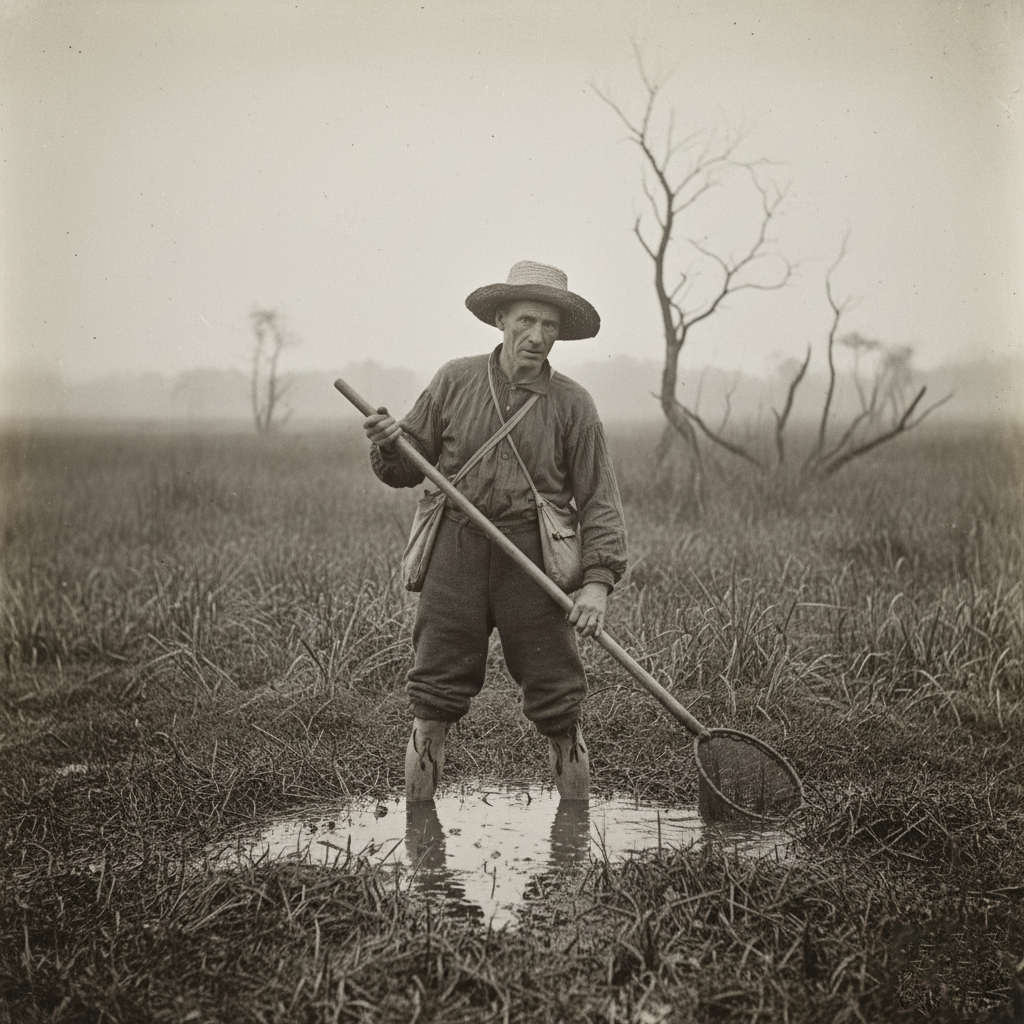
Leech Collector
In the Victorian Era, the leech collector played a crucial role in the burgeoning field of medicine. These individuals were tasked with harvesting leeches from freshwater bodies, primarily for use in bloodletting—a common medical practice of the time. Leeches were believed to cure a variety of ailments by drawing out 'bad blood,' and their demand surged as the medical community embraced this practice. Leech collectors would often wade into muddy waters, using nets and their bare hands to gather these slimy creatures, which were then sold to physicians and apothecaries. The job required not only physical endurance but also a keen understanding of the leeches' habitats and behaviors, as well as the ability to handle them without causing harm to themselves or the creatures. The leech collector's work was often conducted in remote, marshy areas, where they would spend hours in the water, sometimes in harsh weather conditions. The collectors would return home with buckets filled with leeches, which they would keep alive in water-filled containers until sold. The job was labor-intensive and often poorly paid, but it was essential in an era when medical practices relied heavily on the use of leeches for therapeutic purposes. As the medical field evolved and the understanding of human anatomy and disease progressed, the practice of bloodletting fell out of favor. By the late 19th century, with the advent of modern medicine and more effective treatments, the demand for leeches diminished significantly, leading to the decline of this once vital occupation.
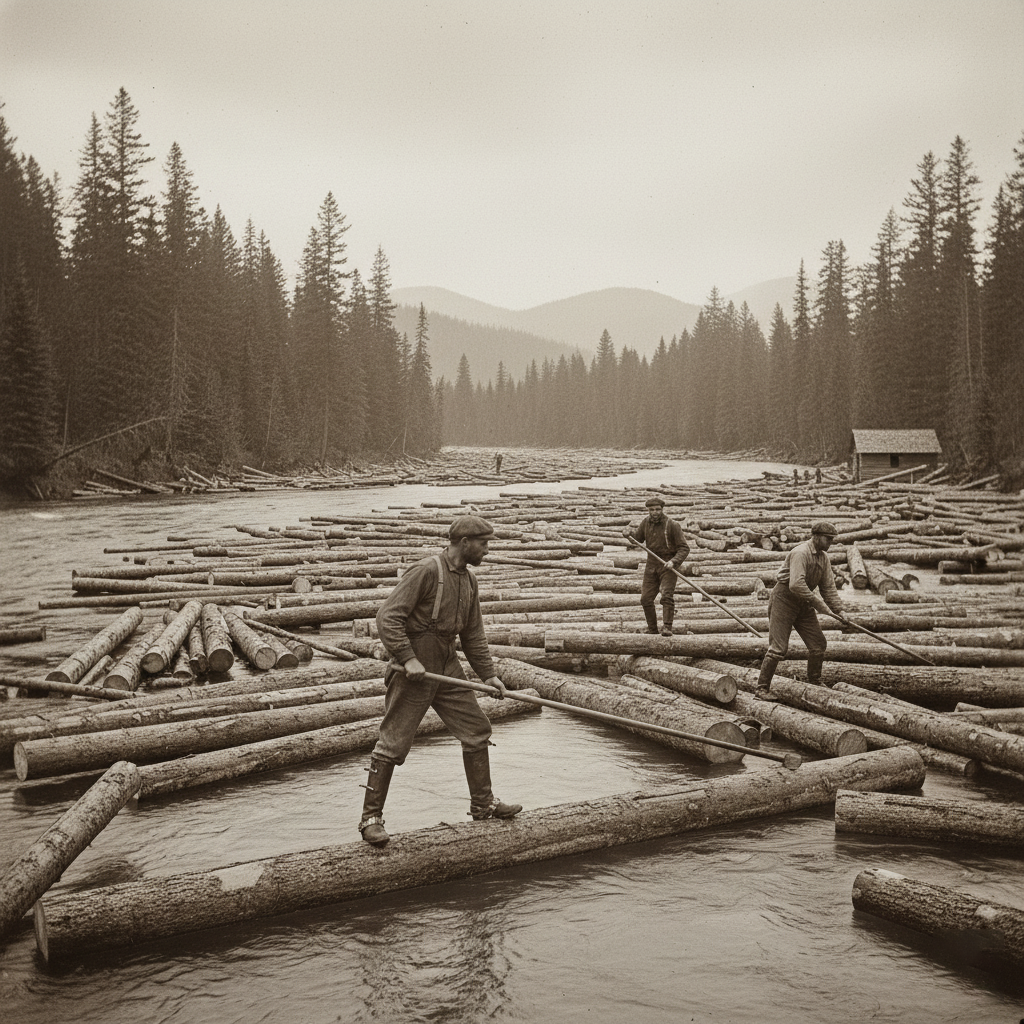
Log Driver
In the rugged landscapes of North America during the Industrial Revolution, the log driver emerged as a vital figure in the timber industry. These skilled laborers were responsible for guiding and maneuvering logs down rivers and streams to sawmills, where they would be processed into lumber for construction and other uses. The job required not only physical strength and endurance but also a deep understanding of the waterways and the behavior of timber. Log drivers often worked in teams, using their knowledge of currents and eddies to navigate the logs safely through treacherous waters, avoiding obstacles such as rocks and fallen trees. The sight of a log driver skillfully balancing on a floating log, using a long pole to steer, was a common and iconic image of the era. The work was grueling and dangerous, with log drivers facing the constant threat of injury from the logs themselves, as well as the unpredictable nature of the rivers. Despite the hazards, the job was a source of pride, as log drivers were seen as rugged individuals embodying the spirit of the frontier. Their contributions were crucial to the booming timber industry, which fueled the growth of towns and cities across the continent, providing the lumber necessary for homes, railroads, and infrastructure.
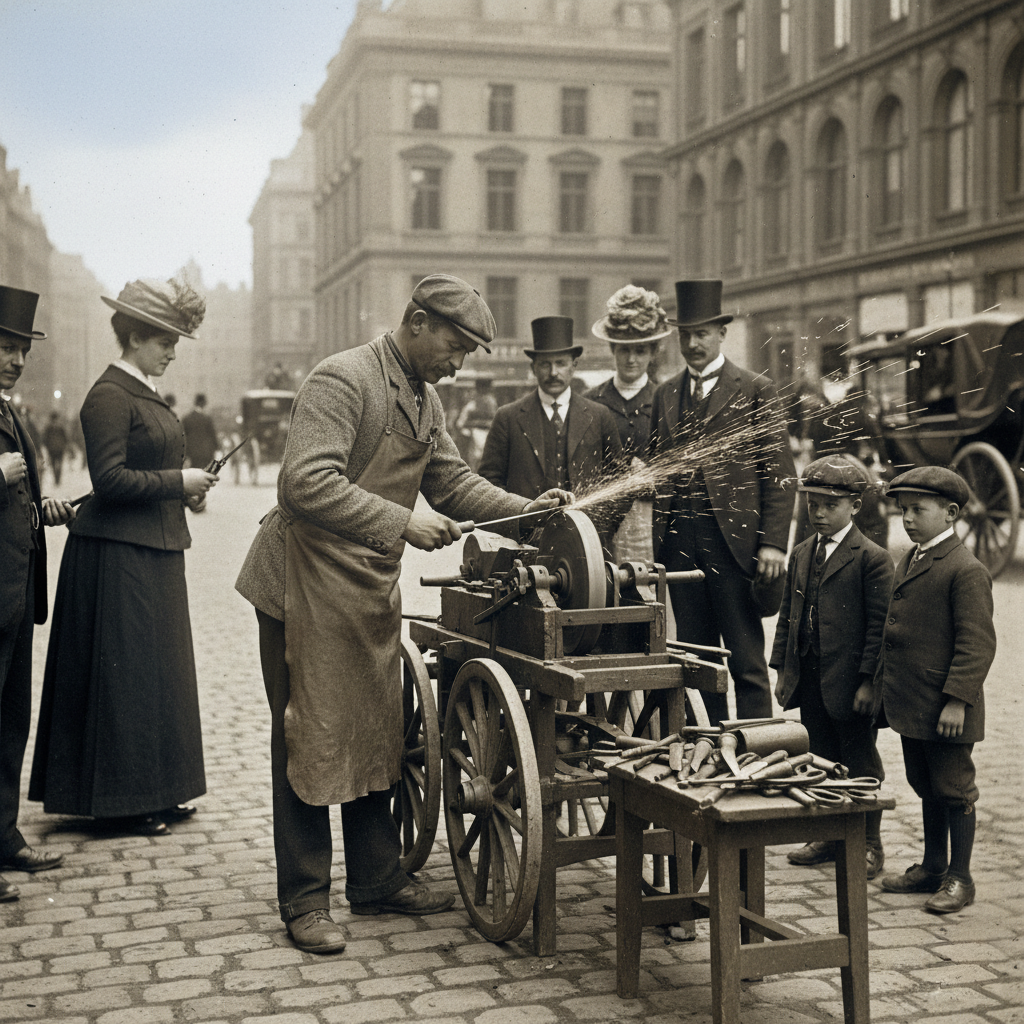
Knife Grinder
The knife grinder was a skilled tradesperson responsible for sharpening and honing blades, from kitchen knives to industrial cutting tools. This occupation flourished during the Industrial Revolution, a period marked by rapid technological advancement and a growing demand for precision tools in both domestic and industrial settings. Knife grinders often worked in small workshops or as itinerant tradespeople, traveling from town to town with their grinding wheels and tools, providing essential services to local communities. The sound of the grinding wheel, a rhythmic and reassuring noise, was a familiar part of daily life, as these craftsmen ensured that the tools of the trade remained sharp and effective. The process of knife grinding involved several steps. First, the grinder would assess the blade's condition, determining the level of wear and the type of sharpening needed. Using a foot-powered grinding wheel, the grinder would carefully sharpen the blade, maintaining the correct angle to ensure optimal cutting performance. After sharpening, the blade would often be polished to a fine finish, sometimes using a leather strop to achieve a razor-sharp edge. Knife grinders were not only skilled in their craft but also had a deep understanding of the various types of steel and the specific needs of different tools, making them invaluable to both domestic households and industrial operations.
Future Exhibits
Professions of Tomorrow
Emerging roles grounded in real trends and genuine human needs. These professions represent opportunities—not predictions—for those ready to adapt and grow.

Cybersecurity Resilience Coach
In an era defined by the omnipresence of digital technology and the increasing sophistication of cyber threats, the role of a Cybersecurity Resilience Coach emerges as a vital component of organizational strategy. This innovative profession focuses on enhancing the resilience of individuals and organizations against cyber threats, ensuring that they not only defend against attacks but also recover swiftly and effectively when breaches occur. The Cybersecurity Resilience Coach acts as a mentor and strategist, guiding teams through the complexities of cybersecurity protocols, risk management, and incident response. They leverage advanced technologies, including artificial intelligence and machine learning, to simulate potential cyber threats and develop tailored resilience training programs. This role is not just about preventing breaches; it’s about fostering a culture of cybersecurity awareness and preparedness, empowering employees to recognize vulnerabilities and respond proactively. As organizations increasingly rely on digital infrastructures, the Cybersecurity Resilience Coach becomes an essential ally in navigating the turbulent waters of the Cybernetic Age, where the stakes of cyber warfare are higher than ever.

Synthetic Biology Engineer
In the Bioengineering Era, the role of a Synthetic Biology Engineer emerges as a pivotal force in the intersection of biology and technology. These innovative professionals harness the principles of synthetic biology to design and construct new biological parts, devices, and systems, or to redesign existing, natural biological systems for useful purposes. As the world grapples with challenges such as climate change, food security, and health crises, Synthetic Biology Engineers are at the forefront, creating solutions that could revolutionize agriculture, medicine, and environmental sustainability. They work in laboratories equipped with cutting-edge biotechnological tools, utilizing CRISPR gene editing, bioinformatics, and advanced computational modeling to engineer organisms that can produce biofuels, pharmaceuticals, and even biodegradable materials. Their work not only pushes the boundaries of science but also raises profound questions about the ethical implications of manipulating life itself, making their role both exciting and complex.

Virtual Fashion Designer
In the not-so-distant future, the role of the Virtual Fashion Designer emerges as a pivotal force in the fashion industry, blending creativity with cutting-edge technology. As the world becomes increasingly digitized, the demand for virtual clothing—garments designed for avatars in virtual environments, augmented reality, and social media platforms—grows exponentially. Virtual Fashion Designers harness advanced software, artificial intelligence, and 3D modeling tools to create stunning, immersive clothing experiences that transcend the limitations of physical fabrics. They work closely with brands, influencers, and consumers to craft unique digital wardrobes that reflect personal style and identity in the virtual realm. This role not only redefines fashion aesthetics but also challenges traditional notions of sustainability, as virtual garments eliminate the environmental impact associated with physical production.
Timeline
The Evolution of Work
From the printing press to planetary stewardship — six centuries of human labor, adaptation, and reinvention. Scroll the line, then open a chapter.
The Printing Press
Gutenberg's invention creates the first mass media profession: the printer.
Read this chapterAge of Exploration
Navigators, cartographers, and shipbuilders become essential professions.
Read this chapterScientific Revolution
Natural philosophers emerge as the precursors to modern scientists.
Read this chapterSkilled Trades Flourish
Blacksmiths, cobblers, and craftsmen form the backbone of pre-industrial work.
Read this chapterIndustrial Revolution Begins
Factory workers replace cottage industries; the nature of labor transforms.
Read this chapterRailway Age
Engineers, conductors, and station masters connect nations by rail.
Read this chapterThe Typist Era Begins
The typewriter transforms office work, creating new roles for skilled operators.
Read this chapterTelephone Operators Connect
Switchboard operators become essential, linking voices across distances.
Read this chapterAssembly Line Revolution
Mass production changes manufacturing, creating specialized roles.
Read this chapterThe Computer Age Dawns
Early computing creates new technical professions while automating calculations.
Read this chapterPersonal Computing Spreads
Desktop computers transform office work; typing pools begin to fade.
Read this chapterThe Internet Era
Digital connectivity reshapes commerce, communication, and countless careers.
Read this chapterMobile Revolution
Smartphones create app developers, social media managers, and the gig economy.
Read this chapterAI Integration Begins
Artificial intelligence starts transforming knowledge work and creative fields.
Read this chapterHuman-AI Collaboration
New roles emerge focused on guiding and working alongside AI systems.
Read this chapterQuantum Computing Era
Quantum specialists solve previously impossible computational challenges.
Read this chapterNeural Interface Specialists
Brain-computer interfaces create new fields in human augmentation.
Read this chapterSpace Economy Expands
Orbital construction workers and asteroid miners become reality.
Read this chapterPlanetary Stewardship
Climate architects and ecosystem engineers restore and maintain Earth's balance.
Read this chapterConsciousness Engineering
Mind-body specialists help humans navigate digital-biological integration.
Read this chapterInterplanetary Workforce
Mars colonization creates demand for terraformers and space habitat managers.
Read this chapterPost-Scarcity Curators
Meaning architects help humanity find purpose in an age of abundance.
Read this chapter