
Tudor Period
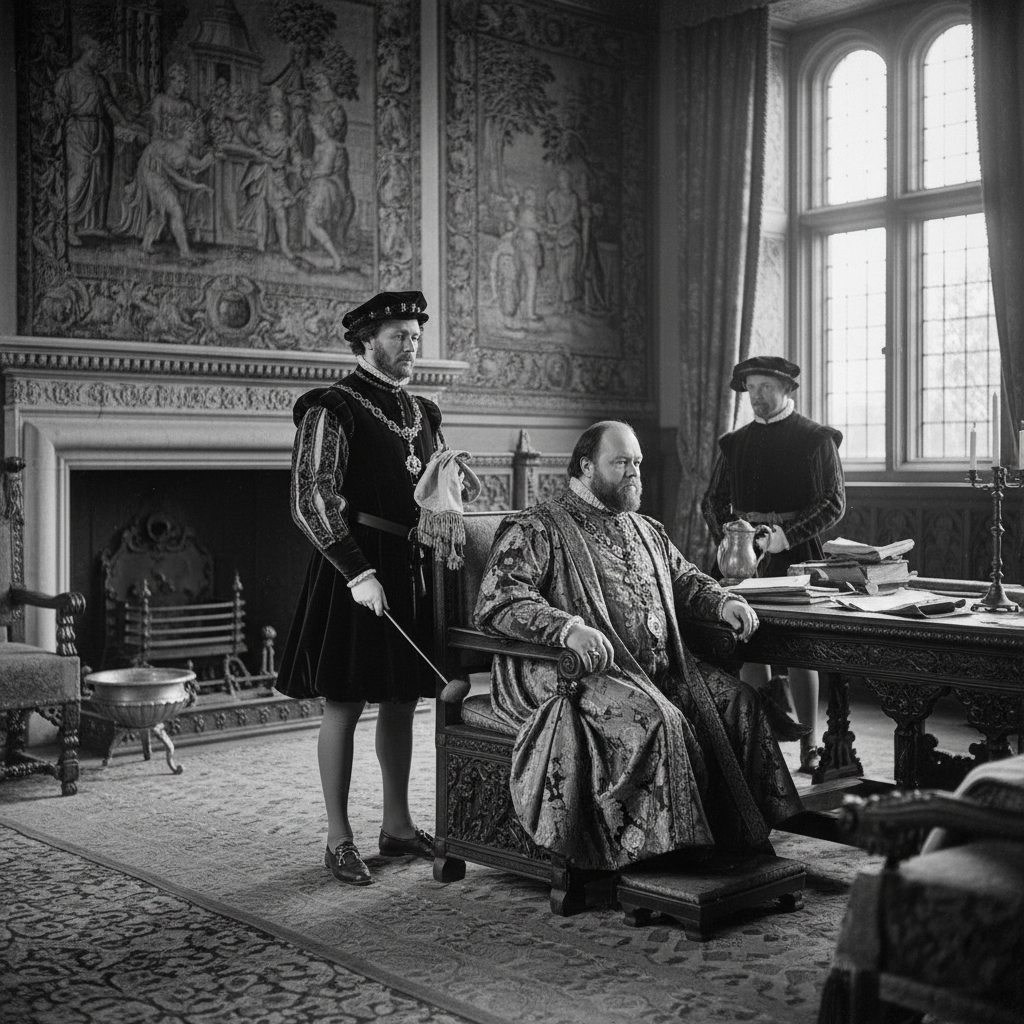
Groom of The Stool
An extinct profession from Tudor Period that became obsolete due to technological advancement and societal change.
Media Gallery
Related Exhibits
Calligrapher
The art of calligraphy, often referred to as 'beautiful writing,' flourished during the Medieval Period, where skilled calligraphers played a crucial role in the preservation and dissemination of knowledge. These artisans were not merely writers; they were artists who transformed the written word into a visual spectacle. Calligraphers were responsible for creating manuscripts, religious texts, and important documents, often using intricate scripts that varied by region and purpose. Their work was characterized by the use of quills, ink, and parchment, and they often employed elaborate techniques such as gilding and illumination to enhance their creations. The calligrapher's role was not only to write but to imbue each piece with a sense of beauty and reverence, making their work essential in an era where printed materials were scarce and literacy was a privilege of the few.
Haruspex
The Haruspex was a priestly figure in ancient Roman religion, renowned for their unique role in divination. This sacred profession involved interpreting the will of the gods through the examination of animal entrails, particularly the liver, a practice known as extispicy. The Haruspex would conduct rituals, often in the presence of public officials or military leaders, to seek divine guidance before significant events such as battles, elections, or the founding of cities. The entrails were believed to reveal omens, and the Haruspex would analyze their color, texture, and any anomalies to provide insights into the future. This role was steeped in tradition and required a deep understanding of religious texts, rituals, and the symbolic meanings attributed to various organs. The Haruspex was not merely a fortune-teller; they were a respected authority in matters of state and religion, often consulted in times of crisis.
Explore More Exhibits
Discover the full collection of past and future professions in The Jobs Museum.