
Explore speculative professions that may emerge in response to technological, environmental, and social shifts. These are the potential jobs of tomorrow.
Tags

In an era defined by the omnipresence of digital technology and the increasing sophistication of cyber threats, the role of a Cybersecurity Resilience Coach emerges as a vital component of organizational strategy. This innovative profession focuses on enhancing the resilience of individuals and organizations against cyber threats, ensuring that they not only defend against attacks but also recover swiftly and effectively when breaches occur. The Cybersecurity Resilience Coach acts as a mentor and strategist, guiding teams through the complexities of cybersecurity protocols, risk management, and incident response. They leverage advanced technologies, including artificial intelligence and machine learning, to simulate potential cyber threats and develop tailored resilience training programs. This role is not just about preventing breaches; it’s about fostering a culture of cybersecurity awareness and preparedness, empowering employees to recognize vulnerabilities and respond proactively. As organizations increasingly rely on digital infrastructures, the Cybersecurity Resilience Coach becomes an essential ally in navigating the turbulent waters of the Cybernetic Age, where the stakes of cyber warfare are higher than ever.

In the not-so-distant future, the role of a Digital Twin Architect emerges as a pivotal profession at the intersection of technology, design, and data analytics. As industries increasingly adopt digital twin technology—virtual replicas of physical entities—these architects will be responsible for creating, managing, and optimizing these digital counterparts. From smart cities to personalized healthcare, the Digital Twin Architect will harness vast amounts of data to simulate, predict, and enhance real-world performance. This role will not only require technical expertise but also a deep understanding of the systems being modeled, ensuring that the digital twins serve their intended purpose effectively and ethically. Imagine a world where every building, vehicle, and even human organ has a digital twin, continuously updated with real-time data. The Digital Twin Architect will design these intricate models, ensuring they are accurate, functional, and capable of providing insights that drive innovation and efficiency. As cities become smarter and industries more automated, the demand for skilled architects who can bridge the gap between the physical and digital realms will soar, making this a vital and dynamic career in the AI Revolution.
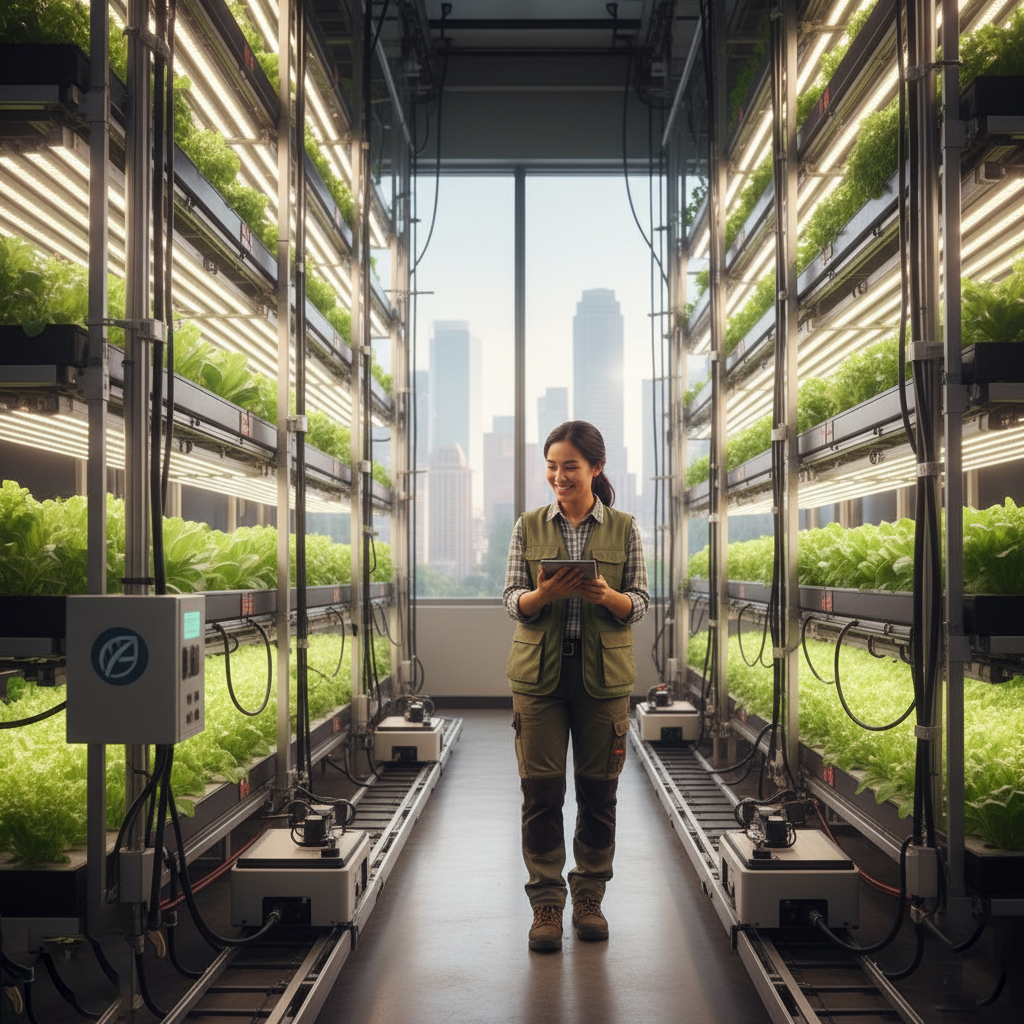
As urban populations swell and climate change intensifies, the role of the Vertical Farm Manager emerges as a vital profession in the Climate Adaptation Era. This innovative job is at the intersection of agriculture, technology, and sustainability, focusing on the management of high-rise farms that utilize advanced hydroponics, aeroponics, and artificial intelligence to produce food in urban environments. Vertical farms, often located in repurposed buildings or purpose-built skyscrapers, are designed to maximize space and minimize resource use, providing fresh produce to city dwellers while reducing the carbon footprint associated with traditional farming methods. The Vertical Farm Manager oversees all aspects of these farms, from crop selection and growth cycles to the integration of smart technologies that monitor and optimize plant health. This role not only requires a deep understanding of agricultural science but also a keen awareness of urban ecology and community needs, making it a multifaceted and dynamic career.
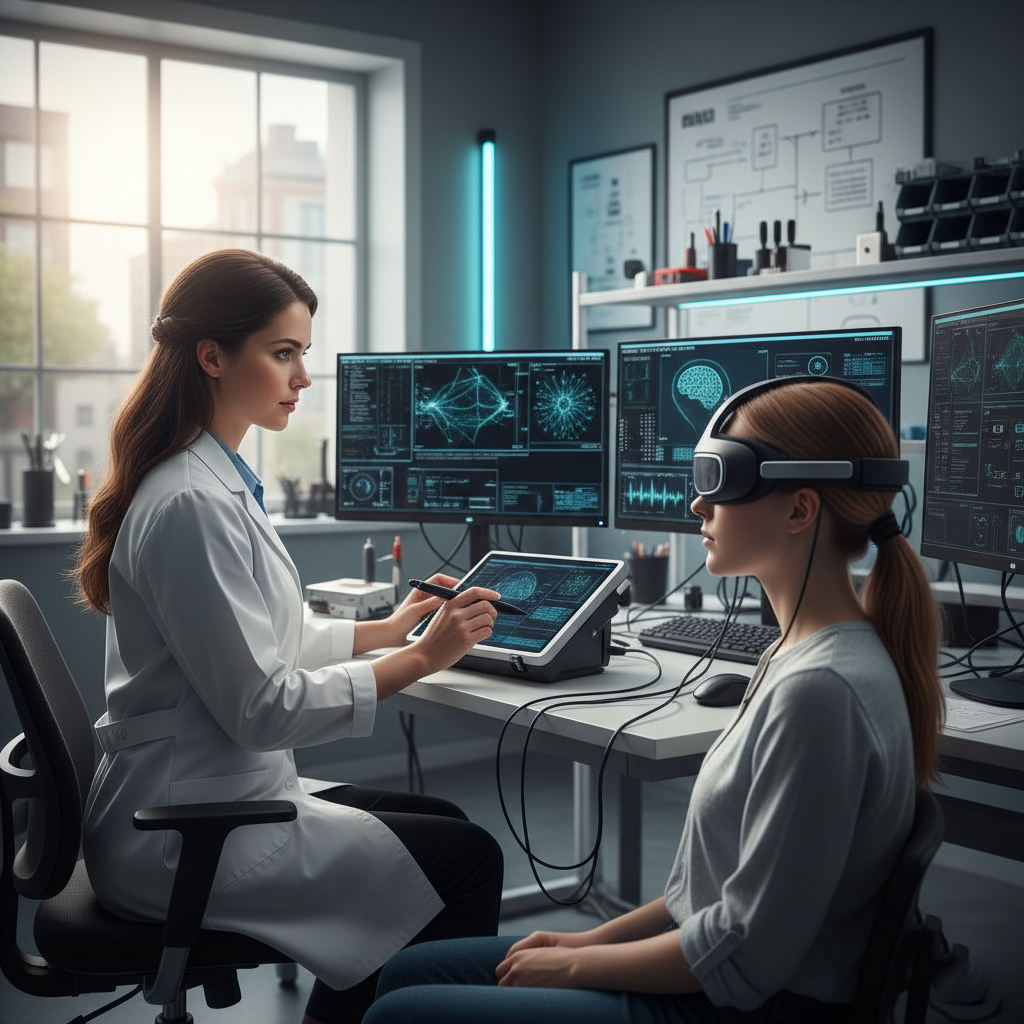
In the Cybernetic Age, where the boundaries between human cognition and machine intelligence blur, the role of the Neuro-Interface Technician emerges as a pivotal occupation. These skilled professionals are responsible for the installation, maintenance, and troubleshooting of advanced neuro-interface systems that connect human brains to digital networks. As society increasingly relies on these interfaces for enhanced communication, cognitive augmentation, and even virtual reality experiences, Neuro-Interface Technicians become essential in ensuring that these systems function seamlessly and safely. They work at the intersection of neuroscience, engineering, and ethics, navigating the complexities of human-machine interaction while prioritizing user safety and mental well-being.

In an age where technology permeates every aspect of life, the role of a Digital Detox Consultant emerges as a beacon of balance and well-being. As society grapples with the consequences of hyper-connectivity, these professionals guide individuals and organizations in reclaiming their time and mental space from the clutches of digital distractions. Digital Detox Consultants are not merely tech critics; they are wellness advocates who craft personalized strategies to help clients disconnect from their devices and reconnect with the world around them. They employ a blend of psychological insights, mindfulness practices, and lifestyle coaching to foster healthier relationships with technology. The rise of this occupation is rooted in the increasing awareness of the mental health implications of excessive screen time, social media addiction, and the constant barrage of notifications. As people seek to enhance their quality of life, Digital Detox Consultants will play a pivotal role in helping them navigate the complexities of modern living, ensuring that technology serves as a tool for empowerment rather than a source of stress.
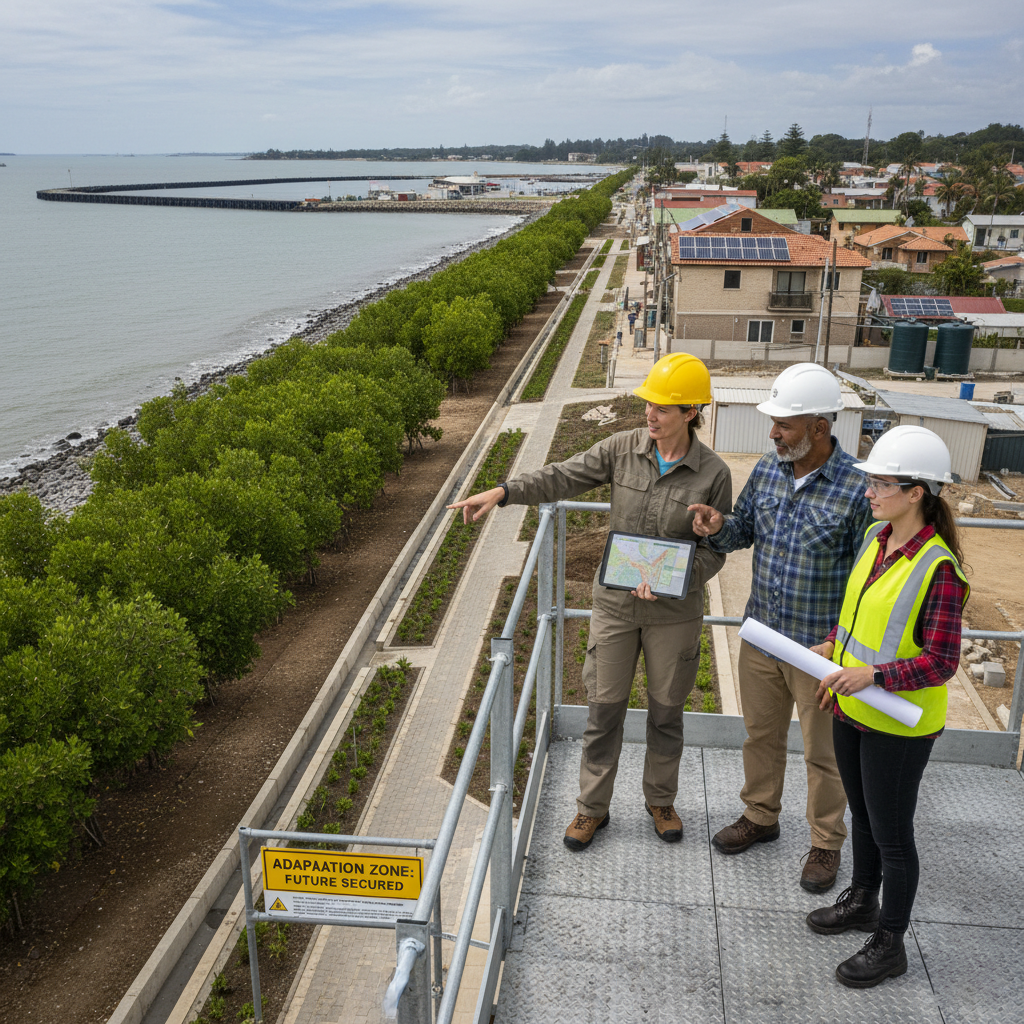
As the world grapples with the profound impacts of climate change, the role of the Climate Adaptation Specialist emerges as a beacon of hope and innovation. These specialists are tasked with developing and implementing strategies that help communities, ecosystems, and economies adapt to the changing climate. They work at the intersection of science, policy, and community engagement, ensuring that vulnerable populations are equipped to face the challenges posed by rising sea levels, extreme weather events, and shifting agricultural patterns. In this role, specialists analyze climate data, assess risks, and collaborate with local governments, NGOs, and businesses to create sustainable solutions. They might design urban green spaces that mitigate flooding, develop policies that promote resilient infrastructure, or lead educational initiatives that empower communities to take proactive measures. The Climate Adaptation Specialist is not just a planner; they are a visionary, crafting a future where humanity can thrive despite the uncertainties of a warming planet.

In the not-so-distant future, the role of the Virtual Fashion Designer emerges as a pivotal force in the fashion industry, blending creativity with cutting-edge technology. As the world becomes increasingly digitized, the demand for virtual clothing—garments designed for avatars in virtual environments, augmented reality, and social media platforms—grows exponentially. Virtual Fashion Designers harness advanced software, artificial intelligence, and 3D modeling tools to create stunning, immersive clothing experiences that transcend the limitations of physical fabrics. They work closely with brands, influencers, and consumers to craft unique digital wardrobes that reflect personal style and identity in the virtual realm. This role not only redefines fashion aesthetics but also challenges traditional notions of sustainability, as virtual garments eliminate the environmental impact associated with physical production.
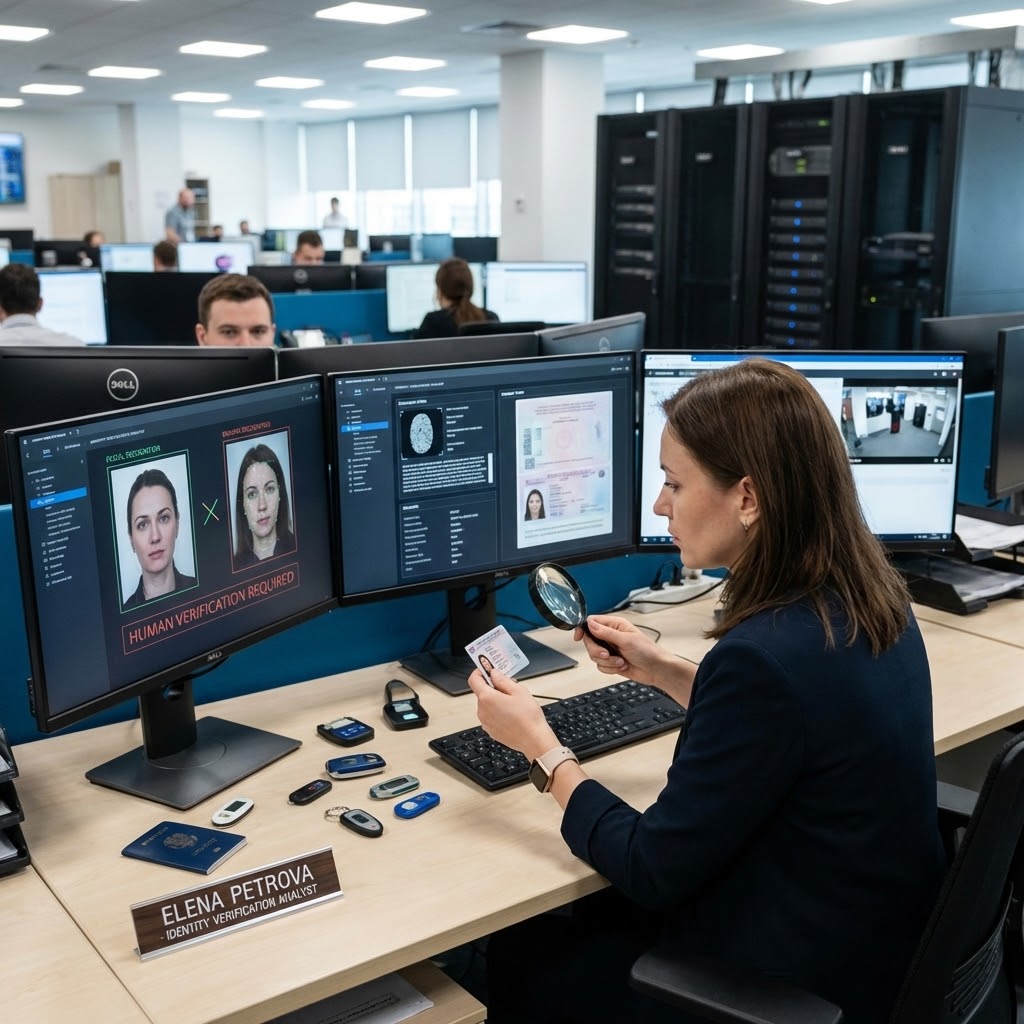
In an increasingly digital world, the role of the Identity Verification Analyst emerges as a crucial safeguard against identity fraud and cybercrime. This position is pivotal in ensuring that individuals and organizations can trust the identities of those they interact with online. As technology evolves, so too do the methods of verification, requiring analysts to stay ahead of the curve in understanding both human behavior and technological advancements. The Identity Verification Analyst utilizes advanced AI algorithms, biometric data, and behavioral analytics to assess the authenticity of identities presented in various digital transactions. They work closely with cybersecurity teams, legal advisors, and compliance officers to develop robust verification protocols that protect sensitive information while ensuring a seamless user experience. This role not only demands technical expertise but also a deep understanding of the ethical implications surrounding privacy and data security, making it a vital component of the digital economy.

In the not-so-distant future, the role of a Synthetic Media Editor emerges as a pivotal profession in the landscape of digital content creation. As artificial intelligence continues to evolve, the ability to generate hyper-realistic media—ranging from video and audio to text—becomes commonplace. Synthetic Media Editors are the creative minds who harness these advanced technologies to produce compelling narratives, advertisements, and entertainment that resonate with audiences on a profound level. They blend human creativity with AI capabilities, ensuring that the final product is not only engaging but also ethically sound and culturally relevant. This role is crucial in a world where the line between reality and synthetic creation blurs, requiring a keen understanding of both technology and human emotion.

In the not-so-distant future, the role of the Human-AI Creative Director emerges as a pivotal position at the intersection of human creativity and artificial intelligence. As industries increasingly integrate AI into their creative processes, this role becomes essential in guiding and harmonizing the collaboration between human artists and AI systems. The Human-AI Creative Director is responsible for overseeing projects that leverage AI tools to enhance artistic expression, ensuring that the final outputs resonate with human emotions and cultural relevance. This position not only requires a deep understanding of both creative practices and AI technologies but also a visionary approach to how these two realms can coexist and elevate one another. The Human-AI Creative Director will curate experiences that challenge traditional notions of authorship and creativity, pushing the boundaries of what is possible in art, design, and media.

As humanity ventures beyond the confines of Earth, the role of the Space Tourism Guide emerges as a pivotal profession in the burgeoning industry of space travel. These guides are not merely tour leaders; they are educators, safety officers, and cultural ambassadors, tasked with ensuring that the experience of space travel is both exhilarating and safe for the adventurous tourists who dare to leave the planet. Imagine a world where individuals from all walks of life can book a trip to the edge of space, experiencing the breathtaking view of Earth from above, the sensation of weightlessness, and the thrill of traveling at incredible speeds. The Space Tourism Guide is there to facilitate this journey, providing insights into the science of space travel, the history of human exploration, and the environmental considerations of our ventures into the cosmos. Guides will be equipped with advanced training in astrophysics, emergency protocols, and customer service, ensuring that every traveler feels informed and secure. They will also play a crucial role in promoting sustainable practices in space tourism, advocating for responsible exploration that respects the delicate balance of our universe. As the industry grows, so too will the responsibilities of the Space Tourism Guide, who will need to adapt to new technologies and evolving safety standards, all while fostering a sense of wonder and respect for the cosmos among their clients.
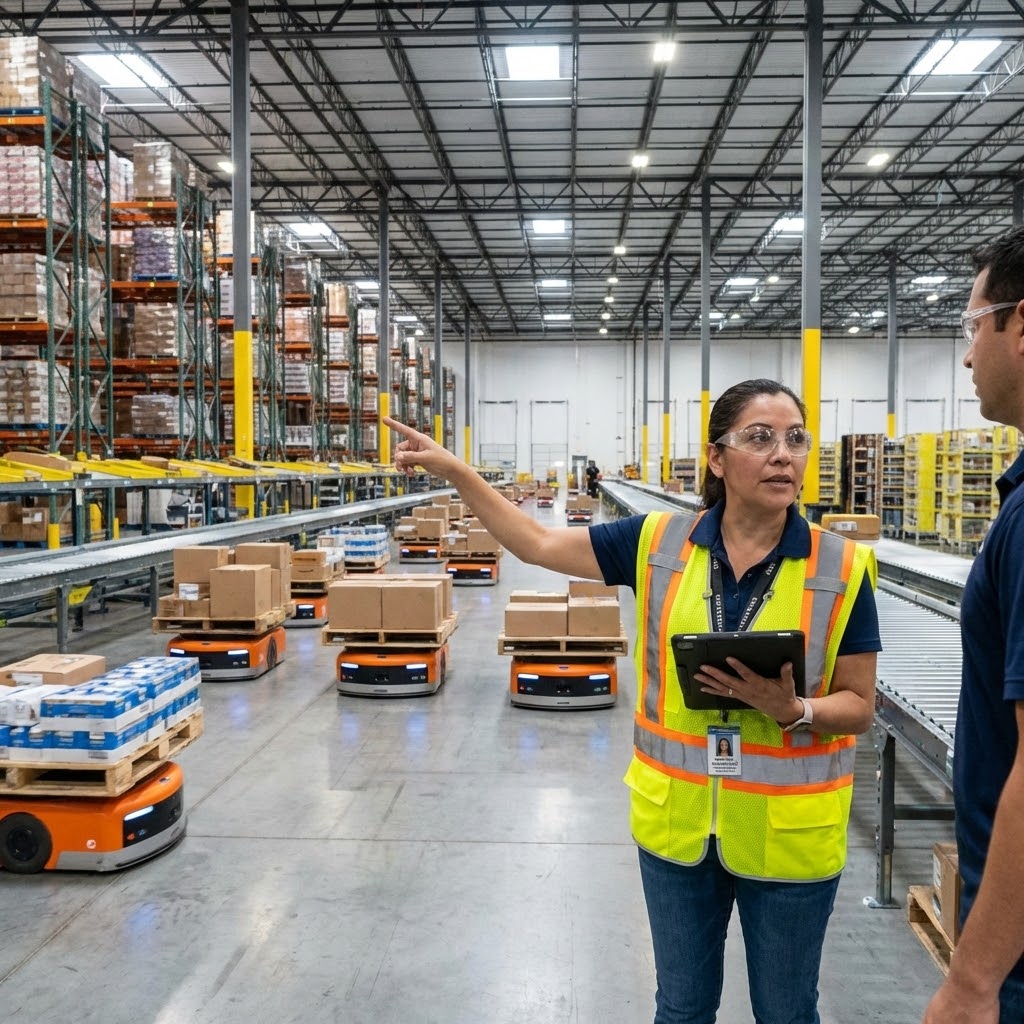
In the Automation Age, the role of the Robotics Fleet Supervisor emerges as a pivotal position in the management of autonomous robotic systems. As industries increasingly rely on fleets of robots for tasks ranging from logistics and manufacturing to agriculture and healthcare, the need for skilled supervisors to oversee these fleets becomes paramount. The Robotics Fleet Supervisor is responsible for ensuring that these robotic units operate efficiently, safely, and in harmony with human workers. This role combines technical expertise with leadership skills, as supervisors must coordinate the activities of diverse robotic systems while also addressing the needs of human operators and stakeholders. The job requires a deep understanding of robotics technology, data analytics, and operational management, as well as the ability to adapt to rapidly changing environments and technologies. As society embraces automation, the Robotics Fleet Supervisor will play a crucial role in shaping the future of work, ensuring that the integration of robots enhances productivity while maintaining ethical standards and safety protocols.

In an age where our digital footprints are as significant as our physical ones, the role of a Digital Reputation Manager emerges as a vital profession. This job entails the strategic oversight and enhancement of an individual's or organization's online presence, ensuring that their digital reputation aligns with their personal or corporate values. As social media platforms, review sites, and search engines become the primary sources of information for consumers and employers alike, the Digital Reputation Manager acts as a guardian of one's online identity. They utilize advanced AI tools to monitor, analyze, and respond to online content, shaping narratives and mitigating negative perceptions. This role is not just about damage control; it involves proactive reputation building through content creation, engagement strategies, and community management, all while navigating the complexities of privacy and ethical considerations in the digital landscape.
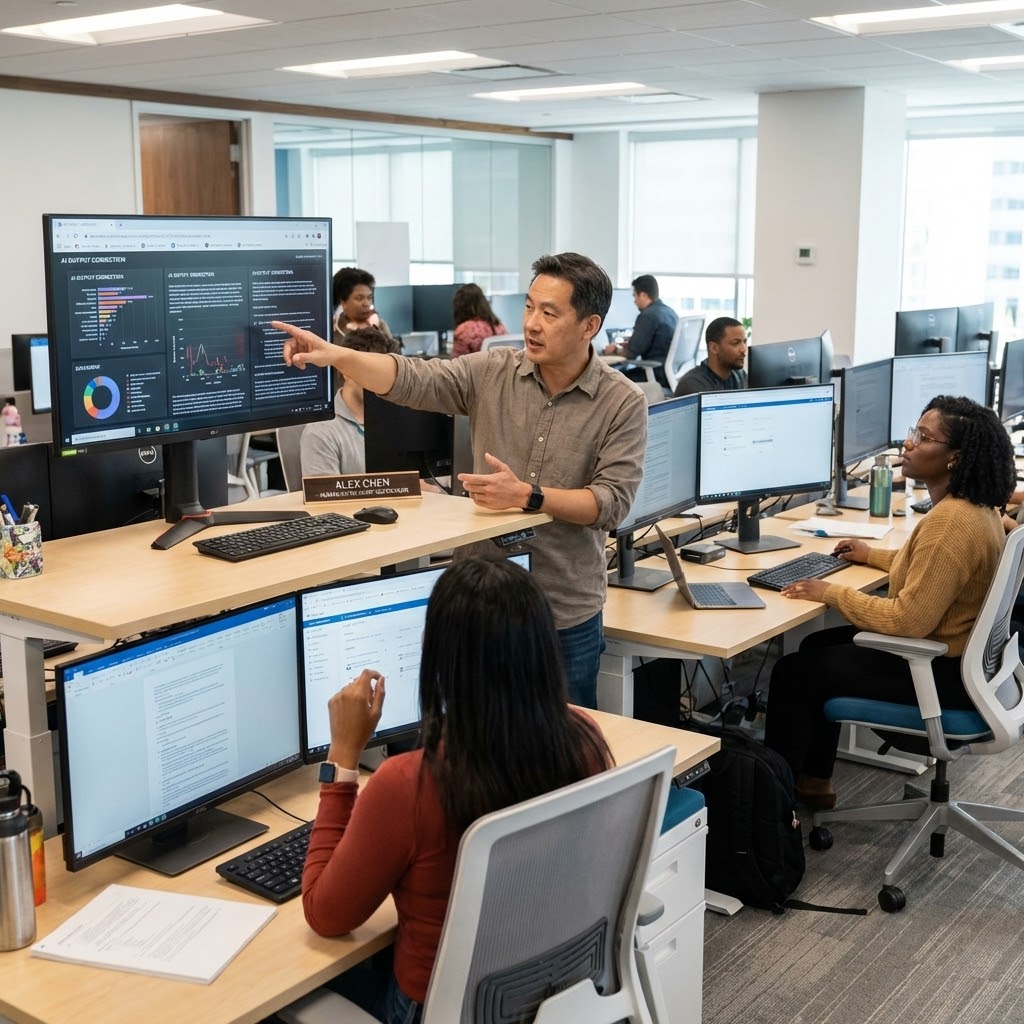
In the rapidly evolving landscape of the AI Revolution, the role of the Human-in-the-Loop Supervisor emerges as a pivotal position that bridges the gap between human intuition and machine learning algorithms. As artificial intelligence systems become increasingly sophisticated, the need for human oversight to ensure ethical decision-making, contextual understanding, and nuanced judgment becomes paramount. This role is not merely about managing AI systems; it is about enhancing their capabilities through human insight, ensuring that technology serves humanity's best interests. The Human-in-the-Loop Supervisor is tasked with overseeing AI operations across various sectors, from healthcare to autonomous vehicles, ensuring that AI systems operate within ethical boundaries and align with societal values. This position requires a deep understanding of both technology and human behavior, as supervisors must interpret AI outputs, provide feedback for continuous learning, and intervene when necessary to prevent errors or biases. As AI systems learn from vast datasets, the supervisor's role is to ensure that these datasets are representative and free from harmful biases, thus safeguarding against unintended consequences. In this future job, supervisors will also play a crucial role in training AI systems, providing the necessary context and real-world knowledge that machines often lack. They will collaborate with data scientists and engineers to refine algorithms, ensuring that AI systems not only perform efficiently but also ethically. The Human-in-the-Loop Supervisor will be at the forefront of a new era of responsible AI deployment, advocating for transparency, accountability, and inclusivity in technology development.
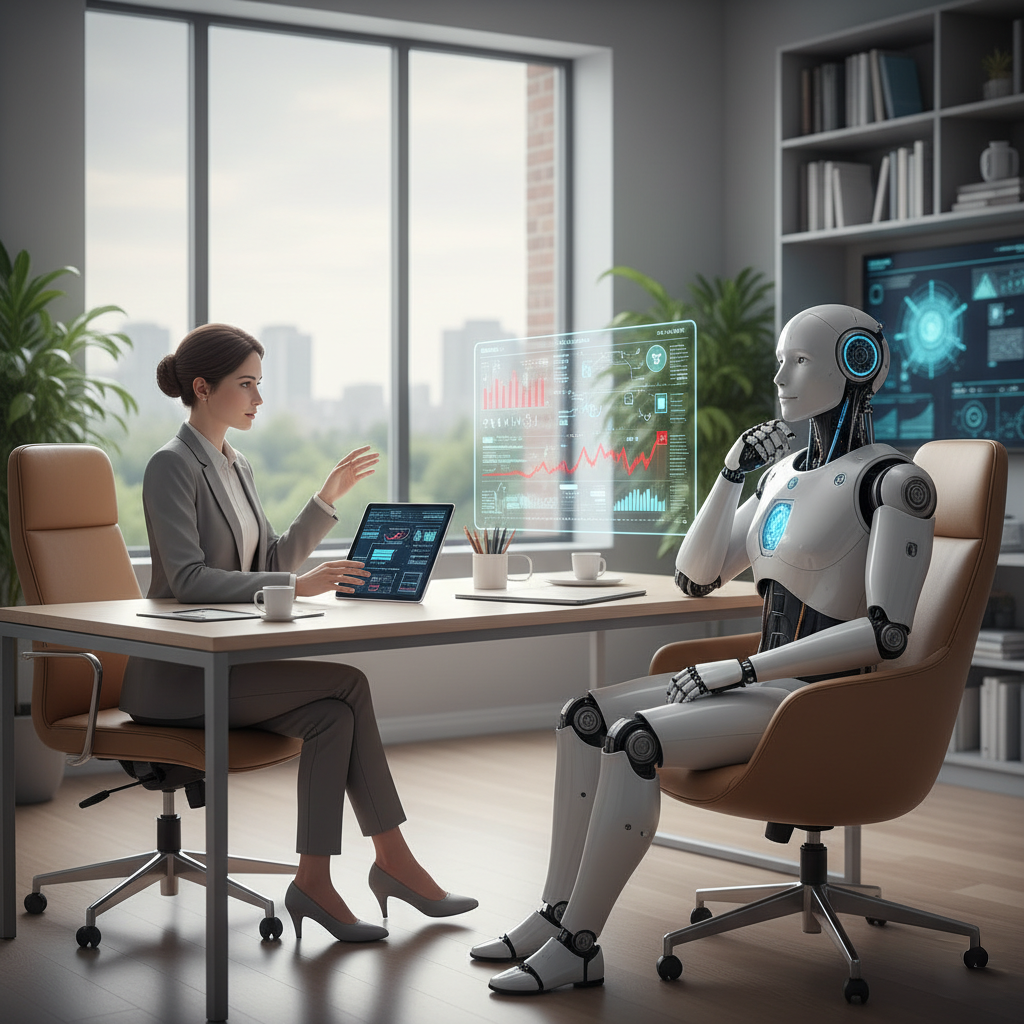
In the not-so-distant future, as artificial intelligence continues to evolve and integrate into daily life, a new profession emerges: the Robot Psychologist. This innovative role is dedicated to understanding, diagnosing, and treating the psychological needs of robots and AI systems, ensuring they function optimally within human environments. As machines become more autonomous and capable of complex interactions, the emotional and cognitive well-being of these entities becomes paramount. The Robot Psychologist will work at the intersection of technology and psychology, employing a blend of therapeutic techniques and advanced programming to foster healthy AI behavior and emotional responses. This role not only addresses the mental health of robots but also enhances human-robot relationships, paving the way for a harmonious coexistence in a world increasingly populated by intelligent machines.
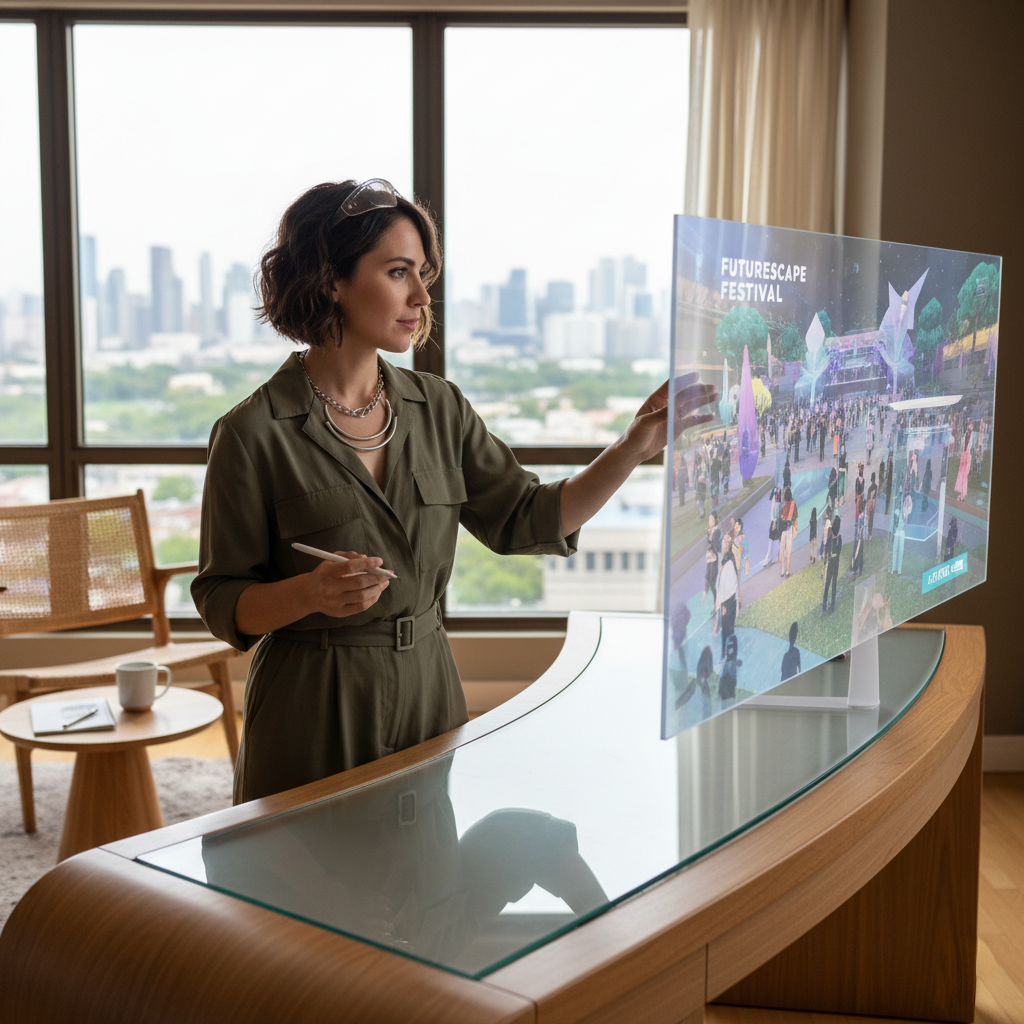
As we step into the Virtual Age, the Metaverse Event Planner emerges as a pivotal role in the realm of digital experiences. This innovative profession combines creativity, technology, and social engagement to curate immersive events within virtual environments. With the rise of the metaverse—a collective virtual shared space created by the convergence of virtually enhanced physical reality and physically persistent virtual reality—event planners are tasked with designing experiences that transcend traditional boundaries. From corporate conferences to social gatherings, the Metaverse Event Planner orchestrates every detail, ensuring that participants feel a sense of presence and connection, regardless of their physical location. They leverage advanced technologies such as augmented reality (AR), virtual reality (VR), and artificial intelligence (AI) to create engaging, interactive experiences that captivate audiences and foster community.
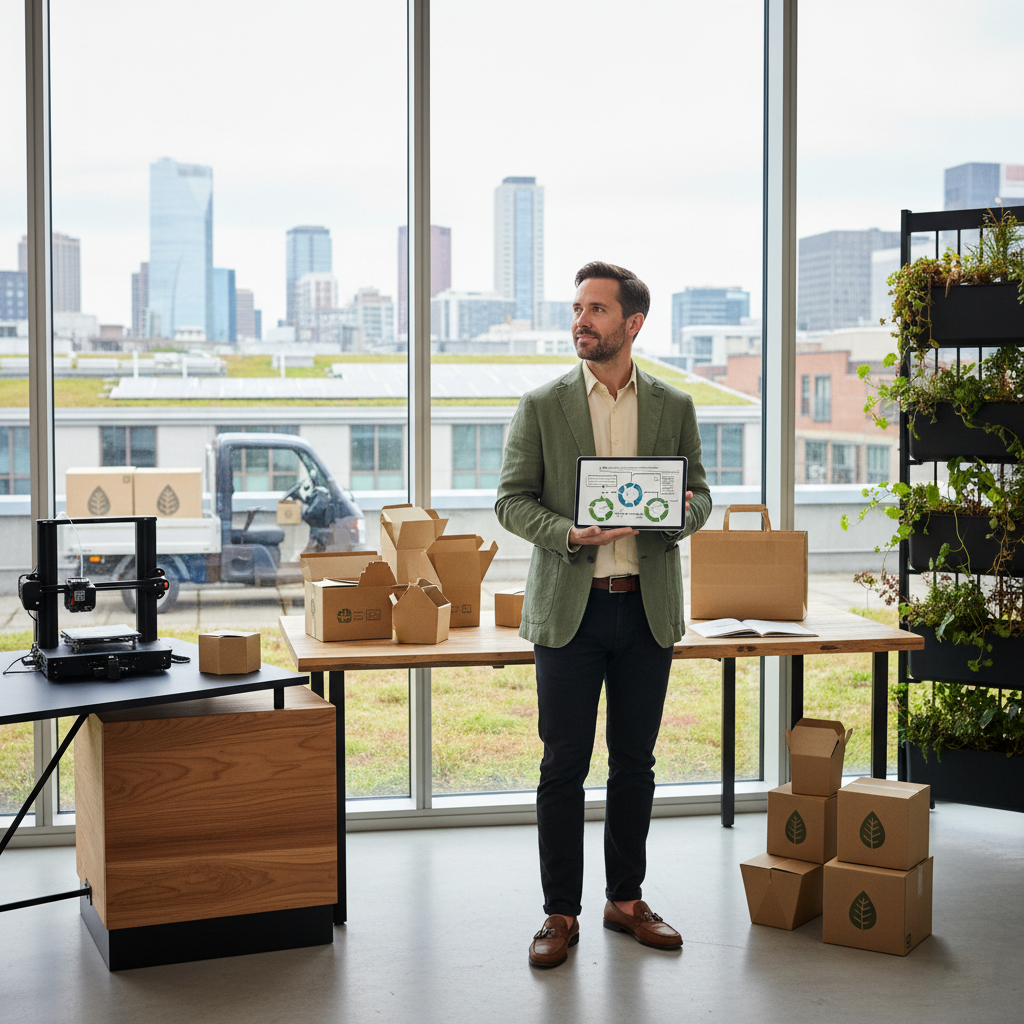
In the Climate Adaptation Era, the role of a Circular Economy Strategist emerges as a pivotal force in reshaping industries and communities towards sustainability. This innovative profession is dedicated to designing and implementing systems that minimize waste, maximize resource efficiency, and promote the continual use of materials. Circular Economy Strategists work at the intersection of environmental science, economics, and social responsibility, crafting strategies that not only benefit businesses but also contribute to the health of our planet. They are the architects of a new economic model that prioritizes regeneration over depletion, ensuring that products are designed for longevity, reuse, and recycling. As advocates for sustainable practices, they engage with stakeholders across various sectors, from manufacturing to retail, to foster a culture of sustainability that permeates every level of the supply chain.

As humanity seeks to meet the growing demand for rare minerals and metals essential for renewable energy technologies, the role of the Ocean Mining Technician emerges as a vital occupation in the Energy Transition Era. This job involves the extraction of valuable resources from the ocean floor, including rare earth elements, lithium, and other minerals critical for batteries, solar panels, and wind turbines. Ocean Mining Technicians operate advanced underwater drones and remotely operated vehicles (ROVs) equipped with cutting-edge technology to explore and harvest these resources while ensuring minimal environmental impact. The Ocean Mining Technician is not just a miner; they are a steward of the ocean, balancing the need for resource extraction with the imperative to protect marine ecosystems. This role requires a deep understanding of oceanography, geology, and environmental science, as well as proficiency in operating sophisticated machinery and data analysis tools. Technicians work closely with marine biologists and environmental scientists to monitor the health of the ocean and implement sustainable practices in their operations. In this future landscape, the Ocean Mining Technician plays a crucial role in the global shift towards sustainable energy, contributing to the development of technologies that will power the world while safeguarding the planet's most precious resources.
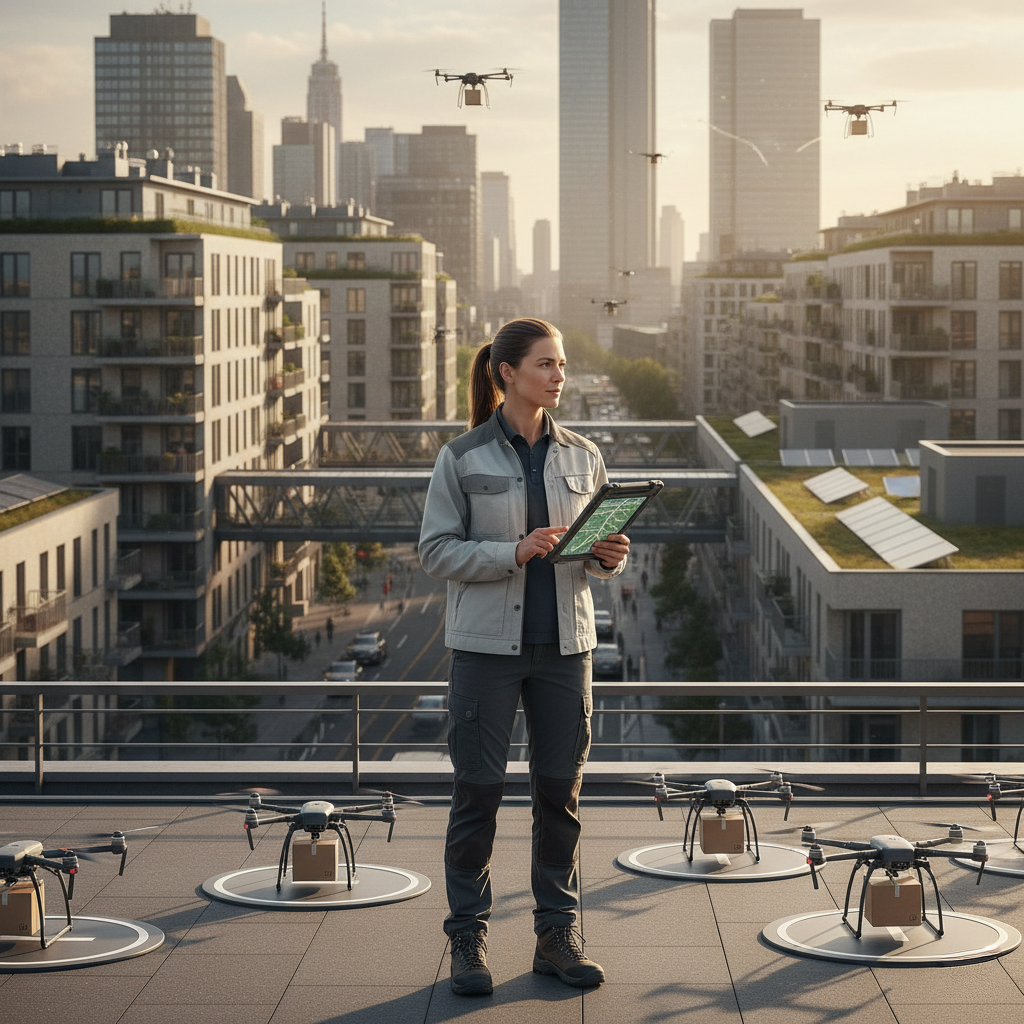
In the bustling cities of the Automation Age, where technology seamlessly integrates into daily life, the role of the Urban Drone Delivery Coordinator emerges as a vital link in the logistics chain. This innovative position is responsible for overseeing the deployment and management of drone delivery systems that transport goods swiftly and efficiently across urban landscapes. As cities become increasingly congested and the demand for rapid delivery services escalates, the Urban Drone Delivery Coordinator ensures that these aerial vehicles operate safely, adhere to regulations, and meet the expectations of consumers. The coordinator's responsibilities extend beyond mere logistics; they are also tasked with optimizing delivery routes, managing drone fleets, and coordinating with local authorities to ensure compliance with airspace regulations. They utilize advanced software and AI algorithms to analyze traffic patterns, weather conditions, and delivery demands, making real-time adjustments to enhance efficiency. In this role, the coordinator acts as a bridge between technology and community, ensuring that drone deliveries are not only effective but also considerate of urban environments and public safety. As cities evolve into smart ecosystems, the Urban Drone Delivery Coordinator plays a crucial role in shaping the future of urban mobility, contributing to a more connected and efficient society.
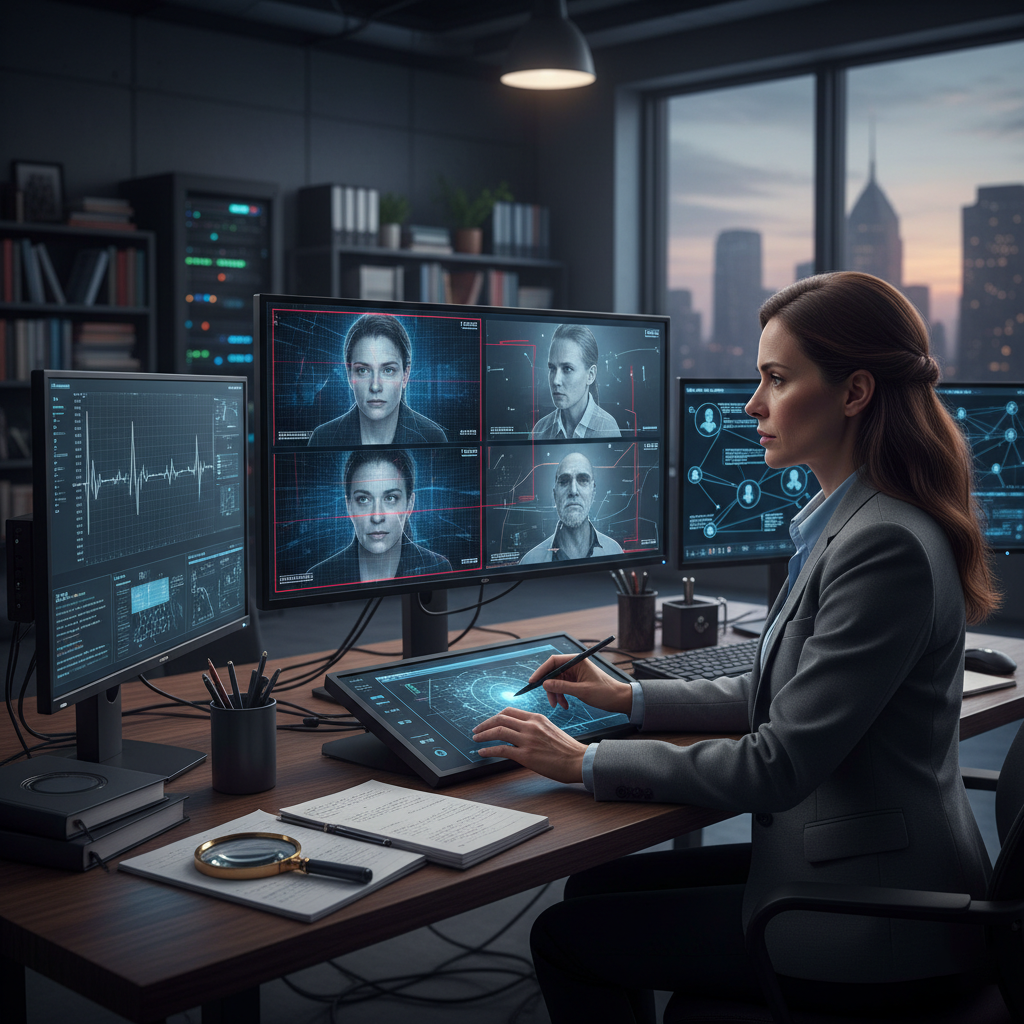
In an era where artificial intelligence has advanced to the point of creating hyper-realistic digital forgeries, the role of the Deepfake Investigator emerges as a crucial guardian of truth. These specialists are tasked with identifying, analyzing, and mitigating the impact of deepfake technology, which can manipulate video and audio content to create convincing yet false narratives. As misinformation proliferates, the Deepfake Investigator stands at the forefront of digital forensics, employing cutting-edge tools and techniques to discern reality from fabrication. Their work is not only technical but also deeply intertwined with the ethical implications of trust, privacy, and the very nature of truth in the digital age.
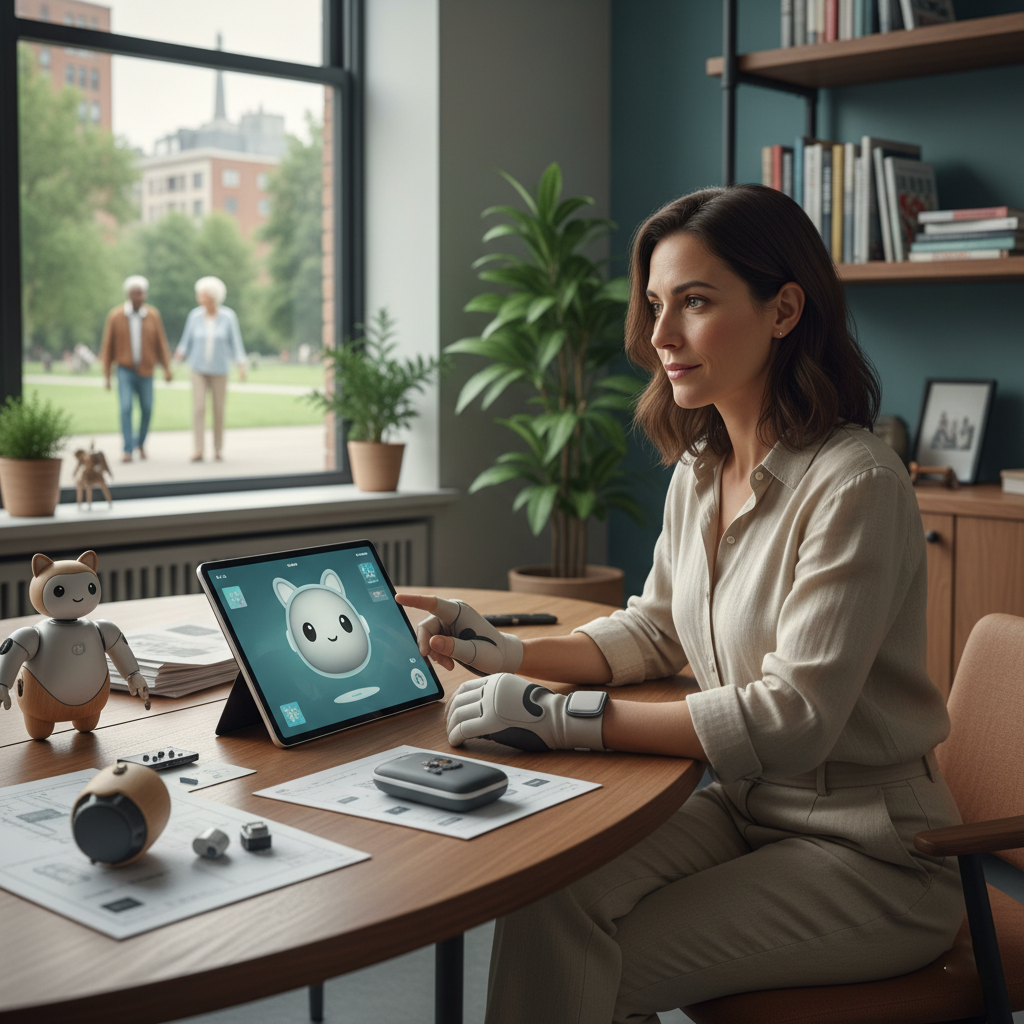
In the not-so-distant future, as the global population ages and the demand for personalized care increases, the role of the AI-Powered Eldercare Companion Designer emerges as a vital profession. This innovative job combines the fields of artificial intelligence, healthcare, and human-centered design to create intelligent companions that assist the elderly in their daily lives. These companions, equipped with advanced AI algorithms, are designed to provide emotional support, monitor health conditions, and facilitate social interactions, all while adapting to the unique needs and preferences of each individual. The designer's role is not only to develop the technology but also to ensure that these companions foster meaningful connections, enhance quality of life, and promote independence among seniors. As society grapples with the challenges of an aging population, this profession stands at the intersection of compassion and technology, paving the way for a more inclusive future.
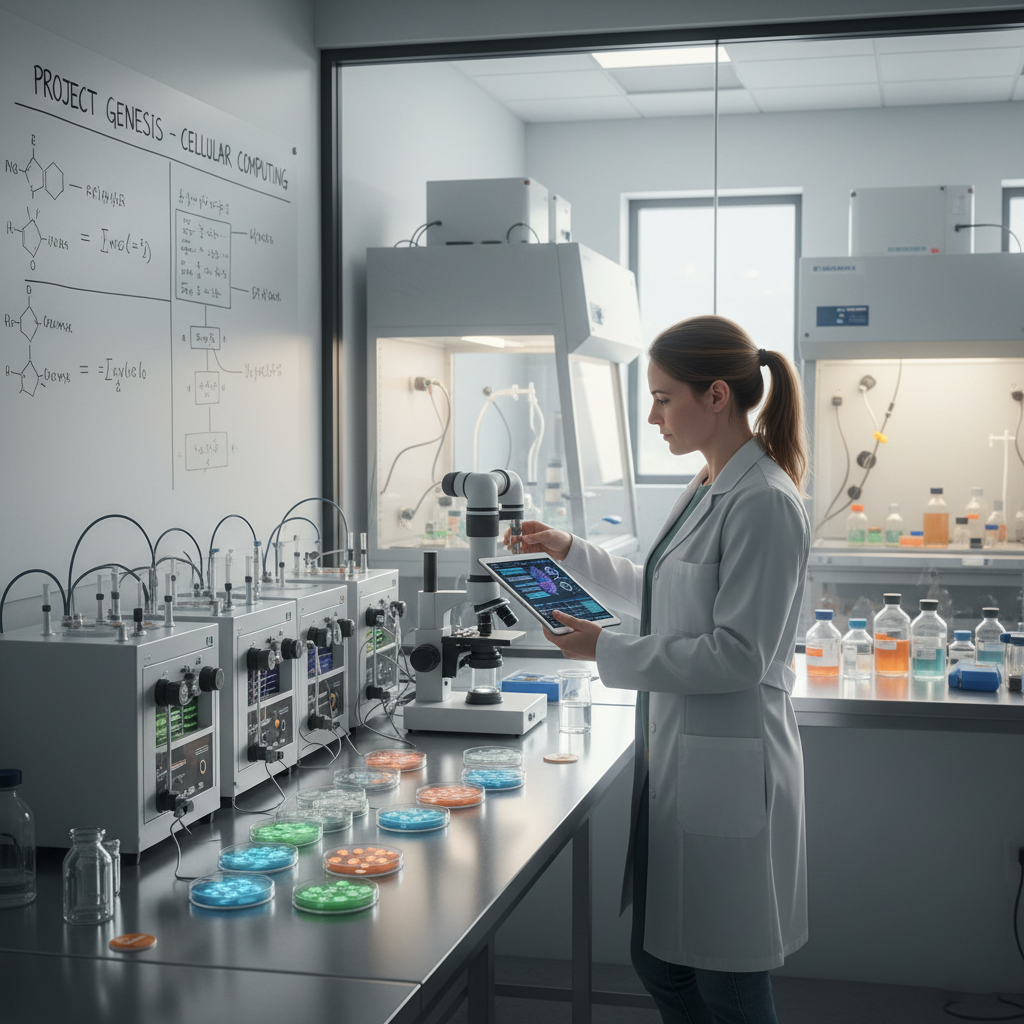
In the Bioengineering Era, the role of a Synthetic Biology Engineer emerges as a pivotal force in the intersection of biology and technology. These innovative professionals harness the principles of synthetic biology to design and construct new biological parts, devices, and systems, or to redesign existing, natural biological systems for useful purposes. As the world grapples with challenges such as climate change, food security, and health crises, Synthetic Biology Engineers are at the forefront, creating solutions that could revolutionize agriculture, medicine, and environmental sustainability. They work in laboratories equipped with cutting-edge biotechnological tools, utilizing CRISPR gene editing, bioinformatics, and advanced computational modeling to engineer organisms that can produce biofuels, pharmaceuticals, and even biodegradable materials. Their work not only pushes the boundaries of science but also raises profound questions about the ethical implications of manipulating life itself, making their role both exciting and complex.
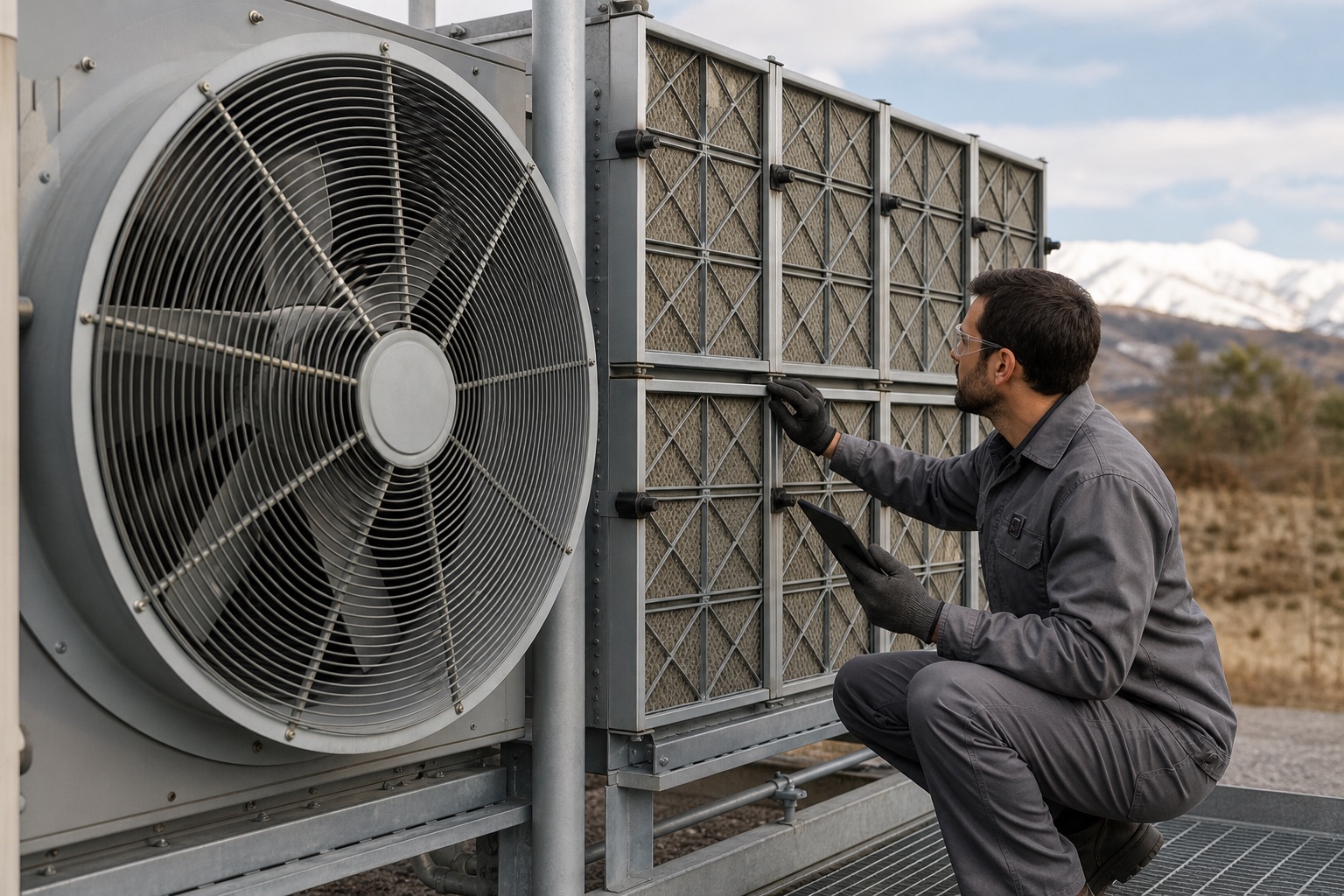
The direct-air-capture technician keeps a plant that pulls carbon dioxide from open air in working order. The day is fan walls, contactor vessels, sorbent or solvent, process heat, water, and the meters that show whether the energy spent was honest against the gas caught. Humidity, frost, and a loaded filter change the capture rate before a dashboard admits it. The technician walks the fans, listens for a bearing, samples the sorbent, and logs the steam or electricity that regeneration actually used. The captured gas still has to go somewhere. It is dried, compressed, and either mineralized in rock, injected into a permitted reservoir, or sold into a use that may return it to the air. A plant that reports tons while burning a dirtier fuel for heat is putting on a display, and the technician is often the first person who can see that in the shift log. The exhibit asks visitors to leave with the machine as it is: already built in a few places, still small beside a power station, and still judged by storage, water, and the power bill.
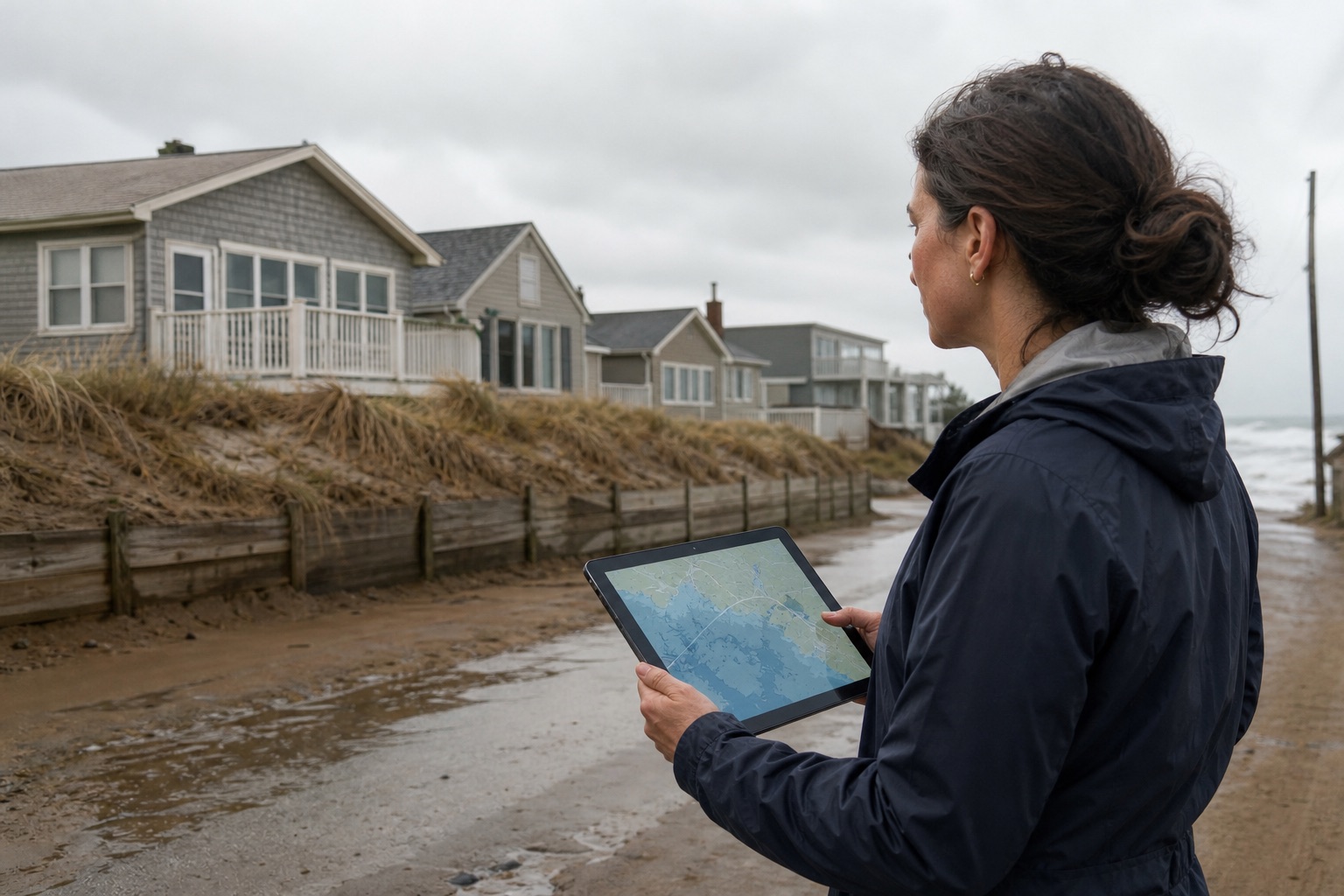
The managed-retreat planner works where a shore or a floodplain cannot be held for the life of the people who live there. The tasks are practical and slow: buyout offers, house elevation, and relocation to ground that stays dry, carried out with residents, insurers, and public agencies. A map that moves a line is the easy object. The hard object is a street of owners, renters, heirs, and people who intend to stay in the house they have. Equity is the part that makes the job real rather than a planning exercise. Buyouts have paid owners and left tenants. Appraisals have come in low in neighborhoods that were already underpriced. Tribal and coastal communities have been asked to move on a grant calendar. The planner's work is to put those facts in the same file as the flood map, and to say who keeps a place, who is paid to leave, and who is merely told to go. Cases already on the shelf include Isle de Jean Charles, the move from Newtok to Mertarvik, and the Oakwood Beach buyouts after Sandy.
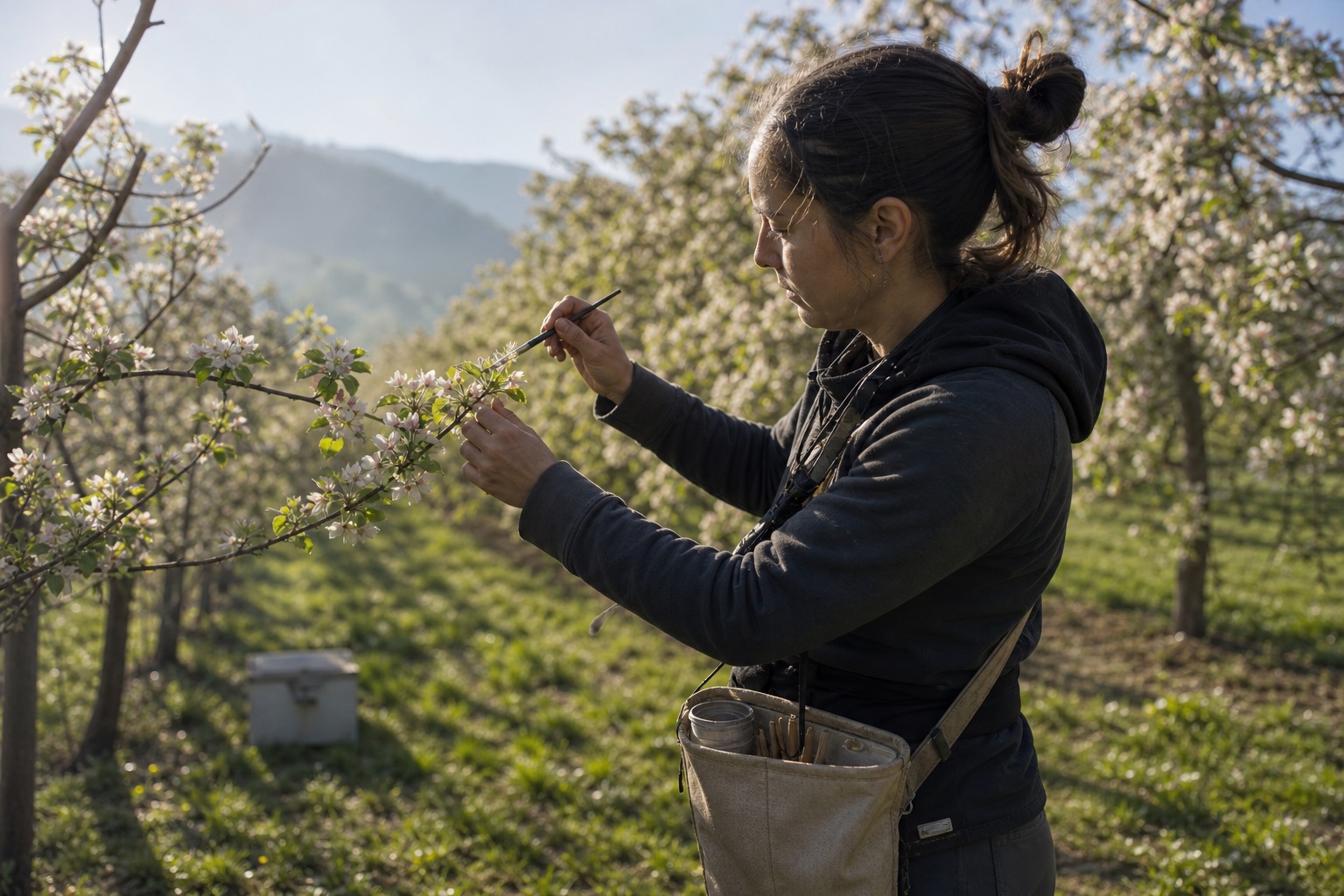
The hand-pollination technician does by hand what an insect did not do, or what no local insect was ever going to do. On a vanilla vine the flower opens for a morning, and a small stick or needle has to lift the flap that separates pollen from stigma, a gesture taught on Réunion in 1841 and still the way commercial vanilla is set. In pear and apple districts in parts of China, crews move through the bloom with pollen and brushes because visits are too few, or the variety needs a partner planted in another row. Honeybees and wild bees are still in the world. This is orchard and vine work, already old in vanilla and already ordinary in some Chinese fruit counties, paid close to the ground. The technician's care is the flower in that hour. Habitat for insects remains necessary work beside it.
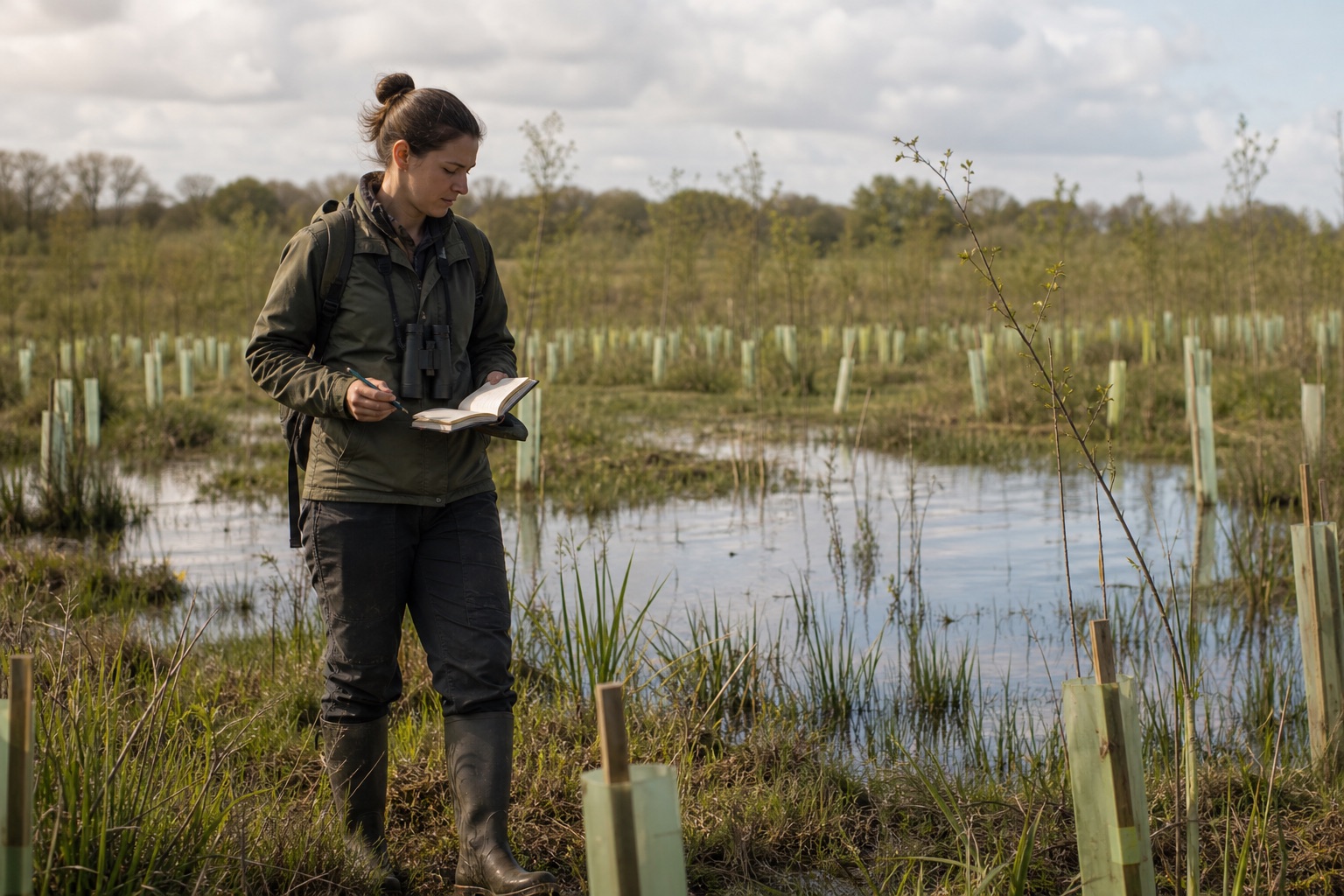
The rewilding technician is the person on the ground at a restoration site after the idea has been announced. Grazers may stand in for missing herds. Fences still have to hold, ditches and small dams still decide where the water sits, and someone still walks a transect and writes the count that the camera traps and the mud actually support. Neighbors keep livestock on the other side of that fence, and a breach means a visit, an apology, and a repair before it means anything in a paper. The work looks gentle in photographs and is mostly weather, stock, and records. The Knepp estate in Sussex shows what a long experiment can bring back in birds and insects. Oostvaardersplassen in the Netherlands showed what happens when winter, hunger, and public trust are left out of the plan. The technician records the animals, the water, and the fence, including the weeks when the project is unpopular and the count is dull or worse.

The de-extinction keeper does ordinary animal care for animals that a laboratory program has produced and that a press office would like to call a resurrection. The day is diet, weight, quarantine, behavior, and the question of whether any habitat exists for the creature outside the pen. A proxy, an edited relative, or a small cohort is what the keeper is likely to have. Welfare and quarantine come before the tour, and a frightened or bored animal is still a care problem when the genome was expensive. The gallery is plain about what has not happened. Passenger pigeons are not in these pens. The last one, Martha, died in 1914, and later work toward that bird has not restored the flocks or the forests the species required. Animals announced as dire wolves have been, on inspection, edited gray wolves under a famous name. The keeper cares for the animal that is actually there, keeps it from carrying disease into wild relatives, and withholds any sentence the pen cannot support.
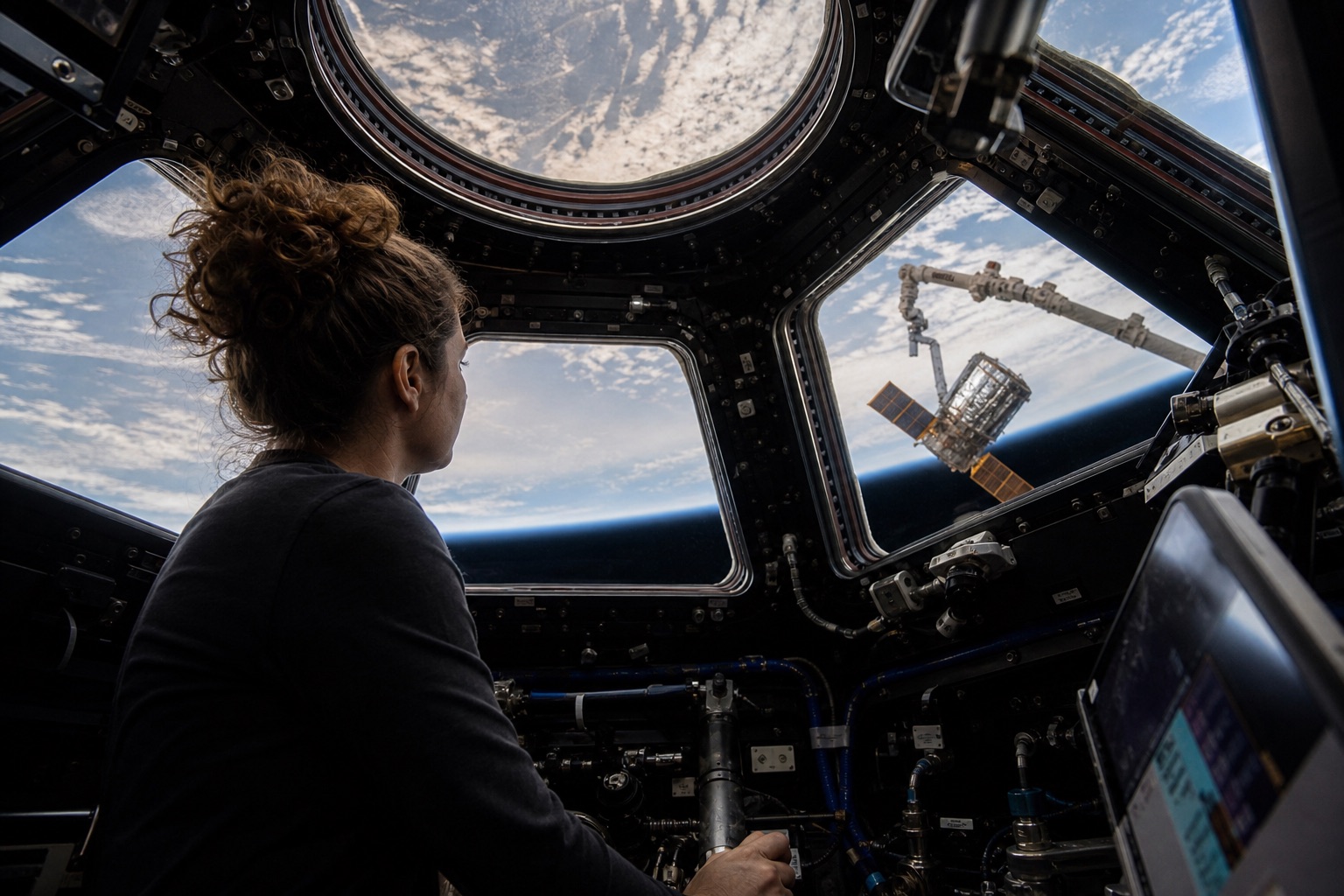
The orbital-debris retrieval technician operates or supports a mission that meets a dead satellite or a fragment and takes it out of the way. Most of the occupation sits in a ground control room: relative navigation, a slow approach after the orbits are matched, a capture mechanism, and an abort call if the corridor goes bad. A few specialists may work on orbit. The present edge is uncrewed and flown from the ground, already rehearsed by inspection missions and by small demonstration captures. The hazard is making more debris while trying to remove some. A poorly chosen capture, a botched grapple, or a push in the wrong direction turns one tracked object into many. The object may still have an owner, and a clean video is not a license. The technician's standard is ordinary and strict: the target was identified, the approach stayed inside its limits, the capture held, and the catalog was updated with whatever remains in the sky.
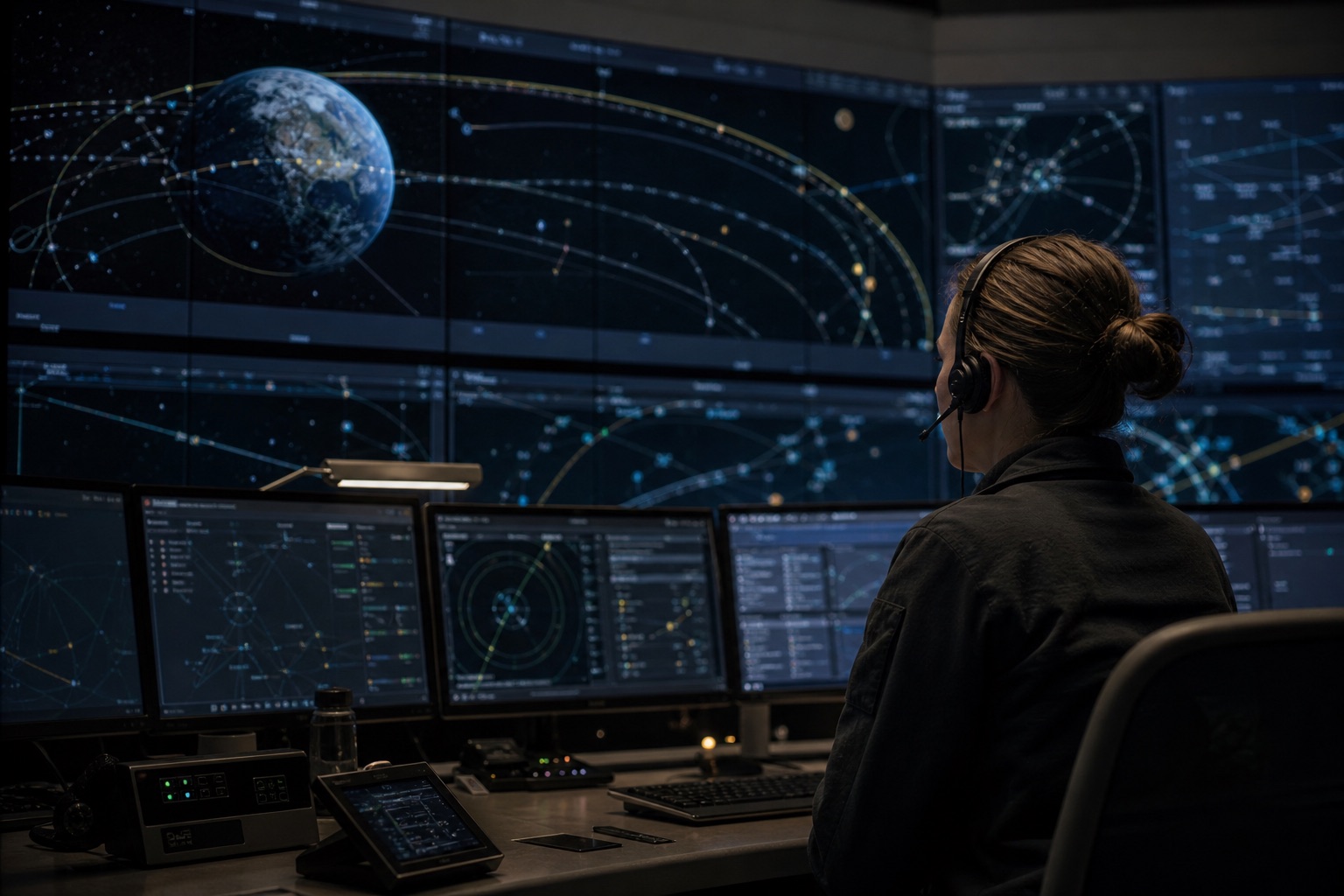
The space traffic controller watches crowded orbits for conjunctions and coordinates the maneuvers that keep two objects from trying to occupy the same place at the same time. The kinship with air traffic control is real, and the physics is different. There is no cab in a tower and no pair of binoculars on a console. Closing speeds are kilometers per second, the useful warning is often hours or days, and the remedy is a burn that spends a satellite's propellant and disturbs its schedule. The controller usually does not fly the spacecraft. An owner-operator does. The controller screens the messages, decides which approaches matter, and gets the parties to agree on who moves. Large constellations have made this a daily screen rather than an occasional memo. Some objects are poorly tracked and some are only partly shared. The work is judgment under an incomplete catalog, written so the next shift can see what was risked and what was spent.
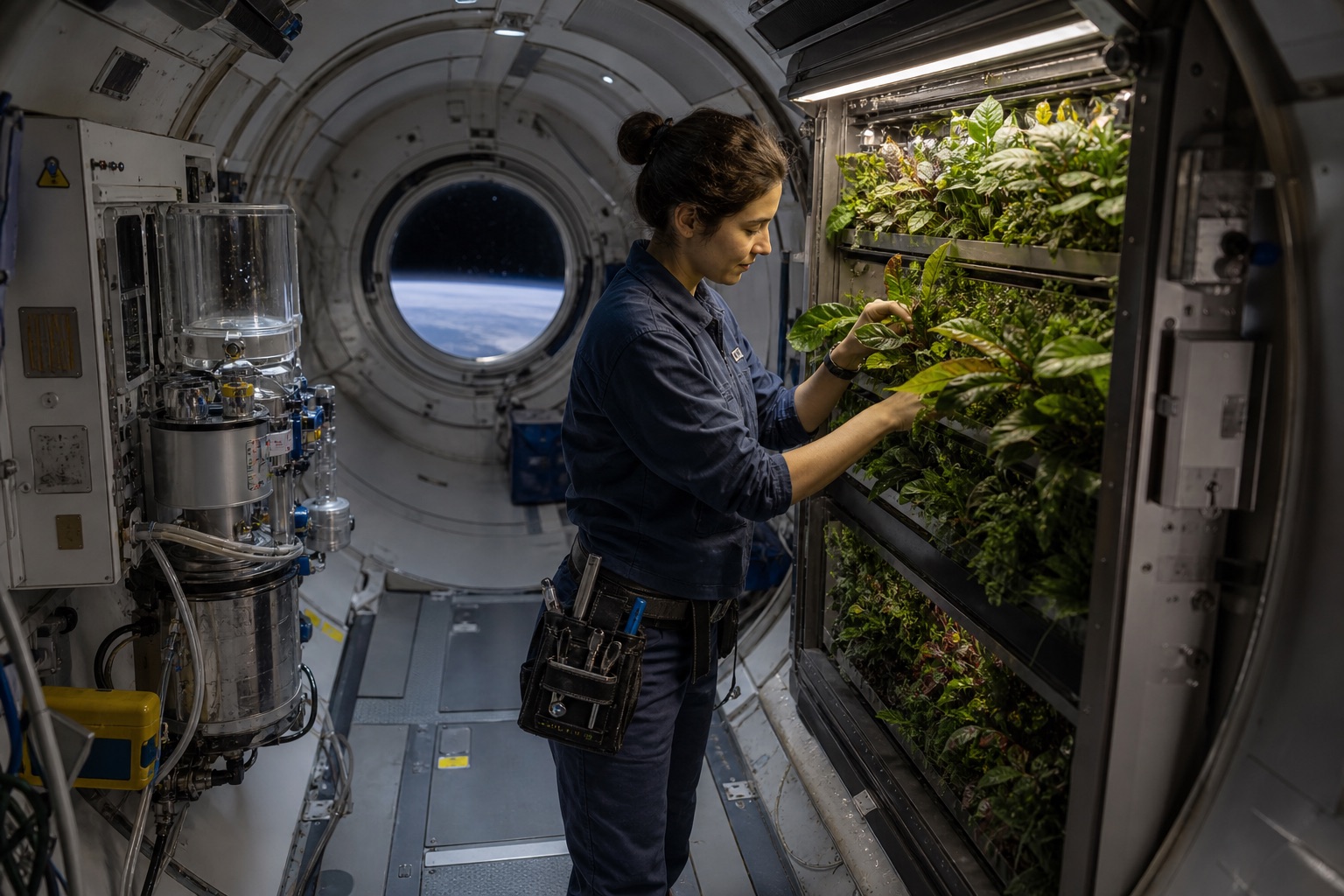
The habitat technician keeps people alive in a sealed volume: a station, a lunar habitat, or an analog on Earth that is closed on purpose. Air, water, waste, and pressure are one loop. Carbon dioxide has to leave the air, oxygen has to be made or supplied, and water is recovered from wash water and from urine. Filters load up. Sensors drift. The alarms are the job. Drills are practice. The alarm that is not a drill sets the rest of the day. Present work sits mostly on the station already in orbit and in sealed analogs, where crews know that a closed system will look healthy on a tired sensor. A lunar habitat, where it is more than a drawing and a field trial, will inherit these habits. The technician trusts a round of the panels and a sample of the water more than a green summary. When the loop fails, it fails on a clock that ignores the mission timeline posted on the door. The oxygen drop inside Biosphere 2 remains the cautionary case: a sealed experiment can fail in the air while the public story still sounds intact.
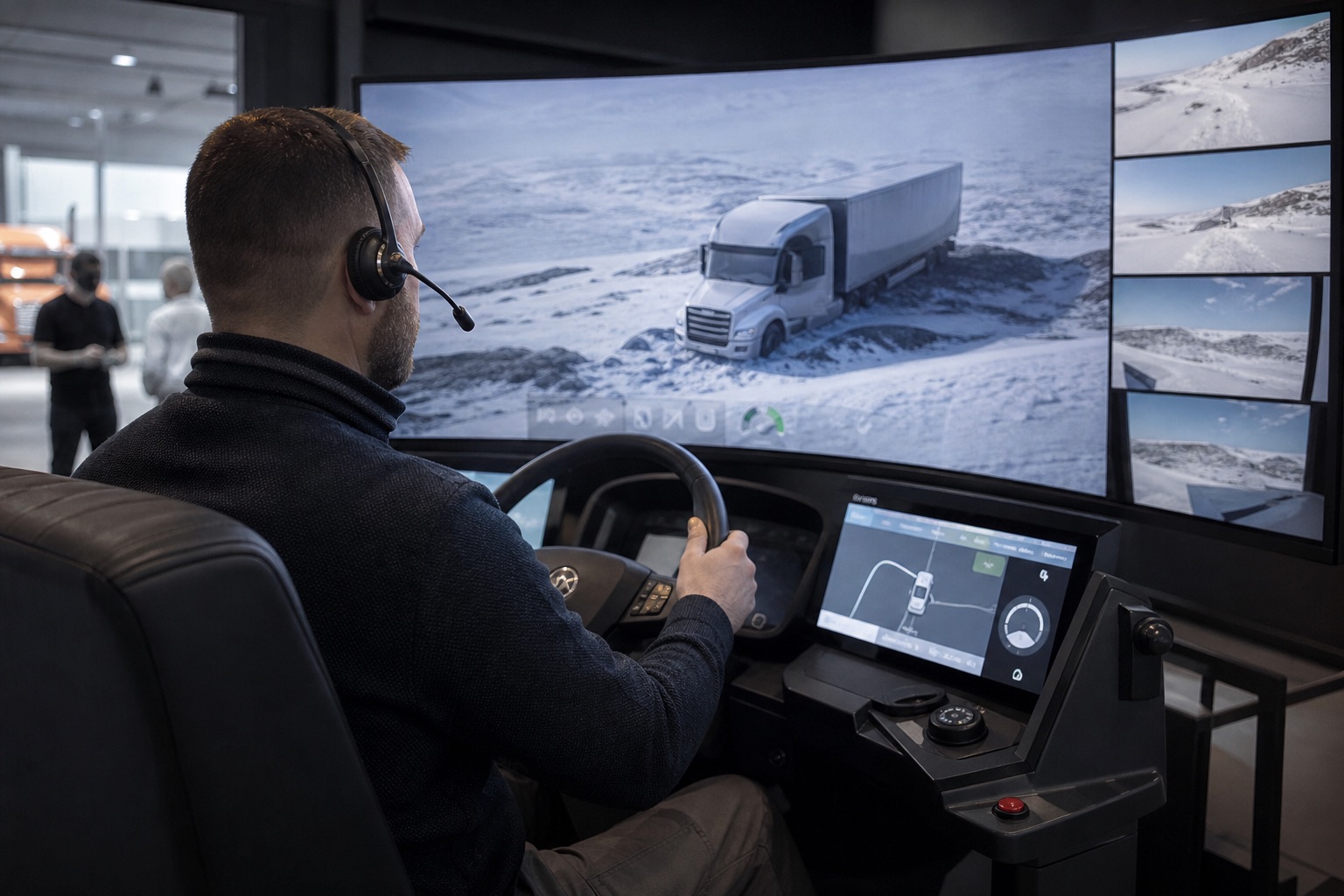
The remote-vehicle operator drives, lifts, or steers a machine from somewhere else when autonomy stops, or because the law still wants a last human hand on the controls. Underground loaders have been run this way for years, by video and radio, with the operator on the surface and the bucket in the dark. Haul trucks, cranes, and some ship systems have joined that pattern. The console is cameras, a control, a radio, and a link whose delay is itself part of the hazard. This job exists because the machine is not actually unsupervised. Dust, a person on a haul road, a face that does not match the map, a crane load that starts to swing, a ship in a tight channel: these are the moments the stack hands back. Putting the word autonomous on that arrangement gives the credit to the software and leaves the fault on the person at the screen. The plainer account is enough. A person was on the controls, at a distance, and the distance did not lighten the vehicle.

The digital-likeness agent licenses a living or dead person's face, voice, and manner for synthetic media. The work is permission, scope, money, and the right to take the permission back. A performer or an estate may want the license and the fee. A day player, a voice worker, or someone on an ordinary shift may have been scanned as a condition of being hired, and may never have agreed to be reproduced. Those files are different, and mixing them is a harm done with paperwork. The law is a patchwork. Some jurisdictions recognize a right of publicity after death, and some do not. Performers' contracts after the 2023 strike put digital replicas in writing, and statutes such as Tennessee's ELVIS Act treat voice and likeness as interests that can be taken. None of that replaces a plain agreement about term, use, and revocation. The agent keeps the ledger of what was allowed, what was actually made, and what the person or the estate has since withdrawn.
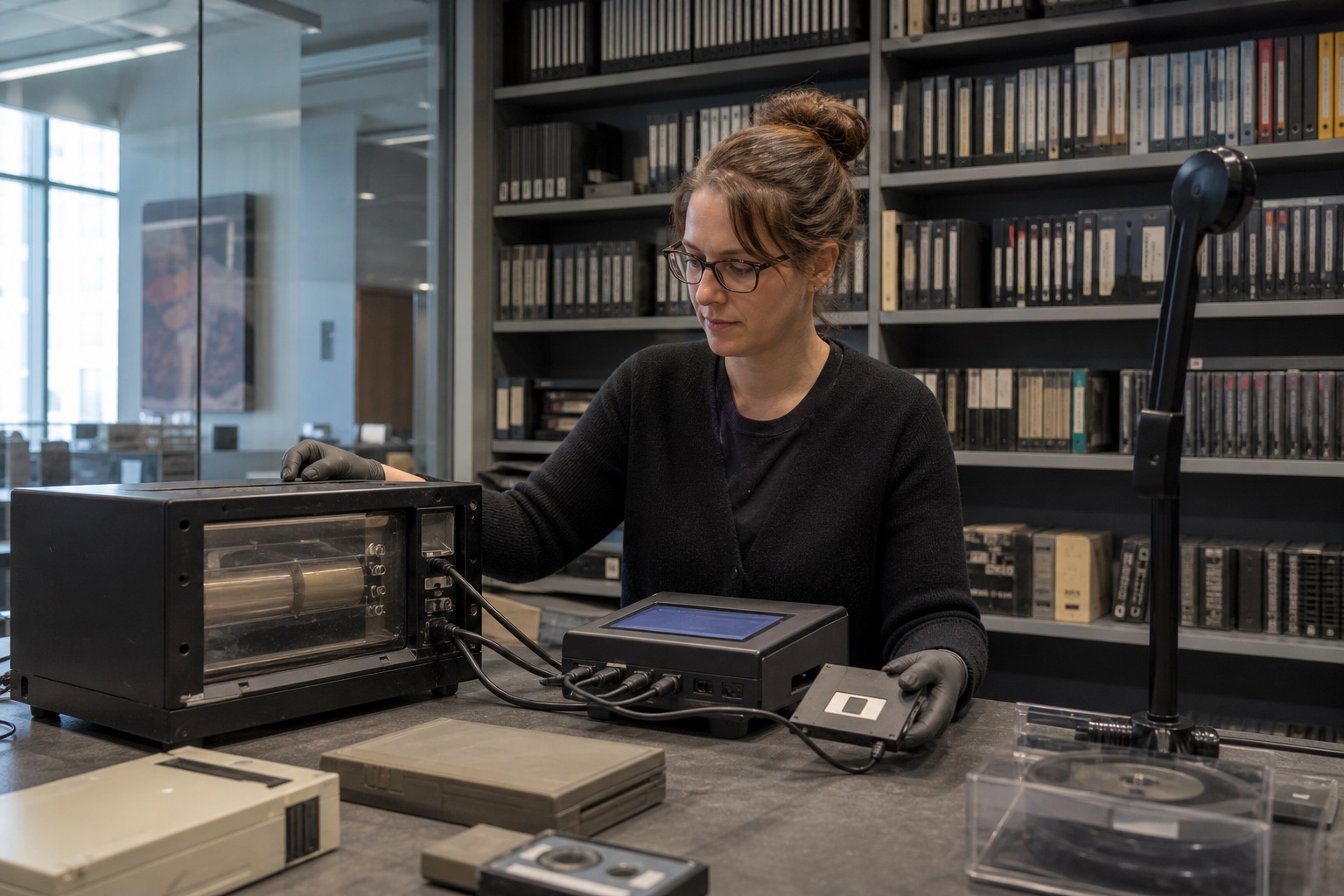
The format-restoration librarian keeps obsolete digital and analog formats readable, and keeps the catalog honest about the degree of that readability. The shelf runs through tapes, disks, and codecs that current software will not open: U-matic, Betacam, DAT, floppies, Zip disks, and files wrapped in methods a vendor walked away from. Some carriers can still be played. Some can only be imaged as magnetic flux. Some are partly gone, and the record is supposed to say which part, in words a later reader can find. A model that paints in the missing frames has made a new work. The librarian will not catalog that work as the original, however smoothly it plays. Migration, emulation, and guesswork are different acts, and the finding aid has to name the one that happened. Archives learned this with paper that had been improved by a helpful restorer. The same discipline now applies to a file that looks complete because a program was willing to invent the rest.
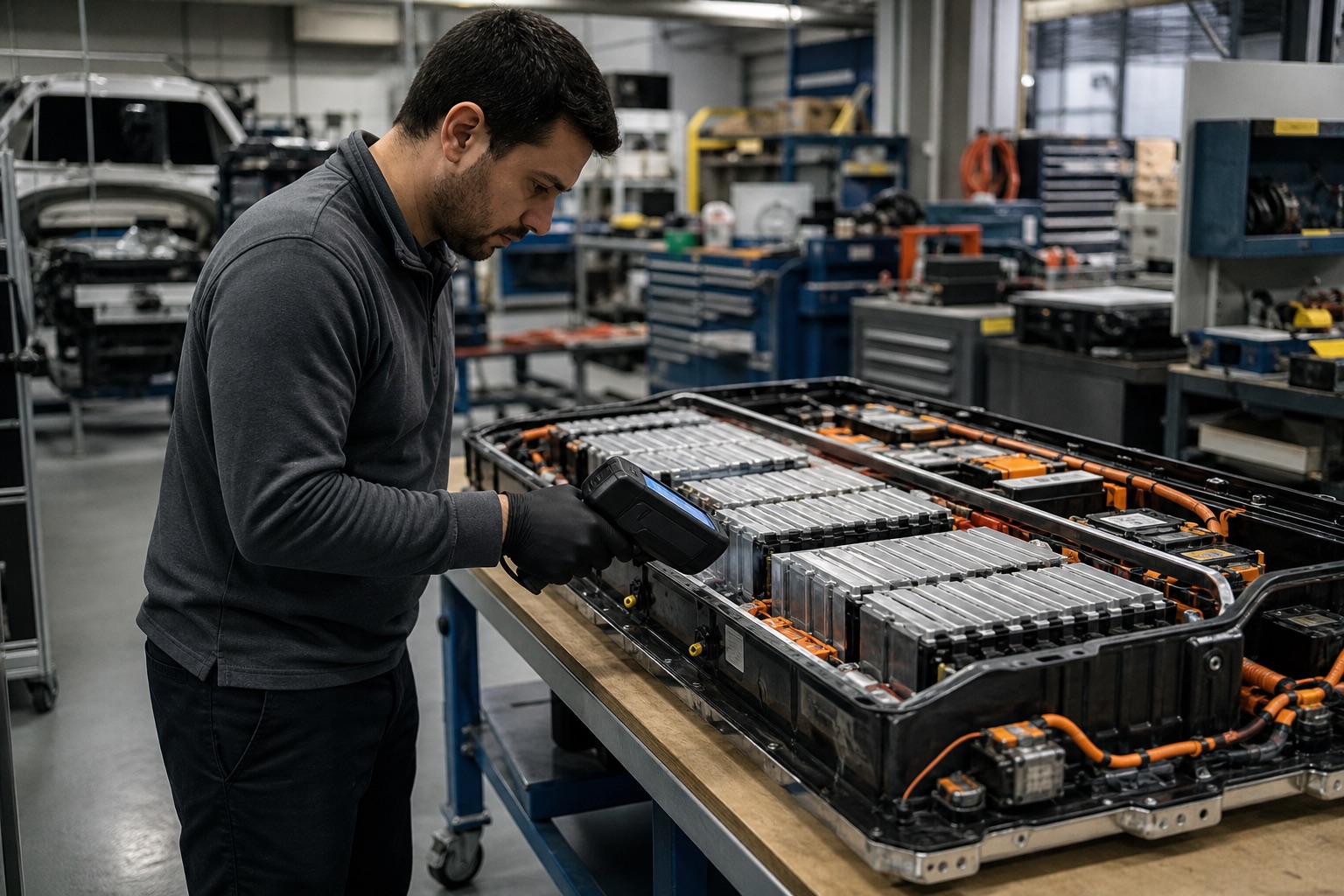
The battery-passport auditor checks a digital record against a physical battery and against the paperwork that claims to explain it. The European Union battery regulation gives that record a legal shape: where the materials came from, how much recycled content is claimed, what carbon figure is attached, and which battery is actually in the crate. The auditor reads the passport, then the label, the mass, the format, and the supplier declarations, and asks whether those accounts describe one object. The usual failure is a clean code on a cell whose cobalt, lithium, nickel, or carbon claim does not survive the file underneath. Recycled content is a measurement with a method. Origin includes mines and refiners that are inconvenient to document. A carbon figure changes with the boundary someone chose to draw around the factory. The auditor writes the mismatch where it is. A pass means the sample and the papers agreed on the points that were checked.