
Climate Adaptation Era
Climate Adaptation Specialist
A speculative career prediction for Climate Adaptation Era based on technological trends and societal evolution.
Media Gallery
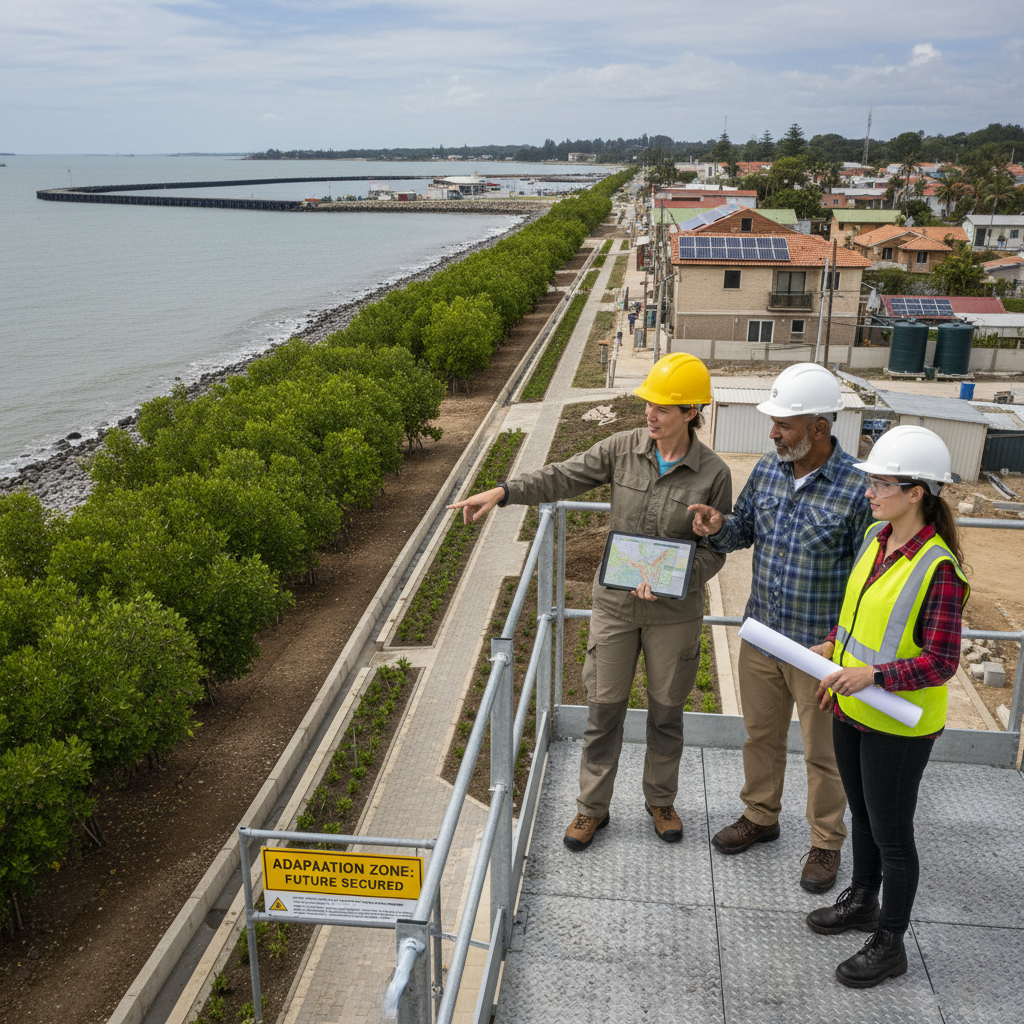
About the Climate Adaptation Specialist Career
As the world grapples with the profound impacts of climate change, the role of the Climate Adaptation Specialist emerges as a beacon of hope and innovation. These specialists are tasked with developing and implementing strategies that help communities, ecosystems, and economies adapt to the changing climate. They work at the intersection of science, policy, and community engagement, ensuring that vulnerable populations are equipped to face the challenges posed by rising sea levels, extreme weather events, and shifting agricultural patterns.
In this role, specialists analyze climate data, assess risks, and collaborate with local governments, NGOs, and businesses to create sustainable solutions. They might design urban green spaces that mitigate flooding, develop policies that promote resilient infrastructure, or lead educational initiatives that empower communities to take proactive measures. The Climate Adaptation Specialist is not just a planner; they are a visionary, crafting a future where humanity can thrive despite the uncertainties of a warming planet.
Day in the Life of a Climate Adaptation Specialist
Morning: Data Analysis and Strategy Development
The day begins early, with the Climate Adaptation Specialist reviewing the latest climate data and reports. Armed with advanced analytical tools and software, they assess the vulnerabilities of their assigned region, identifying areas most at risk from climate impacts. This morning is dedicated to synthesizing data into actionable strategies, preparing for an upcoming meeting with local government officials to discuss adaptation plans.
Midday: Community Engagement Workshop
After a quick lunch, the specialist heads to a community center where they are hosting a workshop. Here, they engage with local residents, presenting findings and gathering feedback on proposed adaptation strategies. The specialist facilitates discussions, encouraging community members to voice their concerns and ideas. This collaborative approach ensures that the adaptation plans are not only scientifically sound but also socially equitable and culturally relevant.
Afternoon: Collaboration with Stakeholders
In the afternoon, the specialist meets with a diverse group of stakeholders, including urban planners, environmental scientists, and business leaders. Together, they brainstorm innovative solutions to enhance resilience in the local economy. The specialist presents a proposal for a green infrastructure project aimed at reducing urban heat and improving stormwater management, emphasizing the importance of multi-sector collaboration in climate adaptation efforts.
Evening: Policy Review and Reporting
As the day winds down, the specialist dedicates time to reviewing local and national policies related to climate adaptation. They prepare a report summarizing the day’s findings and discussions, ensuring that all stakeholders are informed and aligned. This report will be shared with decision-makers to advocate for necessary funding and support for adaptation initiatives. The day concludes with a sense of accomplishment, knowing that their work contributes to a more resilient future for their community.
Related Exhibits
Robotics Fleet Supervisor
In the Automation Age, the role of the Robotics Fleet Supervisor emerges as a pivotal position in the management of autonomous robotic systems. As industries increasingly rely on fleets of robots for tasks ranging from logistics and manufacturing to agriculture and healthcare, the need for skilled supervisors to oversee these fleets becomes paramount. The Robotics Fleet Supervisor is responsible for ensuring that these robotic units operate efficiently, safely, and in harmony with human workers. This role combines technical expertise with leadership skills, as supervisors must coordinate the activities of diverse robotic systems while also addressing the needs of human operators and stakeholders. The job requires a deep understanding of robotics technology, data analytics, and operational management, as well as the ability to adapt to rapidly changing environments and technologies. As society embraces automation, the Robotics Fleet Supervisor will play a crucial role in shaping the future of work, ensuring that the integration of robots enhances productivity while maintaining ethical standards and safety protocols.
Virtual Fashion Designer
In the not-so-distant future, the role of the Virtual Fashion Designer emerges as a pivotal force in the fashion industry, blending creativity with cutting-edge technology. As the world becomes increasingly digitized, the demand for virtual clothing—garments designed for avatars in virtual environments, augmented reality, and social media platforms—grows exponentially. Virtual Fashion Designers harness advanced software, artificial intelligence, and 3D modeling tools to create stunning, immersive clothing experiences that transcend the limitations of physical fabrics. They work closely with brands, influencers, and consumers to craft unique digital wardrobes that reflect personal style and identity in the virtual realm. This role not only redefines fashion aesthetics but also challenges traditional notions of sustainability, as virtual garments eliminate the environmental impact associated with physical production.
Explore More Exhibits
Discover the full collection of past and future professions in The Jobs Museum.