
Virtual Age
Virtual Fashion Designer
A speculative career prediction for Virtual Age based on technological trends and societal evolution.
Media Gallery
About the Virtual Fashion Designer career
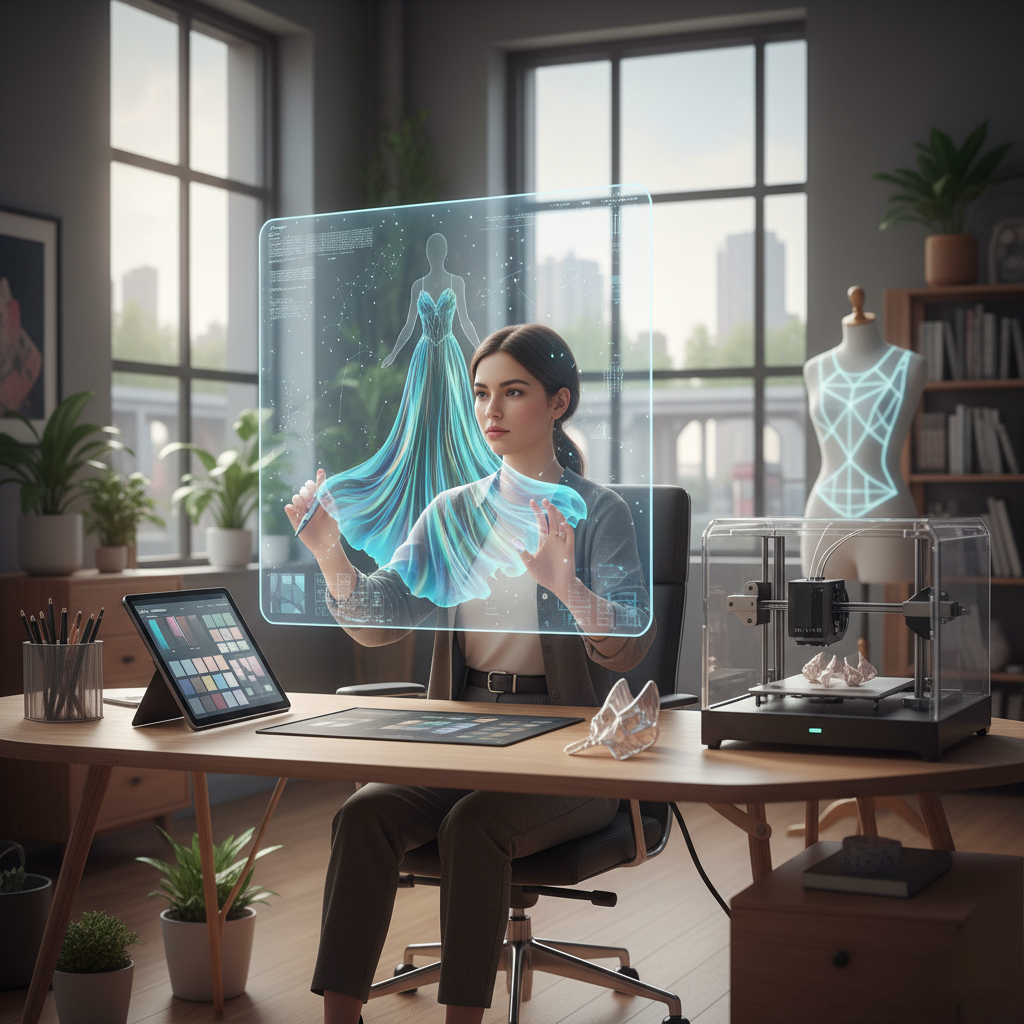
In the not-so-distant future, the role of the Virtual Fashion Designer emerges as a pivotal force in the fashion industry, blending creativity with cutting-edge technology. As the world becomes increasingly digitized, the demand for virtual clothing—garments designed for avatars in virtual environments, augmented reality, and social media platforms—grows exponentially. Virtual Fashion Designers harness advanced software, artificial intelligence, and 3D modeling tools to create stunning, immersive clothing experiences that transcend the limitations of physical fabrics. They work closely with brands, influencers, and consumers to craft unique digital wardrobes that reflect personal style and identity in the virtual realm. This role not only redefines fashion aesthetics but also challenges traditional notions of sustainability, as virtual garments eliminate the environmental impact associated with physical production.
Day in the Life of a Virtual Fashion Designer
Morning: Creative Inspiration and Research
The day begins with a cup of coffee and a deep dive into the latest trends in both the physical and virtual fashion worlds. The Virtual Fashion Designer scrolls through social media platforms, exploring how influencers are showcasing digital outfits and what styles are gaining traction. They take notes on color palettes, textures, and innovative designs that could inspire their next collection. After gathering inspiration, they spend time researching emerging technologies, such as AI-driven design tools and virtual reality platforms, to stay ahead of the curve.
Midday: Design and Development
By mid-morning, the designer settles into their workspace, equipped with a powerful computer and advanced design software. They begin sketching ideas for a new line of virtual clothing, using 3D modeling tools to visualize their concepts. The designer meticulously selects fabrics, colors, and patterns, ensuring that each piece not only looks stunning but also functions well in various virtual environments. They may collaborate with AI algorithms that suggest design modifications or generate unique patterns based on current trends.
Afternoon: Collaboration and Feedback
After lunch, the designer meets with a team of digital artists and marketing specialists via a virtual conference platform. Together, they discuss the upcoming launch of a new virtual fashion collection, brainstorming promotional strategies and how to engage potential customers in the metaverse. The designer presents their latest creations, receiving feedback and making adjustments based on the team's insights. This collaborative process is crucial for ensuring that the final products resonate with the target audience.
Evening: Showcasing and Networking
As the day winds down, the designer prepares for a virtual fashion show, where their latest collection will be showcased in a popular online platform. They work on the presentation, ensuring that each outfit is displayed in a way that highlights its unique features. After the show, they engage with viewers and potential clients in a virtual chatroom, discussing the inspiration behind their designs and answering questions. Networking in this digital space is essential for building relationships and expanding their brand's reach.
What it grew from
It grows out of the costume designer and the dressmaker, for a garment that is not cut.
Related Exhibits
Human-AI Creative Director
In the not-so-distant future, the role of the Human-AI Creative Director emerges as a pivotal position at the intersection of human creativity and artificial intelligence. As industries increasingly integrate AI into their creative processes, this role becomes essential in guiding and harmonizing the collaboration between human artists and AI systems. The Human-AI Creative Director is responsible for overseeing projects that leverage AI tools to enhance artistic expression, ensuring that the final outputs resonate with human emotions and cultural relevance. This position not only requires a deep understanding of both creative practices and AI technologies but also a visionary approach to how these two realms can coexist and elevate one another. The Human-AI Creative Director will curate experiences that challenge traditional notions of authorship and creativity, pushing the boundaries of what is possible in art, design, and media.
Vertical Farm Manager
As urban populations swell and climate change intensifies, the role of the Vertical Farm Manager emerges as a vital profession in the Climate Adaptation Era. This innovative job is at the intersection of agriculture, technology, and sustainability, focusing on the management of high-rise farms that utilize advanced hydroponics, aeroponics, and artificial intelligence to produce food in urban environments. Vertical farms, often located in repurposed buildings or purpose-built skyscrapers, are designed to maximize space and minimize resource use, providing fresh produce to city dwellers while reducing the carbon footprint associated with traditional farming methods. The Vertical Farm Manager oversees all aspects of these farms, from crop selection and growth cycles to the integration of smart technologies that monitor and optimize plant health. This role not only requires a deep understanding of agricultural science but also a keen awareness of urban ecology and community needs, making it a multifaceted and dynamic career.
Explore More Exhibits
Discover the full collection of past and future professions in The Jobs Museum.