
Trade
Cloth and clothing
Fibre, hats, lace, feathers, and the people who finished them.
From the fuller to the straw-plaiter, these jobs were paid by the piece in a cottage or a small shop. Mills, machines, and imports took the price down.
In this trade
15
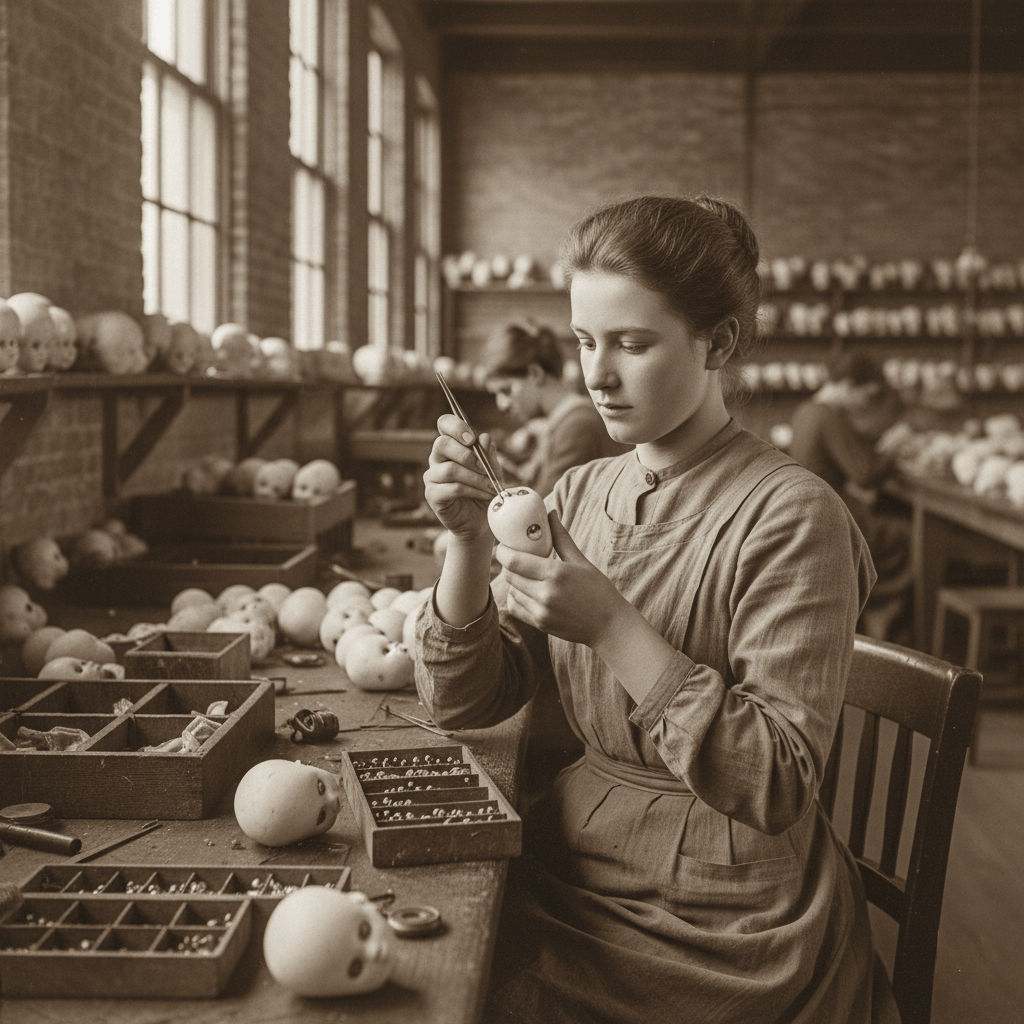
- Past · Victorian EraDoll Eye SetterThe role of a Doll Eye Setter was a specialized craft within the toy-making industry, particularly prominent during the Victorian Era (1837-1901). This occupation involved the meticulous task of inserting glass or plastic eyes into dolls, ensuring that each doll had a lifelike appearance. Doll Eye Setters worked primarily in factories or workshops, where they would receive unassembled dolls from doll makers. The eyes, often made of glass, were crafted in various sizes and colors to match the intended design of the doll. The setter would carefully position the eyes, often using a small tool to secure them in place, ensuring they were aligned perfectly to create an expressive gaze. This attention to detail was crucial, as the eyes were considered the windows to the doll's personality, enhancing its appeal to children and collectors alike.
The job required not only dexterity and precision but also an artistic eye for detail, as the placement of the eyes could significantly affect the doll's overall aesthetic. Doll Eye Setters often worked long hours, sometimes in poorly lit conditions, which could strain their eyesight. The work was repetitive, yet it required a steady hand and a keen sense of proportion to ensure that each doll was visually appealing.
As the demand for dolls surged during the Victorian Era, fueled by the rise of the middle class and the popularity of children's toys, the role of the Doll Eye Setter became increasingly important. However, as the 20th century approached, advancements in manufacturing processes, such as the introduction of mass production techniques and the use of plastic eyes that could be molded directly into the doll's head, rendered the specialized skills of the Doll Eye Setter obsolete. The shift towards automation and the decline of handcrafted toys led to the gradual disappearance of this once-essential occupation.
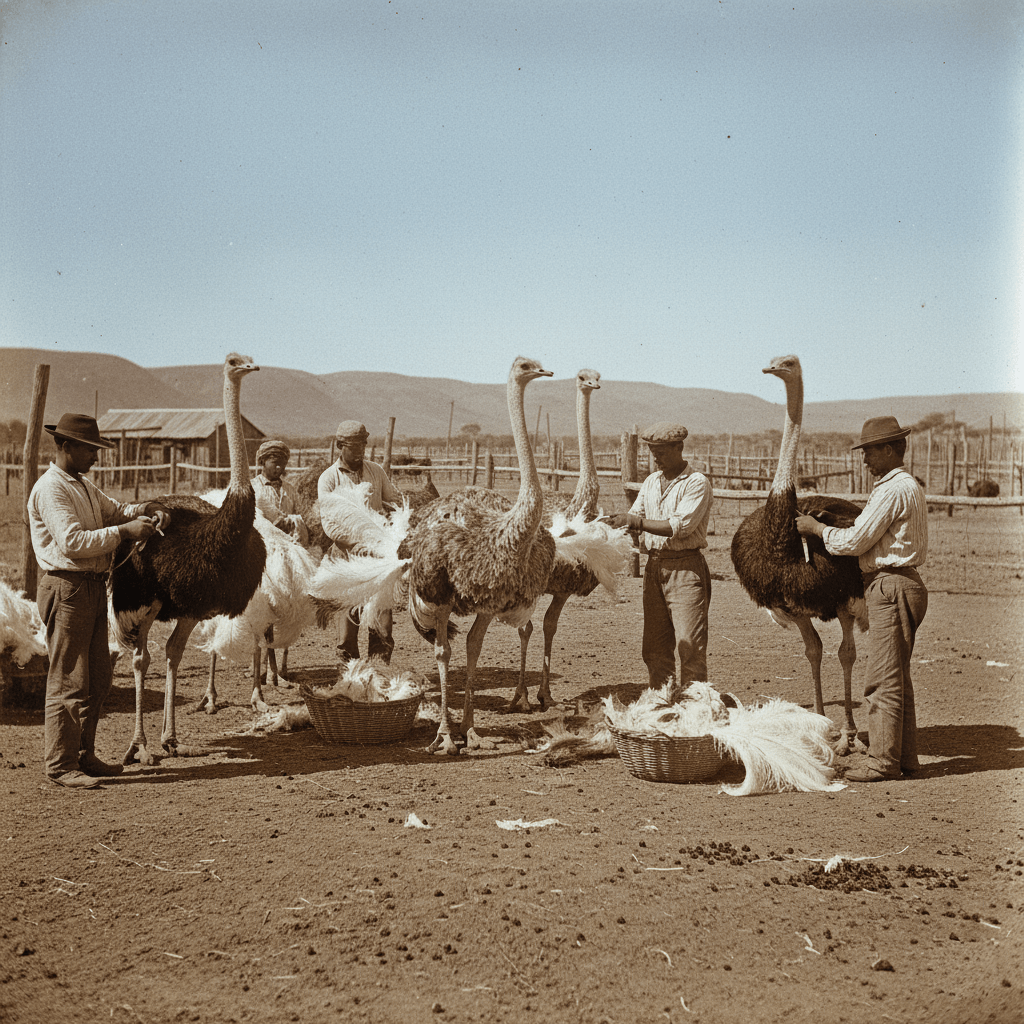 Past · Victorian EraOstrich Feather PluckerThe role of the ostrich feather plucker emerged in the late 19th century, coinciding with the rise of the fashion industry and the extravagant tastes of the Victorian elite. Ostrich feathers, prized for their softness, length, and striking appearance, became a symbol of luxury and status. The feathers were used in a variety of fashionable items, including hats, boas, and elaborate costumes. Pluckers were responsible for harvesting these feathers, a delicate task that required both skill and care to ensure the birds remained healthy and the feathers were of the highest quality.
Ostrich farms, primarily located in South Africa, became the epicenter of this industry. Workers would carefully pluck feathers from live ostriches, a process that was typically done once a year during the molting season when the birds naturally shed their feathers. The feathers were then sorted, cleaned, and prepared for shipment to fashion houses around the world. The demand for these luxurious feathers surged, leading to a booming industry that provided employment for many, particularly women, who often worked in harsh conditions for meager pay.
As fashion trends evolved and the use of synthetic materials became more prevalent, the demand for natural ostrich feathers began to decline. Additionally, the ethical concerns surrounding the treatment of ostriches and the rise of animal rights movements contributed to the job's obsolescence. By the early 20th century, the ostrich feather plucker had largely disappeared from the workforce, replaced by more humane and sustainable alternatives in the fashion industry.
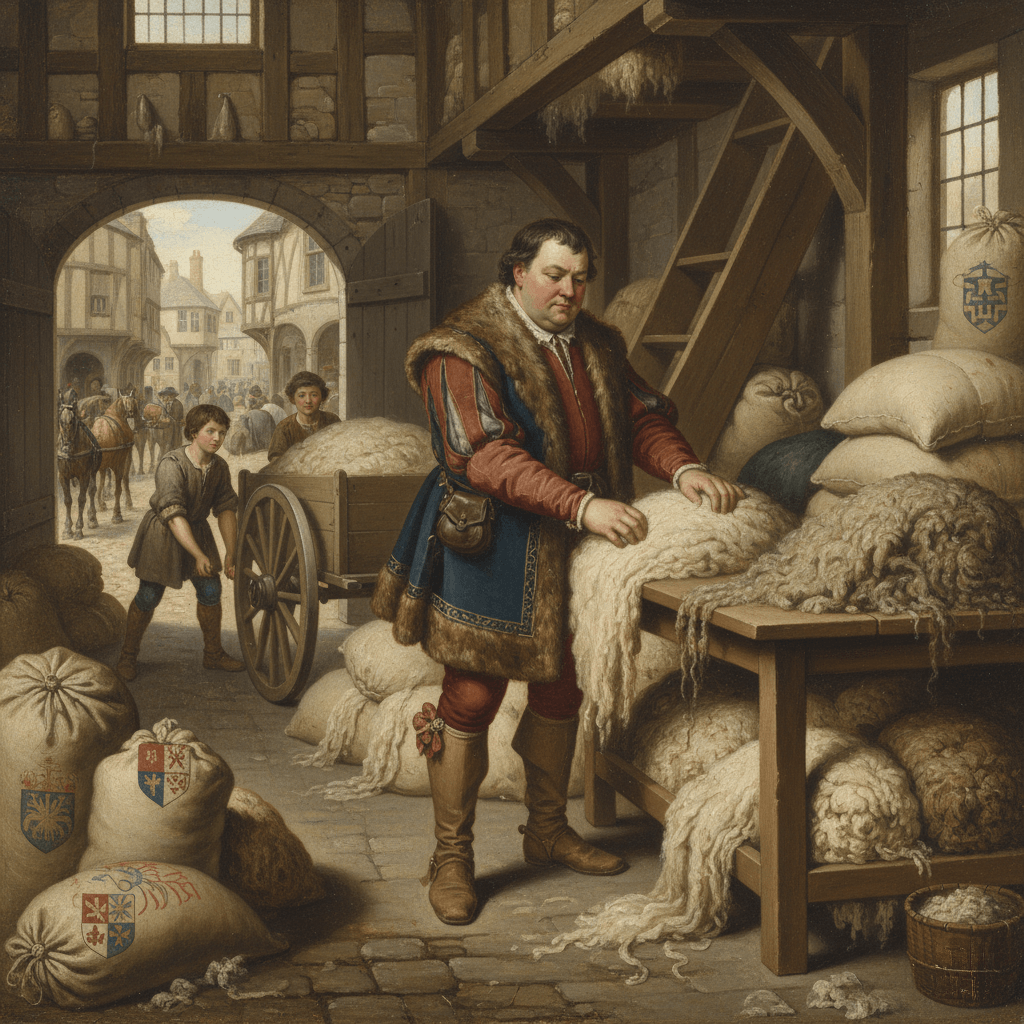 Past · Industrial RevolutionWool-staplerThe wool-stapler was a vital figure in the textile industry during the Industrial Revolution, primarily active from the late 18th century to the mid-19th century. This occupation revolved around the preparation and sorting of wool before it was spun into yarn. Wool-staplers were responsible for assessing the quality of raw wool, which involved separating it into different grades based on factors such as fiber length, fineness, and cleanliness. They played a crucial role in ensuring that only the best quality wool was sent to the spinning mills, thus influencing the quality of the final textile products.
Wool-staplers worked in warehouses or wool depots, often in close proximity to sheep farms and textile mills. Their work was labor-intensive and required a keen eye for detail, as they had to identify the subtle differences in wool quality. The wool was often delivered in large bales, and the wool-stapler would open these bales, inspect the contents, and then sort the wool into piles according to its grade. This sorting process was essential for the efficient operation of the textile industry, as different grades of wool were used for different types of fabrics.
In addition to sorting, wool-staplers also had to keep meticulous records of the wool they processed, noting the quantities and grades for inventory and pricing purposes. They often worked long hours, especially during peak seasons when wool was harvested, and their expertise was highly valued in the supply chain of the textile industry.
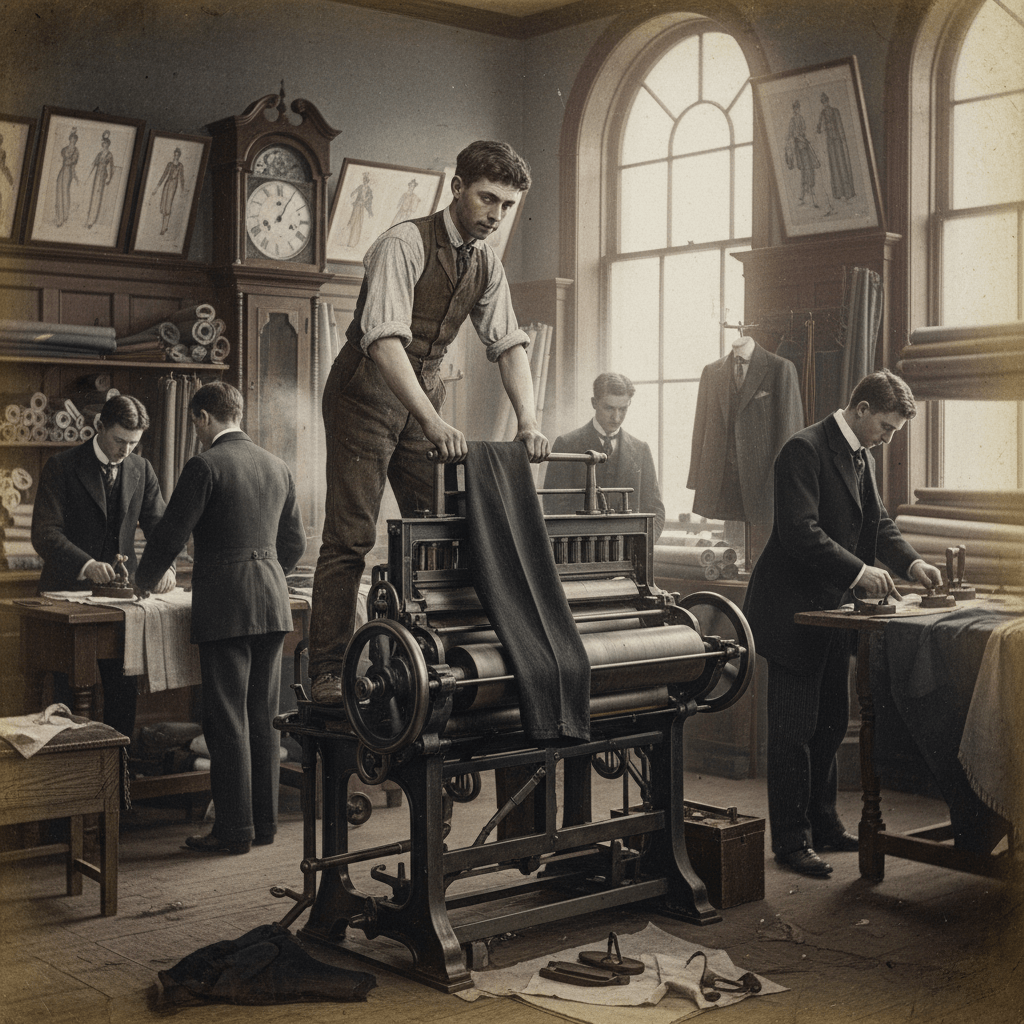 Past · Victorian EraPants PolisherThe role of a Pants Polisher emerged during the Victorian Era, a time characterized by strict social codes and a burgeoning middle class that placed great emphasis on personal appearance and propriety. As men donned trousers made from fine fabrics such as wool and cotton, the need for maintaining a polished and respectable appearance became paramount. Pants Polishers were skilled tradespeople who specialized in the care and maintenance of trousers, ensuring that they were not only clean but also had a lustrous finish that reflected the wearer's status.
The job involved applying a special polish to trousers, which was often a blend of wax and oils, to enhance their sheen and protect the fabric. This process required a keen eye for detail and an understanding of different materials, as the wrong treatment could ruin a garment. Pants Polishers would often work in tailor shops or as independent contractors, catering to the needs of gentlemen who wished to present themselves impeccably in both social and professional settings.
In addition to polishing, these artisans were also responsible for minor repairs, such as stitching up small tears or reinforcing seams, which further solidified their role as essential figures in the maintenance of men's fashion during this period.
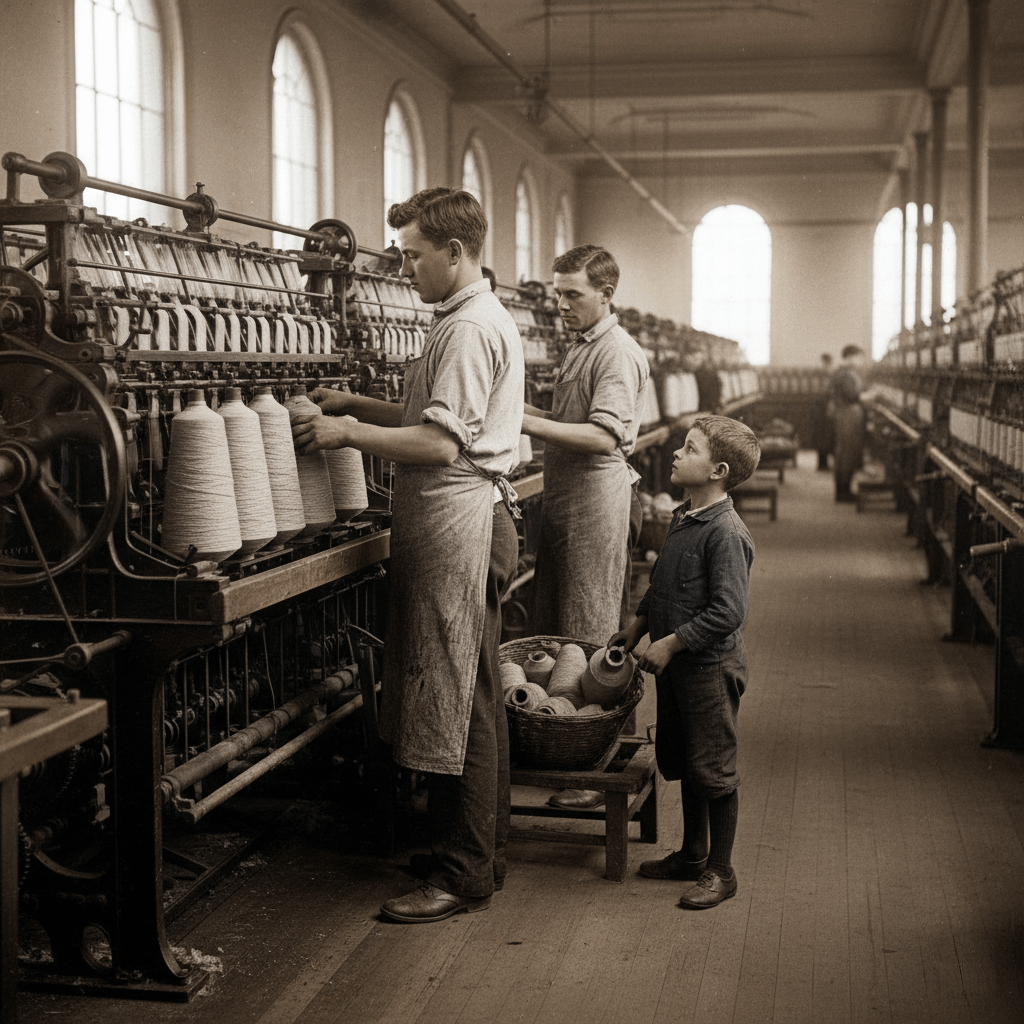 Past · Industrial RevolutionSlubber DofferThe slubber doffer was a crucial figure in the textile industry during the Industrial Revolution, primarily responsible for the maintenance and operation of spinning machines. These workers played a vital role in ensuring that the production of yarn and thread ran smoothly in the bustling textile mills of the 18th and 19th centuries. The term 'slubber doffer' specifically referred to those who removed the full bobbins of spun yarn from the spinning frames and replaced them with empty ones, a task that required both physical dexterity and a keen understanding of the machinery involved. The slubber doffer's work was often performed in a noisy, fast-paced environment, where the clatter of machines filled the air, and the smell of raw cotton and wool was ever-present.
The job was typically held by young boys and girls, often as young as eight or nine, who were employed in the mills due to their small stature, which allowed them to navigate the cramped spaces between the machines. The slubber doffer's day was filled with the repetitive yet essential task of ensuring that the spinning process continued without interruption, a job that was physically demanding and required a high level of attention to detail.
Despite the harsh working conditions, slubber doffers were an integral part of the textile production process, contributing to the rapid growth of the textile industry, which was a cornerstone of the Industrial Revolution. Their labor was essential in meeting the increasing demand for textiles, which fueled both domestic and international markets.
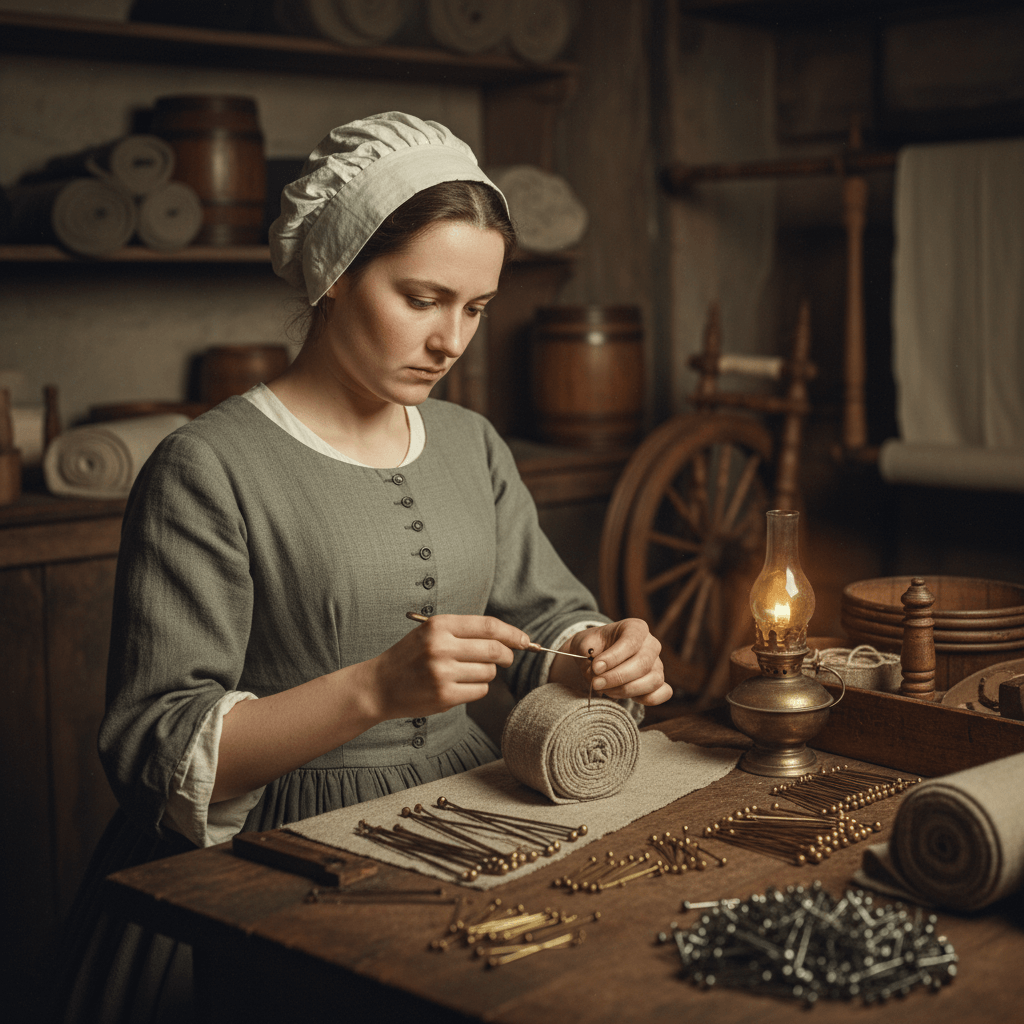 Past · Pre-Industrial EraPinnerThe role of a pinner was crucial in the textile industry, particularly before the advent of mechanized production. Pinners were skilled artisans responsible for the intricate task of pinning fabric pieces together before they were sewn into garments. This job required a keen eye for detail and a steady hand, as the precision of the pinning process directly influenced the quality of the final product. Pinners worked primarily in workshops or at home, often in close-knit communities where they would collaborate with seamstresses and tailors. The work was labor-intensive and required a deep understanding of fabric types, patterns, and garment construction. Pinners used a variety of pins, including straight pins and safety pins, to hold fabric in place, ensuring that seams aligned perfectly and that the finished garments fit well. The role was often filled by women, who contributed significantly to the family income through this work, especially in urban areas where the textile industry thrived. As the demand for clothing increased, so did the need for skilled pinners, making this occupation a vital part of the pre-industrial economy.
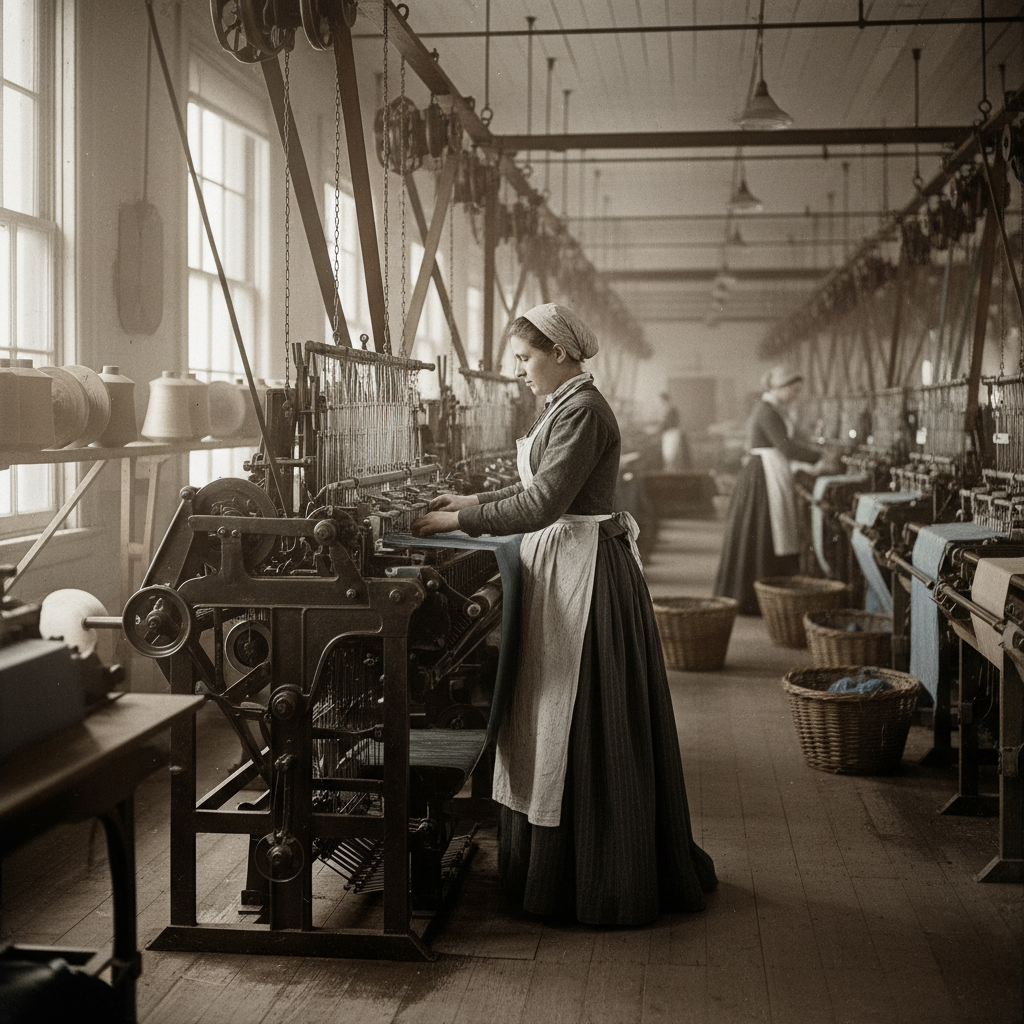 Past · Industrial RevolutionKnitting Mill WorkerThe knitting mill worker played a crucial role in the textile industry during the Industrial Revolution, a period marked by rapid industrial growth and technological innovation. These workers were primarily responsible for operating knitting machines that produced a variety of knitted goods, including socks, sweaters, and other garments. The work was often performed in large factories, known as knitting mills, where rows of machines hummed with activity, creating a rhythmic backdrop to the labor-intensive environment. Workers were typically assigned to specific machines, where they would monitor the knitting process, troubleshoot any issues, and ensure that the quality of the output met the factory's standards. The job required a keen eye for detail, as even a small mistake could result in significant waste of materials and time.
Knitting mill workers were often women and children, who were drawn to the mills by the promise of steady wages. The work was physically demanding, requiring long hours of standing and repetitive motion, which could lead to fatigue and injury. Despite the harsh conditions, knitting mills provided a vital source of income for many families during a time when economic opportunities were limited, particularly for women. The rise of the knitting mill worker was emblematic of the broader changes occurring in society, as traditional hand-knitting practices were replaced by mechanized production, leading to increased efficiency and lower costs for consumers.
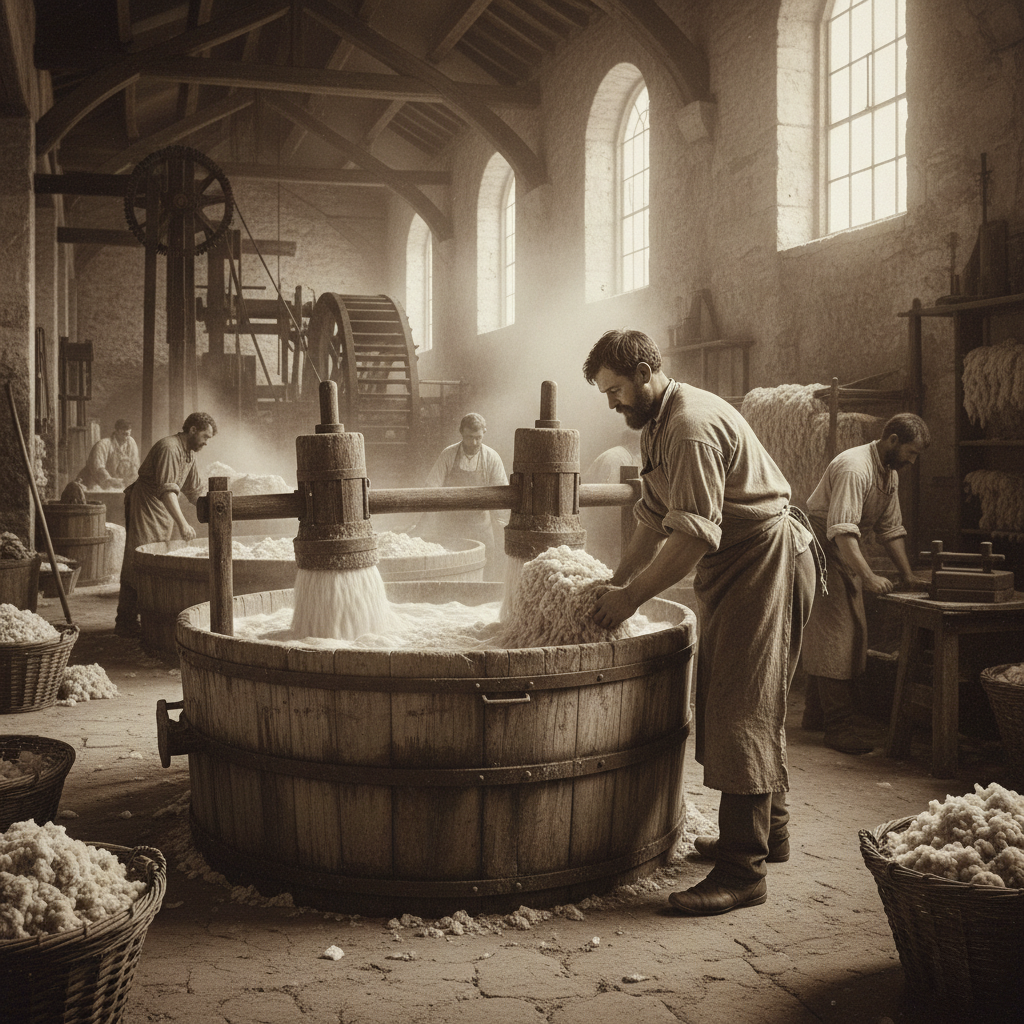 Past · Pre-Industrial EraFullerThe role of a fuller was integral to the textile industry, particularly in the processing of woolen fabrics. Fullers were responsible for a crucial step in the cloth-making process known as 'fulling,' which involved cleaning and thickening the fabric. This was achieved through a combination of water, heat, and mechanical action, often using a foot-powered or water-powered mill. The fulling process not only removed impurities such as grease and dirt but also helped to mat the fibers together, resulting in a denser and more durable fabric. Fullers worked closely with weavers and dyers, ensuring that the cloth was ready for the final stages of production. The fulling process was labor-intensive and required a keen understanding of the materials and techniques involved, making the fuller a respected figure in the textile trade.
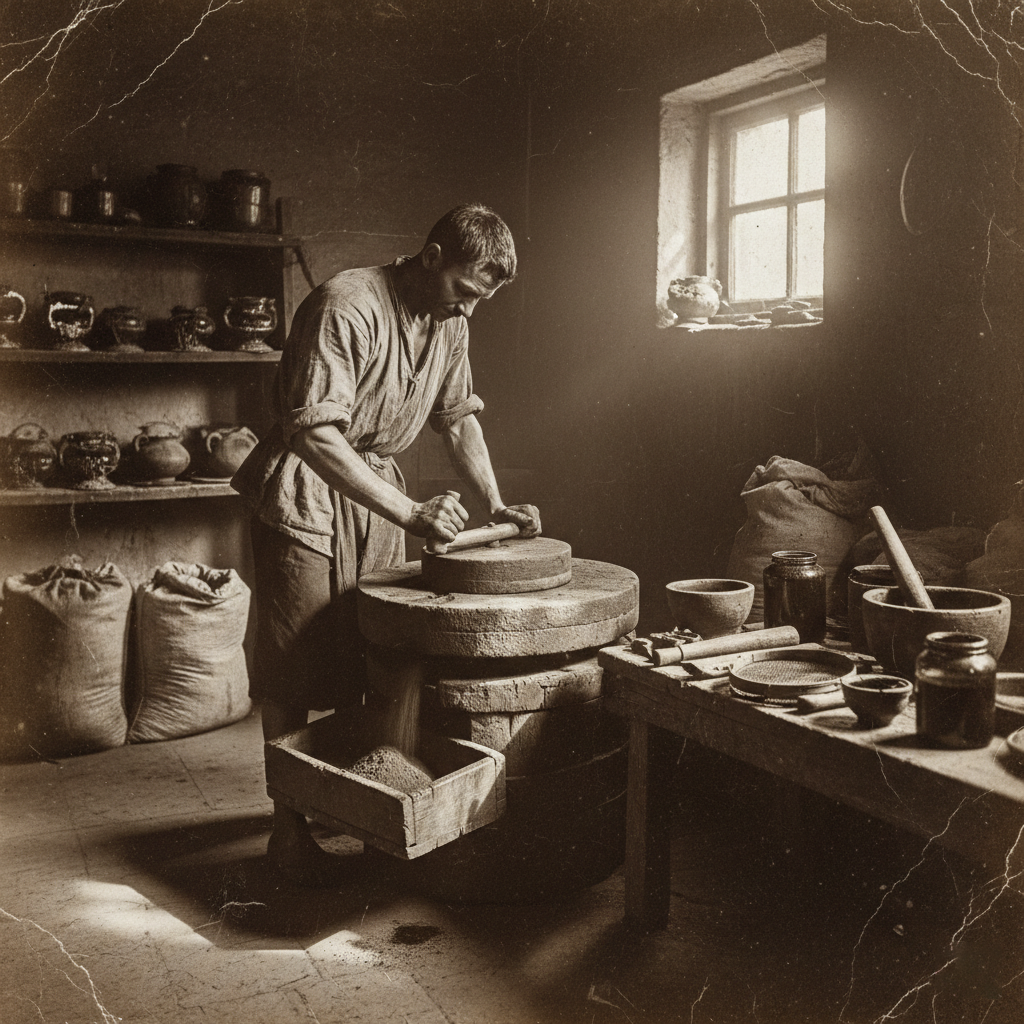 Past · Industrial RevolutionLampblack GrinderIn the bustling factories of the Industrial Revolution, the role of the Lampblack Grinder was both vital and hazardous. These skilled laborers were responsible for producing lampblack, a fine black powder made from soot, which was used as a pigment in inks, paints, and varnishes. The process involved collecting soot from burning oils or resins, then grinding it into a fine powder. The lampblack produced was prized for its deep, rich color and was essential for the burgeoning art and manufacturing industries of the time.
The work environment was often grimy and poorly ventilated, with workers exposed to clouds of fine black dust that filled the air. Lampblack Grinders typically worked long hours, often in shifts that extended from dawn until dusk, in factories that were often overcrowded and lacked proper safety measures. Despite the health risks, including respiratory issues and skin irritations, the demand for lampblack surged as the use of oil lamps and paints became widespread during this era.
Lampblack Grinders were often men, but women and children also participated in this labor, particularly in smaller workshops. The job required not only physical strength to operate the grinding machinery but also a keen eye for quality, as the fineness of the powder directly affected its market value. As the Industrial Revolution progressed, the role of the Lampblack Grinder became increasingly important, yet perilous, as the soot they handled was not only a source of income but also a potential health hazard.
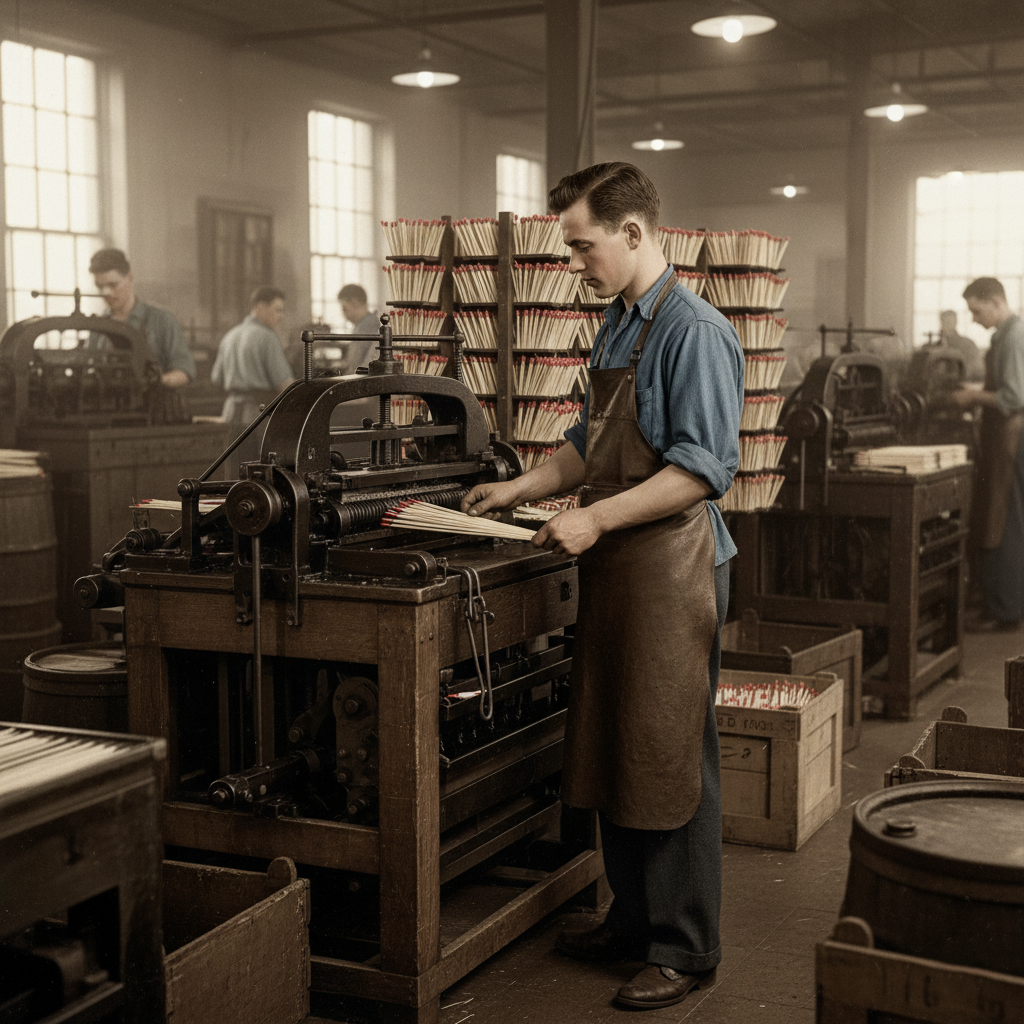 Past · Industrial RevolutionMatchstick MakerIn the bustling factories of the Industrial Revolution, the matchstick maker played a crucial role in the production of one of the era's most essential commodities: matches. These small, slender sticks, tipped with a flammable substance, revolutionized the way people ignited fires, making them a staple in households and businesses alike. The matchstick maker was responsible for crafting these vital tools, often working in dimly lit workshops filled with the scent of sulfur and wood.
The process of match production was labor-intensive and required a keen eye for detail. Workers would begin by cutting thin strips of wood, typically from readily available softwoods like aspen or pine. These strips were then meticulously dipped into a mixture of chemicals, including potassium chlorate, sulfur, and glass powder, to create the striking head of the match. The matchsticks were then dried, packaged, and prepared for distribution.
The job was not without its hazards; the chemicals used in match production were often toxic, leading to health issues such as 'phossy jaw,' a painful condition caused by exposure to phosphorus. Despite these dangers, matchstick makers were essential to the growing demand for convenience in lighting fires, which was a significant aspect of daily life during the Industrial Revolution.
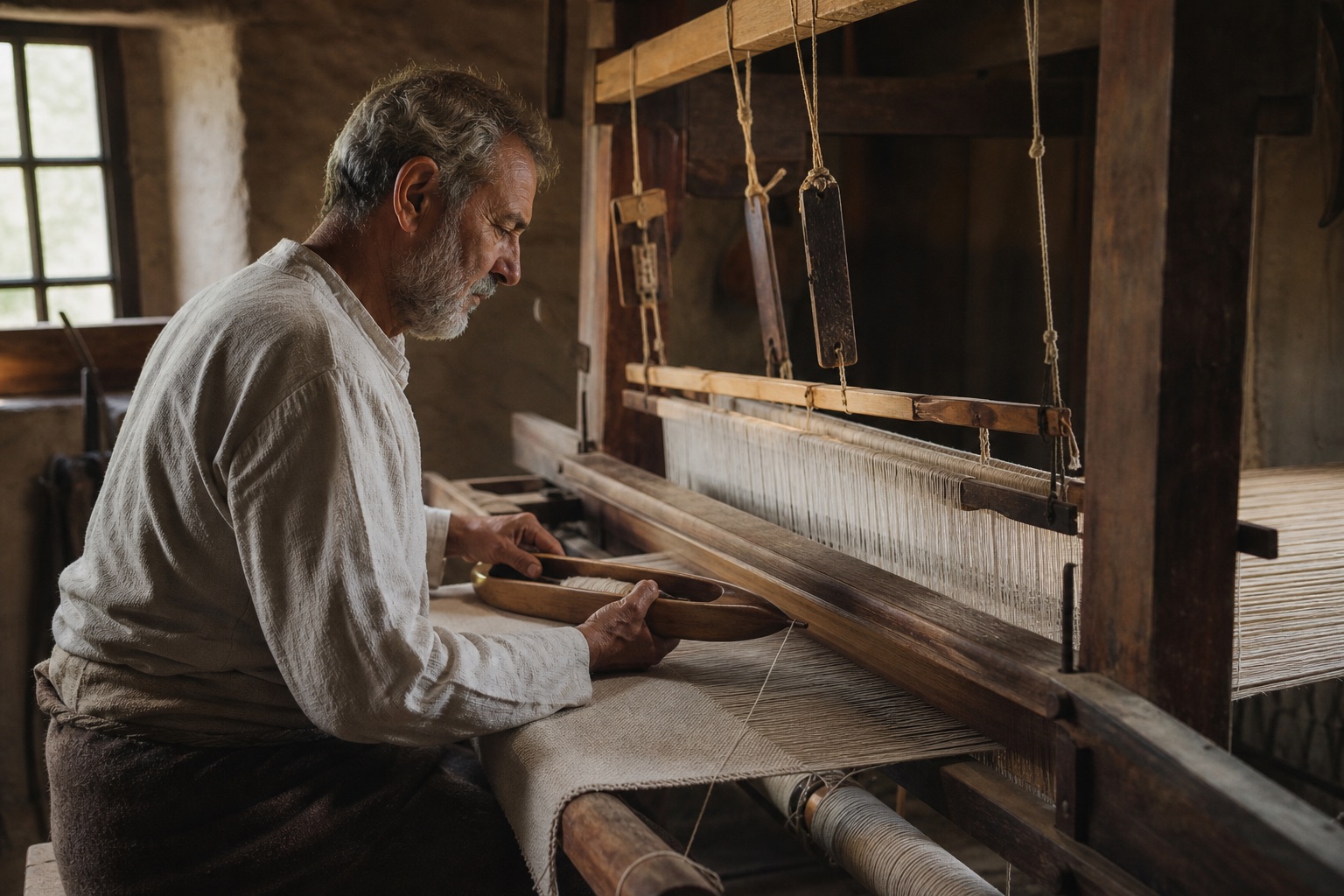 Past · Industrial RevolutionHandloom WeaverA handloom weaver worked at home. The loom stood in a cottage room, often kept damp so that cotton ends would not snap, and the weaver threw the shuttle and beat the weft a few inches an hour. Yarn came from a spinning mill or a woolstapler through a putter-out. The finished length went back to a warehouse to be measured, examined, and paid by the piece. Lancashire cotton villages were the centre of this work in the boom of the 1790s. Woollen weavers in the West Country, around Frome and Trowbridge, and in the West Riding lived by the same bargain: the loom and the room were the family's, and the cloth belonged to the merchant who had put out the yarn.
The ruin was a collapse of the piece rate, not a cartoon of men who hated machines. A cotton weaver earning close to a pound a week in the late 1790s was, in the parliamentary returns of the 1830s, often down to a few shillings for a longer week at the same loom. Power looms, patented in crude form by Edmund Cartwright in the 1780s and practical in Lancashire from the 1810s, were widespread in ordinary cottons by the 1840s, and woollen mills followed. Some crowds broke looms. Most weavers did not. They worked longer hours, asked Parliament for a legal minimum, were refused, and lost the trade when the warehouse cut the price below a living.
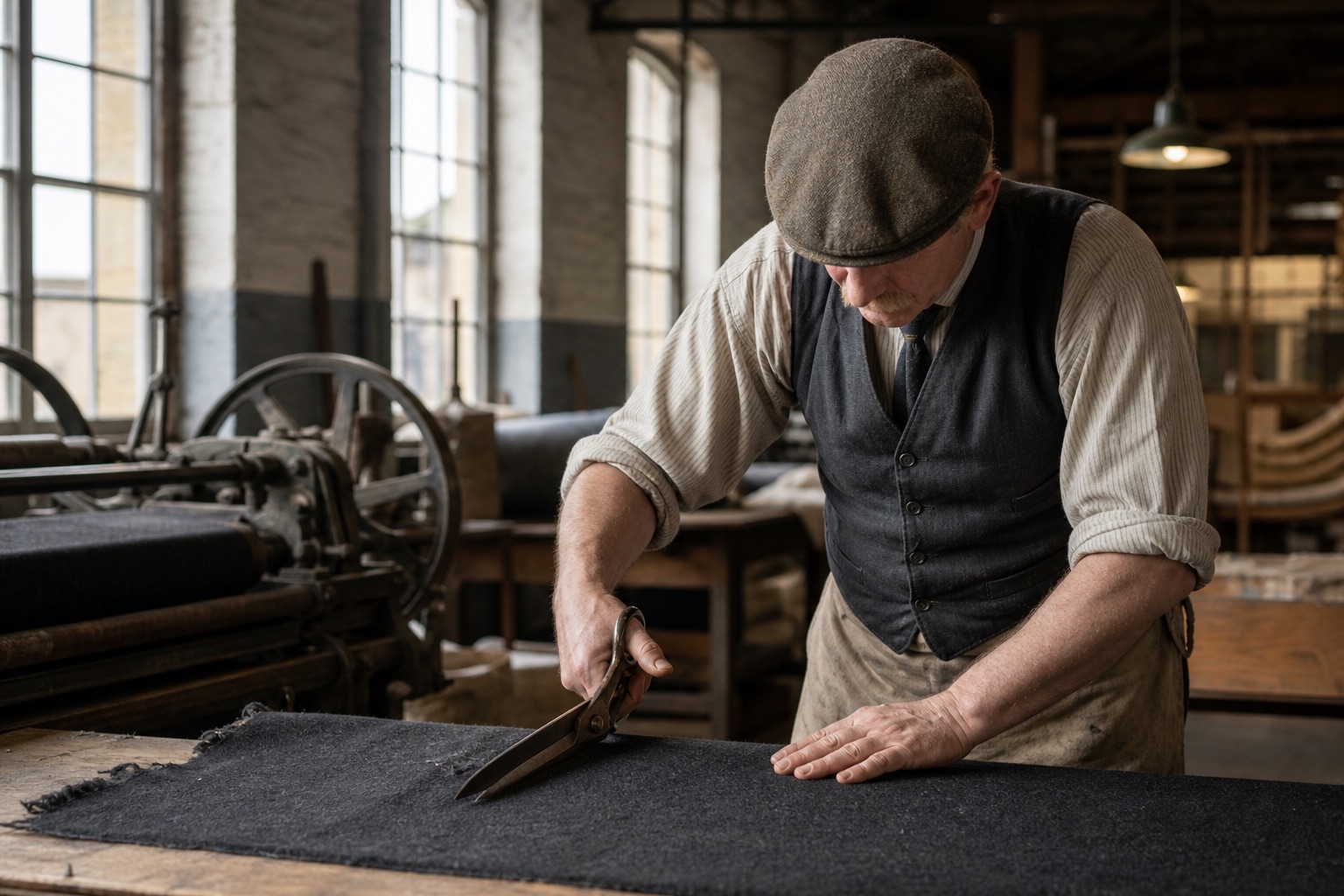 Past · Industrial RevolutionCropperA cropper, also called a shearman, finished woollen cloth. After fulling, he raised the nap with teazle heads and then cut that nap level with shears unlike a tailor's: blades several feet long, heavy enough that the work took a man's whole strength, used flat across a shearboard. A good cropper left a face as even as a close pile, without a ridge or a hole, and West Riding clothiers paid him as one of the aristocrats of the woollen trades. Huddersfield, Leeds, and the cloth villages of the Spen Valley were his ground. The shears were the skill. The cloth remained the clothier's property, brought to the shop and taken away dressed.
Gig mills, which raised the nap on teazles fixed round a cylinder, and shearing frames, which cropped with driven blades, took the skill off the board. In 1811 and 1812 Yorkshire croppers attacked those machines, including the assault on William Cartwright's mill at Rawfolds in the Spen Valley in April 1812. The attacks belong in the story of the trade. They are not what ended it. The frames dressed cloth faster and cheaper than a man with shears, the clothiers kept installing them, and the piece rate for hand cropping disappeared. Parliament answered the violence with the Frame Breaking Act of 1812. The finishing shops answered it by cropping on the machine.
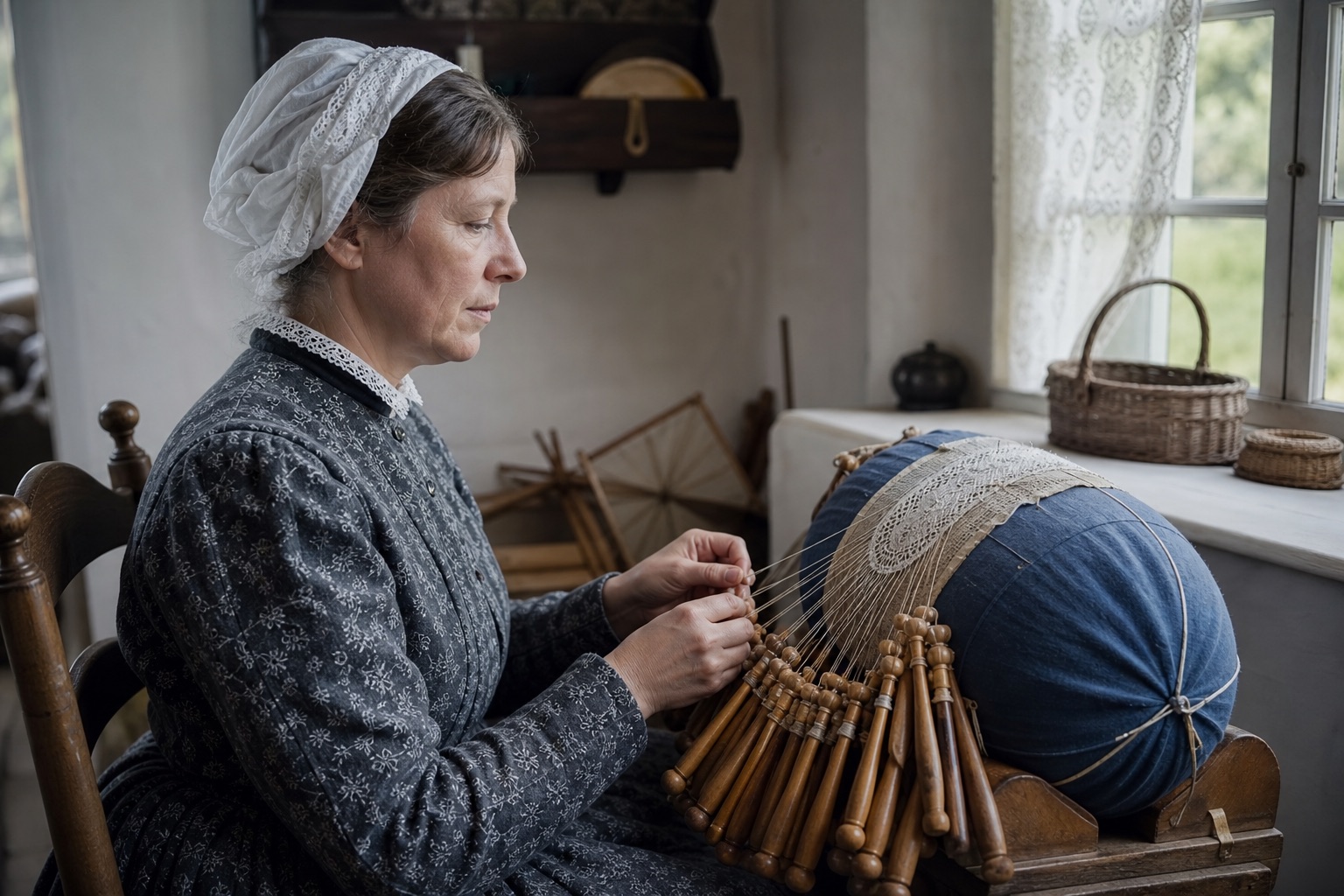 Past · Victorian EraLacemakerPillow lace was made on a cushion. A parchment pricking carried the pattern, and the thread moved on dozens of bobbins that the worker crossed, twisted, and pinned. The Midlands trade, in Buckinghamshire, Bedfordshire, and Northamptonshire, made continuous lace, ground and motif growing as one web. Bucks point was an older pride of that country. After the Great Exhibition put Maltese lace in fashion, Bedfordshire workers also made a plaited lace to sell into that taste. Devon worked differently. At Honiton and in the villages toward Beer the lacemaker made separate sprigs, sewn onto net. From the early nineteenth century that net was usually machine-made, so a celebrated Honiton piece could sit on a ground the pillow had never worked.
Women and girls did most of the hand work. Lace schools sat small children at pillows for eight or ten hours and a few pence, the mistress selling their output and keeping a margin. A woman at home might make a few shillings in a week and still work into the evening to finish a yard. John Heathcoat's bobbin-net machine of 1809, and the Leavers machine developed from it in Nottingham, put patterned lace on the market below the pillow's price. Hand lace did not stop on a given Monday. It became a poorly paid remnant beside a machine that already supplied the ordinary buyer.
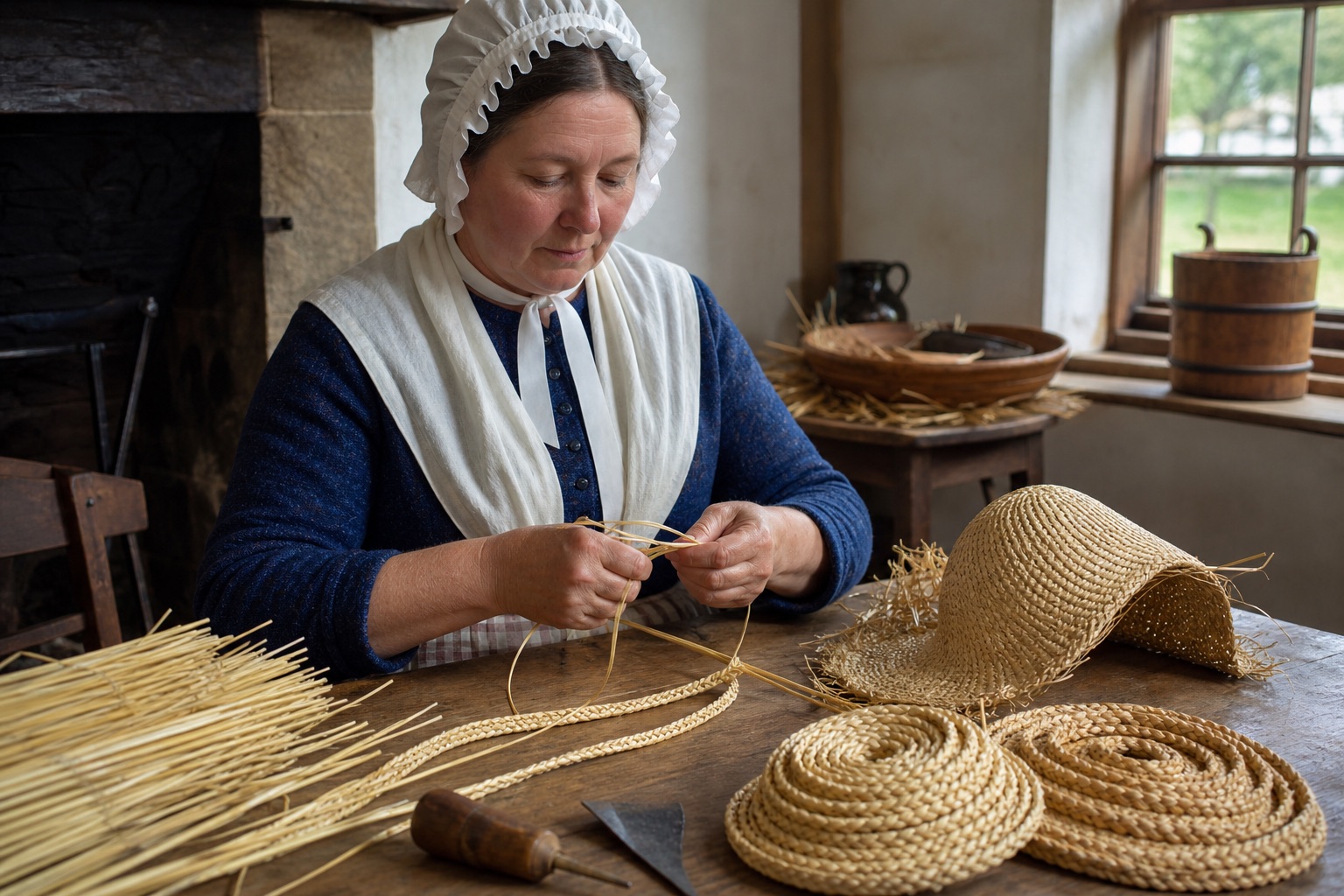 Past · Victorian EraStraw-PlaiterStraw plait was a narrow braid of split wheat straw, made in the cottages of Bedfordshire, Buckinghamshire, and Hertfordshire and sold to the hat trade of Luton and Dunstable. The plaiter damped the straws, split them, and worked a set pattern, joining a fresh straw so the edge did not lump, until she had a score of twenty yards. That score was the unit of the weekly plait market. Women and children did the work. In a village plait school a child could sit the day for pence, and a mother made her own scores in the evening for a few shillings when the buyers were kind. The hat factories turned the braid into bonnets and hats. The cottage sold them braid, not hats.
Luton's hat industry continued. The local hand plait did not. Italian straw, including the Leghorn and Tuscan kinds, had long been a finer rival for the best hats. In the late nineteenth century cheap plait from China arrived in amounts the south Midlands could not underbid. Sewing machines and factory blocking then made hats from that imported braid, or from other materials, without a village score at all. By the early twentieth century a girl in a Bedfordshire parish was no longer set to plait as her mother had been. The market had stopped paying an English hand price for the hours in the braid.
 Projected · Virtual AgeVirtual Fashion DesignerIn the not-so-distant future, the role of the Virtual Fashion Designer emerges as a pivotal force in the fashion industry, blending creativity with cutting-edge technology. As the world becomes increasingly digitized, the demand for virtual clothing—garments designed for avatars in virtual environments, augmented reality, and social media platforms—grows exponentially. Virtual Fashion Designers harness advanced software, artificial intelligence, and 3D modeling tools to create stunning, immersive clothing experiences that transcend the limitations of physical fabrics. They work closely with brands, influencers, and consumers to craft unique digital wardrobes that reflect personal style and identity in the virtual realm. This role not only redefines fashion aesthetics but also challenges traditional notions of sustainability, as virtual garments eliminate the environmental impact associated with physical production.