
Victorian Era
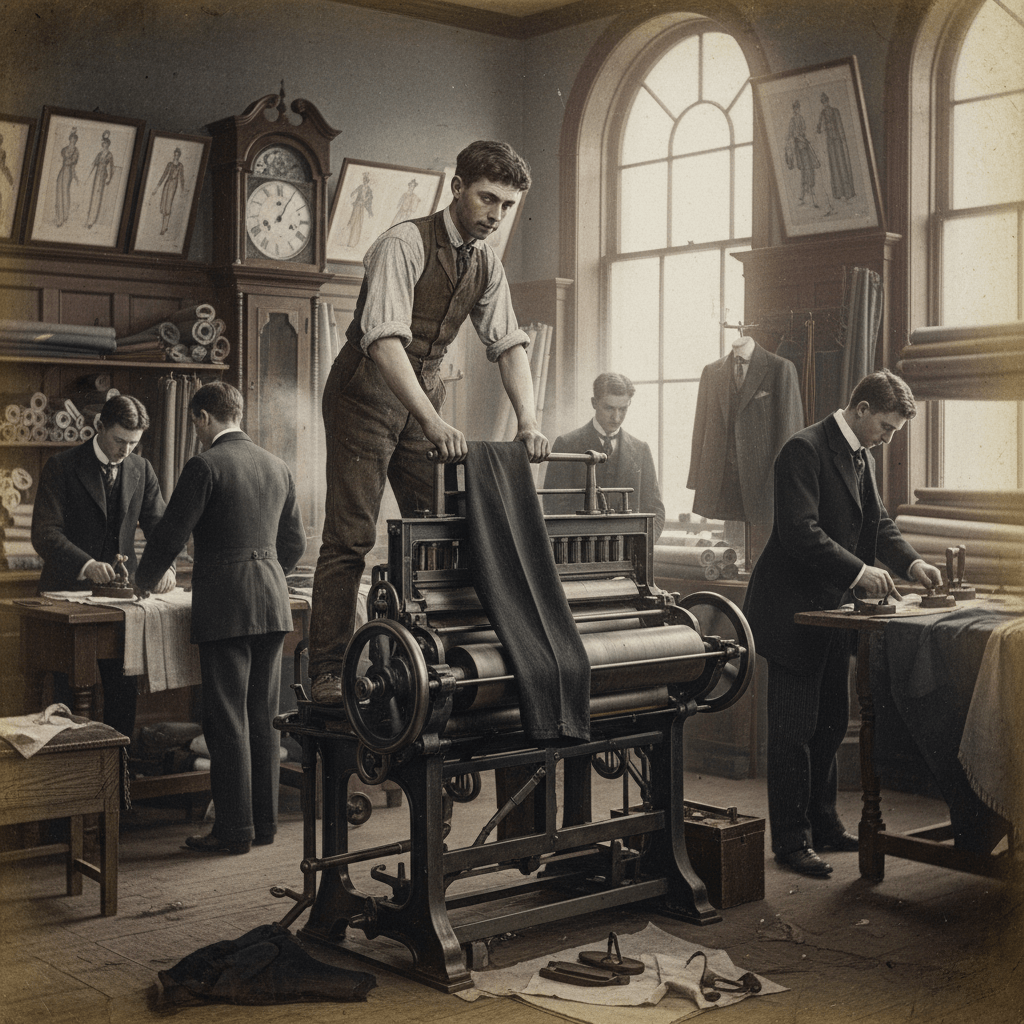
Pants Polisher
An extinct profession from Victorian Era that became obsolete due to technological advancement and societal change.
Media Gallery
Related Exhibits
Herb Strewer
The role of the Herb Strewer was a vital one in medieval society, particularly during the 12th to 15th centuries. These individuals were responsible for the cultivation, harvesting, and distribution of herbs, which were essential for culinary, medicinal, and ceremonial purposes. Herb Strewers played a crucial role in the daily lives of people, as herbs were used not only to flavor food but also to treat ailments and ward off diseases. They often worked closely with apothecaries and healers, providing them with the necessary ingredients for remedies and potions. Herb Strewers were typically found in rural areas, where they cultivated their herbs in small gardens or plots. They had extensive knowledge of various plant species, understanding their properties and uses. This knowledge was often passed down through generations, making them respected figures in their communities. The herbs they grew included common varieties such as thyme, rosemary, sage, and mint, as well as more exotic plants that were traded or brought back from the Crusades. In addition to cultivation, Herb Strewers were also responsible for preparing herbs for sale or use. This included drying, grinding, and packaging herbs, which required careful attention to detail to preserve their potency. They often sold their wares at local markets or to apothecaries, contributing to the local economy and ensuring that their communities had access to essential herbal products.
Explore More Exhibits
Discover the full collection of past and future professions in The Jobs Museum.