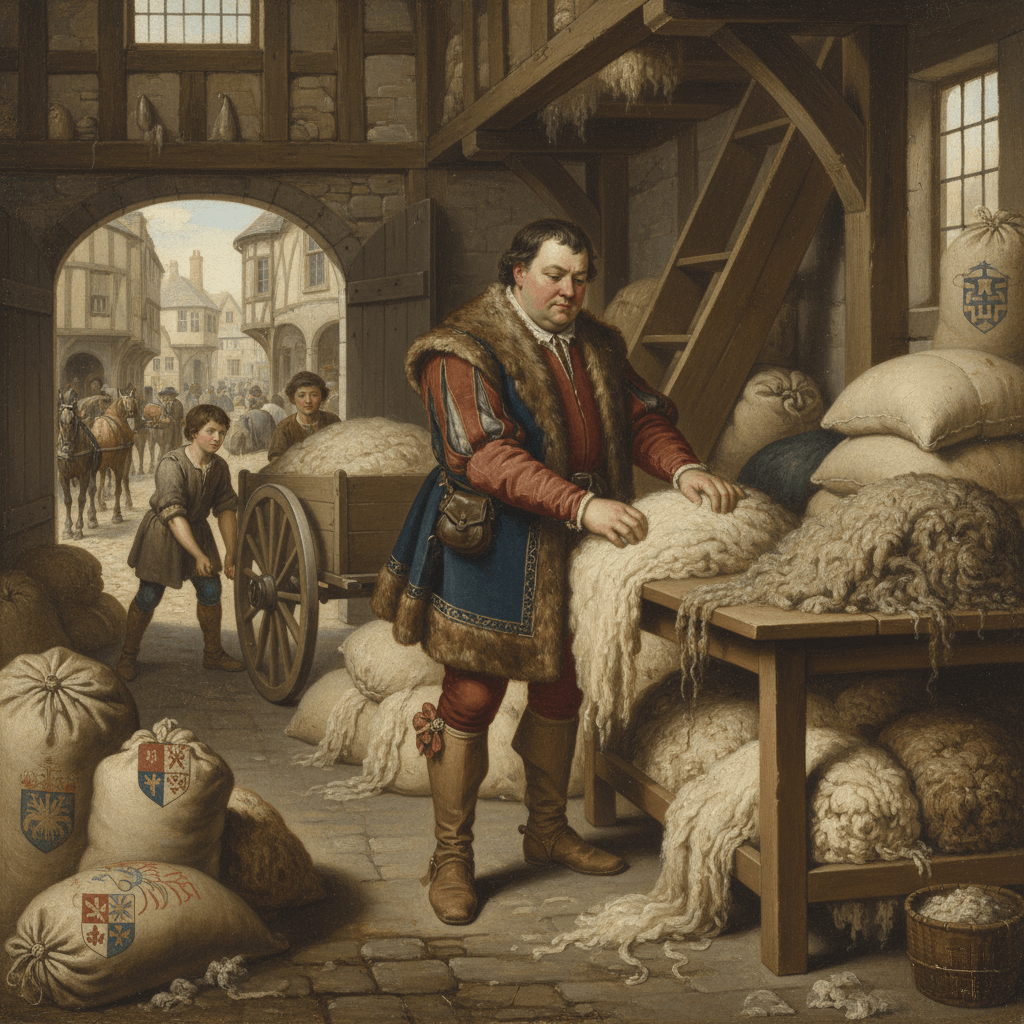
About the Wool-stapler Profession
The wool-stapler was a vital figure in the textile industry during the Industrial Revolution, primarily active from the late 18th century to the mid-19th century. This occupation revolved around the preparation and sorting of wool before it was spun into yarn. Wool-staplers were responsible for assessing the quality of raw wool, which involved separating it into different grades based on factors such as fiber length, fineness, and cleanliness. They played a crucial role in ensuring that only the best quality wool was sent to the spinning mills, thus influencing the quality of the final textile products.
Wool-staplers worked in warehouses or wool depots, often in close proximity to sheep farms and textile mills. Their work was labor-intensive and required a keen eye for detail, as they had to identify the subtle differences in wool quality. The wool was often delivered in large bales, and the wool-stapler would open these bales, inspect the contents, and then sort the wool into piles according to its grade. This sorting process was essential for the efficient operation of the textile industry, as different grades of wool were used for different types of fabrics.
In addition to sorting, wool-staplers also had to keep meticulous records of the wool they processed, noting the quantities and grades for inventory and pricing purposes. They often worked long hours, especially during peak seasons when wool was harvested, and their expertise was highly valued in the supply chain of the textile industry.
Day in the Life of a Wool-stapler
Early Morning: Arrival and Preparation
As dawn breaks, the wool-stapler arrives at the warehouse, greeted by the earthy scent of raw wool. The first task of the day involves inspecting the bales of wool that have been delivered overnight. Each bale is carefully unwrapped, and the wool is fluffed to prepare it for sorting. The wool-stapler dons a sturdy apron to protect their clothing from the dust and debris that comes with handling raw wool.
Mid-Morning: Sorting and Grading
With the bales opened, the wool-stapler begins the meticulous process of sorting. Using their trained eye, they assess the quality of the wool, separating it into different grades. This involves feeling the fibers, checking for impurities, and examining the length and fineness of the wool. The wool-stapler works quickly but carefully, as the quality of the wool directly impacts the spinning process and the final fabric produced.
Afternoon: Record Keeping and Communication
After sorting, the wool-stapler records the quantities and grades of wool processed. This documentation is crucial for inventory management and pricing. They may also communicate with local farmers and mill owners, discussing the quality of the wool and negotiating prices. This part of the job requires not only technical knowledge but also strong interpersonal skills to maintain good relationships within the industry.
Late Afternoon: Preparing for Shipment
As the day winds down, the wool-stapler prepares the sorted wool for shipment to the spinning mills. This involves packing the graded wool into bales, ensuring that each bale is securely tied and labeled with its grade. The wool-stapler may also assist in loading the bales onto carts or wagons for transport, working alongside laborers to ensure a smooth operation.
Evening: Closing Up
With the day’s work complete, the wool-stapler takes a moment to reflect on the quality of the wool processed. They tidy up the workspace, ensuring that tools and equipment are stored properly for the next day. As they leave the warehouse, the wool-stapler knows that their work is essential to the textile industry, contributing to the production of high-quality fabrics that will be used in clothing and other goods.