
Classical Antiquity
Lanista
An extinct profession from Classical Antiquity that became obsolete due to technological advancement and societal change.
Media Gallery
About the Lanista Profession
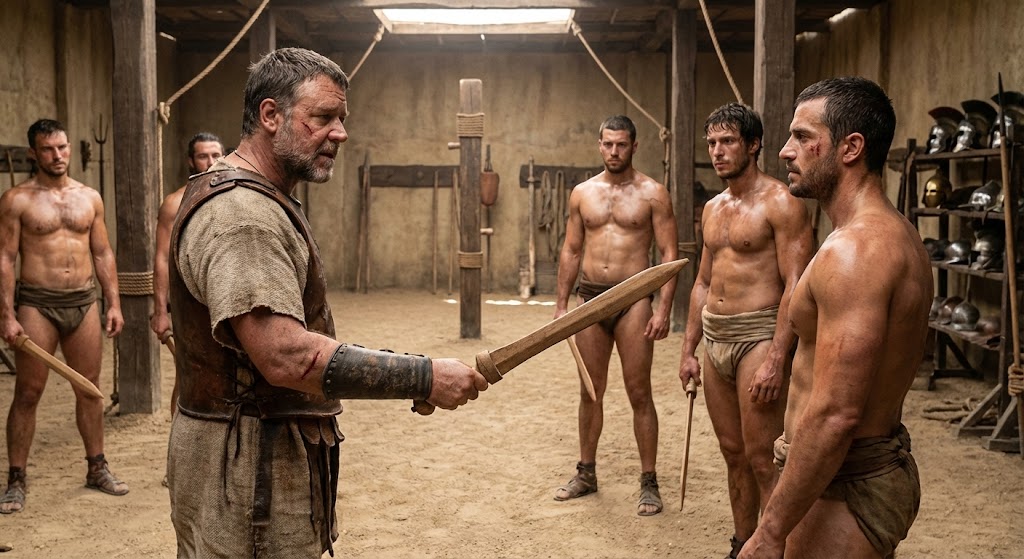
The lanista was a pivotal figure in the world of ancient Roman gladiatorial games, serving as a trainer and manager of gladiators. These individuals were responsible for the selection, training, and overall management of gladiators, who were often slaves or prisoners of war forced to fight in brutal spectacles for public entertainment. The lanista operated a ludi, or gladiatorial school, where they would oversee the rigorous training of their fighters, teaching them combat techniques, discipline, and the art of survival in the arena. The lanista's role was not only to prepare gladiators physically but also to cultivate their mental fortitude, as the psychological demands of combat were immense. They were often seen as both a mentor and a taskmaster, instilling a sense of loyalty and camaraderie among their fighters while also ensuring they were ready to face the deadly challenges of the arena. The lanista's influence extended beyond training; they were also involved in the business side of gladiatorial combat, negotiating contracts, managing finances, and sometimes even betting on the outcomes of fights. This multifaceted role made the lanista a significant player in the social and economic fabric of Roman entertainment culture.
Day in the Life of a Lanista
Dawn: Rise and Preparation
As the first light of dawn breaks over the city of Rome, the lanista rises early to prepare for the day ahead. The air is filled with the sounds of the bustling city, but within the walls of the ludi, a different atmosphere prevails. The lanista begins by inspecting the training grounds, ensuring that the equipment is in order and that the area is safe for the gladiators. This includes checking the wooden training dummies, weapons, and the sand-covered floor that absorbs the sweat and blood of countless battles.
Morning: Training Sessions
By mid-morning, the gladiators arrive, some still groggy from sleep, others eager to train. The lanista gathers them for a morning briefing, outlining the day’s training regimen. The training is grueling, focusing on various combat techniques, including swordplay, grappling, and the use of different weapons. The lanista demonstrates techniques, correcting stances and encouraging fighters to push their limits. The sound of clashing swords and the shouts of the lanista echo through the training grounds as they instill discipline and strategy in their fighters.
Afternoon: Strategy and Conditioning
After a hearty midday meal, the lanista shifts focus to strategy. They gather the gladiators to discuss upcoming matches, analyzing opponents and devising tactics. This is a crucial part of the lanista's role, as understanding the strengths and weaknesses of both their own fighters and their adversaries can mean the difference between life and death in the arena. Conditioning exercises follow, with the lanista overseeing rigorous physical training to build endurance and strength.
Evening: Business and Negotiations
As the sun sets, the lanista transitions from trainer to businessman. They meet with potential sponsors, wealthy patrons, and other lanistae to negotiate contracts for upcoming fights. The lanista must be shrewd, understanding the financial aspects of the gladiatorial games, including betting odds and the value of their fighters. This evening work is crucial for maintaining the ludi’s reputation and ensuring the financial stability of their operations.
Night: Reflection and Planning
As night falls, the lanista reflects on the day’s training and the performance of their gladiators. They may spend time writing in a ledger, tracking the progress of each fighter, and planning future training sessions. The lanista’s role is demanding, requiring not only physical strength and combat knowledge but also business acumen and leadership skills. As they prepare for bed, the lanista knows that tomorrow will bring new challenges and the ever-present risk of loss in the arena.
Related Exhibits
Towel Horse
The towel horse was a common fixture in Victorian households, serving as a practical solution for drying and airing out freshly laundered towels. This job involved the creation and maintenance of these wooden frames, which were designed to hold towels in a way that maximized air circulation and minimized mildew. Craftsmen known as towel horse makers would construct these items from sturdy wood, often incorporating decorative elements to enhance their aesthetic appeal. The towel horse was not merely a functional item; it was a symbol of domesticity and cleanliness in an era that placed great emphasis on hygiene and the proper management of household chores. In the bustling homes of the Victorian middle class, the towel horse was an essential accessory, often placed in bathrooms or near wash basins. It allowed families to dry their towels efficiently, reflecting the era's values of order and propriety. The towel horse was typically designed with multiple rungs or bars, allowing several towels to be hung at once, and was often collapsible for easy storage. As the Victorian Era progressed, the towel horse became a staple in many households, with variations in design reflecting the tastes and preferences of the time. Craftsmen took pride in their work, often handcrafting each piece with attention to detail, ensuring that the towel horse was both functional and visually appealing. However, as the 20th century approached, the advent of modern plumbing and the introduction of electric dryers began to change domestic practices. The need for towel horses diminished as households adopted new technologies that made drying towels faster and more efficient. The towel horse, once a common sight in homes, gradually faded into obscurity, becoming a relic of a bygone era.
Stereoscopist
The role of a stereoscopist emerged in the mid-19th century, coinciding with the rise of the stereoscope, a device that allowed viewers to experience three-dimensional images. Stereoscopists were skilled artisans and technicians who specialized in creating stereoscopic images, which were pairs of photographs taken from slightly different angles to simulate depth perception when viewed through a stereoscope. This job was not only a technical craft but also an artistic endeavor, as stereoscopists had to carefully compose scenes, select appropriate lighting, and ensure that the images conveyed a sense of realism and depth. Stereoscopists often worked in studios or as part of larger photographic firms, where they would collaborate with photographers and artists. They were responsible for processing the images, mounting them on cards, and sometimes even hand-coloring them to enhance their visual appeal. The popularity of stereoscopic images surged during the Victorian Era, as they provided a novel form of entertainment and education, allowing people to experience distant landscapes, historical events, and even exotic cultures from the comfort of their homes. As the demand for stereoscopic images grew, so did the need for skilled stereoscopists who could produce high-quality work. They played a crucial role in the dissemination of visual culture, contributing to the development of photography as an art form and a means of communication.
Explore More Exhibits
Discover the full collection of past and future professions in The Jobs Museum.