
Climate Adaptation Era
Vertical Farm Manager
A speculative career prediction for Climate Adaptation Era based on technological trends and societal evolution.
Media Gallery
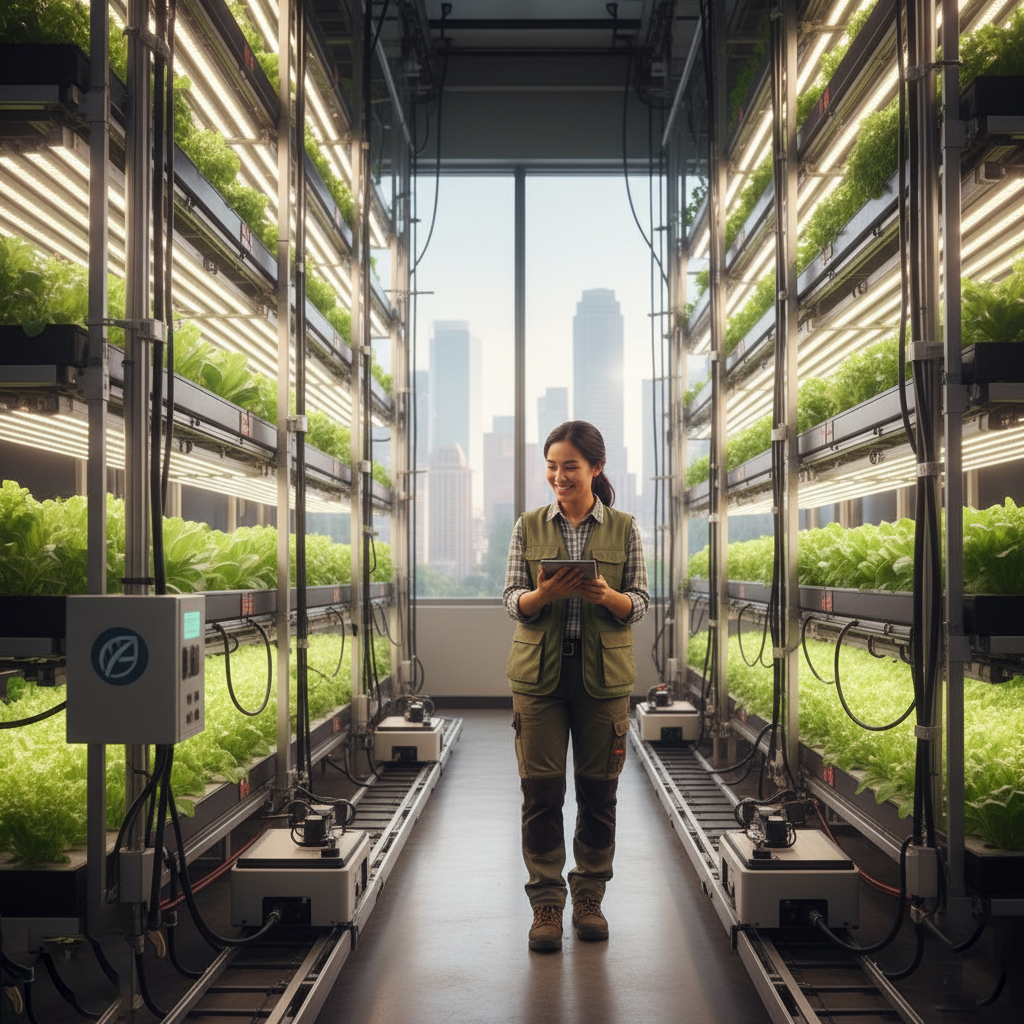
About the Vertical Farm Manager career
As urban populations swell and climate change intensifies, the role of the Vertical Farm Manager emerges as a vital profession in the Climate Adaptation Era. This innovative job is at the intersection of agriculture, technology, and sustainability, focusing on the management of high-rise farms that utilize advanced hydroponics, aeroponics, and artificial intelligence to produce food in urban environments. Vertical farms, often located in repurposed buildings or purpose-built skyscrapers, are designed to maximize space and minimize resource use, providing fresh produce to city dwellers while reducing the carbon footprint associated with traditional farming methods. The Vertical Farm Manager oversees all aspects of these farms, from crop selection and growth cycles to the integration of smart technologies that monitor and optimize plant health. This role not only requires a deep understanding of agricultural science but also a keen awareness of urban ecology and community needs, making it a multifaceted and dynamic career.
Day in the Life of a Vertical Farm Manager
Morning: Planning and Coordination
The day begins early, with the Vertical Farm Manager arriving at the farm just as the sun rises over the city skyline. The first task is to review the crop growth data collected overnight by the farm's AI systems. Using advanced analytics, the manager assesses which crops are thriving and which require adjustments in nutrient delivery or light exposure. After a quick team meeting to discuss the day's goals, the manager coordinates with the agricultural technicians to ensure that all systems are functioning optimally.
Mid-Morning: Hands-On Management
By mid-morning, the manager is on the floor, inspecting the various growing levels of the vertical farm. They check the health of the plants, ensuring that the hydroponic systems are delivering the right balance of nutrients. The manager also engages with the team, providing training on new techniques for pest management that align with organic practices. This hands-on approach fosters a collaborative environment and ensures that all staff are aligned with the farm's sustainability goals.
Afternoon: Community Engagement and Marketing
In the afternoon, the focus shifts to community engagement. The Vertical Farm Manager meets with local chefs and grocery store owners to discuss partnerships and supply agreements. They also plan educational workshops for the community, aiming to raise awareness about sustainable agriculture and the benefits of locally grown food. This aspect of the job is crucial, as it helps to build a loyal customer base and promotes the farm's mission of food security and environmental stewardship.
Late Afternoon: Data Analysis and Reporting
As the day winds down, the manager returns to their office to analyze data from the farm's sensors and AI systems. They prepare reports on crop yields, resource usage, and operational efficiency, which will be shared with stakeholders and used to inform future strategies. This data-driven approach is essential for continuous improvement and innovation in the farm's operations.
Evening: Networking and Professional Development
The day often concludes with networking events or professional development opportunities. The Vertical Farm Manager attends conferences or webinars focused on urban agriculture, sustainability, and technological advancements in farming. Staying informed about industry trends is vital for adapting to the rapidly changing landscape of food production.
Related Exhibits
Climate Adaptation Specialist
As the world grapples with the profound impacts of climate change, the role of the Climate Adaptation Specialist emerges as a beacon of hope and innovation. These specialists are tasked with developing and implementing strategies that help communities, ecosystems, and economies adapt to the changing climate. They work at the intersection of science, policy, and community engagement, ensuring that vulnerable populations are equipped to face the challenges posed by rising sea levels, extreme weather events, and shifting agricultural patterns. In this role, specialists analyze climate data, assess risks, and collaborate with local governments, NGOs, and businesses to create sustainable solutions. They might design urban green spaces that mitigate flooding, develop policies that promote resilient infrastructure, or lead educational initiatives that empower communities to take proactive measures. The Climate Adaptation Specialist is not just a planner; they are a visionary, crafting a future where humanity can thrive despite the uncertainties of a warming planet.
Urban Drone Delivery Coordinator
In the bustling cities of the Automation Age, where technology seamlessly integrates into daily life, the role of the Urban Drone Delivery Coordinator emerges as a vital link in the logistics chain. This innovative position is responsible for overseeing the deployment and management of drone delivery systems that transport goods swiftly and efficiently across urban landscapes. As cities become increasingly congested and the demand for rapid delivery services escalates, the Urban Drone Delivery Coordinator ensures that these aerial vehicles operate safely, adhere to regulations, and meet the expectations of consumers. The coordinator's responsibilities extend beyond mere logistics; they are also tasked with optimizing delivery routes, managing drone fleets, and coordinating with local authorities to ensure compliance with airspace regulations. They utilize advanced software and AI algorithms to analyze traffic patterns, weather conditions, and delivery demands, making real-time adjustments to enhance efficiency. In this role, the coordinator acts as a bridge between technology and community, ensuring that drone deliveries are not only effective but also considerate of urban environments and public safety. As cities evolve into smart ecosystems, the Urban Drone Delivery Coordinator plays a crucial role in shaping the future of urban mobility, contributing to a more connected and efficient society.
Explore More Exhibits
Discover the full collection of past and future professions in The Jobs Museum.