
Automation Age
Robotics Fleet Supervisor
A speculative career prediction for Automation Age based on technological trends and societal evolution.
Media Gallery
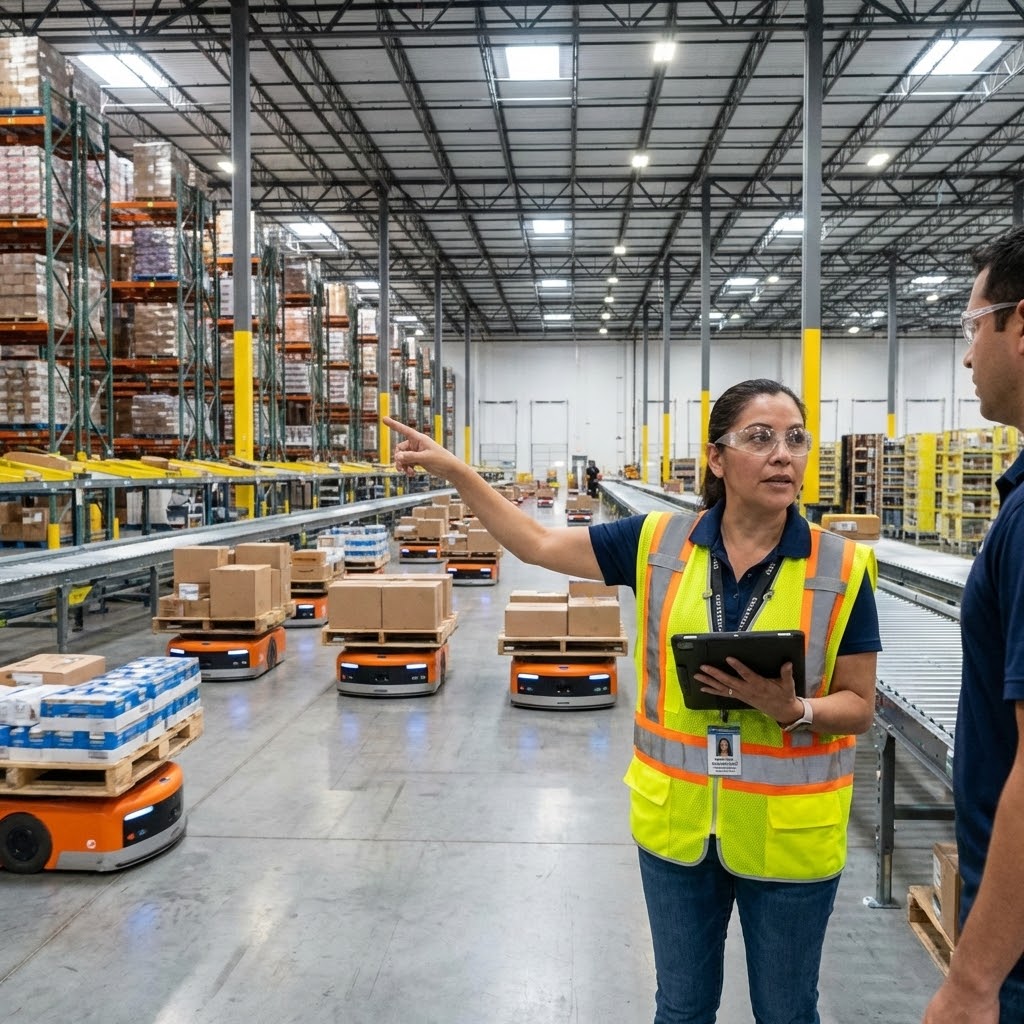
About the Robotics Fleet Supervisor Career
In the Automation Age, the role of the Robotics Fleet Supervisor emerges as a pivotal position in the management of autonomous robotic systems. As industries increasingly rely on fleets of robots for tasks ranging from logistics and manufacturing to agriculture and healthcare, the need for skilled supervisors to oversee these fleets becomes paramount. The Robotics Fleet Supervisor is responsible for ensuring that these robotic units operate efficiently, safely, and in harmony with human workers. This role combines technical expertise with leadership skills, as supervisors must coordinate the activities of diverse robotic systems while also addressing the needs of human operators and stakeholders. The job requires a deep understanding of robotics technology, data analytics, and operational management, as well as the ability to adapt to rapidly changing environments and technologies. As society embraces automation, the Robotics Fleet Supervisor will play a crucial role in shaping the future of work, ensuring that the integration of robots enhances productivity while maintaining ethical standards and safety protocols.
Day in the Life of a Robotics Fleet Supervisor
Morning: Fleet Check-In and Data Review
The day begins early for a Robotics Fleet Supervisor, who arrives at the facility by 7:30 AM. The first task is to conduct a fleet check-in, reviewing the operational status of each robot in the fleet. Using a centralized dashboard, the supervisor analyzes performance metrics, identifies any anomalies, and assesses maintenance needs. This data-driven approach ensures that all robots are functioning optimally before the day’s operations commence.
Mid-Morning: Team Briefing and Coordination
By 9:00 AM, the supervisor gathers the human team for a briefing. They discuss the day’s objectives, any scheduled maintenance, and potential challenges. The supervisor emphasizes the importance of collaboration between human workers and robots, fostering an environment where both can thrive. This meeting is crucial for aligning goals and ensuring that everyone understands their roles in the automated workflow.
Late Morning: On-Site Monitoring
Around 10:30 AM, the supervisor heads to the operational floor to monitor the robots in action. They observe how the robots interact with human workers and assess the efficiency of the workflow. The supervisor uses augmented reality glasses to receive real-time data overlays, allowing them to make immediate adjustments if necessary. This hands-on approach helps to identify areas for improvement and enhances the overall productivity of the fleet.
Afternoon: Troubleshooting and Maintenance Coordination
After lunch, the supervisor receives an alert about a malfunctioning robot. They quickly analyze the diagnostic data and coordinate with the maintenance team to address the issue. This involves communicating with technicians, scheduling repairs, and ensuring that the rest of the fleet continues to operate smoothly. The supervisor’s ability to troubleshoot and resolve issues efficiently is critical to minimizing downtime.
Late Afternoon: Reporting and Strategy Development
As the day winds down, the supervisor compiles performance reports and prepares for a strategy meeting with upper management. They analyze trends in robot performance, workforce integration, and operational efficiency. This data will inform future decisions about fleet expansion, technology upgrades, and training programs for human workers. The supervisor’s insights are vital for shaping the organization’s approach to automation and workforce development.
Evening: Continuous Learning and Development
Before leaving for the day, the supervisor dedicates time to professional development. They engage in online courses or webinars to stay updated on the latest advancements in robotics and automation technologies. This commitment to continuous learning ensures that they remain at the forefront of their field, ready to adapt to new challenges and opportunities as they arise.
Related Exhibits
Circular Economy Strategist
In the Climate Adaptation Era, the role of a Circular Economy Strategist emerges as a pivotal force in reshaping industries and communities towards sustainability. This innovative profession is dedicated to designing and implementing systems that minimize waste, maximize resource efficiency, and promote the continual use of materials. Circular Economy Strategists work at the intersection of environmental science, economics, and social responsibility, crafting strategies that not only benefit businesses but also contribute to the health of our planet. They are the architects of a new economic model that prioritizes regeneration over depletion, ensuring that products are designed for longevity, reuse, and recycling. As advocates for sustainable practices, they engage with stakeholders across various sectors, from manufacturing to retail, to foster a culture of sustainability that permeates every level of the supply chain.
Human-in-the-Loop Supervisor
In the rapidly evolving landscape of the AI Revolution, the role of the Human-in-the-Loop Supervisor emerges as a pivotal position that bridges the gap between human intuition and machine learning algorithms. As artificial intelligence systems become increasingly sophisticated, the need for human oversight to ensure ethical decision-making, contextual understanding, and nuanced judgment becomes paramount. This role is not merely about managing AI systems; it is about enhancing their capabilities through human insight, ensuring that technology serves humanity's best interests. The Human-in-the-Loop Supervisor is tasked with overseeing AI operations across various sectors, from healthcare to autonomous vehicles, ensuring that AI systems operate within ethical boundaries and align with societal values. This position requires a deep understanding of both technology and human behavior, as supervisors must interpret AI outputs, provide feedback for continuous learning, and intervene when necessary to prevent errors or biases. As AI systems learn from vast datasets, the supervisor's role is to ensure that these datasets are representative and free from harmful biases, thus safeguarding against unintended consequences. In this future job, supervisors will also play a crucial role in training AI systems, providing the necessary context and real-world knowledge that machines often lack. They will collaborate with data scientists and engineers to refine algorithms, ensuring that AI systems not only perform efficiently but also ethically. The Human-in-the-Loop Supervisor will be at the forefront of a new era of responsible AI deployment, advocating for transparency, accountability, and inclusivity in technology development.
Explore More Exhibits
Discover the full collection of past and future professions in The Jobs Museum.