
AI Revolution
Human-AI Creative Director
A speculative career prediction for AI Revolution based on technological trends and societal evolution.
Media Gallery
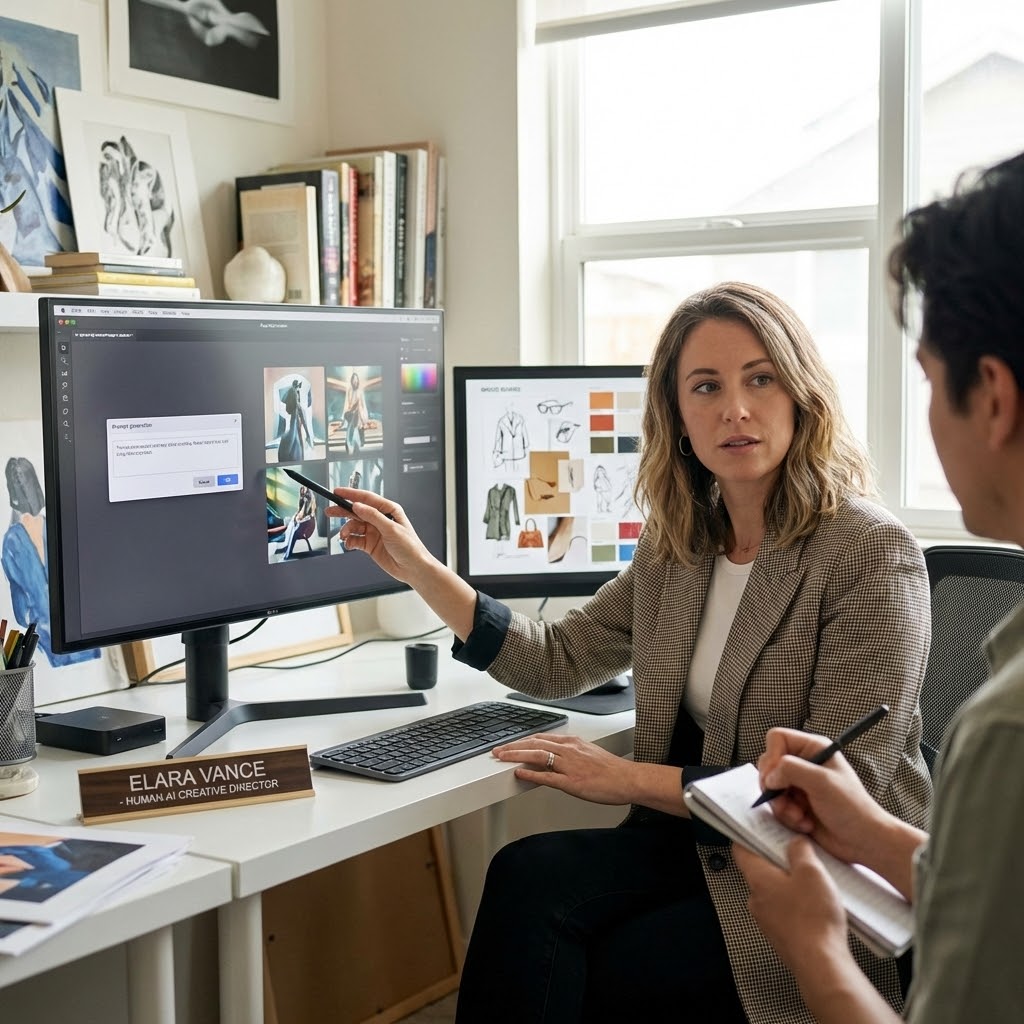
About the Human-AI Creative Director Career
In the not-so-distant future, the role of the Human-AI Creative Director emerges as a pivotal position at the intersection of human creativity and artificial intelligence. As industries increasingly integrate AI into their creative processes, this role becomes essential in guiding and harmonizing the collaboration between human artists and AI systems. The Human-AI Creative Director is responsible for overseeing projects that leverage AI tools to enhance artistic expression, ensuring that the final outputs resonate with human emotions and cultural relevance. This position not only requires a deep understanding of both creative practices and AI technologies but also a visionary approach to how these two realms can coexist and elevate one another. The Human-AI Creative Director will curate experiences that challenge traditional notions of authorship and creativity, pushing the boundaries of what is possible in art, design, and media.
Day in the Life of a Human-AI Creative Director
Morning: Ideation and Collaboration
The day begins with a morning briefing, where the Human-AI Creative Director meets with a diverse team of artists, designers, and AI specialists. Together, they brainstorm ideas for upcoming projects, discussing how AI can be utilized to enhance their creative vision. The director facilitates discussions, encouraging team members to explore unconventional ideas and consider how AI can contribute to their artistic processes.
Mid-Morning: AI Tool Exploration
After the brainstorming session, the director spends time experimenting with the latest AI creative tools. This might involve generating visual art, composing music, or developing interactive experiences using AI algorithms. The director assesses the outputs, considering how they align with the project’s goals and the emotional impact they may have on the audience.
Afternoon: Project Oversight and Feedback
In the afternoon, the director reviews ongoing projects, providing feedback to team members on their work with AI. They ensure that the human touch remains prominent in the final products, guiding artists on how to refine AI-generated content to better reflect human values and cultural narratives. This involves a delicate balance of embracing AI’s capabilities while maintaining authenticity in the creative process.
Late Afternoon: Client Meetings and Presentations
As the day winds down, the director prepares for a meeting with clients or stakeholders. They present the team’s progress, showcasing how AI has been integrated into the creative projects. The director articulates the vision behind the work, emphasizing the collaborative nature of human and AI creativity, and addresses any concerns regarding the use of AI in artistic expression.
Evening: Continuous Learning and Networking
The day concludes with the director engaging in professional development, attending webinars or networking events focused on the latest trends in AI and creativity. They connect with other professionals in the field, sharing insights and exploring potential collaborations that could further enhance their work.
Related Exhibits
Circular Economy Strategist
In the Climate Adaptation Era, the role of a Circular Economy Strategist emerges as a pivotal force in reshaping industries and communities towards sustainability. This innovative profession is dedicated to designing and implementing systems that minimize waste, maximize resource efficiency, and promote the continual use of materials. Circular Economy Strategists work at the intersection of environmental science, economics, and social responsibility, crafting strategies that not only benefit businesses but also contribute to the health of our planet. They are the architects of a new economic model that prioritizes regeneration over depletion, ensuring that products are designed for longevity, reuse, and recycling. As advocates for sustainable practices, they engage with stakeholders across various sectors, from manufacturing to retail, to foster a culture of sustainability that permeates every level of the supply chain.
Vertical Farm Manager
As urban populations swell and climate change intensifies, the role of the Vertical Farm Manager emerges as a vital profession in the Climate Adaptation Era. This innovative job is at the intersection of agriculture, technology, and sustainability, focusing on the management of high-rise farms that utilize advanced hydroponics, aeroponics, and artificial intelligence to produce food in urban environments. Vertical farms, often located in repurposed buildings or purpose-built skyscrapers, are designed to maximize space and minimize resource use, providing fresh produce to city dwellers while reducing the carbon footprint associated with traditional farming methods. The Vertical Farm Manager oversees all aspects of these farms, from crop selection and growth cycles to the integration of smart technologies that monitor and optimize plant health. This role not only requires a deep understanding of agricultural science but also a keen awareness of urban ecology and community needs, making it a multifaceted and dynamic career.
Explore More Exhibits
Discover the full collection of past and future professions in The Jobs Museum.