
machine
The recorded picture and its afterlife
From a unique plate to a file that plays itself.
Daguerreotypes, stereoscopes, silent pits, projection booths, radio sets, television house calls, and the video counter are one sequence. Each specialist stood between a person and a picture until the picture no longer needed them.
Under this force
22
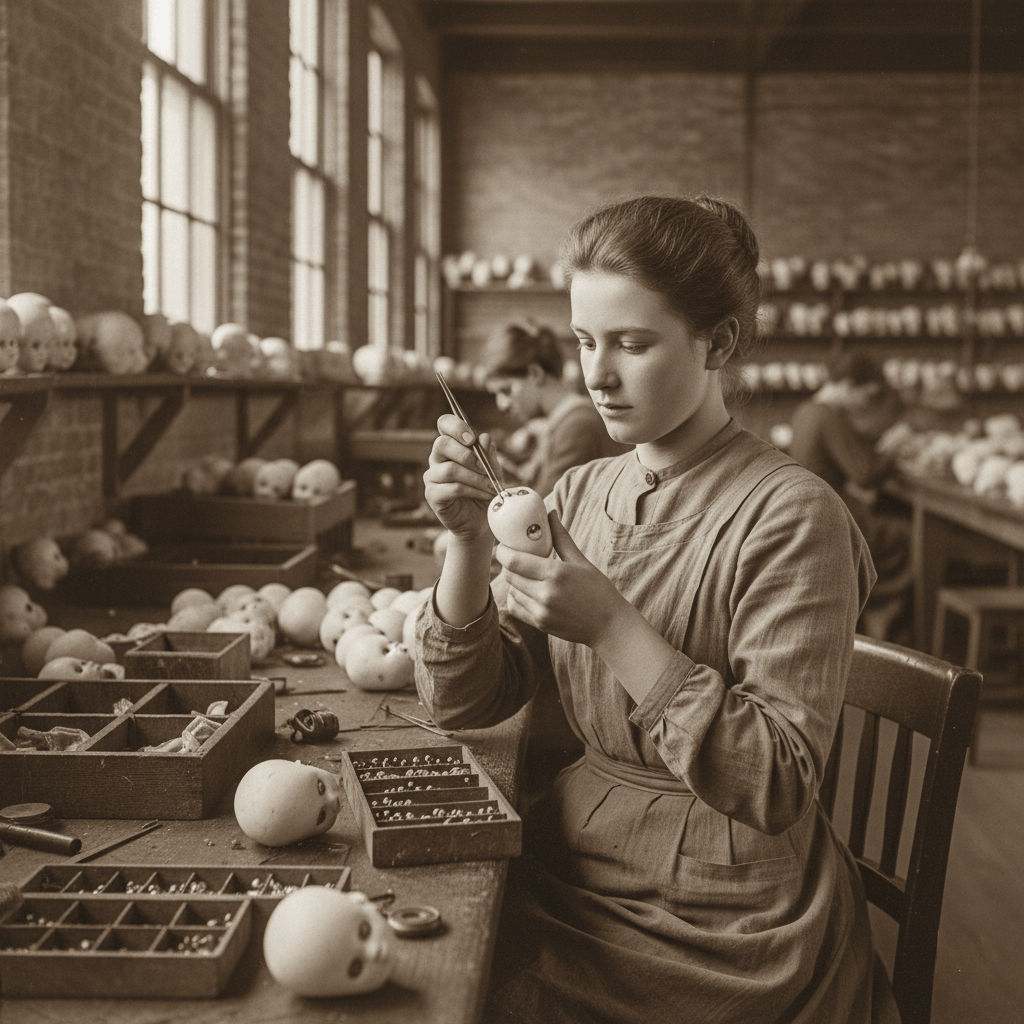
- Past · Victorian EraDoll Eye SetterThe role of a Doll Eye Setter was a specialized craft within the toy-making industry, particularly prominent during the Victorian Era (1837-1901). This occupation involved the meticulous task of inserting glass or plastic eyes into dolls, ensuring that each doll had a lifelike appearance. Doll Eye Setters worked primarily in factories or workshops, where they would receive unassembled dolls from doll makers. The eyes, often made of glass, were crafted in various sizes and colors to match the intended design of the doll. The setter would carefully position the eyes, often using a small tool to secure them in place, ensuring they were aligned perfectly to create an expressive gaze. This attention to detail was crucial, as the eyes were considered the windows to the doll's personality, enhancing its appeal to children and collectors alike.
The job required not only dexterity and precision but also an artistic eye for detail, as the placement of the eyes could significantly affect the doll's overall aesthetic. Doll Eye Setters often worked long hours, sometimes in poorly lit conditions, which could strain their eyesight. The work was repetitive, yet it required a steady hand and a keen sense of proportion to ensure that each doll was visually appealing.
As the demand for dolls surged during the Victorian Era, fueled by the rise of the middle class and the popularity of children's toys, the role of the Doll Eye Setter became increasingly important. However, as the 20th century approached, advancements in manufacturing processes, such as the introduction of mass production techniques and the use of plastic eyes that could be molded directly into the doll's head, rendered the specialized skills of the Doll Eye Setter obsolete. The shift towards automation and the decline of handcrafted toys led to the gradual disappearance of this once-essential occupation.
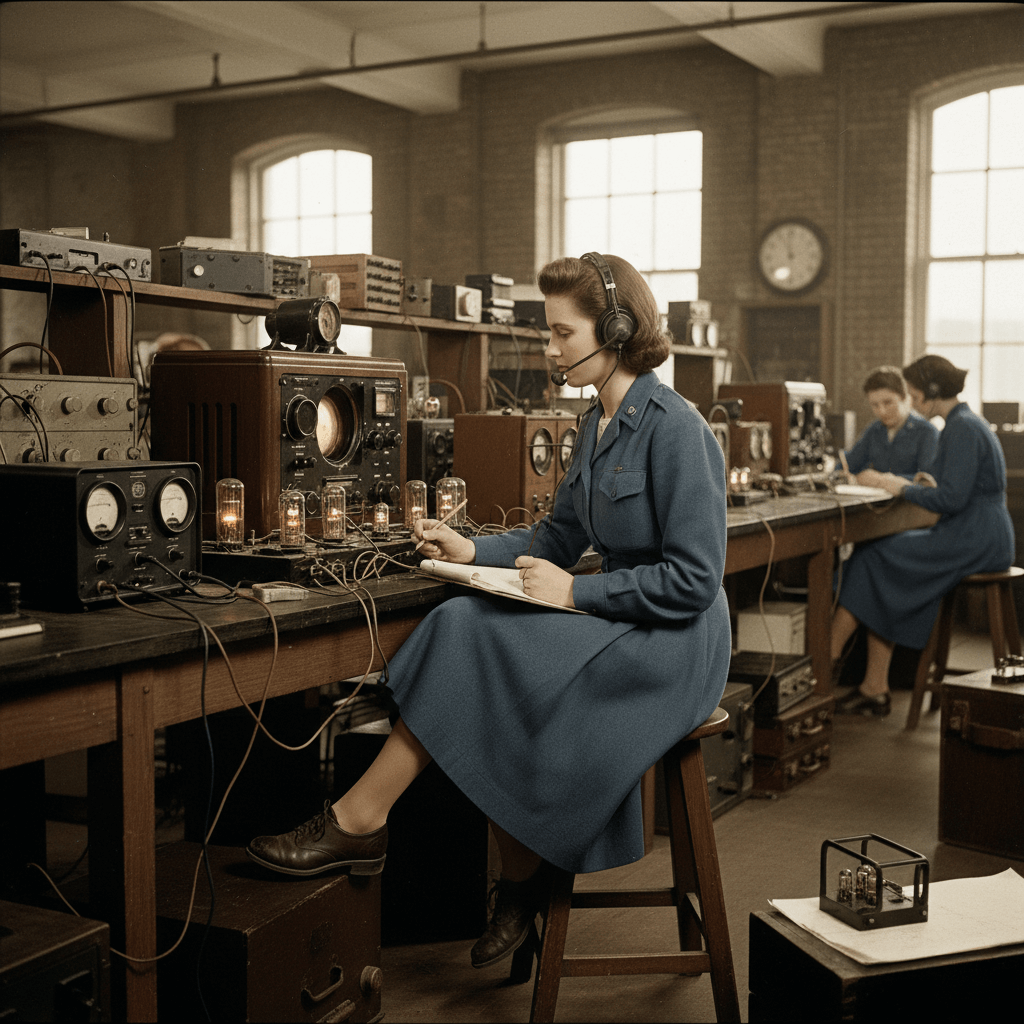 Past · Gilded AgeRadio Test GirlThe role of a Radio Test Girl emerged in the early 20th century, during a time when radio technology was rapidly evolving and becoming a staple of American life. These women were integral to the development and testing of radio equipment, ensuring that devices functioned correctly before they reached consumers. Their work involved a combination of technical skill and keen auditory perception, as they would test the clarity and quality of sound produced by various radio sets. Often employed by radio manufacturers, they would sit in soundproof booths, adjusting dials and listening intently to broadcasts, making notes on sound quality, static interference, and overall performance. The job required not only a good ear for sound but also an understanding of the technical aspects of radio equipment, making them vital contributors to the burgeoning field of telecommunications.
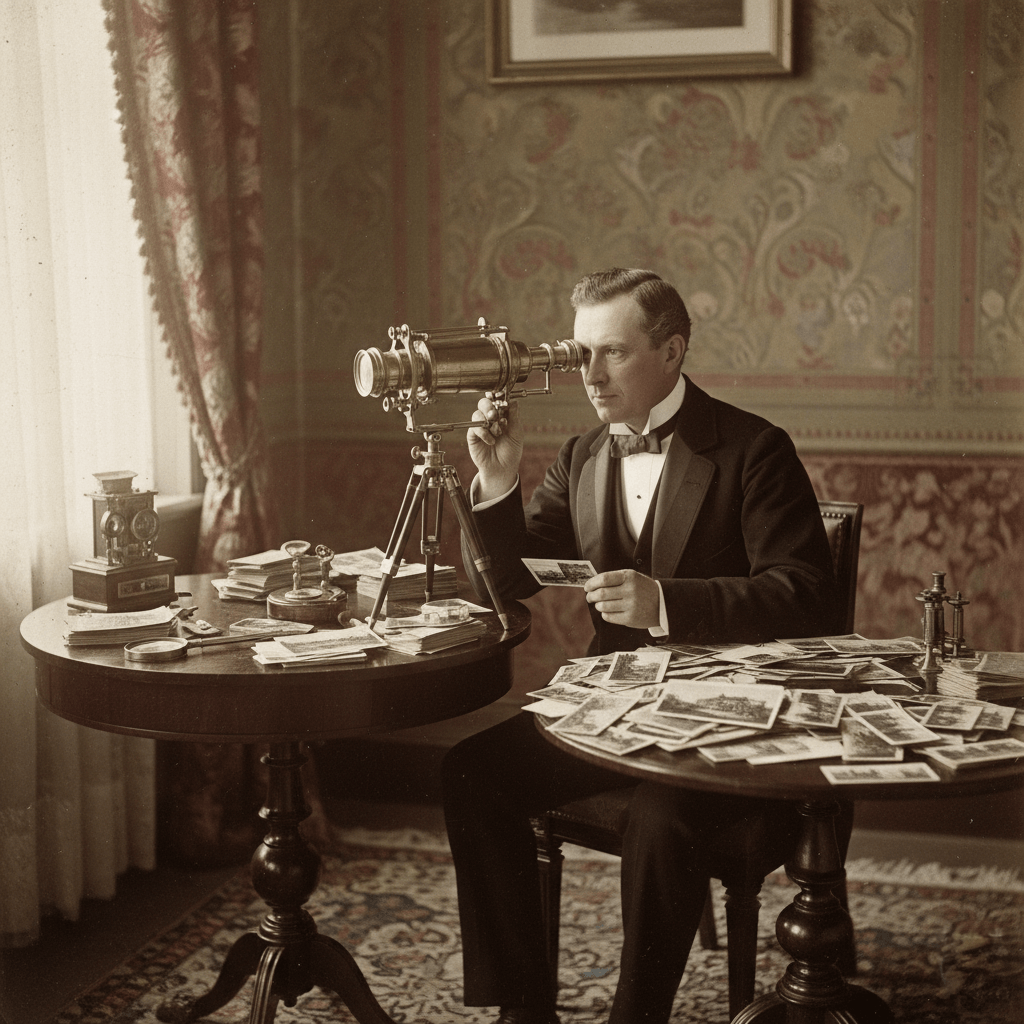 Past · Victorian EraStereoscopistThe role of a stereoscopist emerged in the mid-19th century, coinciding with the rise of the stereoscope, a device that allowed viewers to experience three-dimensional images. Stereoscopists were skilled artisans and technicians who specialized in creating stereoscopic images, which were pairs of photographs taken from slightly different angles to simulate depth perception when viewed through a stereoscope. This job was not only a technical craft but also an artistic endeavor, as stereoscopists had to carefully compose scenes, select appropriate lighting, and ensure that the images conveyed a sense of realism and depth.
Stereoscopists often worked in studios or as part of larger photographic firms, where they would collaborate with photographers and artists. They were responsible for processing the images, mounting them on cards, and sometimes even hand-coloring them to enhance their visual appeal. The popularity of stereoscopic images surged during the Victorian Era, as they provided a novel form of entertainment and education, allowing people to experience distant landscapes, historical events, and even exotic cultures from the comfort of their homes.
As the demand for stereoscopic images grew, so did the need for skilled stereoscopists who could produce high-quality work. They played a crucial role in the dissemination of visual culture, contributing to the development of photography as an art form and a means of communication.
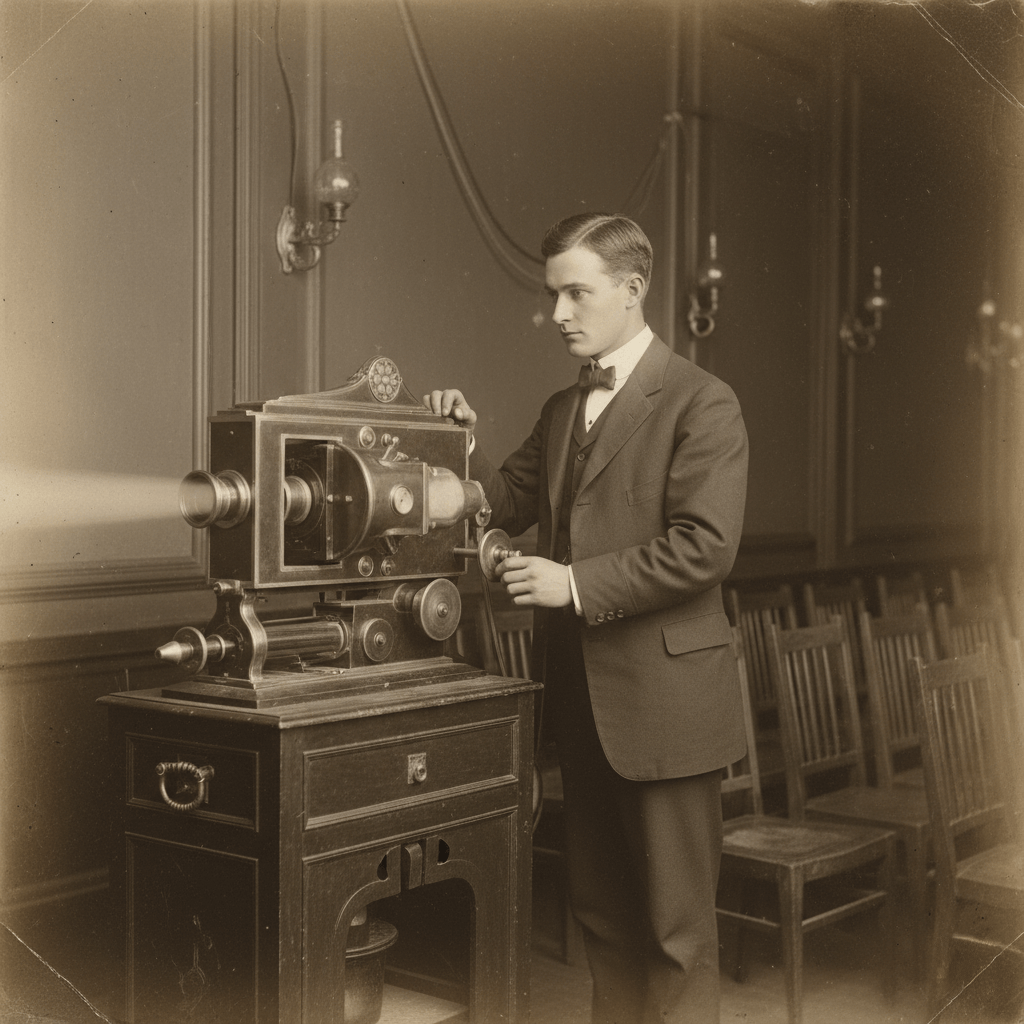 Past · Gilded AgeVitascope OperatorThe Vitascope Operator was a pioneering figure in the early days of cinema, responsible for operating the Vitascope, one of the first commercially successful motion picture projectors. This role emerged in the late 19th century, during a time when the world was captivated by the novelty of moving images. The Vitascope, developed by Thomas Edison and his team, allowed for the projection of short films to audiences in theaters, marking a significant leap in entertainment technology. Operators were tasked with not only running the machine but also ensuring that the film was threaded correctly, maintaining the right speed, and managing the light source to create a clear image on the screen. The job required a blend of technical skill and showmanship, as operators often had to engage with the audience, enhancing the viewing experience with commentary or sound effects. The excitement of the flickering images and the communal experience of watching films in a darkened theater made the role of the Vitascope Operator a vital part of the early film industry.
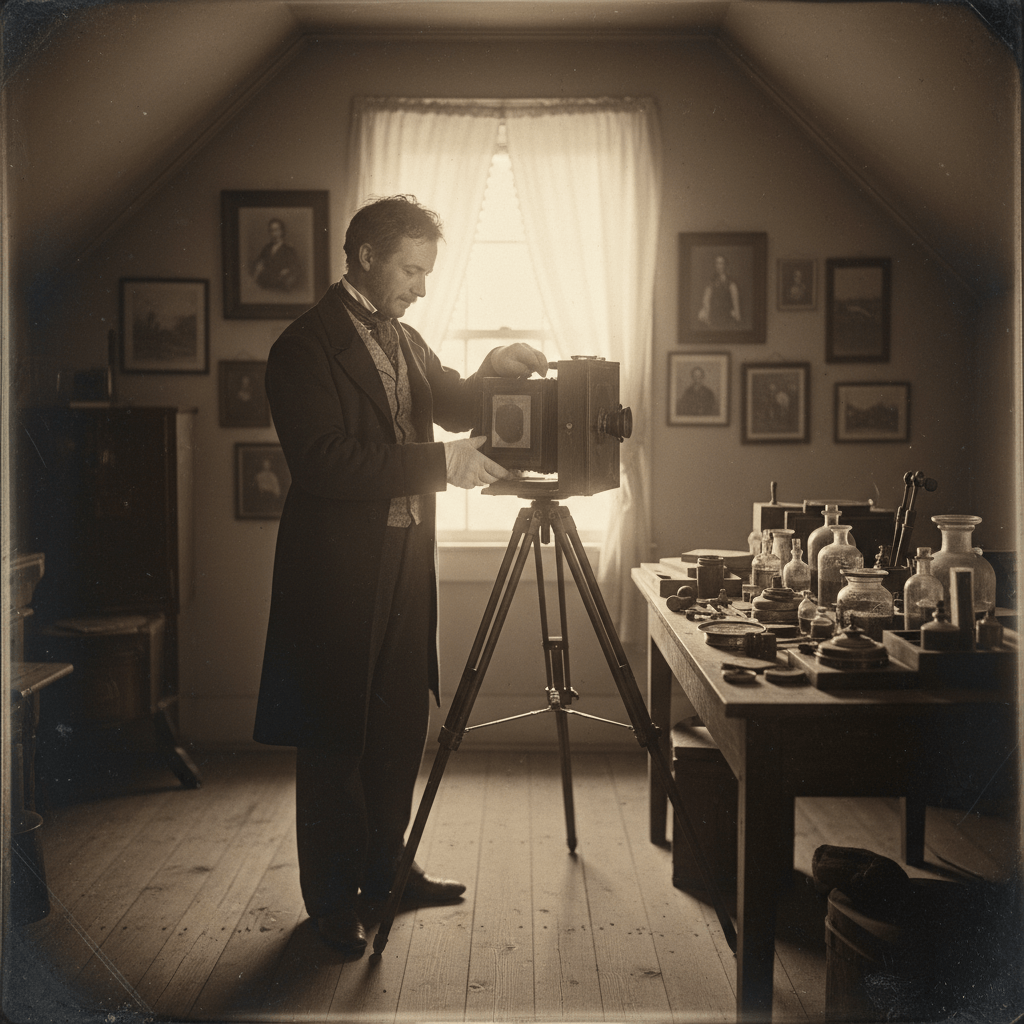 Past · 19th CenturyDaguerreotypistThe daguerreotypist was a pioneering figure in the world of photography, specializing in the creation of daguerreotypes, the first commercially successful form of photography. This intricate process, developed by Louis Daguerre in 1839, involved capturing images on a polished sheet of silver-plated copper. The daguerreotypist's work was not merely technical; it was an art form that required a keen eye for detail and a deep understanding of light and composition. Each daguerreotype was a unique image, characterized by its remarkable clarity and depth, making it a sought-after medium for portraiture and landscapes alike.
The daguerreotypist operated in a small studio, often adorned with velvet drapes and props to enhance the aesthetic of the portraits. The process began with the careful preparation of the metal plate, which was coated with a light-sensitive layer of silver iodide. After exposure in the camera, the plate was developed using mercury vapor, a hazardous but essential step that brought the latent image to life. The final product was then fixed with a salt solution, resulting in a stunning, mirror-like image that could be viewed directly or framed for display.
Daguerreotypists were often entrepreneurs, establishing their own studios and marketing their services to the public. They played a crucial role in documenting society, capturing everything from family portraits to significant historical events, and their work laid the foundation for modern photography.
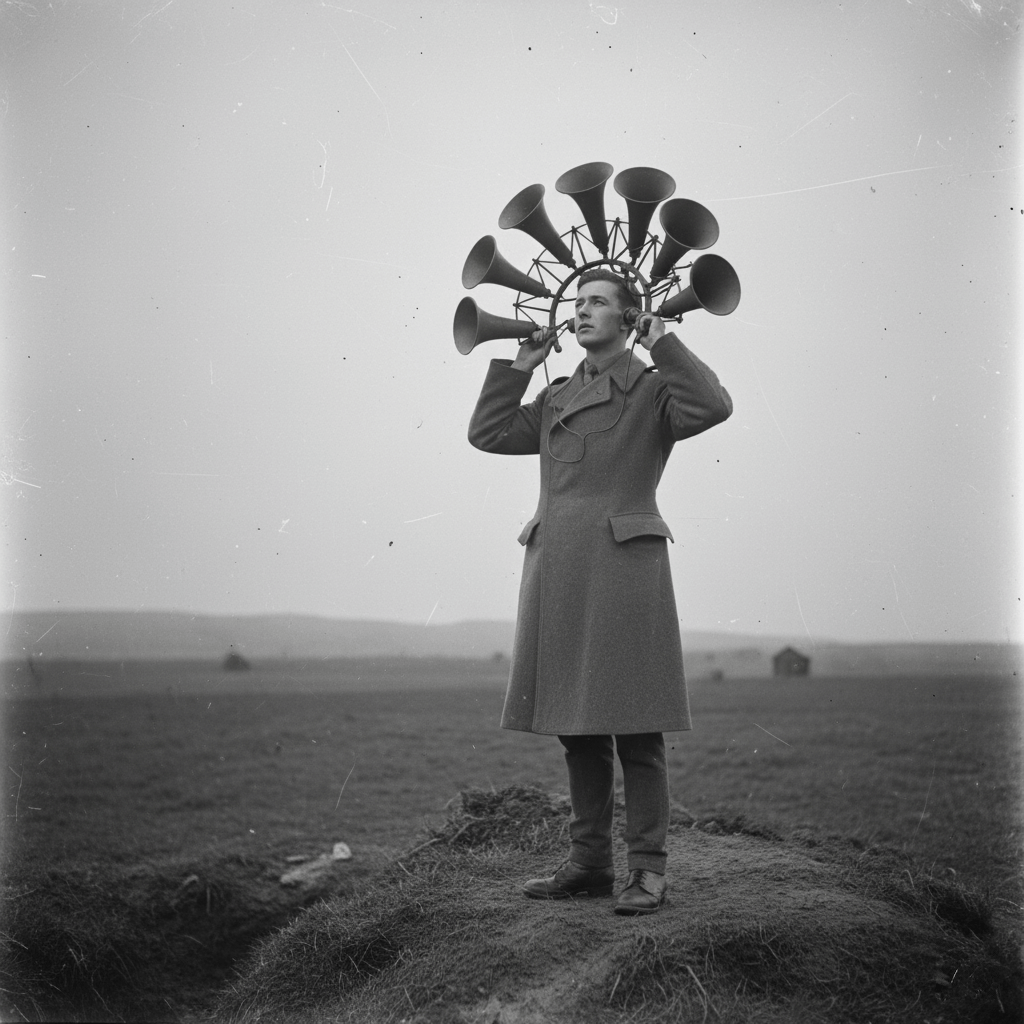 Past · Post-War EraAircraft ListenerThe role of an Aircraft Listener emerged in the mid-20th century, primarily during the Post-War Era, when aviation technology was rapidly advancing and air traffic was increasing significantly. Aircraft Listeners were tasked with monitoring and interpreting the sounds of aircraft engines, particularly in military contexts, where understanding the nuances of engine noise could indicate the type of aircraft, its operational status, and even potential mechanical issues. This job was crucial for military intelligence and air traffic control, as it provided valuable information about aircraft movements and capabilities without the need for visual confirmation.
Listeners would often work in pairs or small teams, stationed at strategic locations such as airbases or observation posts. They utilized their acute hearing to distinguish between different aircraft types, noting variations in sound that could indicate changes in speed, altitude, or engine performance. This auditory skill was honed through extensive training and experience, as the ability to identify aircraft by sound alone was a rare and valuable talent.
The job required not only a keen ear but also a deep understanding of aviation technology and the specific characteristics of various aircraft engines. Listeners would often keep detailed logs of their observations, contributing to intelligence reports and operational assessments. The role was a blend of art and science, requiring both technical knowledge and an intuitive grasp of sound dynamics.
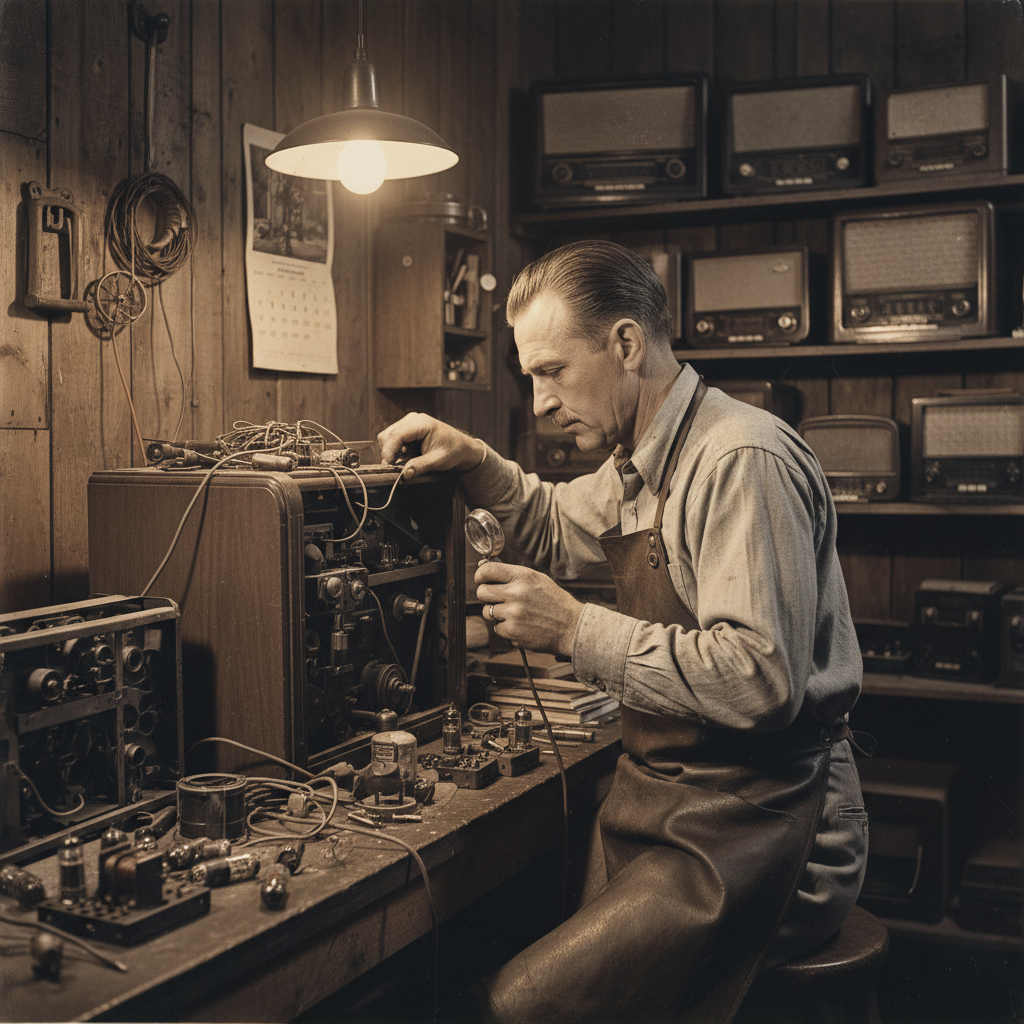 Past · Post-War EraRadio RepairmanThe Radio Repairman was a vital figure in the mid-20th century, particularly in the post-World War II era when radio became a staple of American households. As the popularity of radio surged, so did the need for skilled technicians who could diagnose and fix the myriad of issues that could arise in these complex devices. Radio Repairmen were often found in small shops, bustling with the sounds of static and the hum of electronic equipment, as they worked diligently to restore the voices of news anchors, music, and entertainment to life. Their expertise was not only technical but also deeply rooted in an understanding of the evolving technology of the time, as they navigated the transition from vacuum tubes to transistors, and later to integrated circuits.
In their workshops, Radio Repairmen would often encounter a variety of problems, from broken speakers to faulty wiring. They were adept at using a range of diagnostic tools, including multimeters and oscilloscopes, to troubleshoot issues. The job required a keen eye for detail and a methodical approach to problem-solving, as well as a solid understanding of electrical engineering principles. The Radio Repairman was not just a technician; he was a community figure, often providing advice on the best radio models and helping customers understand the technology that was rapidly changing their lives.
As the 1960s progressed, the landscape of audio technology began to shift dramatically. The advent of television, along with the rise of portable music devices, led to a decline in radio's dominance. Additionally, the increasing complexity of radio technology, coupled with the introduction of disposable consumer electronics, made repairs less common. By the late 1970s, the role of the Radio Repairman began to fade, as many consumers opted to replace rather than repair their devices, marking the end of an era for this once-essential profession.
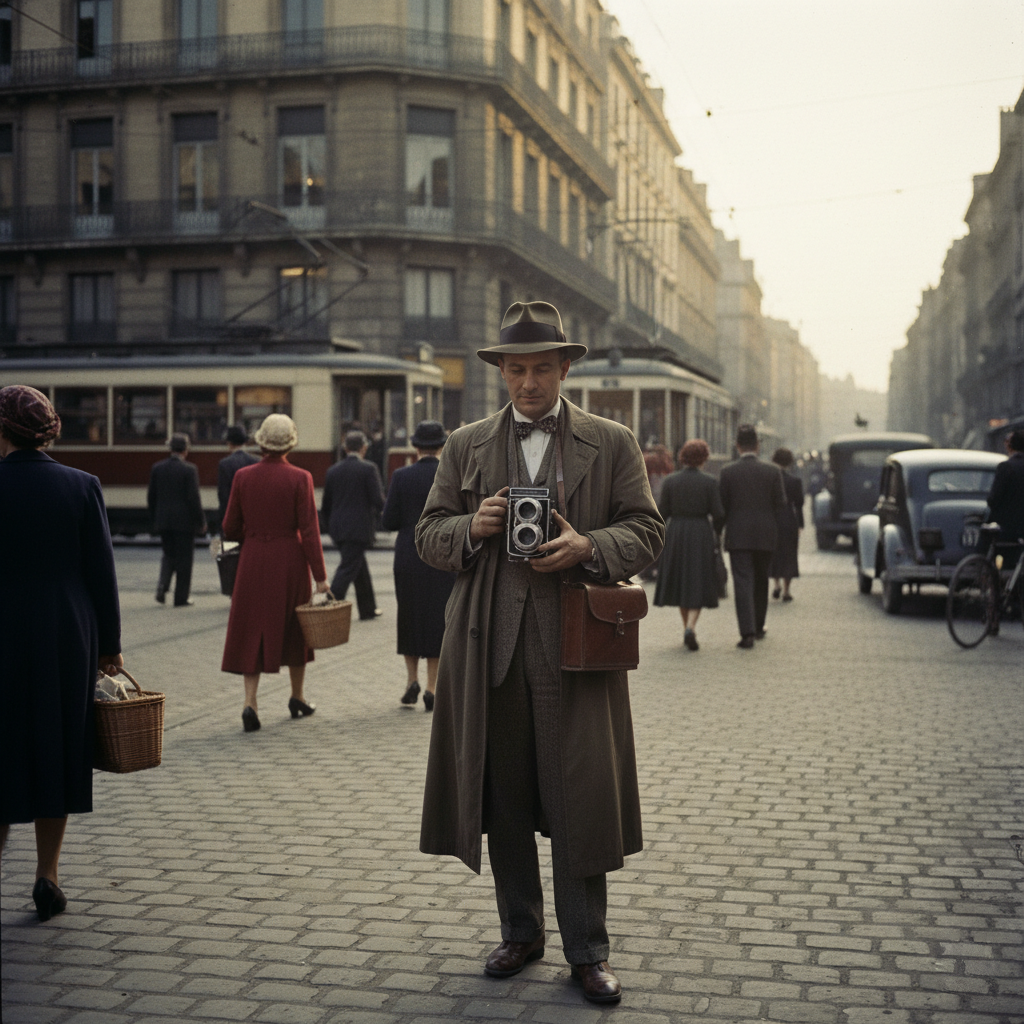 Past · 20th CenturyStreet PhotographerStreet photographers were the visual storytellers of urban life, capturing candid moments and the essence of everyday existence in bustling city streets. Active primarily from the early 1900s to the late 20th century, these artists wielded their cameras to document the vibrancy of public spaces, from crowded markets to serene parks, and everything in between. Their work often reflected the social dynamics, cultural shifts, and historical events of their time, providing a unique lens through which to view the world. Street photography was not merely about taking pictures; it was about seizing fleeting moments that conveyed emotion, narrative, and the human experience.
The street photographer's role was multifaceted, requiring not only technical skill in photography but also an acute awareness of the environment and the ability to connect with strangers. They often worked independently, roaming the streets with their cameras, ready to capture spontaneous interactions and scenes that told a story. Their photographs were frequently published in newspapers, magazines, and art galleries, contributing to the visual culture of the era and influencing future generations of photographers.
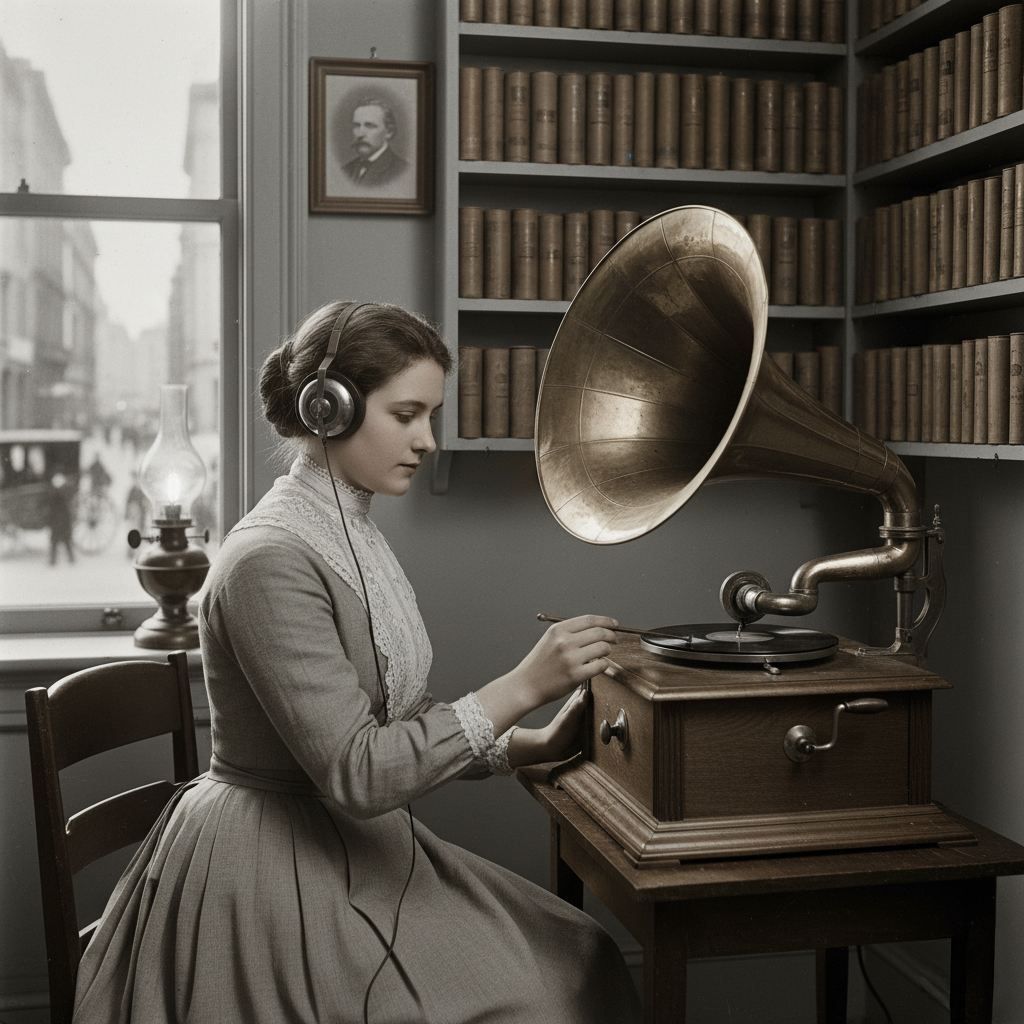 Past · Gilded AgePhonograph OperatorThe phonograph operator was a pivotal figure in the early days of recorded sound, a profession that emerged in the late 19th century with the invention of Thomas Edison’s phonograph in 1877. This role involved the operation of phonographs, which were early devices used to record and reproduce sound. Phonograph operators were responsible for managing the recording process, ensuring that sound was captured accurately onto wax cylinders or discs. They worked in recording studios, often collaborating with musicians, voice actors, and other performers to create audio recordings for entertainment, education, and commercial purposes. The job required a keen ear for sound quality and an understanding of the mechanical workings of the phonograph, as operators had to adjust the device to optimize recording conditions. As the industry evolved, phonograph operators also played a role in the distribution of recorded music, helping to create and manage catalogs of recordings for public consumption.
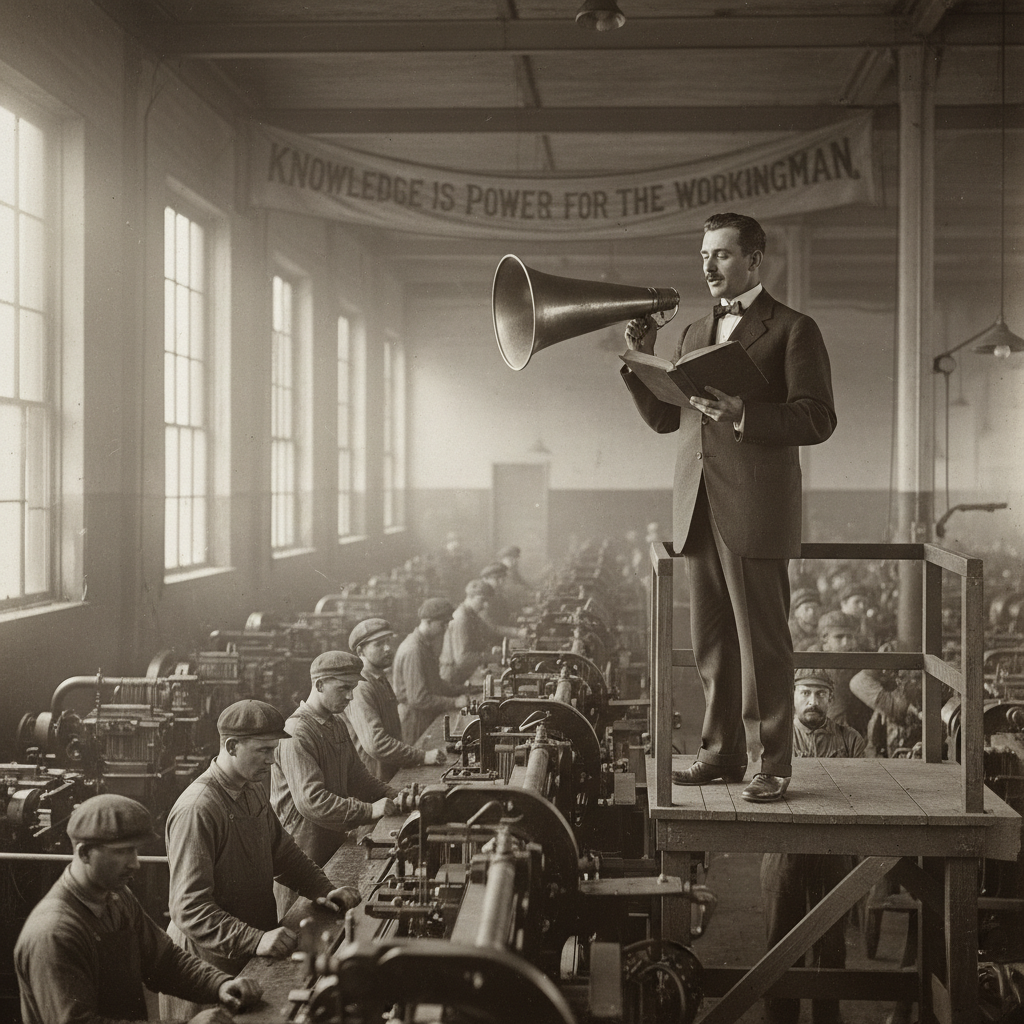 Past · Industrial RevolutionLectorThe lector was a unique and fascinating occupation that emerged during the Industrial Revolution, particularly in the late 19th and early 20th centuries. This role was primarily found in cigar factories, where workers would spend long hours engaged in repetitive tasks. To alleviate the monotony and foster a sense of community, a lector would read aloud to the workers, providing them with entertainment, education, and a connection to the outside world. The readings often included literature, newspapers, and political essays, allowing workers to stay informed and engaged with current events while they toiled away. The lector was not merely a reader; they were a storyteller, a commentator, and sometimes even a social activist, using their platform to inspire and provoke thought among the laborers. This role was vital in creating a shared cultural experience among workers, fostering camaraderie and solidarity in an otherwise isolating environment.
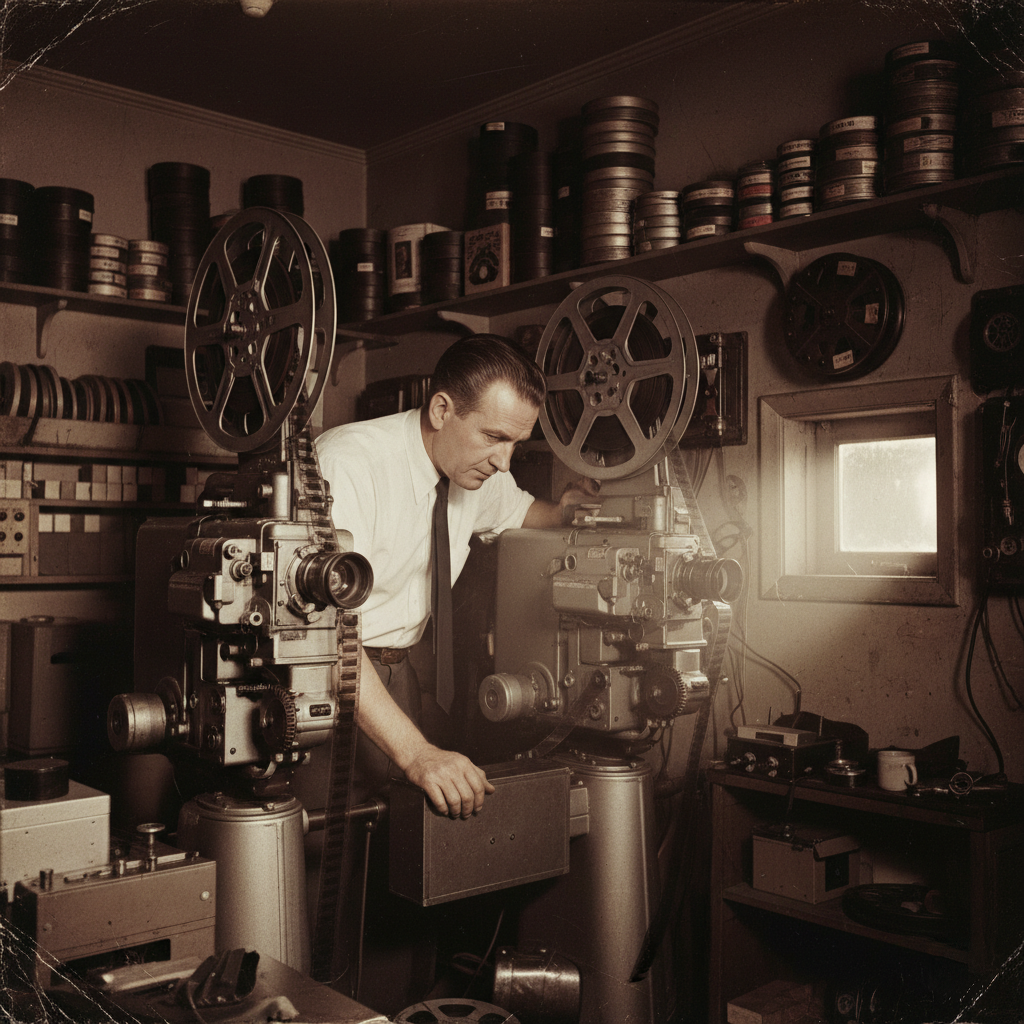 Past · 20th CenturyFilm ProjectionistThe film projectionist was a vital figure in the cinematic experience, responsible for bringing the magic of movies to life on the big screen. This role emerged in the early 20th century, coinciding with the rise of motion pictures as a popular form of entertainment. Projectionists operated complex machinery, ensuring that films were shown correctly and seamlessly to audiences. They were tasked with loading film reels onto projectors, adjusting focus and sound, and managing the intricate mechanics of film projection. The job required a keen eye for detail and a deep understanding of the technology involved, as even a minor error could disrupt the viewing experience. Projectionists often worked in dimly lit theaters, surrounded by the smell of popcorn and the excitement of eager moviegoers. They were the unsung heroes of the cinema, often working late hours and weekends, and were known for their dedication to the craft of film presentation.
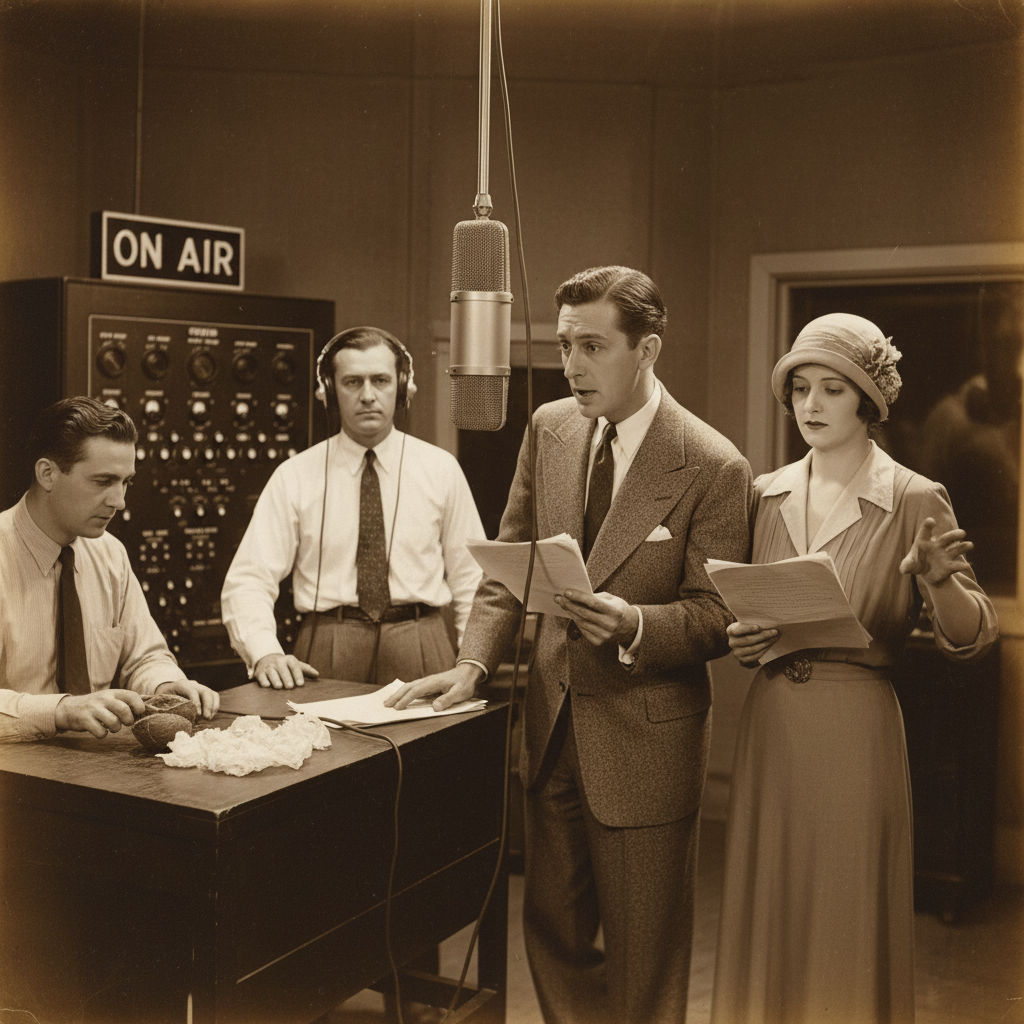 Past · Golden Age of Radio (1920s - 1950s)Radio ActorThe role of a radio actor was pivotal during the Golden Age of Radio, a time when families gathered around their radios to listen to serialized dramas, comedies, and news broadcasts. Radio actors were the voices behind beloved characters, bringing stories to life through their vocal talents alone. Unlike film or television, where visual elements play a significant role, radio actors relied solely on their voices to convey emotion, character, and narrative. They performed live or recorded scripts, often in front of a studio audience, and were skilled in various genres, from soap operas to thrillers. The ability to modulate their voices, create distinct characterizations, and engage listeners through sound alone was essential to their craft. Radio actors often worked with sound effects artists and musicians to enhance the auditory experience, creating a rich tapestry of sound that captivated audiences.
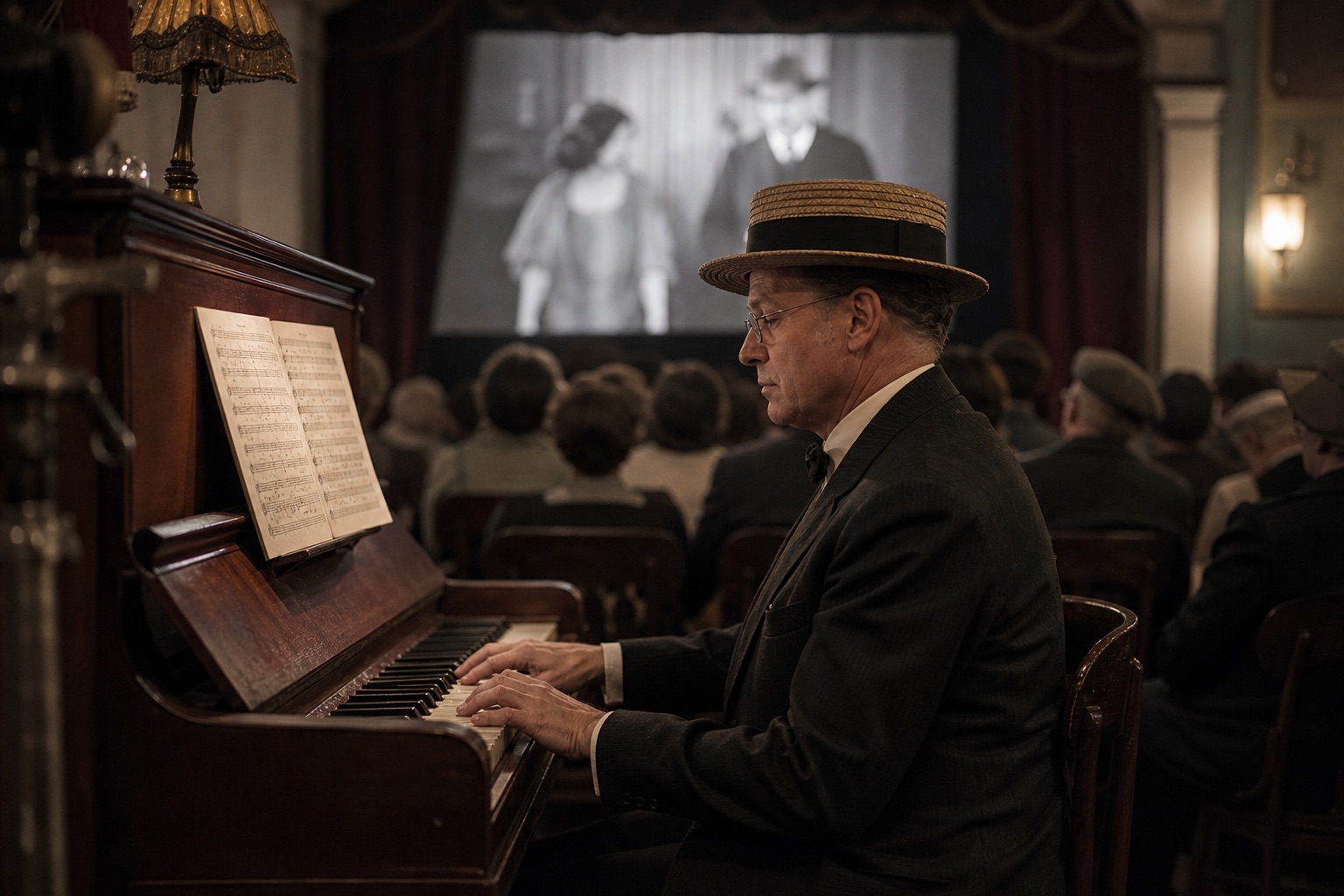 Past · Early Twentieth CenturyPhotoplayerA photoplayer was the pianist or organist who supplied the sound of a silent picture inside the cinema. In a small house that meant an upright piano below the screen, played by someone who watched the reel and changed mood when the scene changed. In a picture palace it meant a theater organ, with stops and traps that could drive a chase or quiet a farewell. Cue sheets traveled with some films; other players improvised from the image in front of them. The audience heard the story through that person, not through a track printed on the film.
The work sits in the early twentieth century and closes in a short overlap with sound. A talking picture in 1927 did not darken every pit in a week, but by 1929 houses wired for talkies had made a live score an extra rather than the picture itself. Neighborhood pianists and famous console players lost the same job even when their next engagements differed. This exhibit is the musician of the silent show, not a later score written in a studio.
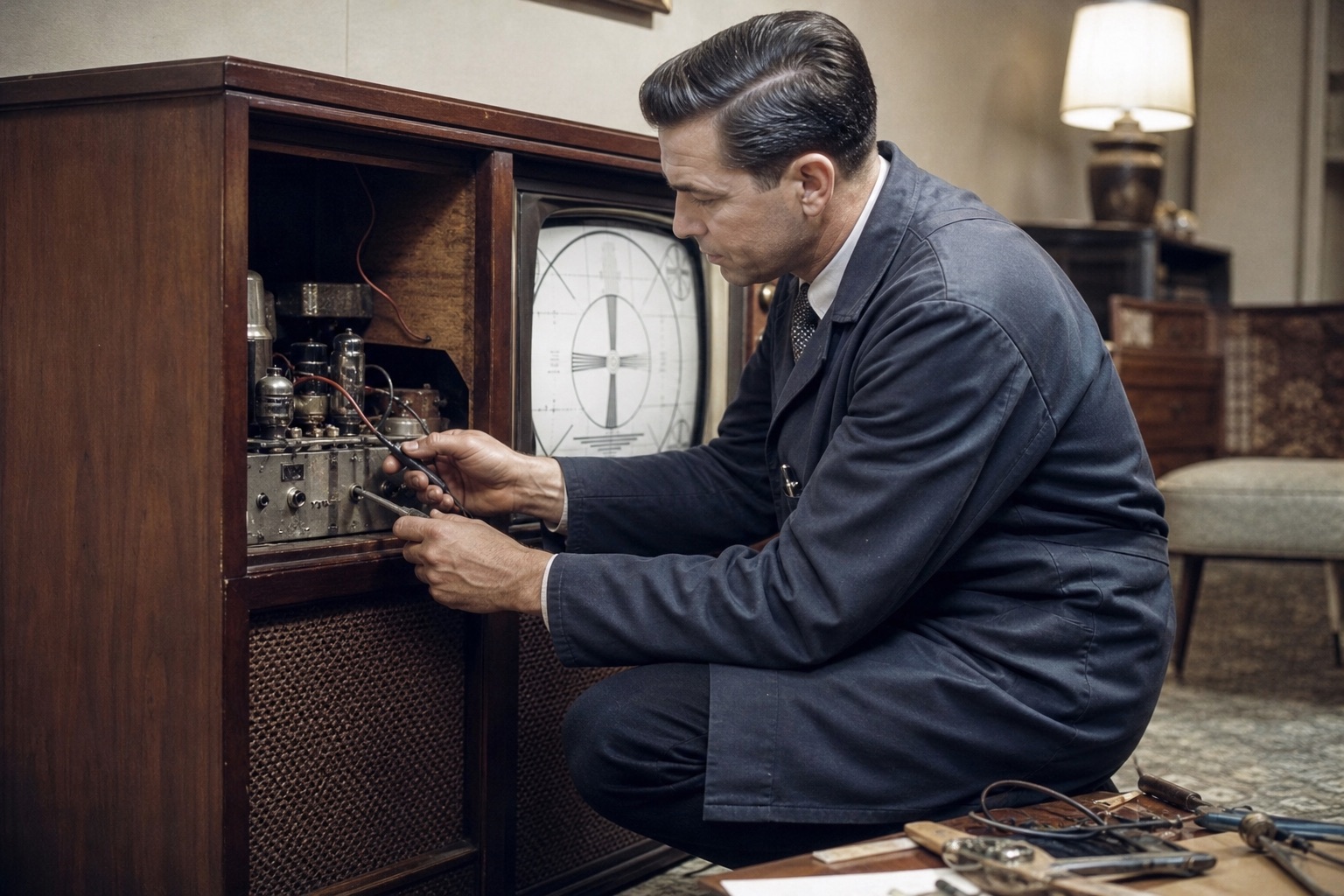 Past · Mid Twentieth CenturyTelevision RepairmanA television repairman made house calls on vacuum-tube sets in the years when a receiver was expensive enough to mend. He arrived with a caddy of common tubes, pulled the back, and tested the likely suspects, sometimes after the owner had already tried a drugstore tube checker and failed. Schematics, the Photofact kind above all, told him the chassis. If the fault was not a tube, the set might go to the shop. If it was, he replaced it in the living room and adjusted the picture before he left.
The exhibit is that mid-century visit, not every later person who swaps a board. Solid-state chassis, modular construction, and sets cheap enough to replace rather than repair ended the call. High voltage at the picture tube was a real property of the work and is named here calmly. The man with the caddy is the subject, and the glowing set is the thing he was hired to keep in the house each evening.
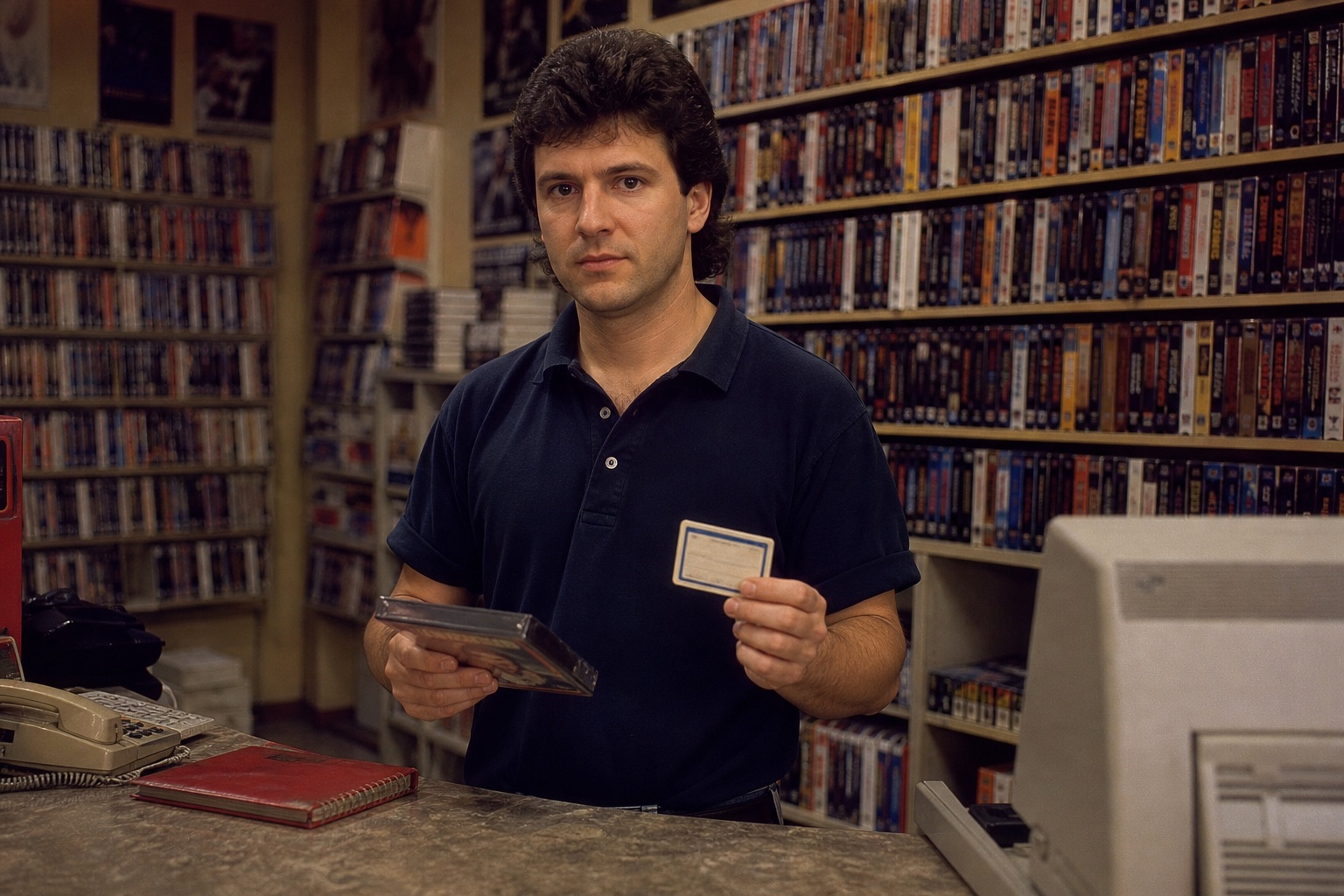 Past · Late Twentieth CenturyVideo Rental ClerkA video rental clerk stood the counter of a shop that rented movies, first on VHS and then on DVD, in independent stores and in chains such as Blockbuster. A membership card had to be on the account before a tape or a disc left the shop. The new-release wall, close to the door and priced for a short rental, held the titles people had come for; older stock filled the cheaper aisles behind it. Late fees, a charge for each day past the due date, were the argument at the register and the store's money, not the clerk's. On VHS the counter also cared whether the cassette had been rewound.
The trade runs from the late 1980s through the 2000s. DVD-by-mail and then streaming emptied the wall and ended the counter. Independents often kept the actual tape behind the desk and put an empty box on the shelf; chains later put the live case on the floor in a lock. Either way the clerk's work was the card, the due date, and the case. This exhibit stays inside that shop.
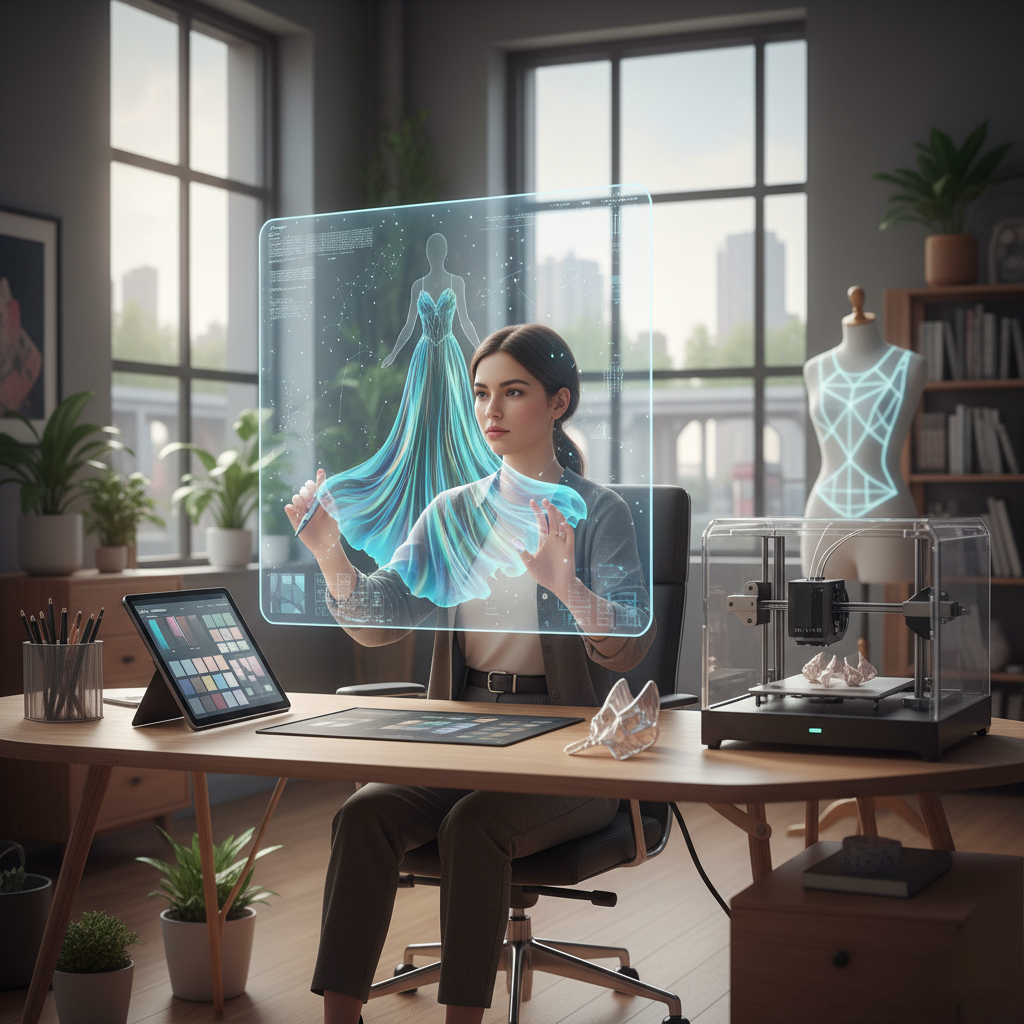 Projected · Virtual AgeVirtual Fashion DesignerIn the not-so-distant future, the role of the Virtual Fashion Designer emerges as a pivotal force in the fashion industry, blending creativity with cutting-edge technology. As the world becomes increasingly digitized, the demand for virtual clothing—garments designed for avatars in virtual environments, augmented reality, and social media platforms—grows exponentially. Virtual Fashion Designers harness advanced software, artificial intelligence, and 3D modeling tools to create stunning, immersive clothing experiences that transcend the limitations of physical fabrics. They work closely with brands, influencers, and consumers to craft unique digital wardrobes that reflect personal style and identity in the virtual realm. This role not only redefines fashion aesthetics but also challenges traditional notions of sustainability, as virtual garments eliminate the environmental impact associated with physical production.
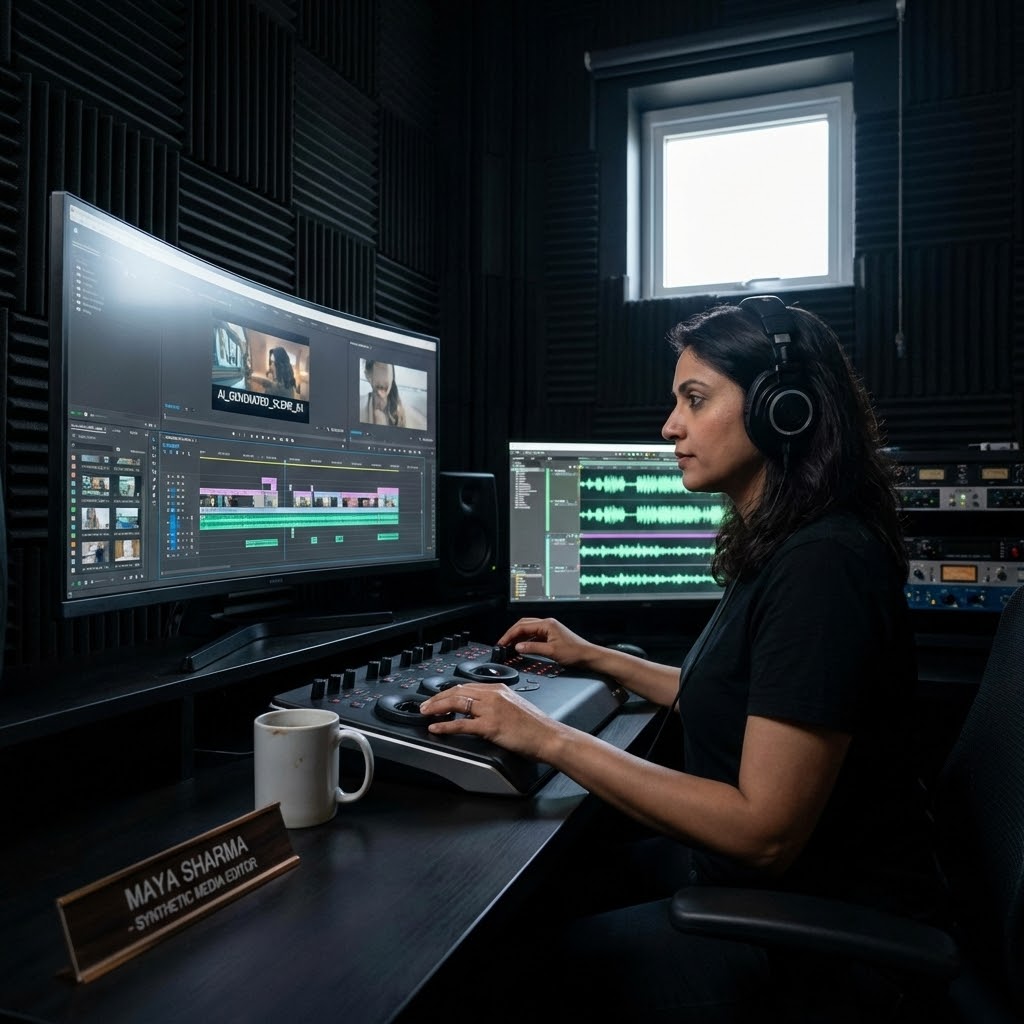 Projected · AI RevolutionSynthetic Media EditorIn the not-so-distant future, the role of a Synthetic Media Editor emerges as a pivotal profession in the landscape of digital content creation. As artificial intelligence continues to evolve, the ability to generate hyper-realistic media—ranging from video and audio to text—becomes commonplace. Synthetic Media Editors are the creative minds who harness these advanced technologies to produce compelling narratives, advertisements, and entertainment that resonate with audiences on a profound level. They blend human creativity with AI capabilities, ensuring that the final product is not only engaging but also ethically sound and culturally relevant. This role is crucial in a world where the line between reality and synthetic creation blurs, requiring a keen understanding of both technology and human emotion.
 Projected · AI RevolutionDigital Reputation ManagerIn an age where our digital footprints are as significant as our physical ones, the role of a Digital Reputation Manager emerges as a vital profession. This job entails the strategic oversight and enhancement of an individual's or organization's online presence, ensuring that their digital reputation aligns with their personal or corporate values. As social media platforms, review sites, and search engines become the primary sources of information for consumers and employers alike, the Digital Reputation Manager acts as a guardian of one's online identity. They utilize advanced AI tools to monitor, analyze, and respond to online content, shaping narratives and mitigating negative perceptions. This role is not just about damage control; it involves proactive reputation building through content creation, engagement strategies, and community management, all while navigating the complexities of privacy and ethical considerations in the digital landscape.
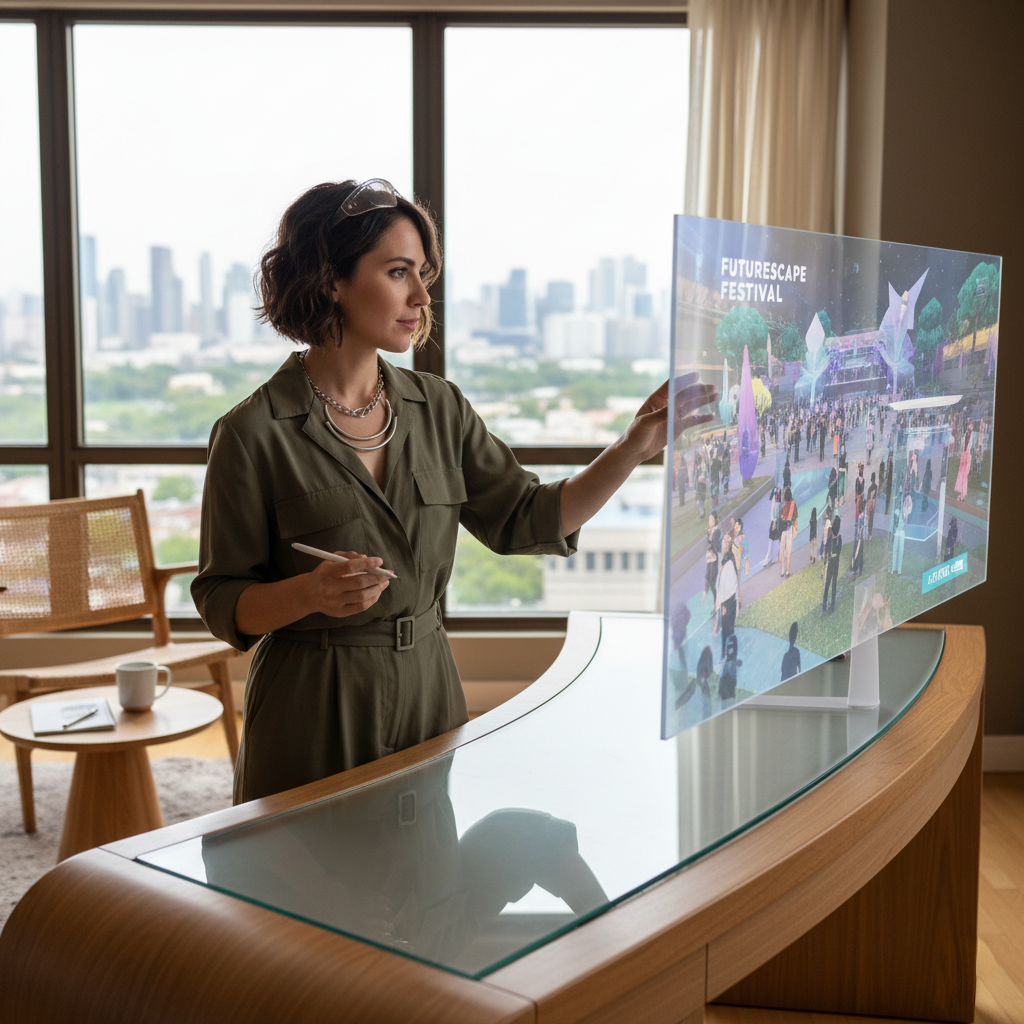 Projected · Virtual AgeMetaverse Event PlannerAs we step into the Virtual Age, the Metaverse Event Planner emerges as a pivotal role in the realm of digital experiences. This innovative profession combines creativity, technology, and social engagement to curate immersive events within virtual environments. With the rise of the metaverse—a collective virtual shared space created by the convergence of virtually enhanced physical reality and physically persistent virtual reality—event planners are tasked with designing experiences that transcend traditional boundaries. From corporate conferences to social gatherings, the Metaverse Event Planner orchestrates every detail, ensuring that participants feel a sense of presence and connection, regardless of their physical location. They leverage advanced technologies such as augmented reality (AR), virtual reality (VR), and artificial intelligence (AI) to create engaging, interactive experiences that captivate audiences and foster community.
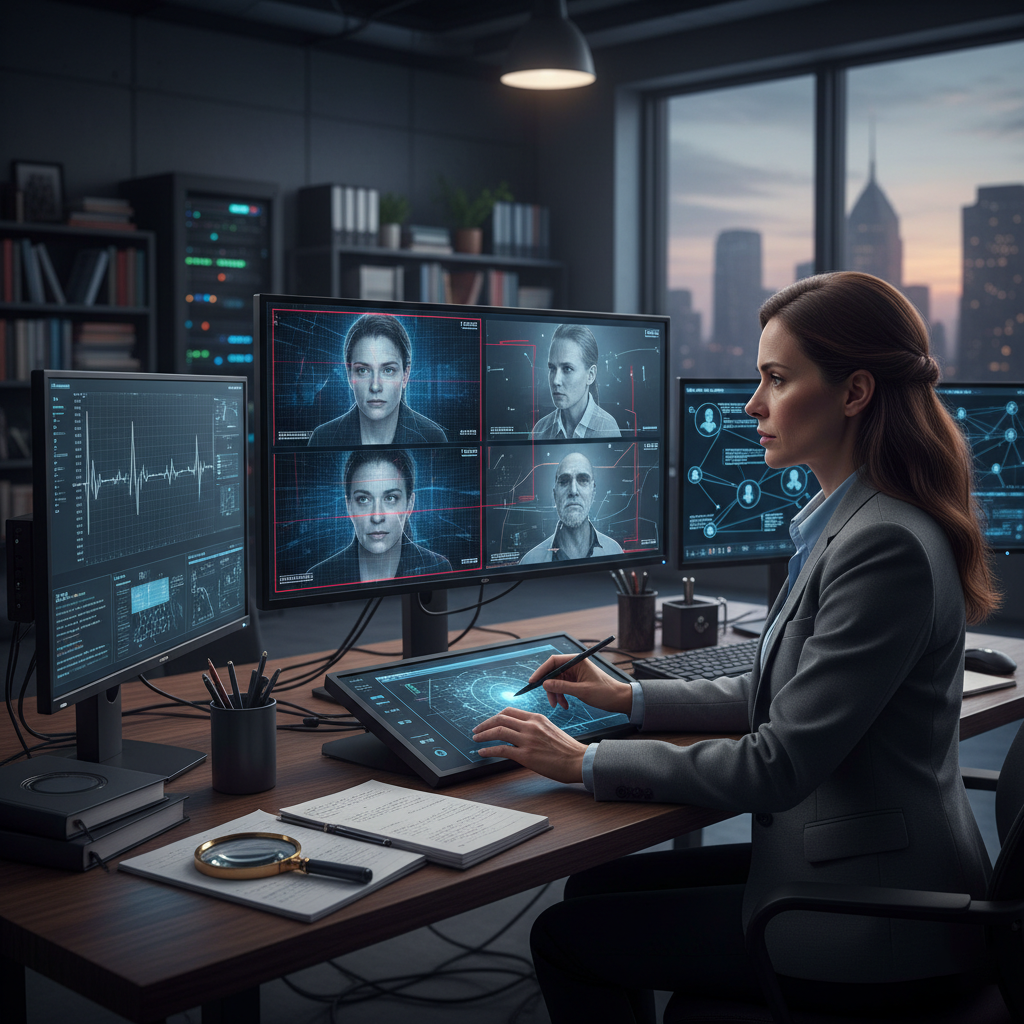 Projected · AI RevolutionDeepfake InvestigatorIn an era where artificial intelligence has advanced to the point of creating hyper-realistic digital forgeries, the role of the Deepfake Investigator emerges as a crucial guardian of truth. These specialists are tasked with identifying, analyzing, and mitigating the impact of deepfake technology, which can manipulate video and audio content to create convincing yet false narratives. As misinformation proliferates, the Deepfake Investigator stands at the forefront of digital forensics, employing cutting-edge tools and techniques to discern reality from fabrication. Their work is not only technical but also deeply intertwined with the ethical implications of trust, privacy, and the very nature of truth in the digital age.
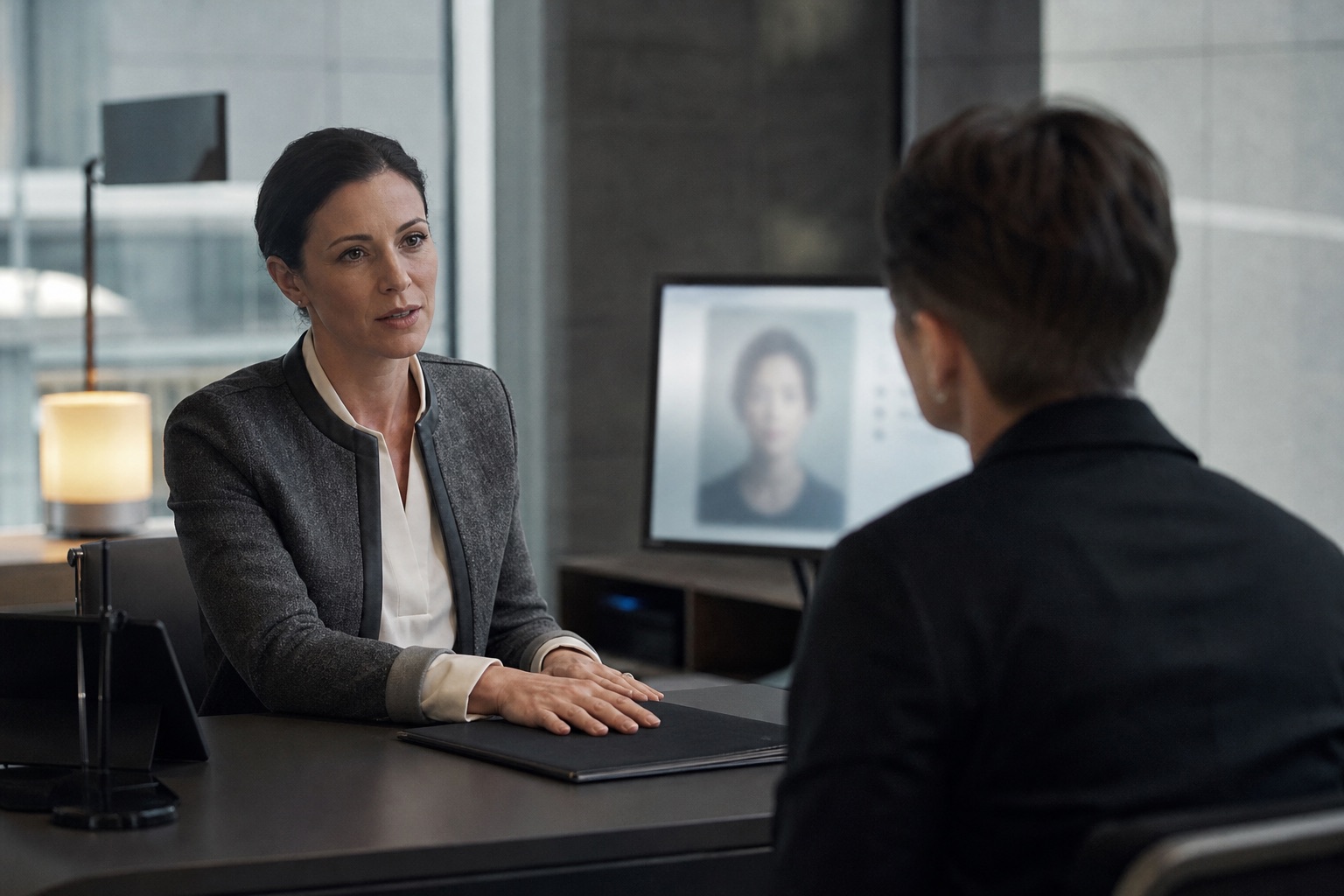 Projected · AI RevolutionDigital Likeness AgentThe digital-likeness agent licenses a living or dead person's face, voice, and manner for synthetic media. The work is permission, scope, money, and the right to take the permission back. A performer or an estate may want the license and the fee. A day player, a voice worker, or someone on an ordinary shift may have been scanned as a condition of being hired, and may never have agreed to be reproduced. Those files are different, and mixing them is a harm done with paperwork.
The law is a patchwork. Some jurisdictions recognize a right of publicity after death, and some do not. Performers' contracts after the 2023 strike put digital replicas in writing, and statutes such as Tennessee's ELVIS Act treat voice and likeness as interests that can be taken. None of that replaces a plain agreement about term, use, and revocation. The agent keeps the ledger of what was allowed, what was actually made, and what the person or the estate has since withdrawn.
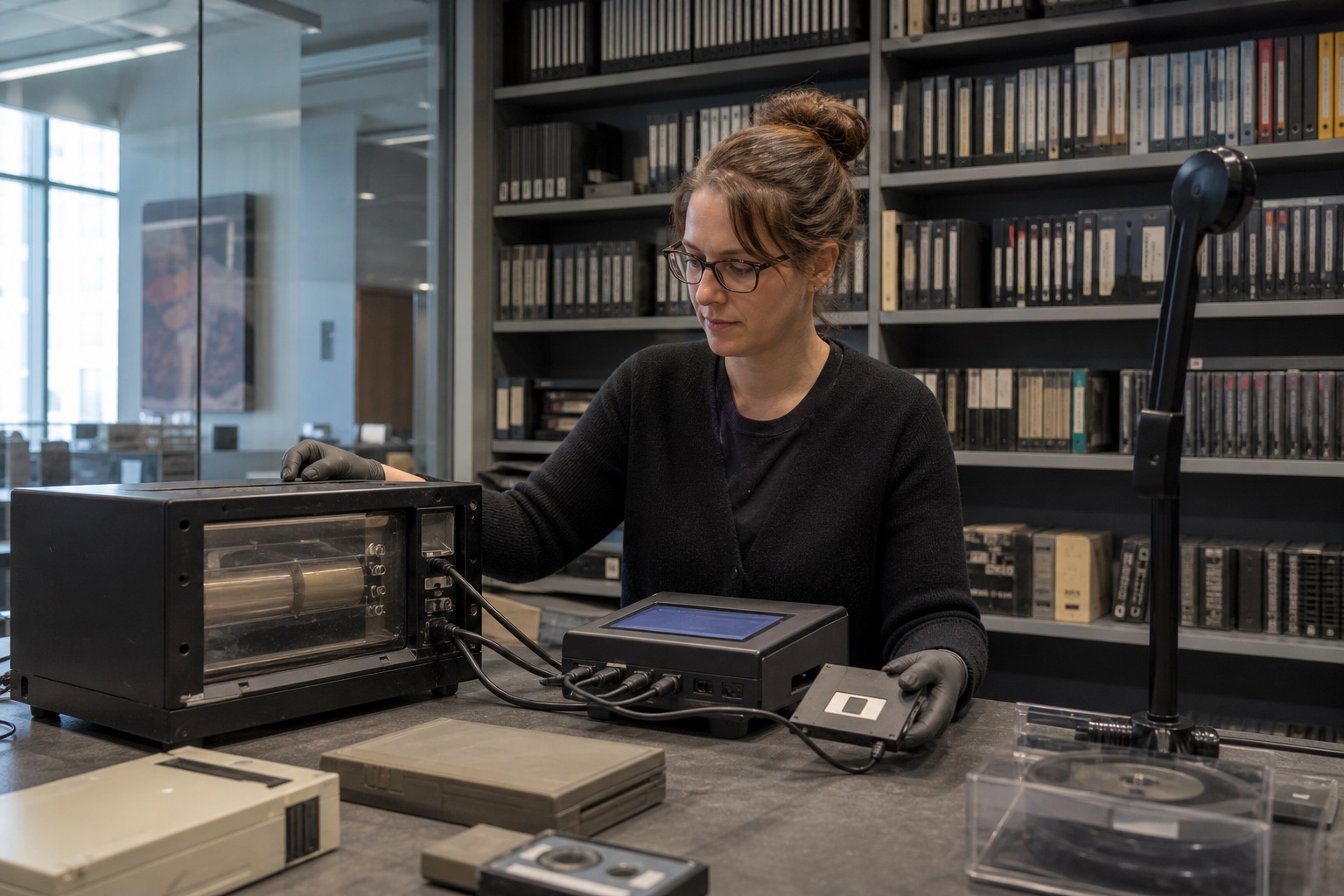 Projected · Automation AgeFormat Restoration LibrarianThe format-restoration librarian keeps obsolete digital and analog formats readable, and keeps the catalog honest about the degree of that readability. The shelf runs through tapes, disks, and codecs that current software will not open: U-matic, Betacam, DAT, floppies, Zip disks, and files wrapped in methods a vendor walked away from. Some carriers can still be played. Some can only be imaged as magnetic flux. Some are partly gone, and the record is supposed to say which part, in words a later reader can find.
A model that paints in the missing frames has made a new work. The librarian will not catalog that work as the original, however smoothly it plays. Migration, emulation, and guesswork are different acts, and the finding aid has to name the one that happened. Archives learned this with paper that had been improved by a helpful restorer. The same discipline now applies to a file that looks complete because a program was willing to invent the rest.