
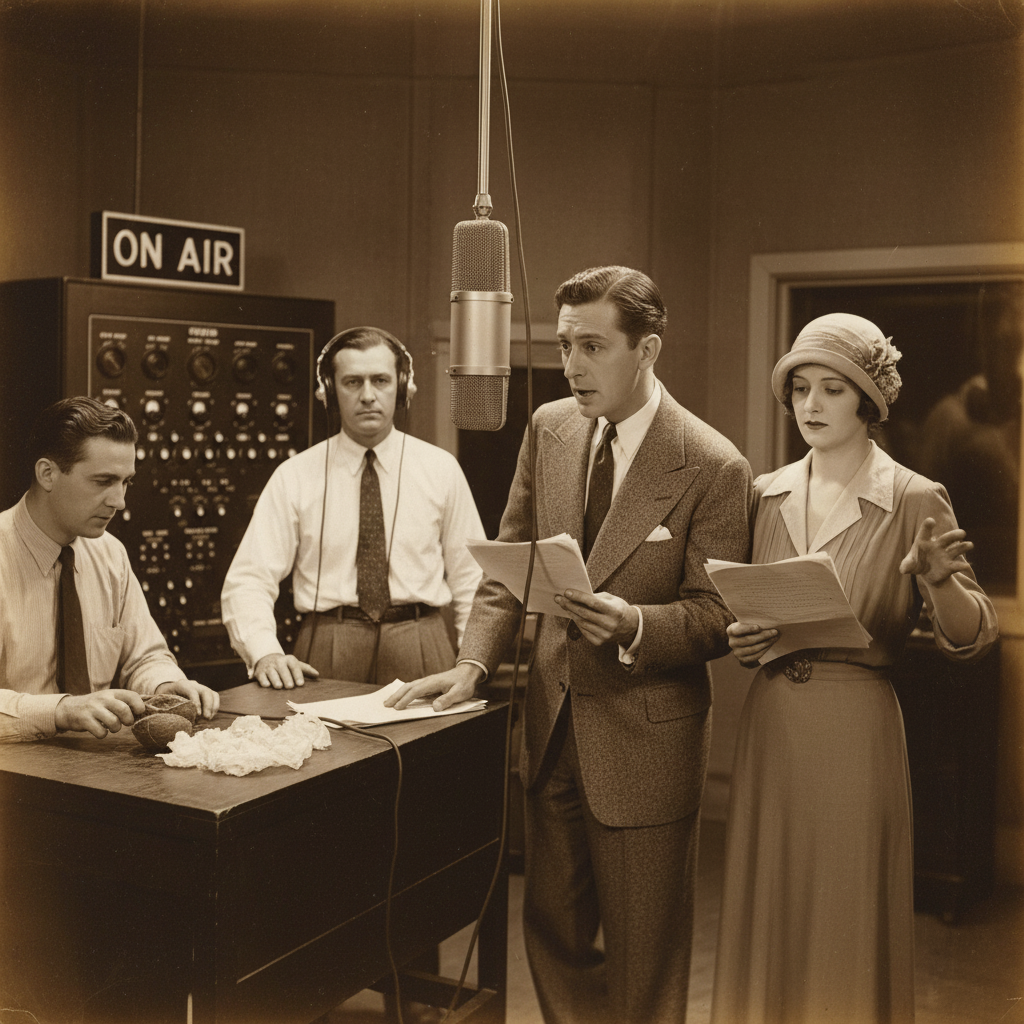
Golden Age of Radio (1920s - 1950s)
Radio Actor
An extinct profession from Golden Age of Radio (1920s - 1950s) that became obsolete due to technological advancement and societal change.
Media Gallery
Related Exhibits
Lector
The lector was a unique and fascinating occupation that emerged during the Industrial Revolution, particularly in the late 19th and early 20th centuries. This role was primarily found in cigar factories, where workers would spend long hours engaged in repetitive tasks. To alleviate the monotony and foster a sense of community, a lector would read aloud to the workers, providing them with entertainment, education, and a connection to the outside world. The readings often included literature, newspapers, and political essays, allowing workers to stay informed and engaged with current events while they toiled away. The lector was not merely a reader; they were a storyteller, a commentator, and sometimes even a social activist, using their platform to inspire and provoke thought among the laborers. This role was vital in creating a shared cultural experience among workers, fostering camaraderie and solidarity in an otherwise isolating environment.
Powder Room Attendant
The role of a Powder Room Attendant was a vital yet often overlooked position in the social fabric of the Victorian Era, particularly in the late 19th century. These attendants were responsible for maintaining the elegance and functionality of the powder rooms in theaters, opera houses, and high-end social venues. Their duties included ensuring that the facilities were clean, stocked with necessary items, and that patrons had a pleasant experience while attending to their personal grooming needs. The powder room was a sanctuary for women, a place where they could refresh their appearance, apply makeup, and socialize in a more private setting. Attendants would often assist patrons with their needs, offering services such as providing powder, perfume, and other beauty essentials, as well as helping with clothing adjustments and offering a listening ear to the social exchanges that took place within these intimate spaces.
Explore More Exhibits
Discover the full collection of past and future professions in The Jobs Museum.