
Virtual Age
Metaverse Event Planner
A speculative career prediction for Virtual Age based on technological trends and societal evolution.
Media Gallery
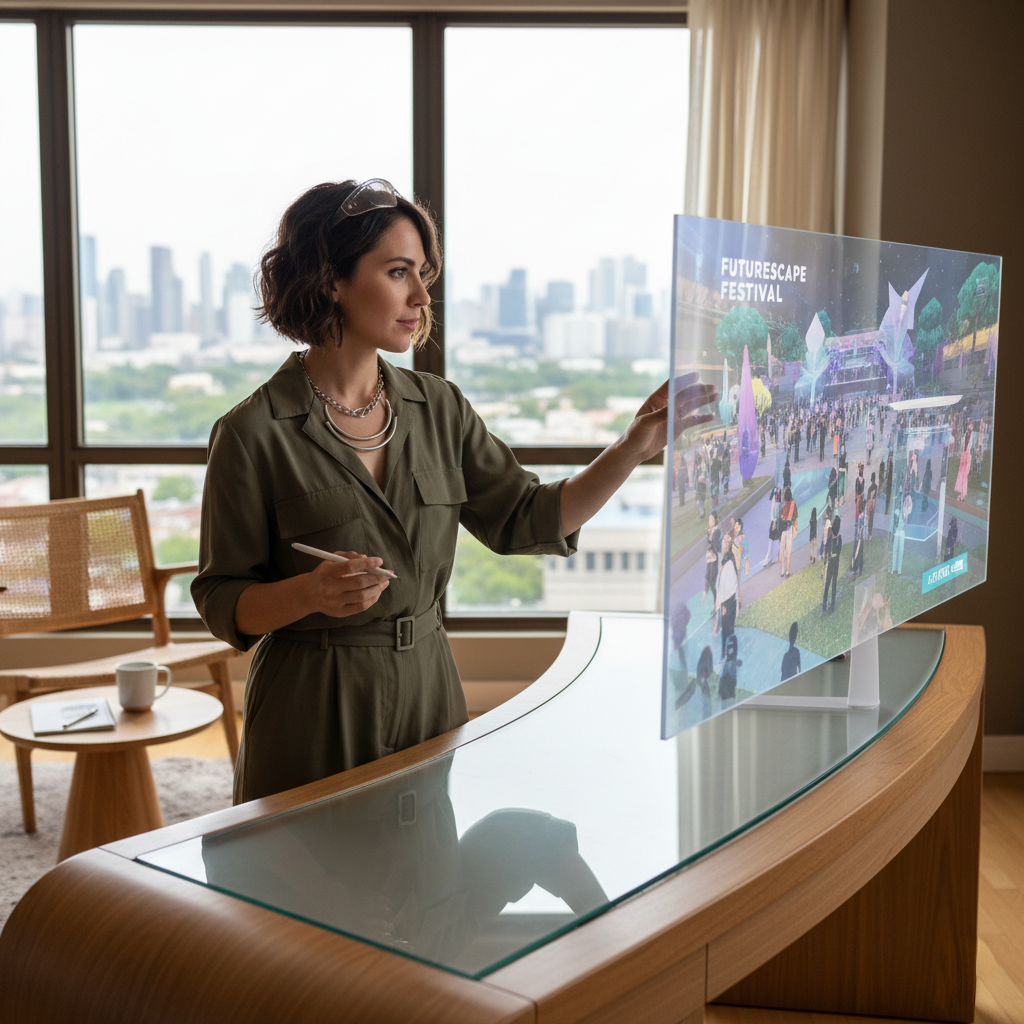
About the Metaverse Event Planner career
As we step into the Virtual Age, the Metaverse Event Planner emerges as a pivotal role in the realm of digital experiences. This innovative profession combines creativity, technology, and social engagement to curate immersive events within virtual environments. With the rise of the metaverse—a collective virtual shared space created by the convergence of virtually enhanced physical reality and physically persistent virtual reality—event planners are tasked with designing experiences that transcend traditional boundaries. From corporate conferences to social gatherings, the Metaverse Event Planner orchestrates every detail, ensuring that participants feel a sense of presence and connection, regardless of their physical location. They leverage advanced technologies such as augmented reality (AR), virtual reality (VR), and artificial intelligence (AI) to create engaging, interactive experiences that captivate audiences and foster community.
Day in the Life of a Metaverse Event Planner
Morning: Creative Brainstorming and Client Meetings
The day begins with a virtual coffee meeting with a client, where the Metaverse Event Planner discusses the vision for an upcoming product launch. Using immersive VR tools, they explore potential venue designs, showcasing different themes and layouts. After the meeting, the planner spends time brainstorming creative concepts, sketching out ideas for interactive elements, and considering how to incorporate gamification to enhance attendee engagement.
Midday: Collaborating with Tech Teams
After lunch, the planner collaborates with a team of developers and designers. They review the technical requirements for the event, ensuring that the chosen platform can support the desired features, such as live-streaming, avatar customization, and interactive booths. The planner also coordinates with sound and lighting specialists to create an atmosphere that resonates with the event's theme.
Afternoon: Marketing and Promotion
In the afternoon, the planner shifts focus to marketing strategies. They create promotional materials, including eye-catching graphics and engaging social media content, to attract attendees. Utilizing data analytics, they assess target demographics and tailor messaging to maximize reach and engagement.
Evening: Event Rehearsal and Final Touches
As the day winds down, the planner conducts a rehearsal in the virtual space, testing all interactive elements and ensuring that everything runs smoothly. They troubleshoot any issues that arise, making adjustments as necessary. Finally, they prepare a checklist for the event day, ensuring that all team members are aligned and ready to deliver an unforgettable experience for participants in the metaverse.
What it grew from
It grows out of the event planner and the stage manager, in a room that is a server.
Related Exhibits
Human-AI Creative Director
In the not-so-distant future, the role of the Human-AI Creative Director emerges as a pivotal position at the intersection of human creativity and artificial intelligence. As industries increasingly integrate AI into their creative processes, this role becomes essential in guiding and harmonizing the collaboration between human artists and AI systems. The Human-AI Creative Director is responsible for overseeing projects that leverage AI tools to enhance artistic expression, ensuring that the final outputs resonate with human emotions and cultural relevance. This position not only requires a deep understanding of both creative practices and AI technologies but also a visionary approach to how these two realms can coexist and elevate one another. The Human-AI Creative Director will curate experiences that challenge traditional notions of authorship and creativity, pushing the boundaries of what is possible in art, design, and media.
Synthetic Biology Engineer
In the Bioengineering Era, the role of a Synthetic Biology Engineer emerges as a pivotal force in the intersection of biology and technology. These innovative professionals harness the principles of synthetic biology to design and construct new biological parts, devices, and systems, or to redesign existing, natural biological systems for useful purposes. As the world grapples with challenges such as climate change, food security, and health crises, Synthetic Biology Engineers are at the forefront, creating solutions that could revolutionize agriculture, medicine, and environmental sustainability. They work in laboratories equipped with cutting-edge biotechnological tools, utilizing CRISPR gene editing, bioinformatics, and advanced computational modeling to engineer organisms that can produce biofuels, pharmaceuticals, and even biodegradable materials. Their work not only pushes the boundaries of science but also raises profound questions about the ethical implications of manipulating life itself, making their role both exciting and complex.
Explore More Exhibits
Discover the full collection of past and future professions in The Jobs Museum.