
Trade
The live show
Circuses, soda fountains, bowling lanes, radio actors, and the repair of the set.
The audience is in the room, or was. Speakers, pinspotters, television, and a bottled drink emptied it.
In this trade
11
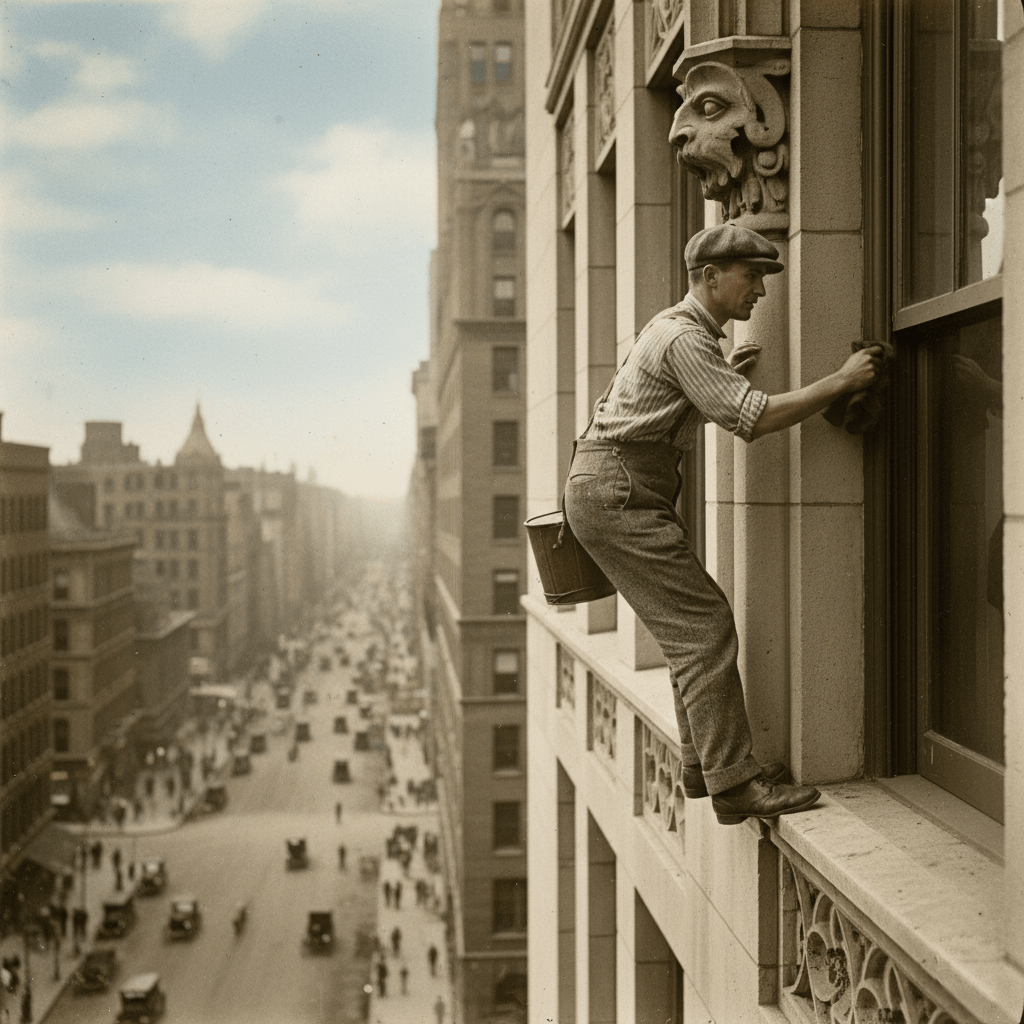
- Past · Victorian EraHuman FlyThe Human Fly was a unique and daring performer who captivated audiences during the late 19th and early 20th centuries. These individuals, often acrobats or daredevils, specialized in climbing tall buildings and structures, showcasing their remarkable agility and fearlessness. The Human Fly would often scale skyscrapers, bridges, and other urban landmarks, performing stunts that left spectators in awe. Their performances were not merely about the climb; they often included intricate routines, such as hanging from ledges, performing flips, or even playing musical instruments while suspended high above the ground. This job was emblematic of the era's fascination with spectacle and the extraordinary, as cities began to rise higher and the public's appetite for thrilling entertainment grew.
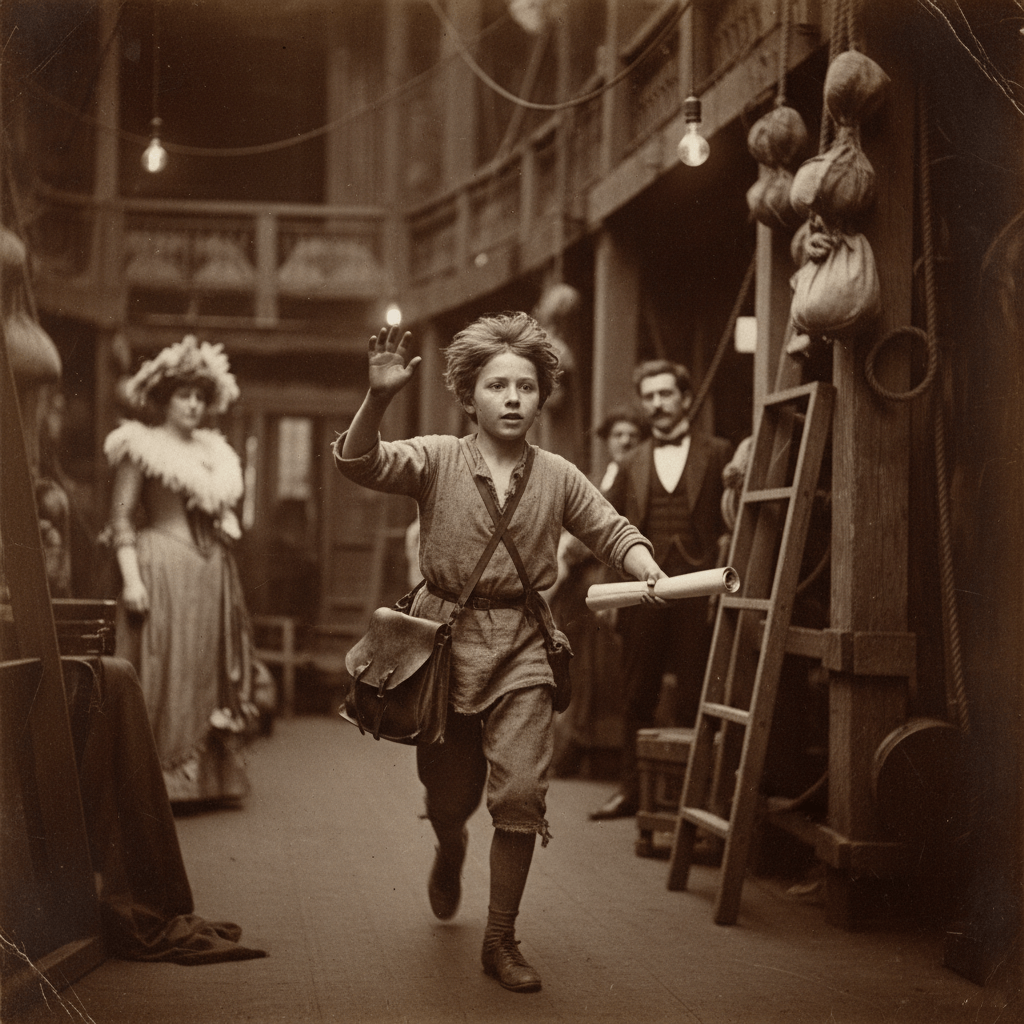 Past · Victorian EraTheatre Call BoyThe Theatre Call Boy was an essential figure in the vibrant world of Victorian theatre, acting as the vital link between the stage and the backstage. This young boy, often between the ages of 10 and 15, was responsible for ensuring that the performance ran smoothly by delivering messages and calls to actors, stagehands, and other crew members. With a keen sense of timing and an ability to navigate the bustling theatre environment, the call boy would often be found darting through the dimly lit corridors, his footsteps echoing against the wooden floors, as he relayed cues for entrances, exits, and scene changes.
The role required not only speed and agility but also a deep understanding of the production schedule and the ability to communicate effectively under pressure. The call boy would often carry a small bell or whistle to signal the start of a performance or a scene change, ensuring that everyone was in their proper place at the right time. In an era when performances were often elaborate and lengthy, the call boy's role was crucial in maintaining the rhythm and flow of the show, making him a beloved figure among the cast and crew alike.
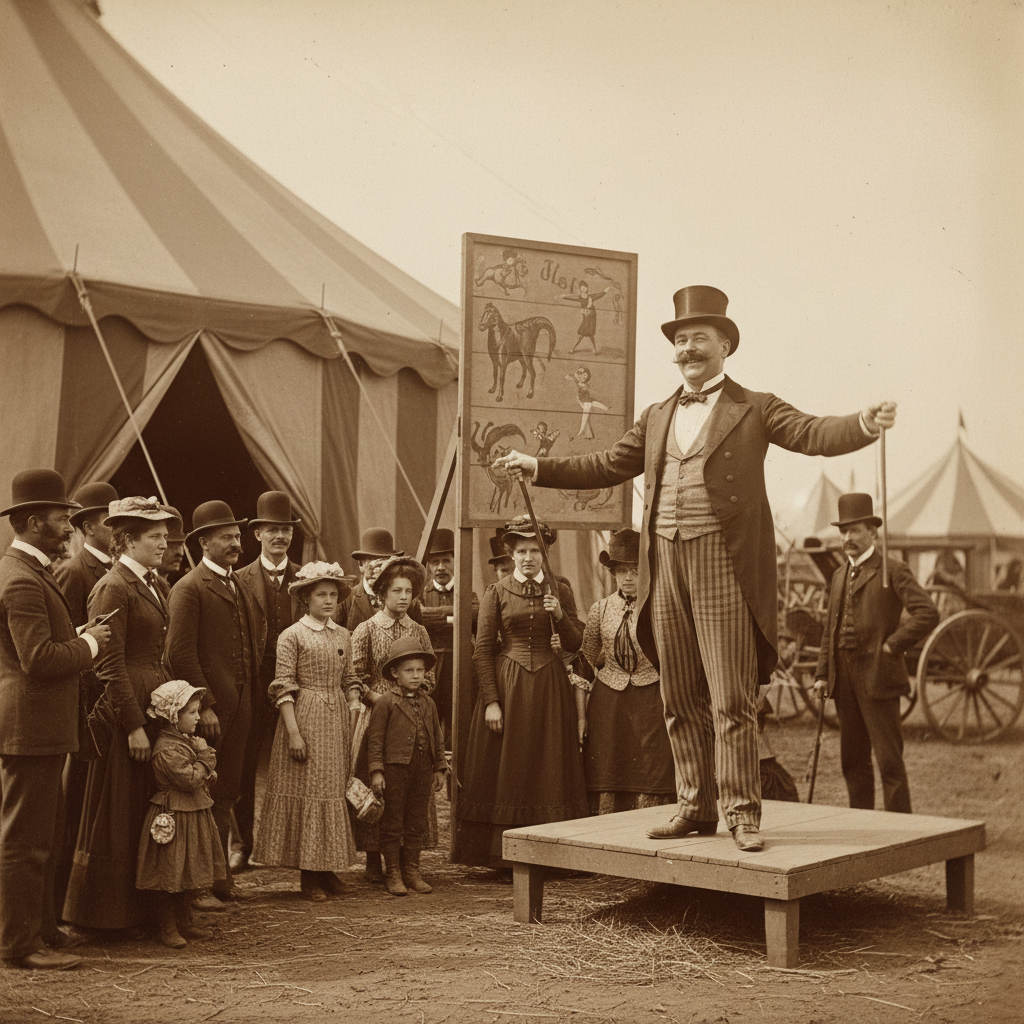 Past · Victorian EraCircus BarkerThe role of a circus barker was a vibrant and essential part of the traveling circus experience during the Victorian Era, a time when entertainment was a cherished escape from the rigors of daily life. Circus barkers were the charismatic individuals who stood at the entrance of the circus tent, beckoning passersby to come in and witness the wonders within. With their loud, boisterous voices and engaging personalities, they would entice audiences with promises of thrilling acts, exotic animals, and astonishing feats of human skill.
Dressed in flamboyant attire, often adorned with bright colors and eye-catching accessories, barkers were not just salespeople; they were performers in their own right. Their job required a unique blend of showmanship and persuasion, as they crafted elaborate pitches that highlighted the most sensational aspects of the circus. They would often use humor, exaggeration, and even a bit of theatrics to draw in crowds, creating an atmosphere of excitement and anticipation.
The circus barker's role was not limited to mere advertising; they were also responsible for managing the flow of patrons into the tent, ensuring that the audience was engaged and ready for the show. Their lively banter and ability to connect with the crowd were crucial in setting the tone for the performances that followed, making them a beloved figure in the circus community.
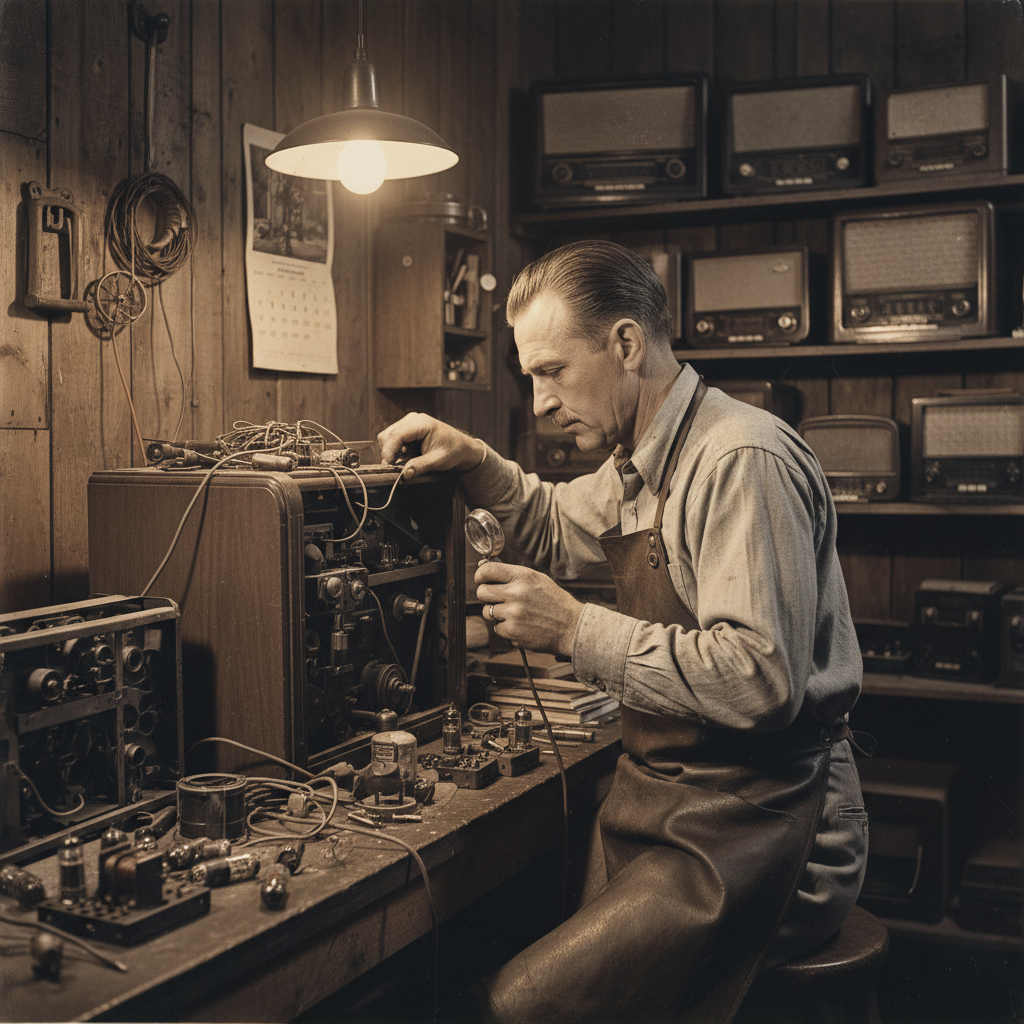 Past · Post-War EraRadio RepairmanThe Radio Repairman was a vital figure in the mid-20th century, particularly in the post-World War II era when radio became a staple of American households. As the popularity of radio surged, so did the need for skilled technicians who could diagnose and fix the myriad of issues that could arise in these complex devices. Radio Repairmen were often found in small shops, bustling with the sounds of static and the hum of electronic equipment, as they worked diligently to restore the voices of news anchors, music, and entertainment to life. Their expertise was not only technical but also deeply rooted in an understanding of the evolving technology of the time, as they navigated the transition from vacuum tubes to transistors, and later to integrated circuits.
In their workshops, Radio Repairmen would often encounter a variety of problems, from broken speakers to faulty wiring. They were adept at using a range of diagnostic tools, including multimeters and oscilloscopes, to troubleshoot issues. The job required a keen eye for detail and a methodical approach to problem-solving, as well as a solid understanding of electrical engineering principles. The Radio Repairman was not just a technician; he was a community figure, often providing advice on the best radio models and helping customers understand the technology that was rapidly changing their lives.
As the 1960s progressed, the landscape of audio technology began to shift dramatically. The advent of television, along with the rise of portable music devices, led to a decline in radio's dominance. Additionally, the increasing complexity of radio technology, coupled with the introduction of disposable consumer electronics, made repairs less common. By the late 1970s, the role of the Radio Repairman began to fade, as many consumers opted to replace rather than repair their devices, marking the end of an era for this once-essential profession.
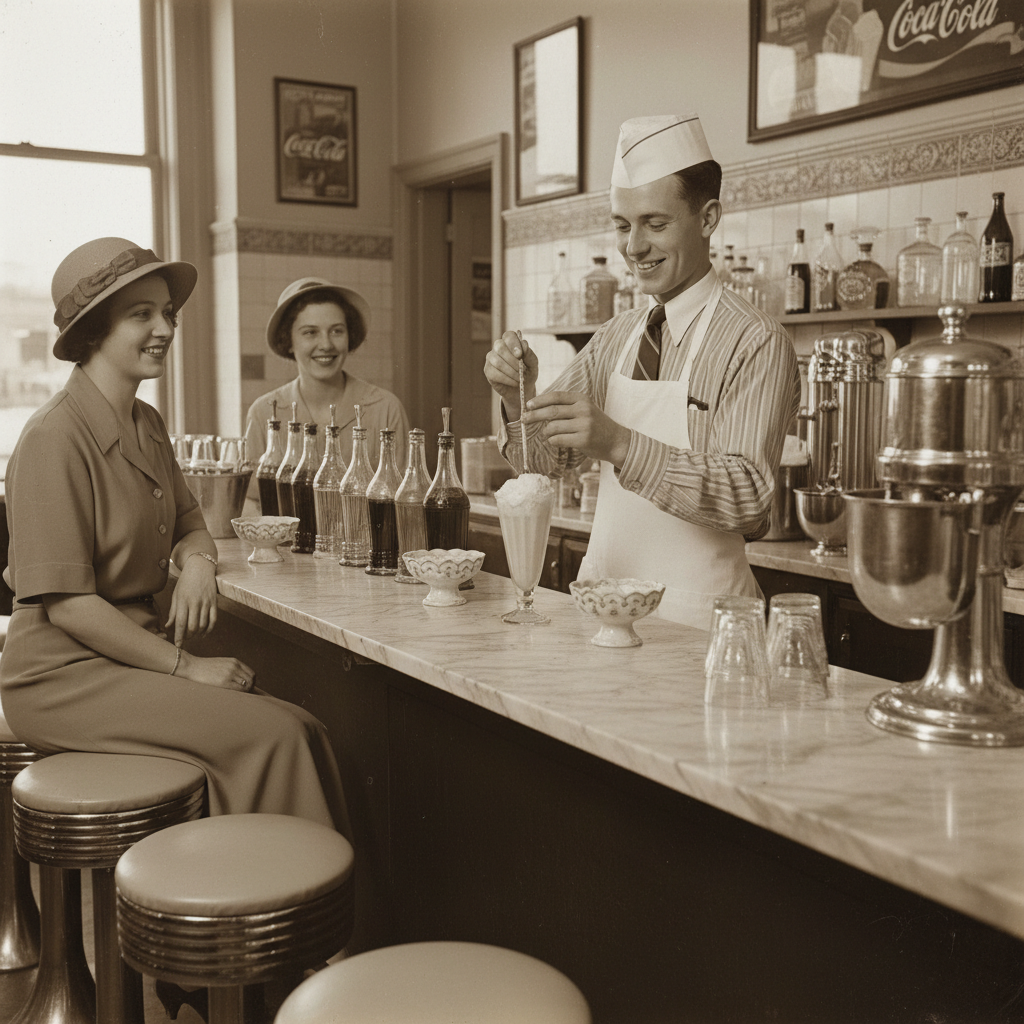 Past · Early to Mid 20th CenturySoda JerkThe soda jerk was a quintessential figure in American culture from the late 19th century through the mid-20th century, particularly in the United States. This role was primarily associated with soda fountains, which were popular gathering spots in drugstores and diners. The soda jerk was responsible for preparing and serving a variety of carbonated beverages, ice cream sodas, and other sweet treats, often with a flair that entertained patrons. The term 'jerk' refers to the quick motion of pulling the soda fountain lever to dispense the fizzy drink, a skill that required both speed and precision.
Soda jerks were not just servers; they were also social facilitators, engaging with customers and creating a lively atmosphere. They often wore distinctive uniforms, which included a white apron and a paper hat, and were known for their friendly demeanor and knowledge of the menu. The soda jerk's role was integral to the experience of visiting a soda fountain, where patrons could enjoy a refreshing drink while socializing with friends or family.
The soda jerk's repertoire included classic concoctions such as root beer floats, banana splits, and phosphates, which were flavored syrups mixed with carbonated water. The job required a good understanding of flavors and the ability to create visually appealing presentations. In addition to beverages, soda jerks often served light snacks, such as sandwiches and pastries, making them a vital part of the local dining scene.
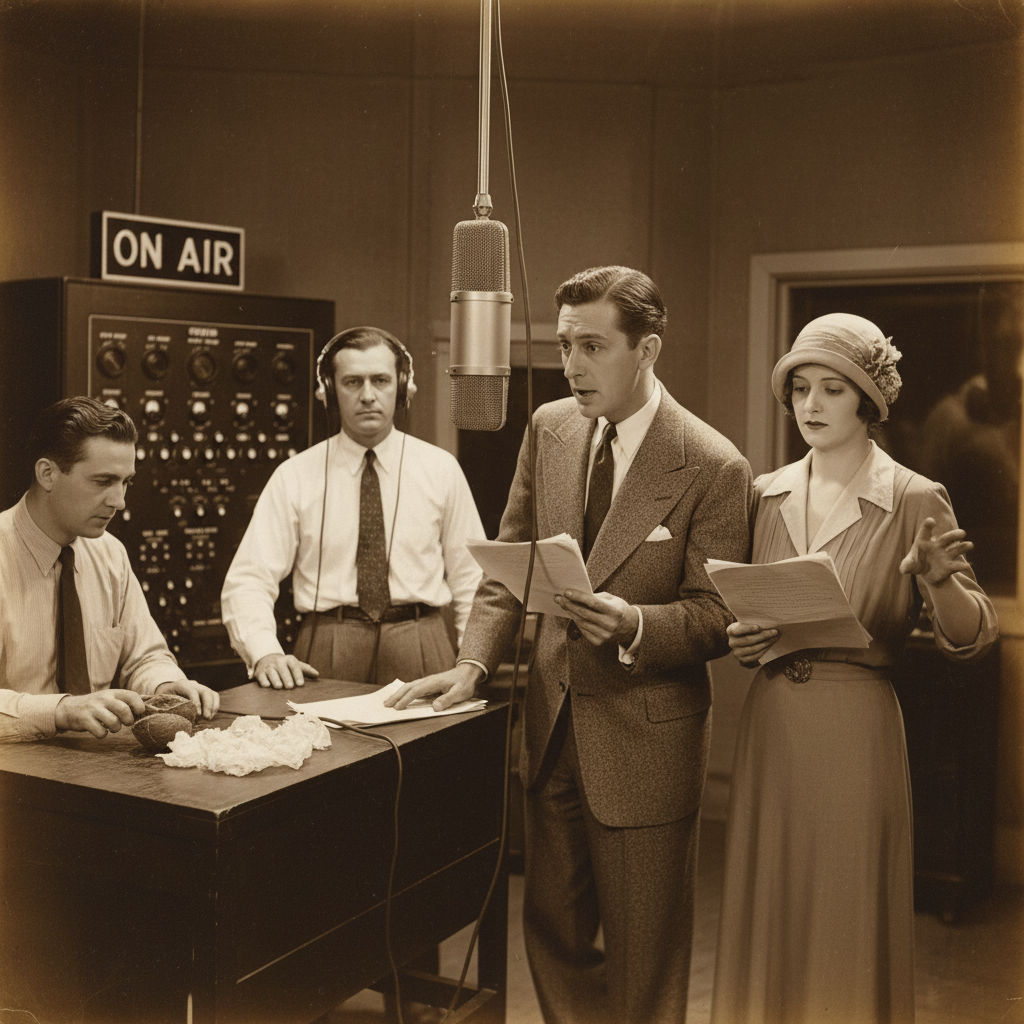 Past · Golden Age of Radio (1920s - 1950s)Radio ActorThe role of a radio actor was pivotal during the Golden Age of Radio, a time when families gathered around their radios to listen to serialized dramas, comedies, and news broadcasts. Radio actors were the voices behind beloved characters, bringing stories to life through their vocal talents alone. Unlike film or television, where visual elements play a significant role, radio actors relied solely on their voices to convey emotion, character, and narrative. They performed live or recorded scripts, often in front of a studio audience, and were skilled in various genres, from soap operas to thrillers. The ability to modulate their voices, create distinct characterizations, and engage listeners through sound alone was essential to their craft. Radio actors often worked with sound effects artists and musicians to enhance the auditory experience, creating a rich tapestry of sound that captivated audiences.
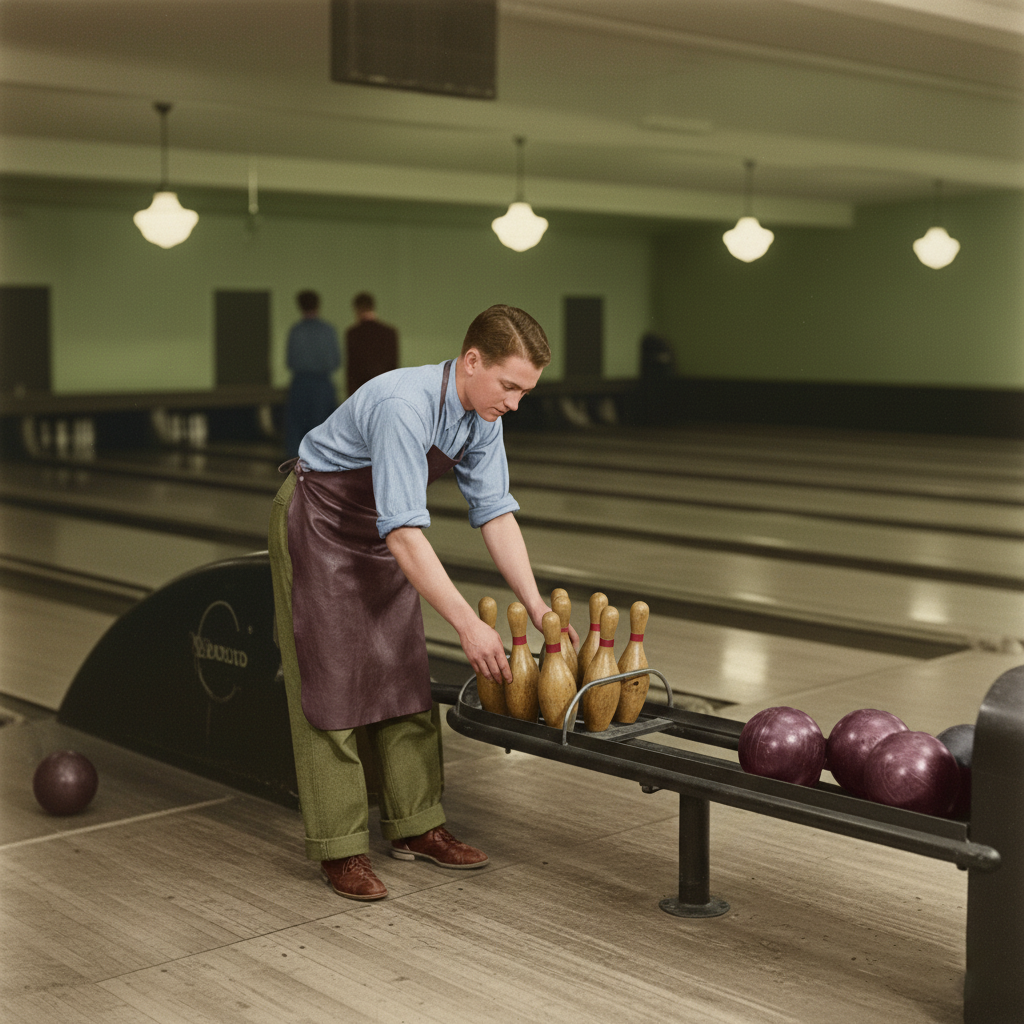 Past · 20th CenturyPinsetterIn the bustling alleys of mid-20th century bowling alleys, the role of the pinsetter was a vital yet often overlooked occupation. Pinsetters were responsible for resetting the bowling pins after each frame, ensuring that the game could continue smoothly. This job required a keen eye and quick reflexes, as the pinsetter had to swiftly and accurately place the pins back in their designated spots while dodging the heavy bowling balls that rolled down the lane.
The pinsetter's work environment was often loud and filled with the sounds of laughter, clattering pins, and the thud of bowling balls. They worked in dimly lit back rooms, often hidden from the view of the bowlers, where they operated a series of levers and pulleys to reset the pins. The job was physically demanding, requiring the pinsetter to be agile and strong enough to handle the heavy equipment used to lift and position the pins.
As bowling grew in popularity during the 1950s and 1960s, the demand for pinsetters increased, making it a common sight in bowling alleys across America. However, the advent of automatic pinsetting machines in the late 1960s marked the beginning of the end for this once-essential role. These machines could reset pins faster and more efficiently than any human, leading to the gradual decline of the pinsetter profession.
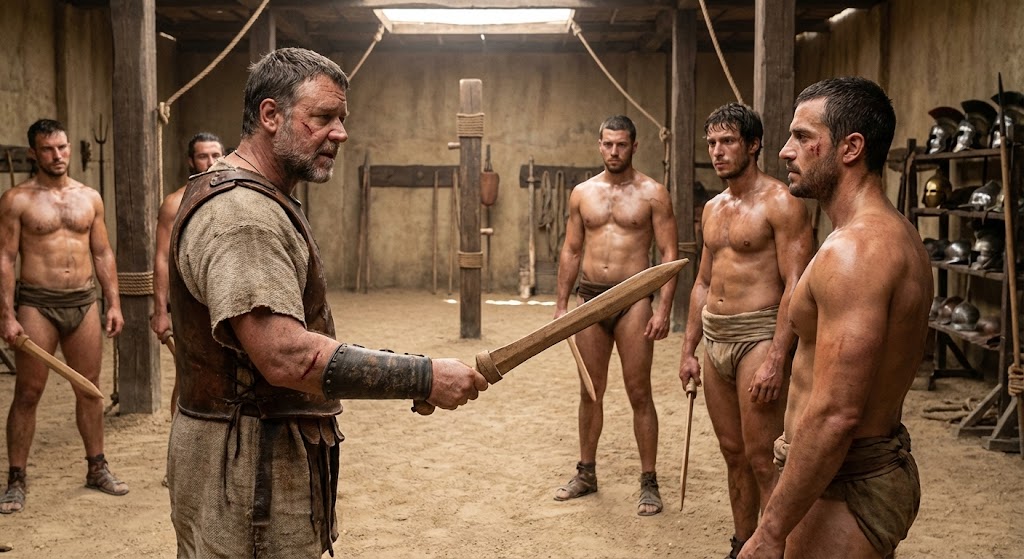 Past · Classical AntiquityLanistaThe lanista was a pivotal figure in the world of ancient Roman gladiatorial games, serving as a trainer and manager of gladiators. These individuals were responsible for the selection, training, and overall management of gladiators, who were often slaves or prisoners of war forced to fight in brutal spectacles for public entertainment. The lanista operated a ludi, or gladiatorial school, where they would oversee the rigorous training of their fighters, teaching them combat techniques, discipline, and the art of survival in the arena. The lanista's role was not only to prepare gladiators physically but also to cultivate their mental fortitude, as the psychological demands of combat were immense. They were often seen as both a mentor and a taskmaster, instilling a sense of loyalty and camaraderie among their fighters while also ensuring they were ready to face the deadly challenges of the arena. The lanista's influence extended beyond training; they were also involved in the business side of gladiatorial combat, negotiating contracts, managing finances, and sometimes even betting on the outcomes of fights. This multifaceted role made the lanista a significant player in the social and economic fabric of Roman entertainment culture.
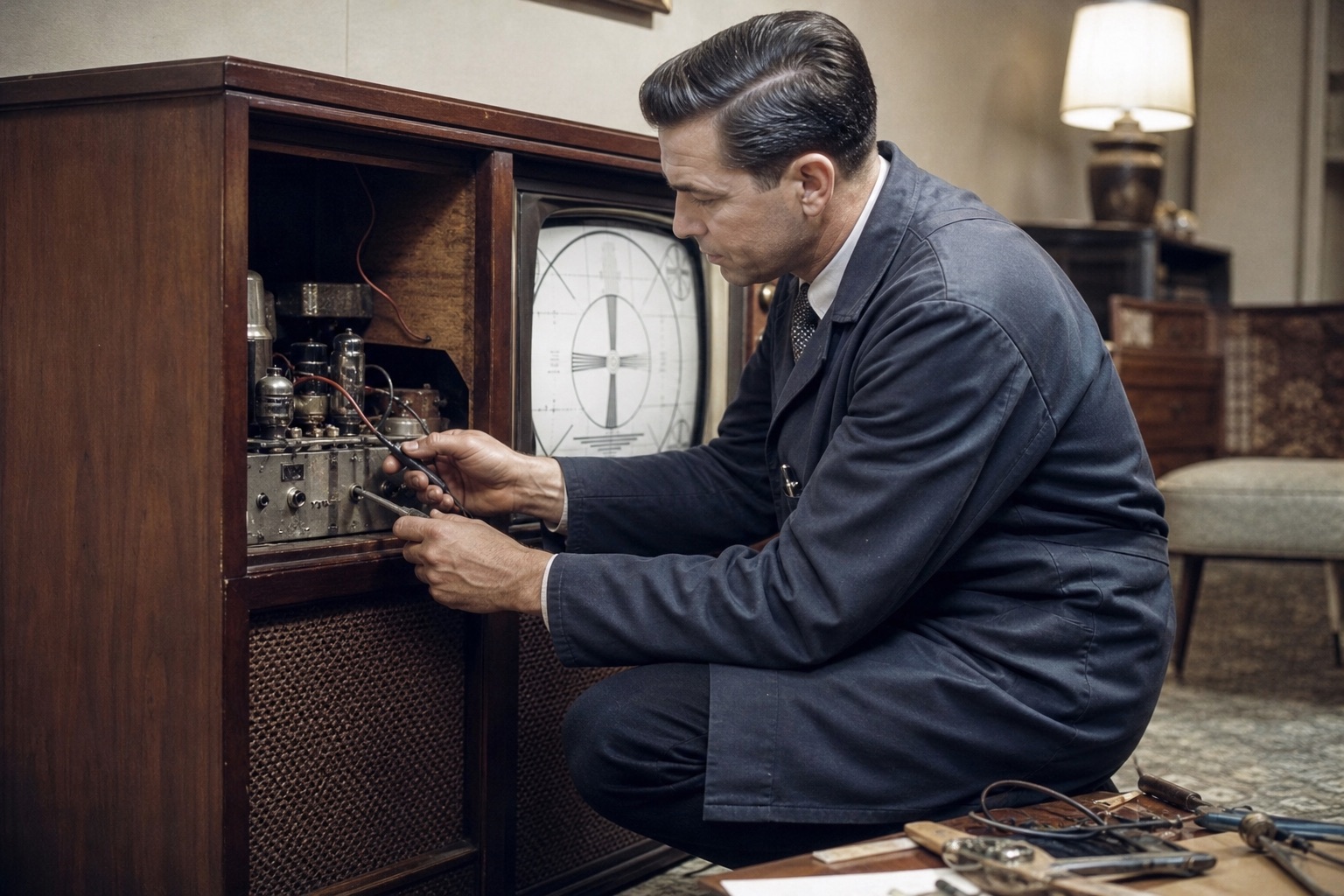 Past · Mid Twentieth CenturyTelevision RepairmanA television repairman made house calls on vacuum-tube sets in the years when a receiver was expensive enough to mend. He arrived with a caddy of common tubes, pulled the back, and tested the likely suspects, sometimes after the owner had already tried a drugstore tube checker and failed. Schematics, the Photofact kind above all, told him the chassis. If the fault was not a tube, the set might go to the shop. If it was, he replaced it in the living room and adjusted the picture before he left.
The exhibit is that mid-century visit, not every later person who swaps a board. Solid-state chassis, modular construction, and sets cheap enough to replace rather than repair ended the call. High voltage at the picture tube was a real property of the work and is named here calmly. The man with the caddy is the subject, and the glowing set is the thing he was hired to keep in the house each evening.
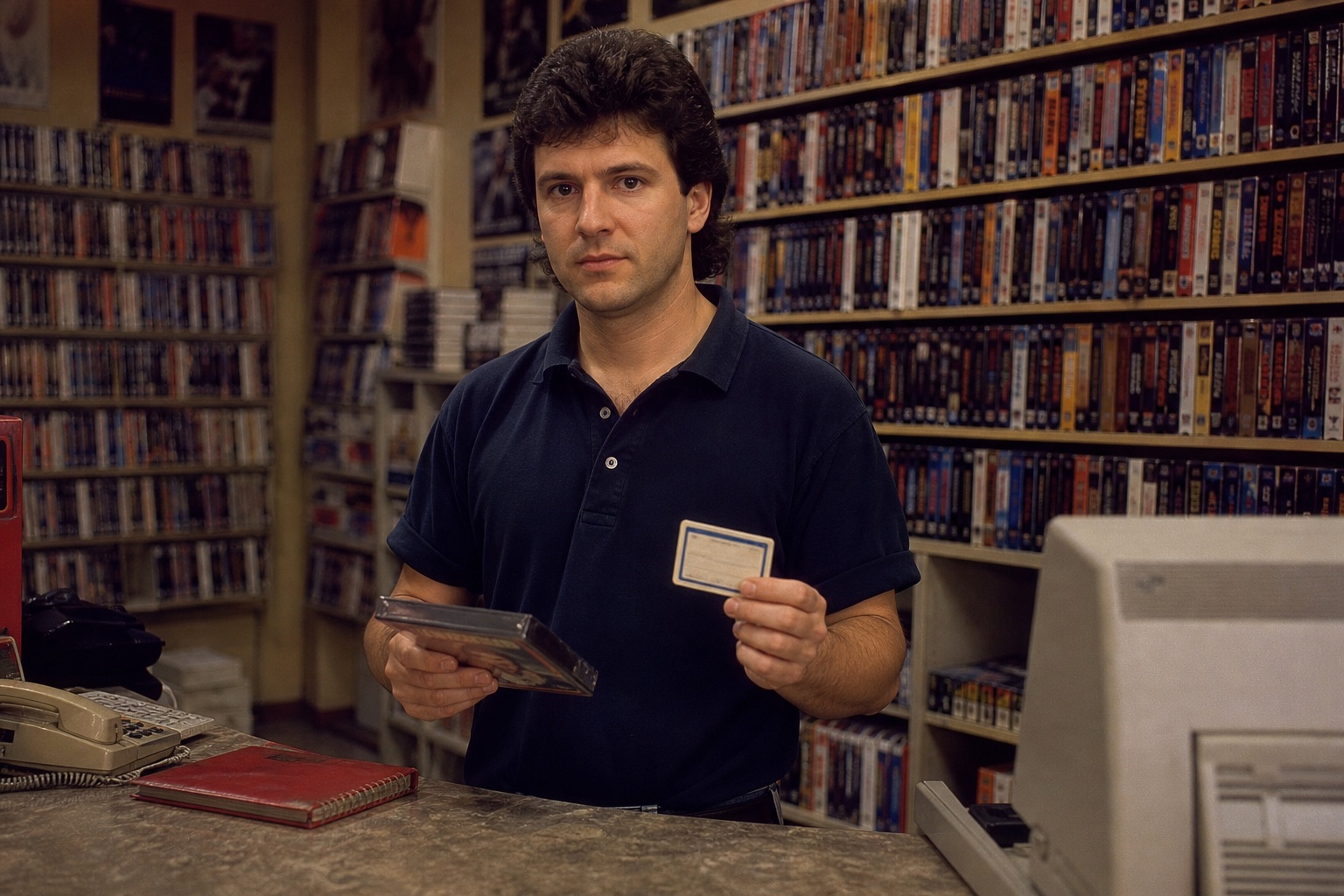 Past · Late Twentieth CenturyVideo Rental ClerkA video rental clerk stood the counter of a shop that rented movies, first on VHS and then on DVD, in independent stores and in chains such as Blockbuster. A membership card had to be on the account before a tape or a disc left the shop. The new-release wall, close to the door and priced for a short rental, held the titles people had come for; older stock filled the cheaper aisles behind it. Late fees, a charge for each day past the due date, were the argument at the register and the store's money, not the clerk's. On VHS the counter also cared whether the cassette had been rewound.
The trade runs from the late 1980s through the 2000s. DVD-by-mail and then streaming emptied the wall and ended the counter. Independents often kept the actual tape behind the desk and put an empty box on the shelf; chains later put the live case on the floor in a lock. Either way the clerk's work was the card, the due date, and the case. This exhibit stays inside that shop.
 Projected · Virtual AgeMetaverse Event PlannerAs we step into the Virtual Age, the Metaverse Event Planner emerges as a pivotal role in the realm of digital experiences. This innovative profession combines creativity, technology, and social engagement to curate immersive events within virtual environments. With the rise of the metaverse—a collective virtual shared space created by the convergence of virtually enhanced physical reality and physically persistent virtual reality—event planners are tasked with designing experiences that transcend traditional boundaries. From corporate conferences to social gatherings, the Metaverse Event Planner orchestrates every detail, ensuring that participants feel a sense of presence and connection, regardless of their physical location. They leverage advanced technologies such as augmented reality (AR), virtual reality (VR), and artificial intelligence (AI) to create engaging, interactive experiences that captivate audiences and foster community.