
20th Century
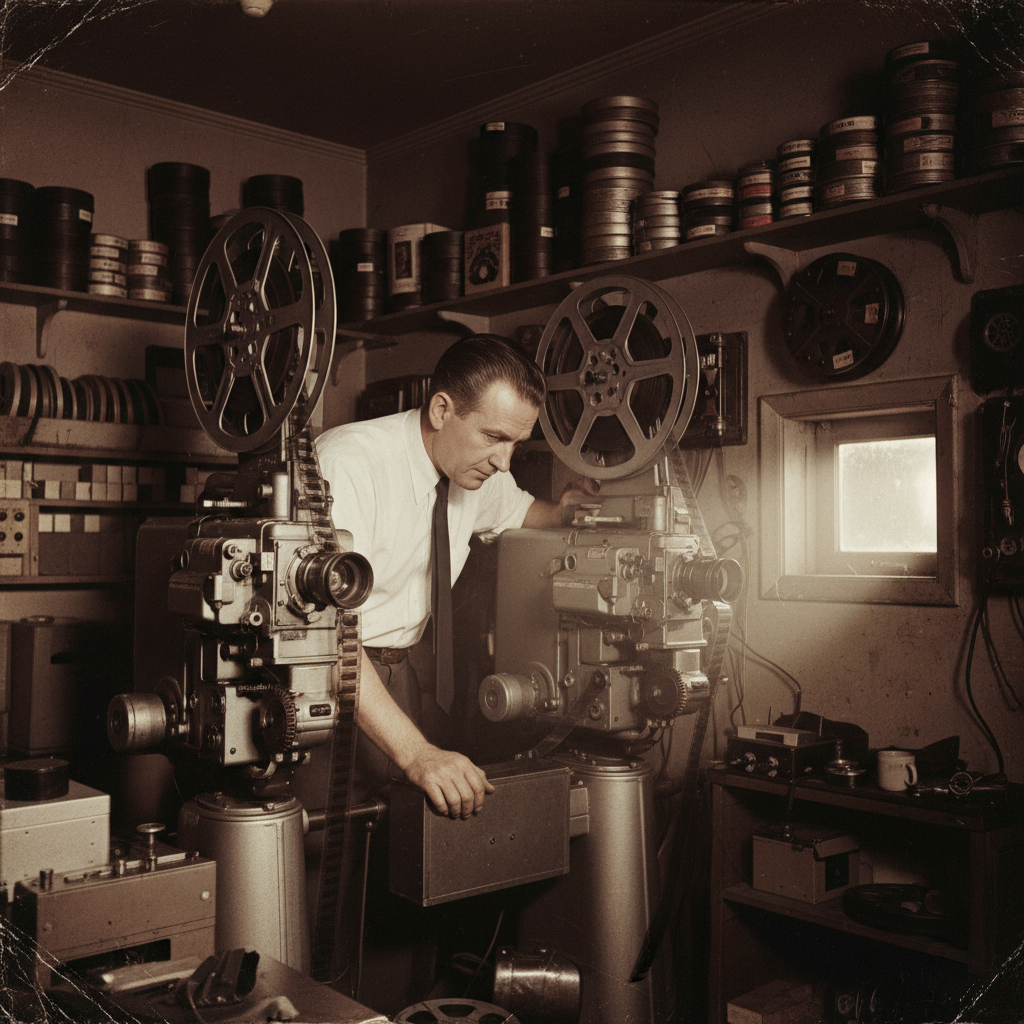
Film Projectionist
An extinct profession from 20th Century that became obsolete due to technological advancement and societal change.
Media Gallery
Related Exhibits
Phonograph Operator
The phonograph operator was a pivotal figure in the early days of recorded sound, a profession that emerged in the late 19th century with the invention of Thomas Edison’s phonograph in 1877. This role involved the operation of phonographs, which were early devices used to record and reproduce sound. Phonograph operators were responsible for managing the recording process, ensuring that sound was captured accurately onto wax cylinders or discs. They worked in recording studios, often collaborating with musicians, voice actors, and other performers to create audio recordings for entertainment, education, and commercial purposes. The job required a keen ear for sound quality and an understanding of the mechanical workings of the phonograph, as operators had to adjust the device to optimize recording conditions. As the industry evolved, phonograph operators also played a role in the distribution of recorded music, helping to create and manage catalogs of recordings for public consumption.
Knocker-Upper
In the bustling streets of Victorian England, where the clamor of industry met the rhythm of daily life, a unique occupation emerged: the Knocker-Upper. This job was essential for those who needed to rise early for work but lacked the luxury of alarm clocks. Knocker-Uppers were the human alarm clocks of their time, ensuring that the working class could meet the demands of their laborious schedules. Armed with a long stick or a peashooter, they would rouse sleeping patrons by tapping on their windows or, in some cases, shooting small pellets to get their attention. The Knocker-Upper was often a familiar figure in the neighborhood, known for their punctuality and reliability. They would typically start their rounds before dawn, navigating the dimly lit streets, often in inclement weather, to ensure that their clients were awake and ready for the day ahead. This job was not just about waking people; it was a vital service that supported the industrial economy, where time was money and every minute counted. As the sun rose, the Knocker-Upper would call out names or tap on windows, sometimes even engaging in light banter with the residents. Their presence was a comforting routine in the lives of many, a reminder that the day was beginning and that it was time to rise and shine. However, as the 20th century approached, the Knocker-Upper began to fade into obscurity. The advent of the mechanical alarm clock, which became increasingly affordable and reliable, rendered this occupation obsolete. The rise of technology and changing social norms shifted the way people managed their time, leading to the decline of this once-essential role.
Explore More Exhibits
Discover the full collection of past and future professions in The Jobs Museum.