
Energy Transition Era
Ocean Mining Technician
A speculative career prediction for Energy Transition Era based on technological trends and societal evolution.
Media Gallery
About the Ocean Mining Technician Career
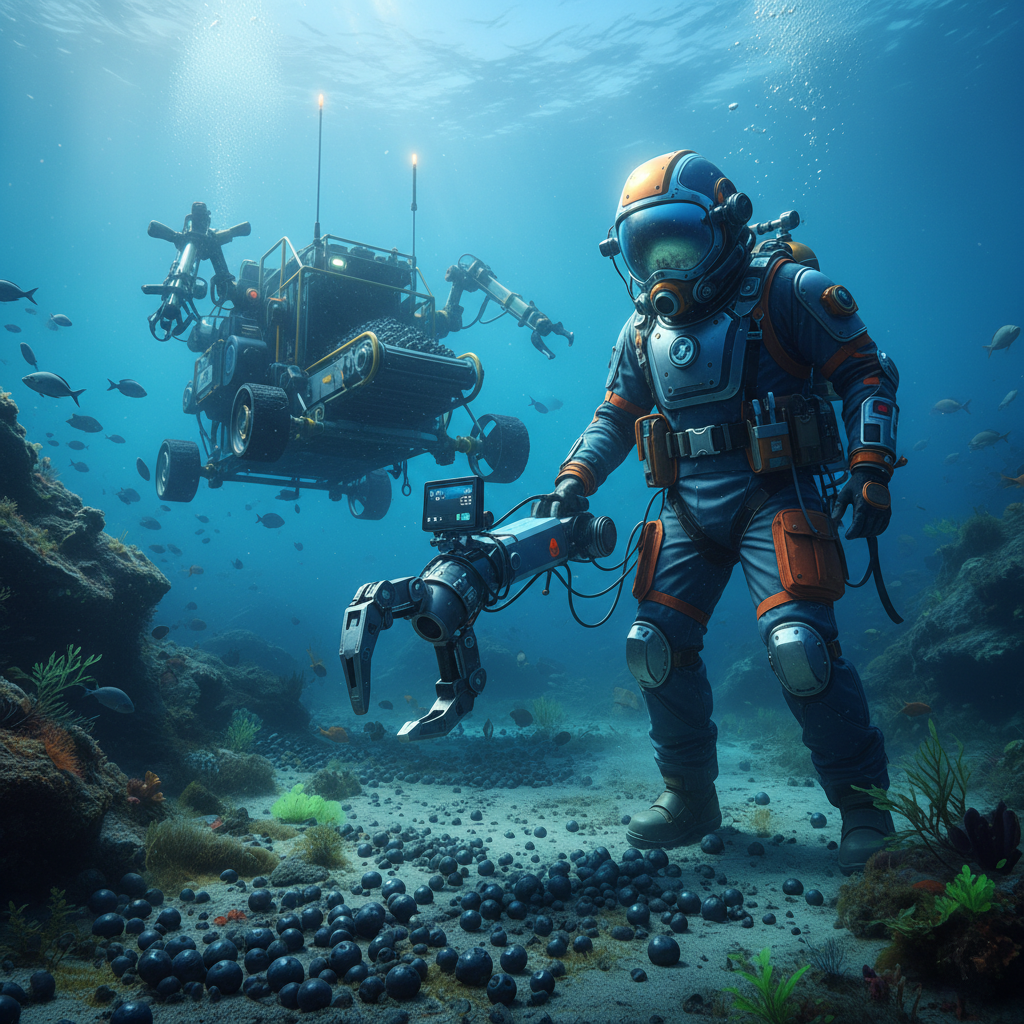
As humanity seeks to meet the growing demand for rare minerals and metals essential for renewable energy technologies, the role of the Ocean Mining Technician emerges as a vital occupation in the Energy Transition Era. This job involves the extraction of valuable resources from the ocean floor, including rare earth elements, lithium, and other minerals critical for batteries, solar panels, and wind turbines. Ocean Mining Technicians operate advanced underwater drones and remotely operated vehicles (ROVs) equipped with cutting-edge technology to explore and harvest these resources while ensuring minimal environmental impact.
The Ocean Mining Technician is not just a miner; they are a steward of the ocean, balancing the need for resource extraction with the imperative to protect marine ecosystems. This role requires a deep understanding of oceanography, geology, and environmental science, as well as proficiency in operating sophisticated machinery and data analysis tools. Technicians work closely with marine biologists and environmental scientists to monitor the health of the ocean and implement sustainable practices in their operations.
In this future landscape, the Ocean Mining Technician plays a crucial role in the global shift towards sustainable energy, contributing to the development of technologies that will power the world while safeguarding the planet's most precious resources.
Day in the Life of an Ocean Mining Technician
Morning: Briefing and Preparation
The day begins early at the ocean mining facility, where technicians gather for a morning briefing. They review the day’s objectives, safety protocols, and environmental monitoring plans. After a quick breakfast, they don their specialized diving suits and prepare their equipment, which includes underwater drones and ROVs designed for deep-sea exploration.
Mid-Morning: Deployment of Equipment
Once on the vessel, the team heads to the designated mining site. Using advanced sonar technology, they map the ocean floor to identify mineral-rich areas. The technicians deploy ROVs equipped with robotic arms to collect samples and assess the geological composition of the seabed. They monitor the data in real-time, ensuring that extraction methods are efficient and environmentally responsible.
Afternoon: Resource Extraction
After identifying viable sites, the technicians begin the extraction process. They operate the ROVs to carefully harvest minerals while adhering to strict environmental guidelines. Throughout the process, they collect data on the surrounding marine life, documenting any changes in the ecosystem. This data is crucial for ongoing research and compliance with environmental regulations.
Late Afternoon: Data Analysis and Reporting
Back on the vessel, the technicians analyze the data collected during the day. They use advanced software to assess the efficiency of the extraction process and its impact on the marine environment. This analysis is compiled into reports that will be shared with environmental scientists and regulatory bodies.
Evening: Team Debrief and Continuous Learning
As the day winds down, the team gathers for a debriefing session. They discuss challenges faced during the day, share insights, and plan for future operations. Continuous learning is a key aspect of the job, as technicians stay updated on the latest technologies and environmental practices. After a long day, they return home, knowing they are contributing to a sustainable future while navigating the complexities of ocean resource management.
Related Exhibits
Human-AI Creative Director
In the not-so-distant future, the role of the Human-AI Creative Director emerges as a pivotal position at the intersection of human creativity and artificial intelligence. As industries increasingly integrate AI into their creative processes, this role becomes essential in guiding and harmonizing the collaboration between human artists and AI systems. The Human-AI Creative Director is responsible for overseeing projects that leverage AI tools to enhance artistic expression, ensuring that the final outputs resonate with human emotions and cultural relevance. This position not only requires a deep understanding of both creative practices and AI technologies but also a visionary approach to how these two realms can coexist and elevate one another. The Human-AI Creative Director will curate experiences that challenge traditional notions of authorship and creativity, pushing the boundaries of what is possible in art, design, and media.
Robotics Fleet Supervisor
In the Automation Age, the role of the Robotics Fleet Supervisor emerges as a pivotal position in the management of autonomous robotic systems. As industries increasingly rely on fleets of robots for tasks ranging from logistics and manufacturing to agriculture and healthcare, the need for skilled supervisors to oversee these fleets becomes paramount. The Robotics Fleet Supervisor is responsible for ensuring that these robotic units operate efficiently, safely, and in harmony with human workers. This role combines technical expertise with leadership skills, as supervisors must coordinate the activities of diverse robotic systems while also addressing the needs of human operators and stakeholders. The job requires a deep understanding of robotics technology, data analytics, and operational management, as well as the ability to adapt to rapidly changing environments and technologies. As society embraces automation, the Robotics Fleet Supervisor will play a crucial role in shaping the future of work, ensuring that the integration of robots enhances productivity while maintaining ethical standards and safety protocols.
Explore More Exhibits
Discover the full collection of past and future professions in The Jobs Museum.