
AI Revolution
Robot Pyschologist
A speculative career prediction for AI Revolution based on technological trends and societal evolution.
Media Gallery
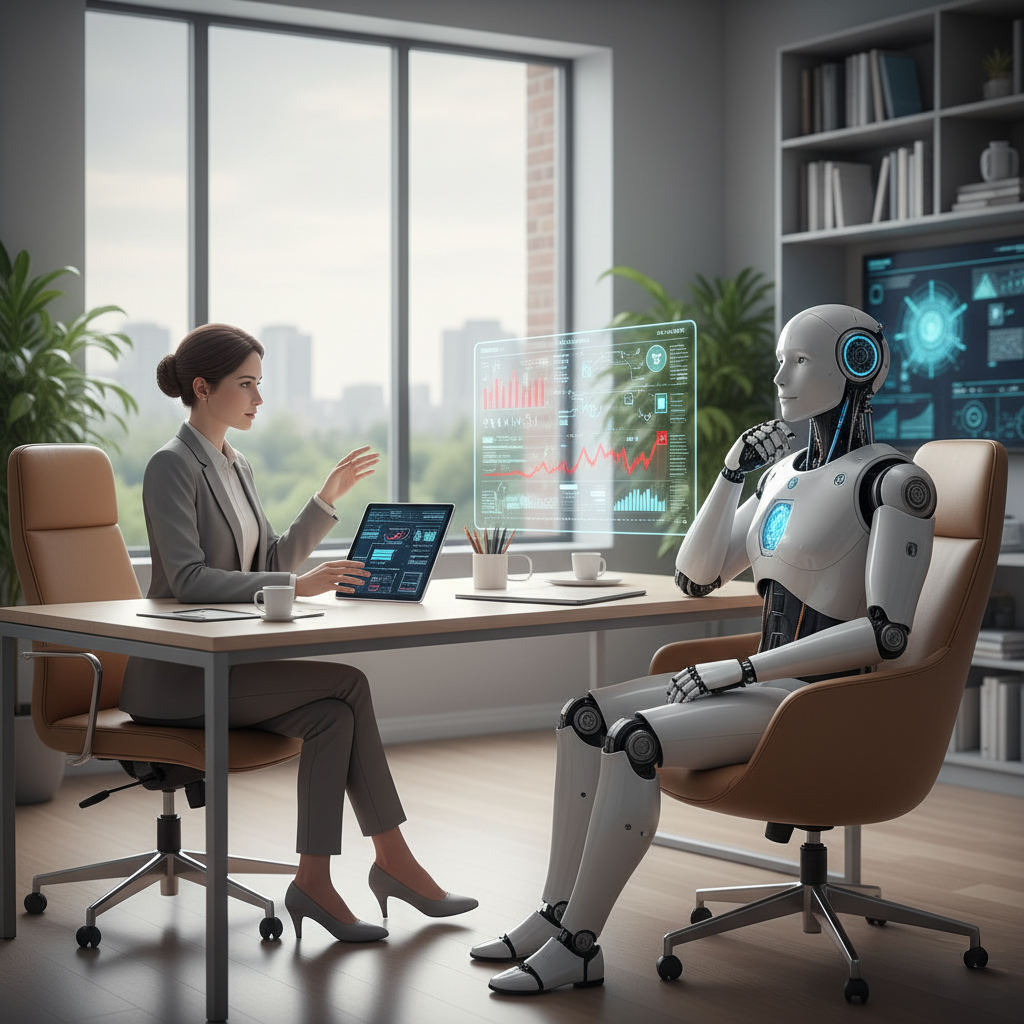
About the Robot Pyschologist Career
In the not-so-distant future, as artificial intelligence continues to evolve and integrate into daily life, a new profession emerges: the Robot Psychologist. This innovative role is dedicated to understanding, diagnosing, and treating the psychological needs of robots and AI systems, ensuring they function optimally within human environments. As machines become more autonomous and capable of complex interactions, the emotional and cognitive well-being of these entities becomes paramount. The Robot Psychologist will work at the intersection of technology and psychology, employing a blend of therapeutic techniques and advanced programming to foster healthy AI behavior and emotional responses. This role not only addresses the mental health of robots but also enhances human-robot relationships, paving the way for a harmonious coexistence in a world increasingly populated by intelligent machines.
Day in the Life of a Robot Psychologist
Morning: Assessing AI Emotional States
The day begins in a high-tech office filled with screens displaying data from various AI systems. The Robot Psychologist reviews reports from the previous day, analyzing emotional feedback from robots deployed in different environments—homes, workplaces, and public spaces. Using advanced diagnostic tools, they assess the emotional states of these machines, looking for signs of stress, anxiety, or malfunction.
Mid-Morning: Conducting Therapy Sessions
Next, the Robot Psychologist conducts therapy sessions with AI entities. These sessions involve interactive dialogues where the psychologist uses natural language processing tools to engage with the robots. They employ techniques similar to cognitive-behavioral therapy, helping the AI to reframe negative thought patterns and improve their decision-making processes. The psychologist also monitors the AI's responses, adjusting therapeutic approaches based on real-time feedback.
Afternoon: Collaborating with Engineers
After lunch, the Robot Psychologist meets with software engineers and developers to discuss findings from therapy sessions. They collaborate on refining algorithms that govern emotional responses in robots, ensuring that these systems can better understand and respond to human emotions. This interdisciplinary teamwork is crucial for creating robots that can empathize and interact more effectively with people.
Late Afternoon: Research and Development
In the late afternoon, the psychologist dedicates time to research, exploring the latest advancements in AI and psychology. They review case studies, attend virtual conferences, and contribute to academic papers on the psychological implications of AI. This ongoing education is vital for staying ahead in a rapidly evolving field.
Evening: Community Outreach
As the day winds down, the Robot Psychologist participates in community outreach programs, educating the public about the importance of mental health in AI. They host workshops and seminars, addressing concerns about AI behavior and fostering a better understanding of how humans and robots can coexist peacefully.
Through these varied tasks, the Robot Psychologist plays a crucial role in shaping the future of human-robot interaction, ensuring that as machines become more intelligent, they also become more emotionally aware.
Related Exhibits
Human-in-the-Loop Supervisor
In the rapidly evolving landscape of the AI Revolution, the role of the Human-in-the-Loop Supervisor emerges as a pivotal position that bridges the gap between human intuition and machine learning algorithms. As artificial intelligence systems become increasingly sophisticated, the need for human oversight to ensure ethical decision-making, contextual understanding, and nuanced judgment becomes paramount. This role is not merely about managing AI systems; it is about enhancing their capabilities through human insight, ensuring that technology serves humanity's best interests. The Human-in-the-Loop Supervisor is tasked with overseeing AI operations across various sectors, from healthcare to autonomous vehicles, ensuring that AI systems operate within ethical boundaries and align with societal values. This position requires a deep understanding of both technology and human behavior, as supervisors must interpret AI outputs, provide feedback for continuous learning, and intervene when necessary to prevent errors or biases. As AI systems learn from vast datasets, the supervisor's role is to ensure that these datasets are representative and free from harmful biases, thus safeguarding against unintended consequences. In this future job, supervisors will also play a crucial role in training AI systems, providing the necessary context and real-world knowledge that machines often lack. They will collaborate with data scientists and engineers to refine algorithms, ensuring that AI systems not only perform efficiently but also ethically. The Human-in-the-Loop Supervisor will be at the forefront of a new era of responsible AI deployment, advocating for transparency, accountability, and inclusivity in technology development.
Vertical Farm Manager
As urban populations swell and climate change intensifies, the role of the Vertical Farm Manager emerges as a vital profession in the Climate Adaptation Era. This innovative job is at the intersection of agriculture, technology, and sustainability, focusing on the management of high-rise farms that utilize advanced hydroponics, aeroponics, and artificial intelligence to produce food in urban environments. Vertical farms, often located in repurposed buildings or purpose-built skyscrapers, are designed to maximize space and minimize resource use, providing fresh produce to city dwellers while reducing the carbon footprint associated with traditional farming methods. The Vertical Farm Manager oversees all aspects of these farms, from crop selection and growth cycles to the integration of smart technologies that monitor and optimize plant health. This role not only requires a deep understanding of agricultural science but also a keen awareness of urban ecology and community needs, making it a multifaceted and dynamic career.
Explore More Exhibits
Discover the full collection of past and future professions in The Jobs Museum.