
Victorian Era
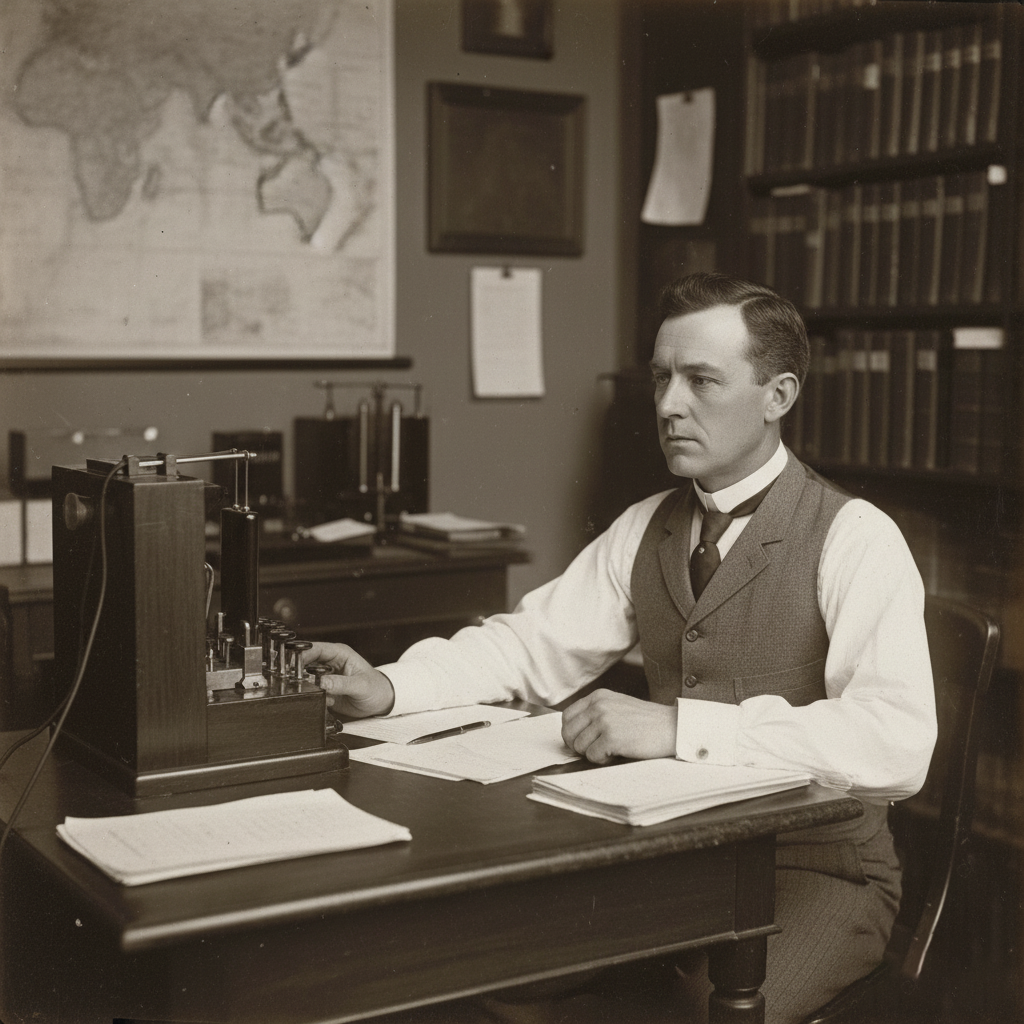
Telegraph Operator
An extinct profession from Victorian Era that became obsolete due to technological advancement and societal change.
Media Gallery
Related Exhibits
Mudlark
The term 'mudlark' refers to individuals, often children or the impoverished, who scavenged the banks of rivers, particularly the River Thames in London, during the Victorian Era. These individuals would sift through the mud and debris left behind by the receding tide, searching for anything of value that could be sold or repurposed. The job was born out of necessity, as many families faced extreme poverty and relied on the meager earnings from scavenging to survive. Mudlarks would find items such as old coins, jewelry, pottery, and even discarded household goods, which they could sell to local traders or at markets. The work was physically demanding and often dangerous, as the muddy banks could be treacherous, and the waters of the Thames were known for their strong currents and pollution. Despite the harsh conditions, mudlarks played a crucial role in the urban economy, contributing to the recycling of materials long before the concept became mainstream.
Newspaper Typesetter
The role of a newspaper typesetter was pivotal in the production of printed media during the Industrial Revolution and well into the 20th century. Typesetters were responsible for arranging the text and images that would be printed in newspapers, ensuring that each page was visually appealing and legible. This intricate process involved selecting individual metal type pieces, known as 'sorts', and arranging them into words and sentences on a composing stick. Once the text was set, it was locked into place in a chase, ready for the printing press. Typesetters worked in a noisy, bustling environment, often alongside other skilled tradespeople, such as printers and proofreaders, in a print shop. The job required not only technical skill but also a keen eye for detail and a strong understanding of typography and layout.
Explore More Exhibits
Discover the full collection of past and future professions in The Jobs Museum.