
19th Century
Lighthouse Keeper
An extinct profession from 19th Century that became obsolete due to technological advancement and societal change.
Media Gallery
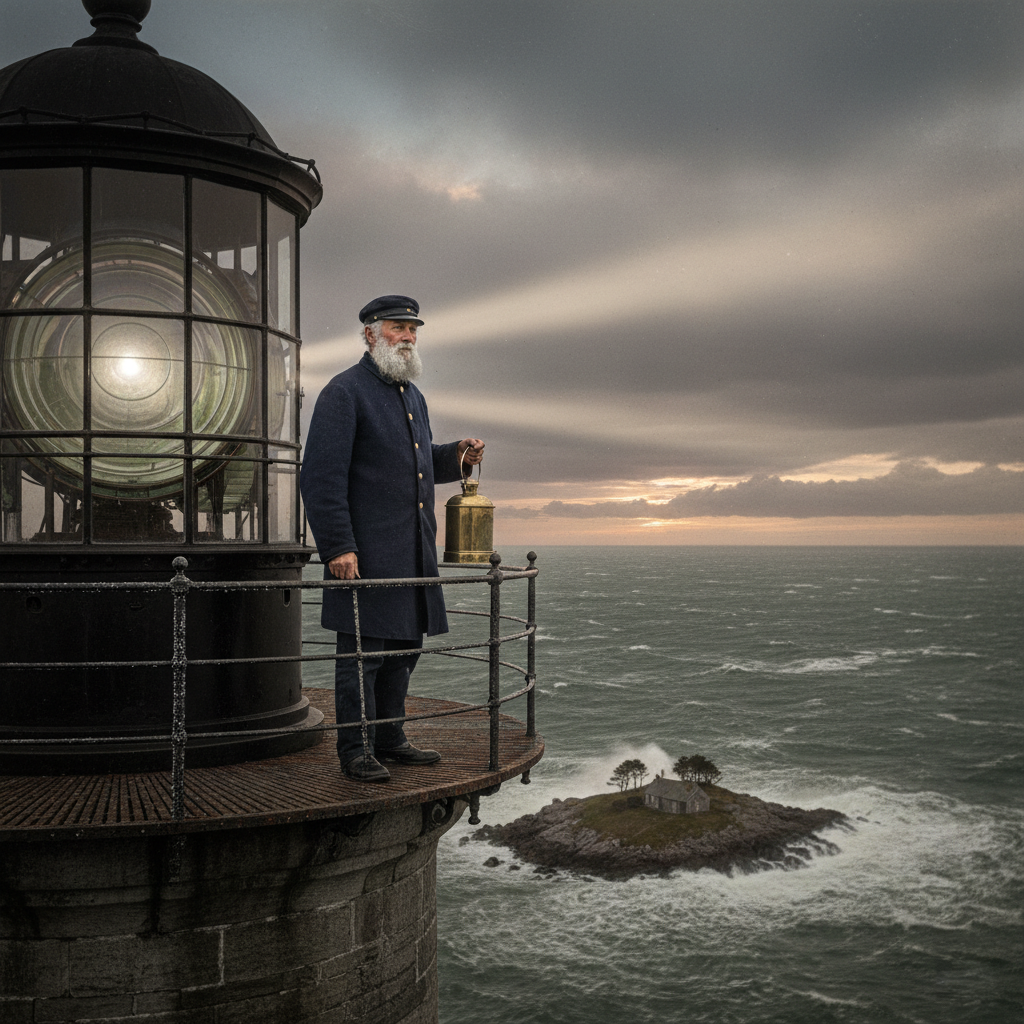
About the Lighthouse Keeper Profession
The role of a lighthouse keeper was vital to maritime safety, particularly during the 19th century when shipping traffic surged due to industrialization and global trade. Lighthouse keepers were responsible for maintaining the light and ensuring that it was visible to passing ships, guiding them safely through treacherous waters. This job required a deep understanding of navigation, meteorology, and mechanical systems, as keepers often had to troubleshoot and repair the light mechanisms, which could include oil lamps or later, electric lights. The keeper's duties extended beyond just the light; they also maintained the lighthouse itself, kept records of weather conditions, and sometimes assisted in rescue operations for distressed vessels. The isolation of many lighthouses meant that keepers often lived in remote locations, sometimes with their families, fostering a unique community around these beacons of safety.
Day in the Life of a Lighthouse Keeper
Early Morning: The Dawn Routine
As the first light of dawn breaks over the horizon, the lighthouse keeper rises early to inspect the light mechanism. The keeper checks the oil levels in the lamp, ensuring that the flame will burn brightly throughout the day. If the lighthouse is equipped with a Fresnel lens, the keeper meticulously cleans it to maximize visibility. This early morning ritual is crucial, as the light must be ready for the evening's navigation.
Mid-Morning: Maintenance and Repairs
After the morning inspection, the keeper turns to maintenance tasks. This may involve climbing the tower to check for any structural issues or performing routine repairs on the light's machinery. The keeper often works alone, relying on their skills in carpentry and mechanics to ensure everything is in working order. If the lighthouse is located on a rocky shore, the keeper may also need to clear debris or maintain the surrounding area to prevent accidents.
Afternoon: Record Keeping and Weather Observation
In the afternoon, the keeper records weather conditions, noting wind speed, temperature, and visibility. This data is crucial for maritime navigation and is often sent to local maritime authorities. The keeper may also take time to read or engage in other solitary activities, as the isolation can be profound. However, they remain vigilant, always ready to respond to any ships in distress.
Evening: Preparing for Nightfall
As night approaches, the keeper prepares for the evening shift. This includes refueling the lamp, checking the light's rotation, and ensuring that the signal is functioning correctly. The keeper may also signal passing ships with a foghorn or other sound signals, especially in poor visibility conditions. Once the sun sets, the lighthouse becomes a beacon of hope, guiding sailors safely home.
Night: Vigilance and Emergency Response
Throughout the night, the keeper remains alert, monitoring the light and watching for any signs of trouble on the water. If a ship is in distress, the keeper may need to take action, whether that means signaling for help or preparing to launch a rescue operation. The night is often long and lonely, but the keeper's dedication to safety is unwavering.
Related Exhibits
Newspaper Typesetter
The role of a newspaper typesetter was pivotal in the production of printed media during the Industrial Revolution and well into the 20th century. Typesetters were responsible for arranging the text and images that would be printed in newspapers, ensuring that each page was visually appealing and legible. This intricate process involved selecting individual metal type pieces, known as 'sorts', and arranging them into words and sentences on a composing stick. Once the text was set, it was locked into place in a chase, ready for the printing press. Typesetters worked in a noisy, bustling environment, often alongside other skilled tradespeople, such as printers and proofreaders, in a print shop. The job required not only technical skill but also a keen eye for detail and a strong understanding of typography and layout.
Radio Actor
The role of a radio actor was pivotal during the Golden Age of Radio, a time when families gathered around their radios to listen to serialized dramas, comedies, and news broadcasts. Radio actors were the voices behind beloved characters, bringing stories to life through their vocal talents alone. Unlike film or television, where visual elements play a significant role, radio actors relied solely on their voices to convey emotion, character, and narrative. They performed live or recorded scripts, often in front of a studio audience, and were skilled in various genres, from soap operas to thrillers. The ability to modulate their voices, create distinct characterizations, and engage listeners through sound alone was essential to their craft. Radio actors often worked with sound effects artists and musicians to enhance the auditory experience, creating a rich tapestry of sound that captivated audiences.
Explore More Exhibits
Discover the full collection of past and future professions in The Jobs Museum.