
Victorian Era
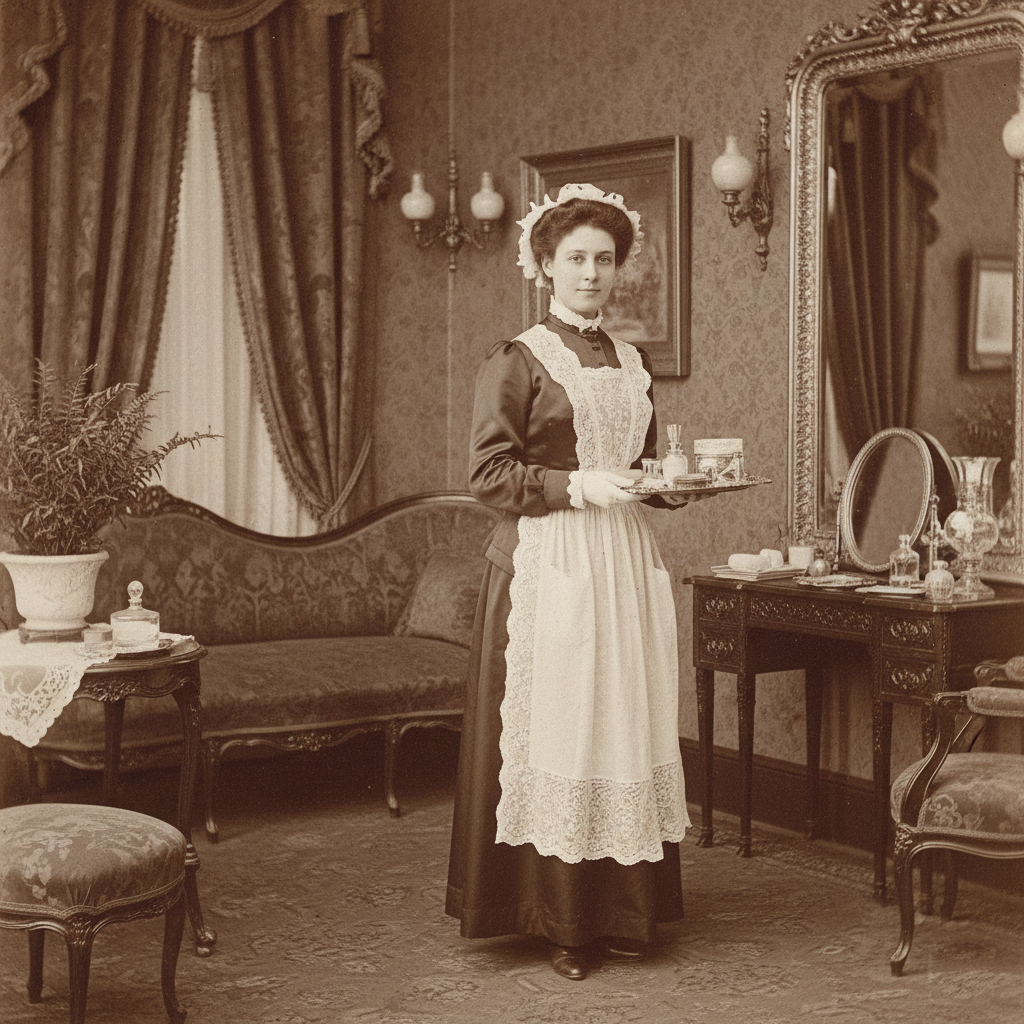
Powder Room Attendant
An extinct profession from Victorian Era that became obsolete due to technological advancement and societal change.
Media Gallery
Related Exhibits
Milkman
The milkman was a familiar figure in the neighborhoods of the 20th century, a symbol of a time when fresh dairy products were delivered directly to homes. Clad in a crisp uniform, often with a cap, the milkman would rise before dawn, preparing for a day of delivering fresh milk, cream, and other dairy products to families. The job was not merely about transportation; it was a vital service that ensured households received their daily supply of milk, often still warm from the farm. The milkman would navigate his route, typically using a horse-drawn cart or later, a motor vehicle, stopping at each home to leave bottles of milk on doorsteps, often exchanging empty bottles from the previous delivery. This daily ritual fostered a sense of community, as the milkman became a trusted figure, known by name to the families he served. The job required not only physical stamina but also a keen sense of time management and customer service, as the milkman had to maintain a strict schedule to ensure freshness and reliability.
Chauffeur
The role of a chauffeur was once a prestigious and essential occupation, particularly in the early to mid-20th century. Chauffeurs were professional drivers employed to transport individuals, often from the upper echelons of society, in luxury vehicles. This job was not merely about driving; it encompassed a range of responsibilities that required a unique blend of skills and etiquette. Chauffeurs were expected to maintain the vehicle in pristine condition, ensuring it was clean, fueled, and mechanically sound. They often had to navigate complex city streets, understand traffic laws, and possess a keen sense of timing to ensure their passengers arrived at their destinations punctually. Additionally, chauffeurs were trained in the art of customer service, often donning uniforms that reflected their employer's status and adhering to strict codes of conduct. The job was synonymous with luxury and exclusivity, often associated with the wealthy elite who relied on chauffeurs for both convenience and status.
Explore More Exhibits
Discover the full collection of past and future professions in The Jobs Museum.