
Modern Era
Chauffeur
An extinct profession from Modern Era that became obsolete due to technological advancement and societal change.
Media Gallery
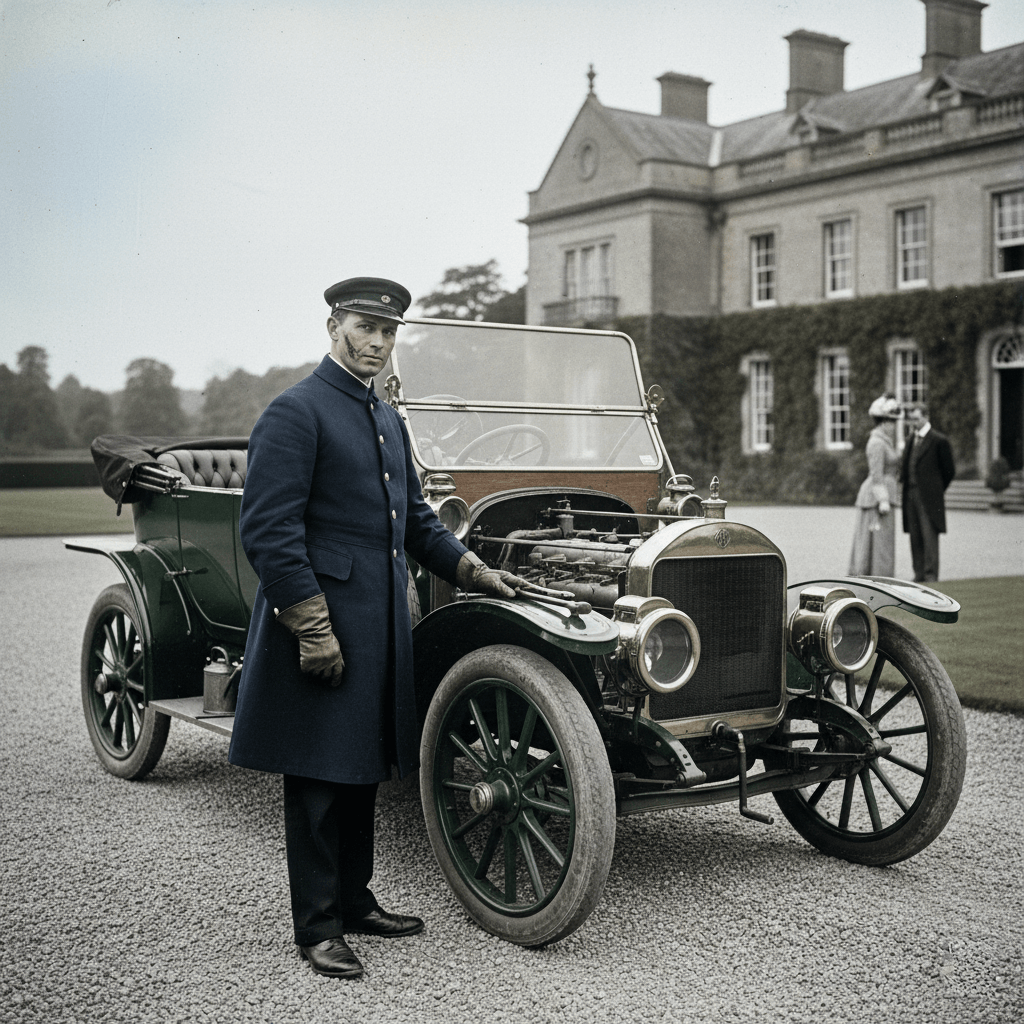
About the Chauffeur Profession
The role of a chauffeur was once a prestigious and essential occupation, particularly in the early to mid-20th century. Chauffeurs were professional drivers employed to transport individuals, often from the upper echelons of society, in luxury vehicles. This job was not merely about driving; it encompassed a range of responsibilities that required a unique blend of skills and etiquette. Chauffeurs were expected to maintain the vehicle in pristine condition, ensuring it was clean, fueled, and mechanically sound. They often had to navigate complex city streets, understand traffic laws, and possess a keen sense of timing to ensure their passengers arrived at their destinations punctually. Additionally, chauffeurs were trained in the art of customer service, often donning uniforms that reflected their employer's status and adhering to strict codes of conduct. The job was synonymous with luxury and exclusivity, often associated with the wealthy elite who relied on chauffeurs for both convenience and status.
Day in the Life of a Chauffeur
Early Morning: Preparing for the Day
A chauffeur's day often began before dawn. After a quick breakfast, the chauffeur would head to the garage to inspect the vehicle. This included checking the oil, tire pressure, and ensuring the interior was spotless. A well-maintained car was a reflection of the chauffeur's professionalism and the status of their employer.
Morning: The First Pick-Up
Once the vehicle was ready, the chauffeur would review the day's schedule, which often included multiple pick-ups and drop-offs. The first passenger of the day might be a business executive needing to reach an important meeting. The chauffeur would arrive early, waiting patiently at the designated location, ready to assist with opening doors and ensuring a smooth transition into the vehicle.
Midday: Navigating the City
Throughout the day, the chauffeur would navigate the bustling city streets, often using maps or early GPS systems to find the quickest routes. They needed to be familiar with traffic patterns and alternative routes to avoid delays. During this time, they might also engage in light conversation with their passengers, providing a comfortable and pleasant atmosphere.
Afternoon: Lunch Break and Maintenance
After the morning rush, the chauffeur might have a brief break for lunch. This was also a time to refuel the vehicle and perform any necessary maintenance checks. Keeping the car in top condition was crucial, as it was not just a mode of transport but a symbol of luxury.
Evening: The Final Drop-Off
As the day wound down, the chauffeur would often find themselves making the final drop-offs for the evening. This could involve picking up clients from social events or returning them home after a long day. The chauffeur's role was to ensure their passengers felt safe and comfortable, often assisting with luggage or packages.
Night: End of the Day
After the last passenger was dropped off, the chauffeur would return the vehicle to the garage, clean it, and prepare it for the next day. This routine was essential to maintaining the high standards expected in the profession.
Related Exhibits
Newspaper Typesetter
The role of a newspaper typesetter was pivotal in the production of printed media during the Industrial Revolution and well into the 20th century. Typesetters were responsible for arranging the text and images that would be printed in newspapers, ensuring that each page was visually appealing and legible. This intricate process involved selecting individual metal type pieces, known as 'sorts', and arranging them into words and sentences on a composing stick. Once the text was set, it was locked into place in a chase, ready for the printing press. Typesetters worked in a noisy, bustling environment, often alongside other skilled tradespeople, such as printers and proofreaders, in a print shop. The job required not only technical skill but also a keen eye for detail and a strong understanding of typography and layout.
Daguerreotypist
The daguerreotypist was a pioneering figure in the world of photography, specializing in the creation of daguerreotypes, the first commercially successful form of photography. This intricate process, developed by Louis Daguerre in 1839, involved capturing images on a polished sheet of silver-plated copper. The daguerreotypist's work was not merely technical; it was an art form that required a keen eye for detail and a deep understanding of light and composition. Each daguerreotype was a unique image, characterized by its remarkable clarity and depth, making it a sought-after medium for portraiture and landscapes alike. The daguerreotypist operated in a small studio, often adorned with velvet drapes and props to enhance the aesthetic of the portraits. The process began with the careful preparation of the metal plate, which was coated with a light-sensitive layer of silver iodide. After exposure in the camera, the plate was developed using mercury vapor, a hazardous but essential step that brought the latent image to life. The final product was then fixed with a salt solution, resulting in a stunning, mirror-like image that could be viewed directly or framed for display. Daguerreotypists were often entrepreneurs, establishing their own studios and marketing their services to the public. They played a crucial role in documenting society, capturing everything from family portraits to significant historical events, and their work laid the foundation for modern photography.
Explore More Exhibits
Discover the full collection of past and future professions in The Jobs Museum.