
Ancient Civilizations
Mantikos
An extinct profession from Ancient Civilizations that became obsolete due to technological advancement and societal change.
Media Gallery
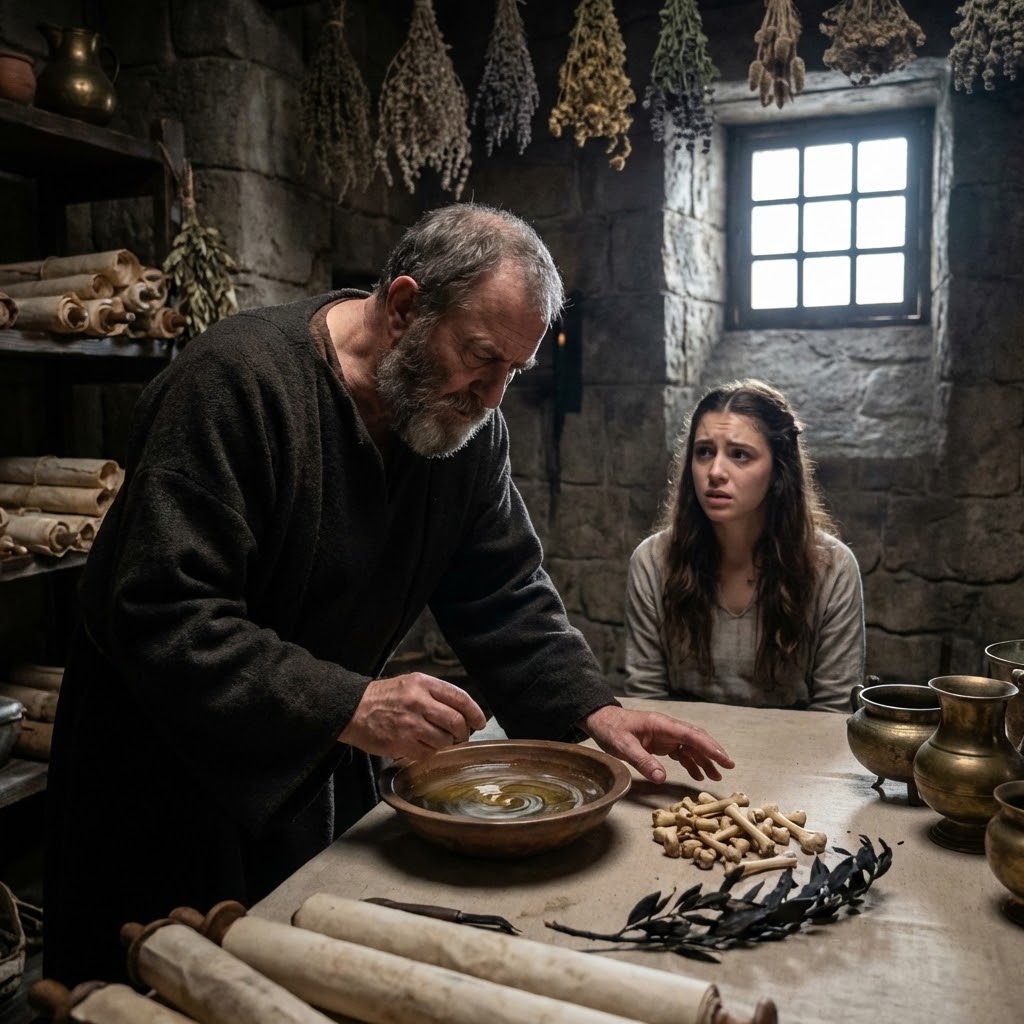
About the Mantikos Profession
The Mantikos, a revered figure in ancient societies, was a professional diviner or seer, often consulted for their ability to interpret omens and communicate with the divine. This role was deeply embedded in the spiritual and social fabric of communities, where the Mantikos served as a bridge between the mortal realm and the gods. They were often called upon during significant events such as battles, harvests, and personal milestones, providing guidance through rituals, sacrifices, and the interpretation of signs from nature. The Mantikos utilized various methods, including the examination of animal entrails, the observation of celestial bodies, and the reading of dreams, to deliver prophecies and advice. Their insights were not only sought for personal matters but also for communal decisions, making them influential figures in governance and societal direction.
Day in the Life of a Mantikos
Dawn: Ritual Preparations
As the first light of dawn breaks, the Mantikos rises from their humble abode, often located near a temple or sacred site. The day begins with personal rituals, invoking the favor of the gods through prayers and offerings. The Mantikos prepares their tools, which may include sacred texts, divination instruments, and items for sacrifices, ensuring that everything is in order for the day ahead.
Morning: Community Consultations
By mid-morning, the Mantikos is visited by community members seeking guidance. Each consultation is unique, with individuals presenting their concerns—ranging from personal dilemmas to questions about agricultural prospects. The Mantikos listens intently, often taking notes on clay tablets or parchment, before performing divination rituals. This may involve the examination of animal entrails or casting lots, interpreting the signs to provide answers.
Afternoon: Rituals and Offerings
In the afternoon, the Mantikos may conduct public rituals, often in collaboration with priests or priestesses. These ceremonies are vital for community cohesion, addressing collective fears or aspirations. The Mantikos leads the community in prayers, sacrifices, and offerings to the gods, reinforcing their role as a spiritual leader and mediator.
Evening: Reflection and Study
As the sun sets, the Mantikos returns home, reflecting on the day’s consultations and rituals. This time is often spent studying sacred texts or practicing divination techniques, honing their skills for future consultations. The Mantikos may also engage in discussions with fellow diviners, sharing insights and experiences to deepen their understanding of the divine.
Night: Dream Interpretation
Before retiring for the night, the Mantikos may engage in dream interpretation, a crucial aspect of their role. They record their dreams and those of others, analyzing symbols and messages believed to be sent by the gods. This practice not only aids in personal understanding but also prepares them for the next day’s consultations.
Related Exhibits
Lanista
The lanista was a pivotal figure in the world of ancient Roman gladiatorial games, serving as a trainer and manager of gladiators. These individuals were responsible for the selection, training, and overall management of gladiators, who were often slaves or prisoners of war forced to fight in brutal spectacles for public entertainment. The lanista operated a ludi, or gladiatorial school, where they would oversee the rigorous training of their fighters, teaching them combat techniques, discipline, and the art of survival in the arena. The lanista's role was not only to prepare gladiators physically but also to cultivate their mental fortitude, as the psychological demands of combat were immense. They were often seen as both a mentor and a taskmaster, instilling a sense of loyalty and camaraderie among their fighters while also ensuring they were ready to face the deadly challenges of the arena. The lanista's influence extended beyond training; they were also involved in the business side of gladiatorial combat, negotiating contracts, managing finances, and sometimes even betting on the outcomes of fights. This multifaceted role made the lanista a significant player in the social and economic fabric of Roman entertainment culture.
Mudlark
The term 'mudlark' refers to individuals, often children or the impoverished, who scavenged the banks of rivers, particularly the River Thames in London, during the Victorian Era. These individuals would sift through the mud and debris left behind by the receding tide, searching for anything of value that could be sold or repurposed. The job was born out of necessity, as many families faced extreme poverty and relied on the meager earnings from scavenging to survive. Mudlarks would find items such as old coins, jewelry, pottery, and even discarded household goods, which they could sell to local traders or at markets. The work was physically demanding and often dangerous, as the muddy banks could be treacherous, and the waters of the Thames were known for their strong currents and pollution. Despite the harsh conditions, mudlarks played a crucial role in the urban economy, contributing to the recycling of materials long before the concept became mainstream.
Explore More Exhibits
Discover the full collection of past and future professions in The Jobs Museum.