
Victorian Era
Chimney Sweep
An extinct profession from Victorian Era that became obsolete due to technological advancement and societal change.
Media Gallery
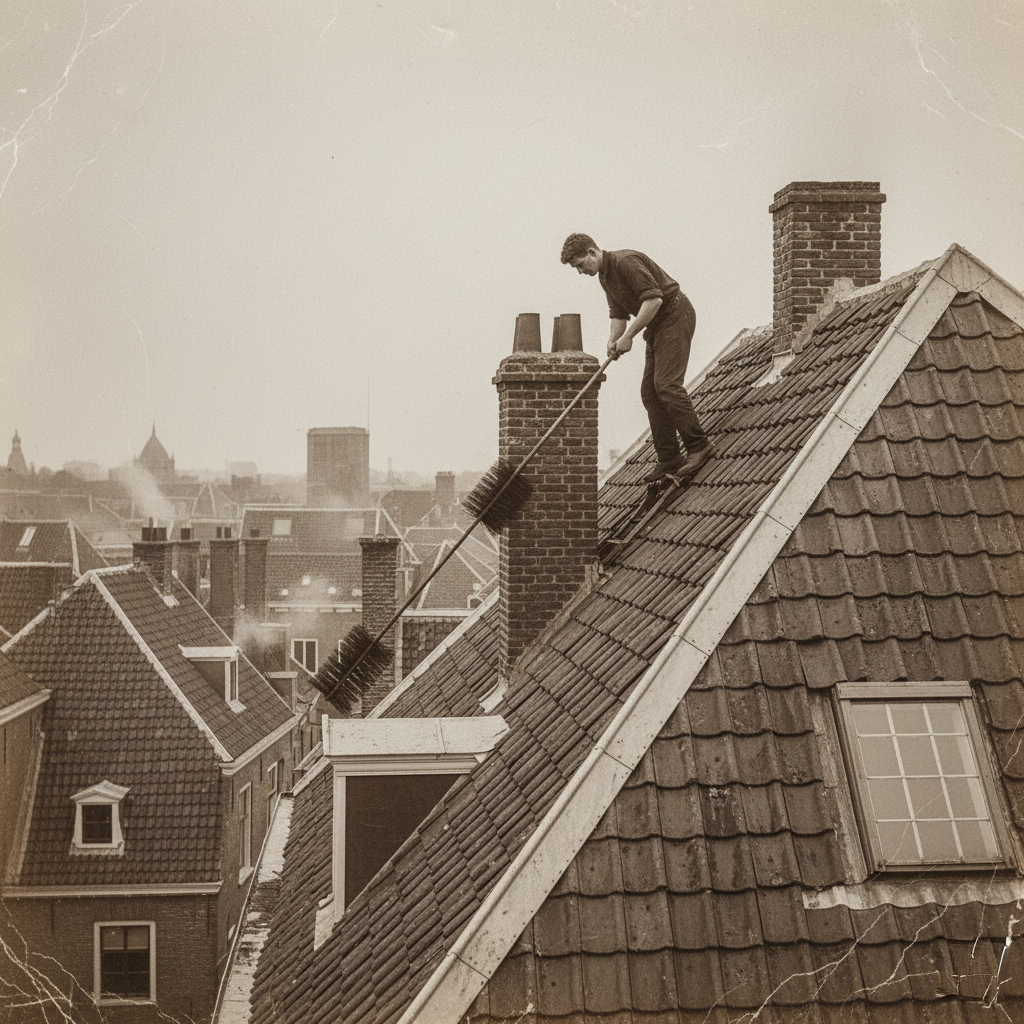
About the Chimney Sweep Profession
The role of a chimney sweep was crucial in the Victorian Era, particularly in urban areas where coal was the primary source of heating. As homes and factories proliferated, so did the need for clean chimneys to prevent dangerous chimney fires and ensure proper ventilation. Chimney sweeps were responsible for cleaning soot and creosote buildup from chimneys, which could lead to hazardous conditions if left unchecked. The job was often performed by young boys, some as young as six, who would climb into narrow flues to scrape away the soot. This labor-intensive work required not only physical agility but also a keen understanding of the structure of chimneys and the dangers associated with them. The job was often grueling, with sweeps working long hours in cramped, dark spaces, and it was not uncommon for them to suffer from respiratory issues due to the soot they inhaled. Despite the harsh conditions, chimney sweeps played a vital role in maintaining the safety of homes during a time when coal was the dominant fuel source.
Day in the Life of a Chimney Sweep
Early Morning: Rise and Shine
The day began before dawn, as the young chimney sweeps would rise early to prepare for a long day of work. After a quick breakfast, often consisting of bread and water, they would gather their tools and set out into the chilly morning air, ready to tackle the day’s assignments.
Morning: The First Jobs
By sunrise, the sweeps would arrive at their first job, often a large Victorian home. They would greet the homeowner, who would show them to the chimney. With a brush and a set of rods in hand, the sweep would climb onto the roof, where they would insert the rods into the chimney flue. The boy would then climb down into the flue, using his small size to navigate the tight space, scrubbing the walls to remove soot and debris. This process could take several hours, depending on the condition of the chimney.
Midday: Break and More Work
After completing the morning jobs, the sweeps would take a brief break, often eating a meager lunch of bread or leftovers from the homeowner. They would then move on to the next job, which could be in another part of the city. The work was relentless, with little time for rest, as the demand for clean chimneys was high, especially during the cold months.
Afternoon: The Dangers of the Job
As the day wore on, the sweeps would continue their work, often facing dangerous conditions. The risk of falling or getting stuck in a chimney was ever-present. Many boys suffered injuries or illnesses due to the harsh working conditions, including respiratory problems from inhaling soot and dust. Despite these dangers, the boys were often motivated by the small wages they earned, which were crucial for their families.
Evening: Wrapping Up
As the sun began to set, the chimney sweeps would finish their last job of the day. They would return home, covered in soot, to collect their meager pay, which typically ranged from a few pence to a shilling per job. After a long day of hard labor, they would wash up and prepare for another early start the next day, knowing that their work was essential for the safety of the homes they served.
Related Exhibits
Lighthouse Keeper
The role of a lighthouse keeper was vital to maritime safety, particularly during the 19th century when shipping traffic surged due to industrialization and global trade. Lighthouse keepers were responsible for maintaining the light and ensuring that it was visible to passing ships, guiding them safely through treacherous waters. This job required a deep understanding of navigation, meteorology, and mechanical systems, as keepers often had to troubleshoot and repair the light mechanisms, which could include oil lamps or later, electric lights. The keeper's duties extended beyond just the light; they also maintained the lighthouse itself, kept records of weather conditions, and sometimes assisted in rescue operations for distressed vessels. The isolation of many lighthouses meant that keepers often lived in remote locations, sometimes with their families, fostering a unique community around these beacons of safety.
Milkman
The milkman was a familiar figure in the neighborhoods of the 20th century, a symbol of a time when fresh dairy products were delivered directly to homes. Clad in a crisp uniform, often with a cap, the milkman would rise before dawn, preparing for a day of delivering fresh milk, cream, and other dairy products to families. The job was not merely about transportation; it was a vital service that ensured households received their daily supply of milk, often still warm from the farm. The milkman would navigate his route, typically using a horse-drawn cart or later, a motor vehicle, stopping at each home to leave bottles of milk on doorsteps, often exchanging empty bottles from the previous delivery. This daily ritual fostered a sense of community, as the milkman became a trusted figure, known by name to the families he served. The job required not only physical stamina but also a keen sense of time management and customer service, as the milkman had to maintain a strict schedule to ensure freshness and reliability.
Explore More Exhibits
Discover the full collection of past and future professions in The Jobs Museum.