
19th Century
Morse Code Decoder
An extinct profession from 19th Century that became obsolete due to technological advancement and societal change.
Media Gallery
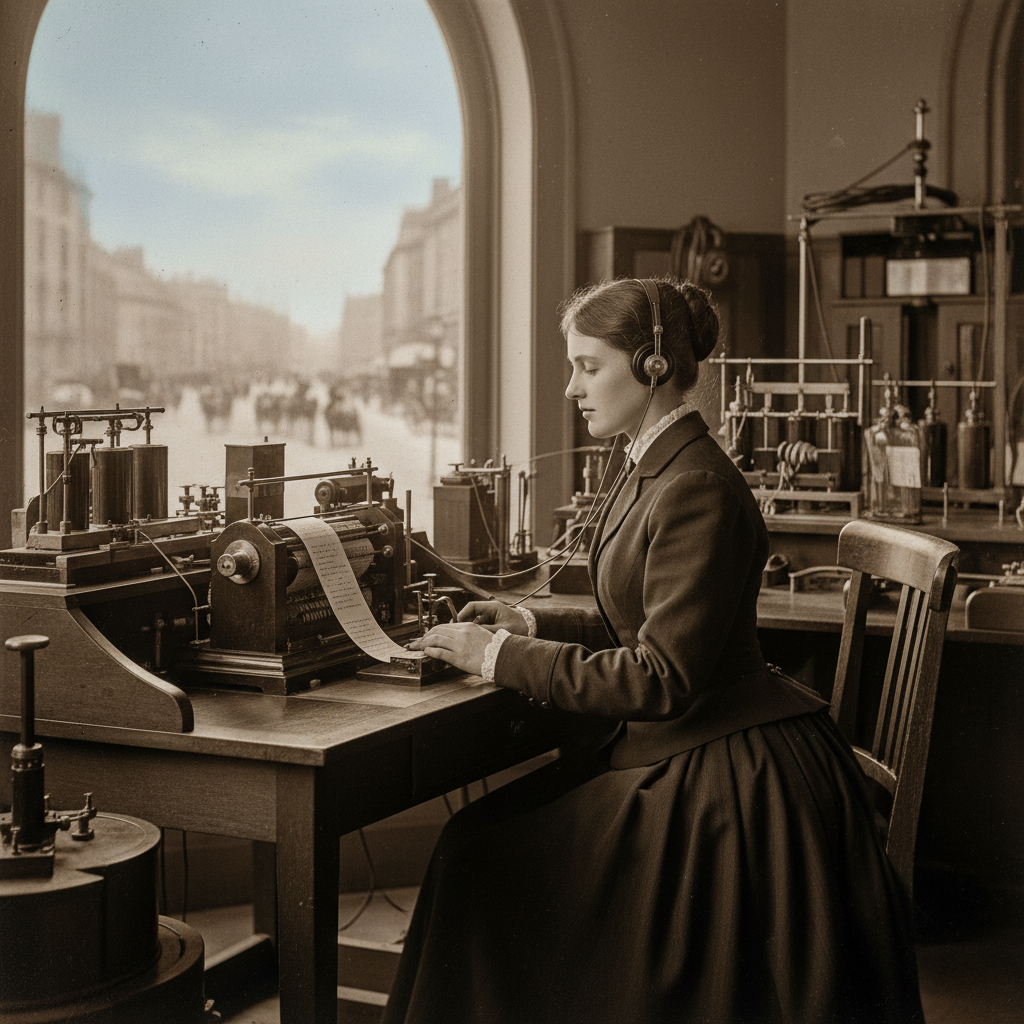
About the Morse Code Decoder Profession
The role of a Morse Code Decoder emerged in the mid-19th century, coinciding with the advent of the telegraph. This job was pivotal in the communication revolution, allowing messages to be transmitted over long distances using a series of dots and dashes representing letters and numbers. Morse Code Decoders were responsible for interpreting these signals, translating them into readable text, and ensuring that vital information was accurately conveyed. They played a crucial role in various sectors, including military operations, maritime communication, and commercial enterprises, where timely information was essential for decision-making and coordination.
The work environment for a Morse Code Decoder was often dynamic and fast-paced. Decoders typically operated in telegraph offices, military command centers, or aboard ships, where they would listen intently to the rhythmic sounds of the telegraph machine. The ability to quickly and accurately decode messages was paramount, as delays could lead to misunderstandings or missed opportunities. The job required not only technical skill but also a keen sense of urgency and attention to detail, as decoders often worked under pressure, especially during critical communications.
Day in the Life of a Morse Code Decoder
Morning: The Shift Begins
As dawn breaks, the telegraph office comes to life. The Morse Code Decoder arrives early, ready to start the day. After a quick review of the previous day's messages, they prepare their workspace, ensuring that the telegraph key and sounder are in good condition. The decoder checks the incoming messages, which may include everything from weather reports to military orders.
Mid-Morning: Decoding Messages
The first messages of the day start coming in. The decoder sits at their desk, headphones on, listening intently to the rhythmic beeping of the telegraph. With a pencil and paper at hand, they translate the Morse Code signals into plain text. Each dot and dash requires concentration and speed, as the decoder must keep pace with the incoming messages.
Afternoon: Communication and Coordination
After a busy morning, the decoder takes a brief break before the afternoon rush. They often collaborate with other telegraph operators and clerks, relaying important messages to the appropriate parties. This could involve coordinating troop movements during wartime or sending urgent news to businesses. The decoder's role is crucial in ensuring that information flows smoothly and efficiently.
Evening: Wrapping Up
As the day winds down, the decoder reviews the messages sent and received, ensuring that all communications have been accurately recorded. They may also prepare reports summarizing the day's activities. Once the office closes, the decoder leaves, knowing that their work has played a vital role in connecting people across vast distances.
Related Exhibits
Leech Collector
In the Victorian Era, the leech collector played a crucial role in the burgeoning field of medicine. These individuals were tasked with harvesting leeches from freshwater bodies, primarily for use in bloodletting—a common medical practice of the time. Leeches were believed to cure a variety of ailments by drawing out 'bad blood,' and their demand surged as the medical community embraced this practice. Leech collectors would often wade into muddy waters, using nets and their bare hands to gather these slimy creatures, which were then sold to physicians and apothecaries. The job required not only physical endurance but also a keen understanding of the leeches' habitats and behaviors, as well as the ability to handle them without causing harm to themselves or the creatures. The leech collector's work was often conducted in remote, marshy areas, where they would spend hours in the water, sometimes in harsh weather conditions. The collectors would return home with buckets filled with leeches, which they would keep alive in water-filled containers until sold. The job was labor-intensive and often poorly paid, but it was essential in an era when medical practices relied heavily on the use of leeches for therapeutic purposes. As the medical field evolved and the understanding of human anatomy and disease progressed, the practice of bloodletting fell out of favor. By the late 19th century, with the advent of modern medicine and more effective treatments, the demand for leeches diminished significantly, leading to the decline of this once vital occupation.
Vitascope Operator
The Vitascope Operator was a pioneering figure in the early days of cinema, responsible for operating the Vitascope, one of the first commercially successful motion picture projectors. This role emerged in the late 19th century, during a time when the world was captivated by the novelty of moving images. The Vitascope, developed by Thomas Edison and his team, allowed for the projection of short films to audiences in theaters, marking a significant leap in entertainment technology. Operators were tasked with not only running the machine but also ensuring that the film was threaded correctly, maintaining the right speed, and managing the light source to create a clear image on the screen. The job required a blend of technical skill and showmanship, as operators often had to engage with the audience, enhancing the viewing experience with commentary or sound effects. The excitement of the flickering images and the communal experience of watching films in a darkened theater made the role of the Vitascope Operator a vital part of the early film industry.
Explore More Exhibits
Discover the full collection of past and future professions in The Jobs Museum.