The Jobs Museum
The Past and Future of Work
We explore how professions emerge, evolve, and disappear to help people understand the future of work. The Jobs Museum is a digital archive of past jobs and future roles.

Lamp Lighter
Victorian Era
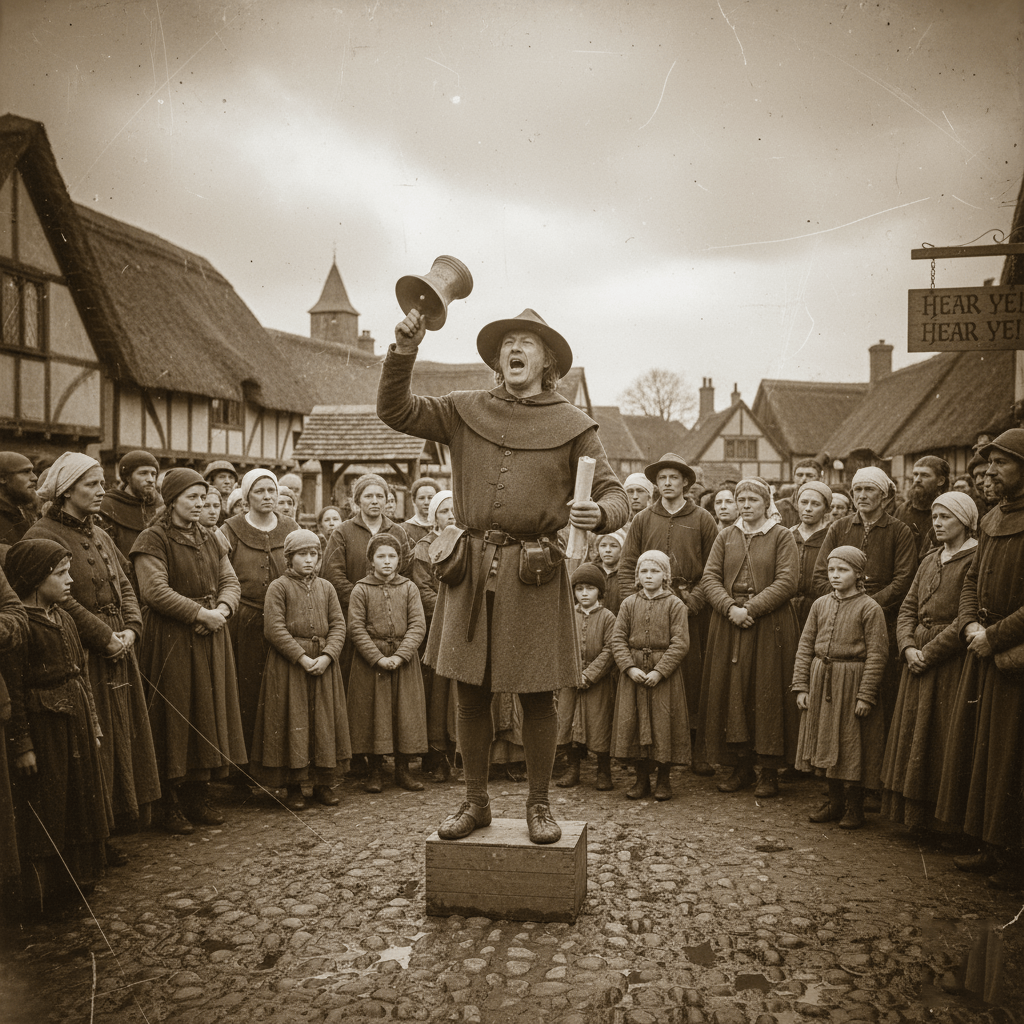
Town Crier
Medieval Period
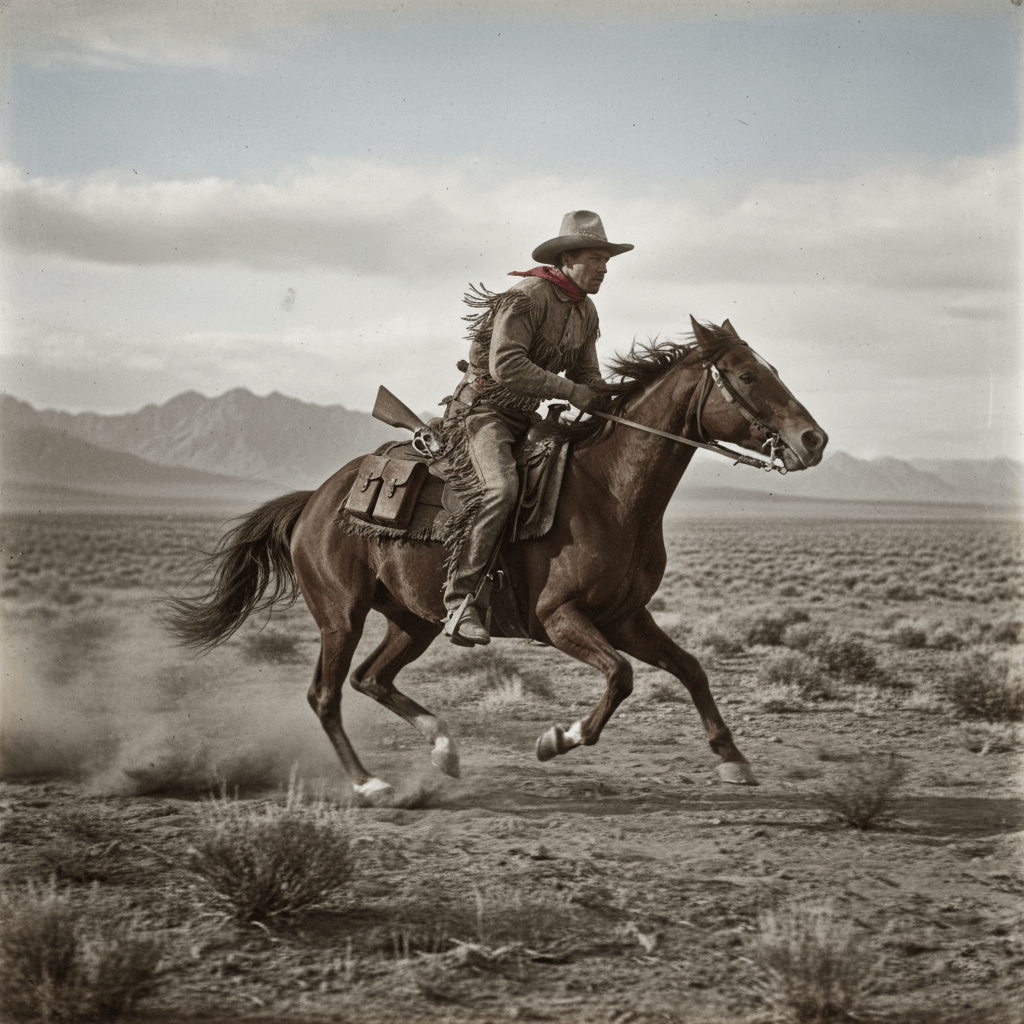
Pony Express Rider
Mid 19th Century
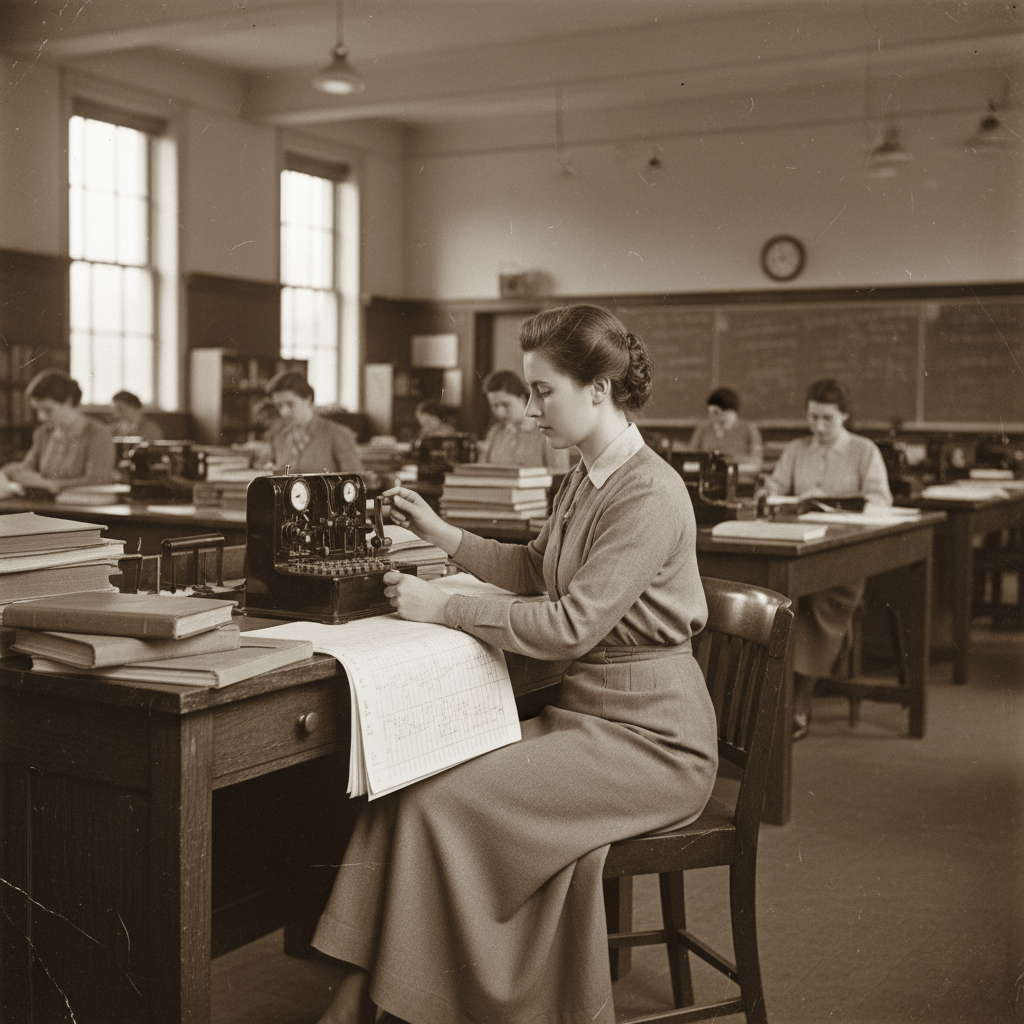
Human Computer
20th Century
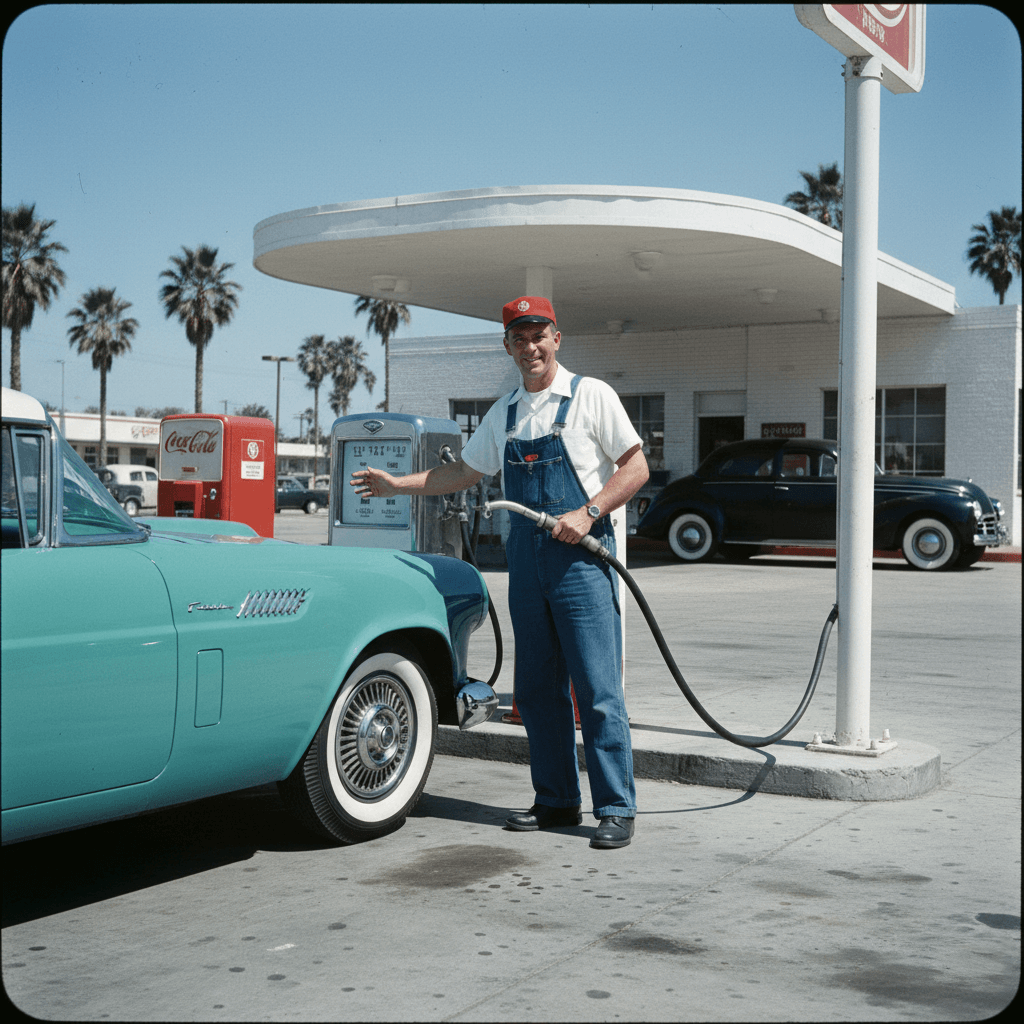
Gas Station Attendant
Post-War Era
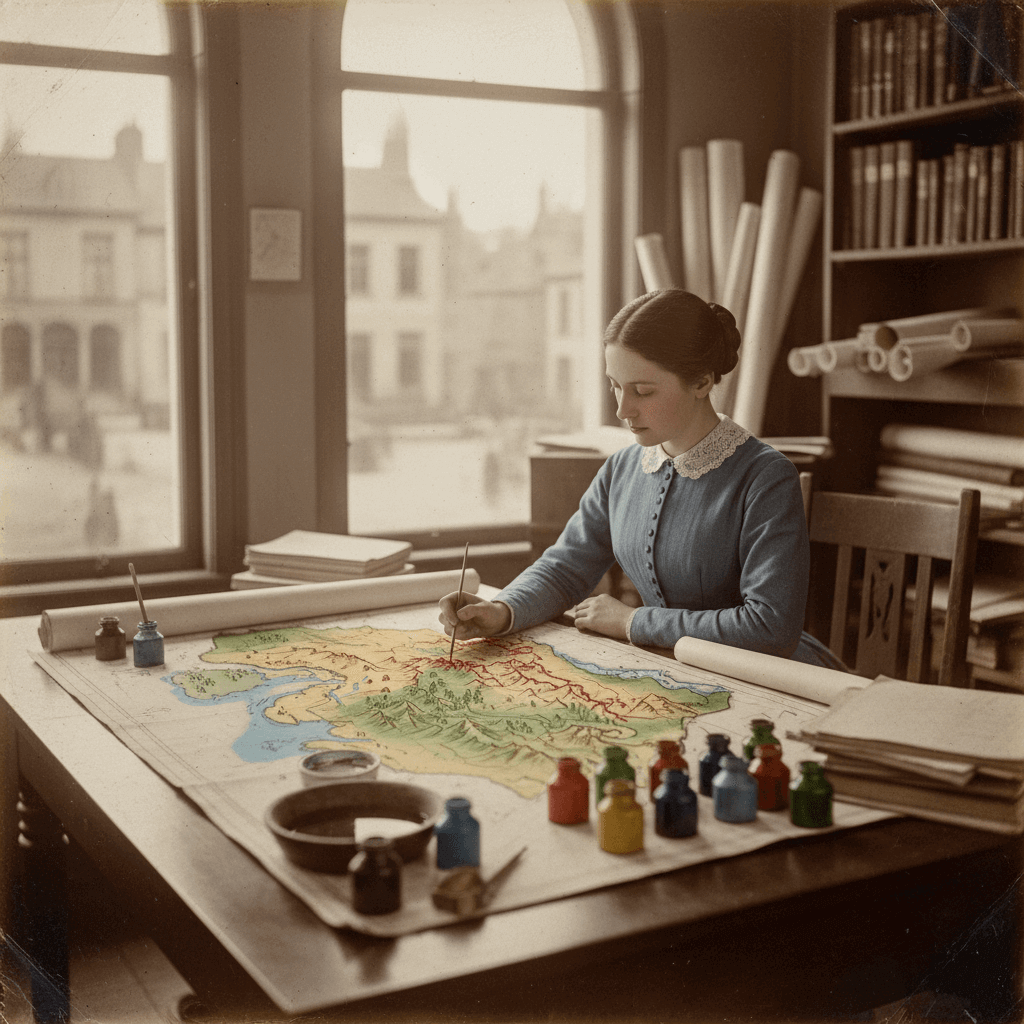
Map Colourist
Victorian Era
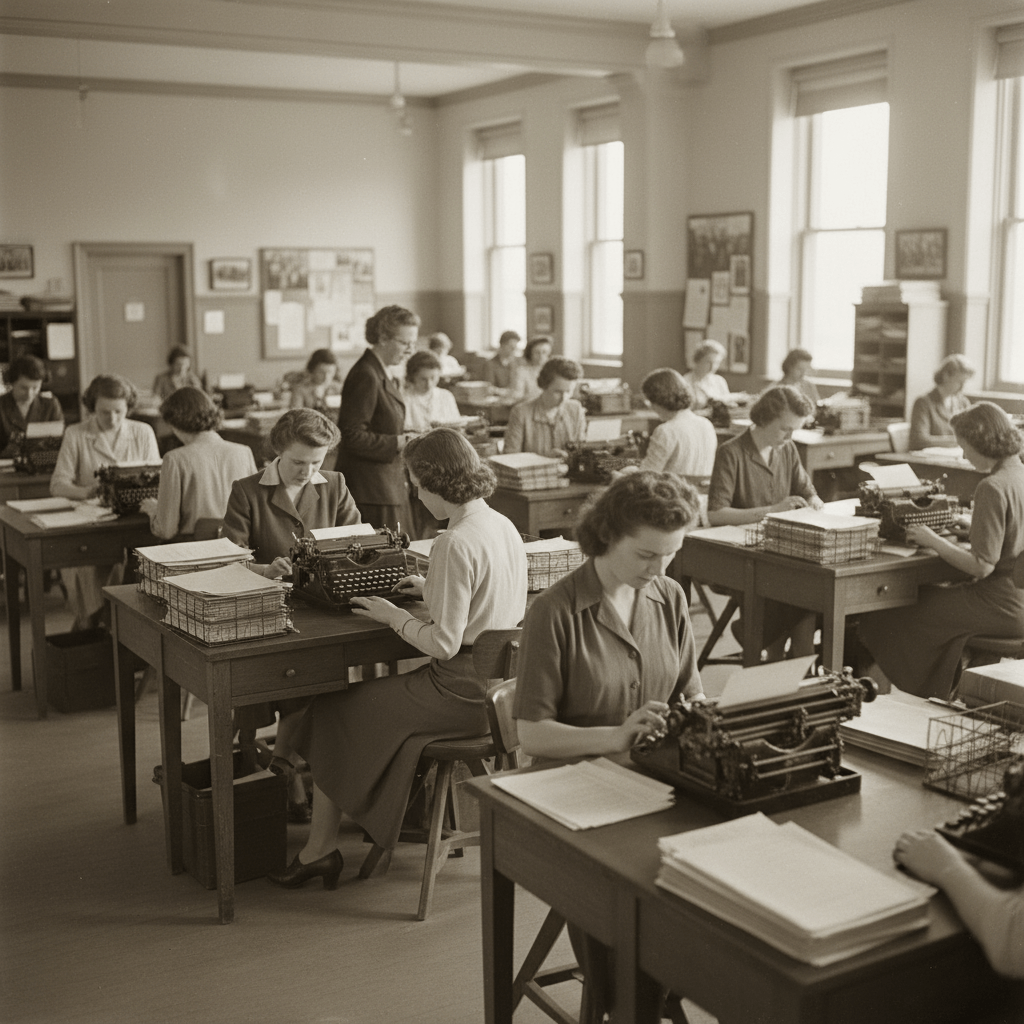
Typist Pool Worker
Post-War Era
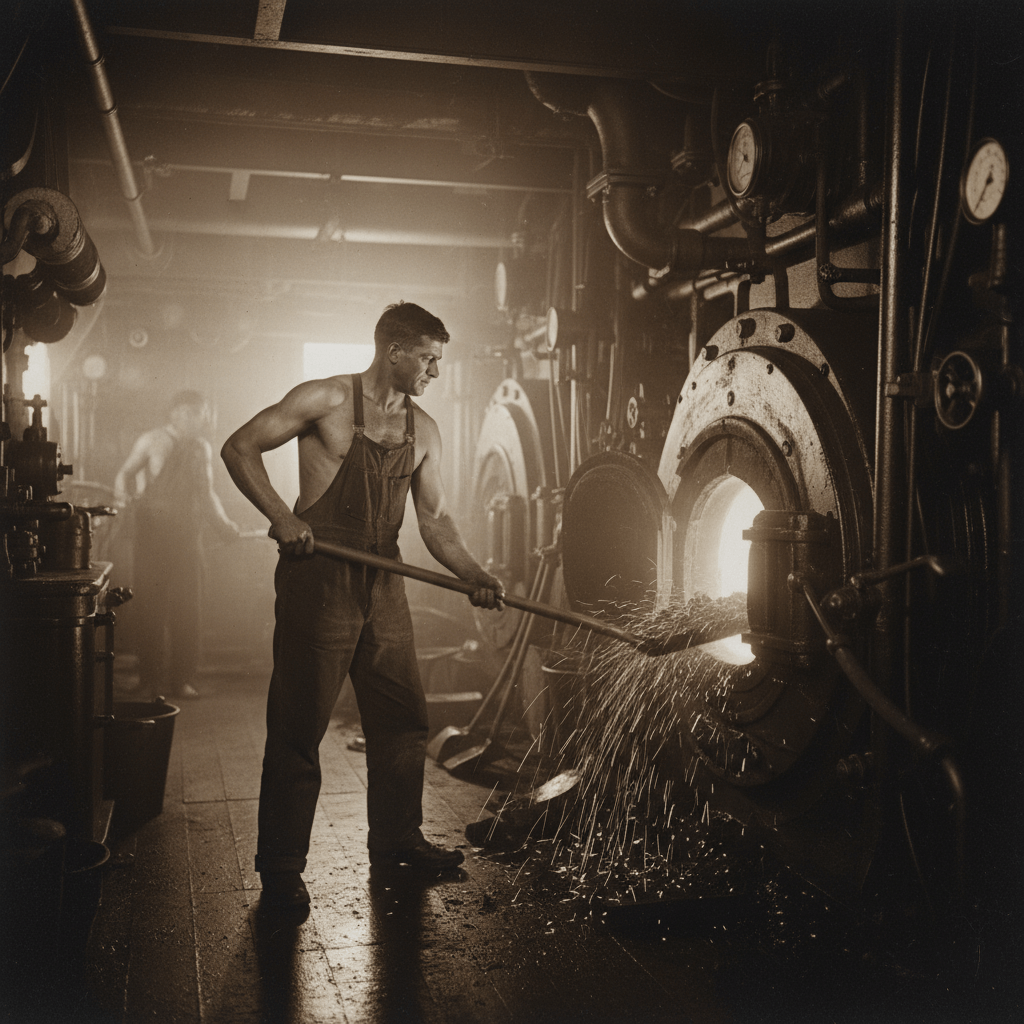
Coal Stoker
Industrial Revolution
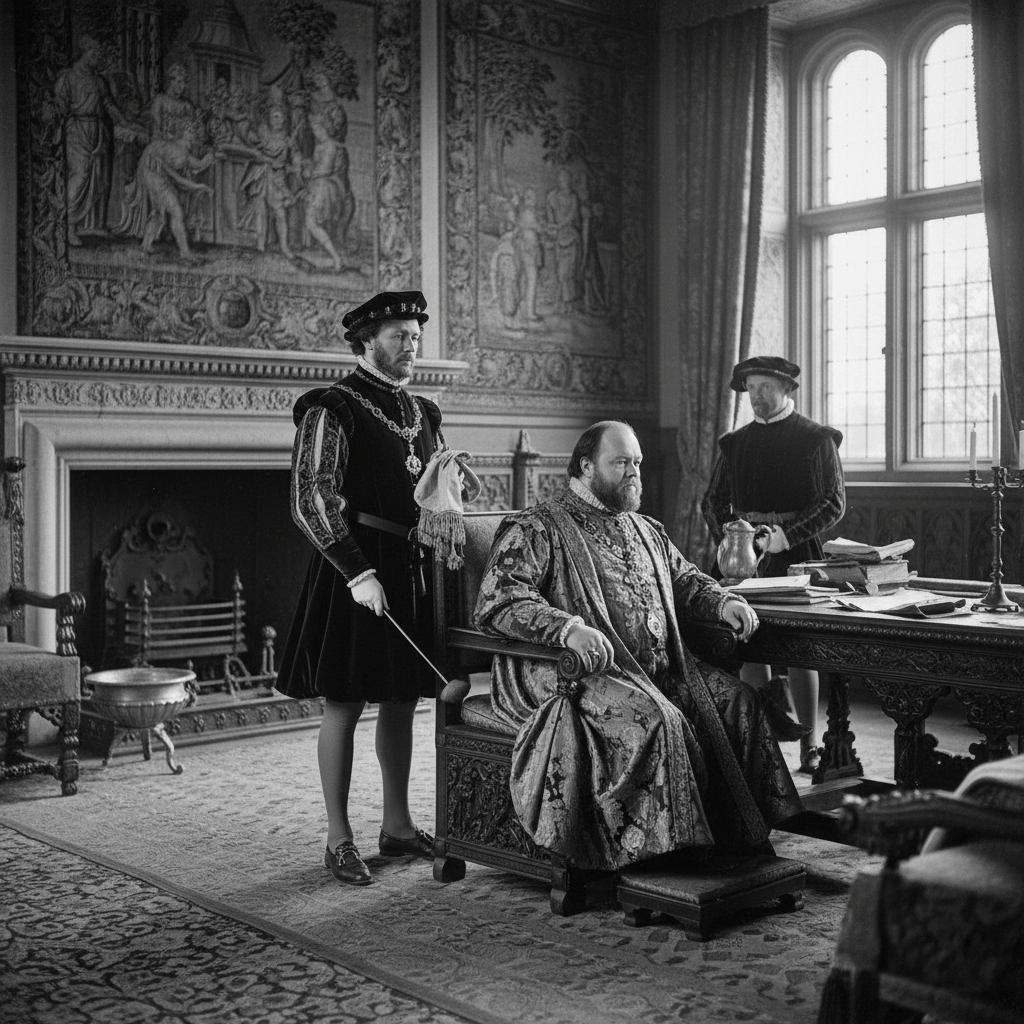
Groom of the Stool
Tudor Period
Lamp Lighter
Victorian Era
Town Crier
Medieval Period
Pony Express Rider
Mid 19th Century
Human Computer
20th Century
Gas Station Attendant
Post-War Era
Map Colourist
Victorian Era
Typist Pool Worker
Post-War Era
Coal Stoker
Industrial Revolution
Groom of the Stool
Tudor Period
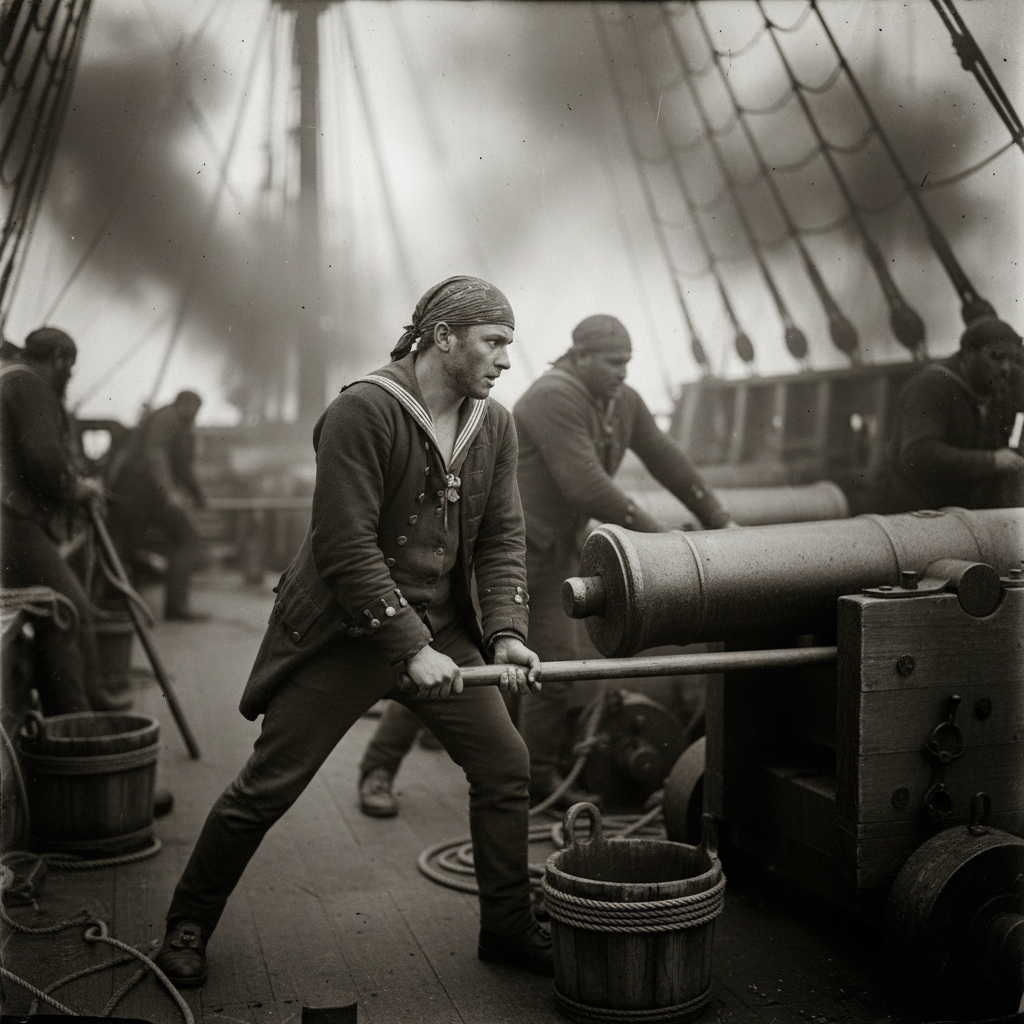
Powder Monkey
Age of Exploration
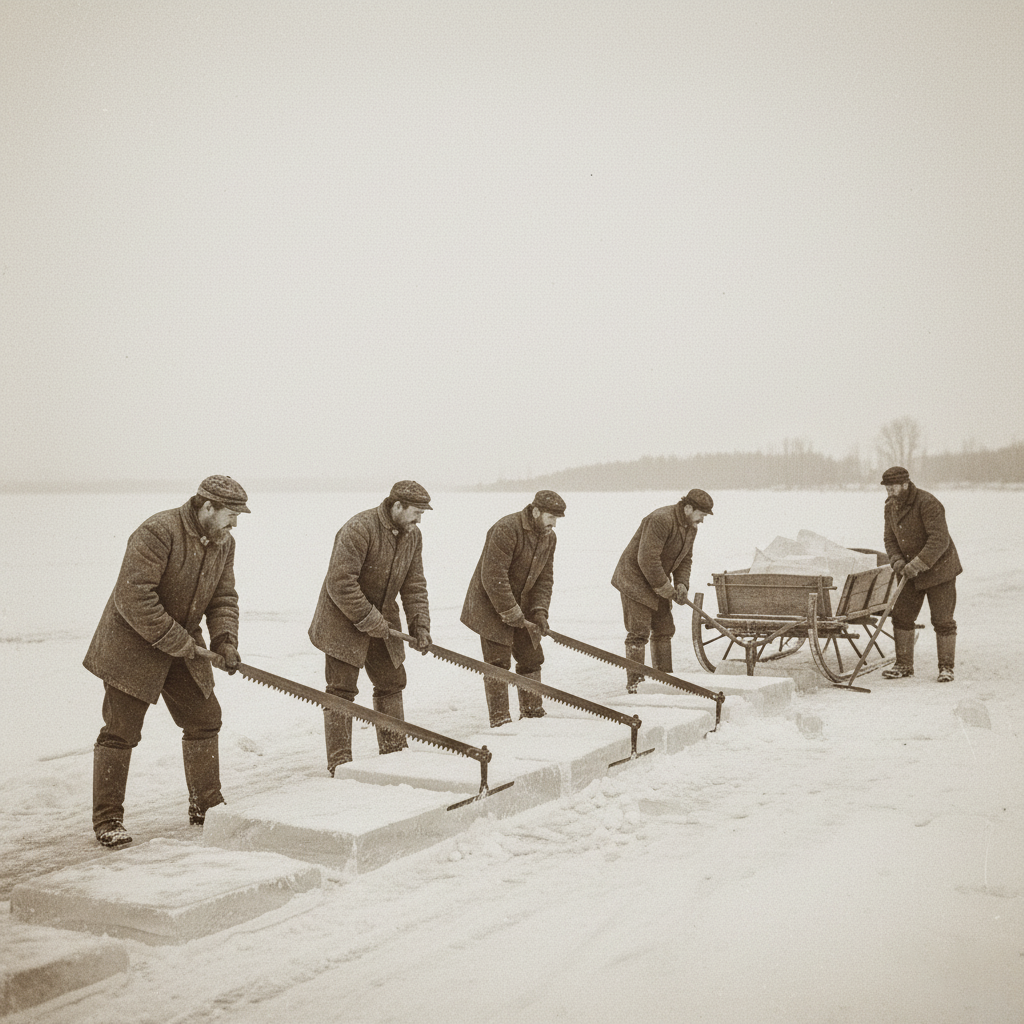
Ice Cutter
19th Century
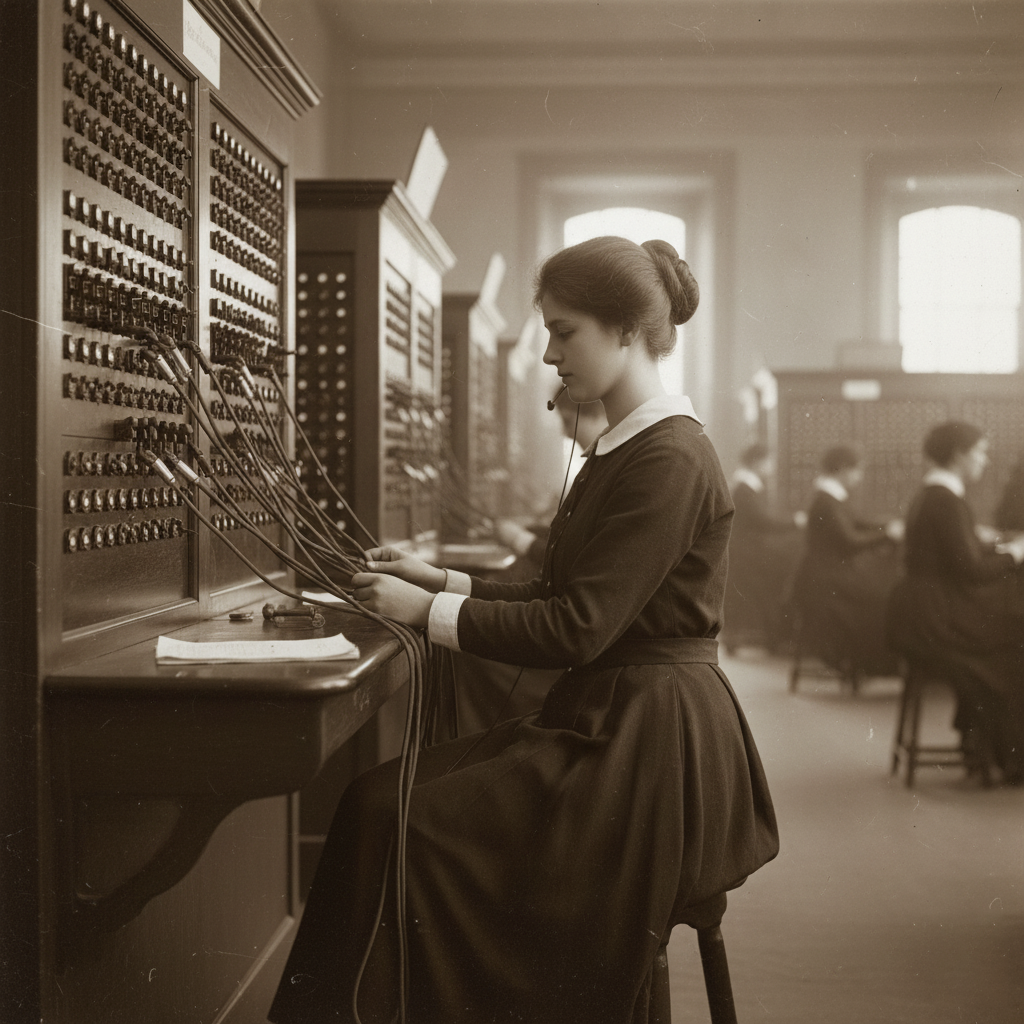
Switchboard Operator
Industrial Revolution
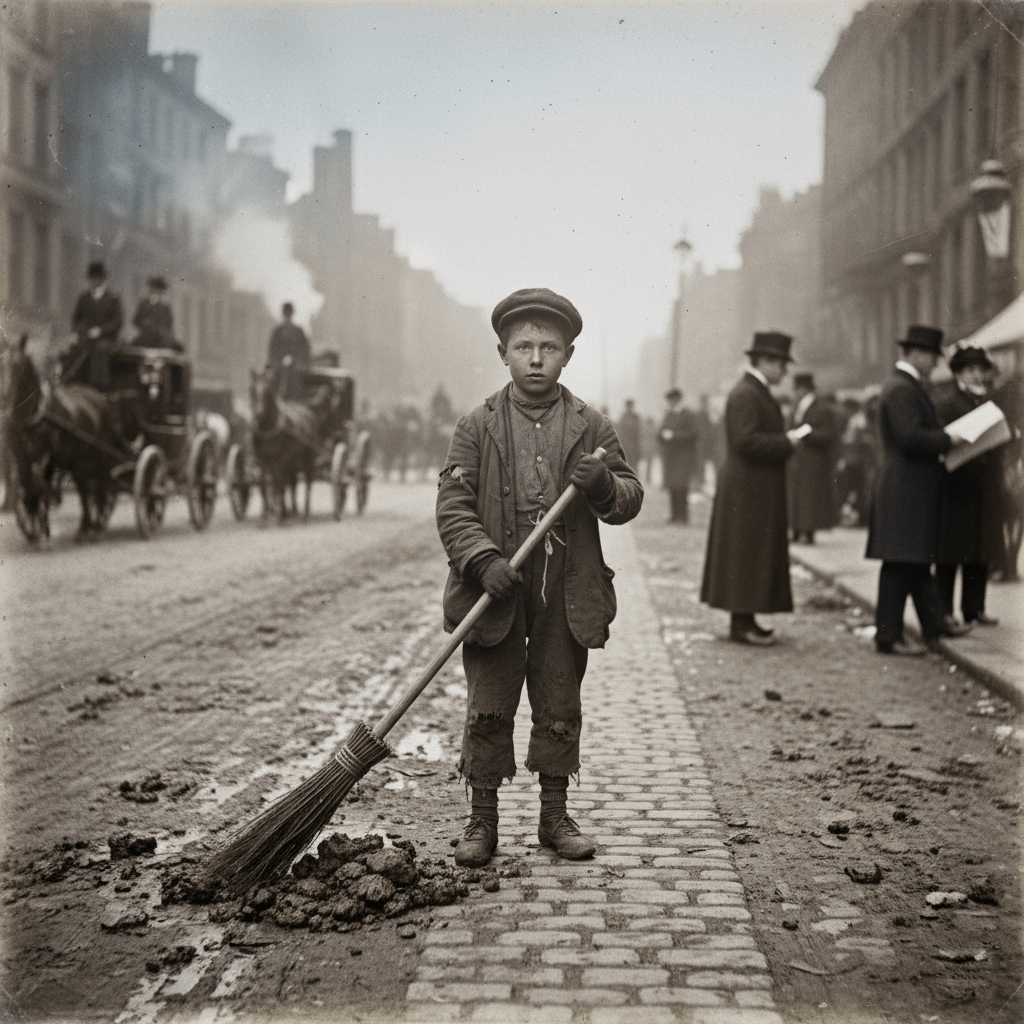
Crossing Sweeper
Victorian Era
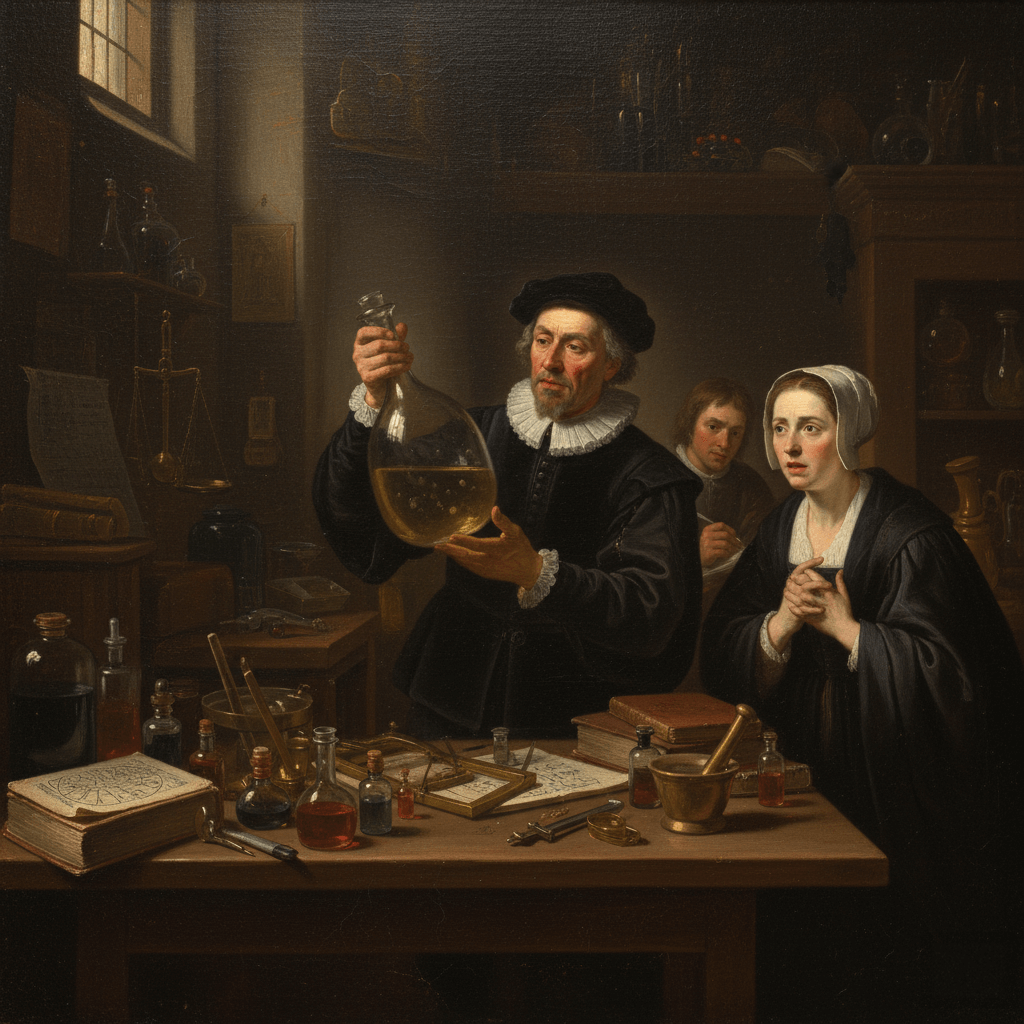
Piss-Prophet
Medieval Period
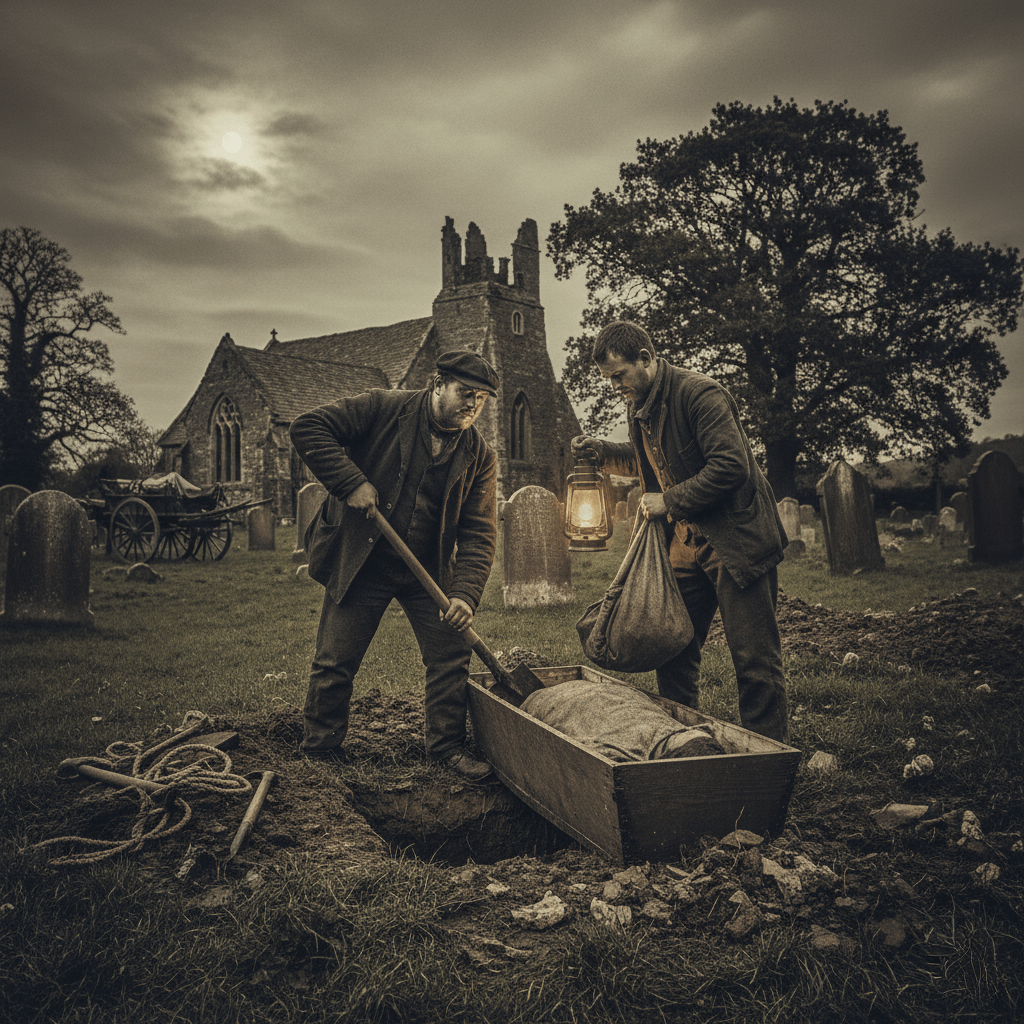
Resurrectionist
Victorian Era
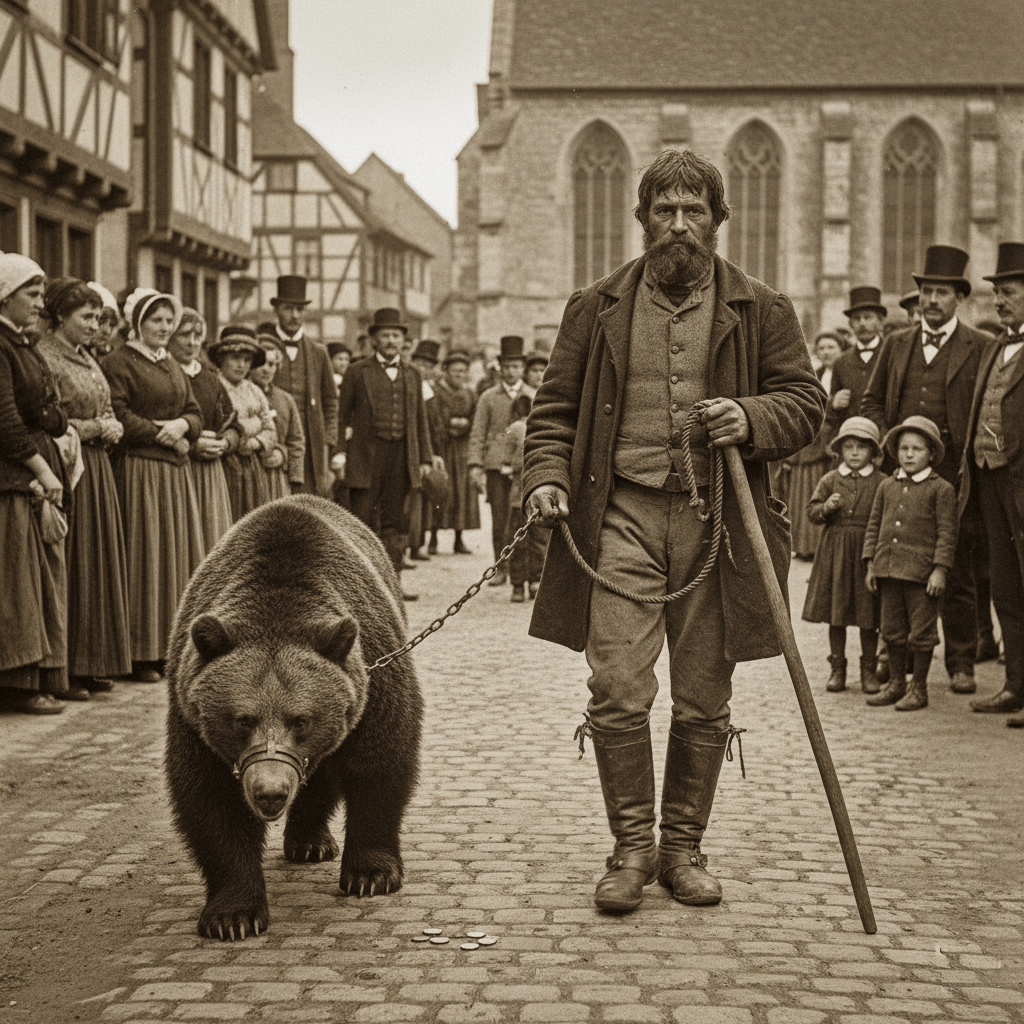
Bear-Leader
Victorian Era

Plague Doctor
Medieval Period
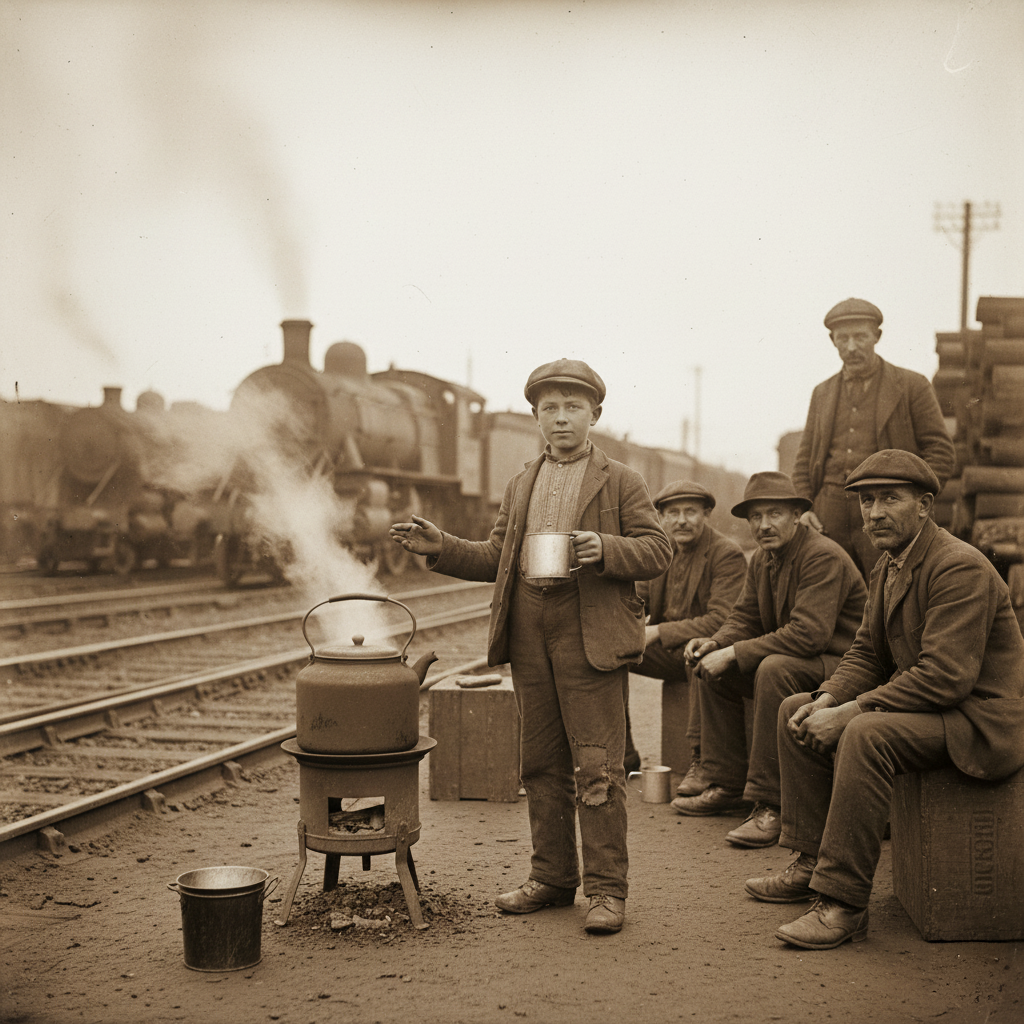
Billy Boy
Victorian Era
Powder Monkey
Age of Exploration
Ice Cutter
19th Century
Switchboard Operator
Industrial Revolution
Crossing Sweeper
Victorian Era
Piss-Prophet
Medieval Period
Resurrectionist
Victorian Era
Bear-Leader
Victorian Era
Plague Doctor
Medieval Period
Billy Boy
Victorian Era
Past Exhibits
Professions of Yesterday
These roles shaped the world we know today. They represent human ingenuity, adaptability, and the dignity of work across generations. Their skills live on in new forms.
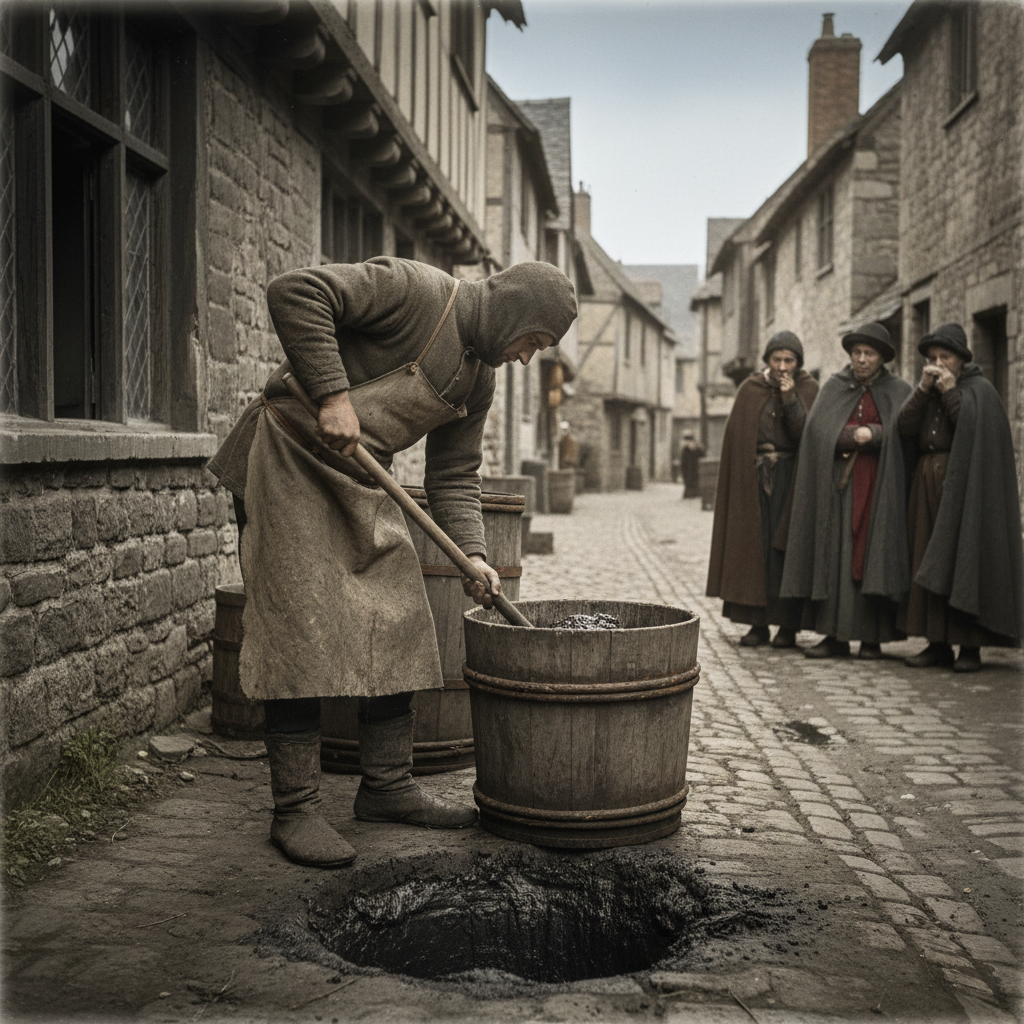
Gong Farmer
The gong farmer was a crucial yet often overlooked figure in medieval society, responsible for the removal of human waste from cesspits and privies. Operating primarily in urban areas, these workers played an essential role in maintaining public health and sanitation during a time when hygiene practices were rudimentary at best. The term 'gong' is derived from the Old English word for excrement, and the job itself was often considered one of the lowest on the social ladder, leading to a significant stigma attached to it. Despite the unpleasant nature of their work, gong farmers were vital in preventing the spread of disease in densely populated towns and cities, where waste management was a pressing concern. Gong farmers typically worked at night, using the cover of darkness to carry out their tasks with minimal public exposure. They would dig out the contents of cesspits, often using rudimentary tools, and transport the waste to designated dumping grounds outside the city. This labor was not only physically demanding but also fraught with health risks, as workers were frequently exposed to harmful pathogens. The job required a strong constitution and a willingness to endure unpleasant odors and unsanitary conditions. Despite the challenges, gong farmers were compensated for their work, albeit at a lower wage than many other laborers, reflecting their marginalized status in society.
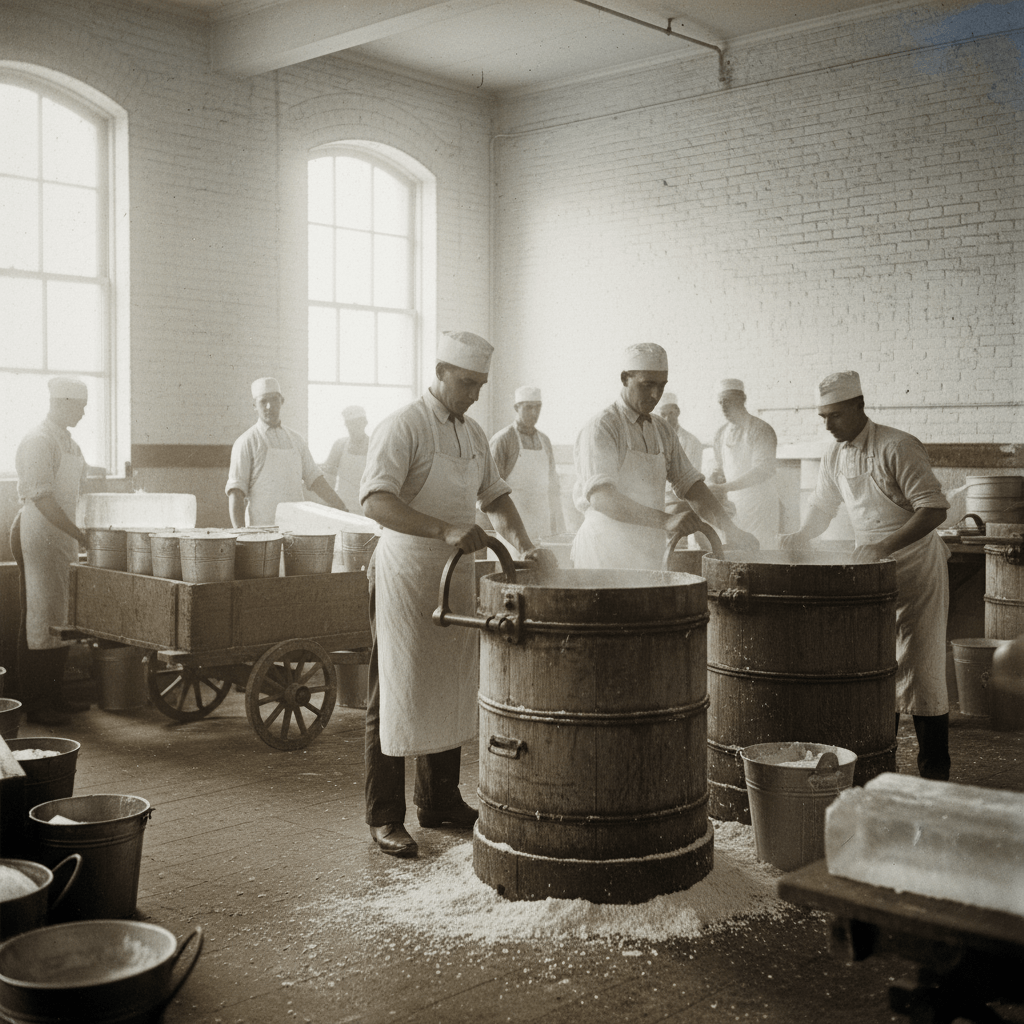
Ice Cream Freezer
The Ice Cream Freezer was a vital role in the production of one of the most beloved treats in history. Emerging during the Industrial Revolution, this occupation involved the manual freezing of ice cream mixtures, a process that required both skill and precision. Ice cream freezers were responsible for ensuring that the mixture reached the perfect consistency and temperature, creating a smooth and creamy texture that delighted consumers. They worked in ice cream parlors, factories, and even at fairs, where they would often be seen churning large batches of ice cream in traditional ice cream makers, surrounded by blocks of ice and salt, which were essential for the freezing process. The job required not only a keen understanding of the freezing process but also an ability to adapt to varying temperatures and ingredient qualities, making it a unique blend of art and science.
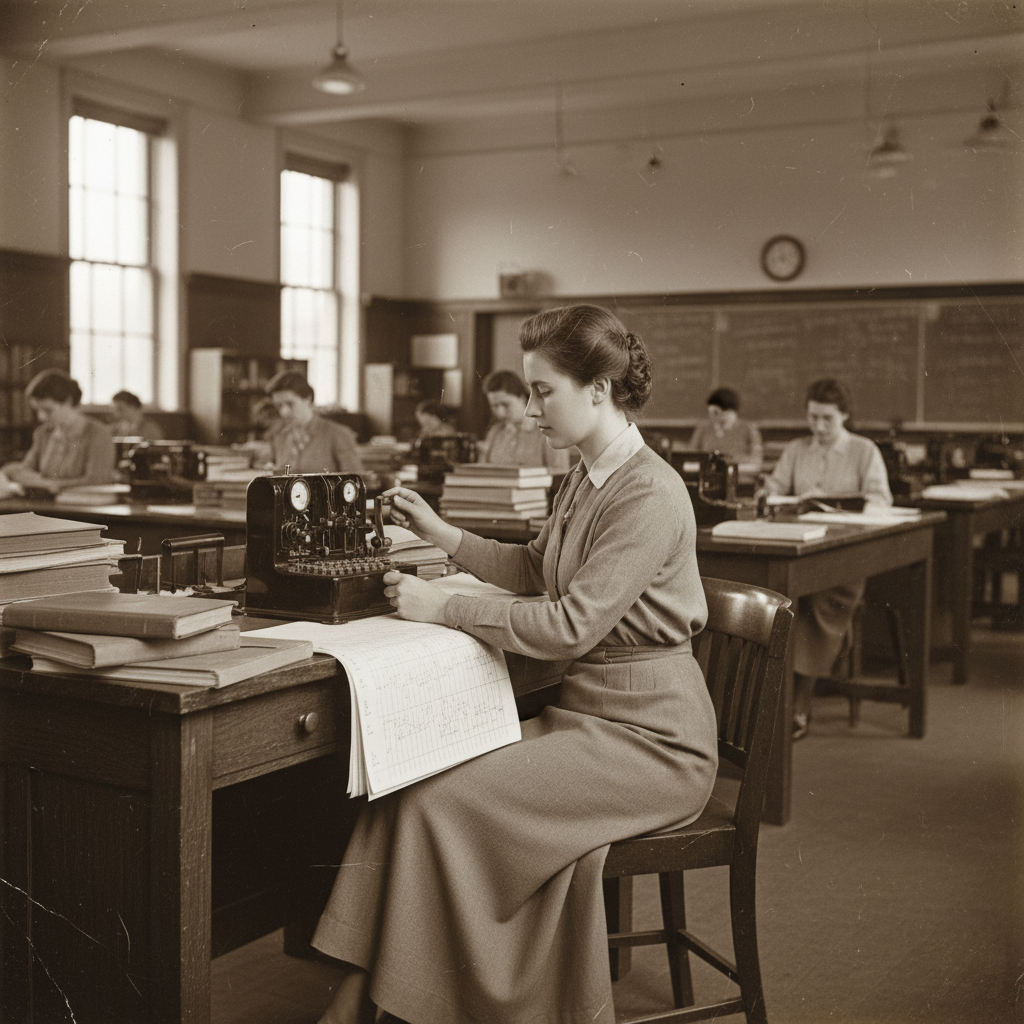
Human Computer
The role of a Human Computer emerged in the early 20th century, primarily during the 1930s to the 1950s, as a response to the growing need for complex calculations in fields such as astronomy, engineering, and military applications. Human Computers were predominantly women who performed mathematical calculations by hand, often using pencil and paper, and later, mechanical calculators. They worked in teams, meticulously calculating trajectories for rockets, analyzing astronomical data, and solving intricate mathematical problems that were essential for scientific advancements. Their work was critical in the development of early computers, as they laid the groundwork for the algorithms and processes that would later be automated. These women, often referred to as "computers," were not only skilled mathematicians but also adept at problem-solving and critical thinking. They operated in environments that ranged from university laboratories to government research facilities, where they collaborated closely with scientists and engineers. The atmosphere was often intense, with deadlines looming and the pressure to produce accurate results being paramount. The Human Computer's role was not just about numbers; it was about precision, attention to detail, and the ability to work under pressure. They were the unsung heroes behind many scientific breakthroughs, including the early space missions and the development of radar technology during World War II. Their contributions were vital, yet often overlooked in the historical narrative of computing and mathematics.
Future Exhibits
Professions of Tomorrow
Emerging roles grounded in real trends and genuine human needs. These professions represent opportunities—not predictions—for those ready to adapt and grow.
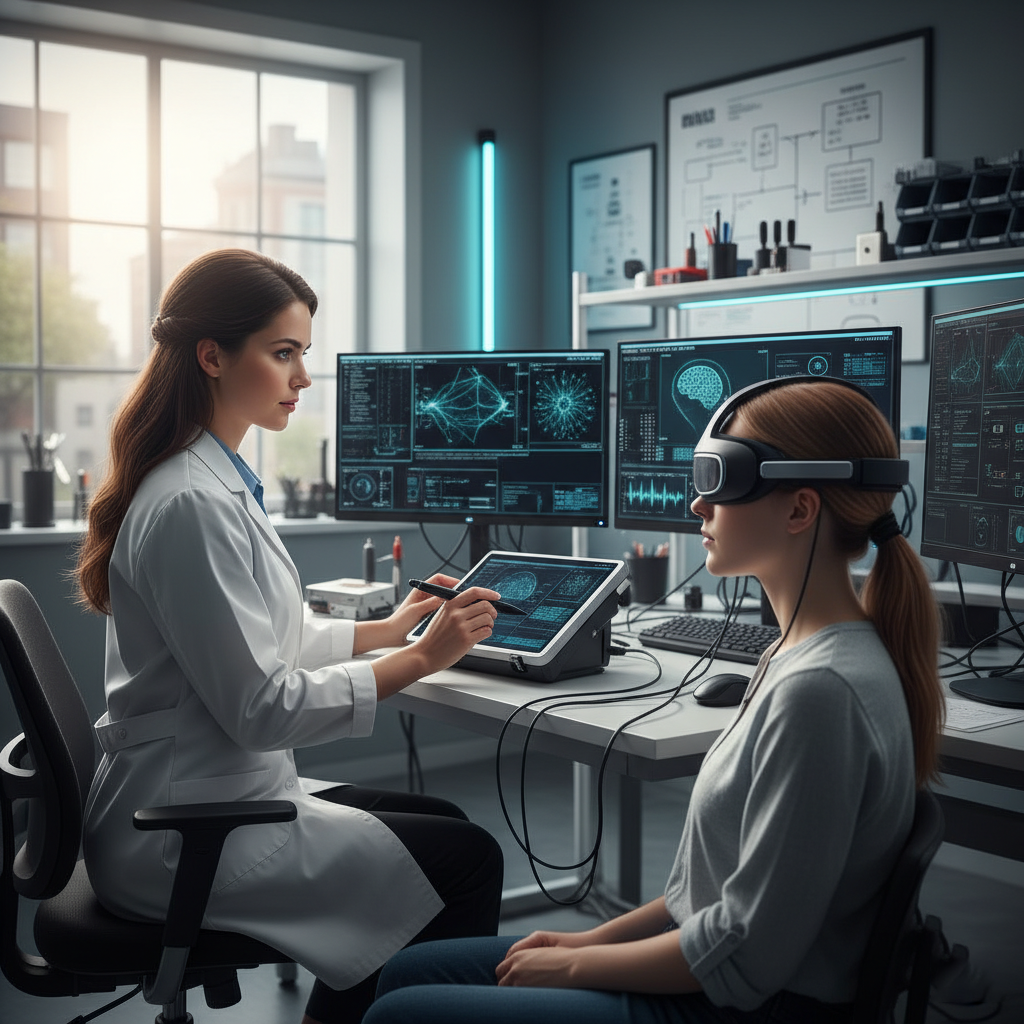
Neuro-Interface Technician
In the Cybernetic Age, where the boundaries between human cognition and machine intelligence blur, the role of the Neuro-Interface Technician emerges as a pivotal occupation. These skilled professionals are responsible for the installation, maintenance, and troubleshooting of advanced neuro-interface systems that connect human brains to digital networks. As society increasingly relies on these interfaces for enhanced communication, cognitive augmentation, and even virtual reality experiences, Neuro-Interface Technicians become essential in ensuring that these systems function seamlessly and safely. They work at the intersection of neuroscience, engineering, and ethics, navigating the complexities of human-machine interaction while prioritizing user safety and mental well-being.
Ocean Mining Technician
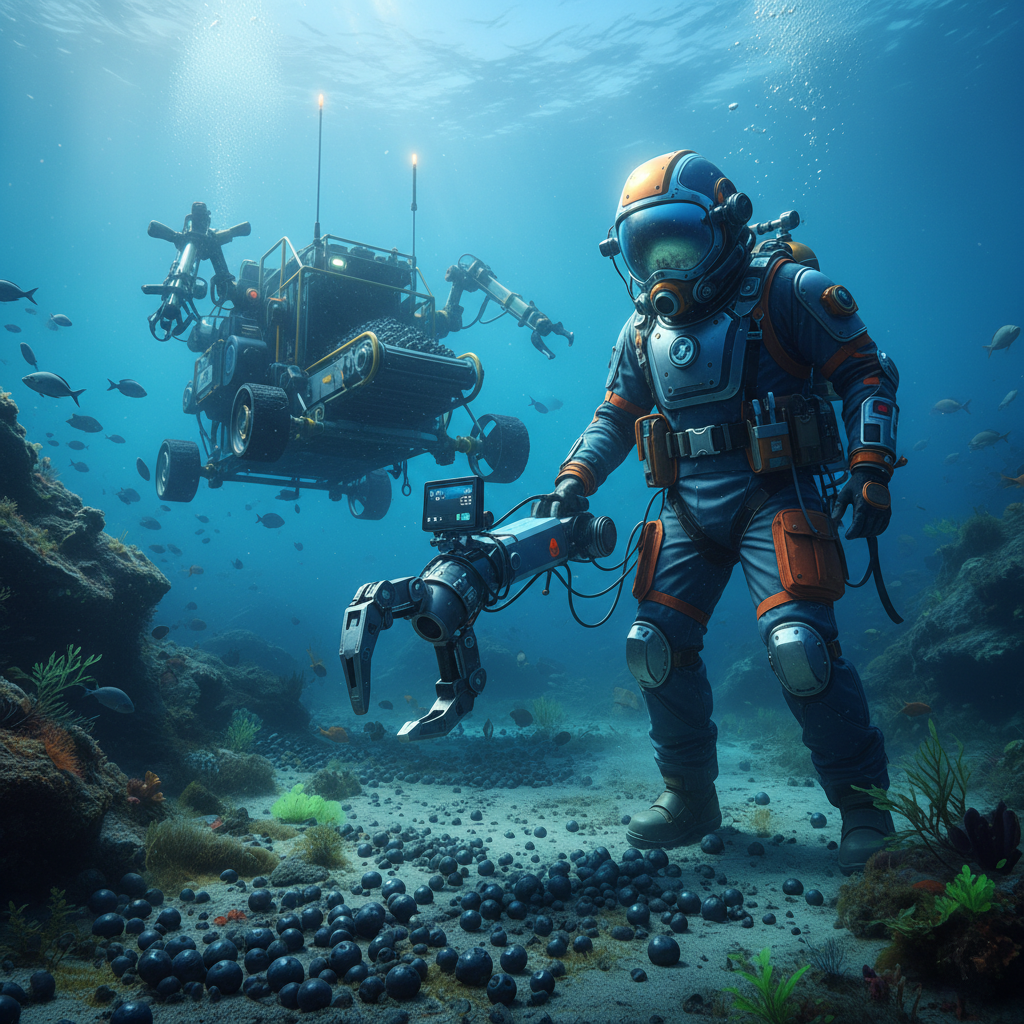
As humanity seeks to meet the growing demand for rare minerals and metals essential for renewable energy technologies, the role of the Ocean Mining Technician emerges as a vital occupation in the Energy Transition Era. This job involves the extraction of valuable resources from the ocean floor, including rare earth elements, lithium, and other minerals critical for batteries, solar panels, and wind turbines. Ocean Mining Technicians operate advanced underwater drones and remotely operated vehicles (ROVs) equipped with cutting-edge technology to explore and harvest these resources while ensuring minimal environmental impact. The Ocean Mining Technician is not just a miner; they are a steward of the ocean, balancing the need for resource extraction with the imperative to protect marine ecosystems. This role requires a deep understanding of oceanography, geology, and environmental science, as well as proficiency in operating sophisticated machinery and data analysis tools. Technicians work closely with marine biologists and environmental scientists to monitor the health of the ocean and implement sustainable practices in their operations. In this future landscape, the Ocean Mining Technician plays a crucial role in the global shift towards sustainable energy, contributing to the development of technologies that will power the world while safeguarding the planet's most precious resources.
Metaverse Event Planner
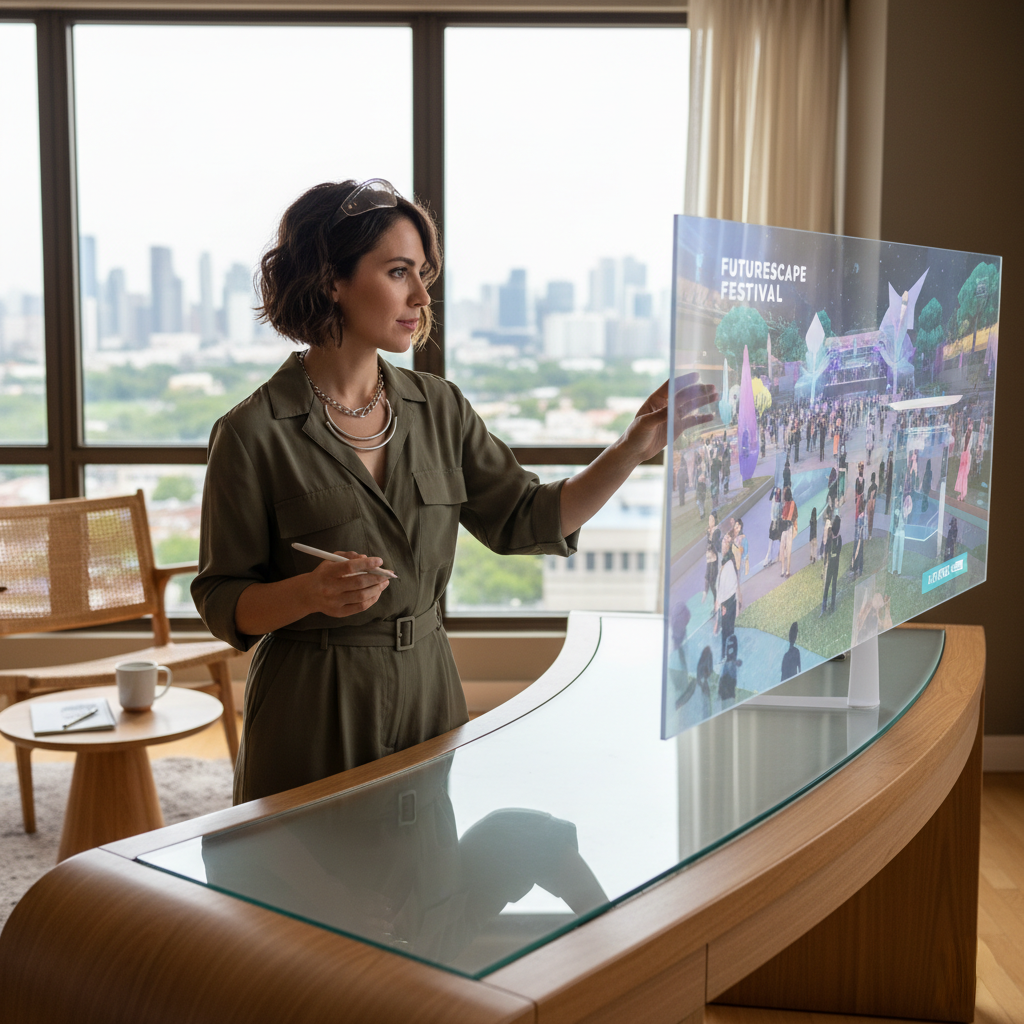
As we step into the Virtual Age, the Metaverse Event Planner emerges as a pivotal role in the realm of digital experiences. This innovative profession combines creativity, technology, and social engagement to curate immersive events within virtual environments. With the rise of the metaverse—a collective virtual shared space created by the convergence of virtually enhanced physical reality and physically persistent virtual reality—event planners are tasked with designing experiences that transcend traditional boundaries. From corporate conferences to social gatherings, the Metaverse Event Planner orchestrates every detail, ensuring that participants feel a sense of presence and connection, regardless of their physical location. They leverage advanced technologies such as augmented reality (AR), virtual reality (VR), and artificial intelligence (AI) to create engaging, interactive experiences that captivate audiences and foster community.
Timeline
The Evolution of Work
From the printing press to planetary stewardship — six centuries of human labor, adaptation, and reinvention. Scroll to explore the full journey.
The Printing Press
Gutenberg's invention creates the first mass media profession: the printer.
Age of Exploration
Navigators, cartographers, and shipbuilders become essential professions.
Scientific Revolution
Natural philosophers emerge as the precursors to modern scientists.
Skilled Trades Flourish
Blacksmiths, cobblers, and craftsmen form the backbone of pre-industrial work.
Industrial Revolution Begins
Factory workers replace cottage industries; the nature of labor transforms.
Railway Age
Engineers, conductors, and station masters connect nations by rail.
The Typist Era Begins
The typewriter transforms office work, creating new roles for skilled operators.
Telephone Operators Connect
Switchboard operators become essential, linking voices across distances.
Assembly Line Revolution
Mass production changes manufacturing, creating specialized roles.
The Computer Age Dawns
Early computing creates new technical professions while automating calculations.
Personal Computing Spreads
Desktop computers transform office work; typing pools begin to fade.
The Internet Era
Digital connectivity reshapes commerce, communication, and countless careers.
Mobile Revolution
Smartphones create app developers, social media managers, and the gig economy.
AI Integration Begins
Artificial intelligence starts transforming knowledge work and creative fields.
Human-AI Collaboration
New roles emerge focused on guiding and working alongside AI systems.
Quantum Computing Era
Quantum specialists solve previously impossible computational challenges.
Neural Interface Specialists
Brain-computer interfaces create new fields in human augmentation.
Space Economy Expands
Orbital construction workers and asteroid miners become reality.
Planetary Stewardship
Climate architects and ecosystem engineers restore and maintain Earth's balance.
Consciousness Engineering
Mind-body specialists help humans navigate digital-biological integration.
Interplanetary Workforce
Mars colonization creates demand for terraformers and space habitat managers.
Post-Scarcity Curators
Meaning architects help humanity find purpose in an age of abundance.