
c. 1100–1500
The medieval town
Parish, guild, and fair. Work that was a local office or a craft mystery.
The medieval exhibits are town and parish jobs: copying, crying the news, tasting the ale, watching a church door. A few, such as the charcoal burner, belong to the woods that fed the town.
Printing is the break. The illuminator and the scrivener worked before it. The press came after.
In this period
17
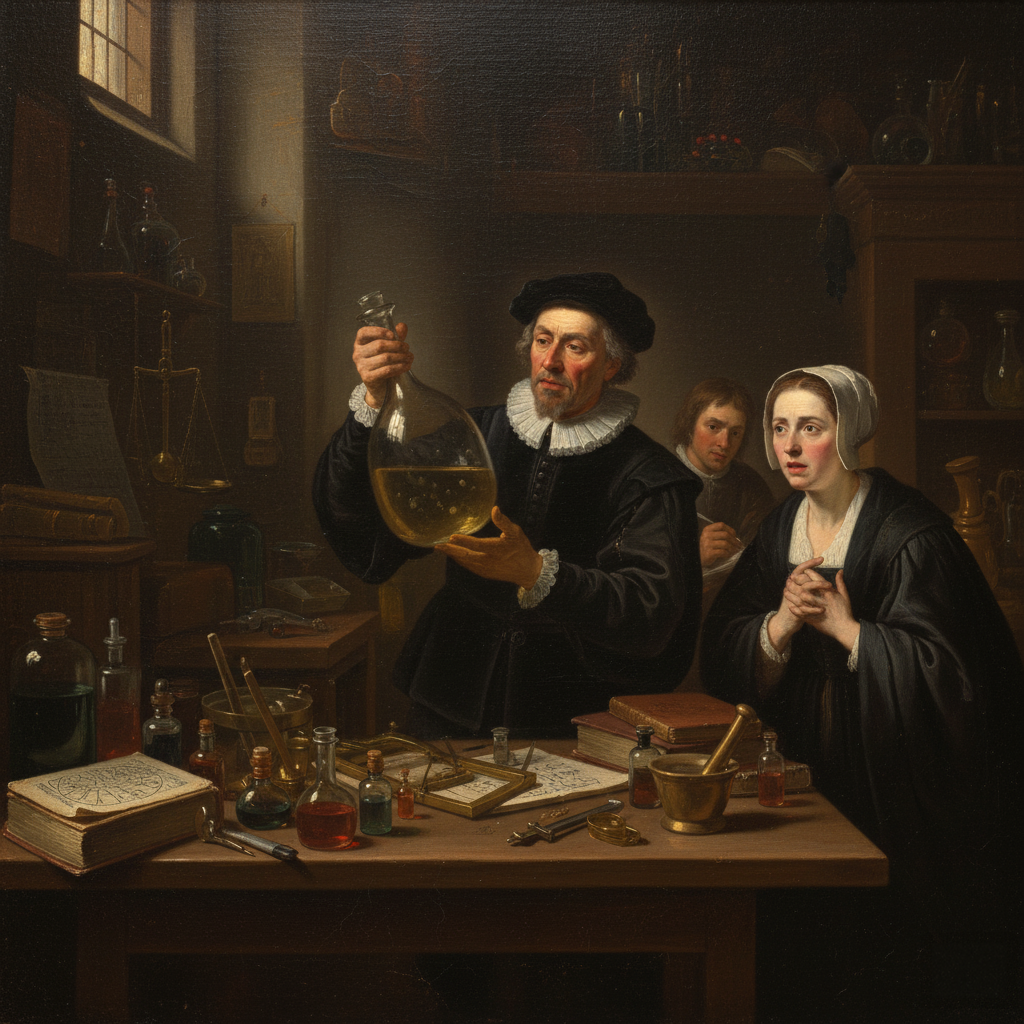 Past · Medieval PeriodPiss-ProphetThe Piss-Prophet was a unique and somewhat peculiar occupation that emerged during the Medieval Period, particularly in Europe. This role was primarily associated with the practice of diagnosing health conditions and predicting the future through the examination of urine. The Piss-Prophet, often a male figure, would analyze the color, consistency, and even the smell of urine to provide insights into a person's health and fortune. This practice was rooted in the ancient humoral theory, which posited that bodily fluids were indicative of one's health and temperament.
In a time when medical knowledge was limited and superstition reigned, the Piss-Prophet held a significant place in society. They were often consulted by individuals seeking answers to ailments or guidance on personal matters. The Piss-Prophet would typically set up shop in a market square or a local tavern, where they would attract clients with their claims of divination and healing. The role required a keen eye for detail and a deep understanding of the various interpretations of urine, which were often documented in rudimentary medical texts of the time.
Despite the oddity of the profession, Piss-Prophets were sometimes regarded with a mix of respect and skepticism. They often operated alongside other medical practitioners, such as barber-surgeons and herbalists, contributing to the eclectic tapestry of medieval healthcare.
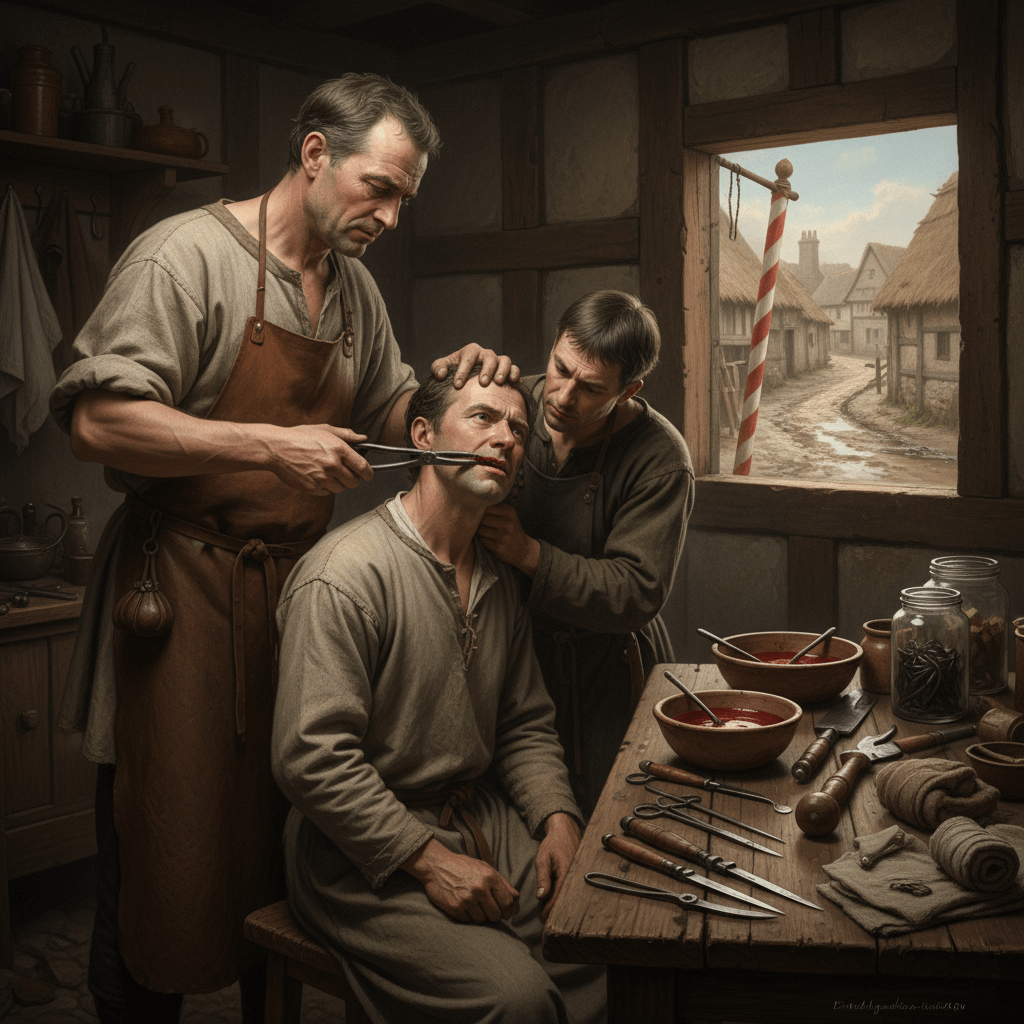 Past · Medieval PeriodBarber SurgeonThe barber surgeon was a unique figure in medieval society, serving as both a barber and a surgeon. This dual role emerged in the 12th century and persisted into the 17th century, reflecting the limited medical knowledge and the social structure of the time. Barber surgeons were responsible for a variety of tasks, including hair cutting, shaving, and performing surgical procedures such as bloodletting, tooth extraction, and even amputations. They were often the first point of contact for medical care in their communities, providing essential services in an era when formal medical training was scarce. The barber's pole, a symbol of their trade, features red and white stripes, representing blood and bandages, a nod to their surgical duties.
Barber surgeons operated in a time when the boundaries between medicine and personal grooming were blurred. They were often found in small shops or stalls, where they would set up their equipment and await customers. The role required a blend of practical skills, a steady hand, and a certain level of anatomical knowledge, albeit rudimentary by modern standards. Despite their contributions, barber surgeons were often viewed with suspicion by the more educated physicians, who considered their practices to be unrefined and lacking in scientific rigor.
As the Renaissance ushered in a new era of medical understanding and the establishment of formal medical schools, the role of the barber surgeon began to decline. The rise of trained physicians and surgeons, who had undergone extensive education and training, rendered the barber surgeon's services increasingly obsolete. By the 18th century, the profession had largely disappeared, replaced by specialized medical practitioners who could offer more effective and safer treatments.
 Past · Medieval PeriodBeadleThe beadle was a vital figure in medieval communities, serving as a parish officer responsible for maintaining order and overseeing various administrative tasks within the church and local governance. Often seen as the right hand of the clergy, beadles were tasked with a variety of duties that included calling parishioners to worship, managing church property, and ensuring that the rules of the church were upheld. They played a crucial role in the social fabric of their communities, acting as a liaison between the church and the public, and were often the first point of contact for those seeking assistance or guidance from the church. The beadle's presence was marked by their distinctive attire, often a black gown or robe, which signified their authority and role within the ecclesiastical hierarchy.
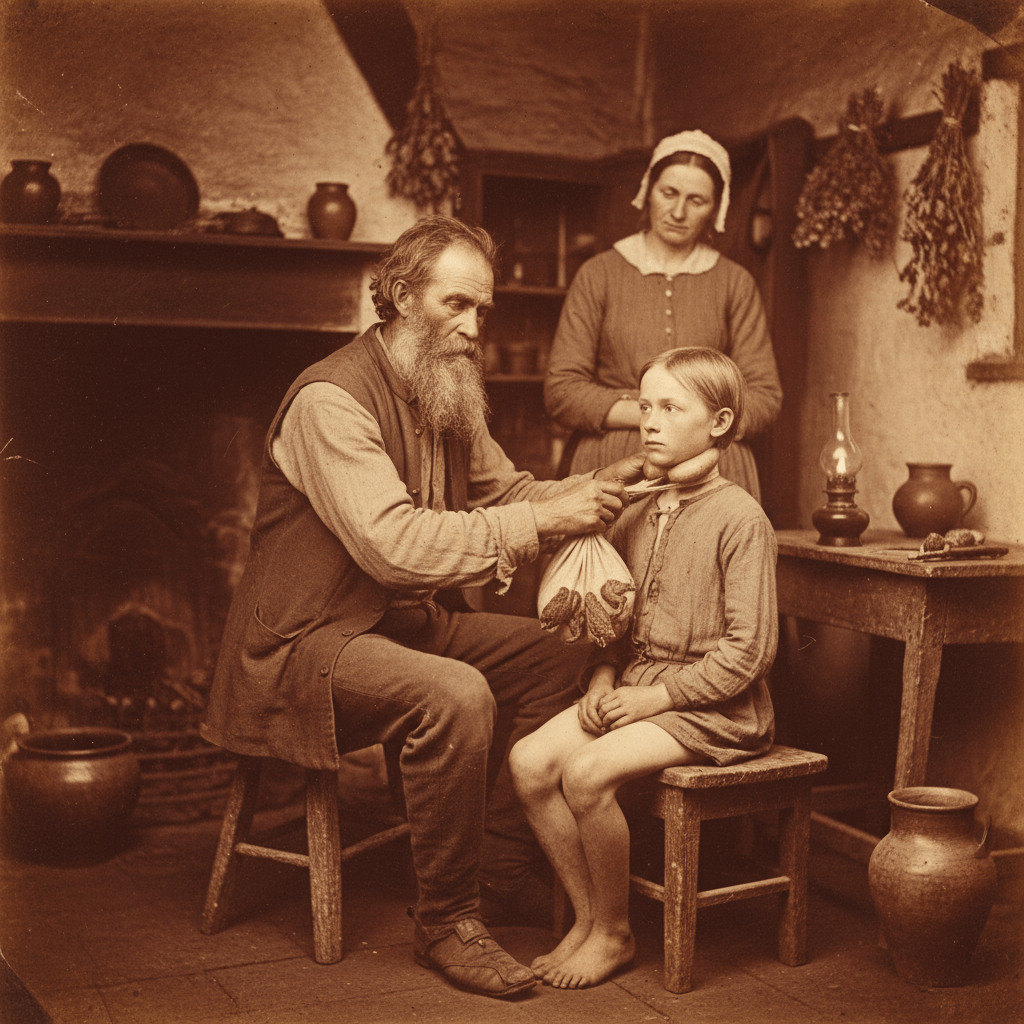 Past · Medieval PeriodToad DoctorThe Toad Doctor was a unique and somewhat peculiar figure in medieval society, often found in rural areas where folk medicine thrived. This practitioner was believed to possess the knowledge and skills necessary to treat ailments using toads and their byproducts. The Toad Doctor's practice was steeped in superstition and folklore, with many believing that toads had magical properties that could cure various diseases. Treatments often involved the use of toad fat, which was rendered down and applied to wounds or ingested to alleviate ailments such as warts, skin conditions, and even more serious illnesses. The Toad Doctor would also prescribe charms and incantations, blending herbal remedies with the mystical qualities attributed to the toad.
In a time when formal medical training was scarce, the Toad Doctor filled a vital niche in the community, often serving as the primary healthcare provider for the rural populace. Their role was not only to heal but also to provide comfort and reassurance in an era rife with superstition and fear of the unknown.
Despite their importance, the practice of the Toad Doctor began to wane with the rise of more formalized medical practices and the advent of the scientific method, which sought to replace superstition with empirical evidence. As the understanding of human anatomy and disease progressed, the reliance on folk remedies and magical beliefs diminished, leading to the eventual extinction of this once-revered occupation.
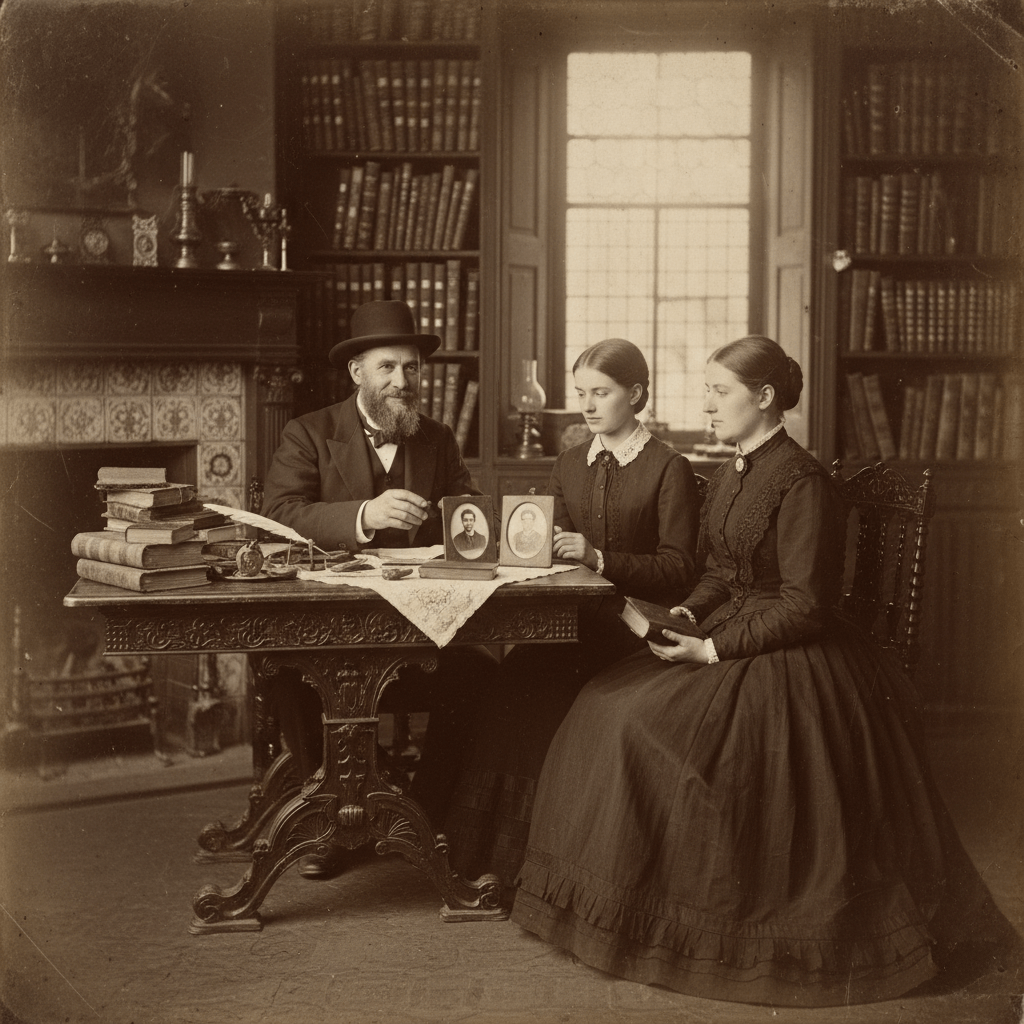 Past · Medieval PeriodShadchanThe role of a Shadchan, or matchmaker, was a vital part of Jewish communities during the Medieval Period, particularly in Eastern Europe. This profession was not merely about pairing individuals for marriage; it was deeply rooted in cultural, social, and religious practices. Shadchans were often respected members of the community, possessing a keen understanding of family dynamics, social status, and the personal attributes of potential partners. They acted as intermediaries, facilitating introductions and negotiations between families, ensuring that matches were not only compatible but also aligned with the community's values and traditions. The Shadchan's work involved a delicate balance of diplomacy, intuition, and knowledge of the community's expectations regarding marriage, which was often seen as a strategic alliance rather than just a romantic union.
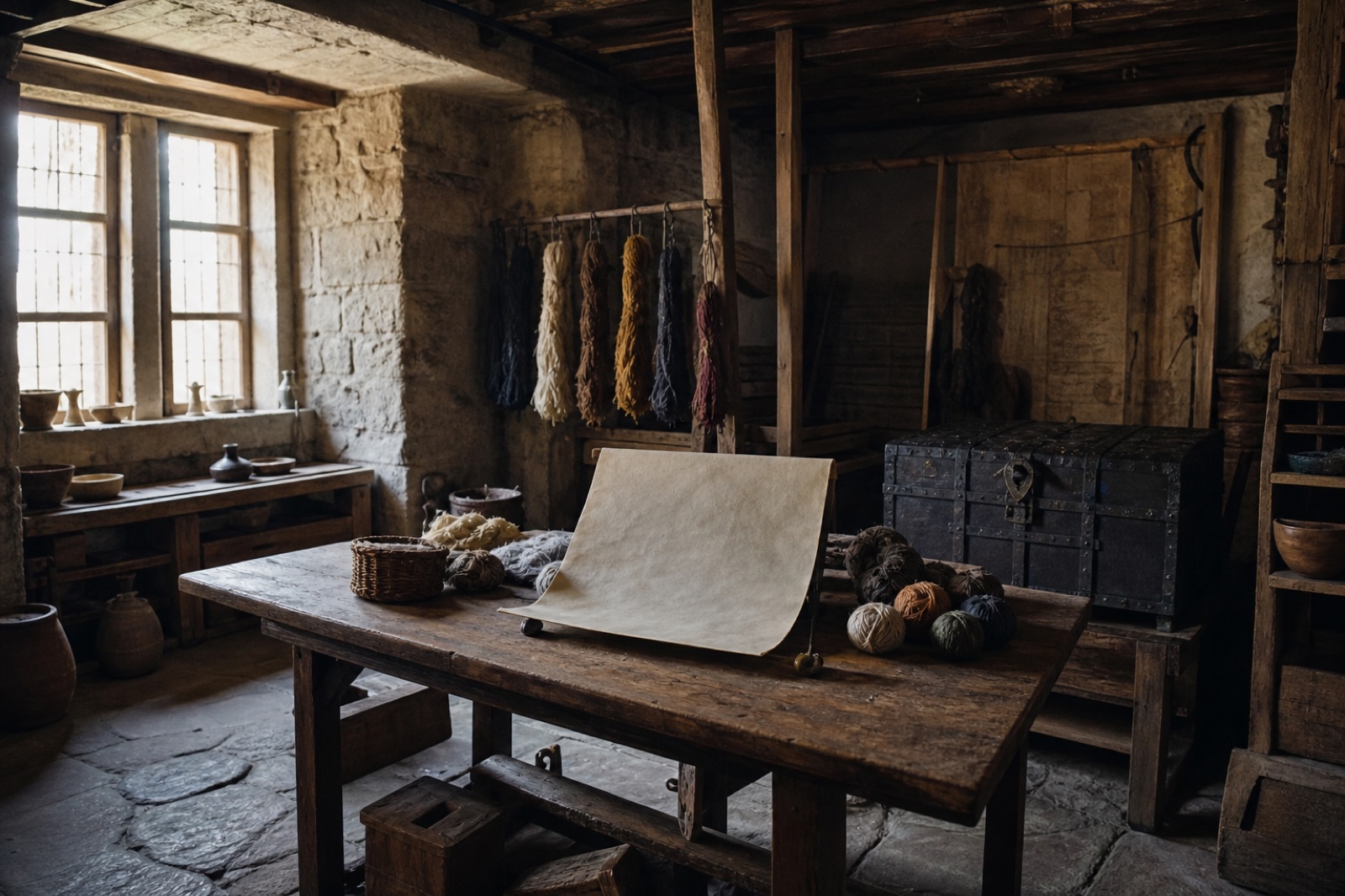
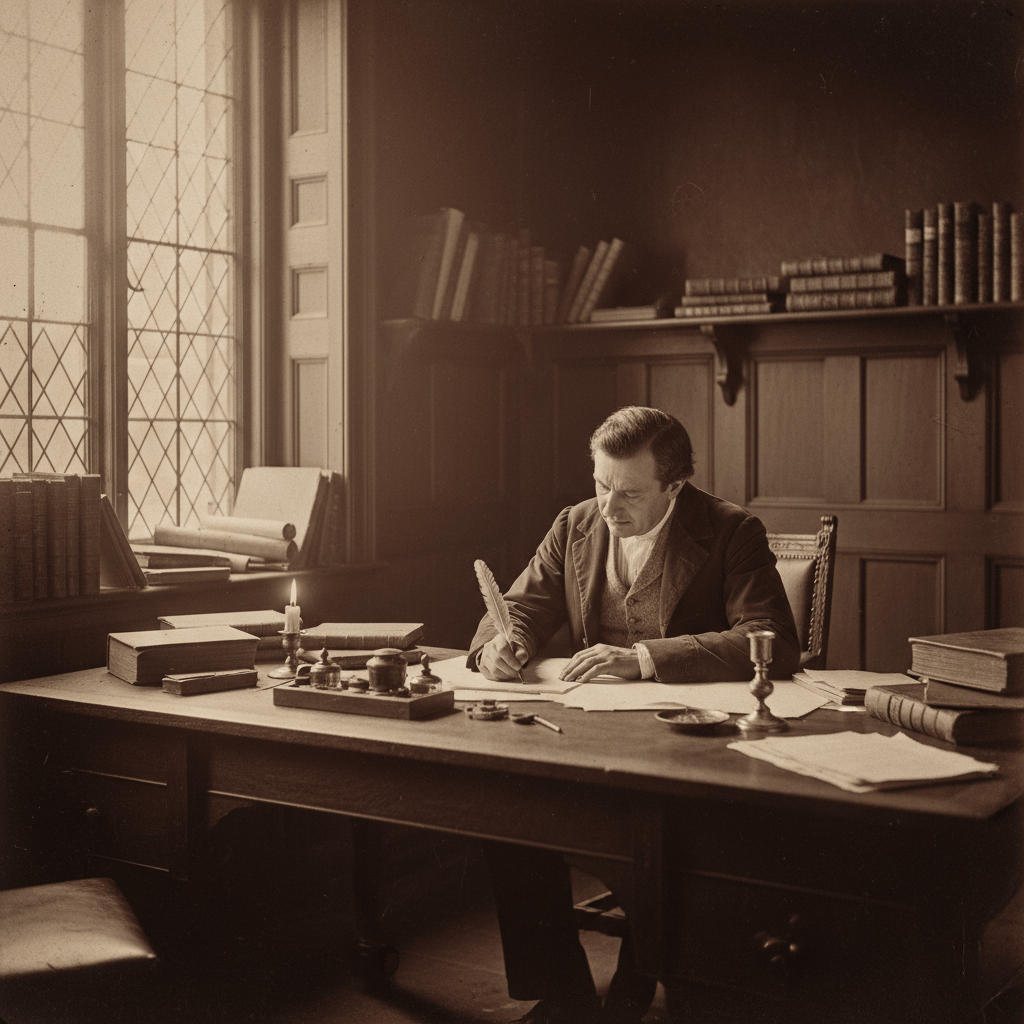 Past · Medieval PeriodScrivenerThe scrivener was a vital figure in the medieval and early modern periods, serving as a professional scribe who specialized in writing documents by hand. Often employed by merchants, nobility, and the church, scriveners were responsible for drafting legal documents, contracts, letters, and other important texts. Their work was essential in an era when literacy was limited to a small segment of the population, and the written word held significant power. Scriveners were not only skilled in penmanship but also had a deep understanding of legal terminology and the nuances of language, making them indispensable in the administration of both public and private affairs. They often worked in scriptoriums or their own workshops, surrounded by parchment, ink, and quills, meticulously crafting each document with precision and care. The role of the scrivener was not merely to transcribe; they often provided advice on legal matters and helped clients navigate the complexities of written agreements, thus acting as both a writer and a consultant.
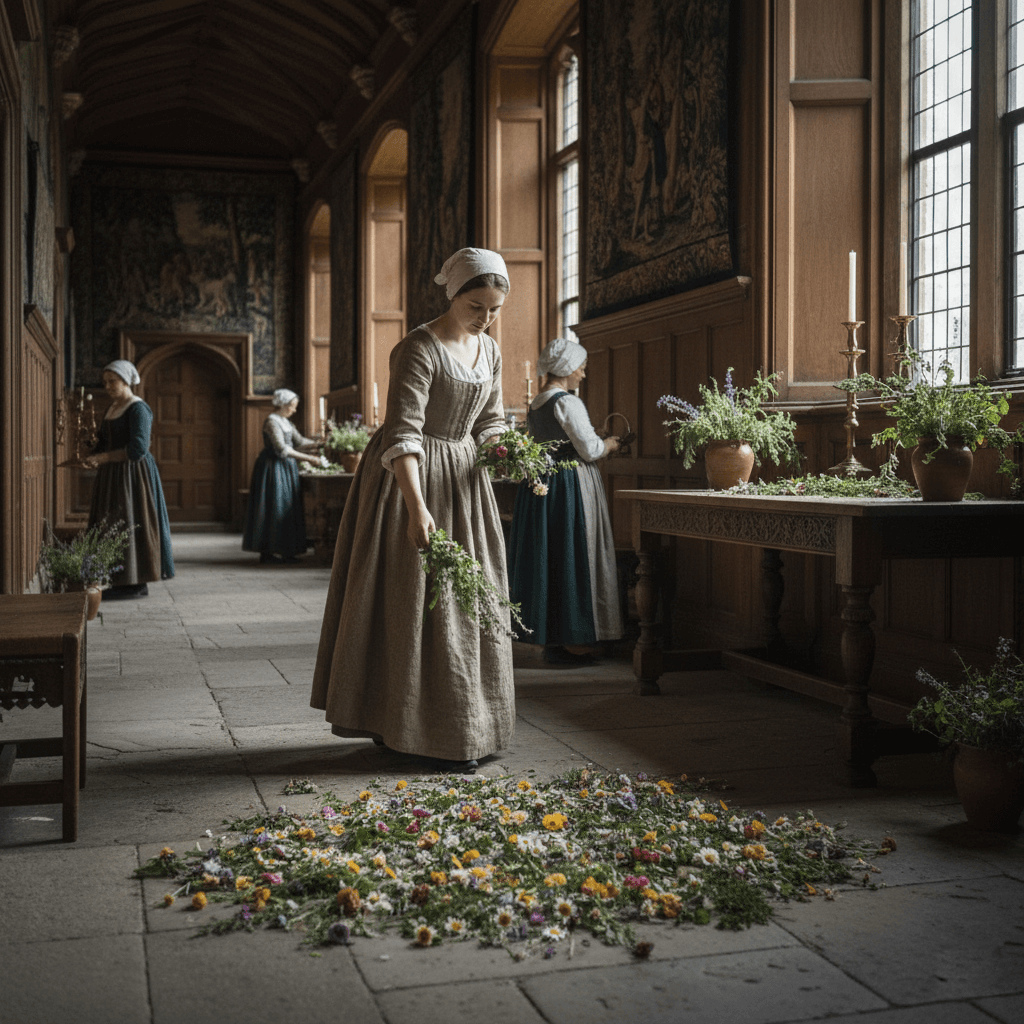 Past · Medieval PeriodHerb StrewerThe role of the Herb Strewer was a vital one in medieval society, particularly during the 12th to 15th centuries. These individuals were responsible for the cultivation, harvesting, and distribution of herbs, which were essential for culinary, medicinal, and ceremonial purposes. Herb Strewers played a crucial role in the daily lives of people, as herbs were used not only to flavor food but also to treat ailments and ward off diseases. They often worked closely with apothecaries and healers, providing them with the necessary ingredients for remedies and potions.
Herb Strewers were typically found in rural areas, where they cultivated their herbs in small gardens or plots. They had extensive knowledge of various plant species, understanding their properties and uses. This knowledge was often passed down through generations, making them respected figures in their communities. The herbs they grew included common varieties such as thyme, rosemary, sage, and mint, as well as more exotic plants that were traded or brought back from the Crusades.
In addition to cultivation, Herb Strewers were also responsible for preparing herbs for sale or use. This included drying, grinding, and packaging herbs, which required careful attention to detail to preserve their potency. They often sold their wares at local markets or to apothecaries, contributing to the local economy and ensuring that their communities had access to essential herbal products.
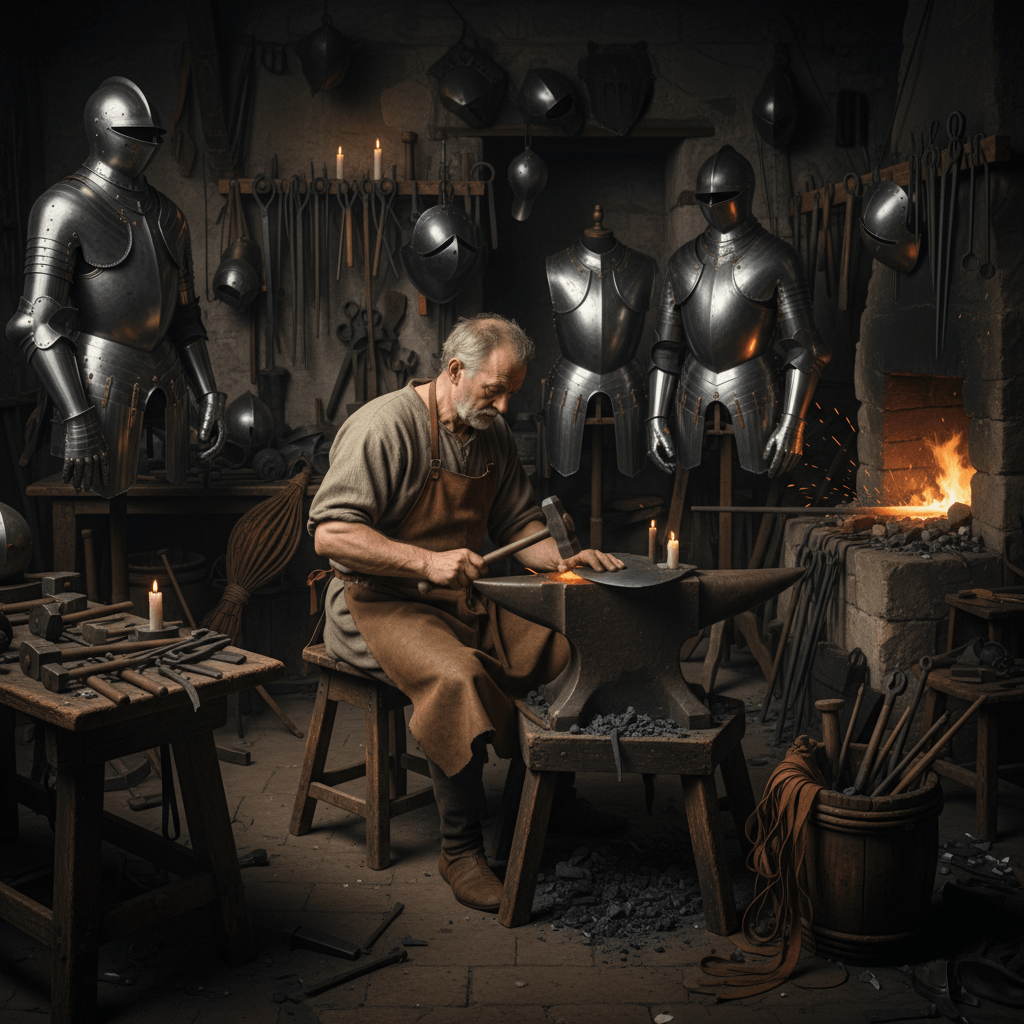 Past · Medieval PeriodArmourerThe role of the armourer was pivotal in the medieval period, a time when warfare and personal protection were paramount. Armourers were skilled craftsmen responsible for creating, repairing, and maintaining the protective gear worn by soldiers and knights. Their work encompassed a variety of tasks, including forging metal plates, shaping chainmail, and crafting helmets, shields, and other defensive equipment. The craftsmanship of an armourer was not only functional but also often artistic, with intricate designs and embellishments that reflected the status and wealth of the wearer. The armourer’s workshop was a hub of activity, filled with the sounds of hammering metal, the glow of the forge, and the smell of heated iron. Each piece of armour was custom-fitted to the individual, ensuring both protection and mobility in battle. As warfare evolved, so too did the demands on armourers, who had to adapt their techniques and designs to meet the changing needs of their clients.
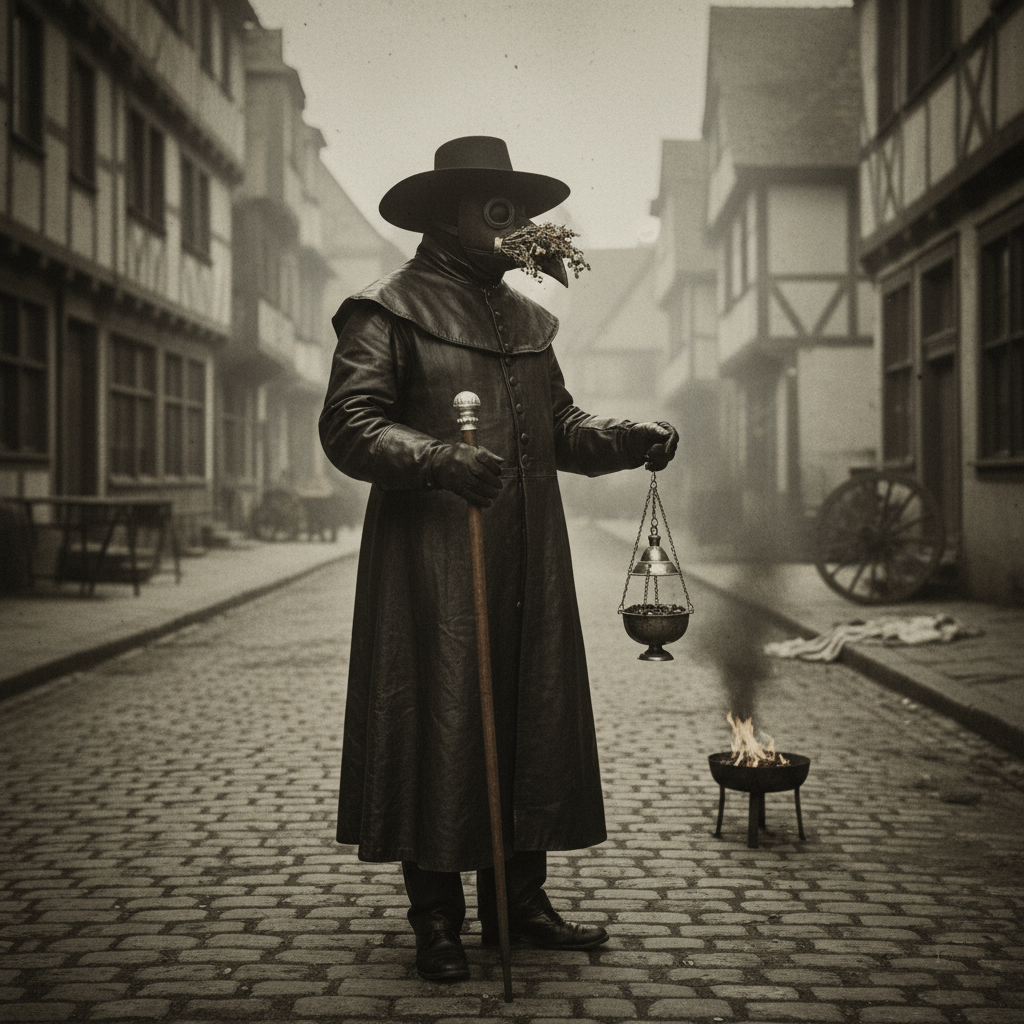 Past · Medieval PeriodPlague DoctorThe role of the Plague Doctor emerged during the devastating outbreaks of the bubonic plague in the 14th to 17th centuries, particularly during the Black Death. These physicians were tasked with treating the afflicted and managing the spread of the disease, which claimed millions of lives across Europe. Plague Doctors were often hired by towns and cities to care for the sick, and their distinctive attire became a symbol of the era's struggle against disease. They wore long cloaks, gloves, boots, and a beaked mask filled with aromatic substances, believed to purify the air and protect them from miasma, or 'bad air,' thought to be the cause of the plague. Their work was fraught with danger, as they often encountered patients who were gravely ill or already deceased, and they had limited medical knowledge and tools at their disposal. Despite their efforts, many Plague Doctors themselves succumbed to the very diseases they sought to combat, highlighting the perilous nature of their profession.
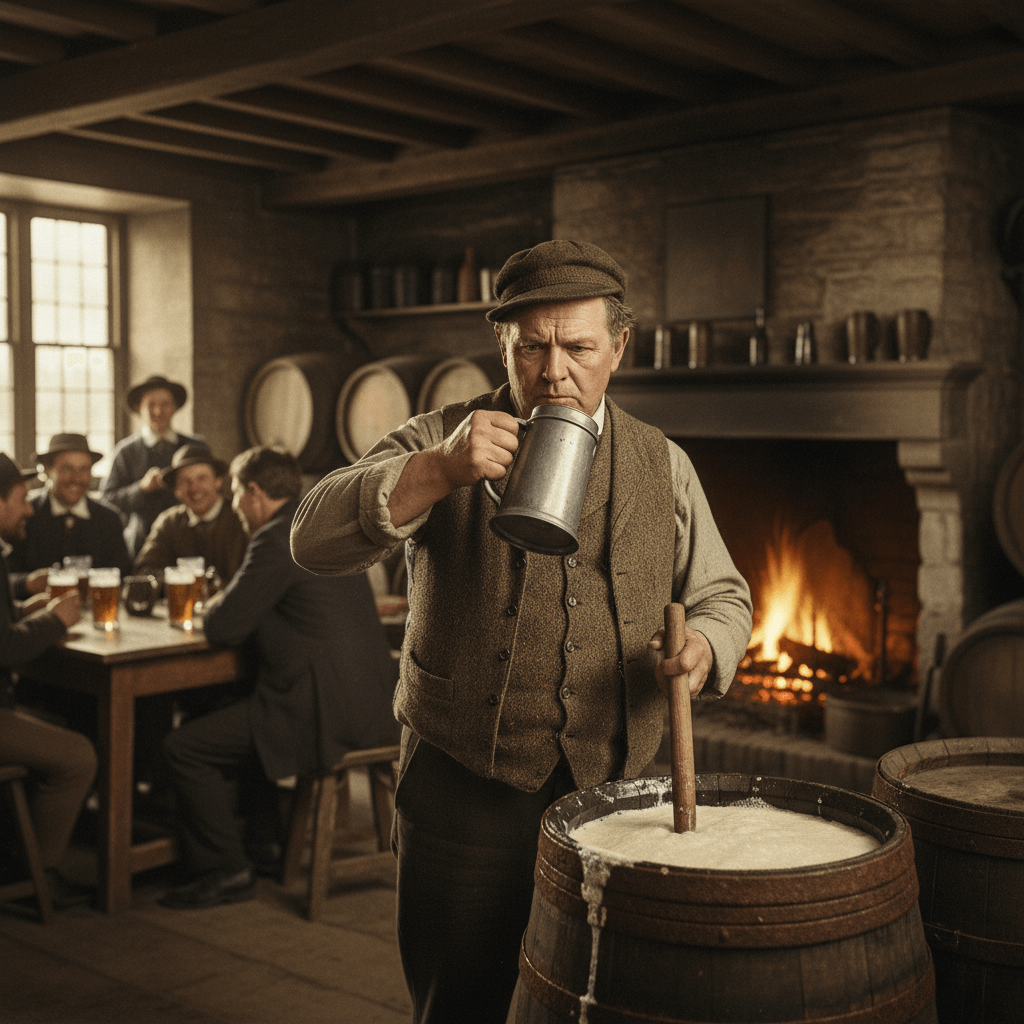 Past · Medieval PeriodAle ConnerThe role of the Ale Conner was a vital one in medieval society, particularly in England, where ale was a staple beverage. Tasked with ensuring the quality of ale produced by local brewers, the Ale Conner acted as a guardian of public health and consumer rights. This position was often held by a local official or a member of the community who had the authority to inspect and taste ale before it was sold to the public. The Ale Conner would assess the ale for its strength, flavor, and overall quality, ensuring that it met the standards set by local regulations. If the ale was found to be subpar, the Ale Conner had the power to condemn it, preventing it from being sold and protecting the community from potential harm.
In addition to quality control, the Ale Conner also played a role in the regulation of prices, ensuring that brewers did not exploit consumers by charging exorbitant rates for inferior products. This position was essential in maintaining the integrity of the ale market, which was a significant part of daily life in medieval towns and villages. The Ale Conner's work was not only about quality but also about fairness in trade, reflecting the communal values of the time.
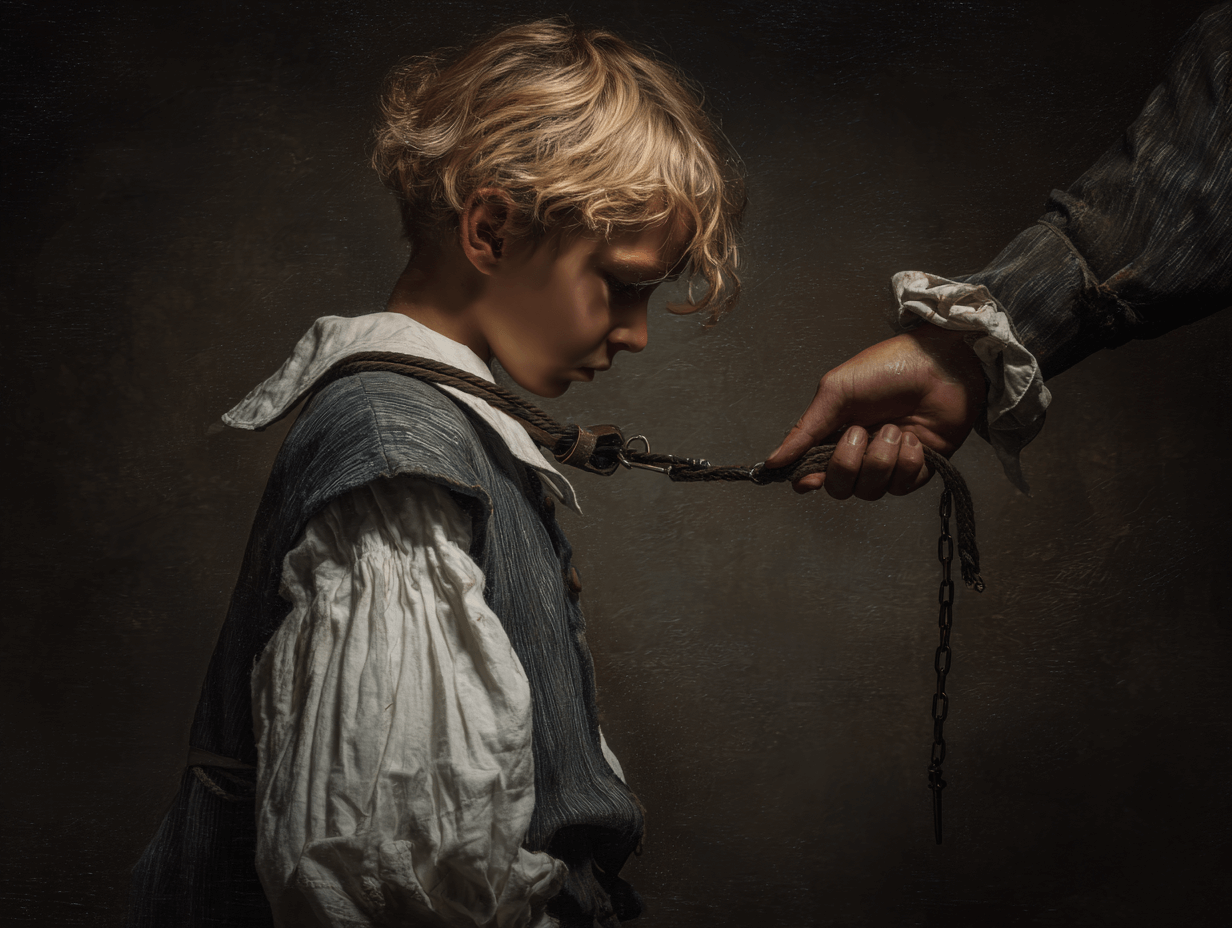 Past · Medieval PeriodWhipping BoyThe role of a whipping boy was a peculiar and often misunderstood position in the royal courts of Europe, particularly during the 15th to 17th centuries. A whipping boy was a young boy, often of noble birth, who was assigned to a prince or young nobleman. The unique aspect of this role was that the whipping boy would receive punishment on behalf of the prince when the latter misbehaved or failed to meet educational expectations. This practice stemmed from the belief that it was inappropriate to physically punish a royal child, so the whipping boy served as a surrogate for discipline.
The relationship between the prince and his whipping boy was complex; while the whipping boy was subjected to physical punishment, he often enjoyed privileges and a close bond with the prince, sharing in the education and courtly life. This role was not merely one of suffering; it involved companionship, loyalty, and sometimes even friendship, as the boys grew up together in the opulent yet demanding environment of the court.
The whipping boy's existence highlights the social hierarchies and educational practices of the time, where the nobility sought to instill discipline and responsibility in their heirs without tarnishing their royal status. The role was a reflection of the era's values, where physical punishment was a common method of discipline, yet the nobility sought to protect their own from such indignities.
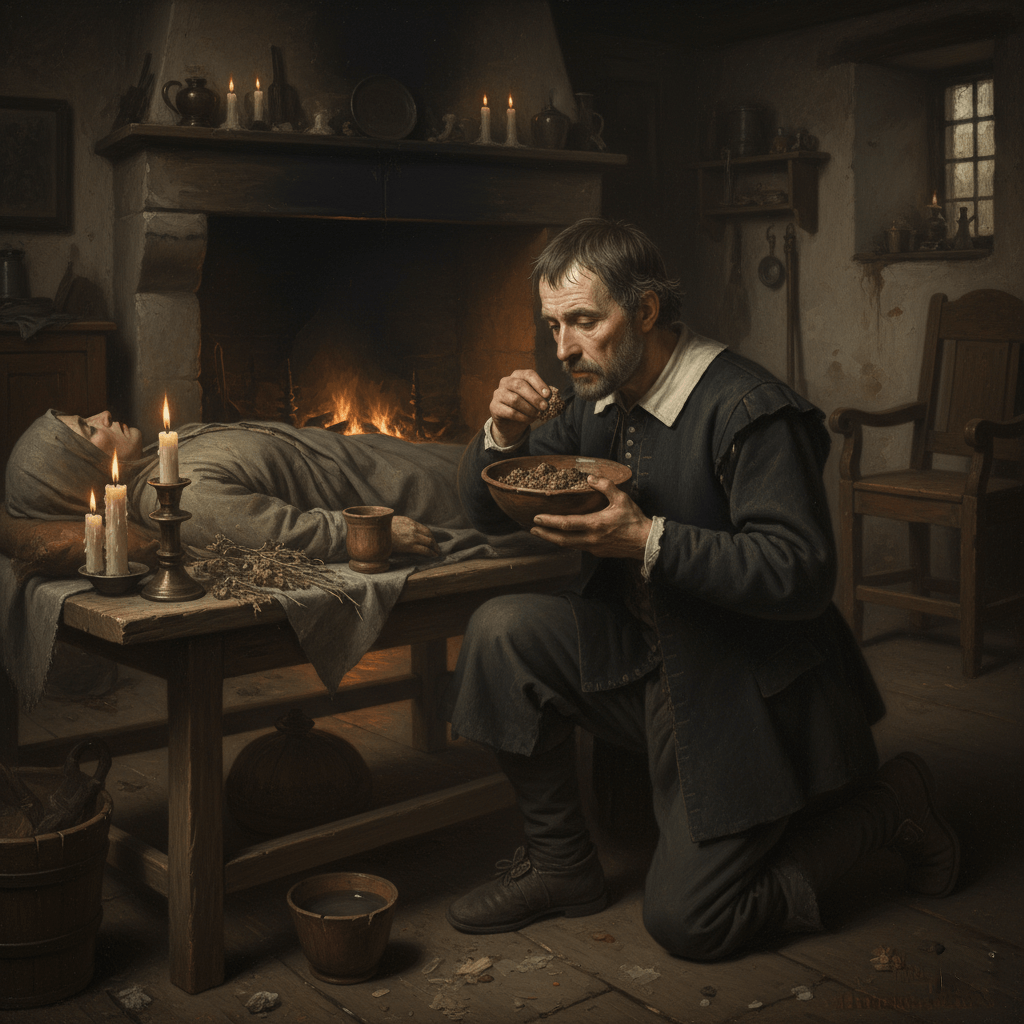 Past · Medieval PeriodSin EaterThe role of the Sin Eater was a unique and somber occupation that emerged in medieval Europe, particularly in England and Wales, during the 11th to 19th centuries. Sin Eaters were individuals who performed a ritualistic act of consuming food, often bread and ale, placed on the body of a deceased person. This act was believed to absolve the deceased of their sins, allowing their soul to ascend to heaven. The Sin Eater was often a marginalized figure, sometimes a beggar or outcast, who took on this role for a small fee or in exchange for food. The practice was steeped in superstition and reflected the deep-seated beliefs about sin, guilt, and the afterlife prevalent in medieval society.
The Sin Eater's work was not merely a job; it was a profound engagement with the community's spiritual beliefs. Families would hire a Sin Eater to ensure that their loved ones could pass into the afterlife unburdened by sin. This role was particularly significant in times of plague or death, when the community was desperate for solace and closure. The Sin Eater's presence at funerals was often met with a mix of reverence and fear, as they were seen as both a necessary part of the grieving process and a reminder of the community's own mortality.
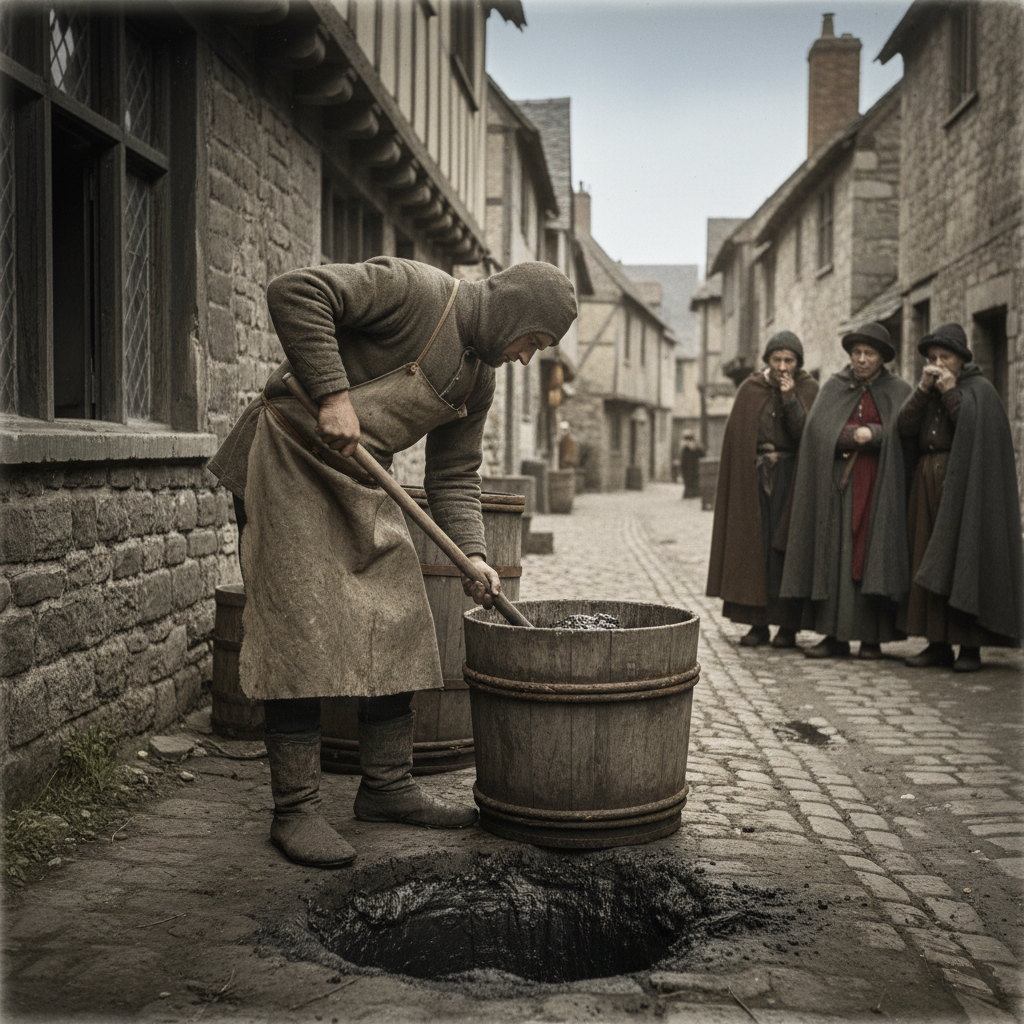 Past · Medieval PeriodGong FarmerThe gong farmer was a crucial yet often overlooked figure in medieval society, responsible for the removal of human waste from cesspits and privies. Operating primarily in urban areas, these workers played an essential role in maintaining public health and sanitation during a time when hygiene practices were rudimentary at best. The term 'gong' is derived from the Old English word for excrement, and the job itself was often considered one of the lowest on the social ladder, leading to a significant stigma attached to it. Despite the unpleasant nature of their work, gong farmers were vital in preventing the spread of disease in densely populated towns and cities, where waste management was a pressing concern.
Gong farmers typically worked at night, using the cover of darkness to carry out their tasks with minimal public exposure. They would dig out the contents of cesspits, often using rudimentary tools, and transport the waste to designated dumping grounds outside the city. This labor was not only physically demanding but also fraught with health risks, as workers were frequently exposed to harmful pathogens. The job required a strong constitution and a willingness to endure unpleasant odors and unsanitary conditions. Despite the challenges, gong farmers were compensated for their work, albeit at a lower wage than many other laborers, reflecting their marginalized status in society.
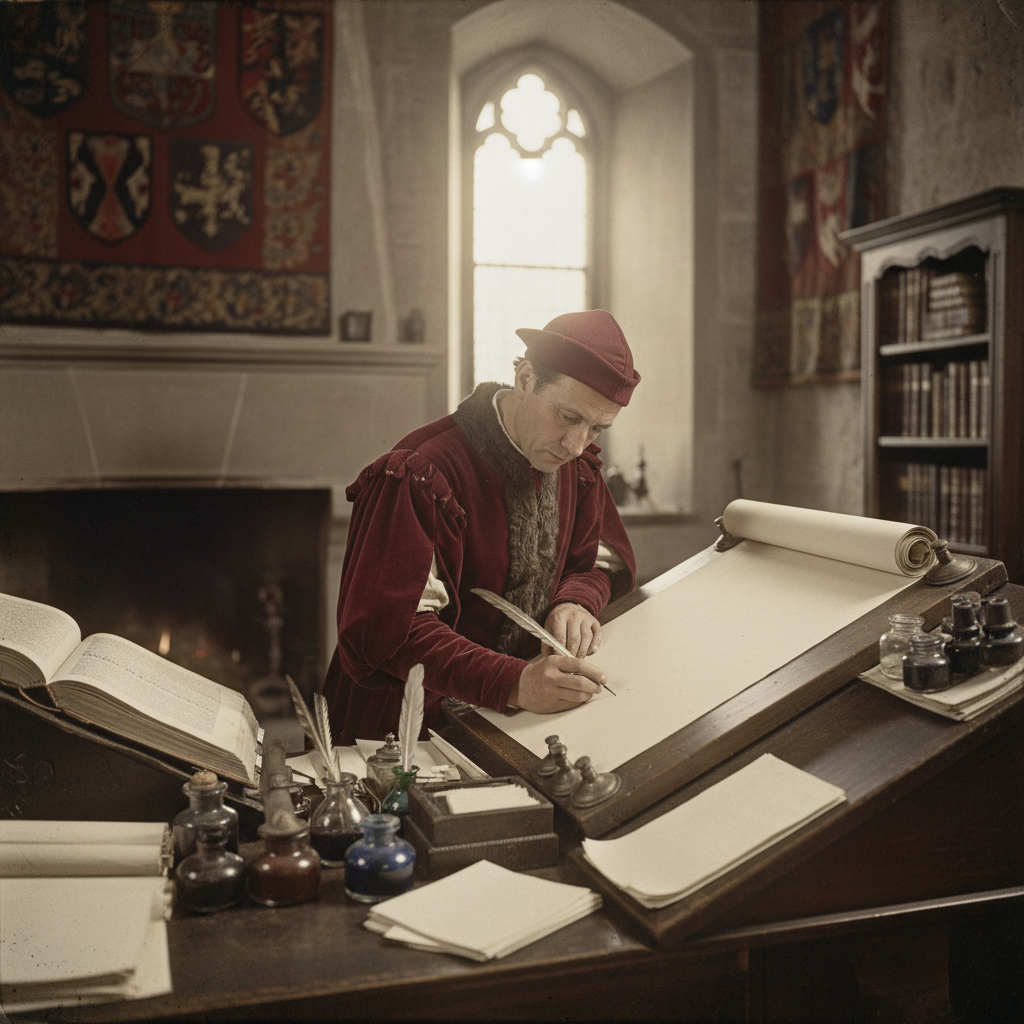 Past · Medieval PeriodCalligrapherThe art of calligraphy, often referred to as 'beautiful writing,' flourished during the Medieval Period, where skilled calligraphers played a crucial role in the preservation and dissemination of knowledge. These artisans were not merely writers; they were artists who transformed the written word into a visual spectacle. Calligraphers were responsible for creating manuscripts, religious texts, and important documents, often using intricate scripts that varied by region and purpose. Their work was characterized by the use of quills, ink, and parchment, and they often employed elaborate techniques such as gilding and illumination to enhance their creations. The calligrapher's role was not only to write but to imbue each piece with a sense of beauty and reverence, making their work essential in an era where printed materials were scarce and literacy was a privilege of the few.
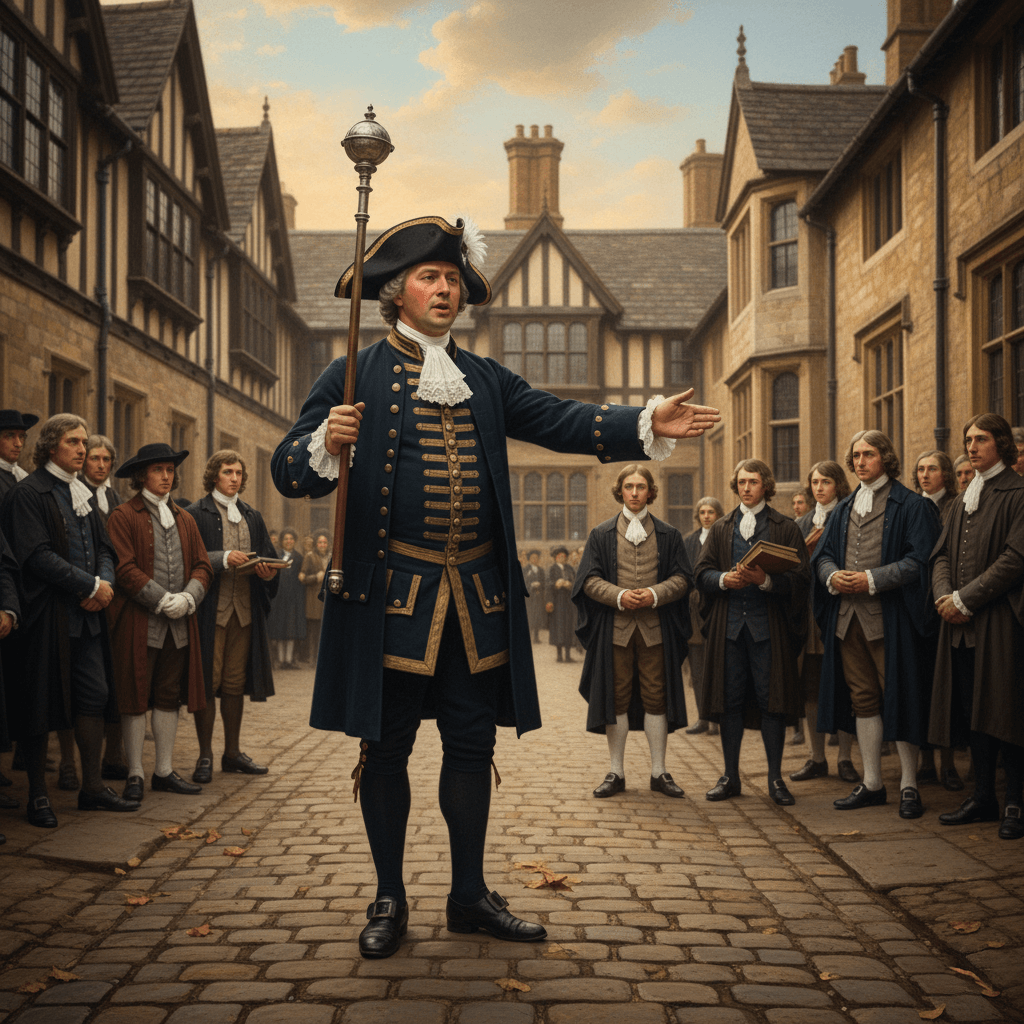
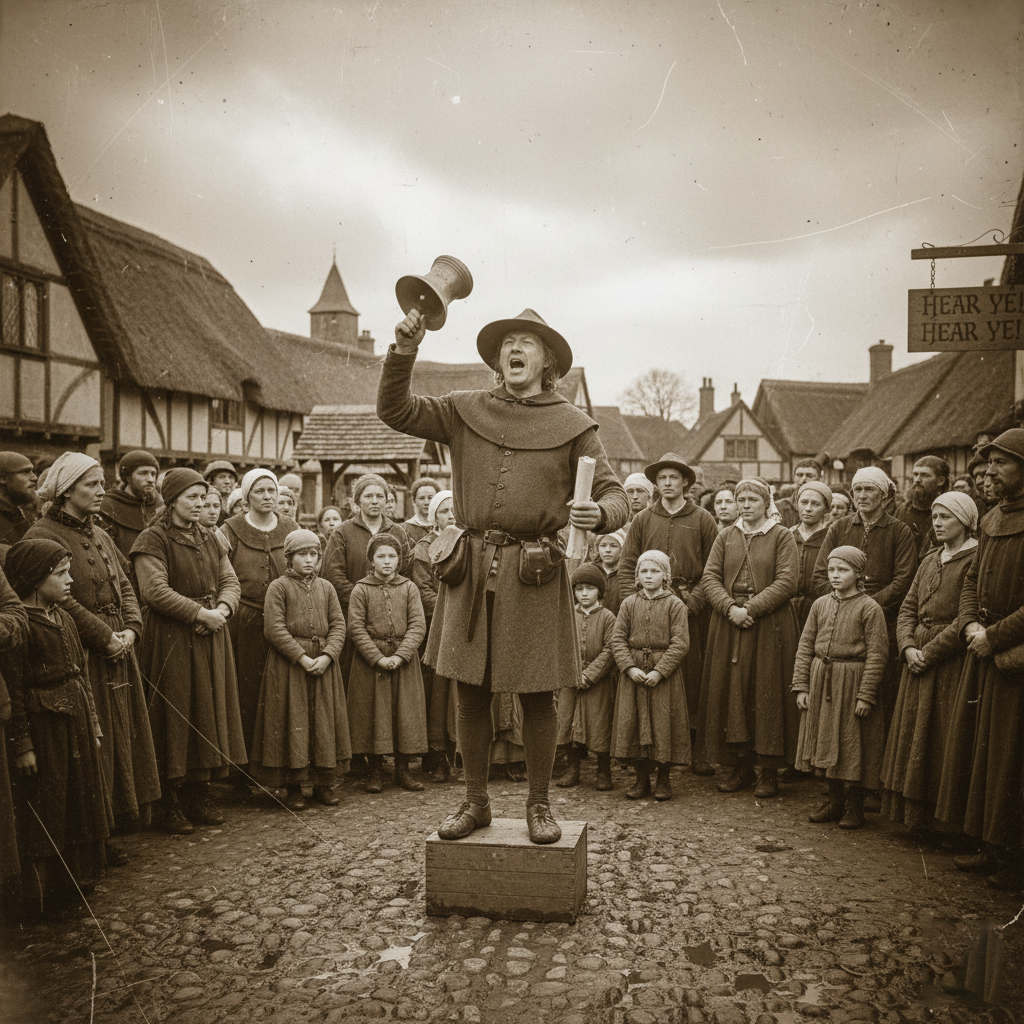 Past · Medieval PeriodTown CrierIn the bustling streets of medieval towns, where the written word was a luxury few could afford, the Town Crier served as the vital link between the local government and the populace. Clad in a distinctive uniform, often adorned with a bell and a scroll, the Town Crier was a figure of authority and community spirit. His primary duty was to announce news, proclamations, and important events to the townsfolk, ensuring that even the illiterate could stay informed about matters that affected their daily lives. From royal decrees to local market days, the Town Crier's voice echoed through the streets, a herald of information in an age where communication was limited.
The role was not merely about shouting news; it required a keen understanding of the community's needs and a flair for performance. Town Cryers were often chosen for their loud, clear voices and their ability to engage the public, making announcements memorable and entertaining. They would often embellish their proclamations with dramatic flair, using gestures and intonation to capture the attention of passersby.
In addition to their announcements, Town Cryers played a crucial role in maintaining public order. They would often be called upon to quell disputes or remind citizens of local laws and regulations, acting as a mediator in the community. Their presence was a symbol of civic pride and a reminder of the social contract between the rulers and the ruled, making them an indispensable part of town life.
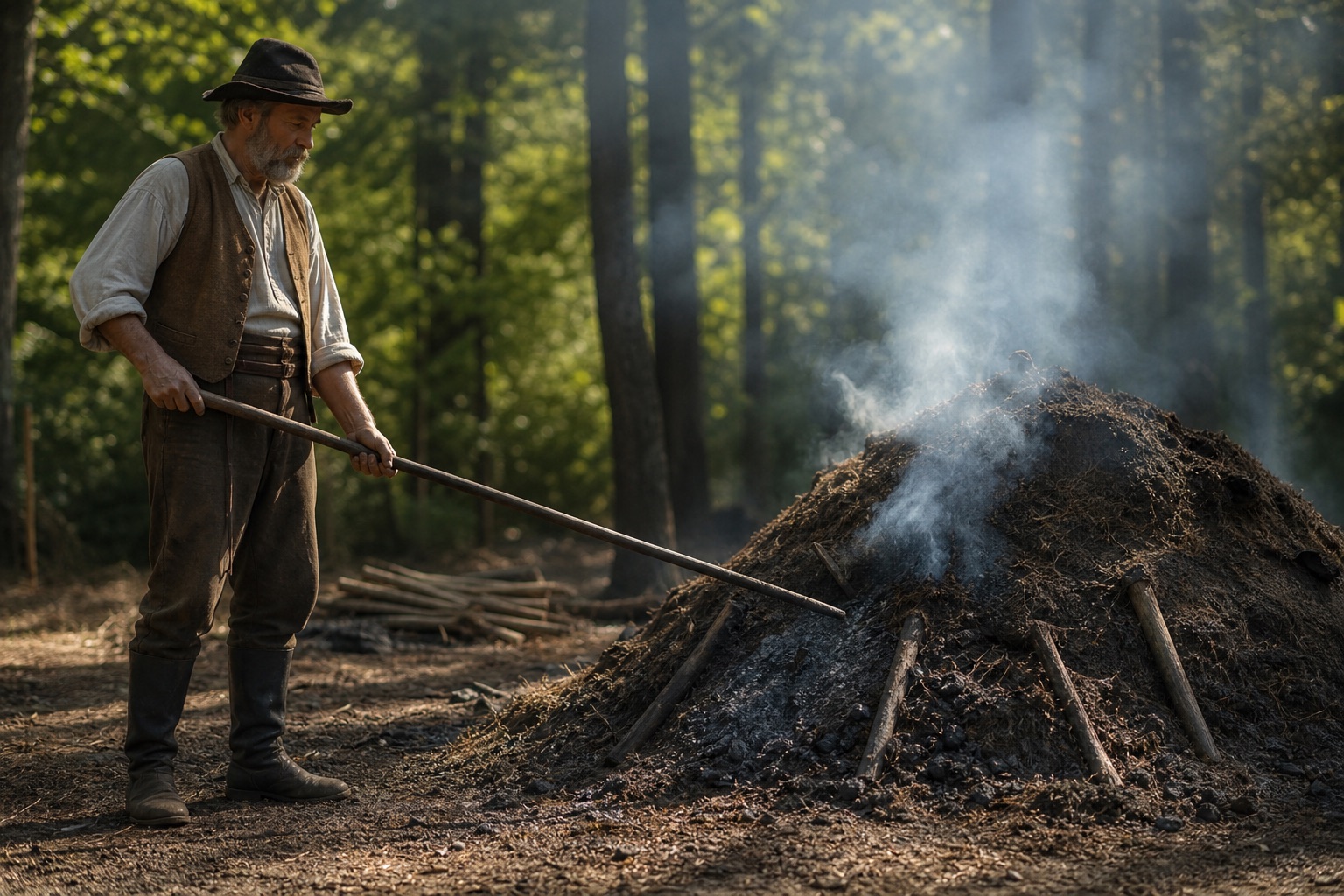 Past · Medieval EraCharcoal-BurnerThe charcoal-burner, the collier of the woods, was not a coal miner. He stacked cordwood from the coppice into a mound, covered it with straw, turf, and earth, and set it to smoulder rather than to flame. Too much air and the stack burnt to ash, which nobody would buy. Too little and the sticks stayed half raw. He slept in a hut beside the clamp, sometimes for several days, opening and closing vents as the smoke changed colour, and he stopped leaks in the mound with a fresh sod before a bright spot could run away. When the heap had cooled he raked out black coal and bagged it for the furnace, the powder mill, or the brazier.
Coppice woods in the Weald, the Forest of Dean, the Wyre, and a hundred smaller falls were cut on a cycle of years so that underwood, not the great timber trees, supplied him. The craft runs from medieval woodland custom into the late nineteenth century, long after Abraham Darby's coke had begun to feed furnaces. Mineral coal took the domestic grate. Coke took the ordinary blast furnace. In the nineteenth century, enclosed retorts carbonised wood in iron vessels and collected tar and acid along with a cheaper charcoal. The clamp in the coppice could not match that price. The last burners were remnants, coaling for hop kilns, braziers, and a few special trades, not for the ironworks that had once kept the woods smoking.
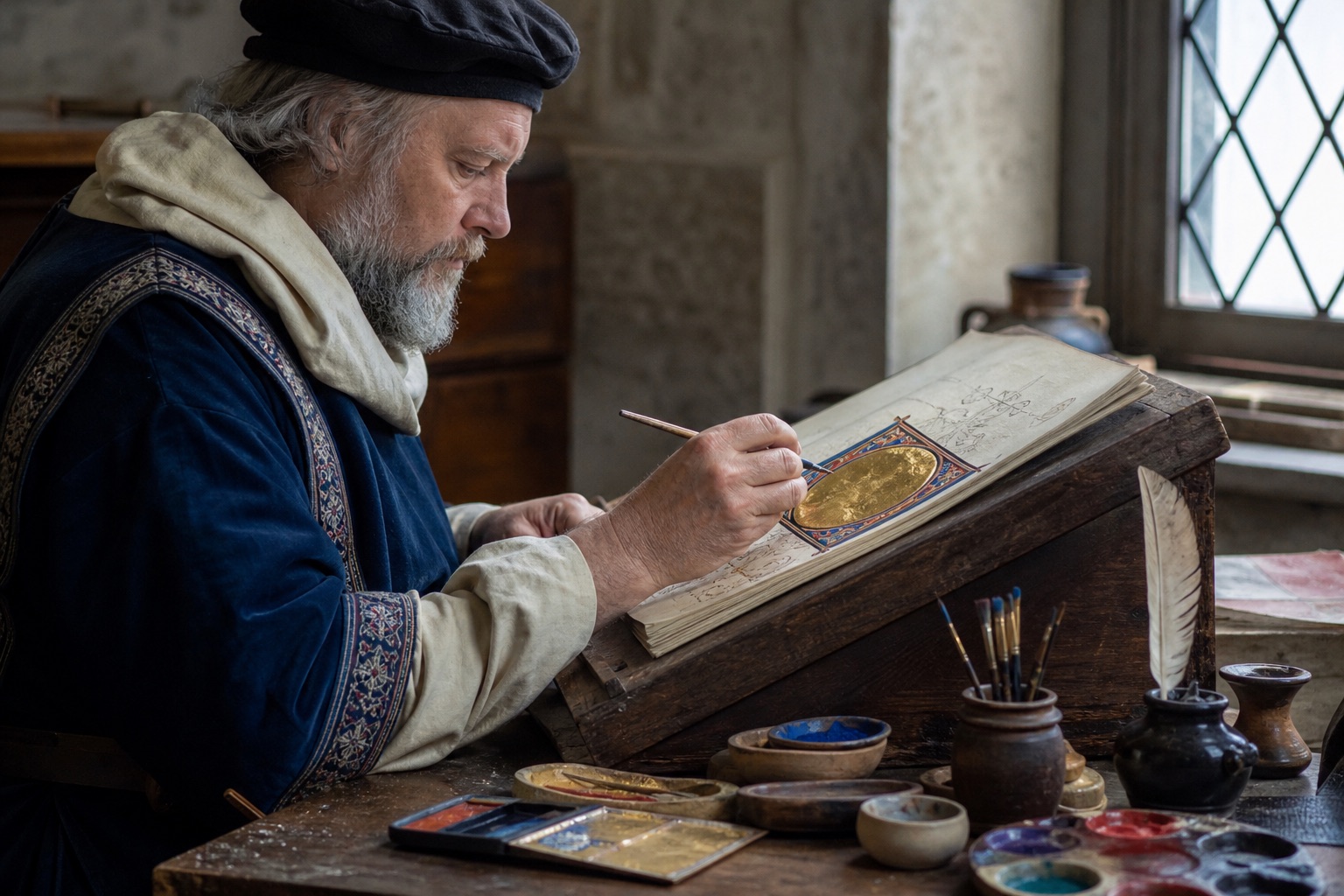 Past · Medieval EraIlluminatorAn illuminator painted the decorated letters, borders, and miniatures in a manuscript book, and was a different worker from the scribe who wrote the text. A quire often passed from one to the other: the scribe left blank spaces, and the illuminator filled them with an initial in gold and color or with a small picture. The materials were parchment or vellum, later paper, mineral and organic pigments, and gold leaf laid on a gesso ground and burnished. The work belonged to the medieval book, from the Romanesque scriptorium through the books of hours of the fourteenth and fifteenth centuries.
Monks and nuns did illuminate, especially in earlier centuries, and it is a mistake to stop the story there. By the later Middle Ages many illuminators were lay urban artisans, men and women in commercial workshops in Paris, Bruges, Ghent, Bologna, and London, hired by stationers who dealt with the patron. Christine de Pizan praised a Parisian illuminator named Anastasia. The Limbourg brothers worked for the Duke of Berry as professional painters, not as cloistered scribes. Printing, from the middle of the fifteenth century through the sixteenth, took the ordinary commission away. Luxury manuscripts lingered. The specialist trade of illuminating books by hand did not.