
Medieval Period
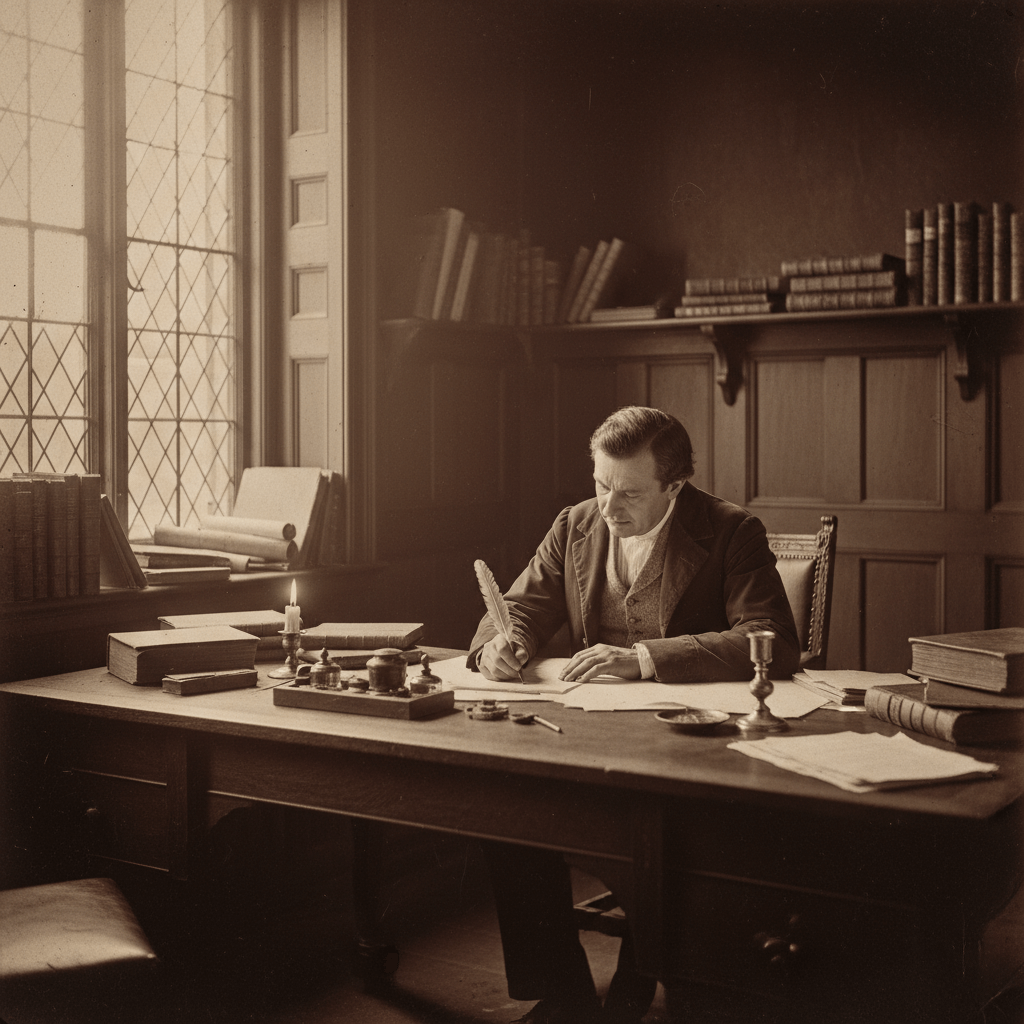
Scrivener
An extinct profession from Medieval Period that became obsolete due to technological advancement and societal change.
Media Gallery
Related Exhibits
Resurrectionist
The role of a resurrectionist, often referred to as a body snatcher, emerged in the early 19th century during a time when the demand for cadavers for medical research and education far exceeded the supply. In an era where the study of human anatomy was gaining prominence, medical schools required fresh specimens for dissection, but legal restrictions limited the availability of bodies. Resurrectionists operated in the shadows, exhuming recently buried corpses from graveyards and selling them to medical institutions. This clandestine occupation was fraught with moral and legal dilemmas, as it often involved the desecration of graves and the exploitation of the deceased's families. Despite the grim nature of their work, resurrectionists played a crucial role in advancing medical knowledge, albeit through highly controversial means. Their activities sparked public outrage and led to significant legal reforms regarding the procurement of cadavers, ultimately transforming the landscape of medical education.
Human Fly
The Human Fly was a unique and daring performer who captivated audiences during the late 19th and early 20th centuries. These individuals, often acrobats or daredevils, specialized in climbing tall buildings and structures, showcasing their remarkable agility and fearlessness. The Human Fly would often scale skyscrapers, bridges, and other urban landmarks, performing stunts that left spectators in awe. Their performances were not merely about the climb; they often included intricate routines, such as hanging from ledges, performing flips, or even playing musical instruments while suspended high above the ground. This job was emblematic of the era's fascination with spectacle and the extraordinary, as cities began to rise higher and the public's appetite for thrilling entertainment grew.
Explore More Exhibits
Discover the full collection of past and future professions in The Jobs Museum.