
Medieval Period
Toad Doctor
An extinct profession from Medieval Period that became obsolete due to technological advancement and societal change.
Media Gallery
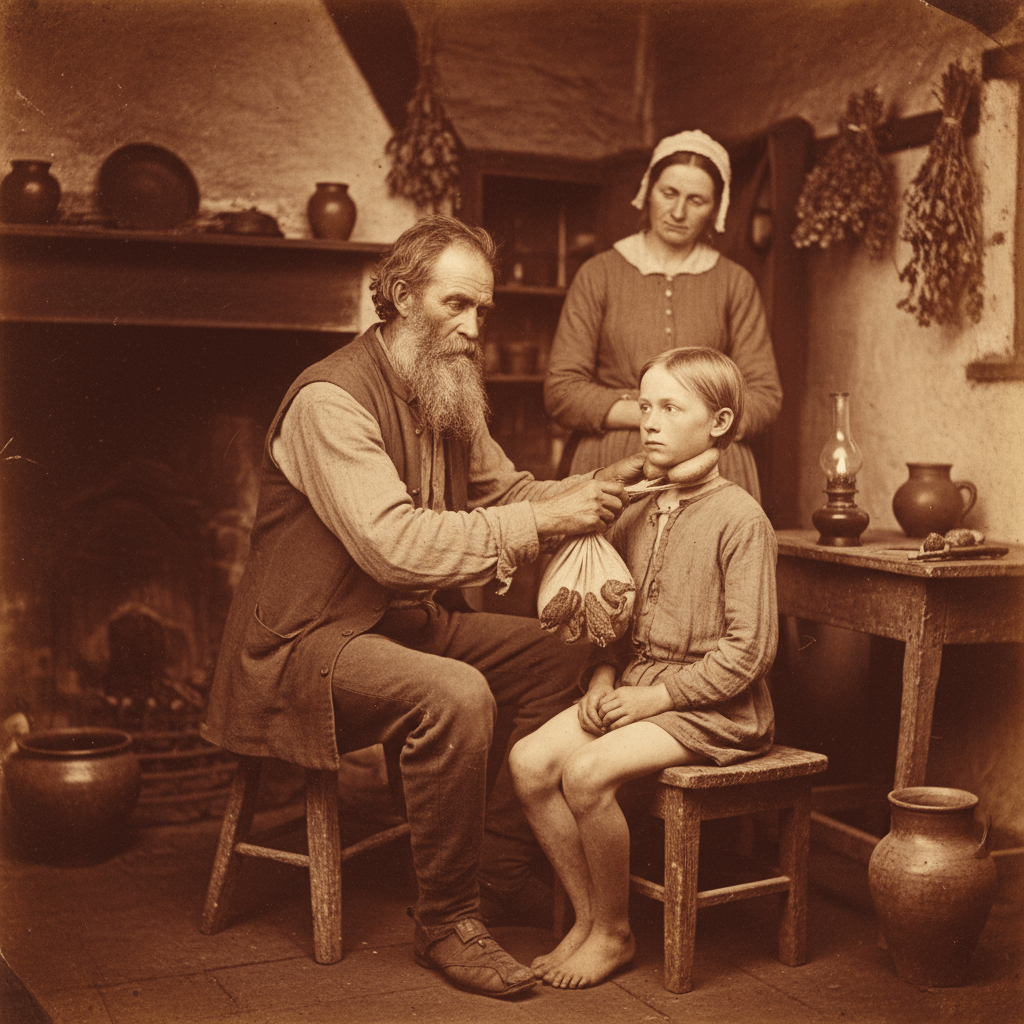
About the Toad Doctor Profession
The Toad Doctor was a unique and somewhat peculiar figure in medieval society, often found in rural areas where folk medicine thrived. This practitioner was believed to possess the knowledge and skills necessary to treat ailments using toads and their byproducts. The Toad Doctor's practice was steeped in superstition and folklore, with many believing that toads had magical properties that could cure various diseases. Treatments often involved the use of toad fat, which was rendered down and applied to wounds or ingested to alleviate ailments such as warts, skin conditions, and even more serious illnesses. The Toad Doctor would also prescribe charms and incantations, blending herbal remedies with the mystical qualities attributed to the toad.
In a time when formal medical training was scarce, the Toad Doctor filled a vital niche in the community, often serving as the primary healthcare provider for the rural populace. Their role was not only to heal but also to provide comfort and reassurance in an era rife with superstition and fear of the unknown.
Despite their importance, the practice of the Toad Doctor began to wane with the rise of more formalized medical practices and the advent of the scientific method, which sought to replace superstition with empirical evidence. As the understanding of human anatomy and disease progressed, the reliance on folk remedies and magical beliefs diminished, leading to the eventual extinction of this once-revered occupation.
Day in the Life of a Toad Doctor
Morning: Gathering Ingredients
The day would typically begin at dawn, with the Toad Doctor rising early to gather fresh ingredients for their remedies. This often included foraging for herbs in the nearby woods, as well as searching for toads in damp areas. The Toad Doctor would carry a small satchel, equipped with tools such as a knife for cutting herbs, a small pot for rendering toad fat, and various containers for storing their concoctions.
Midday: Preparing Remedies
By midday, the Toad Doctor would return to their humble abode, where they would begin the process of preparing their remedies. This involved carefully rendering the fat from the toads, a process that required skill and knowledge to ensure the fat was usable. The Doctor would mix the rendered fat with herbs and other natural ingredients, creating salves and potions believed to cure ailments. During this time, they might also recite incantations or charms, believing that the power of words could enhance the effectiveness of their treatments.
Afternoon: Patient Consultations
In the afternoon, patients would begin to arrive, often seeking relief from various ailments. The Toad Doctor would consult with each individual, asking about their symptoms and offering remedies tailored to their needs. This could involve applying salves to warts or skin conditions, or providing potions to be taken internally. The Doctor would also offer advice on lifestyle changes and preventive measures, drawing from their extensive knowledge of local herbs and natural remedies.
Evening: Community Engagement
As the sun set, the Toad Doctor might engage with the community, sharing stories and knowledge with neighbors. This was a time for social interaction, where the Doctor would reinforce their role as a healer and a trusted figure in the community. They might also participate in local rituals or gatherings, further solidifying their place in the social fabric of the village.
Related Exhibits
Parakoimomenos
The Parakoimomenos, often translated as 'bedchamber attendant' or 'chamberlain,' was a significant role in the households of the elite during the Classical Antiquity period, particularly in the Byzantine Empire. This position was not merely one of servitude; it was a trusted role that involved close personal service to the emperor or high-ranking officials. The Parakoimomenos was responsible for the personal care and comfort of their charge, overseeing the sleeping quarters, and ensuring that the environment was conducive to rest and privacy. This included managing the temperature of the room, preparing bedding, and even attending to the personal needs of the individual they served. The role required a high level of discretion and loyalty, as the Parakoimomenos often had access to sensitive information and was privy to the intimate details of their employer's life. In addition to personal care, the Parakoimomenos also played a role in the ceremonial aspects of the household, assisting in the preparation for audiences and events. They were often involved in the selection of clothing and accessories, ensuring that their employer was always presented in the best light. This position was a blend of servant and confidant, requiring a deep understanding of the social dynamics of the court and the ability to navigate complex relationships with other members of the household and nobility.
Leech Collector
In the Victorian Era, the leech collector played a crucial role in the burgeoning field of medicine. These individuals were tasked with harvesting leeches from freshwater bodies, primarily for use in bloodletting—a common medical practice of the time. Leeches were believed to cure a variety of ailments by drawing out 'bad blood,' and their demand surged as the medical community embraced this practice. Leech collectors would often wade into muddy waters, using nets and their bare hands to gather these slimy creatures, which were then sold to physicians and apothecaries. The job required not only physical endurance but also a keen understanding of the leeches' habitats and behaviors, as well as the ability to handle them without causing harm to themselves or the creatures. The leech collector's work was often conducted in remote, marshy areas, where they would spend hours in the water, sometimes in harsh weather conditions. The collectors would return home with buckets filled with leeches, which they would keep alive in water-filled containers until sold. The job was labor-intensive and often poorly paid, but it was essential in an era when medical practices relied heavily on the use of leeches for therapeutic purposes. As the medical field evolved and the understanding of human anatomy and disease progressed, the practice of bloodletting fell out of favor. By the late 19th century, with the advent of modern medicine and more effective treatments, the demand for leeches diminished significantly, leading to the decline of this once vital occupation.
Explore More Exhibits
Discover the full collection of past and future professions in The Jobs Museum.