
Medieval Period
Whipping Boy
An extinct profession from Medieval Period that became obsolete due to technological advancement and societal change.
Media Gallery
About the Whipping Boy Profession
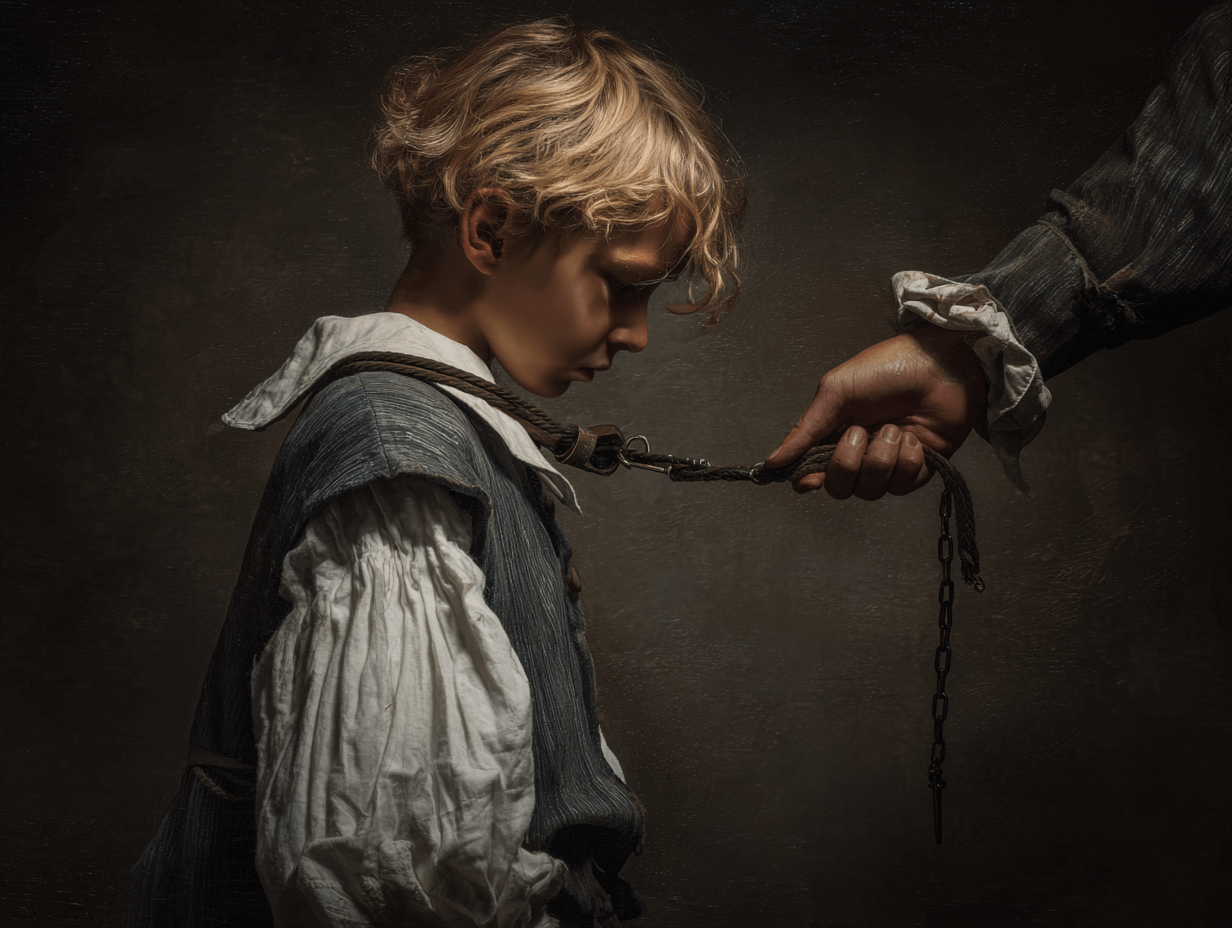
The role of a whipping boy was a peculiar and often misunderstood position in the royal courts of Europe, particularly during the 15th to 17th centuries. A whipping boy was a young boy, often of noble birth, who was assigned to a prince or young nobleman. The unique aspect of this role was that the whipping boy would receive punishment on behalf of the prince when the latter misbehaved or failed to meet educational expectations. This practice stemmed from the belief that it was inappropriate to physically punish a royal child, so the whipping boy served as a surrogate for discipline.
The relationship between the prince and his whipping boy was complex; while the whipping boy was subjected to physical punishment, he often enjoyed privileges and a close bond with the prince, sharing in the education and courtly life. This role was not merely one of suffering; it involved companionship, loyalty, and sometimes even friendship, as the boys grew up together in the opulent yet demanding environment of the court.
The whipping boy's existence highlights the social hierarchies and educational practices of the time, where the nobility sought to instill discipline and responsibility in their heirs without tarnishing their royal status. The role was a reflection of the era's values, where physical punishment was a common method of discipline, yet the nobility sought to protect their own from such indignities.
Day in the Life of a Whipping Boy
Morning: Rising with the Prince
The day for a whipping boy typically began at dawn, as he would rise alongside the young prince he served. After a quick breakfast, the boys would prepare for their lessons, which included reading, writing, and the arts of courtly behavior. The whipping boy was expected to keep pace with the prince's education, ensuring that he was well-versed in the same subjects.
Mid-Morning: Lessons and Learning
During lessons, the whipping boy would sit alongside the prince, often under the watchful eye of a tutor. The boys would engage in discussions, recite passages, and practice their skills. If the prince faltered or misbehaved, the tutor would reprimand him, and the whipping boy would be called upon to receive the punishment, reinforcing the lesson without directly harming the royal child.
Afternoon: Play and Privilege
After lessons, the boys would often have time to play. They might engage in games of swordplay or chase in the castle grounds, enjoying the privileges of their status. The whipping boy, while often subjected to punishment, also shared in the joys of court life, attending feasts and celebrations alongside the prince.
Evening: Reflection and Bonding
As the day wound down, the boys would often reflect on their lessons and experiences. The whipping boy would provide companionship and support to the prince, helping him navigate the complexities of court life. This bond was crucial, as it provided emotional support amidst the pressures of their roles.
Night: Rest and Readiness
As night fell, the boys would retire to their chambers, where they would share stories and dreams of the future. The whipping boy, despite his unique position, would often find solace in the friendship he had forged with the prince, knowing that their fates were intertwined in the tapestry of nobility.
Related Exhibits
Thimblerigger
The thimblerigger was a street performer and con artist who specialized in a game of chance known as the 'thimblerig' or 'three shells and a pea.' This game involved three thimbles (or cups) and a small object, typically a pea or a ball, which was hidden under one of the thimbles. The thimblerigger would skillfully shuffle the thimbles around, challenging onlookers to guess which thimble concealed the object. The allure of easy winnings drew crowds, and the thimblerigger would often employ sleight of hand to ensure that the game was rigged in their favor. This occupation thrived in the bustling streets and fairs of the Victorian era, where entertainment and gambling were popular pastimes. However, the thimblerigger was not merely a performer; they were also a master of deception, using charisma and cunning to manipulate the audience and create an illusion of fairness.
Knitting Mill Worker
The knitting mill worker played a crucial role in the textile industry during the Industrial Revolution, a period marked by rapid industrial growth and technological innovation. These workers were primarily responsible for operating knitting machines that produced a variety of knitted goods, including socks, sweaters, and other garments. The work was often performed in large factories, known as knitting mills, where rows of machines hummed with activity, creating a rhythmic backdrop to the labor-intensive environment. Workers were typically assigned to specific machines, where they would monitor the knitting process, troubleshoot any issues, and ensure that the quality of the output met the factory's standards. The job required a keen eye for detail, as even a small mistake could result in significant waste of materials and time. Knitting mill workers were often women and children, who were drawn to the mills by the promise of steady wages. The work was physically demanding, requiring long hours of standing and repetitive motion, which could lead to fatigue and injury. Despite the harsh conditions, knitting mills provided a vital source of income for many families during a time when economic opportunities were limited, particularly for women. The rise of the knitting mill worker was emblematic of the broader changes occurring in society, as traditional hand-knitting practices were replaced by mechanized production, leading to increased efficiency and lower costs for consumers.
Explore More Exhibits
Discover the full collection of past and future professions in The Jobs Museum.