
Medieval Period
Ale Conner
An extinct profession from Medieval Period that became obsolete due to technological advancement and societal change.
Media Gallery
About the Ale Conner Profession
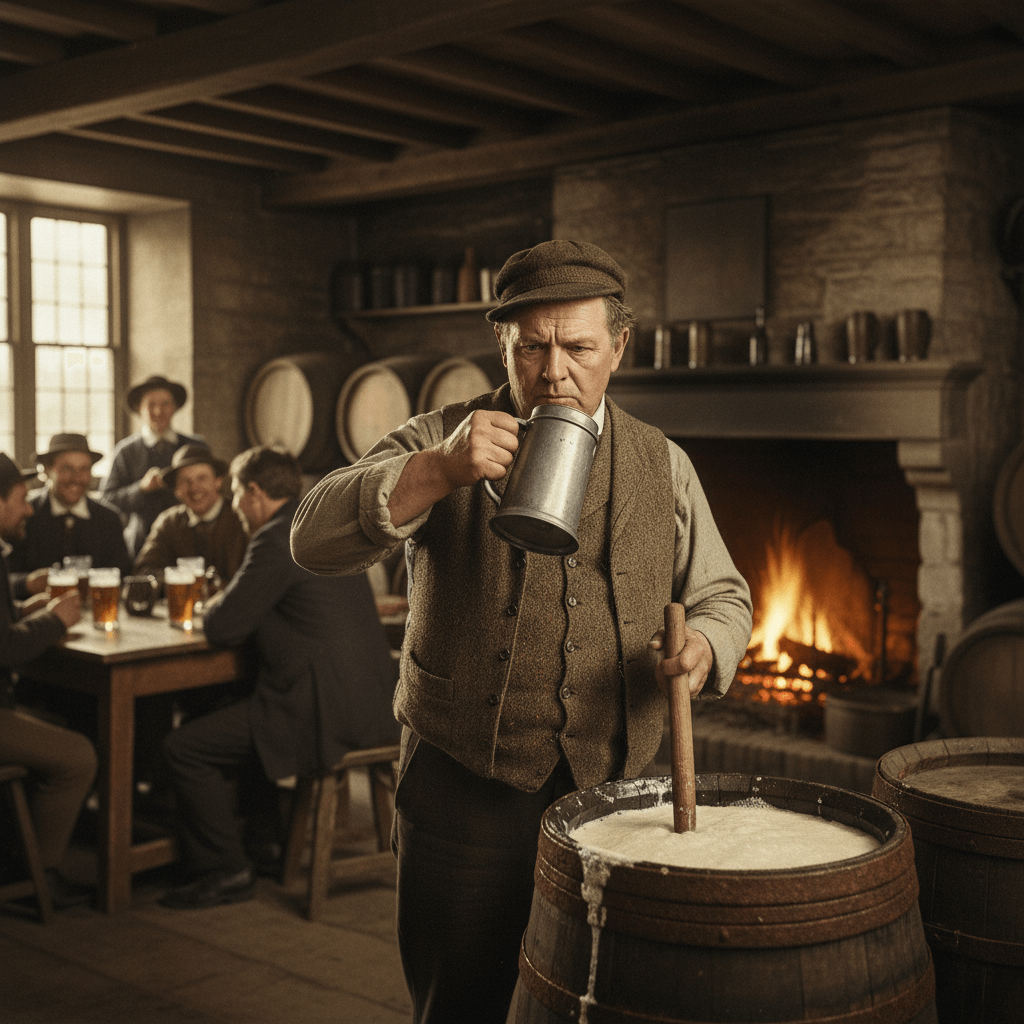
The role of the Ale Conner was a vital one in medieval society, particularly in England, where ale was a staple beverage. Tasked with ensuring the quality of ale produced by local brewers, the Ale Conner acted as a guardian of public health and consumer rights. This position was often held by a local official or a member of the community who had the authority to inspect and taste ale before it was sold to the public. The Ale Conner would assess the ale for its strength, flavor, and overall quality, ensuring that it met the standards set by local regulations. If the ale was found to be subpar, the Ale Conner had the power to condemn it, preventing it from being sold and protecting the community from potential harm.
In addition to quality control, the Ale Conner also played a role in the regulation of prices, ensuring that brewers did not exploit consumers by charging exorbitant rates for inferior products. This position was essential in maintaining the integrity of the ale market, which was a significant part of daily life in medieval towns and villages. The Ale Conner's work was not only about quality but also about fairness in trade, reflecting the communal values of the time.
Day in the Life of an Ale Conner
Morning: The Rounds Begin
As dawn breaks, the Ale Conner rises early to prepare for a day of inspections. After a hearty breakfast, they gather their tools: a measuring jug, a hydrometer for checking the specific gravity of the ale, and a tasting cup. The first stop is the local brewery, where the Ale Conner greets the brewer and begins the inspection process.
Mid-Morning: Quality Control
The Ale Conner samples the freshly brewed ale, checking for clarity, aroma, and taste. They use the hydrometer to measure the alcohol content, ensuring it aligns with local regulations. If the ale passes the inspection, the Ale Conner marks it with a seal of approval. If not, they discuss the issues with the brewer, providing guidance on how to improve the brew.
Afternoon: Market Oversight
After completing the rounds at the breweries, the Ale Conner heads to the marketplace. Here, they monitor the sales of ale, ensuring that prices are fair and that no substandard products are being sold. They engage with local tavern owners and consumers, gathering feedback on the quality of ale available in the market.
Late Afternoon: Record Keeping
As the day winds down, the Ale Conner returns to their office to document the inspections and any issues encountered. They maintain records of the brewers, the quality of their products, and any complaints from the public. This documentation is crucial for maintaining standards and addressing any disputes that may arise.
Evening: Community Engagement
In the evening, the Ale Conner often attends local gatherings or tavern meetings, where they discuss ale quality and market conditions with community members. This engagement helps to foster trust and transparency between brewers and consumers, reinforcing the Ale Conner's role as a protector of public interest.
Related Exhibits
Necessary Woman
The role of the Necessary Woman emerged during the Victorian Era, a time characterized by strict social hierarchies and the delineation of gender roles. These women were employed primarily in affluent households, where they were responsible for the maintenance of the 'necessary room'—a euphemism for the toilet or privy. This job was not merely about cleaning; it involved a range of tasks that ensured the hygiene and comfort of the household. Necessary Women were tasked with the cleaning and upkeep of the facilities, which included emptying chamber pots, scrubbing floors, and ensuring that the necessary room was stocked with essential supplies such as toilet paper and soap. In an era when sanitation was becoming increasingly important, the work of the Necessary Woman was crucial. They were often the unsung heroes of the household, performing a job that was considered too unpleasant for the higher-status members of the family. Their work was essential in preventing the spread of disease, particularly in urban areas where sanitation was a growing concern. Despite the low social status of this occupation, Necessary Women played a vital role in the functioning of Victorian households, often working long hours for modest pay. Their contributions were largely overlooked, reflecting the broader societal attitudes towards women’s work during this period.
Doll Eye Setter
The role of a Doll Eye Setter was a specialized craft within the toy-making industry, particularly prominent during the Victorian Era (1837-1901). This occupation involved the meticulous task of inserting glass or plastic eyes into dolls, ensuring that each doll had a lifelike appearance. Doll Eye Setters worked primarily in factories or workshops, where they would receive unassembled dolls from doll makers. The eyes, often made of glass, were crafted in various sizes and colors to match the intended design of the doll. The setter would carefully position the eyes, often using a small tool to secure them in place, ensuring they were aligned perfectly to create an expressive gaze. This attention to detail was crucial, as the eyes were considered the windows to the doll's personality, enhancing its appeal to children and collectors alike. The job required not only dexterity and precision but also an artistic eye for detail, as the placement of the eyes could significantly affect the doll's overall aesthetic. Doll Eye Setters often worked long hours, sometimes in poorly lit conditions, which could strain their eyesight. The work was repetitive, yet it required a steady hand and a keen sense of proportion to ensure that each doll was visually appealing. As the demand for dolls surged during the Victorian Era, fueled by the rise of the middle class and the popularity of children's toys, the role of the Doll Eye Setter became increasingly important. However, as the 20th century approached, advancements in manufacturing processes, such as the introduction of mass production techniques and the use of plastic eyes that could be molded directly into the doll's head, rendered the specialized skills of the Doll Eye Setter obsolete. The shift towards automation and the decline of handcrafted toys led to the gradual disappearance of this once-essential occupation.
Explore More Exhibits
Discover the full collection of past and future professions in The Jobs Museum.