
Trade
The street
A crossing, a bucket, a torch, a tray of matches, a knock on a window.
Mayhew walked these streets. The jobs were public and poorly protected, and they ended through paving, pipes, clocks, lights, and the police.
In this trade
15
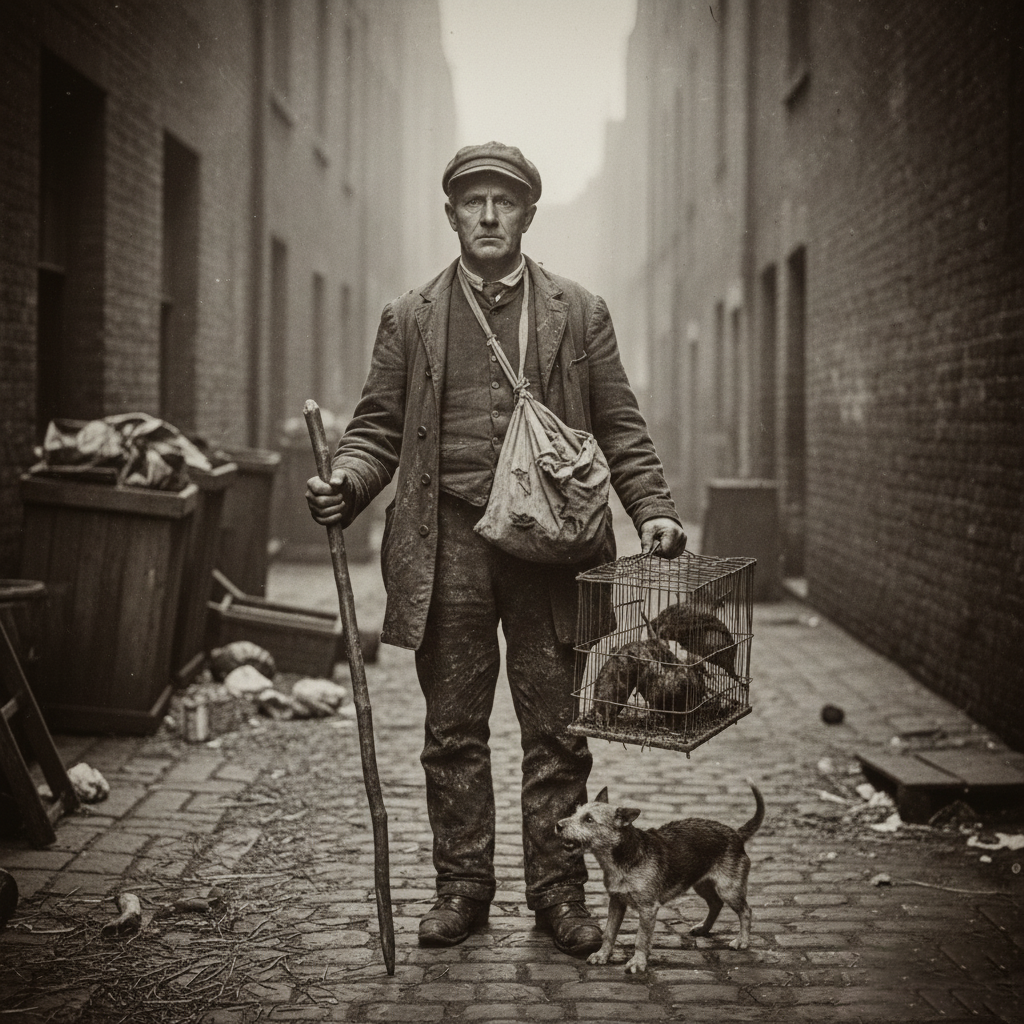
- Past · Victorian EraRat CatcherIn the bustling streets of Victorian London, where the Industrial Revolution was in full swing, the role of the rat catcher emerged as a vital occupation. As cities expanded and populations swelled, so too did the number of vermin, particularly rats, which thrived in the filth and refuse of urban life. Rat catchers were tasked with the grim yet essential job of controlling these rodent populations, ensuring public health and safety in an era where diseases like the plague and typhus were rampant. Armed with traps, dogs, and sometimes even ferrets, these individuals roamed the alleys and backstreets, seeking out nests and burrows to eradicate the pests that threatened the well-being of the community. Their work was not only a matter of pest control but also a reflection of the social conditions of the time, where sanitation was often neglected, and the consequences of such neglect were dire.
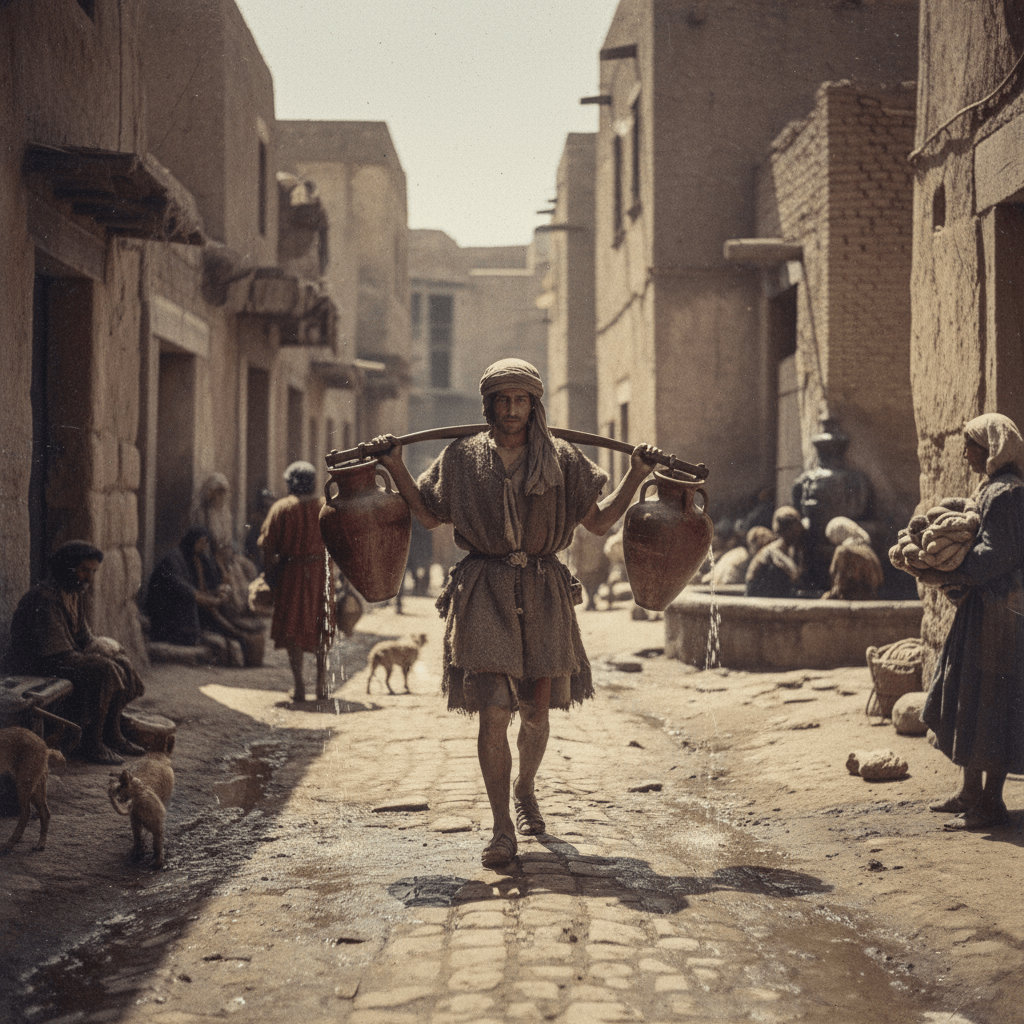 Past · Pre-Industrial EraWater CarrierThe role of a water carrier was vital in societies where access to clean water was limited. Water carriers were responsible for transporting water from sources such as rivers, wells, or springs to homes, businesses, and public places. This occupation was particularly prominent in urban areas where the infrastructure for plumbing was either rudimentary or nonexistent. Water carriers often worked long hours, navigating through streets with heavy containers, sometimes on foot or using animals like donkeys or camels to assist in their labor. The job required not only physical strength but also knowledge of the best water sources and the ability to manage the logistics of delivery, especially in times of drought or during the dry seasons when water was scarce. In many cultures, water carriers were respected members of the community, as they provided an essential service that supported daily life and public health.
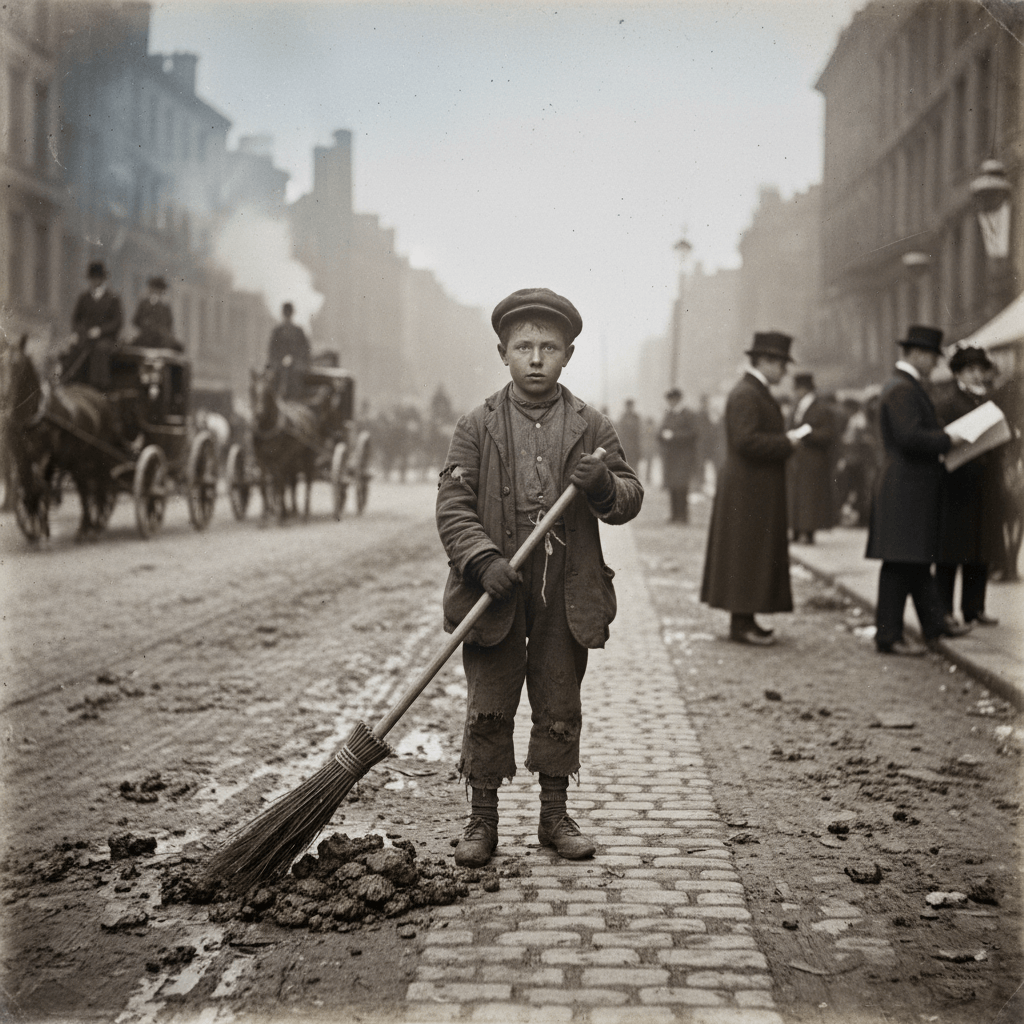 Past · Victorian EraCrossing SweeperThe role of a Crossing Sweeper emerged in the bustling streets of Victorian England, where the rapid growth of urban centers and the advent of horse-drawn carriages created a unique set of challenges for pedestrians. Crossing Sweepers were tasked with keeping the roadways clean, particularly at busy intersections, where mud, horse manure, and debris accumulated. These workers, often children or the impoverished, would stand at street corners with brooms, ready to sweep away the filth to create a cleaner path for passersby. Their work was not only about cleanliness but also about ensuring the safety and comfort of those navigating the often chaotic urban landscape.
Crossing Sweepers were a common sight in cities like London, where the streets were teeming with traffic and the air was thick with the sounds of hooves and wheels. They would often wear tattered clothing, reflecting their low social status, and their earnings were meager, relying on the generosity of pedestrians who would toss coins in gratitude for a clean crossing. This job was emblematic of the social issues of the time, highlighting the stark divide between the wealthy and the working poor, as well as the challenges faced by children in the labor force.
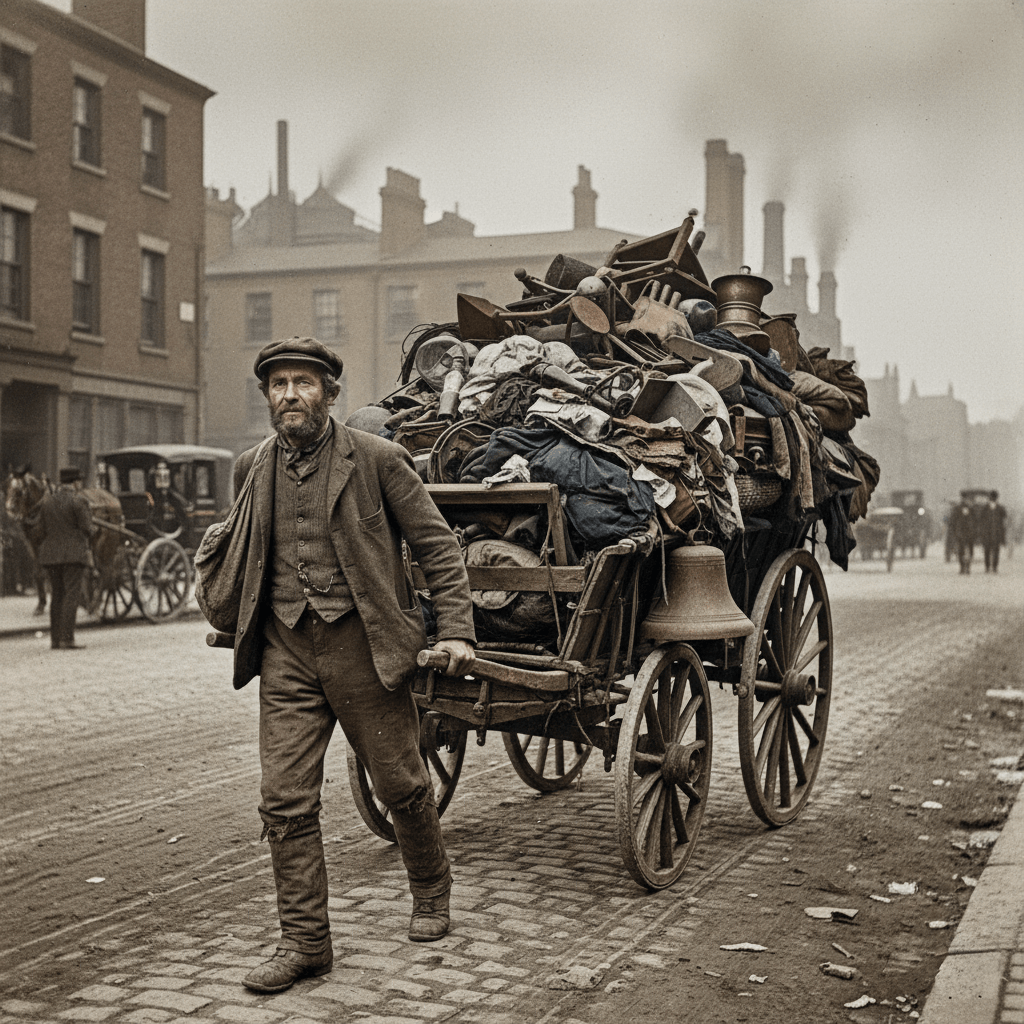 Past · Victorian EraRag-and-Bone ManThe Rag-and-Bone Man was a familiar figure in the streets of Victorian and Edwardian England, embodying the spirit of recycling long before it became a modern environmental concern. These itinerant traders collected unwanted items from households, ranging from old clothes and rags to bones and scrap metal. The rag-and-bone men played a crucial role in the economy of the time, as they provided a means for families to dispose of their waste while also offering a small income for themselves. They would often call out their trade with a distinctive cry, 'Rags, bones, and bottles!' as they pushed their carts through the neighborhoods, creating a sense of community and nostalgia for many.
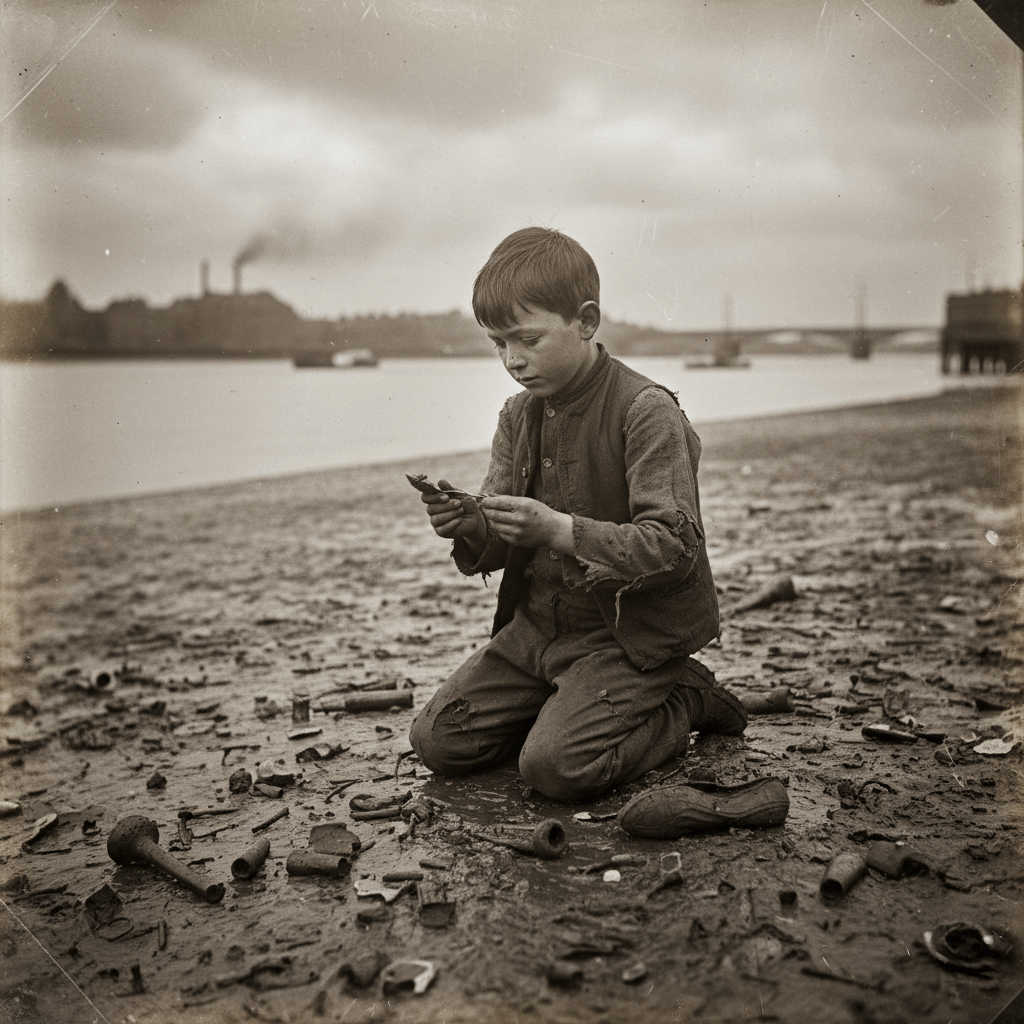 Past · Victorian EraMudlarkThe term 'mudlark' refers to individuals, often children or the impoverished, who scavenged the banks of rivers, particularly the River Thames in London, during the Victorian Era. These individuals would sift through the mud and debris left behind by the receding tide, searching for anything of value that could be sold or repurposed. The job was born out of necessity, as many families faced extreme poverty and relied on the meager earnings from scavenging to survive. Mudlarks would find items such as old coins, jewelry, pottery, and even discarded household goods, which they could sell to local traders or at markets. The work was physically demanding and often dangerous, as the muddy banks could be treacherous, and the waters of the Thames were known for their strong currents and pollution. Despite the harsh conditions, mudlarks played a crucial role in the urban economy, contributing to the recycling of materials long before the concept became mainstream.
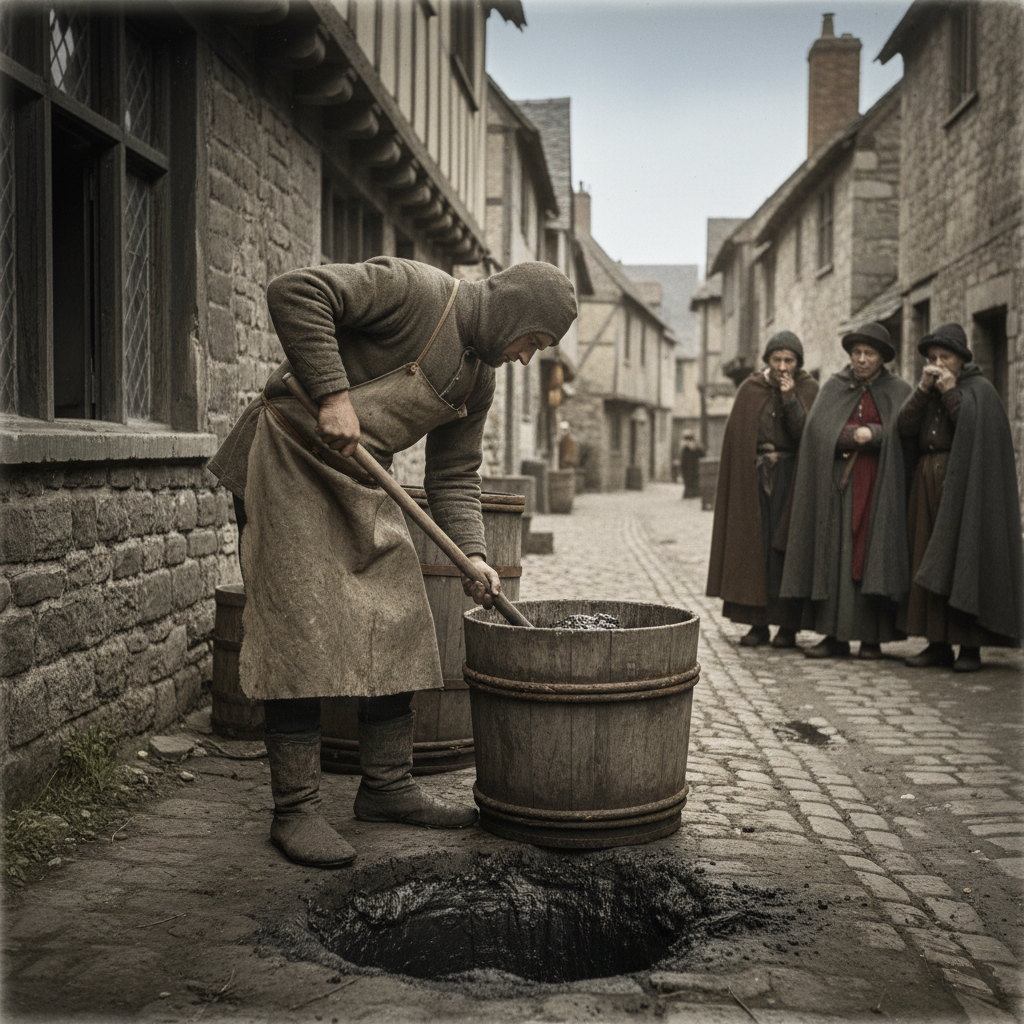 Past · Medieval PeriodGong FarmerThe gong farmer was a crucial yet often overlooked figure in medieval society, responsible for the removal of human waste from cesspits and privies. Operating primarily in urban areas, these workers played an essential role in maintaining public health and sanitation during a time when hygiene practices were rudimentary at best. The term 'gong' is derived from the Old English word for excrement, and the job itself was often considered one of the lowest on the social ladder, leading to a significant stigma attached to it. Despite the unpleasant nature of their work, gong farmers were vital in preventing the spread of disease in densely populated towns and cities, where waste management was a pressing concern.
Gong farmers typically worked at night, using the cover of darkness to carry out their tasks with minimal public exposure. They would dig out the contents of cesspits, often using rudimentary tools, and transport the waste to designated dumping grounds outside the city. This labor was not only physically demanding but also fraught with health risks, as workers were frequently exposed to harmful pathogens. The job required a strong constitution and a willingness to endure unpleasant odors and unsanitary conditions. Despite the challenges, gong farmers were compensated for their work, albeit at a lower wage than many other laborers, reflecting their marginalized status in society.
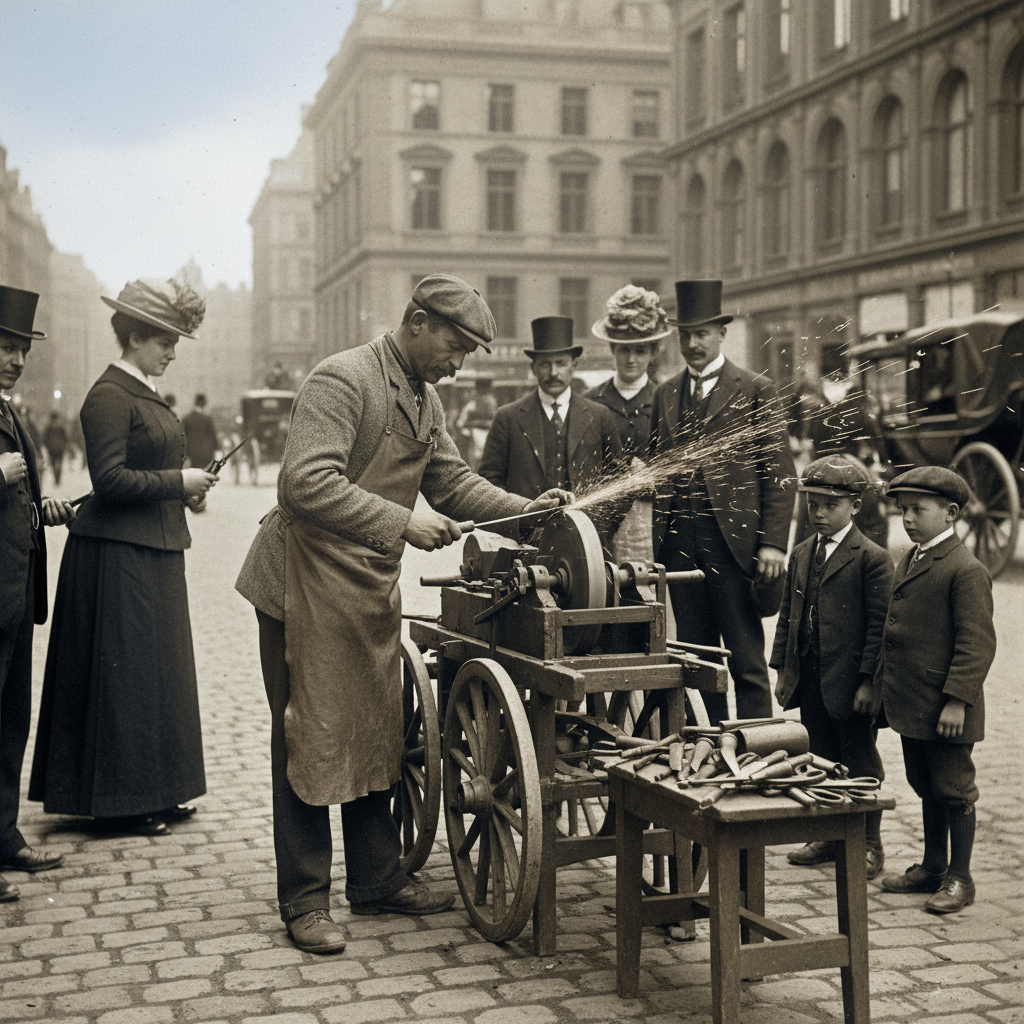 Past · Industrial RevolutionKnife GrinderThe knife grinder was a skilled tradesperson responsible for sharpening and honing blades, from kitchen knives to industrial cutting tools. This occupation flourished during the Industrial Revolution, a period marked by rapid technological advancement and a growing demand for precision tools in both domestic and industrial settings. Knife grinders often worked in small workshops or as itinerant tradespeople, traveling from town to town with their grinding wheels and tools, providing essential services to local communities. The sound of the grinding wheel, a rhythmic and reassuring noise, was a familiar part of daily life, as these craftsmen ensured that the tools of the trade remained sharp and effective.
The process of knife grinding involved several steps. First, the grinder would assess the blade's condition, determining the level of wear and the type of sharpening needed. Using a foot-powered grinding wheel, the grinder would carefully sharpen the blade, maintaining the correct angle to ensure optimal cutting performance. After sharpening, the blade would often be polished to a fine finish, sometimes using a leather strop to achieve a razor-sharp edge. Knife grinders were not only skilled in their craft but also had a deep understanding of the various types of steel and the specific needs of different tools, making them invaluable to both domestic households and industrial operations.
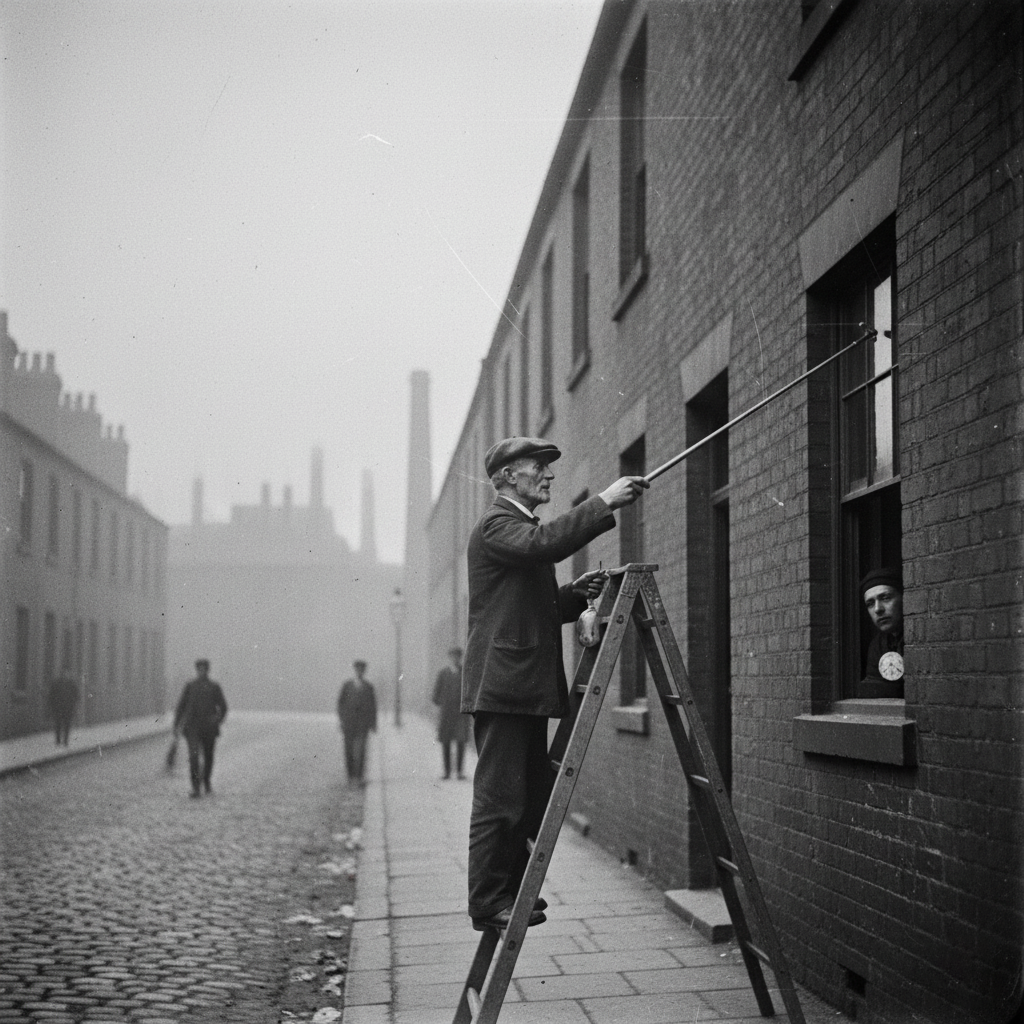 Past · Victorian EraKnocker-UpperIn the bustling streets of Victorian England, where the clamor of industry met the rhythm of daily life, a unique occupation emerged: the Knocker-Upper. This job was essential for those who needed to rise early for work but lacked the luxury of alarm clocks. Knocker-Uppers were the human alarm clocks of their time, ensuring that the working class could meet the demands of their laborious schedules. Armed with a long stick or a peashooter, they would rouse sleeping patrons by tapping on their windows or, in some cases, shooting small pellets to get their attention.
The Knocker-Upper was often a familiar figure in the neighborhood, known for their punctuality and reliability. They would typically start their rounds before dawn, navigating the dimly lit streets, often in inclement weather, to ensure that their clients were awake and ready for the day ahead. This job was not just about waking people; it was a vital service that supported the industrial economy, where time was money and every minute counted.
As the sun rose, the Knocker-Upper would call out names or tap on windows, sometimes even engaging in light banter with the residents. Their presence was a comforting routine in the lives of many, a reminder that the day was beginning and that it was time to rise and shine.
However, as the 20th century approached, the Knocker-Upper began to fade into obscurity. The advent of the mechanical alarm clock, which became increasingly affordable and reliable, rendered this occupation obsolete. The rise of technology and changing social norms shifted the way people managed their time, leading to the decline of this once-essential role.
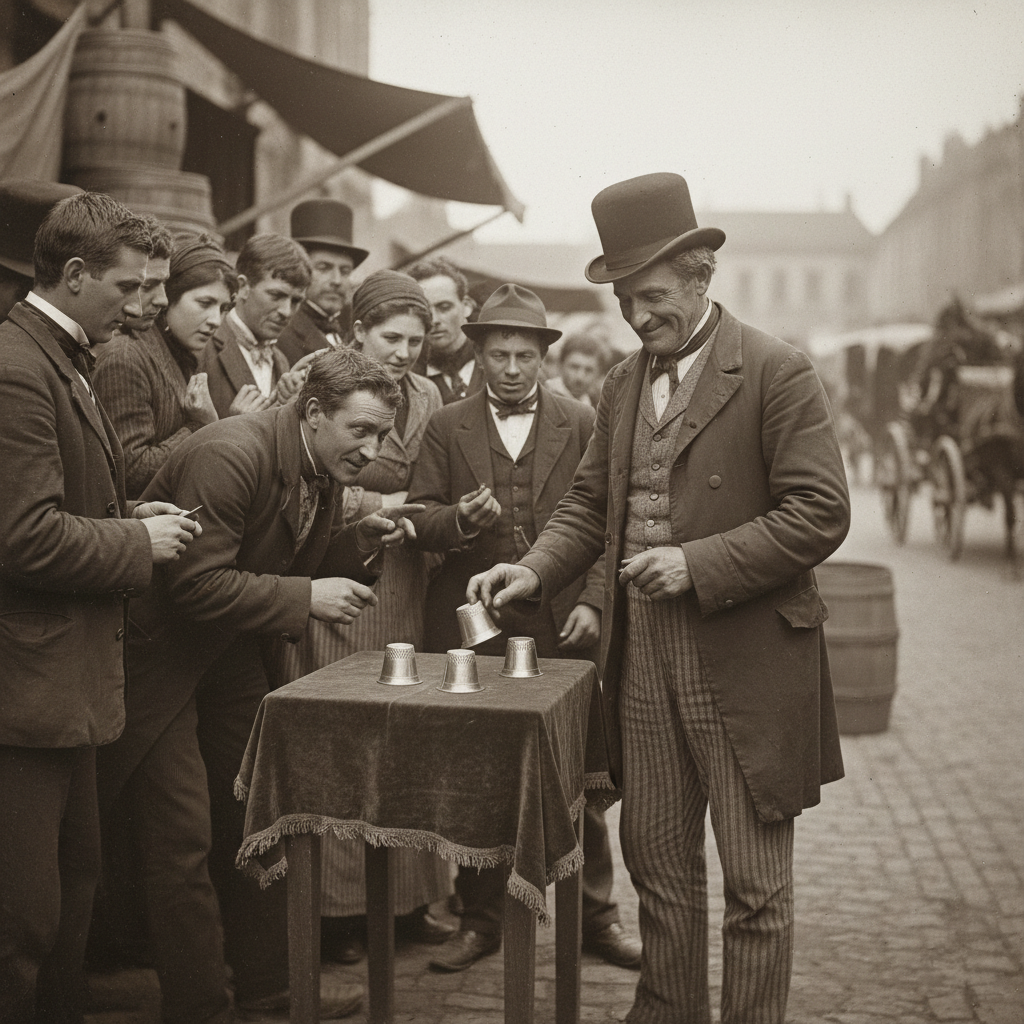 Past · Victorian EraThimbleriggerThe thimblerigger was a street performer and con artist who specialized in a game of chance known as the 'thimblerig' or 'three shells and a pea.' This game involved three thimbles (or cups) and a small object, typically a pea or a ball, which was hidden under one of the thimbles. The thimblerigger would skillfully shuffle the thimbles around, challenging onlookers to guess which thimble concealed the object. The allure of easy winnings drew crowds, and the thimblerigger would often employ sleight of hand to ensure that the game was rigged in their favor. This occupation thrived in the bustling streets and fairs of the Victorian era, where entertainment and gambling were popular pastimes. However, the thimblerigger was not merely a performer; they were also a master of deception, using charisma and cunning to manipulate the audience and create an illusion of fairness.
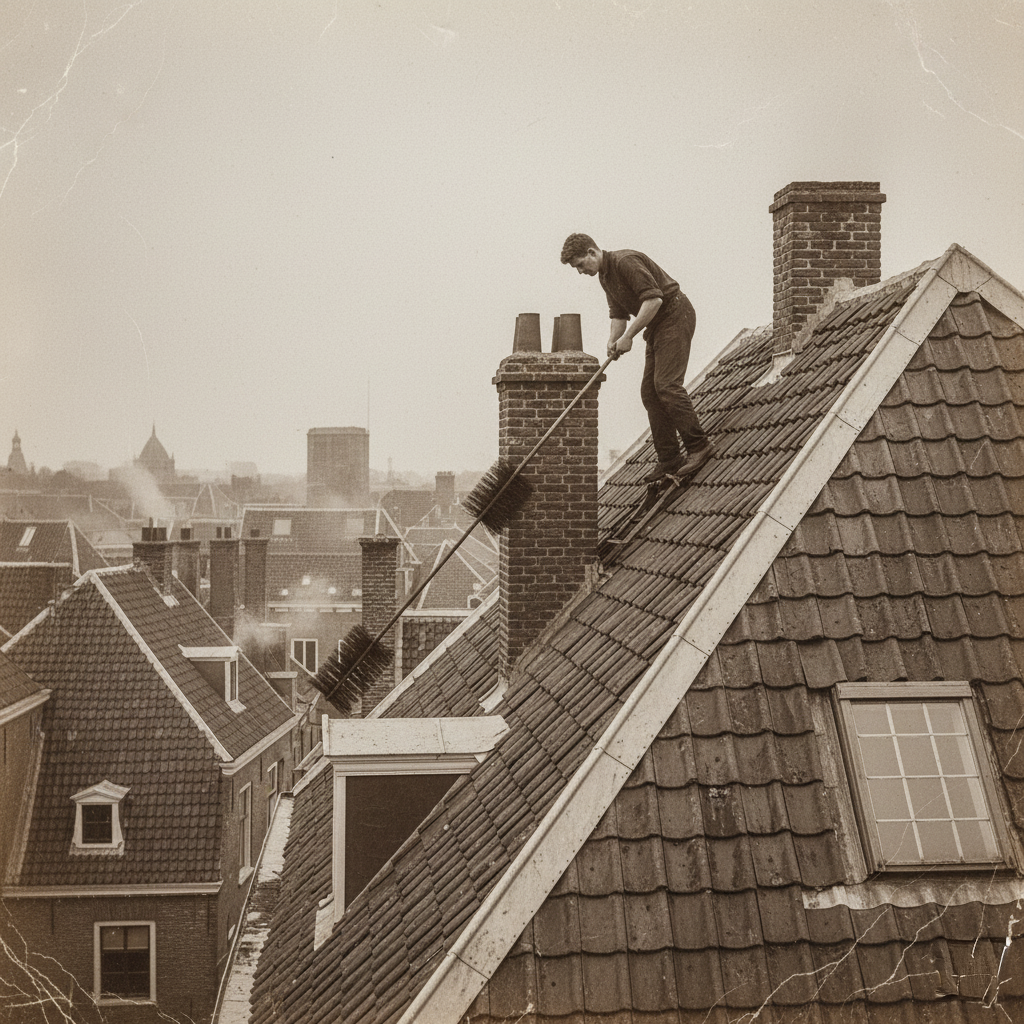 Past · Victorian EraChimney SweepThe role of a chimney sweep was crucial in the Victorian Era, particularly in urban areas where coal was the primary source of heating. As homes and factories proliferated, so did the need for clean chimneys to prevent dangerous chimney fires and ensure proper ventilation. Chimney sweeps were responsible for cleaning soot and creosote buildup from chimneys, which could lead to hazardous conditions if left unchecked. The job was often performed by young boys, some as young as six, who would climb into narrow flues to scrape away the soot. This labor-intensive work required not only physical agility but also a keen understanding of the structure of chimneys and the dangers associated with them. The job was often grueling, with sweeps working long hours in cramped, dark spaces, and it was not uncommon for them to suffer from respiratory issues due to the soot they inhaled. Despite the harsh conditions, chimney sweeps played a vital role in maintaining the safety of homes during a time when coal was the dominant fuel source.
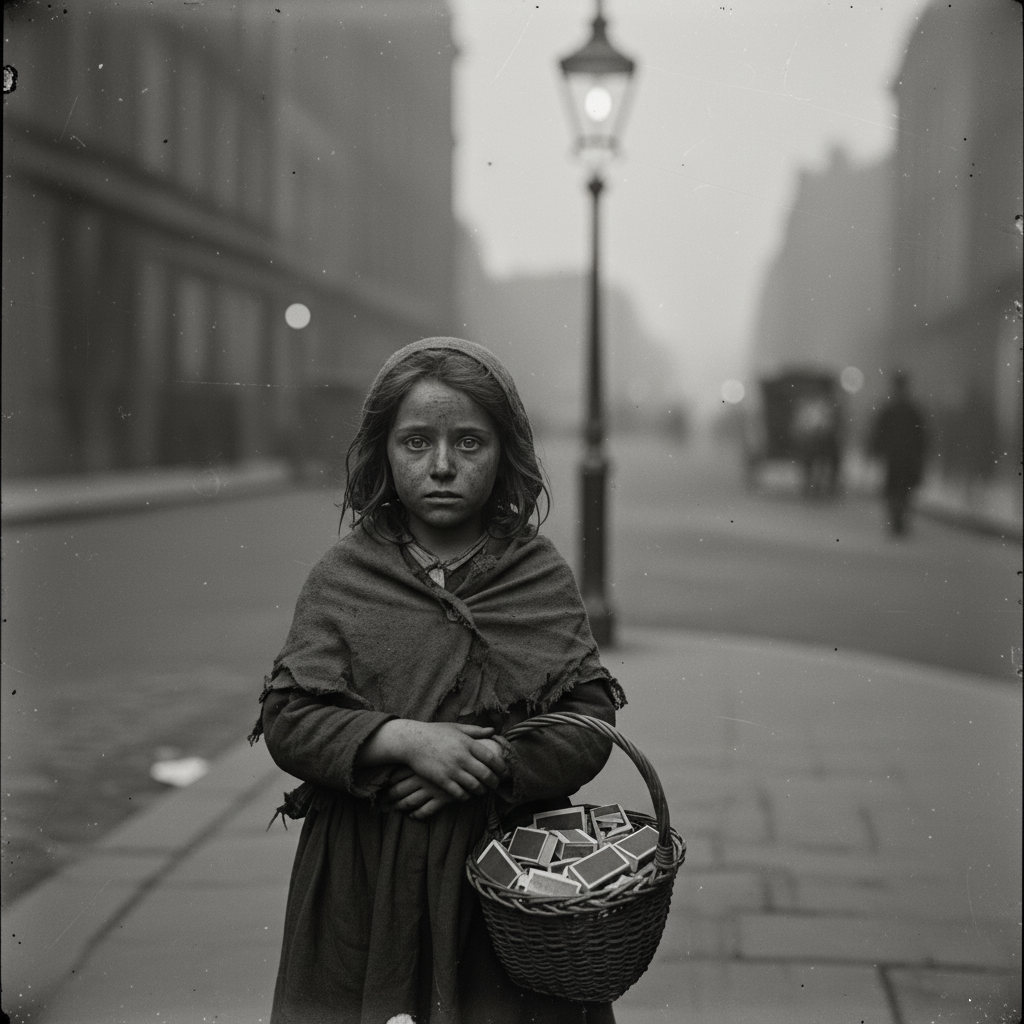 Past · Victorian EraMatchstick GirlThe role of a Matchstick Girl emerged during the Victorian Era, a time marked by rapid industrialization and urbanization in Britain. These young girls, often as young as six years old, were employed to sell matches on the streets of cities like London. The job was not only a means of survival for the girls and their families but also a reflection of the harsh realities of the working class during this period. The matchstick girls were typically from impoverished backgrounds, and their earnings were crucial for their families' subsistence. They would often work long hours, braving the elements, to sell boxes of matches to passersby, including shopkeepers and households. The matches were sold at a low price, and the girls would often carry their wares in small baskets or bags, calling out to potential customers in hopes of making a sale.
The work was grueling and dangerous; the girls were exposed to the elements, and many suffered from health issues due to malnutrition and the harsh conditions of street life. The matches themselves were often made with hazardous materials, leading to serious health risks, including phosphorus poisoning, which was a common affliction among those who worked with match production. Despite these dangers, the job was a vital source of income for many families, and the plight of the matchstick girls eventually drew public attention, leading to social reform movements aimed at improving working conditions for children.
 Past · Victorian EraLamplighterIn the dimly lit streets of the Victorian Era, where gas lamps flickered to life at dusk, the lamplighter emerged as a vital figure in urban life. Tasked with the responsibility of illuminating the night, lamplighters were the unsung heroes of the city, ensuring that the streets were safe and navigable after sunset. With a long pole equipped with a flame, they would traverse their designated routes, igniting the gas lamps that lined the thoroughfares, alleyways, and public squares. Each lamp was a small beacon of light, a symbol of progress in an age that was rapidly industrializing and urbanizing.
The lamplighter's work was not merely about lighting lamps; it was a ritual that involved careful attention to detail. They would check each lamp for proper function, ensuring that the gas supply was adequate and that the glass was clean and intact. In addition to lighting the lamps, they were also responsible for extinguishing them at dawn, marking the transition from night to day. This job required a keen sense of time, as the lamplighter had to complete their rounds before the city fully awoke.
As cities grew and the demand for street lighting increased, lamplighters became a common sight, often working in pairs or teams to cover larger areas. Their presence was a reassurance to the public, a reminder that the city was alive even in the darkest hours. However, the lamplighter's role was not without its challenges; they braved the elements, working in rain, snow, and the chill of winter nights, often climbing ladders to reach the higher lamps.
The lamplighter was a figure of community, often known by name and face, fostering a sense of familiarity and safety among the residents. They were also a part of the social fabric, as their rounds often coincided with the evening strolls of townsfolk, creating a shared experience of urban life.
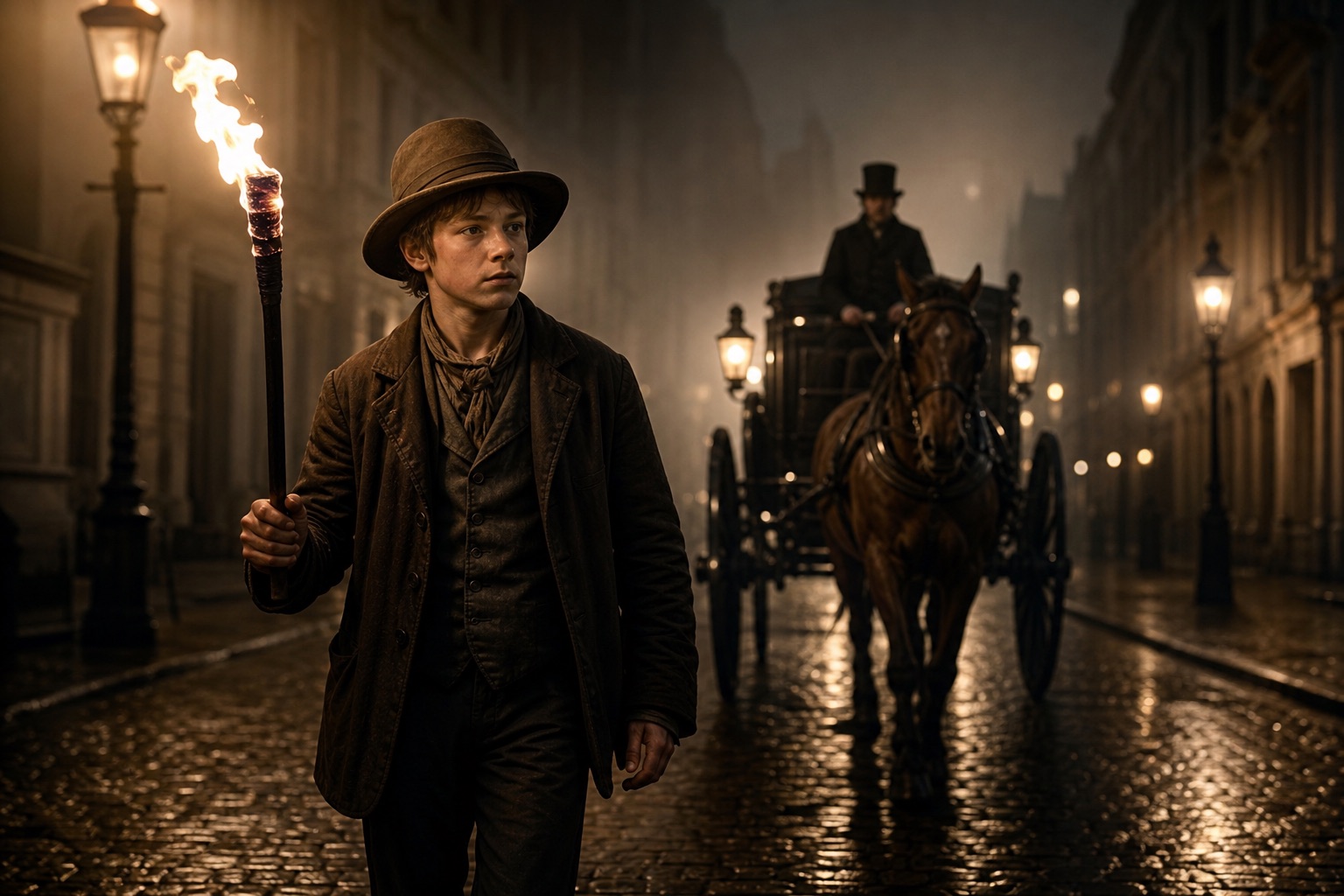 Past · Georgian EraLinkboyA linkboy carried fire through a city that had not yet been given street lamps. In London, from the later seventeenth century into the early nineteenth, anyone who left a playhouse, a tavern, or a private house after dark had to cross streets that were muddy, uneven, and often deliberately dark. The link was a torch of rope, pitch, or resin on a pole. The boy, or sometimes a grown man in the same trade, walked ahead of the fare and sold the light by the journey.
The work sat in a bad reputation as well as a useful one. An honest linkboy was a piece of street infrastructure. A dishonest one could lead a drunk customer into a court where companions were waiting. Parish officers and satirists treated the whole trade as a nuisance, which did not stop theater crowds from shouting for a light when the doors opened. The job lasted as long as the darkness did.
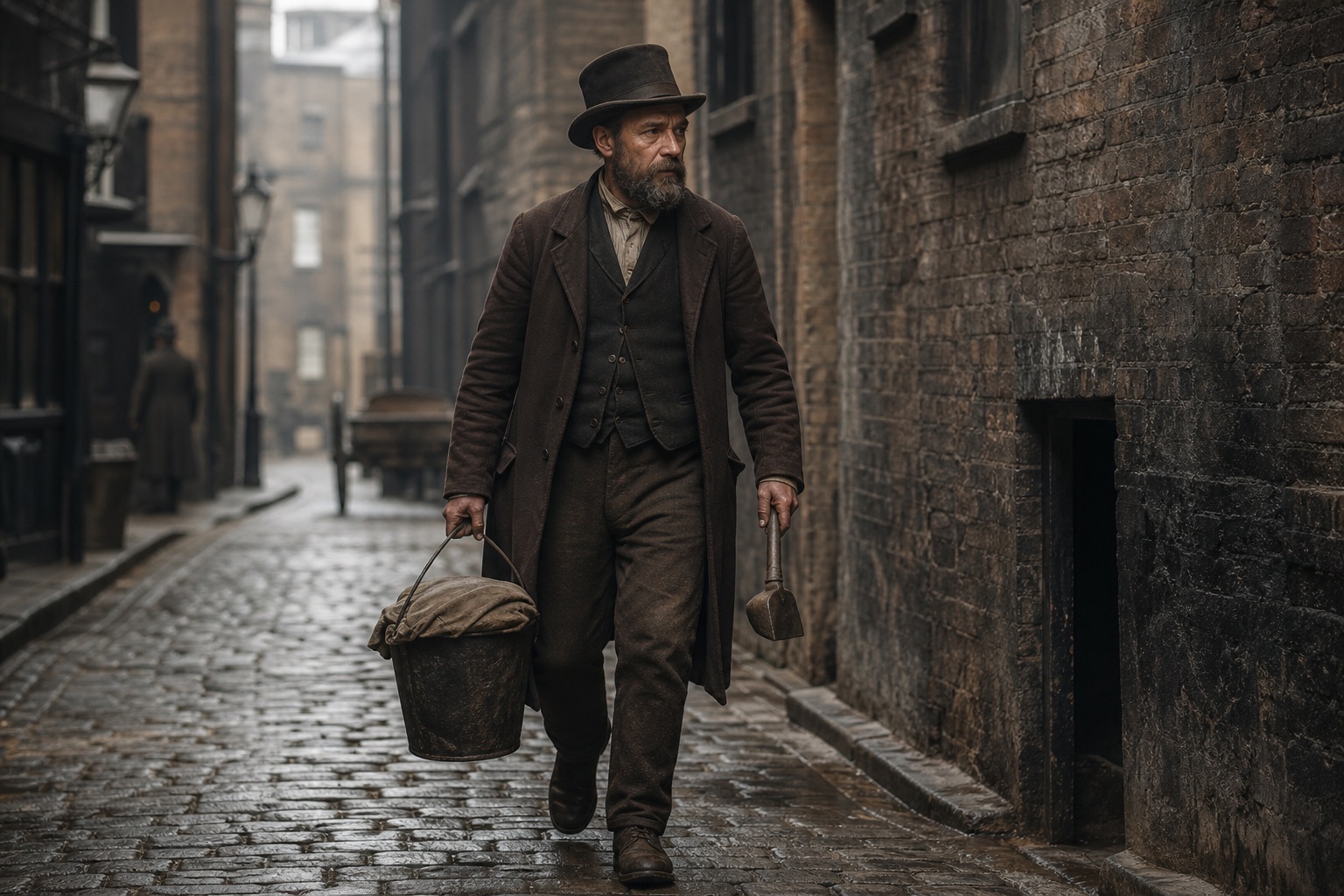 Past · Victorian EraPure-finderA pure-finder collected dog dung from the streets, mews, and kennels of Victorian London and sold it to tanneries under the trade name pure. Tanners used it as a bate. After hides had been limed and unhaired, a bate of dung softened them and made them take the later tannins. Dog dung was preferred for this step, and the yards of Bermondsey were the market. The finder walked a beat, gathered the material into a pail or a sack, and sold it by quantity and condition. Dry, saleable stock fetched more than a wet or spoiled pail. This was a poor street trade, recorded in detail by Henry Mayhew in London Labour and the London Poor.
The work was frank about its material because the material was the product. Finders handled dung as stock, and tanners bought it as an ingredient. The trade faded when chemical bates and then chrome tanning removed the yard's need for dung. It was not banned by a single famous Act. It became unsaleable. By the end of the nineteenth century and the start of the twentieth, a finder with a pail no longer had the old queue of buyers at Bermondsey.
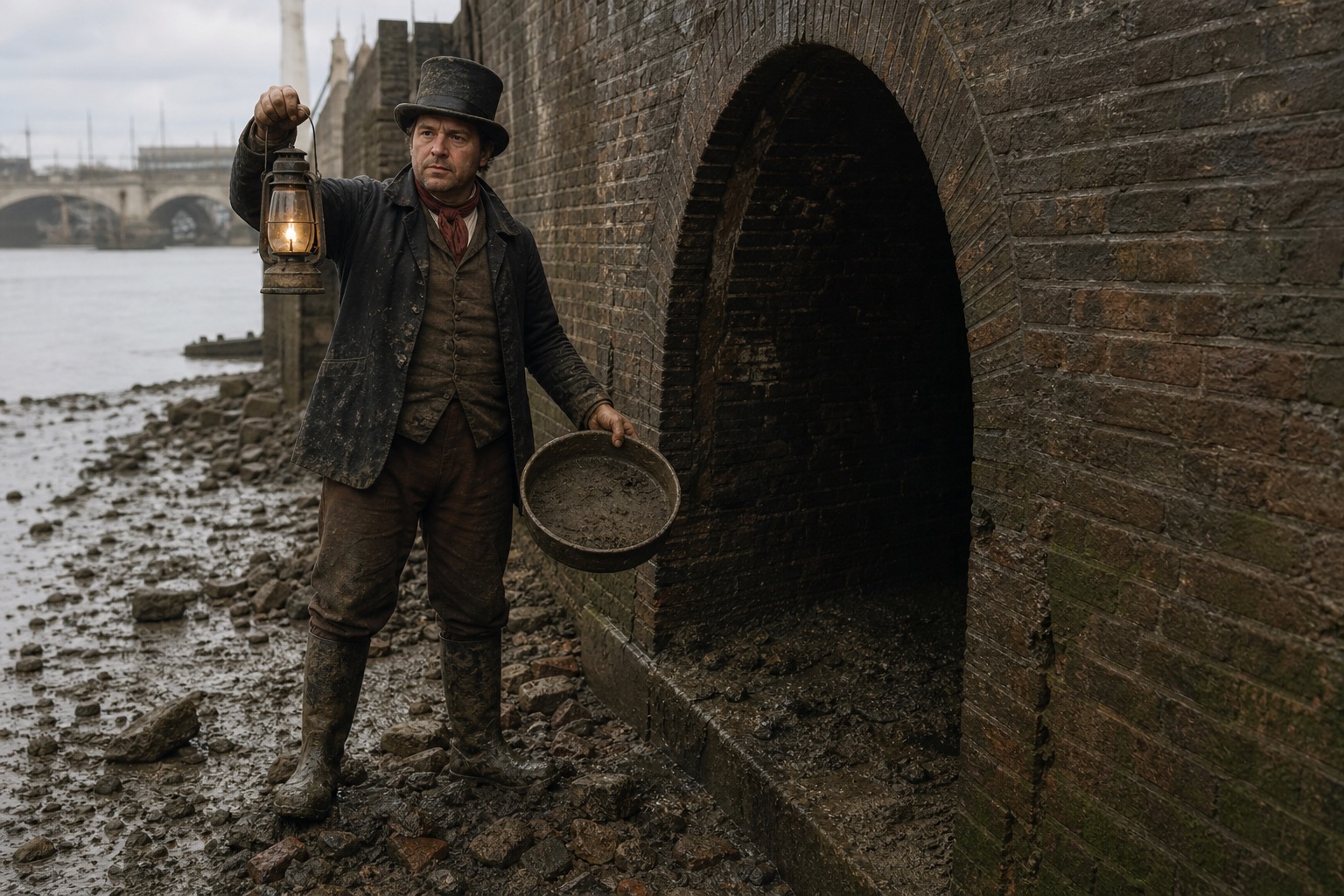 Past · Victorian EraTosherA tosher scavenged the older sewers of London for coins, metal, and other objects that had washed in from the streets. Henry Mayhew recorded the men in London Labour and the London Poor as sewer-hunters who entered the brick tunnels at low tide, usually in a small gang, with a lantern and a bag. They raked the invert, the curved floor where heavy objects settled, and sold what they brought out to dealers. The work was illegal. The sewers belonged to the commissioners, and a tosher was a trespasser, not a parish employee. Tosh was the scrap itself. The word names both the find and the man.
The workplace was sewage. That is stated here because it was the fact of the job, not as a joke and not as a shudder for the reader. The men Mayhew interviewed described a calculated round: in on the ebb, out before the water returned, avoiding the flushers and the foremen who would turn them away. Joseph Bazalgette's intercepting sewers for the Metropolitan Board of Works, begun in 1859 and built through the 1860s and 1870s, replaced the old creek outlets these gangs used. Employed flushers maintained the new system. Freelance toshing did not survive that rebuilding.