
machine
The motor
Horses, household drivers, and attendants replaced by a self-served engine.
Cabs, buses, wagons, and the garage attendant. The motor did not always delete the worker. It often deleted the horse first and the second crew member later.
Under this force
14
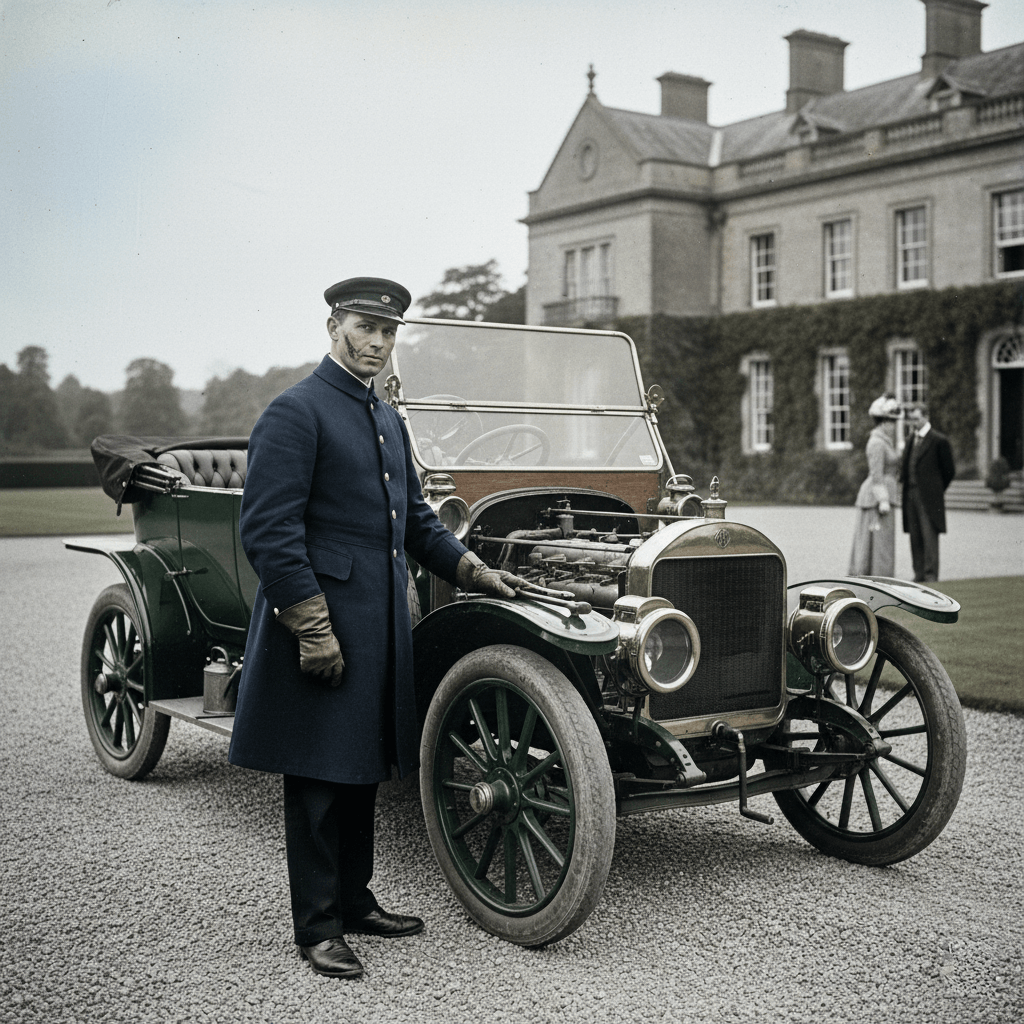
- Past · Modern EraChauffeurThe role of a chauffeur was once a prestigious and essential occupation, particularly in the early to mid-20th century. Chauffeurs were professional drivers employed to transport individuals, often from the upper echelons of society, in luxury vehicles. This job was not merely about driving; it encompassed a range of responsibilities that required a unique blend of skills and etiquette. Chauffeurs were expected to maintain the vehicle in pristine condition, ensuring it was clean, fueled, and mechanically sound. They often had to navigate complex city streets, understand traffic laws, and possess a keen sense of timing to ensure their passengers arrived at their destinations punctually. Additionally, chauffeurs were trained in the art of customer service, often donning uniforms that reflected their employer's status and adhering to strict codes of conduct. The job was synonymous with luxury and exclusivity, often associated with the wealthy elite who relied on chauffeurs for both convenience and status.
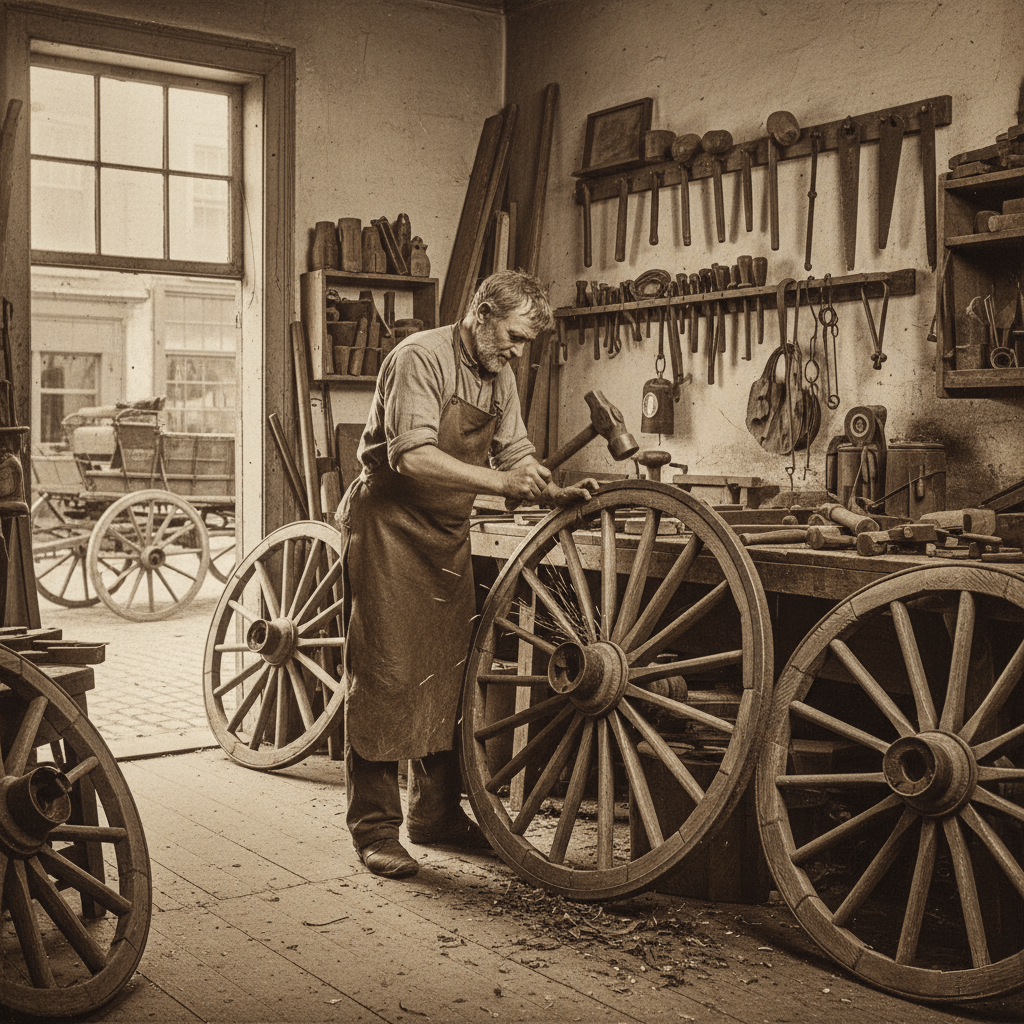 Past · Pre-Industrial EraWainwrightThe wainwright was a skilled craftsman responsible for the construction and repair of wagons and carts, essential vehicles for transportation before the advent of motorized vehicles. This occupation flourished in rural and urban settings, where the demand for sturdy, reliable transport was paramount for trade, agriculture, and daily life. Wainwrights utilized a variety of materials, primarily wood and iron, to create vehicles that could withstand the rigors of travel across uneven terrain. Their work was not only functional but also reflected the artistry of craftsmanship, with many wainwrights taking pride in the aesthetic details of their creations, such as decorative carvings and paintwork. The role of the wainwright was crucial in supporting the economy, as they provided the means for farmers to transport goods to market and for merchants to deliver products to consumers.
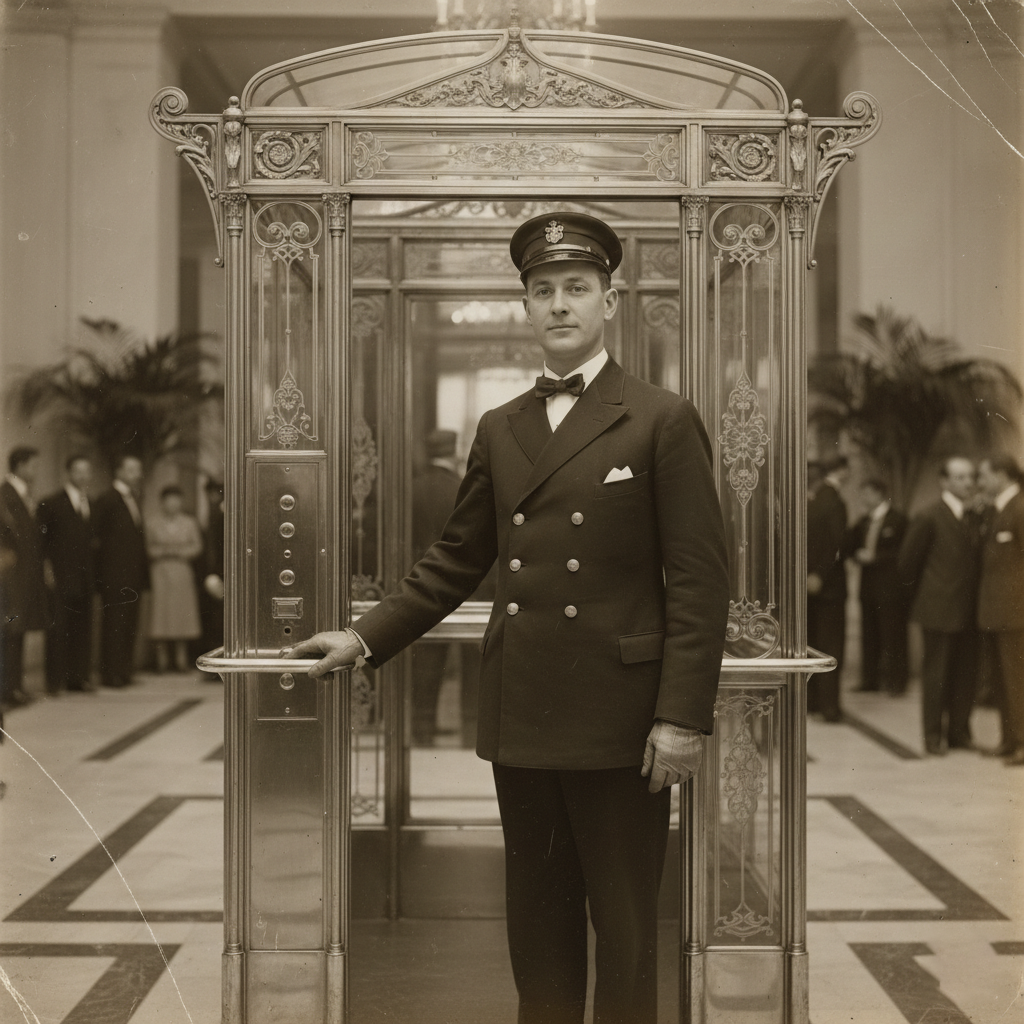 Past · Industrial RevolutionElevator OperatorIn the bustling urban landscapes of the late 19th and early 20th centuries, the elevator operator emerged as a vital figure in the daily operations of skyscrapers and multi-story buildings. These skilled individuals were responsible for the safe and efficient transport of passengers between floors, often in ornate, manually operated elevators that were a marvel of engineering at the time. With a keen understanding of the building's layout and a friendly demeanor, elevator operators greeted patrons, assisted them in entering and exiting the elevator, and ensured that the doors closed securely before ascending or descending. Their role was not merely mechanical; it was a blend of customer service and technical skill, as they had to manage the intricate workings of the elevator machinery, often using a lever or a set of controls to navigate the complex system of pulleys and cables. The elevator operator was a familiar face in the urban environment, often dressed in a crisp uniform, complete with a cap, and sometimes even a badge indicating their position. They were the gatekeepers of vertical transportation, providing a personal touch in an increasingly mechanized world.
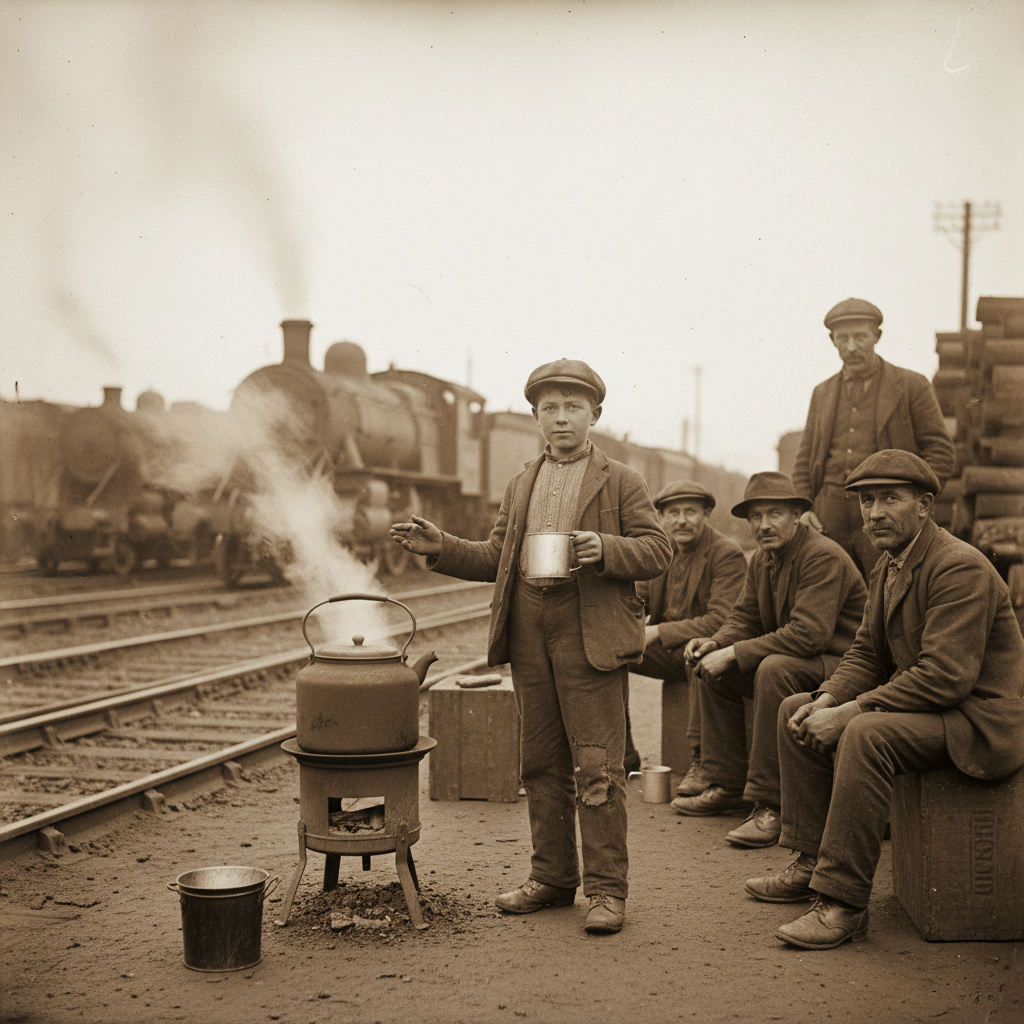 Past · Victorian EraBilly BoyThe term 'Billy Boy' refers to a young boy employed in the Victorian era, primarily in the coal mining industry, to assist with various tasks that were essential for the operation of the mines. These boys, often starting work as young as six or seven, played a crucial role in the mining process, particularly in the transportation of coal and the management of ventilation within the mines. Their small stature allowed them to navigate the narrow tunnels and shafts where adults could not fit, making them invaluable to the mining operations of the time.
Billy Boys were responsible for a variety of tasks, including pushing carts filled with coal, opening and closing ventilation doors, and sometimes even acting as lookouts for supervisors. Their work was physically demanding and often dangerous, exposing them to the perils of mining, such as cave-ins and poor air quality. Despite the harsh conditions, these boys contributed significantly to the coal industry, which was a cornerstone of the Victorian economy, fueling the Industrial Revolution and the rapid urbanization of Britain.
The life of a Billy Boy was marked by long hours, typically starting before dawn and ending after sunset, with little regard for their well-being. They were often paid meager wages, reflecting the exploitative labor practices of the time, and many faced health issues due to the hazardous environment in which they worked.
 Past · Post-War EraGas Station AttendantThe role of a gas station attendant was a vital part of the American landscape from the mid-20th century until the late 1990s. These attendants were responsible for providing fuel to vehicles, but their duties extended far beyond simply pumping gas. They were the friendly faces that greeted customers, often engaging in conversation while they filled tanks, checked oil levels, and cleaned windshields. The gas station was not just a place to refuel; it was a community hub where people gathered to share news and stories. Attendants were also tasked with monitoring fuel levels in the tanks, ensuring that the station was stocked, and sometimes even performing minor vehicle maintenance, such as checking tire pressure or replacing wiper blades. The job required a blend of customer service skills and mechanical knowledge, as attendants needed to be able to answer questions about fuel types and vehicle care.
In the post-war economic boom, the rise of the automobile culture in the United States led to an explosion of gas stations, and with it, the demand for attendants. These workers played a crucial role in the burgeoning car culture, providing not just fuel, but also a sense of community and service. However, as self-service gas stations began to emerge in the 1970s, the role of the gas station attendant started to decline. By the 1990s, many gas stations had transitioned to fully automated systems, where customers could pump their own gas without the need for an attendant, leading to the eventual extinction of this once-common occupation.
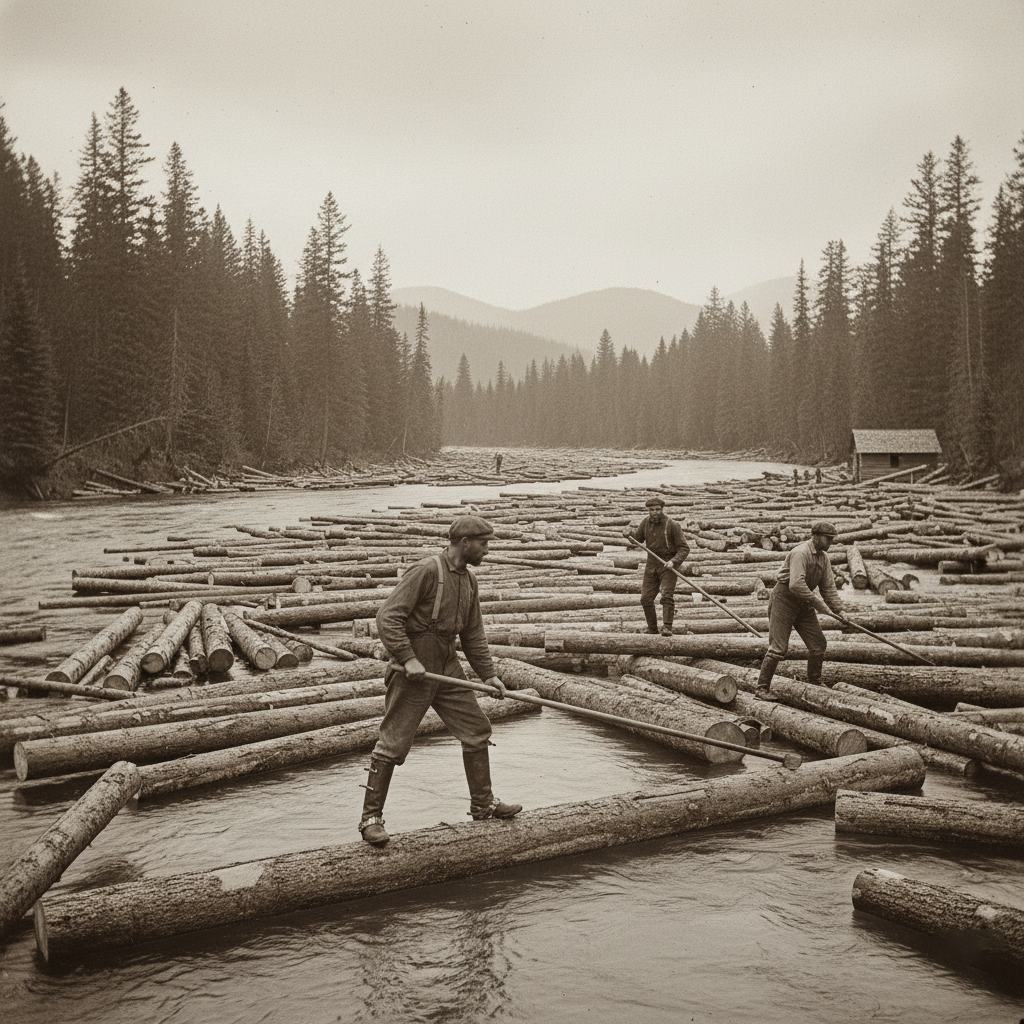 Past · Industrial RevolutionLog DriverIn the rugged landscapes of North America during the Industrial Revolution, the log driver emerged as a vital figure in the timber industry. These skilled laborers were responsible for guiding and maneuvering logs down rivers and streams to sawmills, where they would be processed into lumber for construction and other uses. The job required not only physical strength and endurance but also a deep understanding of the waterways and the behavior of timber. Log drivers often worked in teams, using their knowledge of currents and eddies to navigate the logs safely through treacherous waters, avoiding obstacles such as rocks and fallen trees. The sight of a log driver skillfully balancing on a floating log, using a long pole to steer, was a common and iconic image of the era.
The work was grueling and dangerous, with log drivers facing the constant threat of injury from the logs themselves, as well as the unpredictable nature of the rivers. Despite the hazards, the job was a source of pride, as log drivers were seen as rugged individuals embodying the spirit of the frontier. Their contributions were crucial to the booming timber industry, which fueled the growth of towns and cities across the continent, providing the lumber necessary for homes, railroads, and infrastructure.
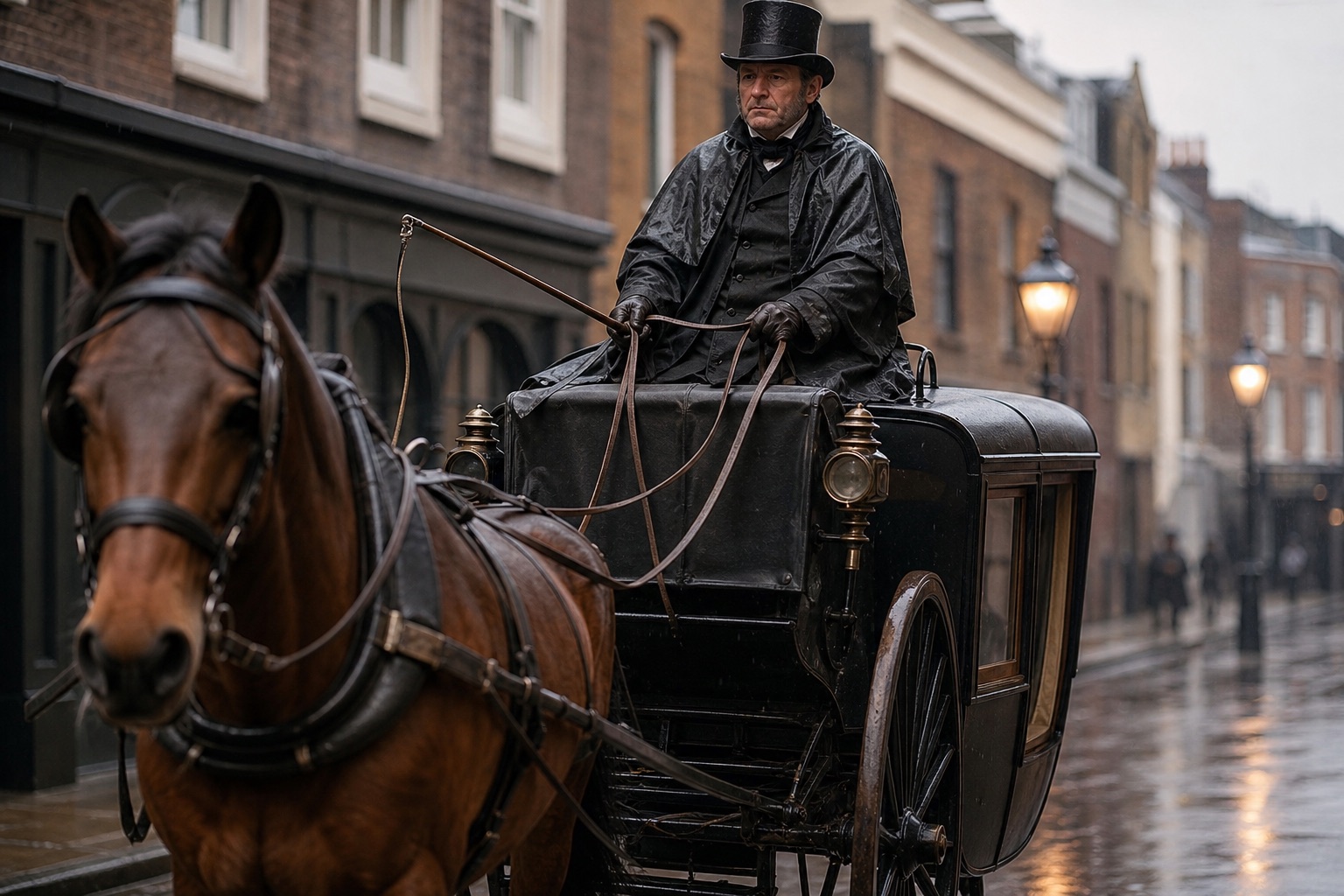 Past · Victorian EraHansom Cab DriverJoseph Hansom patented his low, two-wheeled cab in 1834, and the driver who sat it became one of the distinctive figures of Victorian streets. He did not sit in front, as a coachman did. He sat high at the back, above the roof, and drove with reins that ran over the top of the passenger compartment. The passengers sat low, between the large wheels, with a good view and almost no conversation with the man who was driving them.
The cab was fast, tippy, and cheap enough to threaten the older hackney coach. Drivers hired the vehicle and often the horse from a proprietor and lived on the difference between the legal fare and the day's costs. The trade was loud, competitive, and thickly regulated. A driver who did not know the tariff, or who took the long way, was the villain of a thousand newspaper paragraphs.
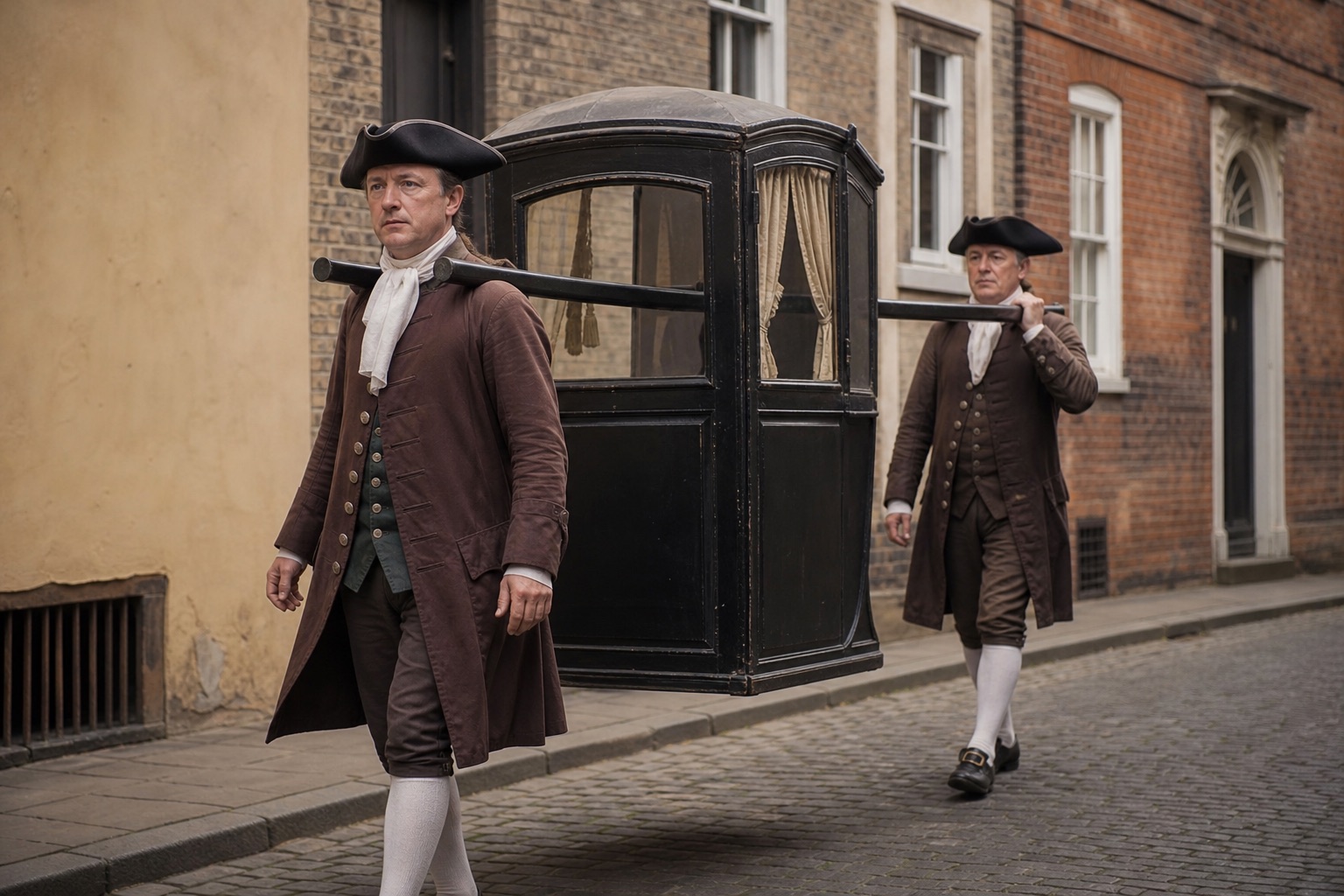 Past · Georgian EraSedan ChairmanA sedan chair was a box with a seat, a roof, and a door, hung on two poles. It needed no horse and almost no street. Two chairmen carried it, one in front and one behind, through lanes where a coach could not turn and into halls where a coach could not be brought. In seventeenth- and eighteenth-century London, Bath, and Edinburgh, the chair was how people of means crossed a filthy street without putting a shoe in it.
The men who carried it were called chairmen, and the front man was often the one who spoke for the pair. The work looked simple and was not. An unbalanced step on a stair, or a pole set down at different moments, threw the passenger forward. The trade belonged to the city before it was paved for wheels. When the streets were improved for carriages, the chair lost the only advantage it had.
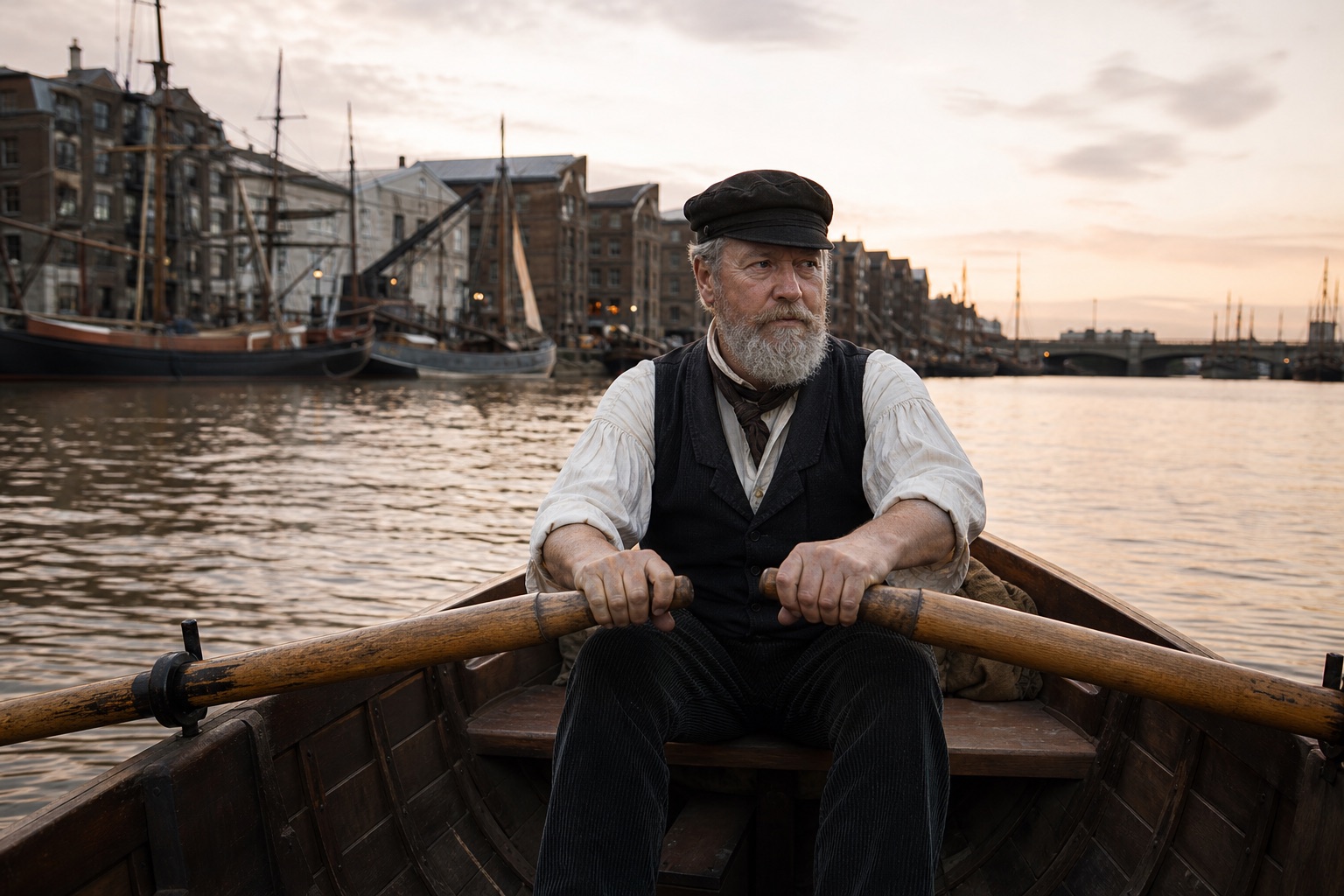 Past · Pre-Industrial EraWherrymanBefore London built enough bridges, the Thames was the street. A wherry was a light rowing boat, sharp at both ends, and the wherryman who hired it out was how a person crossed from one stair to another. The Watermen's Company licensed him. He waited at the stairs, called for custom, and rowed the fare into whatever the tide was doing that hour.
The work was older than the company and outlived the first bridges, because a bridge with a toll and a climb was not always better than a boat. Steamers and more bridges finished it. The men who remained became watermen in a thinner trade, ferrying where a tunnel or a pier had not yet made them unnecessary.
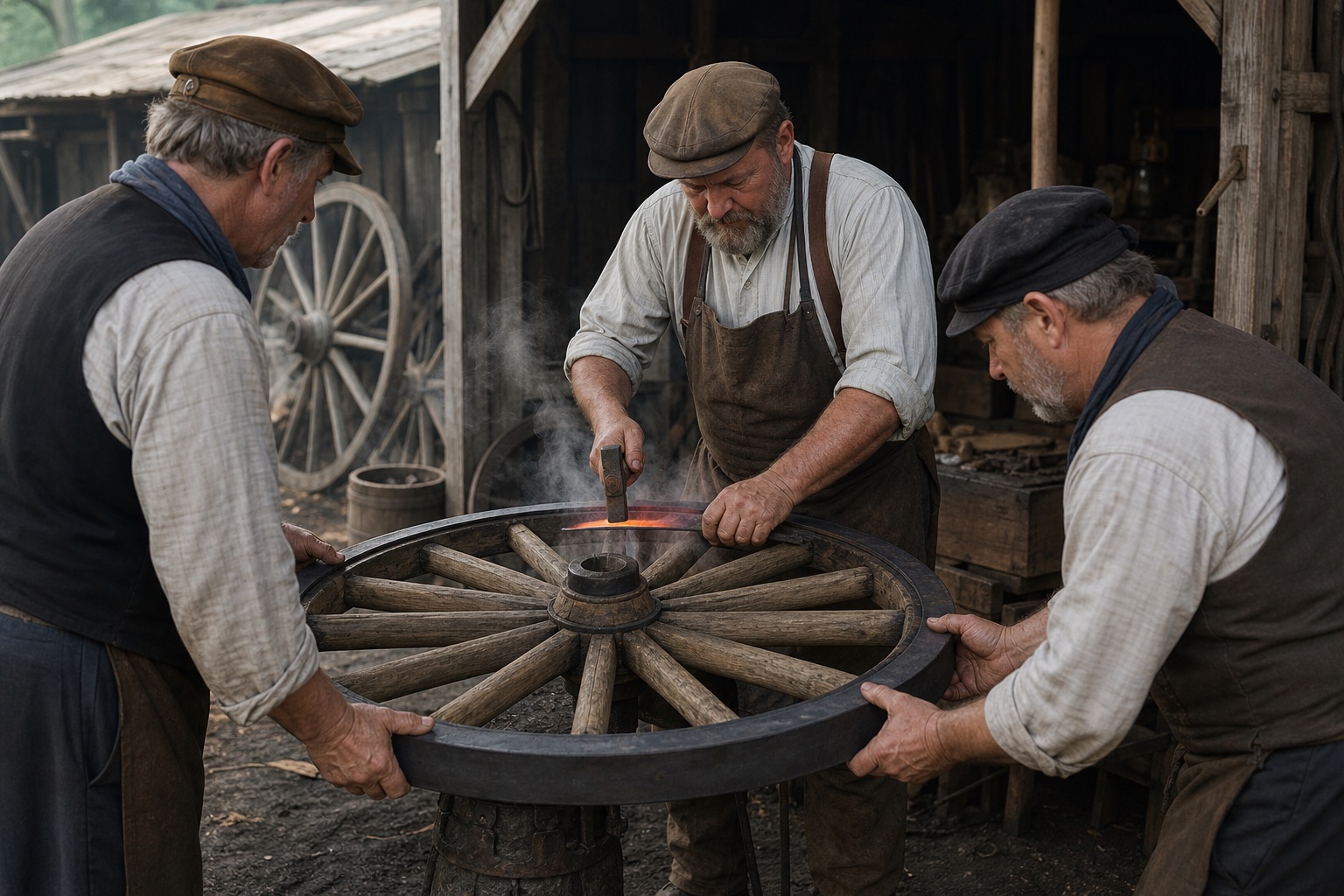 Past · Early Twentieth CenturyWheelwrightA wheelwright made the wooden wheel that carried a cart, a waggon, or a carriage, and he shod it with iron. The stock, or nave, was the hub, boxed with iron for the axle. Spokes were dressed and driven into mortises. Felloes, curved sections of ash or elm, made the rim and were dowelled into a circle. The wheel was dished, set as a shallow cone, so it stood plumb under the load when the cart moved. A hoop tyre was then heated on a circular fire, dropped over the rim, and quenched so the iron shrank tight and pulled the joints home. George Sturt, who ran his family shop at Farnham in Surrey from 1884 and published The Wheelwright's Shop in 1923, described this as a whole literacy in timber. Every country town had some version of that bench.
Rubber tyres, the motor trade, and factory wheels removed the reason for the bench. A pneumatic tyre does not sit on a craftsman-cut felloe in the old way. A motor van does not come to the wheelwright for a new stock. Factories supplied wooden wheels and then metal ones faster than a shop could spoke them, and cheaper. Farm repairs lingered where iron-shod carts still worked, into the 1920s and 1930s. The boy who in 1900 could still be offered seven years at the bench was, a generation on, looking at a trade that no longer bound apprentices.
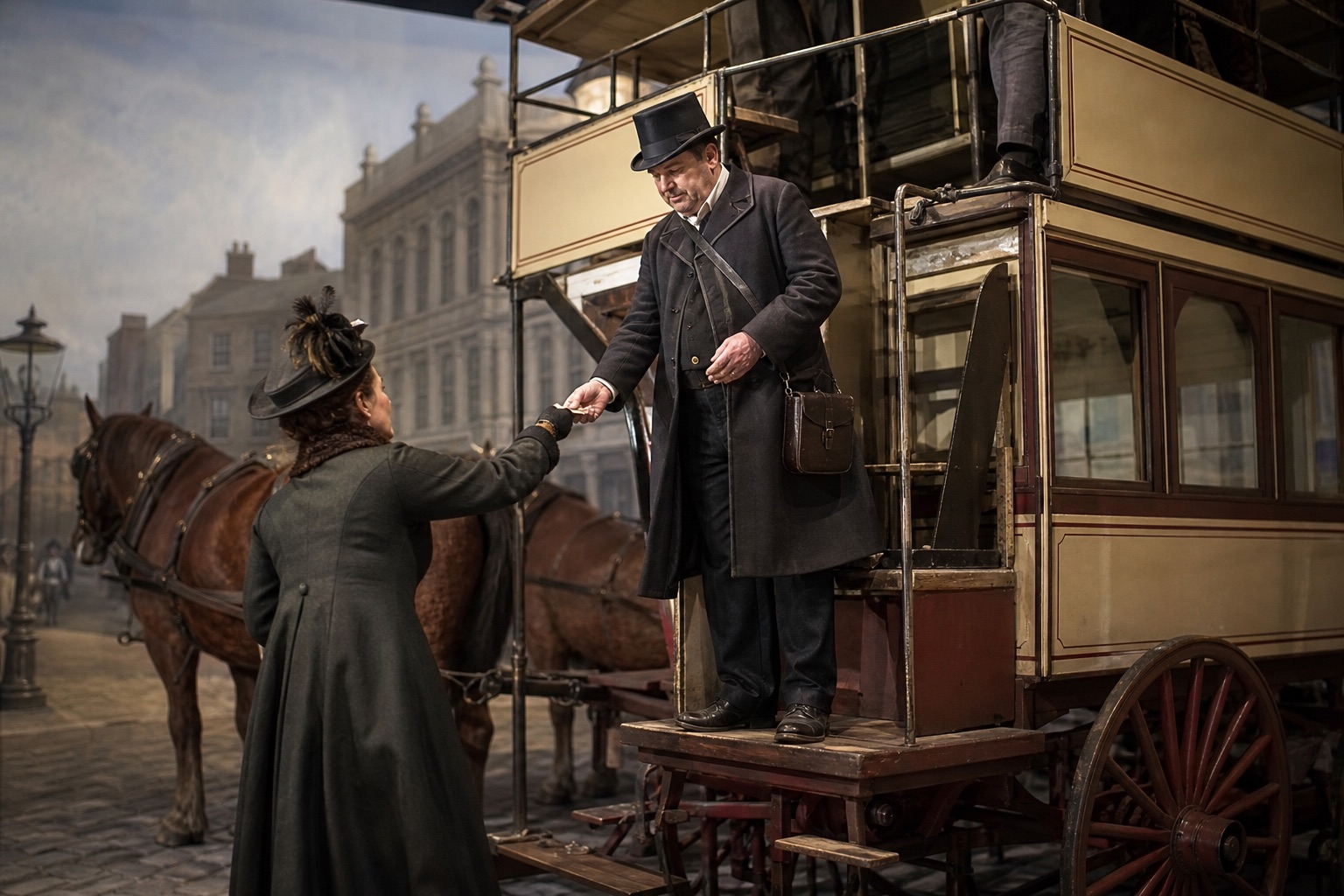 Past · Victorian EraOmnibus ConductorThe omnibus conductor of this exhibit stood on the step of a horse bus and collected the fares. George Shillibeer put such a vehicle on London streets in 1829, running from Paddington to the Bank, and the form spread through the city and into other towns. The conductor rode outside at the rear, announced stops, helped people on and off, and signaled the driver when the step was clear. He was not seated at a motor wheel and not sheltered in a cab. The horse, the rear step, and the coins in his hand are the picture.
Motor buses later took the horses off those routes. One-person operation, much later, ended even the conductor who still stood on a motor step. This record stops with the horse bus and does not follow the job onto petrol or into a modern cab. Victorian cities knew him as a weekly-wage man in a badged coat, exposed to traffic and weather, and answerable for every penny that was supposed to reach the proprietor.
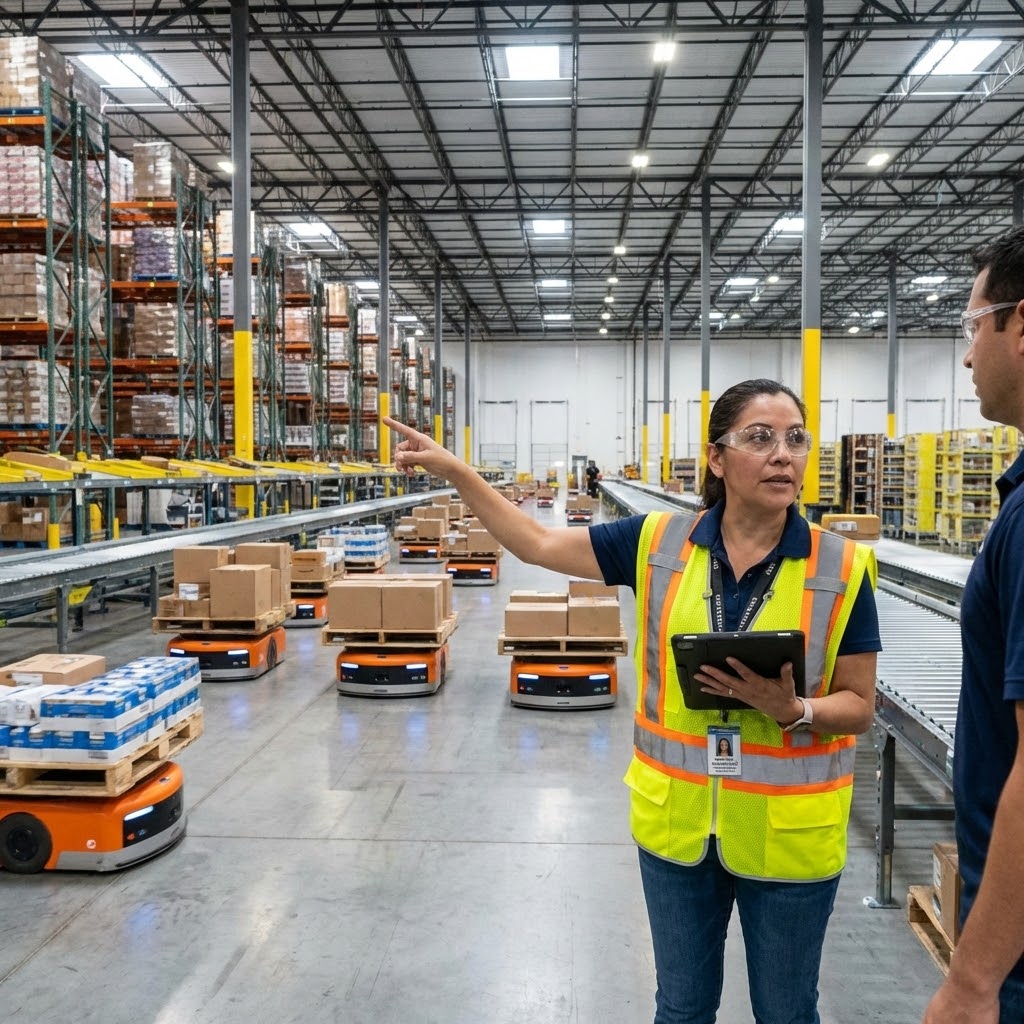 Projected · Automation AgeRobotics Fleet SupervisorIn the Automation Age, the role of the Robotics Fleet Supervisor emerges as a pivotal position in the management of autonomous robotic systems. As industries increasingly rely on fleets of robots for tasks ranging from logistics and manufacturing to agriculture and healthcare, the need for skilled supervisors to oversee these fleets becomes paramount. The Robotics Fleet Supervisor is responsible for ensuring that these robotic units operate efficiently, safely, and in harmony with human workers. This role combines technical expertise with leadership skills, as supervisors must coordinate the activities of diverse robotic systems while also addressing the needs of human operators and stakeholders. The job requires a deep understanding of robotics technology, data analytics, and operational management, as well as the ability to adapt to rapidly changing environments and technologies. As society embraces automation, the Robotics Fleet Supervisor will play a crucial role in shaping the future of work, ensuring that the integration of robots enhances productivity while maintaining ethical standards and safety protocols.
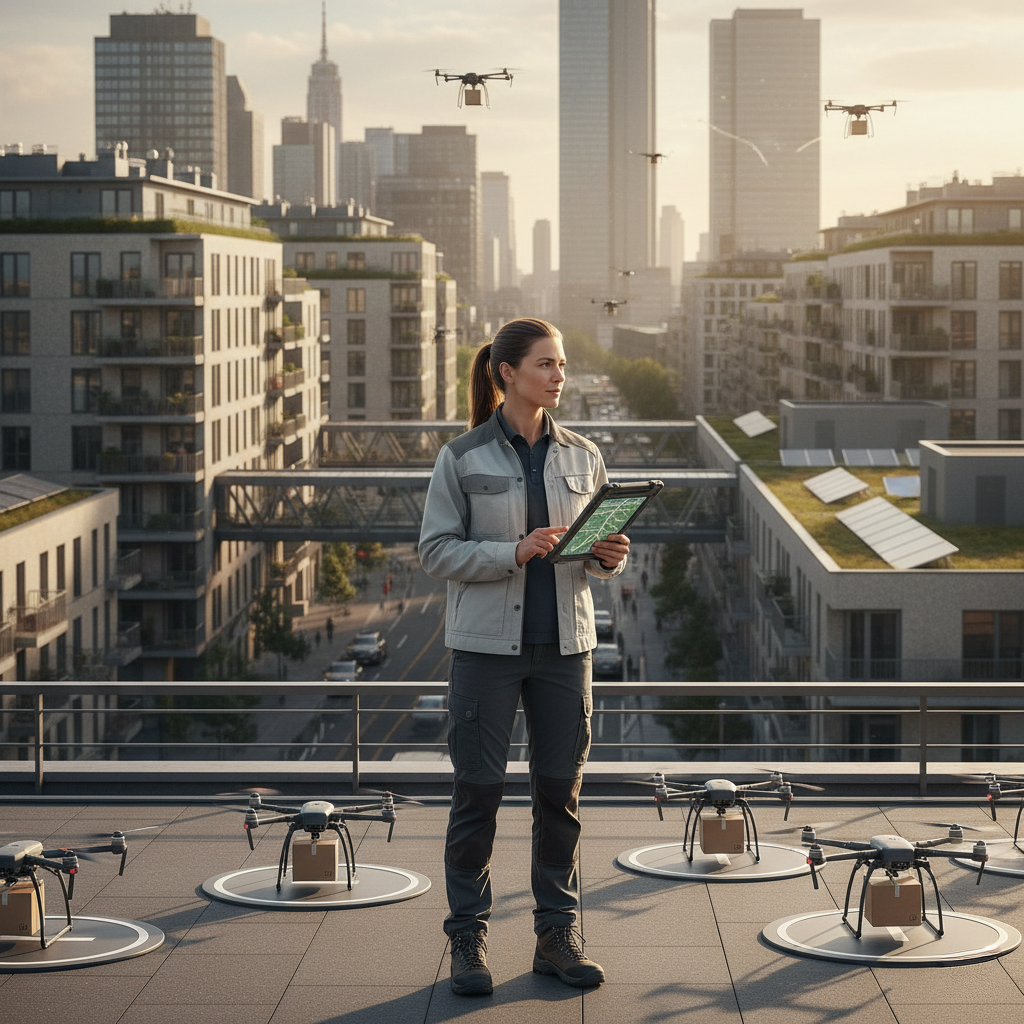 Projected · Automation AgeUrban Drone Delivery CoordinatorIn the bustling cities of the Automation Age, where technology seamlessly integrates into daily life, the role of the Urban Drone Delivery Coordinator emerges as a vital link in the logistics chain. This innovative position is responsible for overseeing the deployment and management of drone delivery systems that transport goods swiftly and efficiently across urban landscapes. As cities become increasingly congested and the demand for rapid delivery services escalates, the Urban Drone Delivery Coordinator ensures that these aerial vehicles operate safely, adhere to regulations, and meet the expectations of consumers.
The coordinator's responsibilities extend beyond mere logistics; they are also tasked with optimizing delivery routes, managing drone fleets, and coordinating with local authorities to ensure compliance with airspace regulations. They utilize advanced software and AI algorithms to analyze traffic patterns, weather conditions, and delivery demands, making real-time adjustments to enhance efficiency. In this role, the coordinator acts as a bridge between technology and community, ensuring that drone deliveries are not only effective but also considerate of urban environments and public safety.
As cities evolve into smart ecosystems, the Urban Drone Delivery Coordinator plays a crucial role in shaping the future of urban mobility, contributing to a more connected and efficient society.
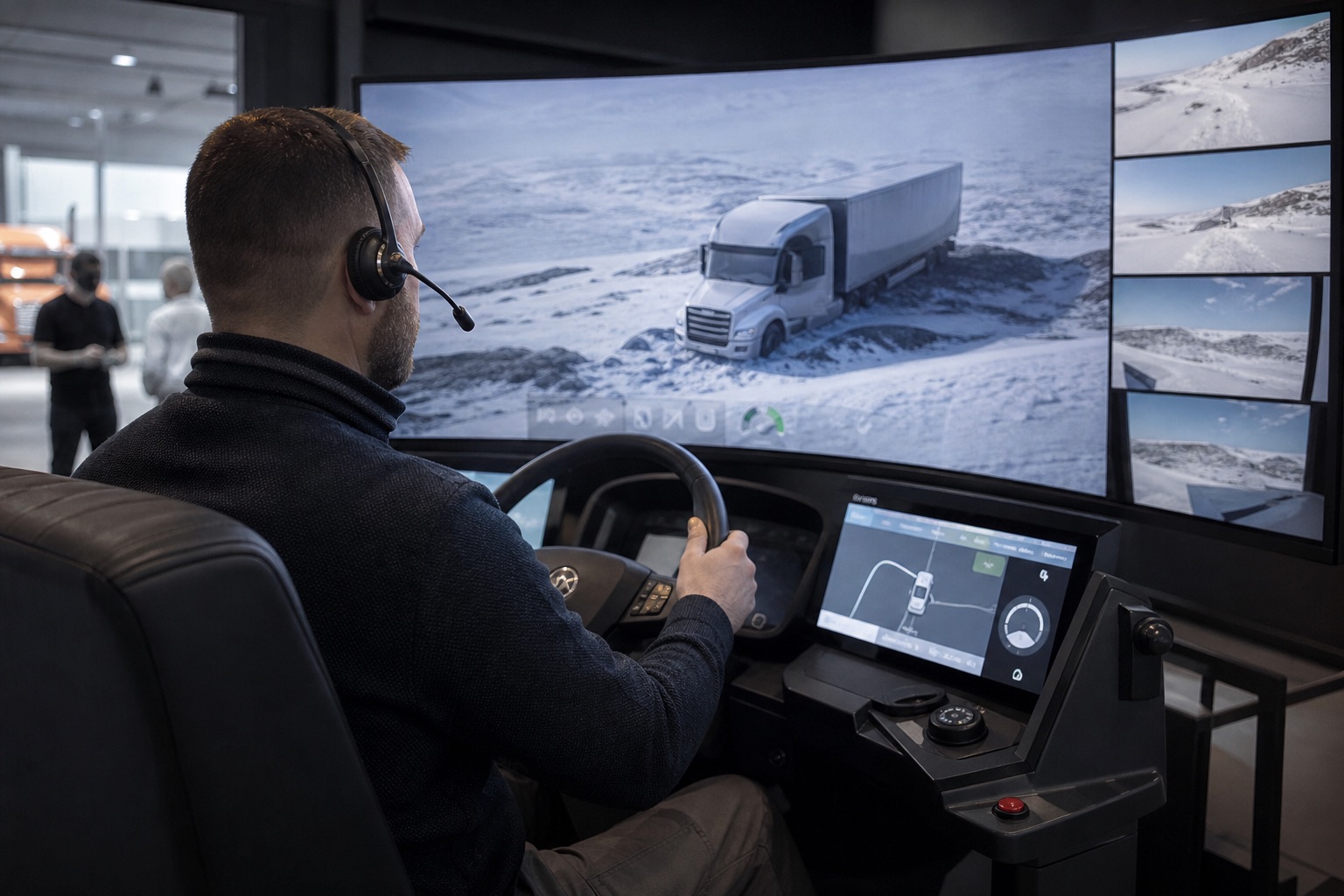 Projected · Automation AgeRemote Vehicle OperatorThe remote-vehicle operator drives, lifts, or steers a machine from somewhere else when autonomy stops, or because the law still wants a last human hand on the controls. Underground loaders have been run this way for years, by video and radio, with the operator on the surface and the bucket in the dark. Haul trucks, cranes, and some ship systems have joined that pattern. The console is cameras, a control, a radio, and a link whose delay is itself part of the hazard.
This job exists because the machine is not actually unsupervised. Dust, a person on a haul road, a face that does not match the map, a crane load that starts to swing, a ship in a tight channel: these are the moments the stack hands back. Putting the word autonomous on that arrangement gives the credit to the software and leaves the fault on the person at the screen. The plainer account is enough. A person was on the controls, at a distance, and the distance did not lighten the vehicle.