
Trade
Road and rail
Drivers, guards, firemen, porters, and the horse they replaced.
Coaches, cabs, buses, and locomotives. The successor is usually another vehicle with a smaller crew.
In this trade
16
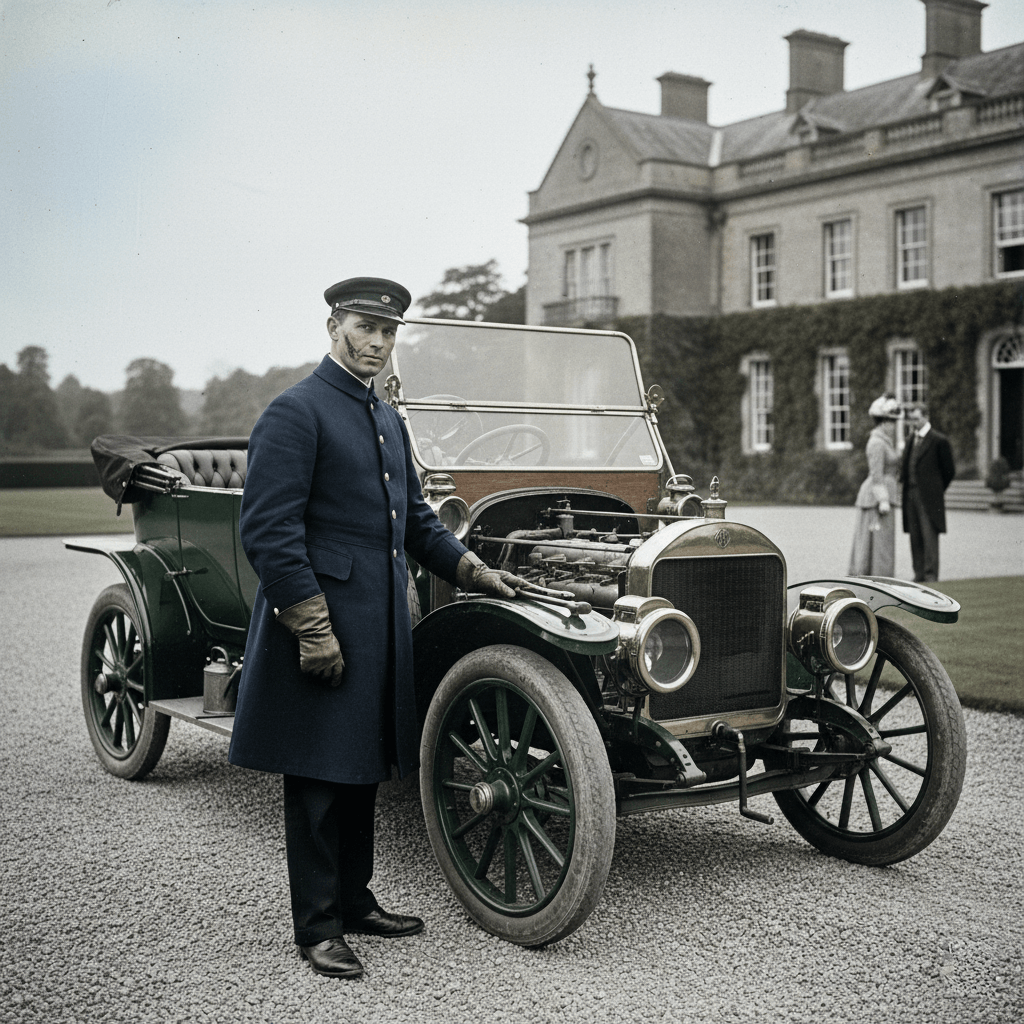
- Past · Modern EraChauffeurThe role of a chauffeur was once a prestigious and essential occupation, particularly in the early to mid-20th century. Chauffeurs were professional drivers employed to transport individuals, often from the upper echelons of society, in luxury vehicles. This job was not merely about driving; it encompassed a range of responsibilities that required a unique blend of skills and etiquette. Chauffeurs were expected to maintain the vehicle in pristine condition, ensuring it was clean, fueled, and mechanically sound. They often had to navigate complex city streets, understand traffic laws, and possess a keen sense of timing to ensure their passengers arrived at their destinations punctually. Additionally, chauffeurs were trained in the art of customer service, often donning uniforms that reflected their employer's status and adhering to strict codes of conduct. The job was synonymous with luxury and exclusivity, often associated with the wealthy elite who relied on chauffeurs for both convenience and status.
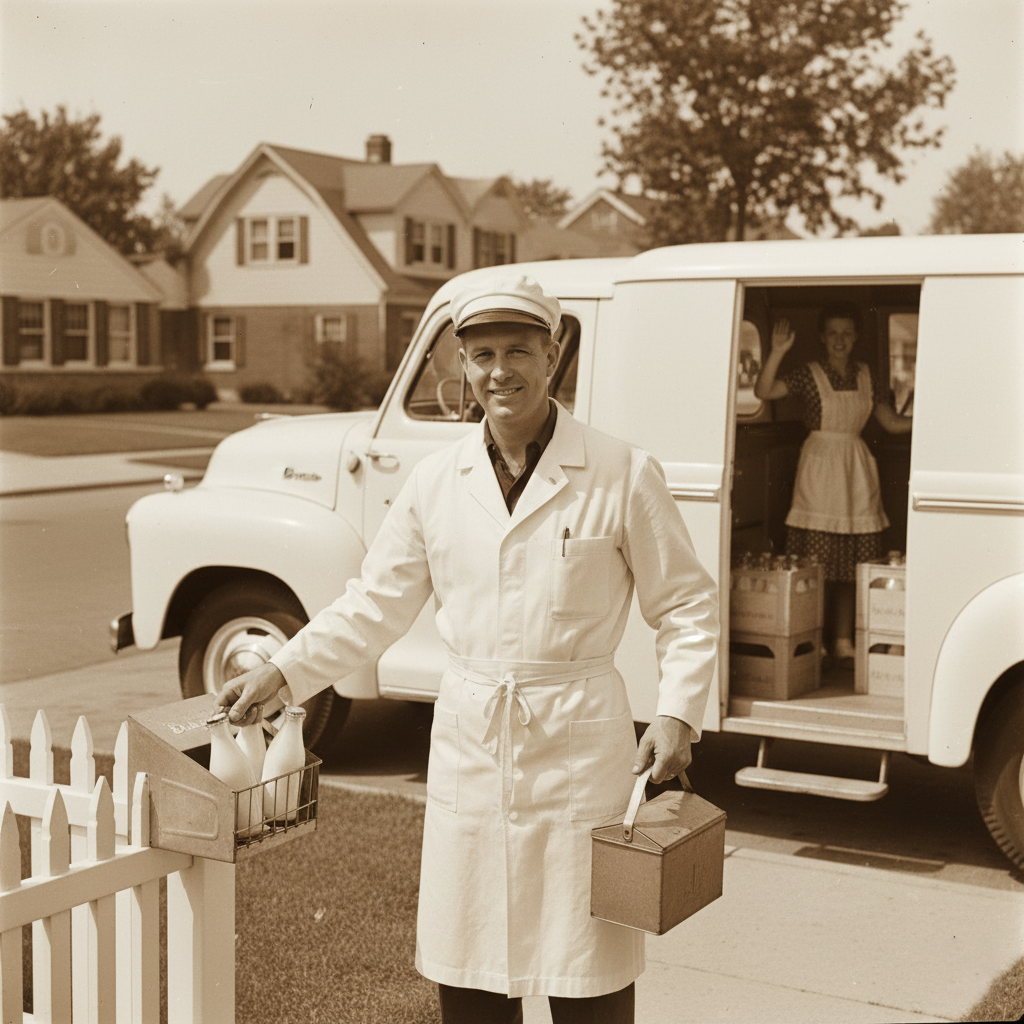 Past · 20th CenturyMilkmanThe milkman was a familiar figure in the neighborhoods of the 20th century, a symbol of a time when fresh dairy products were delivered directly to homes. Clad in a crisp uniform, often with a cap, the milkman would rise before dawn, preparing for a day of delivering fresh milk, cream, and other dairy products to families. The job was not merely about transportation; it was a vital service that ensured households received their daily supply of milk, often still warm from the farm. The milkman would navigate his route, typically using a horse-drawn cart or later, a motor vehicle, stopping at each home to leave bottles of milk on doorsteps, often exchanging empty bottles from the previous delivery. This daily ritual fostered a sense of community, as the milkman became a trusted figure, known by name to the families he served. The job required not only physical stamina but also a keen sense of time management and customer service, as the milkman had to maintain a strict schedule to ensure freshness and reliability.
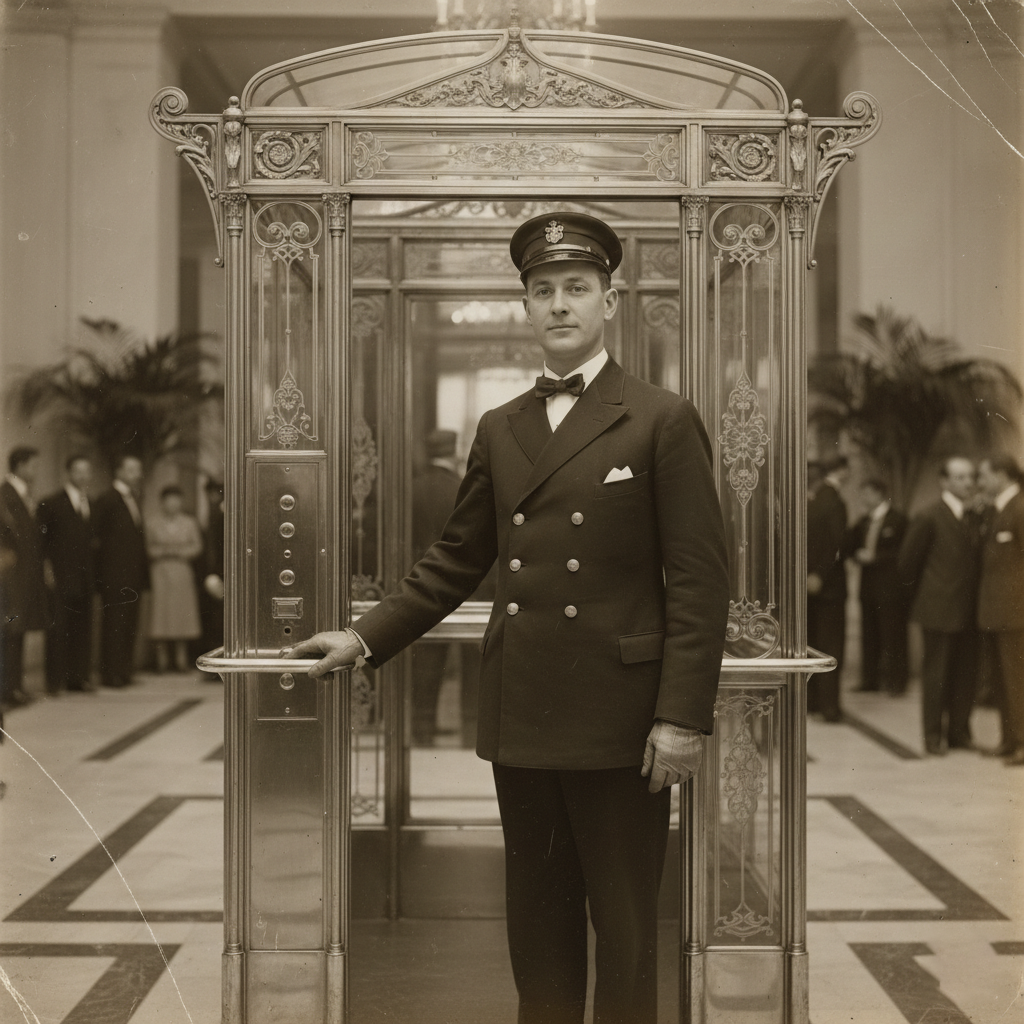 Past · Industrial RevolutionElevator OperatorIn the bustling urban landscapes of the late 19th and early 20th centuries, the elevator operator emerged as a vital figure in the daily operations of skyscrapers and multi-story buildings. These skilled individuals were responsible for the safe and efficient transport of passengers between floors, often in ornate, manually operated elevators that were a marvel of engineering at the time. With a keen understanding of the building's layout and a friendly demeanor, elevator operators greeted patrons, assisted them in entering and exiting the elevator, and ensured that the doors closed securely before ascending or descending. Their role was not merely mechanical; it was a blend of customer service and technical skill, as they had to manage the intricate workings of the elevator machinery, often using a lever or a set of controls to navigate the complex system of pulleys and cables. The elevator operator was a familiar face in the urban environment, often dressed in a crisp uniform, complete with a cap, and sometimes even a badge indicating their position. They were the gatekeepers of vertical transportation, providing a personal touch in an increasingly mechanized world.
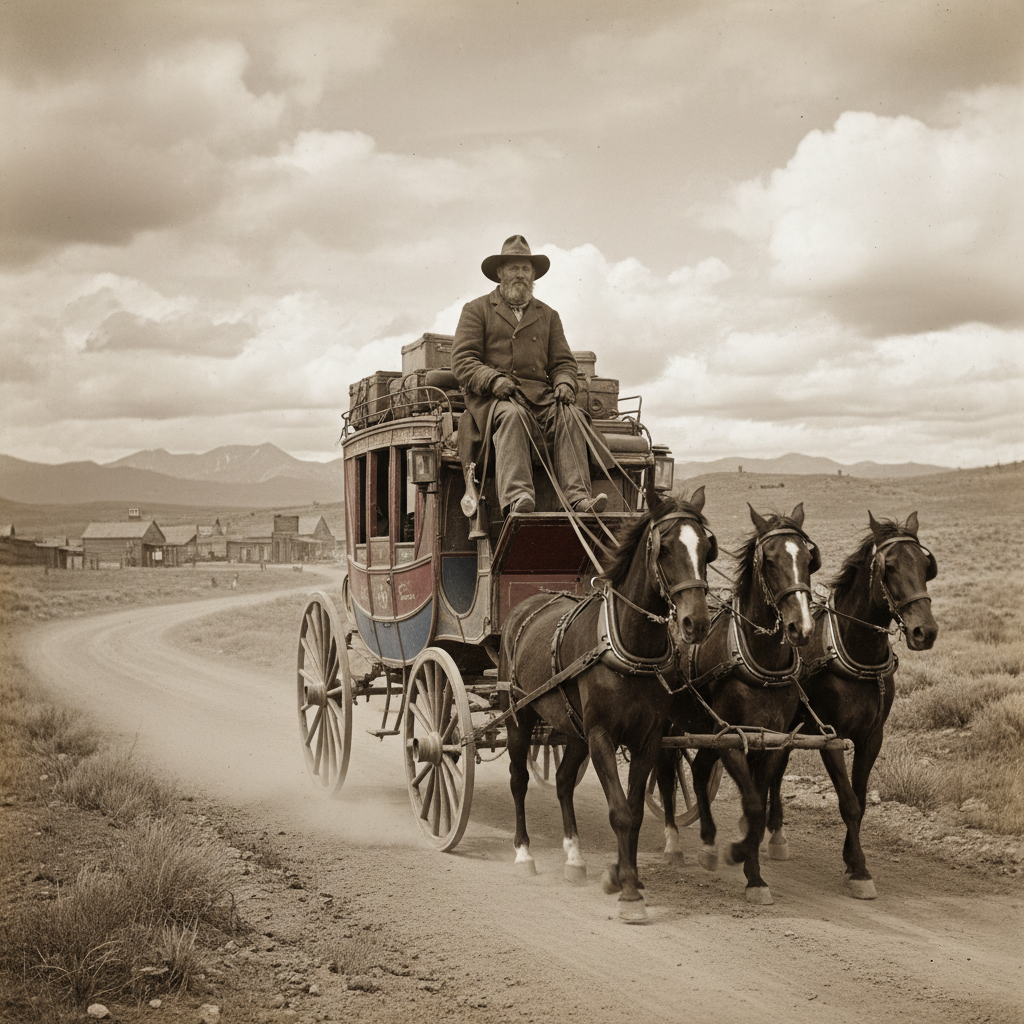 Past · 19th CenturyStagecoach DriverThe stagecoach driver, a vital figure in the 19th century, was responsible for transporting passengers and goods across vast distances in horse-drawn coaches. These drivers navigated rugged terrains, often through treacherous weather conditions, ensuring the safety and comfort of their passengers. The stagecoach itself was a marvel of engineering, designed to carry multiple passengers and their luggage, while the driver skillfully managed a team of horses, often up to six, to pull the heavy vehicle. The role required not only a deep understanding of the horses and the coach but also an intimate knowledge of the routes, including potential hazards such as rough roads, rivers, and bandit-infested areas. Stagecoach drivers were often seen as the lifeline of communication and commerce in the expanding American West, connecting remote settlements with urban centers and facilitating the movement of mail and goods.
 Past · Post-War EraGas Station AttendantThe role of a gas station attendant was a vital part of the American landscape from the mid-20th century until the late 1990s. These attendants were responsible for providing fuel to vehicles, but their duties extended far beyond simply pumping gas. They were the friendly faces that greeted customers, often engaging in conversation while they filled tanks, checked oil levels, and cleaned windshields. The gas station was not just a place to refuel; it was a community hub where people gathered to share news and stories. Attendants were also tasked with monitoring fuel levels in the tanks, ensuring that the station was stocked, and sometimes even performing minor vehicle maintenance, such as checking tire pressure or replacing wiper blades. The job required a blend of customer service skills and mechanical knowledge, as attendants needed to be able to answer questions about fuel types and vehicle care.
In the post-war economic boom, the rise of the automobile culture in the United States led to an explosion of gas stations, and with it, the demand for attendants. These workers played a crucial role in the burgeoning car culture, providing not just fuel, but also a sense of community and service. However, as self-service gas stations began to emerge in the 1970s, the role of the gas station attendant started to decline. By the 1990s, many gas stations had transitioned to fully automated systems, where customers could pump their own gas without the need for an attendant, leading to the eventual extinction of this once-common occupation.
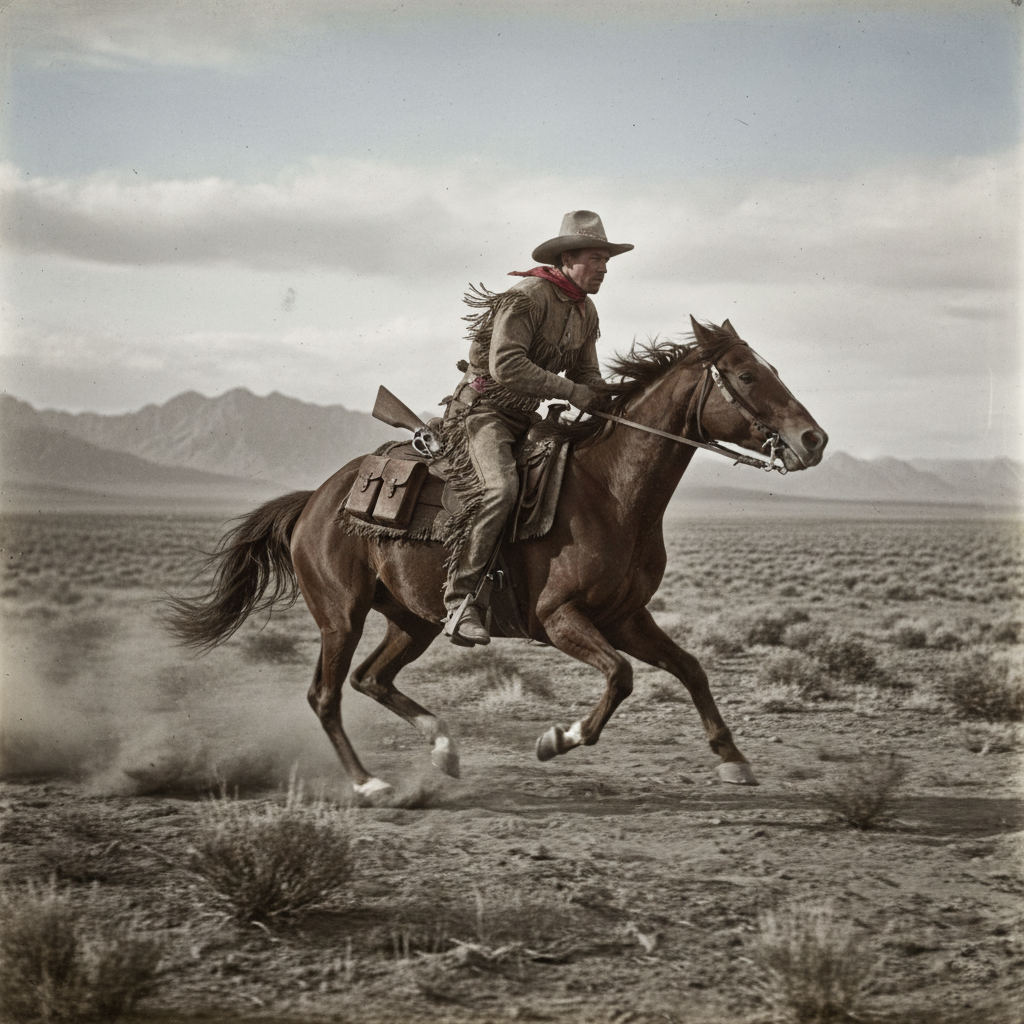 Past · Mid 19th CenturyPony Express RiderThe Pony Express was a mail service that operated in the United States from April 1860 to October 1861, providing a vital link between the East and West coasts during a time of rapid expansion and communication needs. Riders, known as Pony Express Riders, were young, brave men who undertook the perilous task of delivering mail across the vast and often treacherous terrain of the American frontier. Each rider was responsible for a segment of the route, which spanned approximately 1,900 miles from St. Joseph, Missouri, to Sacramento, California. The service was renowned for its speed, with letters often delivered in just ten days, a remarkable feat for the time.
Riders faced numerous challenges, including harsh weather conditions, rugged landscapes, and the threat of hostile encounters with Native American tribes or outlaws. They rode at a breakneck pace, often changing horses every 10 to 15 miles at designated relay stations, which were strategically placed along the route. The Pony Express was not just a job; it was a test of endurance, courage, and commitment to the mission of connecting a growing nation. Riders were often seen as heroes, embodying the spirit of adventure and the pioneering ethos of the American West.
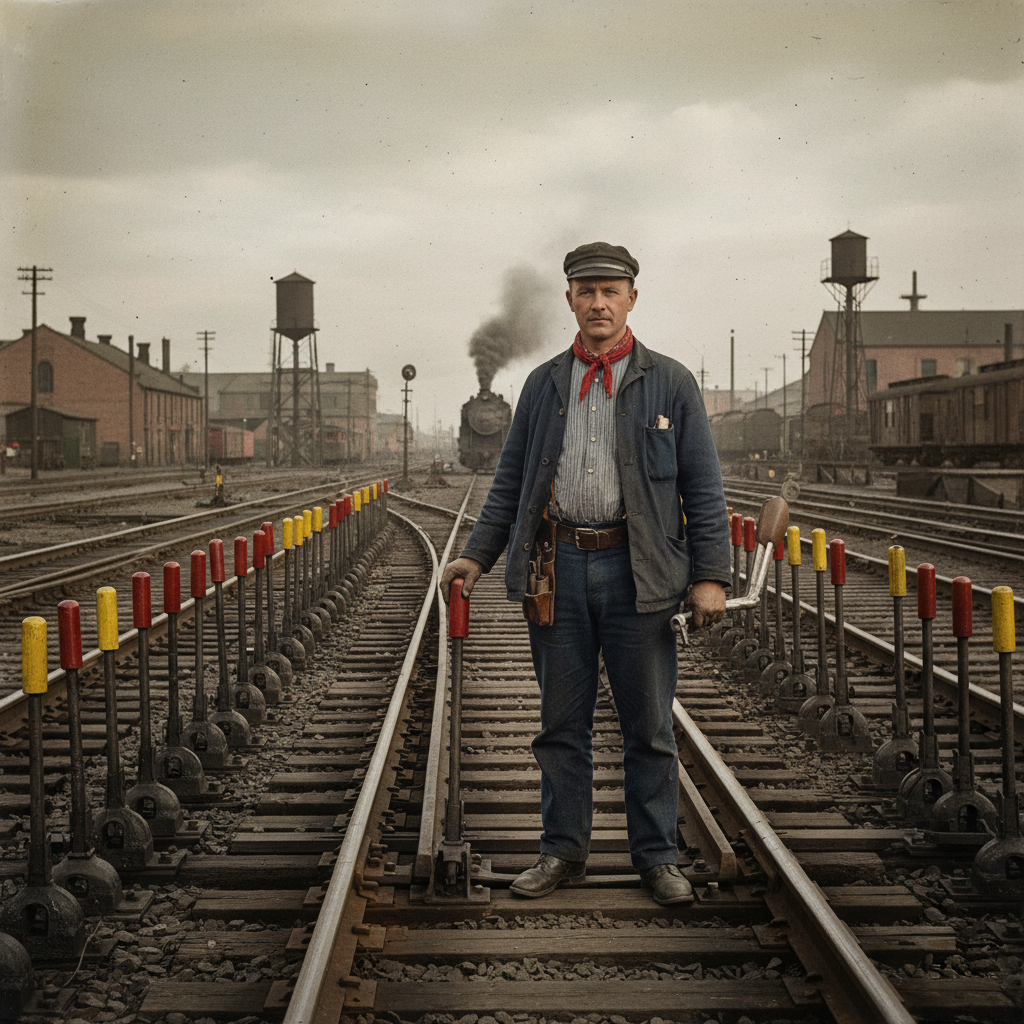 Past · Industrial RevolutionSwitchmanThe role of a switchman was pivotal in the operation of railroads during the Industrial Revolution, a period marked by rapid industrial growth and the expansion of rail networks. Switchmen were responsible for directing the movement of trains by operating track switches, which allowed trains to change tracks and navigate complex rail systems. This job required a keen understanding of the rail network, as well as the ability to communicate effectively with engineers and conductors. Switchmen often worked in pairs or teams, coordinating their actions to ensure the safe and efficient movement of trains. They were also tasked with monitoring signals and ensuring that tracks were clear of obstructions, making their role critical to the safety of rail operations. The job was often performed in all weather conditions, requiring physical stamina and alertness, as switchmen had to be ready to respond quickly to changing circumstances on the tracks.
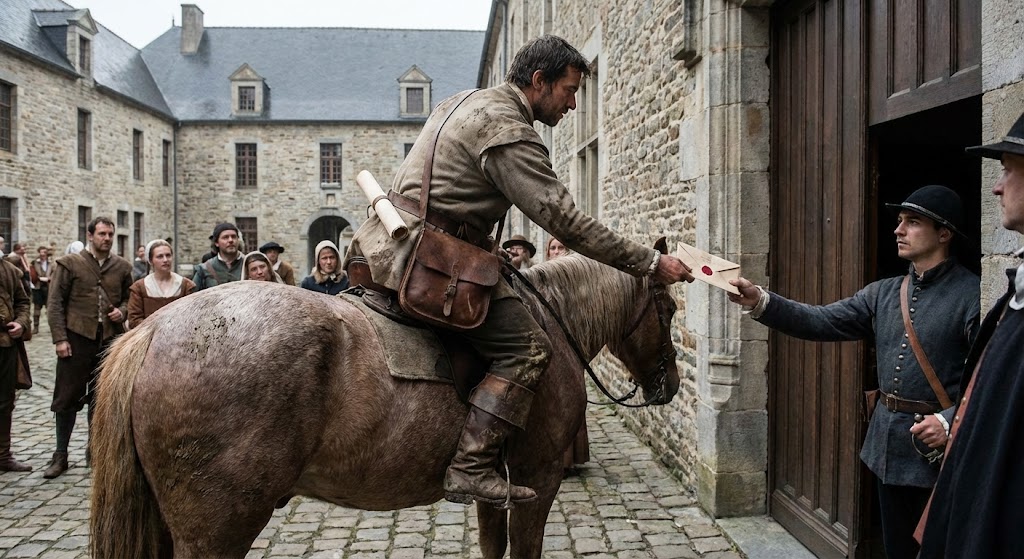 Past · Pre-Industrial EraMessengerThe role of a messenger was vital in the communication networks of ancient and medieval societies. These individuals were responsible for delivering messages, documents, and parcels across towns, cities, and even between countries. Often employed by merchants, government officials, or wealthy patrons, messengers played a crucial role in maintaining the flow of information. They navigated through various terrains, from bustling urban centers to remote rural areas, often relying on their knowledge of local geography and social networks to ensure timely delivery. The job required not only physical stamina but also a keen sense of direction and the ability to read and write, as many messengers were tasked with not just delivering but also composing messages on behalf of their employers. In times of war, messengers were particularly important, carrying orders and intelligence that could change the course of events. Their work was often perilous, as they faced the threat of bandits, harsh weather, and the challenges of navigating unfamiliar territories.
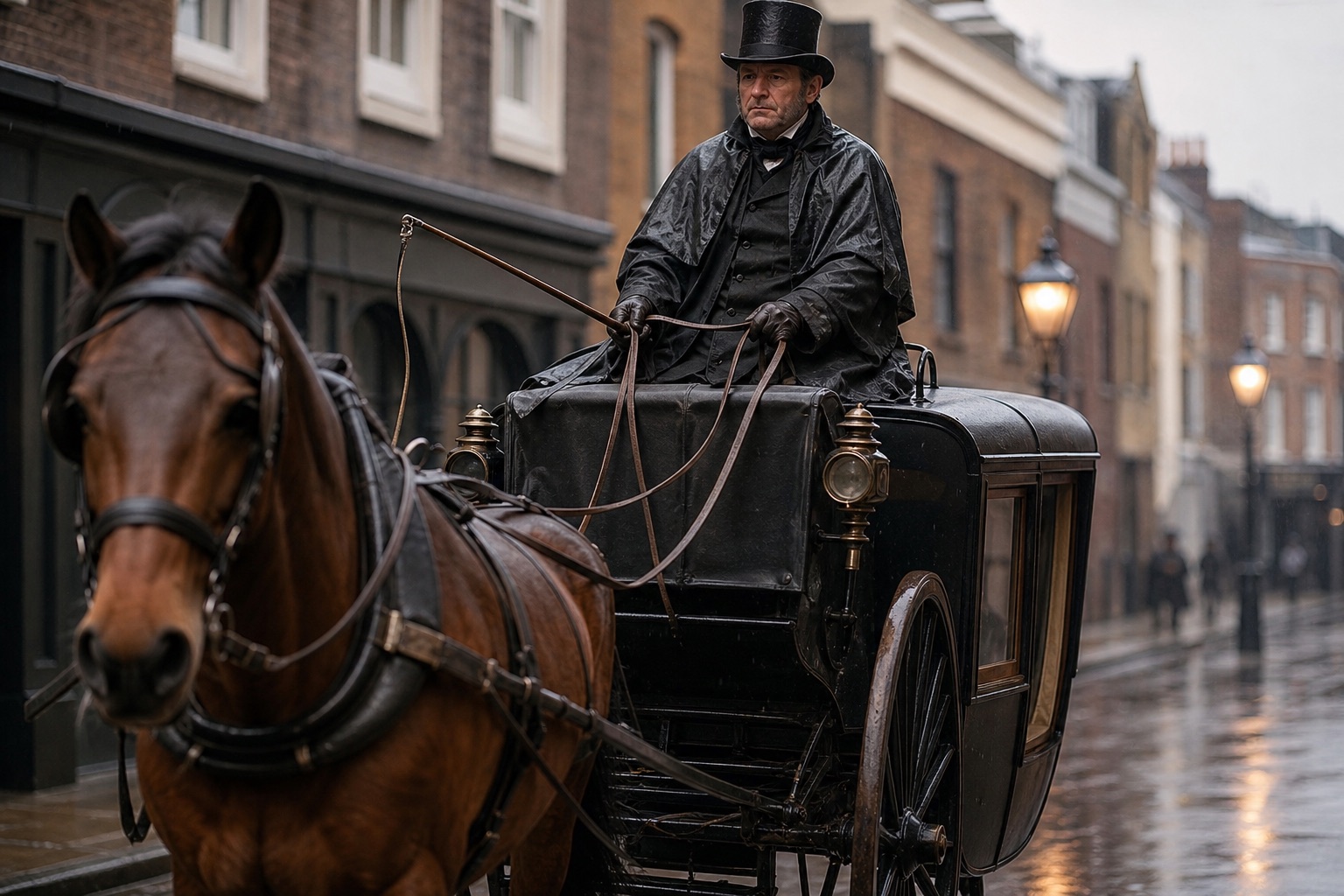 Past · Victorian EraHansom Cab DriverJoseph Hansom patented his low, two-wheeled cab in 1834, and the driver who sat it became one of the distinctive figures of Victorian streets. He did not sit in front, as a coachman did. He sat high at the back, above the roof, and drove with reins that ran over the top of the passenger compartment. The passengers sat low, between the large wheels, with a good view and almost no conversation with the man who was driving them.
The cab was fast, tippy, and cheap enough to threaten the older hackney coach. Drivers hired the vehicle and often the horse from a proprietor and lived on the difference between the legal fare and the day's costs. The trade was loud, competitive, and thickly regulated. A driver who did not know the tariff, or who took the long way, was the villain of a thousand newspaper paragraphs.
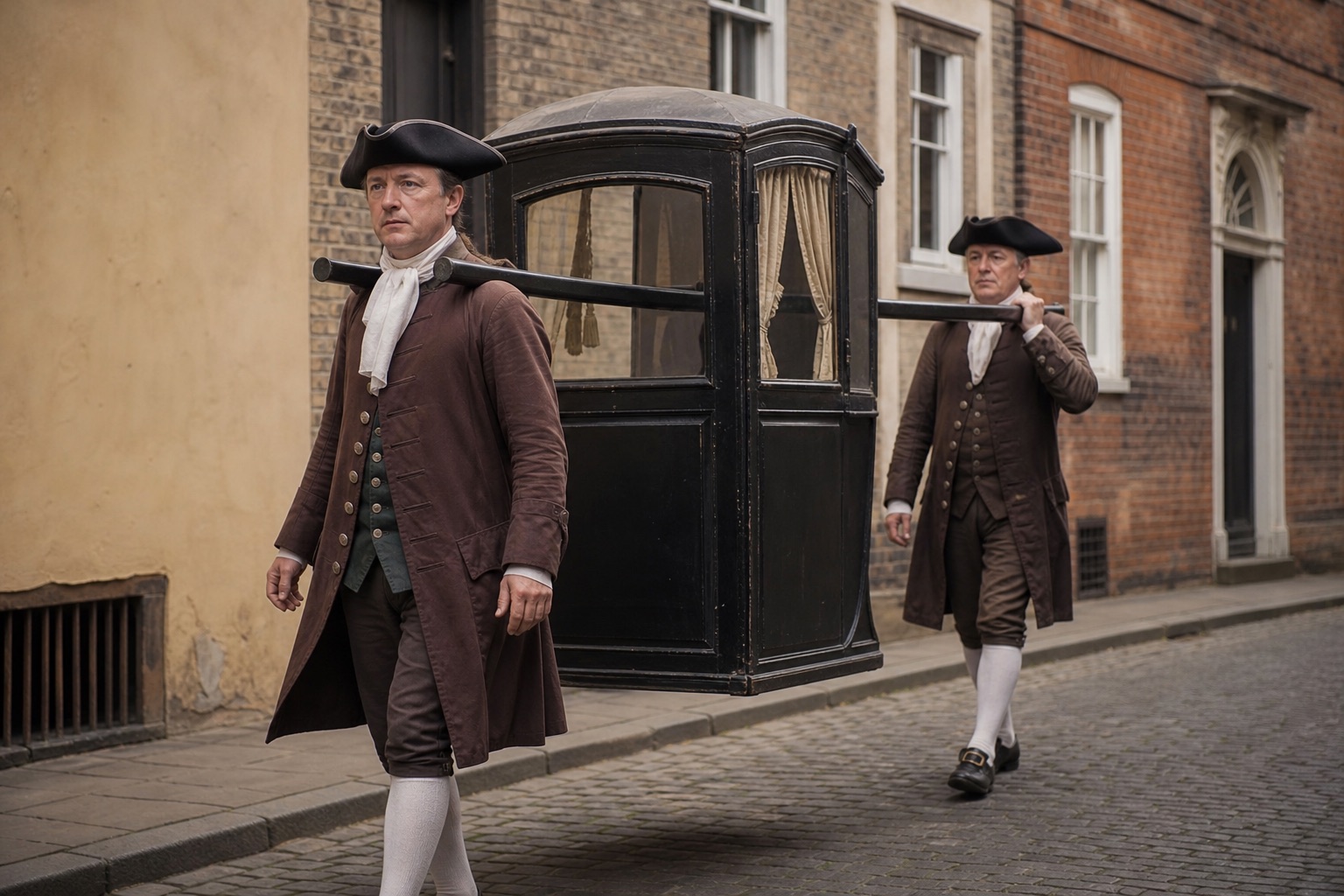 Past · Georgian EraSedan ChairmanA sedan chair was a box with a seat, a roof, and a door, hung on two poles. It needed no horse and almost no street. Two chairmen carried it, one in front and one behind, through lanes where a coach could not turn and into halls where a coach could not be brought. In seventeenth- and eighteenth-century London, Bath, and Edinburgh, the chair was how people of means crossed a filthy street without putting a shoe in it.
The men who carried it were called chairmen, and the front man was often the one who spoke for the pair. The work looked simple and was not. An unbalanced step on a stair, or a pole set down at different moments, threw the passenger forward. The trade belonged to the city before it was paved for wheels. When the streets were improved for carriages, the chair lost the only advantage it had.
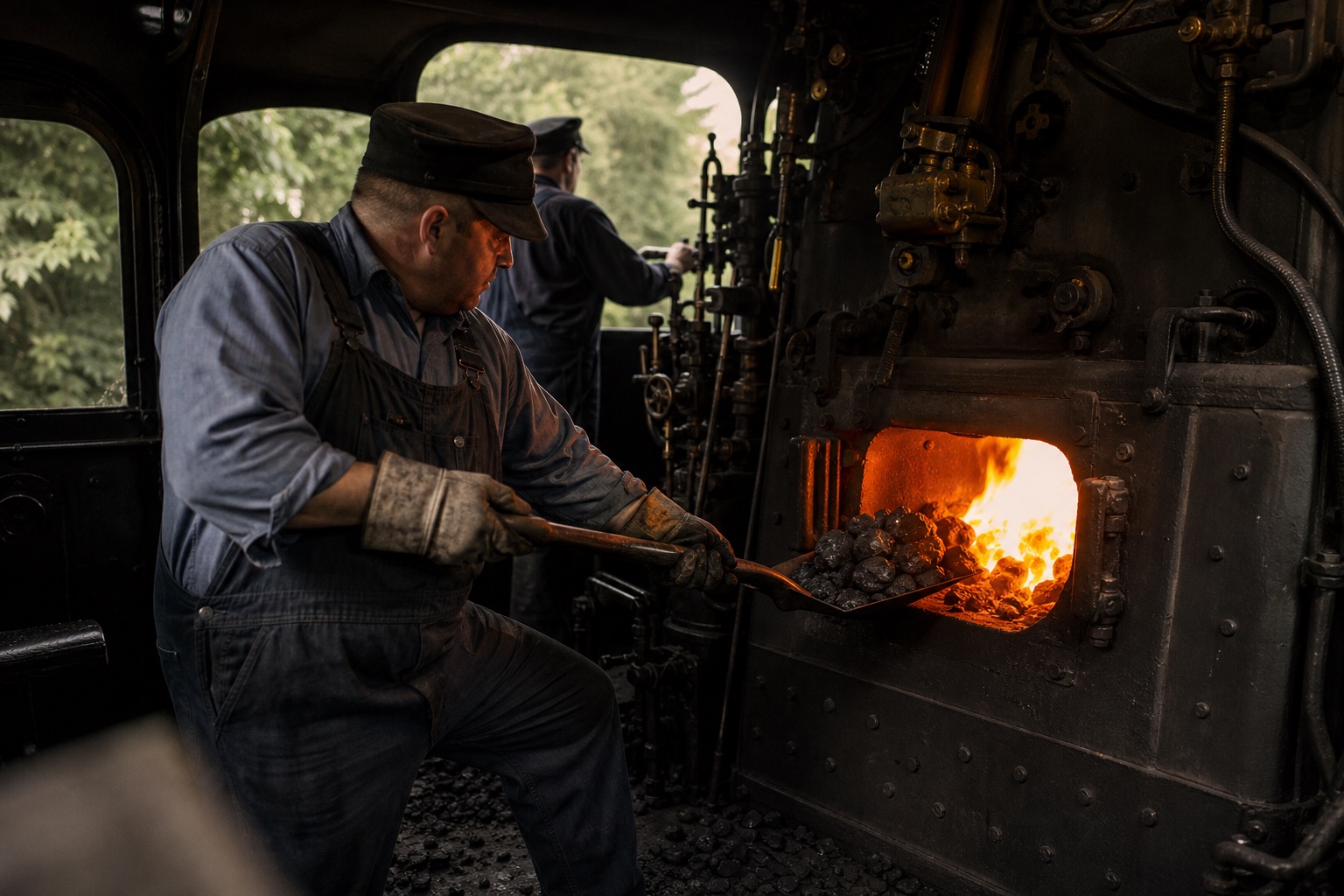 Past · Mid Twentieth CenturyLocomotive FiremanThe locomotive fireman was the second person on a steam engine, the one who fed the fire and watched the boiler while the engineer ran the train. On a coal burner that meant a shovel, a firebox door, and a footplate that punished a lazy fire with falling steam. On an oil burner the feed was a valve and a flame, and the watch on water and pressure remained. The water glass, the injector, and the gauge were his instruments together with the shovel. He was half the engine crew, not a passenger and not a shed cleaner.
This exhibit is that steam fireman. American roads dieselized through the 1940s and 1950s and had largely finished with main-line steam by the early 1960s. British Rail ran its last main-line steam in 1968. Some agreements kept a second person on diesel crews afterward, and that helper did not feed a fire or mind a boiler. The label stops where the fire stops. Yard switchers and branch engines used the same watch on the glass.
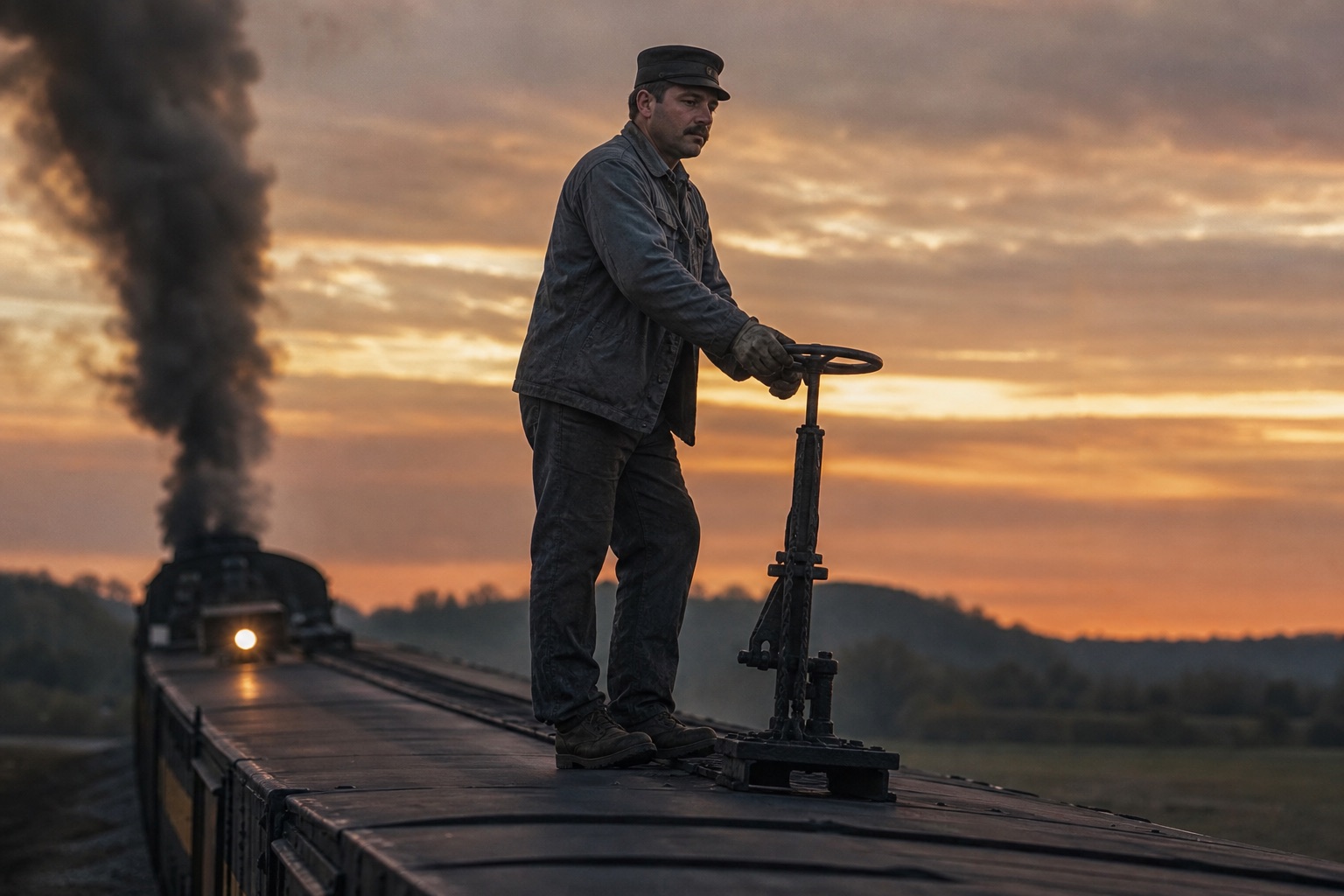 Past · Mid Twentieth CenturyBrakemanThe brakeman in this exhibit is the American railroad man who coupled cars and set brakes from the roof and from the ground, before air brakes and during the long years when they were still spreading. With link and pin he went in between the cars. With a hand brake he climbed to the running board and wound wheels while the train moved. A lantern and a brake club were ordinary kit, and the caboose was his base once the train was on the road. The Westinghouse air brake and the automatic knuckle coupler, pressed by federal safety law in the 1890s, reduced that roof walk without retiring the craft.
Local freights and yards still needed him on the ground for decades after the roofs grew quieter. Radio and diesel road practice ended the classic form of the job. A later conductor carrying a radio was not a man on car tops in the weather. The danger of the older method was severe enough to write safety law, and it can be stated honestly without a list of injuries. This label is United States practice: roof, pin, and ground.
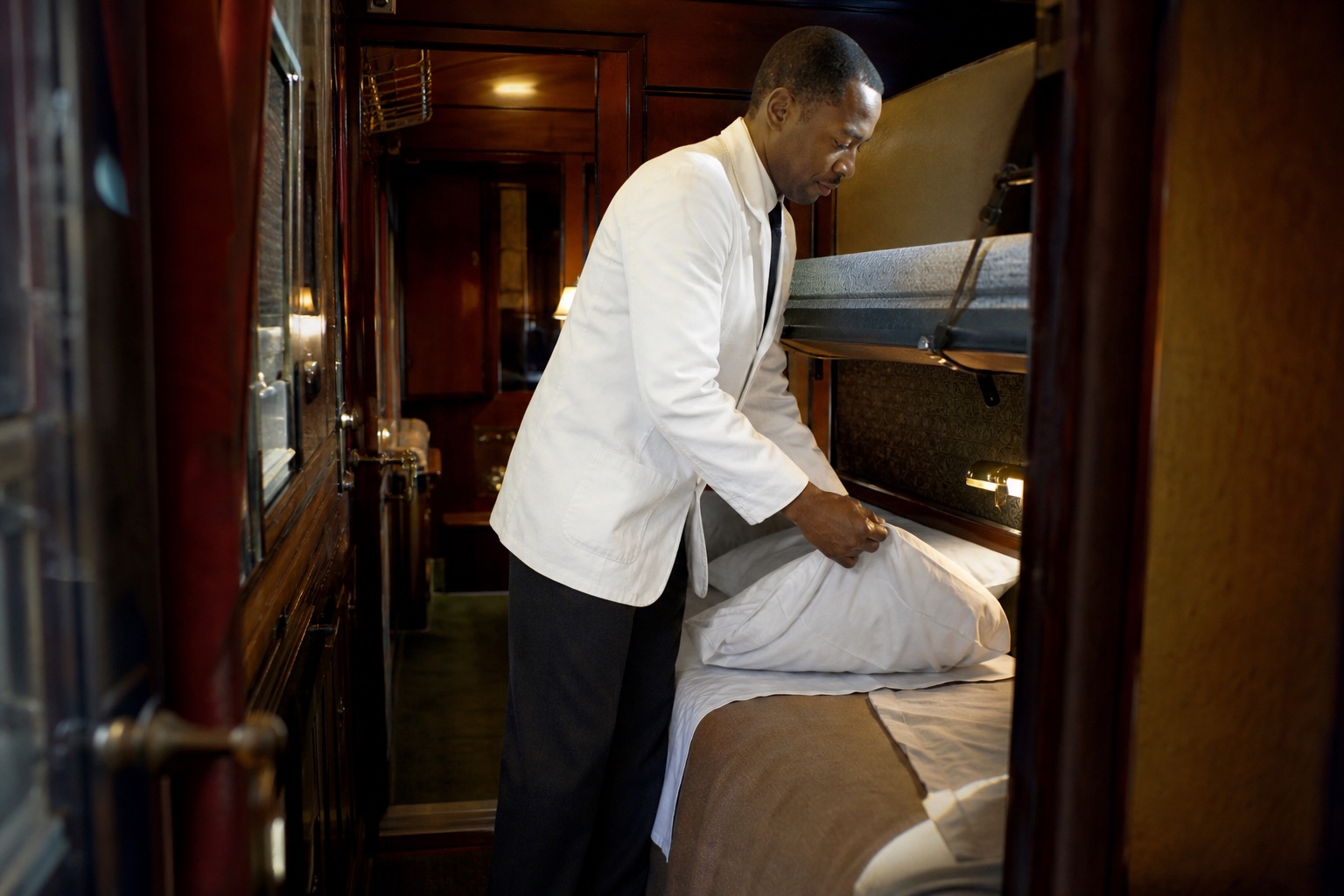 Past · Mid Twentieth CenturyPullman PorterA Pullman porter was the attendant on a Pullman sleeping car in the United States. He made up berths, kept the linen and the car, handled luggage, woke passengers, and stayed with the trip for as long as the schedule ran. The company hired Black men for the post by policy, and the work became one of the best-known service jobs in Black America: skilled, public, and tightly ruled. Tips were not a charming extra. They were a large part of pay because the wage was kept low, and the men who did the work named that arrangement as a grievance.
Philip Randolph and the Brotherhood of Sleeping Car Porters, founded in 1925 and recognized in 1937, made dignity and the wage a contract. Maids on some cars, often Black women, were a separate grade, and this label does not fold them into the porter's title. Overnight trains then thinned. After Pullman's operating business was separated from manufacturing, the cars passed toward the railroads and were gone from most roads by the late 1960s. The exhibit speaks of the porter in plain speech, without a borrowed dialect.
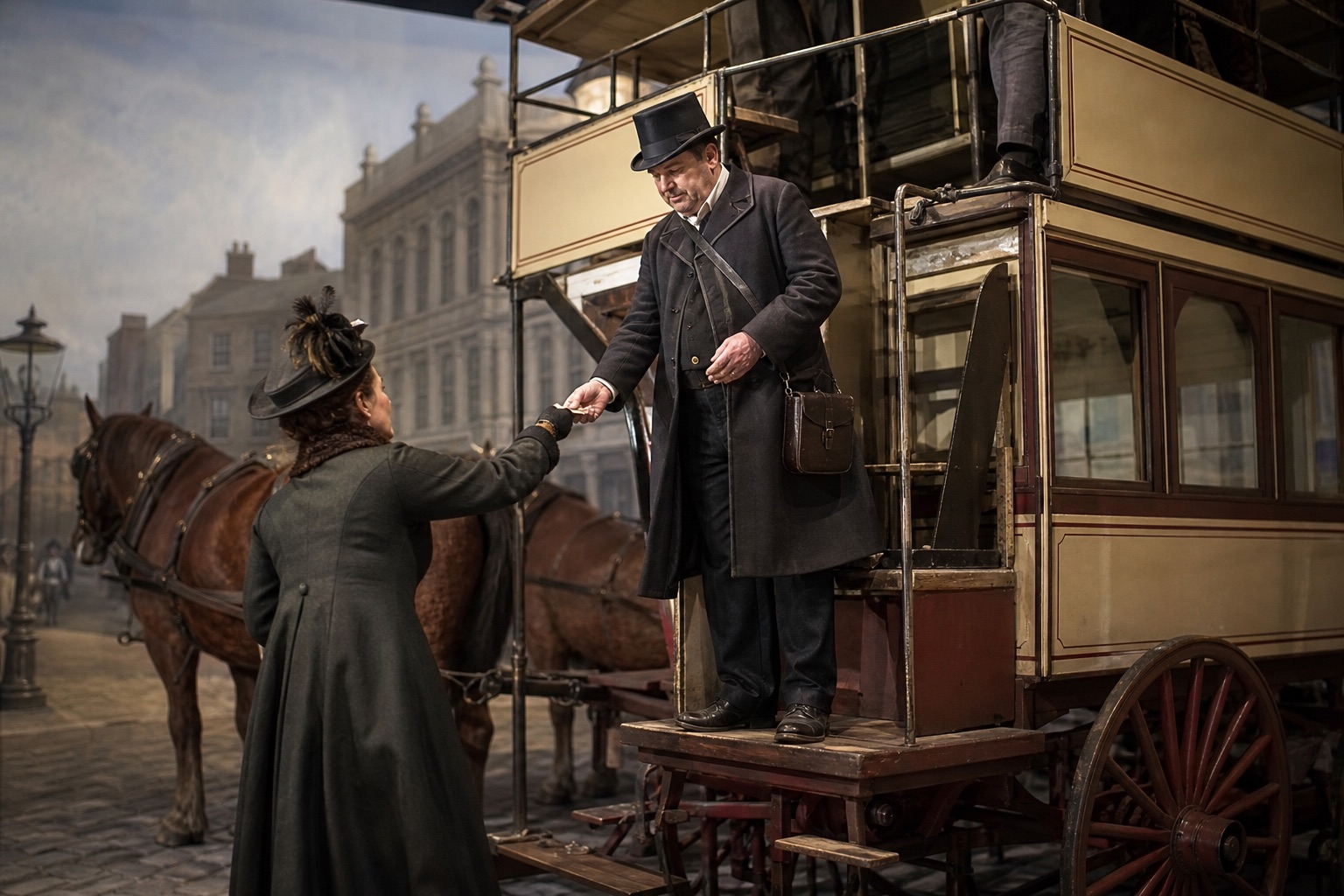 Past · Victorian EraOmnibus ConductorThe omnibus conductor of this exhibit stood on the step of a horse bus and collected the fares. George Shillibeer put such a vehicle on London streets in 1829, running from Paddington to the Bank, and the form spread through the city and into other towns. The conductor rode outside at the rear, announced stops, helped people on and off, and signaled the driver when the step was clear. He was not seated at a motor wheel and not sheltered in a cab. The horse, the rear step, and the coins in his hand are the picture.
Motor buses later took the horses off those routes. One-person operation, much later, ended even the conductor who still stood on a motor step. This record stops with the horse bus and does not follow the job onto petrol or into a modern cab. Victorian cities knew him as a weekly-wage man in a badged coat, exposed to traffic and weather, and answerable for every penny that was supposed to reach the proprietor.
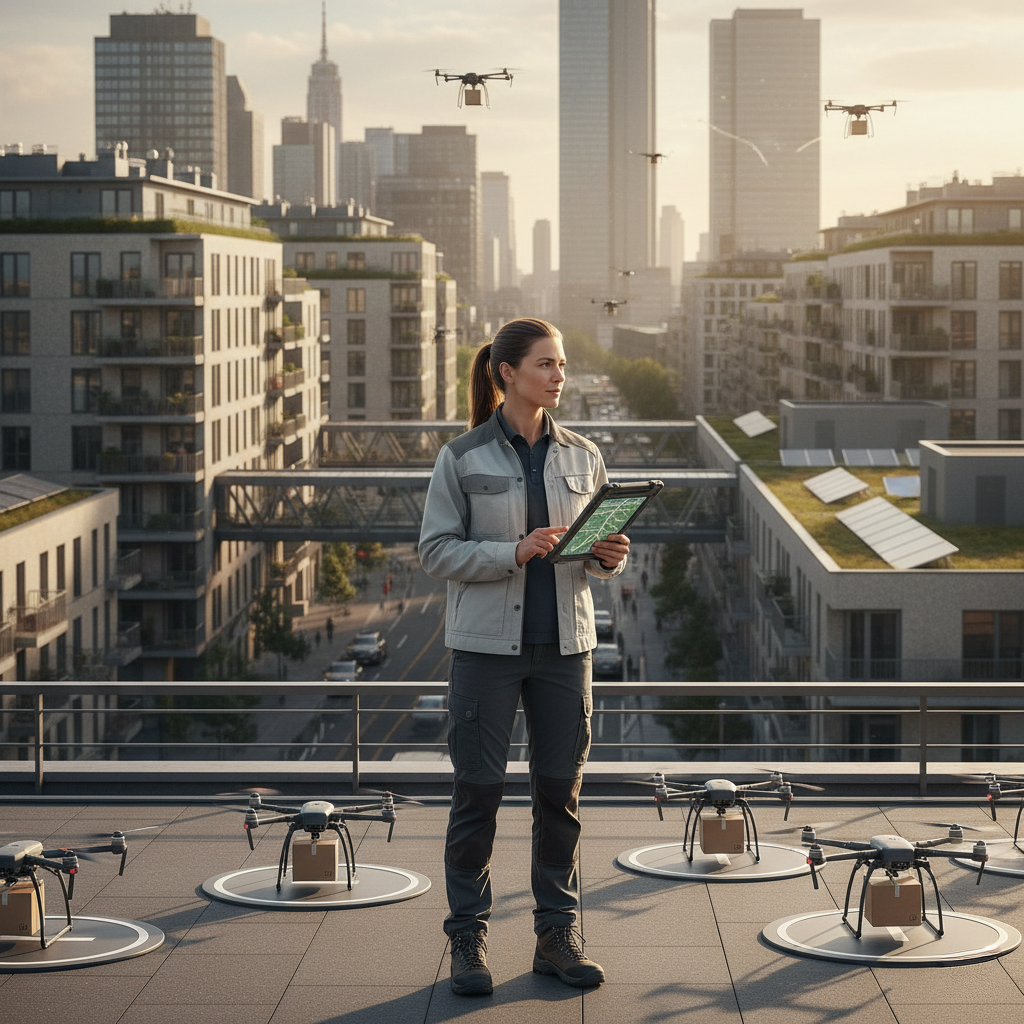 Projected · Automation AgeUrban Drone Delivery CoordinatorIn the bustling cities of the Automation Age, where technology seamlessly integrates into daily life, the role of the Urban Drone Delivery Coordinator emerges as a vital link in the logistics chain. This innovative position is responsible for overseeing the deployment and management of drone delivery systems that transport goods swiftly and efficiently across urban landscapes. As cities become increasingly congested and the demand for rapid delivery services escalates, the Urban Drone Delivery Coordinator ensures that these aerial vehicles operate safely, adhere to regulations, and meet the expectations of consumers.
The coordinator's responsibilities extend beyond mere logistics; they are also tasked with optimizing delivery routes, managing drone fleets, and coordinating with local authorities to ensure compliance with airspace regulations. They utilize advanced software and AI algorithms to analyze traffic patterns, weather conditions, and delivery demands, making real-time adjustments to enhance efficiency. In this role, the coordinator acts as a bridge between technology and community, ensuring that drone deliveries are not only effective but also considerate of urban environments and public safety.
As cities evolve into smart ecosystems, the Urban Drone Delivery Coordinator plays a crucial role in shaping the future of urban mobility, contributing to a more connected and efficient society.
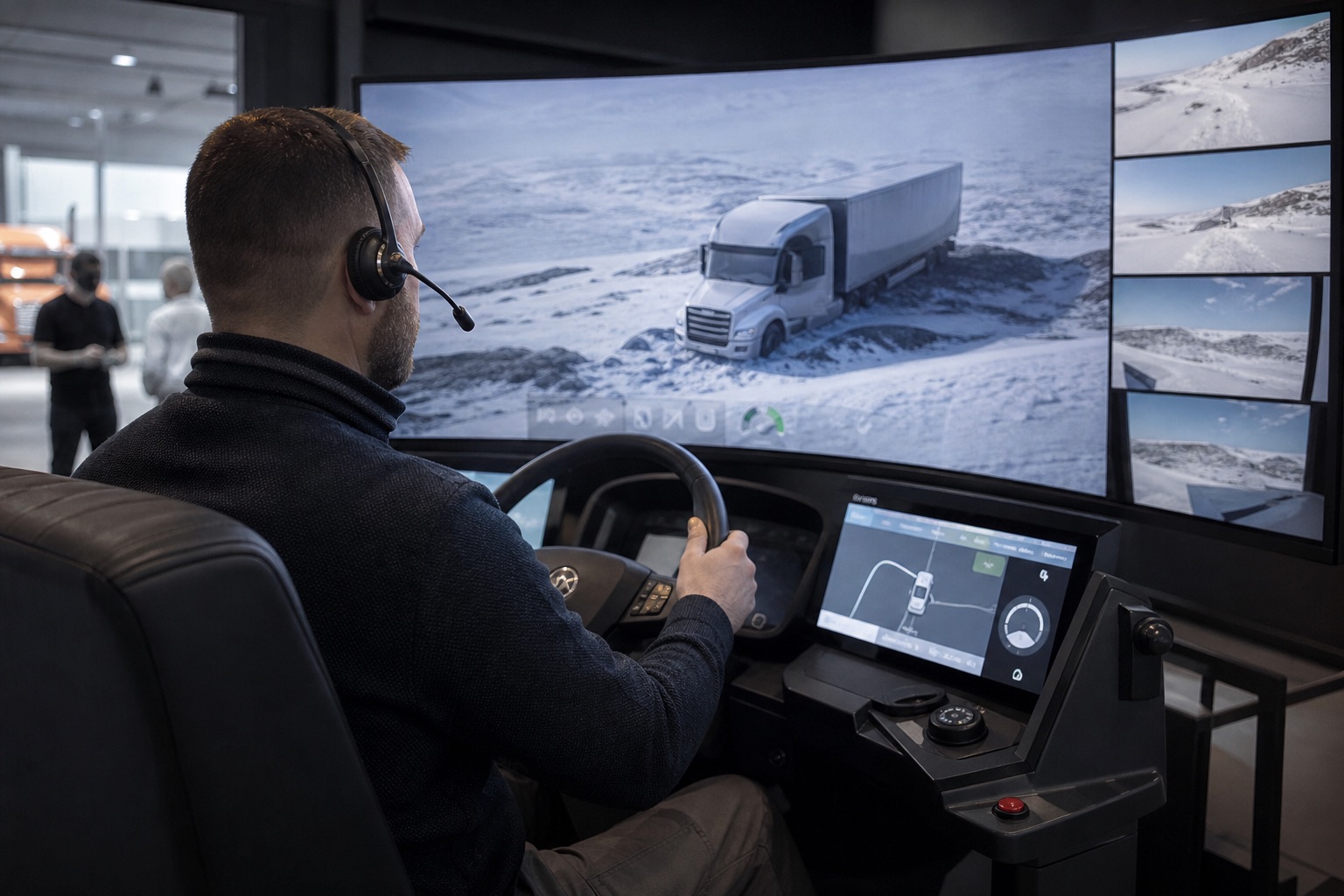 Projected · Automation AgeRemote Vehicle OperatorThe remote-vehicle operator drives, lifts, or steers a machine from somewhere else when autonomy stops, or because the law still wants a last human hand on the controls. Underground loaders have been run this way for years, by video and radio, with the operator on the surface and the bucket in the dark. Haul trucks, cranes, and some ship systems have joined that pattern. The console is cameras, a control, a radio, and a link whose delay is itself part of the hazard.
This job exists because the machine is not actually unsupervised. Dust, a person on a haul road, a face that does not match the map, a crane load that starts to swing, a ship in a tight channel: these are the moments the stack hands back. Putting the word autonomous on that arrangement gives the credit to the software and leaves the fault on the person at the screen. The plainer account is enough. A person was on the controls, at a distance, and the distance did not lighten the vehicle.