
Pre-Industrial Era
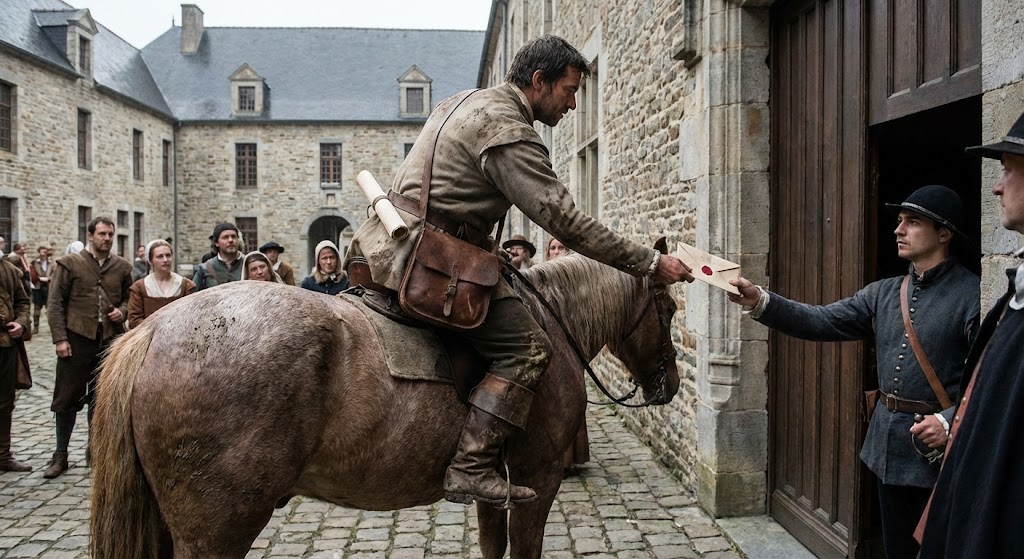
Messenger
An extinct profession from Pre-Industrial Era that became obsolete due to technological advancement and societal change.
Media Gallery
Related Exhibits
Knife Grinder
The knife grinder was a skilled tradesperson responsible for sharpening and honing blades, from kitchen knives to industrial cutting tools. This occupation flourished during the Industrial Revolution, a period marked by rapid technological advancement and a growing demand for precision tools in both domestic and industrial settings. Knife grinders often worked in small workshops or as itinerant tradespeople, traveling from town to town with their grinding wheels and tools, providing essential services to local communities. The sound of the grinding wheel, a rhythmic and reassuring noise, was a familiar part of daily life, as these craftsmen ensured that the tools of the trade remained sharp and effective. The process of knife grinding involved several steps. First, the grinder would assess the blade's condition, determining the level of wear and the type of sharpening needed. Using a foot-powered grinding wheel, the grinder would carefully sharpen the blade, maintaining the correct angle to ensure optimal cutting performance. After sharpening, the blade would often be polished to a fine finish, sometimes using a leather strop to achieve a razor-sharp edge. Knife grinders were not only skilled in their craft but also had a deep understanding of the various types of steel and the specific needs of different tools, making them invaluable to both domestic households and industrial operations.
Explore More Exhibits
Discover the full collection of past and future professions in The Jobs Museum.