
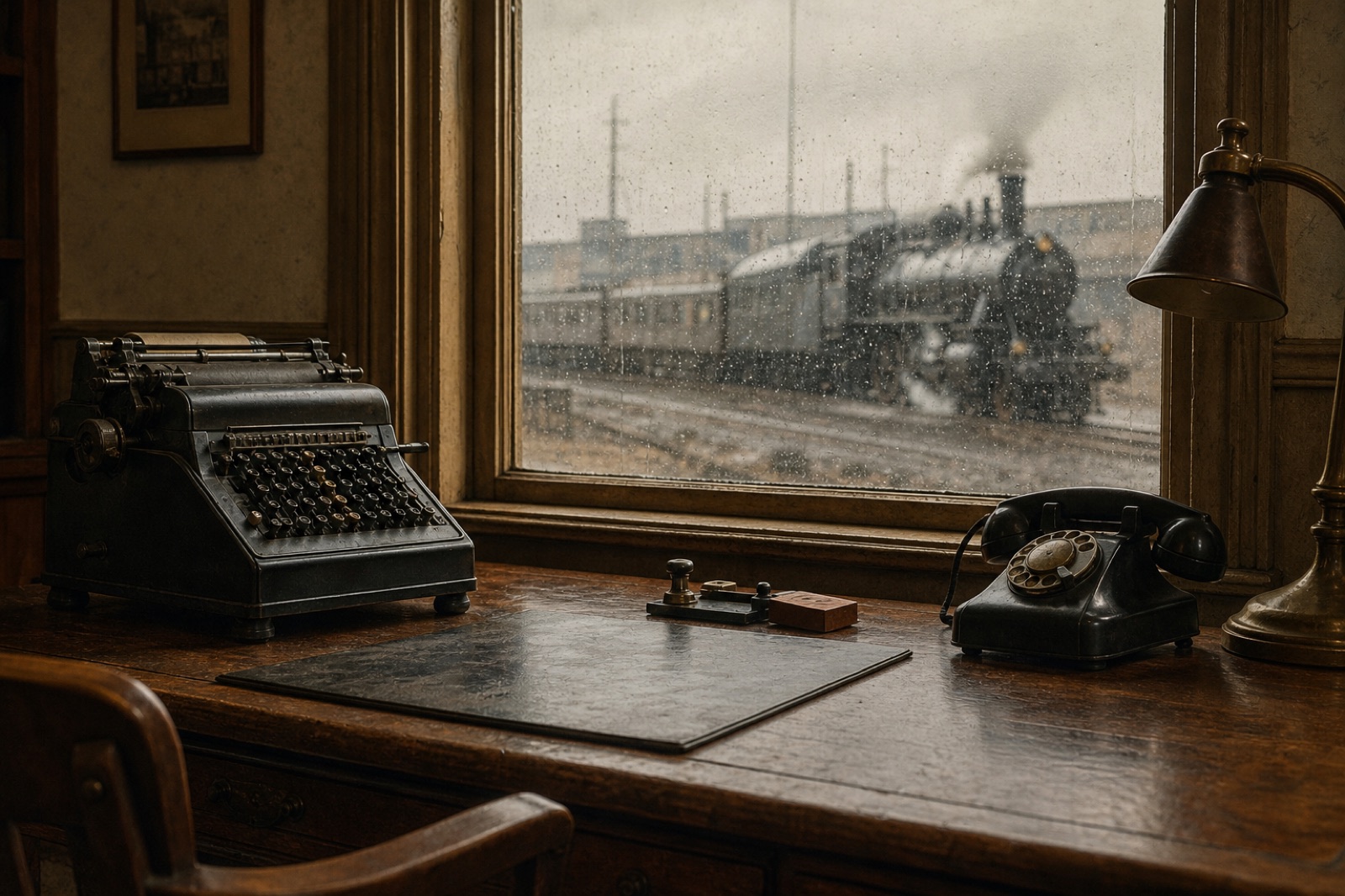
c. 1945–1980
The mid twentieth century
Steam's last decades, the office machine, and the house call.
Firemen, punch cards, comptometers, and television repair sit in the years when a large organization still needed a person attached to a single machine.
The exit is the smaller machine that did not need its own operator, and the diesel that did not need a fire.
In this period
16
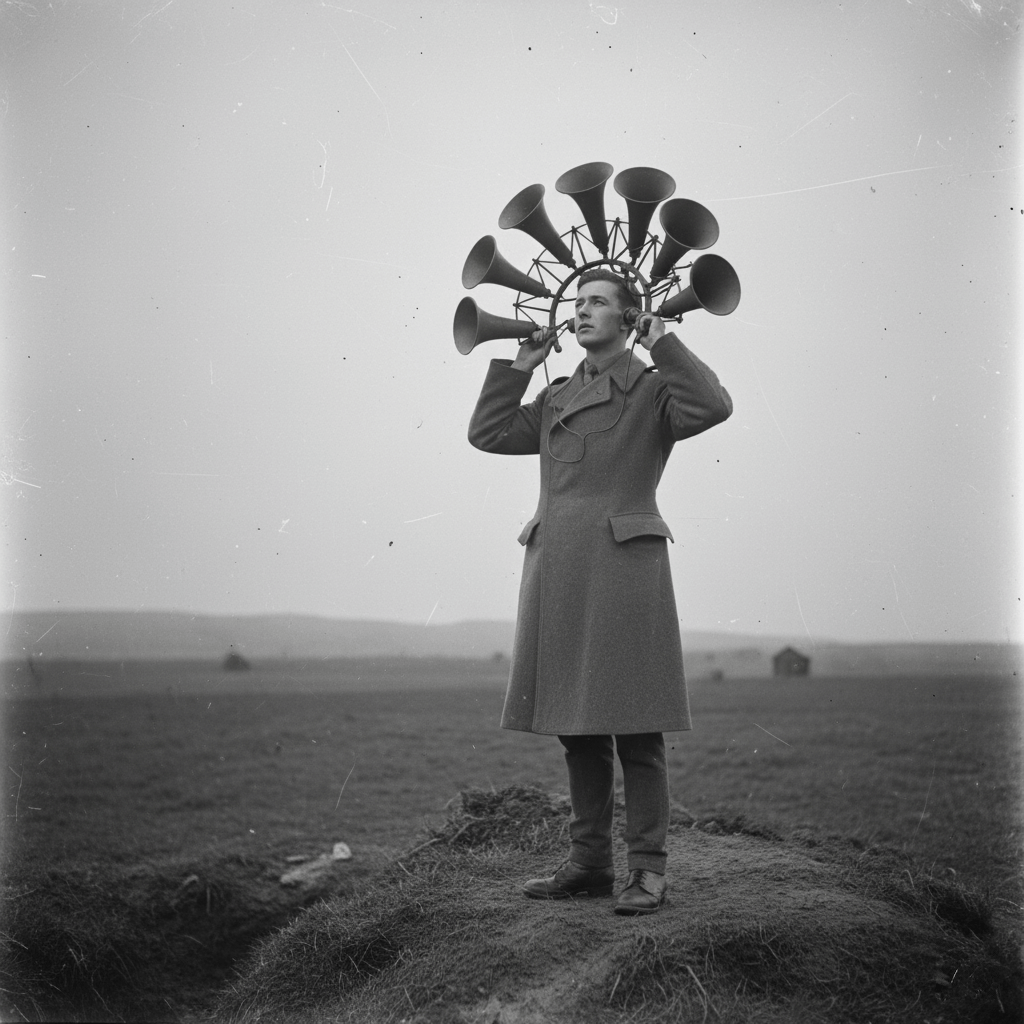 Past · Post-War EraAircraft ListenerThe role of an Aircraft Listener emerged in the mid-20th century, primarily during the Post-War Era, when aviation technology was rapidly advancing and air traffic was increasing significantly. Aircraft Listeners were tasked with monitoring and interpreting the sounds of aircraft engines, particularly in military contexts, where understanding the nuances of engine noise could indicate the type of aircraft, its operational status, and even potential mechanical issues. This job was crucial for military intelligence and air traffic control, as it provided valuable information about aircraft movements and capabilities without the need for visual confirmation.
Listeners would often work in pairs or small teams, stationed at strategic locations such as airbases or observation posts. They utilized their acute hearing to distinguish between different aircraft types, noting variations in sound that could indicate changes in speed, altitude, or engine performance. This auditory skill was honed through extensive training and experience, as the ability to identify aircraft by sound alone was a rare and valuable talent.
The job required not only a keen ear but also a deep understanding of aviation technology and the specific characteristics of various aircraft engines. Listeners would often keep detailed logs of their observations, contributing to intelligence reports and operational assessments. The role was a blend of art and science, requiring both technical knowledge and an intuitive grasp of sound dynamics.
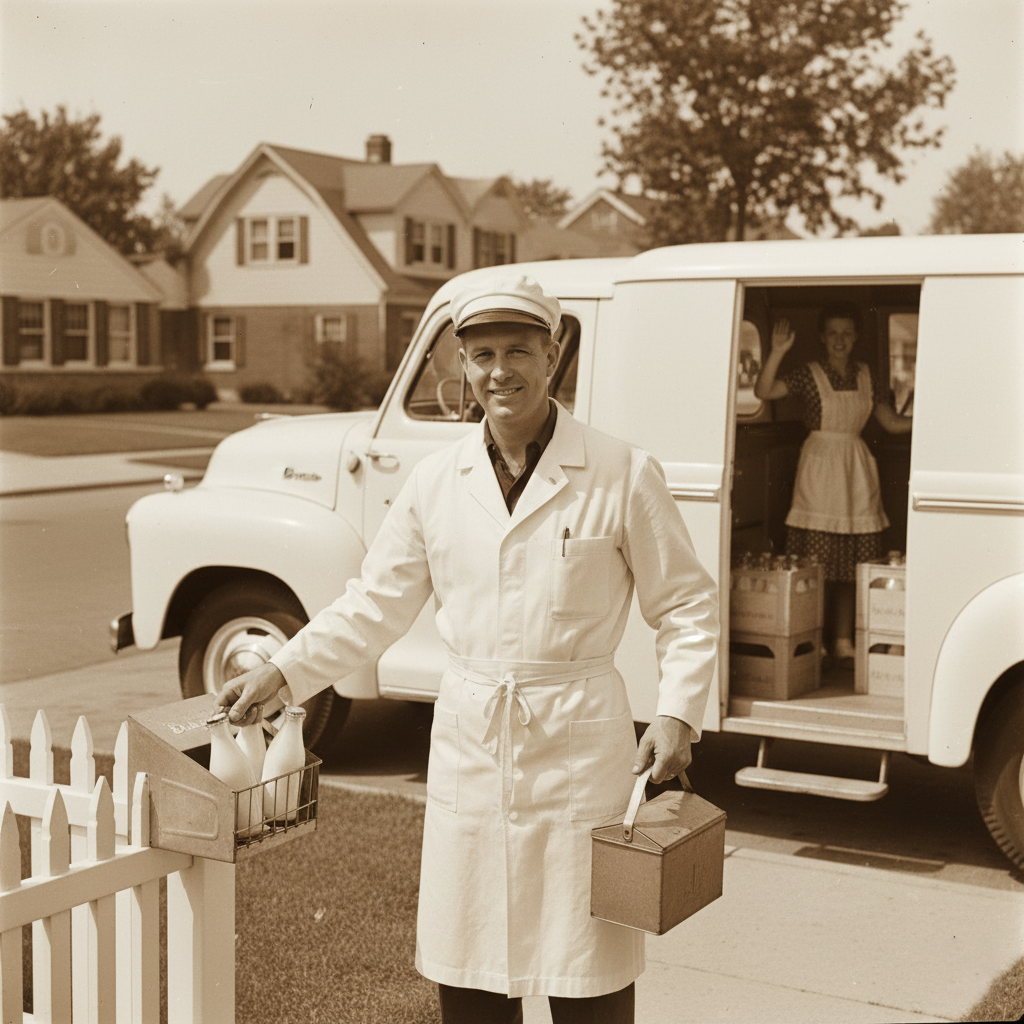 Past · 20th CenturyMilkmanThe milkman was a familiar figure in the neighborhoods of the 20th century, a symbol of a time when fresh dairy products were delivered directly to homes. Clad in a crisp uniform, often with a cap, the milkman would rise before dawn, preparing for a day of delivering fresh milk, cream, and other dairy products to families. The job was not merely about transportation; it was a vital service that ensured households received their daily supply of milk, often still warm from the farm. The milkman would navigate his route, typically using a horse-drawn cart or later, a motor vehicle, stopping at each home to leave bottles of milk on doorsteps, often exchanging empty bottles from the previous delivery. This daily ritual fostered a sense of community, as the milkman became a trusted figure, known by name to the families he served. The job required not only physical stamina but also a keen sense of time management and customer service, as the milkman had to maintain a strict schedule to ensure freshness and reliability.
 Past · Post-War EraGas Station AttendantThe role of a gas station attendant was a vital part of the American landscape from the mid-20th century until the late 1990s. These attendants were responsible for providing fuel to vehicles, but their duties extended far beyond simply pumping gas. They were the friendly faces that greeted customers, often engaging in conversation while they filled tanks, checked oil levels, and cleaned windshields. The gas station was not just a place to refuel; it was a community hub where people gathered to share news and stories. Attendants were also tasked with monitoring fuel levels in the tanks, ensuring that the station was stocked, and sometimes even performing minor vehicle maintenance, such as checking tire pressure or replacing wiper blades. The job required a blend of customer service skills and mechanical knowledge, as attendants needed to be able to answer questions about fuel types and vehicle care.
In the post-war economic boom, the rise of the automobile culture in the United States led to an explosion of gas stations, and with it, the demand for attendants. These workers played a crucial role in the burgeoning car culture, providing not just fuel, but also a sense of community and service. However, as self-service gas stations began to emerge in the 1970s, the role of the gas station attendant started to decline. By the 1990s, many gas stations had transitioned to fully automated systems, where customers could pump their own gas without the need for an attendant, leading to the eventual extinction of this once-common occupation.
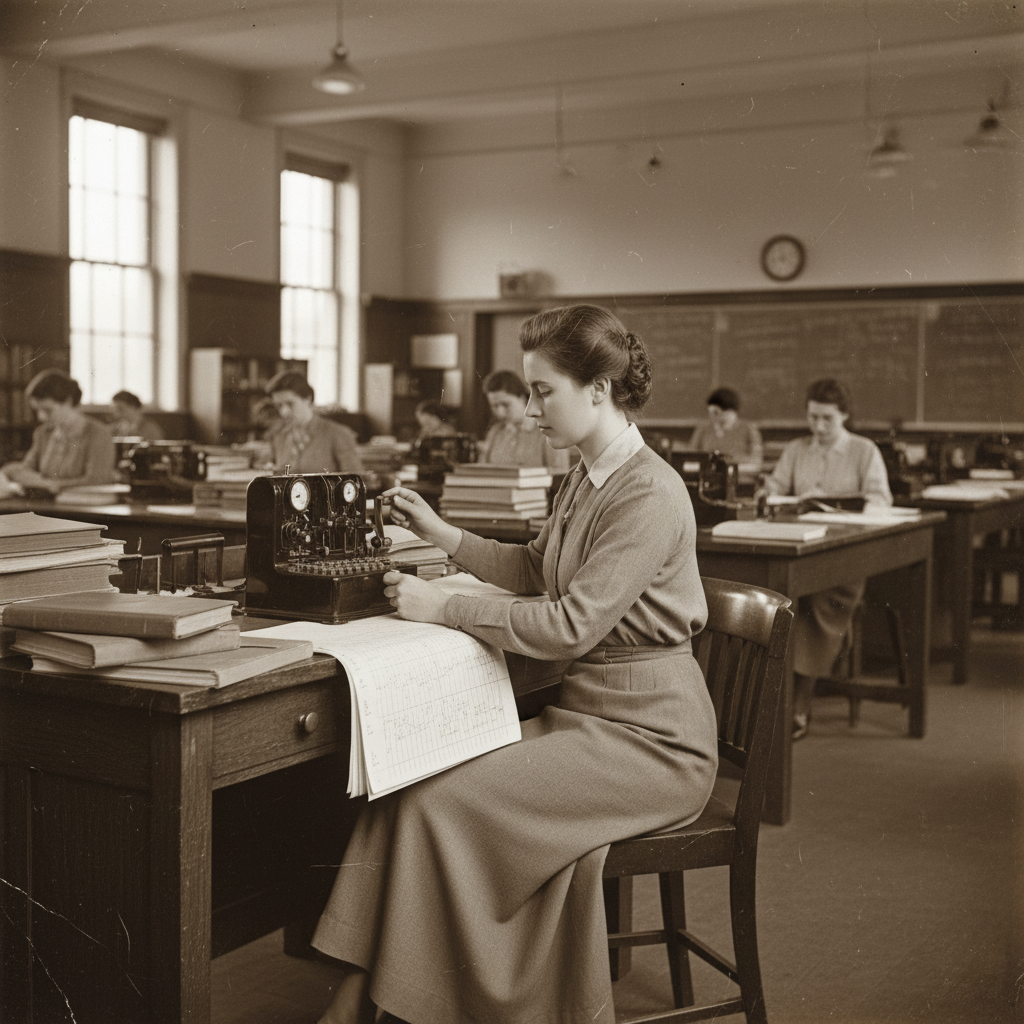 Past · 20th CenturyHuman ComputerThe role of a Human Computer emerged in the early 20th century, primarily during the 1930s to the 1950s, as a response to the growing need for complex calculations in fields such as astronomy, engineering, and military applications. Human Computers were predominantly women who performed mathematical calculations by hand, often using pencil and paper, and later, mechanical calculators. They worked in teams, meticulously calculating trajectories for rockets, analyzing astronomical data, and solving intricate mathematical problems that were essential for scientific advancements. Their work was critical in the development of early computers, as they laid the groundwork for the algorithms and processes that would later be automated.
These women, often referred to as "computers," were not only skilled mathematicians but also adept at problem-solving and critical thinking. They operated in environments that ranged from university laboratories to government research facilities, where they collaborated closely with scientists and engineers. The atmosphere was often intense, with deadlines looming and the pressure to produce accurate results being paramount.
The Human Computer's role was not just about numbers; it was about precision, attention to detail, and the ability to work under pressure. They were the unsung heroes behind many scientific breakthroughs, including the early space missions and the development of radar technology during World War II. Their contributions were vital, yet often overlooked in the historical narrative of computing and mathematics.
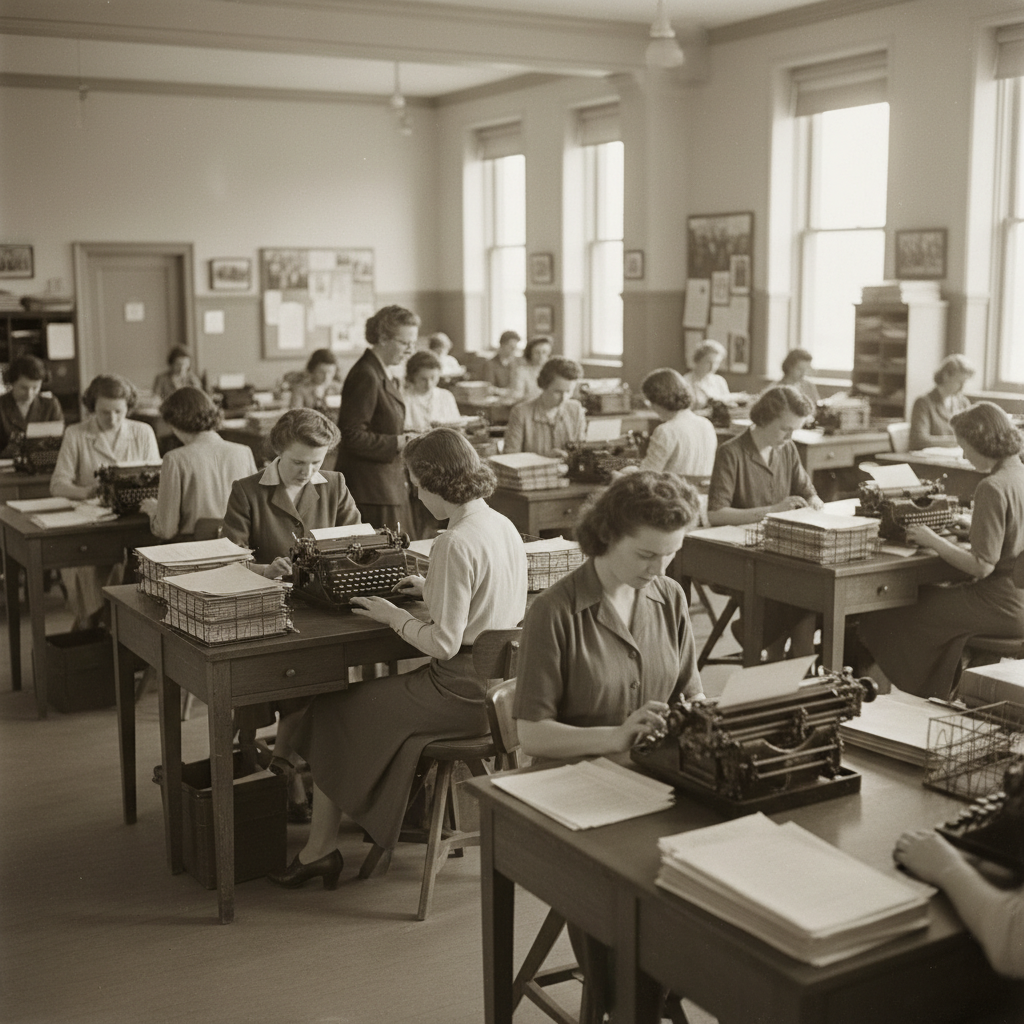 Past · Post-War EraTypist Pool WorkerThe Typist Pool Worker was a vital cog in the machinery of mid-20th century office life, particularly in the bustling corporate environments of the Post-War Era, from the late 1940s to the early 1980s. These skilled individuals were responsible for producing typed documents, correspondence, and reports, often under tight deadlines. They worked in a shared office space known as a 'typist pool,' where multiple typists would be stationed at rows of typewriters, each contributing to the efficiency of the office. The typist pool was a reflection of the era's burgeoning corporate culture, where the demand for clerical work surged as businesses expanded in the post-war economic boom.
The role required not only speed and accuracy in typing but also a keen understanding of office protocols and etiquette. Typist Pool Workers were often the first point of contact for incoming correspondence, and their ability to produce clear, professional documents was crucial for maintaining the image of the organization. They utilized carbon paper for duplicating documents and were adept at using various typewriter models, each with its own quirks and features. The job was often seen as a stepping stone for women entering the workforce, providing them with financial independence and a foothold in the corporate world.
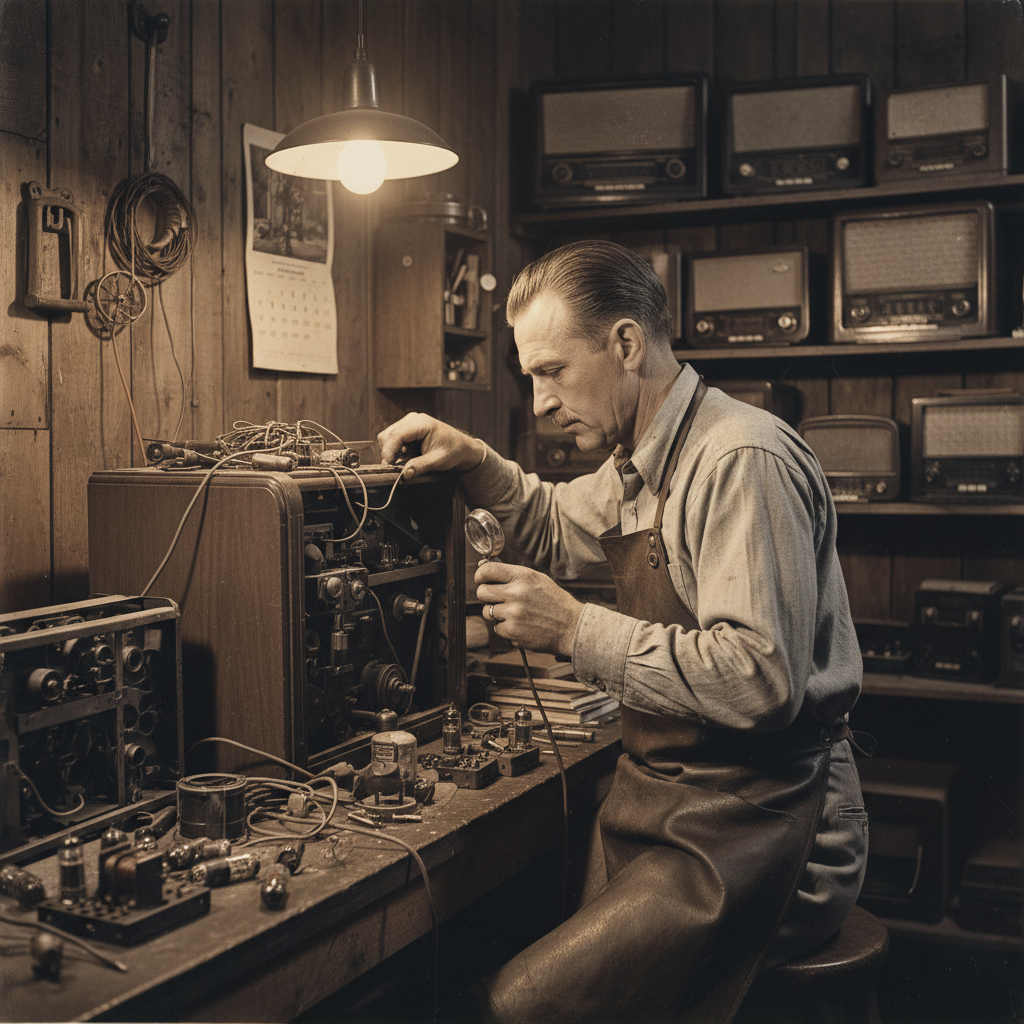 Past · Post-War EraRadio RepairmanThe Radio Repairman was a vital figure in the mid-20th century, particularly in the post-World War II era when radio became a staple of American households. As the popularity of radio surged, so did the need for skilled technicians who could diagnose and fix the myriad of issues that could arise in these complex devices. Radio Repairmen were often found in small shops, bustling with the sounds of static and the hum of electronic equipment, as they worked diligently to restore the voices of news anchors, music, and entertainment to life. Their expertise was not only technical but also deeply rooted in an understanding of the evolving technology of the time, as they navigated the transition from vacuum tubes to transistors, and later to integrated circuits.
In their workshops, Radio Repairmen would often encounter a variety of problems, from broken speakers to faulty wiring. They were adept at using a range of diagnostic tools, including multimeters and oscilloscopes, to troubleshoot issues. The job required a keen eye for detail and a methodical approach to problem-solving, as well as a solid understanding of electrical engineering principles. The Radio Repairman was not just a technician; he was a community figure, often providing advice on the best radio models and helping customers understand the technology that was rapidly changing their lives.
As the 1960s progressed, the landscape of audio technology began to shift dramatically. The advent of television, along with the rise of portable music devices, led to a decline in radio's dominance. Additionally, the increasing complexity of radio technology, coupled with the introduction of disposable consumer electronics, made repairs less common. By the late 1970s, the role of the Radio Repairman began to fade, as many consumers opted to replace rather than repair their devices, marking the end of an era for this once-essential profession.
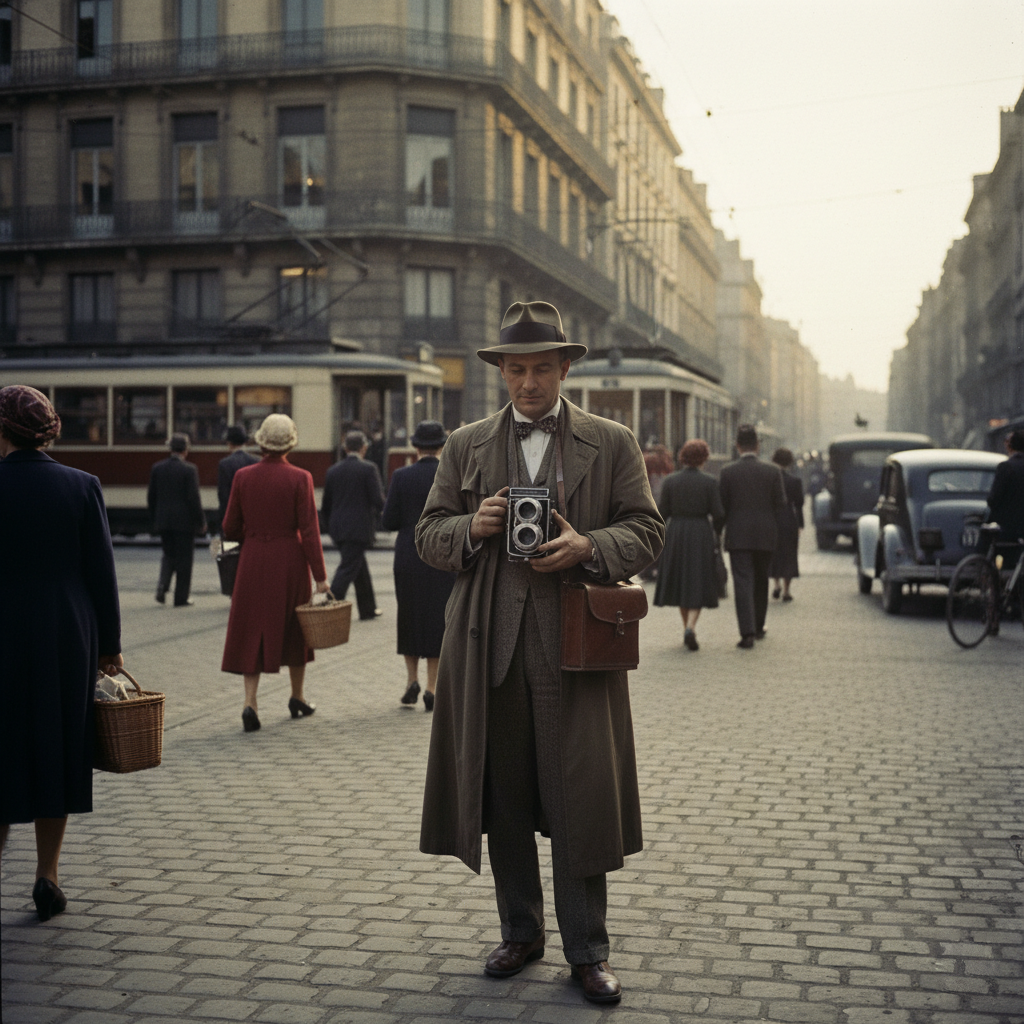 Past · 20th CenturyStreet PhotographerStreet photographers were the visual storytellers of urban life, capturing candid moments and the essence of everyday existence in bustling city streets. Active primarily from the early 1900s to the late 20th century, these artists wielded their cameras to document the vibrancy of public spaces, from crowded markets to serene parks, and everything in between. Their work often reflected the social dynamics, cultural shifts, and historical events of their time, providing a unique lens through which to view the world. Street photography was not merely about taking pictures; it was about seizing fleeting moments that conveyed emotion, narrative, and the human experience.
The street photographer's role was multifaceted, requiring not only technical skill in photography but also an acute awareness of the environment and the ability to connect with strangers. They often worked independently, roaming the streets with their cameras, ready to capture spontaneous interactions and scenes that told a story. Their photographs were frequently published in newspapers, magazines, and art galleries, contributing to the visual culture of the era and influencing future generations of photographers.
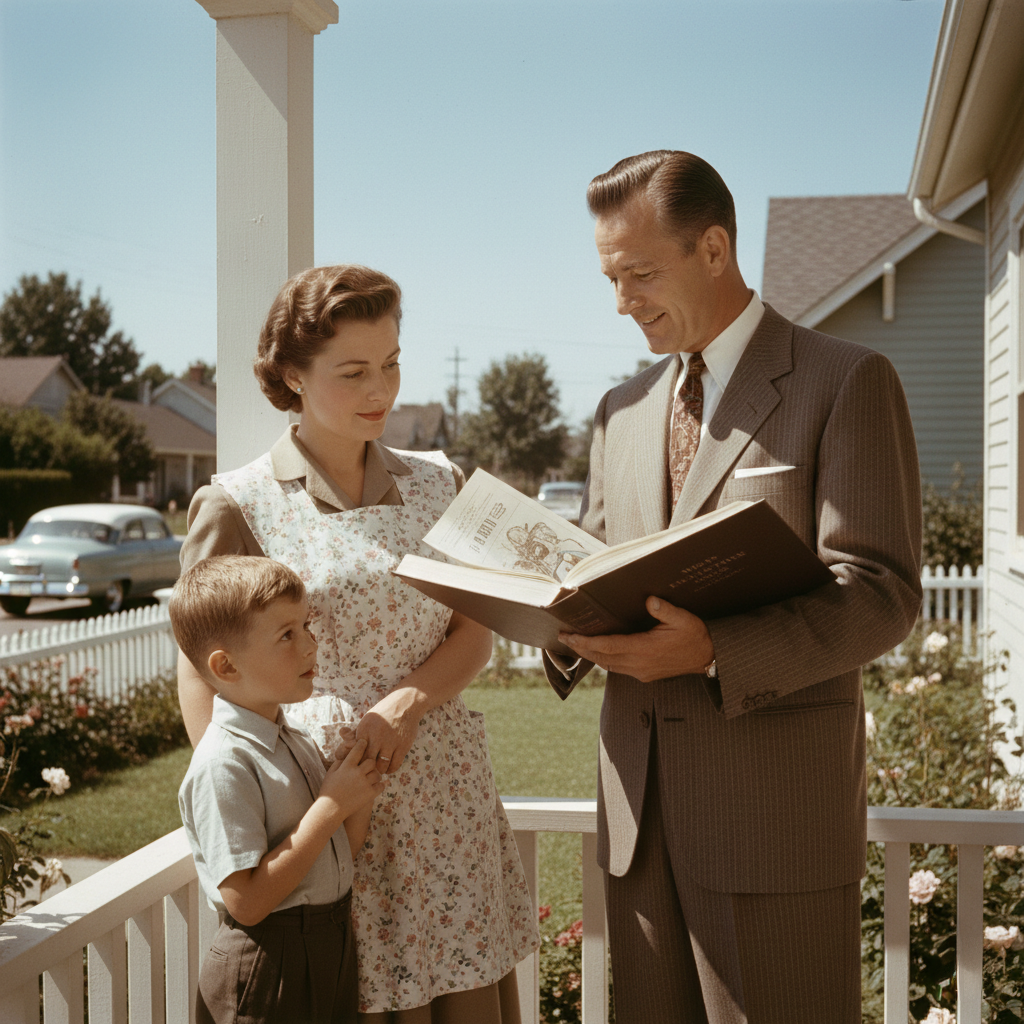 Past · Post-War EraEncyclopedia SalepersonThe Encyclopedia Salesperson was a vital figure in the dissemination of knowledge during the mid-20th century, particularly in the Post-War Era, when families sought to educate their children in an increasingly complex world. These salespeople were often employed by publishing companies that produced encyclopedias, which were considered essential household items. The role involved not only selling books but also acting as a trusted advisor to families, guiding them through the vast array of information available.
Encyclopedia Salespersons would typically visit homes, demonstrating the value of their products through engaging presentations. They would highlight the importance of having a comprehensive reference library, especially in an age where education was becoming more accessible and valued. The sales pitch often included a demonstration of how to find information quickly and effectively, showcasing the encyclopedias as indispensable tools for learning and research.
In addition to selling, these individuals were responsible for maintaining relationships with customers, providing follow-up support, and sometimes even offering additional educational materials. Their work was characterized by a strong emphasis on personal interaction, as they built rapport with families and understood their specific educational needs.
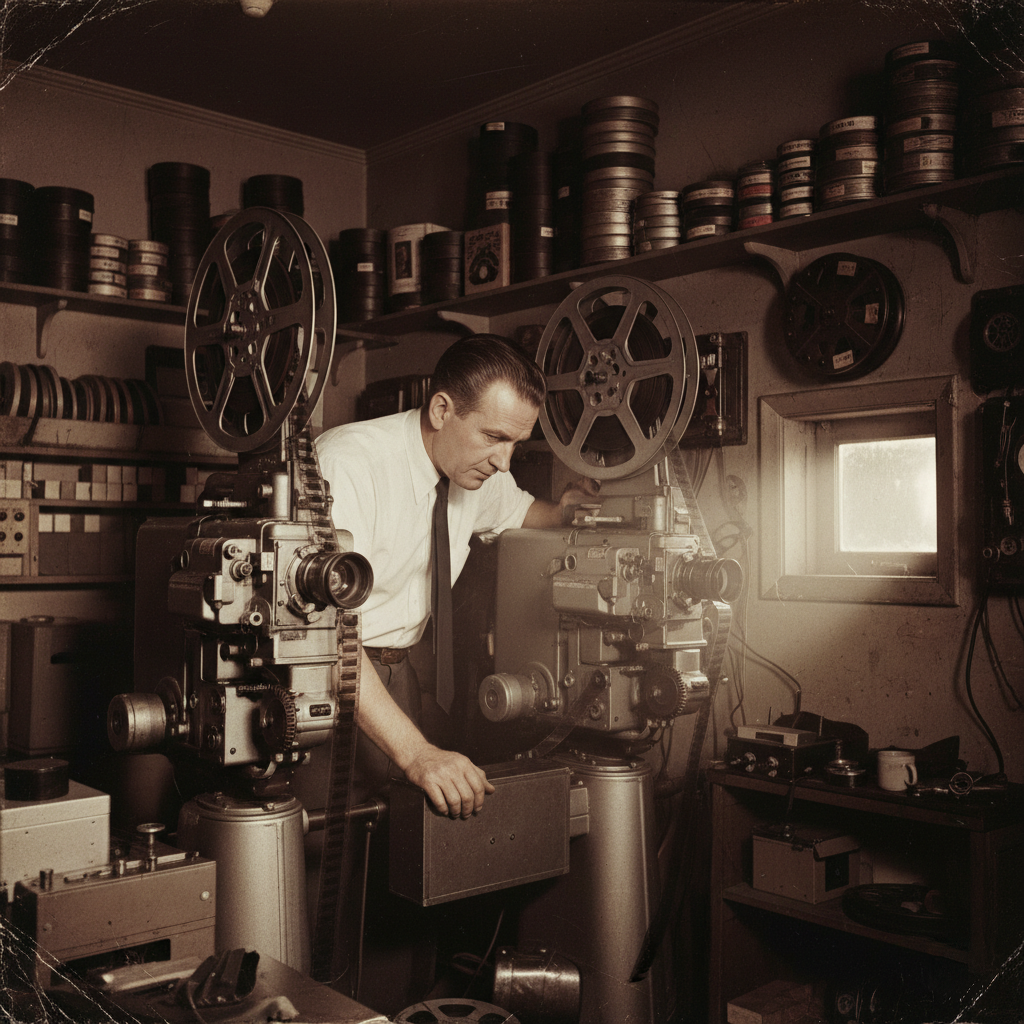 Past · 20th CenturyFilm ProjectionistThe film projectionist was a vital figure in the cinematic experience, responsible for bringing the magic of movies to life on the big screen. This role emerged in the early 20th century, coinciding with the rise of motion pictures as a popular form of entertainment. Projectionists operated complex machinery, ensuring that films were shown correctly and seamlessly to audiences. They were tasked with loading film reels onto projectors, adjusting focus and sound, and managing the intricate mechanics of film projection. The job required a keen eye for detail and a deep understanding of the technology involved, as even a minor error could disrupt the viewing experience. Projectionists often worked in dimly lit theaters, surrounded by the smell of popcorn and the excitement of eager moviegoers. They were the unsung heroes of the cinema, often working late hours and weekends, and were known for their dedication to the craft of film presentation.
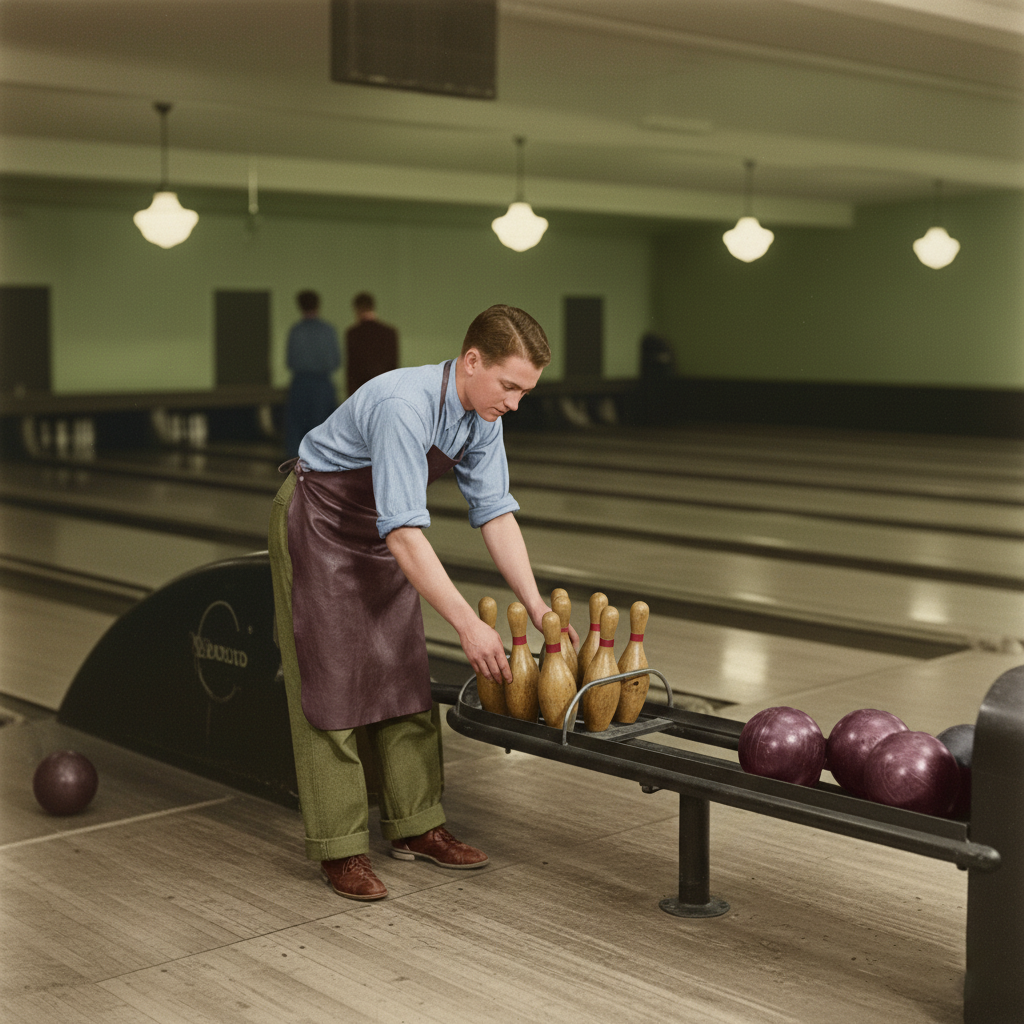 Past · 20th CenturyPinsetterIn the bustling alleys of mid-20th century bowling alleys, the role of the pinsetter was a vital yet often overlooked occupation. Pinsetters were responsible for resetting the bowling pins after each frame, ensuring that the game could continue smoothly. This job required a keen eye and quick reflexes, as the pinsetter had to swiftly and accurately place the pins back in their designated spots while dodging the heavy bowling balls that rolled down the lane.
The pinsetter's work environment was often loud and filled with the sounds of laughter, clattering pins, and the thud of bowling balls. They worked in dimly lit back rooms, often hidden from the view of the bowlers, where they operated a series of levers and pulleys to reset the pins. The job was physically demanding, requiring the pinsetter to be agile and strong enough to handle the heavy equipment used to lift and position the pins.
As bowling grew in popularity during the 1950s and 1960s, the demand for pinsetters increased, making it a common sight in bowling alleys across America. However, the advent of automatic pinsetting machines in the late 1960s marked the beginning of the end for this once-essential role. These machines could reset pins faster and more efficiently than any human, leading to the gradual decline of the pinsetter profession.
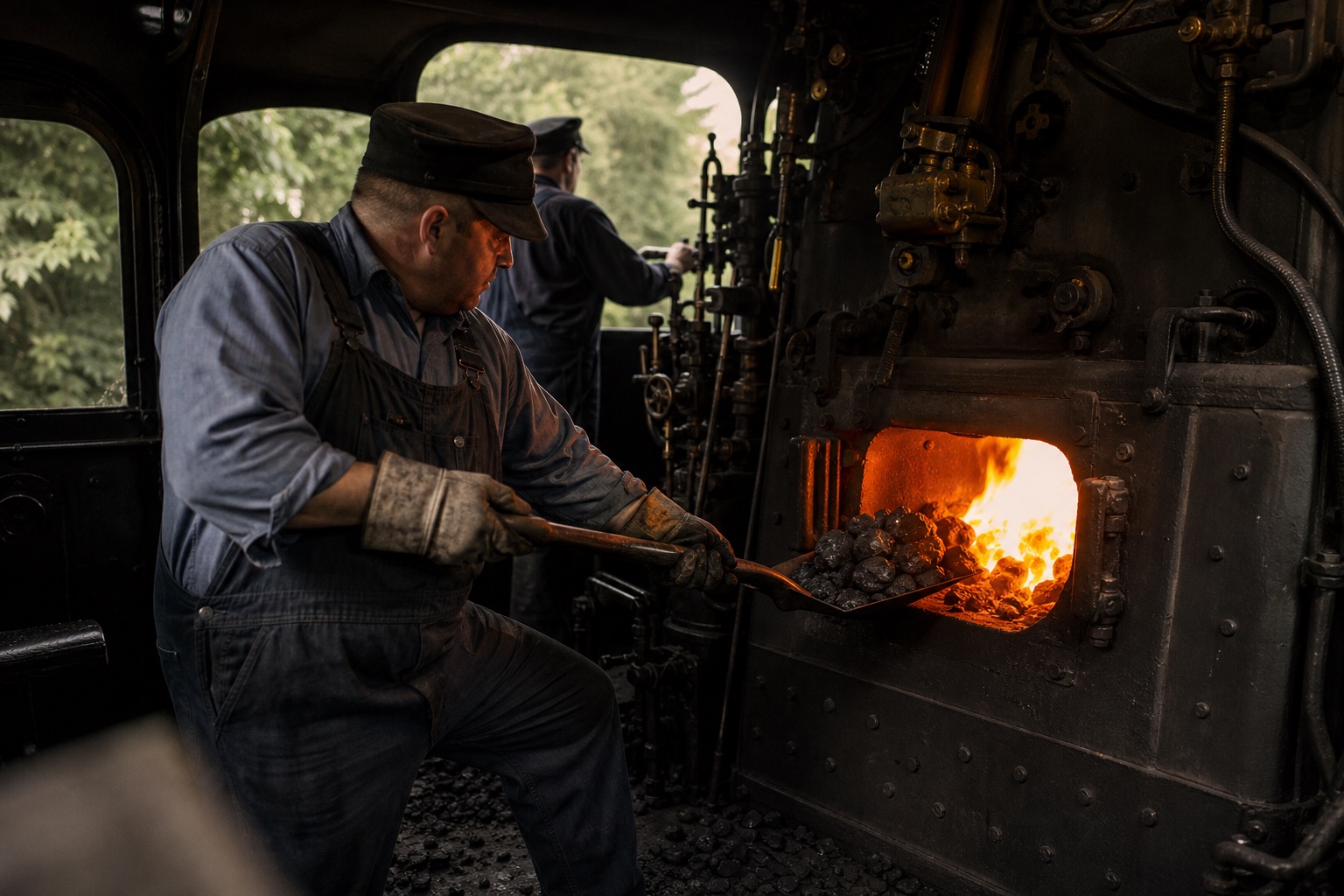 Past · Mid Twentieth CenturyLocomotive FiremanThe locomotive fireman was the second person on a steam engine, the one who fed the fire and watched the boiler while the engineer ran the train. On a coal burner that meant a shovel, a firebox door, and a footplate that punished a lazy fire with falling steam. On an oil burner the feed was a valve and a flame, and the watch on water and pressure remained. The water glass, the injector, and the gauge were his instruments together with the shovel. He was half the engine crew, not a passenger and not a shed cleaner.
This exhibit is that steam fireman. American roads dieselized through the 1940s and 1950s and had largely finished with main-line steam by the early 1960s. British Rail ran its last main-line steam in 1968. Some agreements kept a second person on diesel crews afterward, and that helper did not feed a fire or mind a boiler. The label stops where the fire stops. Yard switchers and branch engines used the same watch on the glass.
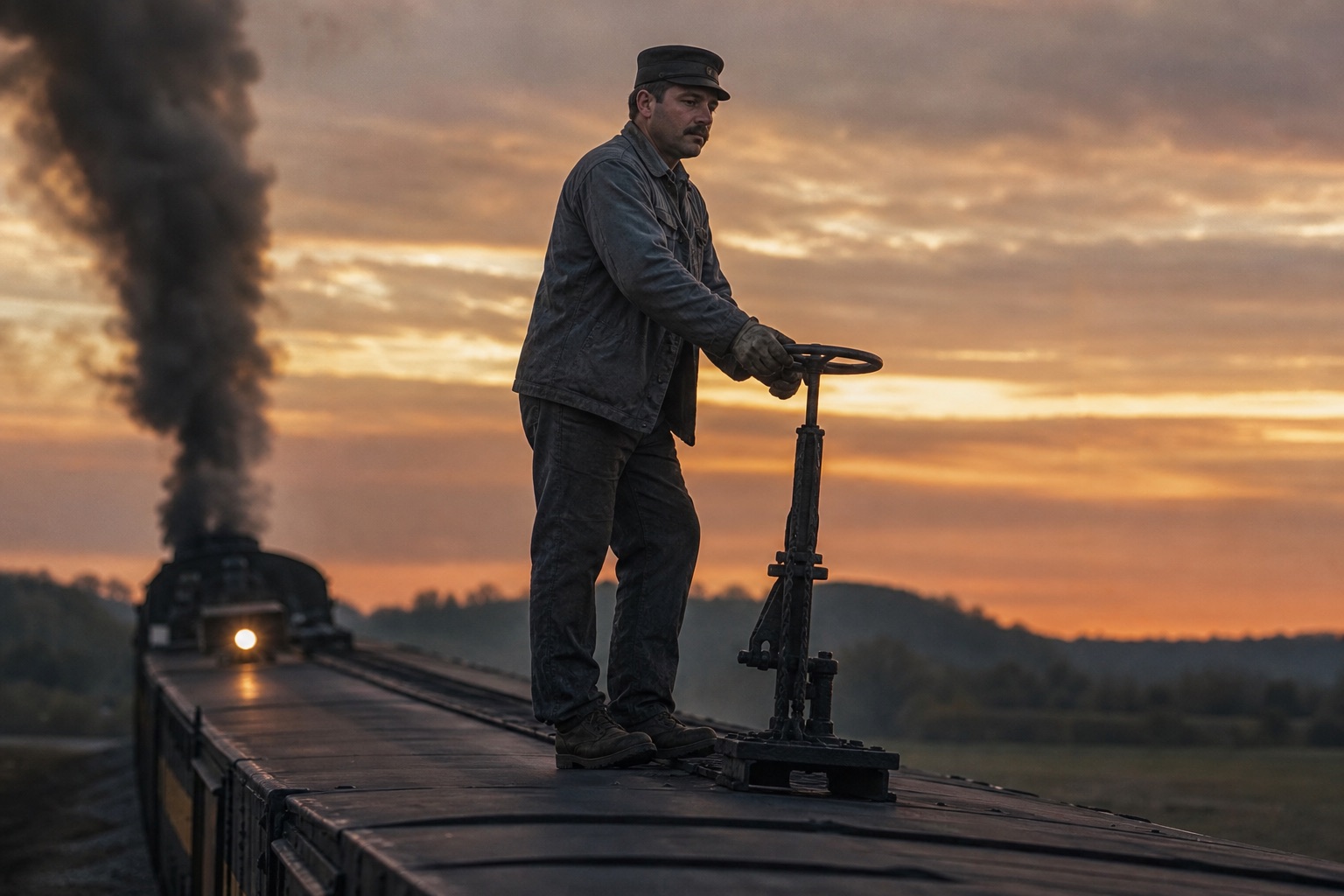 Past · Mid Twentieth CenturyBrakemanThe brakeman in this exhibit is the American railroad man who coupled cars and set brakes from the roof and from the ground, before air brakes and during the long years when they were still spreading. With link and pin he went in between the cars. With a hand brake he climbed to the running board and wound wheels while the train moved. A lantern and a brake club were ordinary kit, and the caboose was his base once the train was on the road. The Westinghouse air brake and the automatic knuckle coupler, pressed by federal safety law in the 1890s, reduced that roof walk without retiring the craft.
Local freights and yards still needed him on the ground for decades after the roofs grew quieter. Radio and diesel road practice ended the classic form of the job. A later conductor carrying a radio was not a man on car tops in the weather. The danger of the older method was severe enough to write safety law, and it can be stated honestly without a list of injuries. This label is United States practice: roof, pin, and ground.
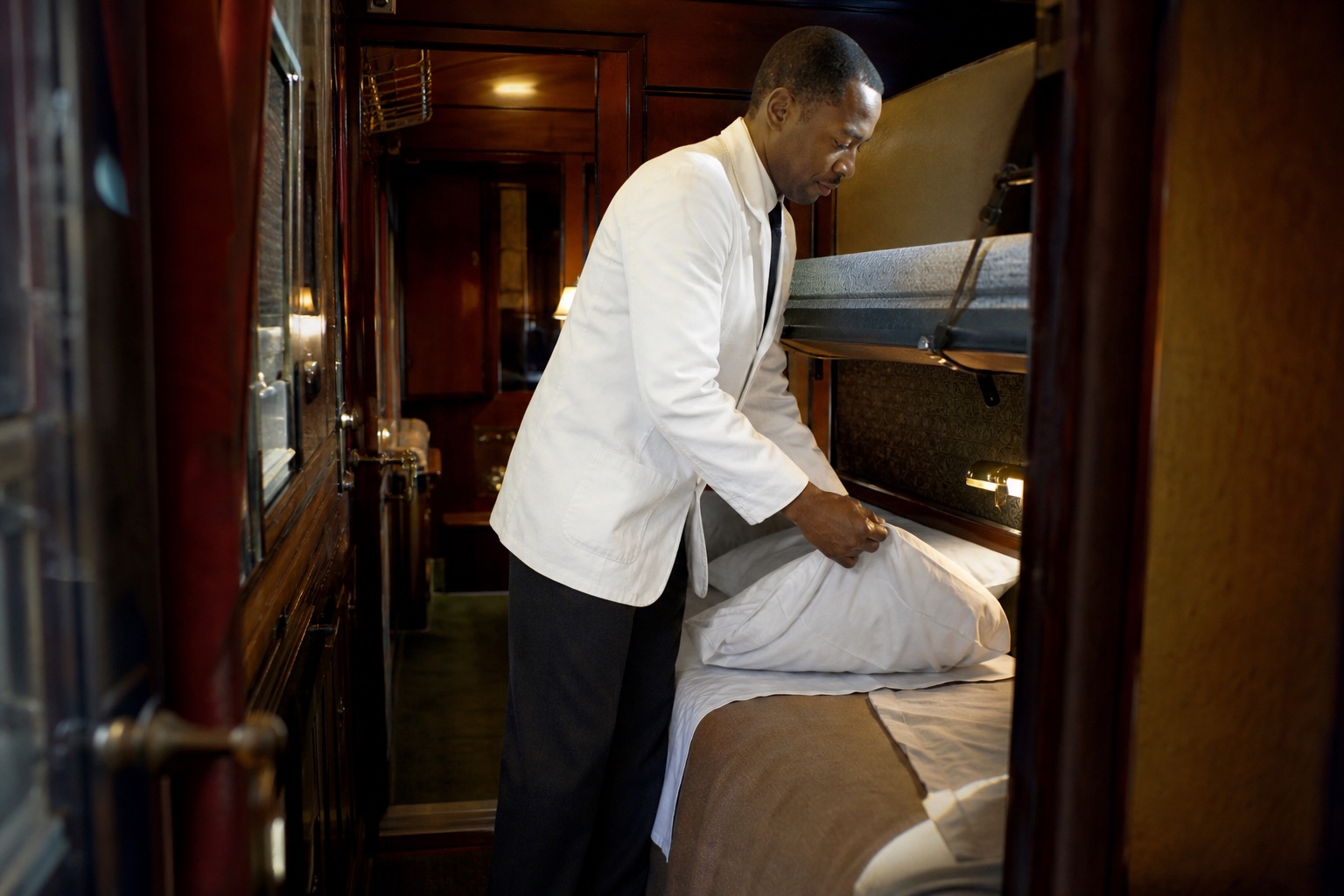 Past · Mid Twentieth CenturyPullman PorterA Pullman porter was the attendant on a Pullman sleeping car in the United States. He made up berths, kept the linen and the car, handled luggage, woke passengers, and stayed with the trip for as long as the schedule ran. The company hired Black men for the post by policy, and the work became one of the best-known service jobs in Black America: skilled, public, and tightly ruled. Tips were not a charming extra. They were a large part of pay because the wage was kept low, and the men who did the work named that arrangement as a grievance.
Philip Randolph and the Brotherhood of Sleeping Car Porters, founded in 1925 and recognized in 1937, made dignity and the wage a contract. Maids on some cars, often Black women, were a separate grade, and this label does not fold them into the porter's title. Overnight trains then thinned. After Pullman's operating business was separated from manufacturing, the cars passed toward the railroads and were gone from most roads by the late 1960s. The exhibit speaks of the porter in plain speech, without a borrowed dialect.
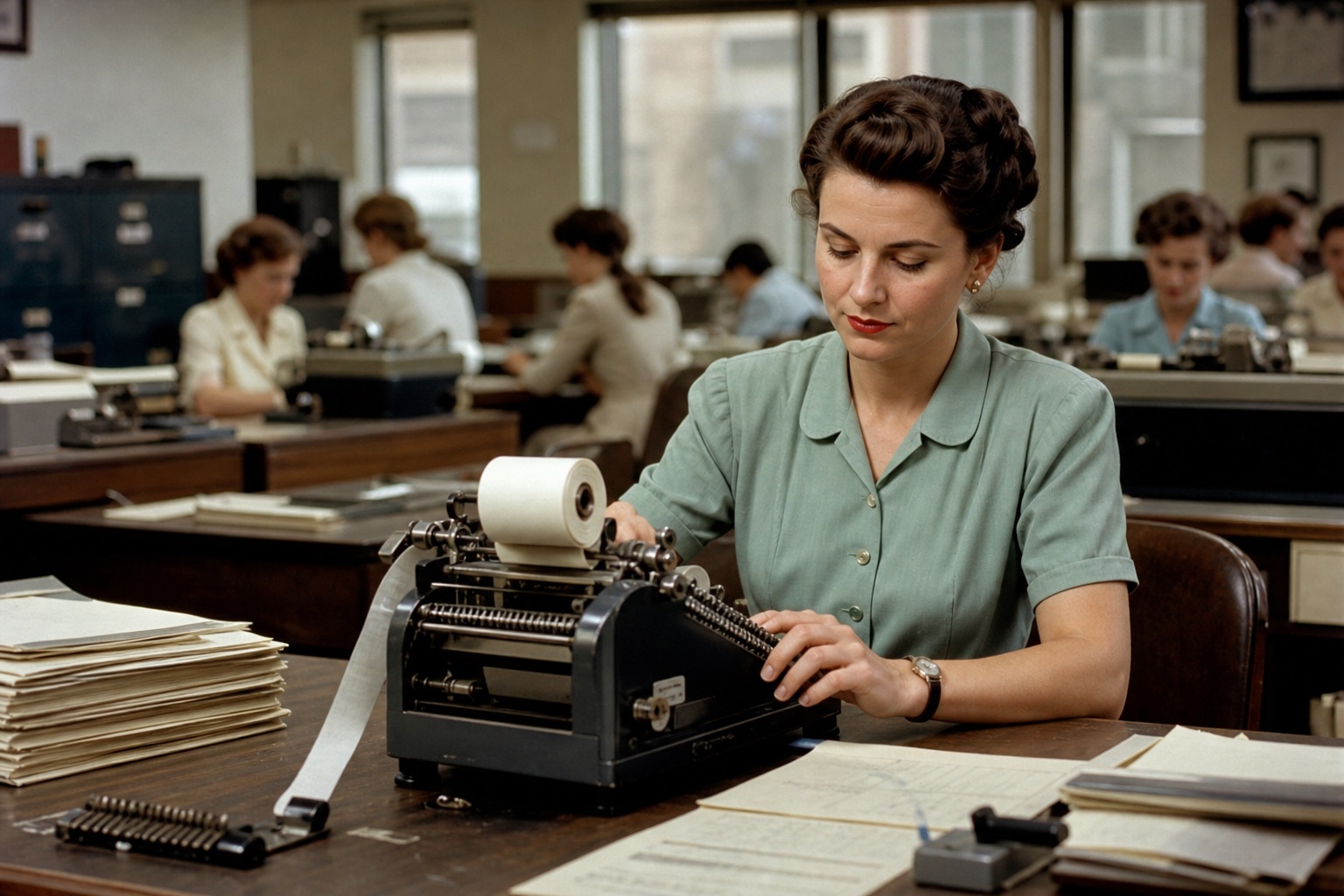 Past · Mid Twentieth CenturyComptometer OperatorA comptometer operator ran a Felt comptometer, the key-driven adding machine Dorr E. Felt brought out in 1887. Unlike a crank adder, it let several keys in a column go down together, so a trained hand could enter a number in one stroke. Banks, billing offices, railroads, and insurance rooms hired people, mostly women, to add and extend figures for hours at that keyboard. Operator schools taught the touch and certified speed. The product was a total the bookkeeper could trust, not a printed page of prose.
The machine's long life makes the job look Victorian at the start, and the honest center of the exhibit is the twentieth-century office, ending when electronic calculators and computers took the columns in the 1960s and 1970s. A comptometer bureau might sell the labor by the batch. An in-house operator sat beside the ledgers she fed. Either way the skill was in the hands, and it did not survive the cheap electronic key.
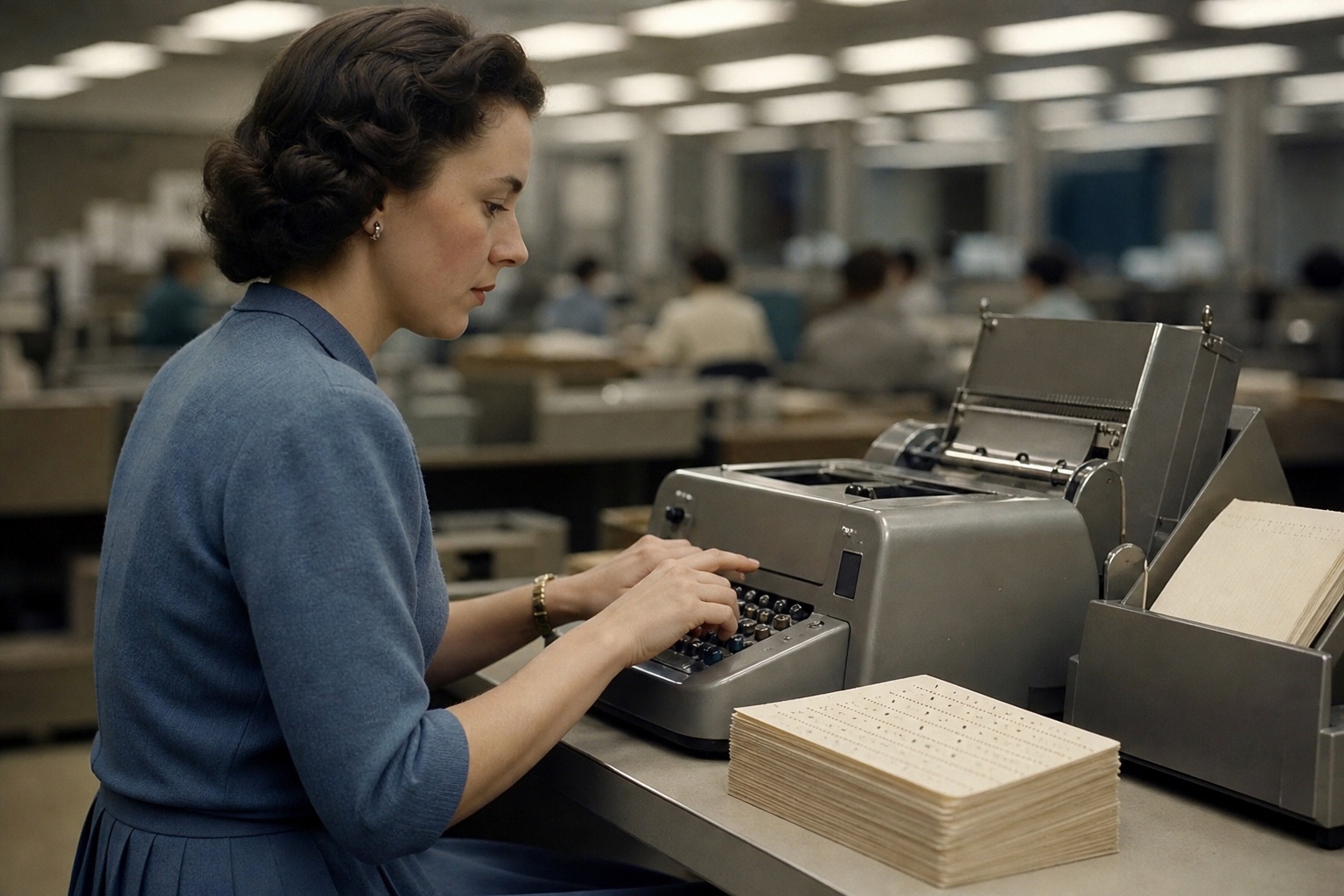 Past · Mid Twentieth CenturyKeypunch OperatorA keypunch operator turned source documents into Hollerith and later IBM cards by striking a punch, one character to a column, until a deck existed that a machine room could read. The mid-century room was often a floor of the same gray machines, program drums skipping fields the operator should not retype, hoppers of blank cards on one side and finished decks on the other. A second person at a verifier rekeyed to catch errors. The work flourished when payrolls, policies, censuses, and bills all had to become cards before a computer would accept them.
The operators were mostly women, and the job is a mid-twentieth-century mass occupation rather than a nineteenth-century curiosity. It thinned when key-to-disk machines, terminals, and direct data entry in the 1970s and 1980s let the same facts go into a system without a card. The exhibit is that punch room: the sheet, the keyboard, the deck, and the sound.
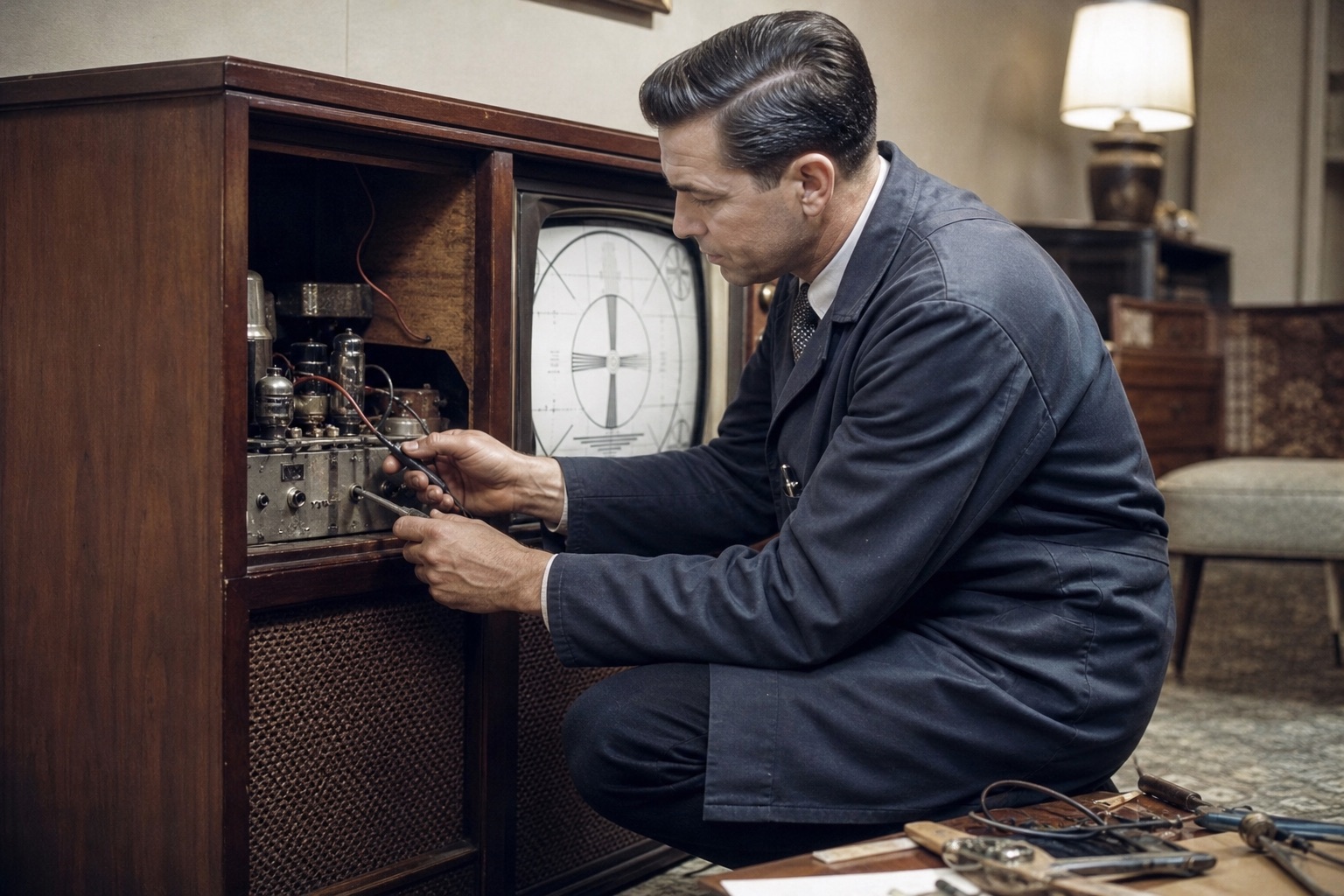 Past · Mid Twentieth CenturyTelevision RepairmanA television repairman made house calls on vacuum-tube sets in the years when a receiver was expensive enough to mend. He arrived with a caddy of common tubes, pulled the back, and tested the likely suspects, sometimes after the owner had already tried a drugstore tube checker and failed. Schematics, the Photofact kind above all, told him the chassis. If the fault was not a tube, the set might go to the shop. If it was, he replaced it in the living room and adjusted the picture before he left.
The exhibit is that mid-century visit, not every later person who swaps a board. Solid-state chassis, modular construction, and sets cheap enough to replace rather than repair ended the call. High voltage at the picture tube was a real property of the work and is named here calmly. The man with the caddy is the subject, and the glowing set is the thing he was hired to keep in the house each evening.