

Trade
Office and ritual
Parish, court, and prison jobs whose tool was a right to be present.
A beadle, a crier, a whipper of dogs, a groom of the stool. The work ended when the institution changed its ceremony, not when a machine arrived.
In this trade
14
- Past · Medieval PeriodBeadleThe beadle was a vital figure in medieval communities, serving as a parish officer responsible for maintaining order and overseeing various administrative tasks within the church and local governance. Often seen as the right hand of the clergy, beadles were tasked with a variety of duties that included calling parishioners to worship, managing church property, and ensuring that the rules of the church were upheld. They played a crucial role in the social fabric of their communities, acting as a liaison between the church and the public, and were often the first point of contact for those seeking assistance or guidance from the church. The beadle's presence was marked by their distinctive attire, often a black gown or robe, which signified their authority and role within the ecclesiastical hierarchy.
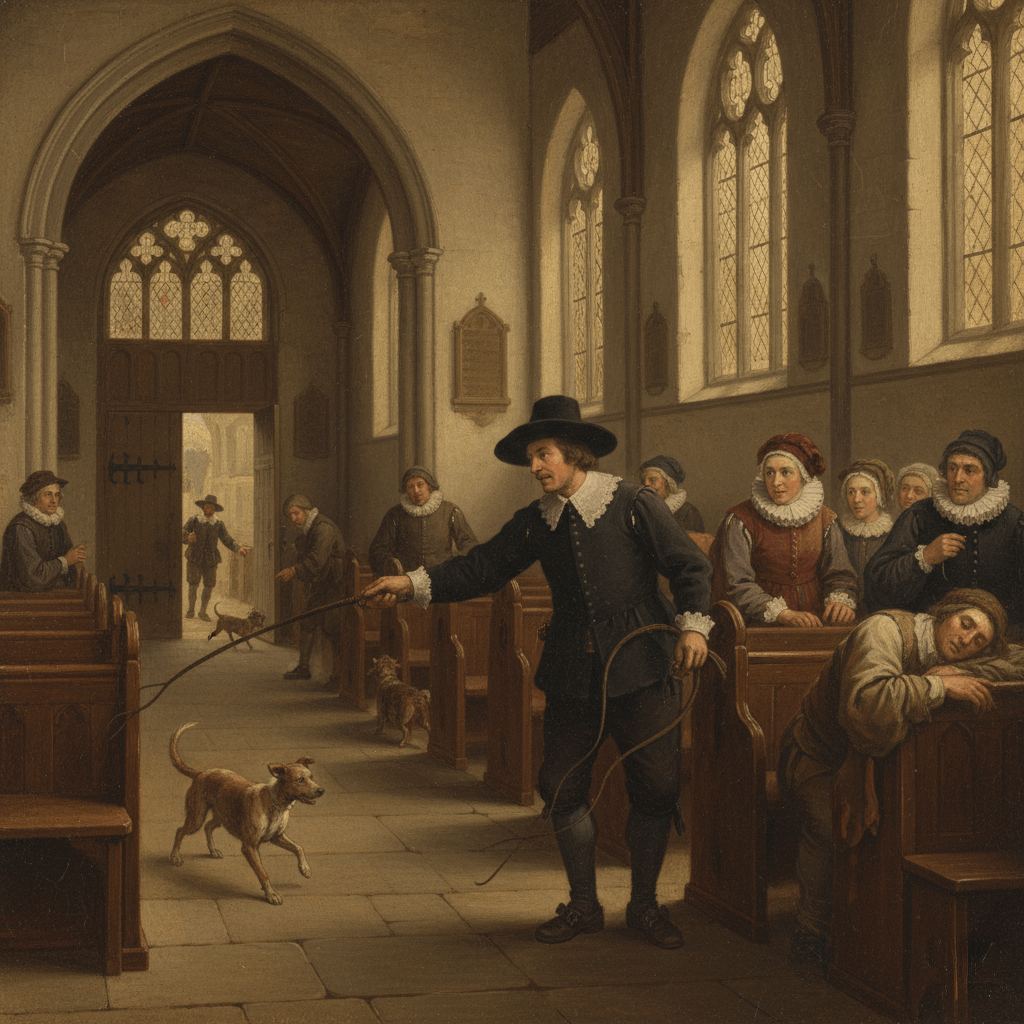 Past · Victorian EraDog WhipperThe role of a Dog Whipper was a unique and somewhat peculiar occupation that emerged in the Victorian Era, primarily in England. These individuals were employed by churches and public spaces to manage the presence of dogs, particularly during services or public gatherings. The Dog Whipper's primary responsibility was to ensure that dogs did not disrupt the sanctity of worship or the decorum of public events. Armed with a long whip or a stick, the Dog Whipper would patrol the vicinity, ready to shoo away any canine that dared to intrude upon the sacred space. This role was not merely about discipline; it was also about maintaining order and cleanliness in an era when urbanization was on the rise, and the presence of stray dogs was becoming increasingly common.
The Dog Whipper was often seen as a necessary figure, especially in rural areas where dogs roamed freely. Their presence was a deterrent to mischief, and they played a part in the broader social fabric of the time, reflecting the Victorian values of propriety and decorum. The job was often a part-time position, sometimes held by a church sexton or a caretaker, and it required a certain level of authority and assertiveness to effectively manage both the dogs and their owners.
As cities grew and societal norms evolved, the need for such a position diminished. The rise of animal welfare movements and changes in public attitudes towards pets led to a decline in the acceptance of such practices. By the early 20th century, the role of the Dog Whipper had largely faded into obscurity, replaced by more humane approaches to animal management.
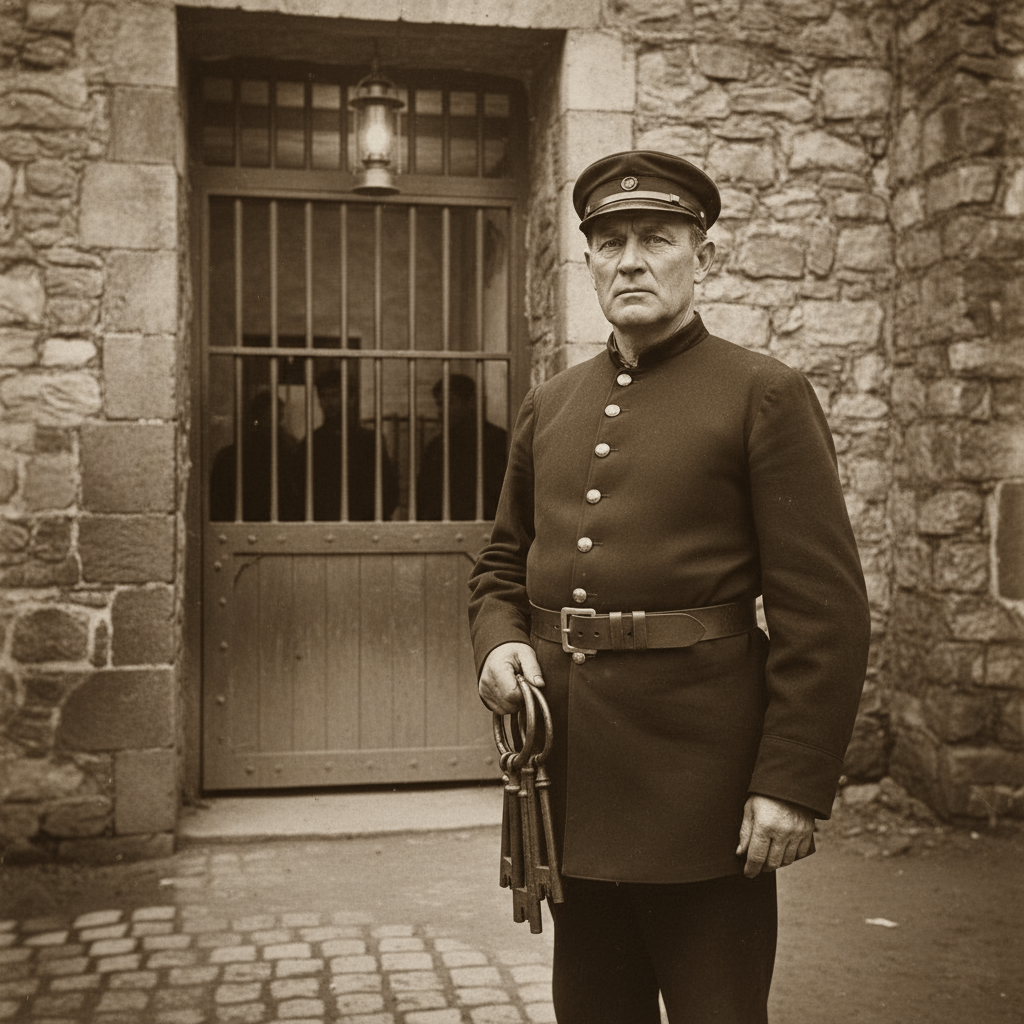 Past · Victorian EraTurnkeyThe role of a turnkey was pivotal in the management of prisons and correctional facilities during the Victorian Era, a time marked by significant social reform and a burgeoning interest in criminal justice. A turnkey was essentially a custodian of the prison, responsible for the daily oversight of inmates and the maintenance of order within the facility. This position required a unique blend of authority, vigilance, and interpersonal skills, as turnkeys were often the first line of contact between the inmates and the outside world. They were tasked with ensuring that the rules of the prison were followed, which included monitoring inmate behavior, conducting headcounts, and facilitating the daily routines of the prisoners, such as meals and exercise.
Turnkeys also played a crucial role in the rehabilitation process, as they were often involved in the educational and vocational programs offered to inmates. Their interactions could significantly influence the inmates' experiences and outcomes, making their role both challenging and impactful. The job was not without its dangers; turnkeys had to navigate the complexities of inmate relationships and the potential for violence, requiring them to maintain a firm yet fair demeanor.
As the Victorian Era progressed, the role of the turnkey began to evolve, reflecting broader changes in societal attitudes towards crime and punishment. The introduction of more structured prison systems and the rise of professional correctional officers began to overshadow the traditional turnkey role, leading to its gradual decline.
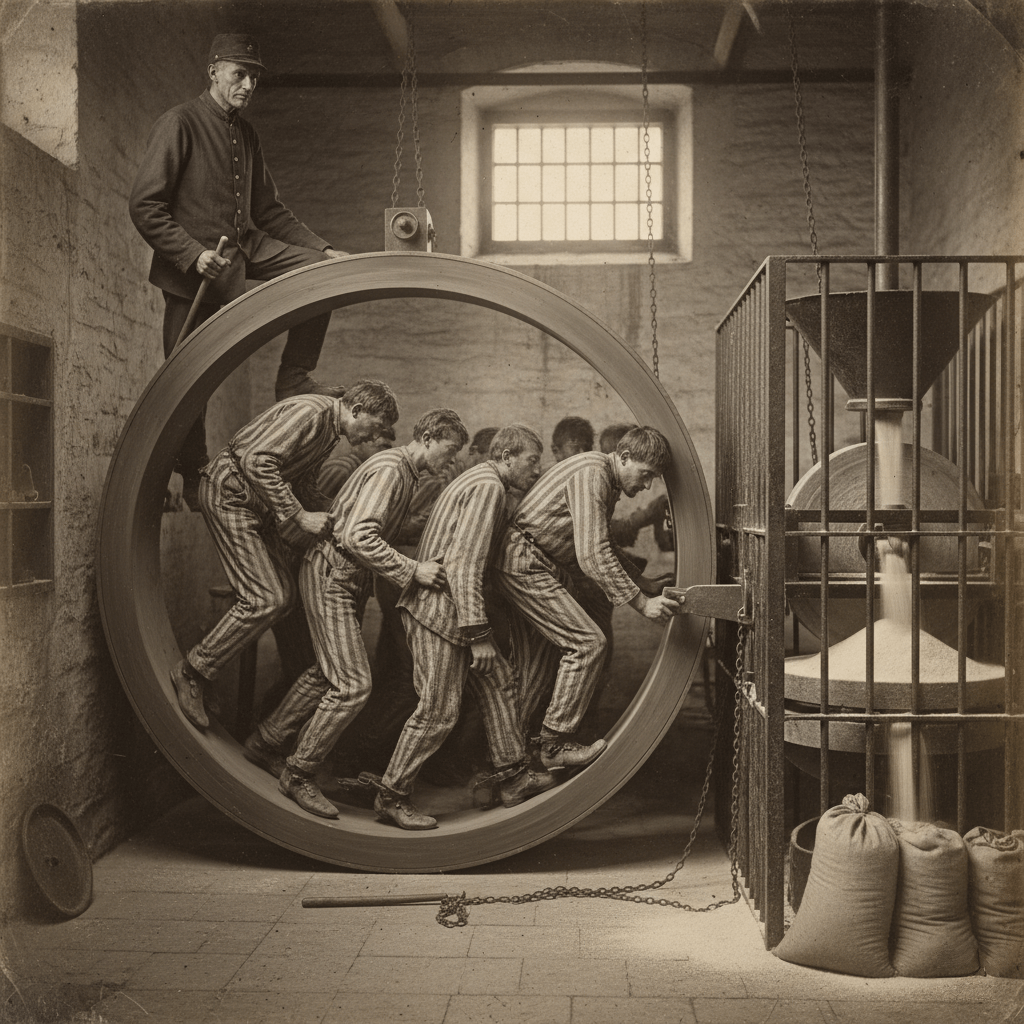 Past · Victorian EraPrison Treadmill OperatorThe role of a Prison Treadmill Operator emerged during the Victorian Era, a time marked by significant social reform and the evolution of penal systems. The treadmill, a large, rotating wheel powered by human effort, was introduced as a means of punishment and labor for inmates. Prison Treadmill Operators were responsible for overseeing the operation of these devices, which were often used to grind grain or pump water, effectively turning the physical exertion of prisoners into productive labor. This job was not only about managing the machinery but also about maintaining order among the inmates, ensuring that they adhered to the strict routines imposed by the prison system. The treadmill was a symbol of the harsh realities of Victorian penal reform, reflecting the era's belief in hard labor as a means of rehabilitation and punishment.
Operators had to be vigilant, as the treadmill could be dangerous; prisoners could easily fall or injure themselves if not properly supervised. The role required a firm hand and an understanding of the psychological dynamics at play within the prison environment. The treadmill was often seen as a form of cruel and unusual punishment, leading to debates about the ethics of such labor practices. As the 19th century progressed, the treadmill fell out of favor, replaced by more humane forms of punishment and rehabilitation, leading to the eventual extinction of the role of the Prison Treadmill Operator.
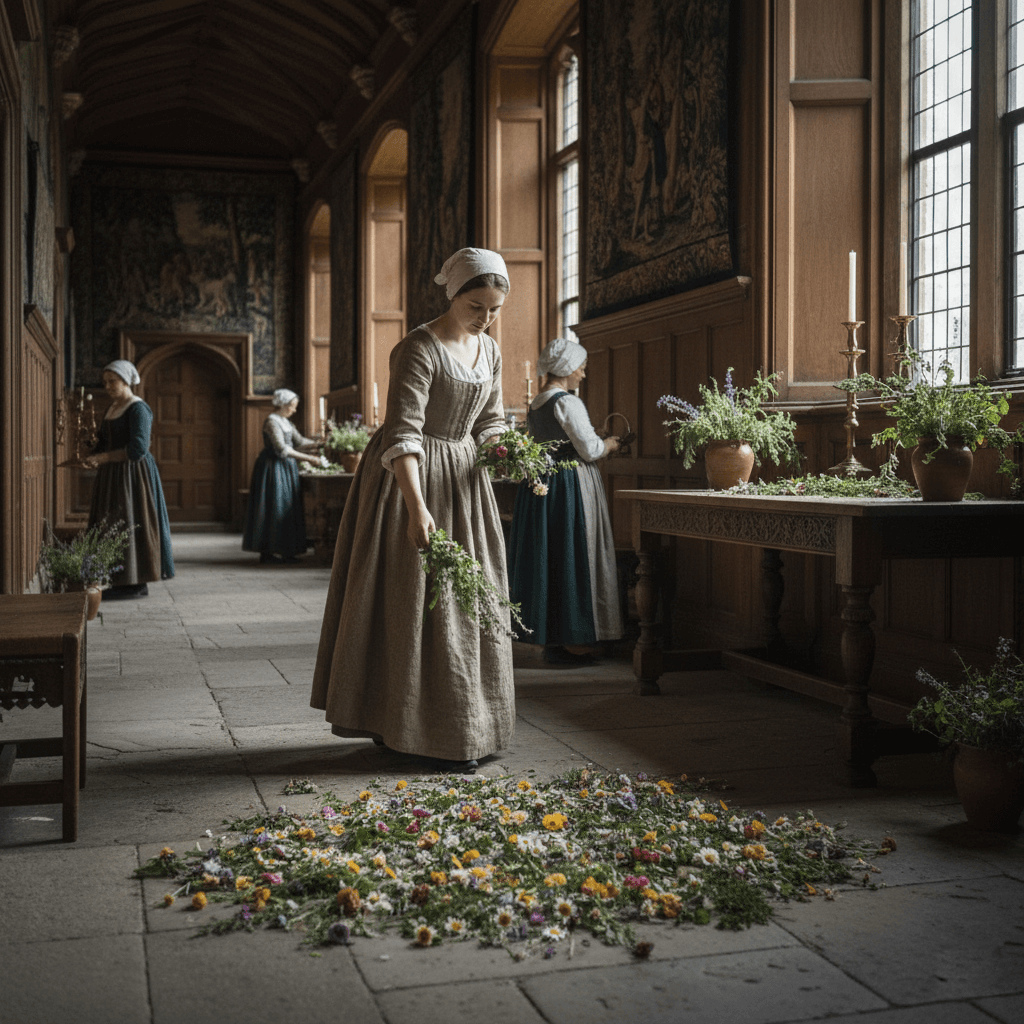 Past · Medieval PeriodHerb StrewerThe role of the Herb Strewer was a vital one in medieval society, particularly during the 12th to 15th centuries. These individuals were responsible for the cultivation, harvesting, and distribution of herbs, which were essential for culinary, medicinal, and ceremonial purposes. Herb Strewers played a crucial role in the daily lives of people, as herbs were used not only to flavor food but also to treat ailments and ward off diseases. They often worked closely with apothecaries and healers, providing them with the necessary ingredients for remedies and potions.
Herb Strewers were typically found in rural areas, where they cultivated their herbs in small gardens or plots. They had extensive knowledge of various plant species, understanding their properties and uses. This knowledge was often passed down through generations, making them respected figures in their communities. The herbs they grew included common varieties such as thyme, rosemary, sage, and mint, as well as more exotic plants that were traded or brought back from the Crusades.
In addition to cultivation, Herb Strewers were also responsible for preparing herbs for sale or use. This included drying, grinding, and packaging herbs, which required careful attention to detail to preserve their potency. They often sold their wares at local markets or to apothecaries, contributing to the local economy and ensuring that their communities had access to essential herbal products.
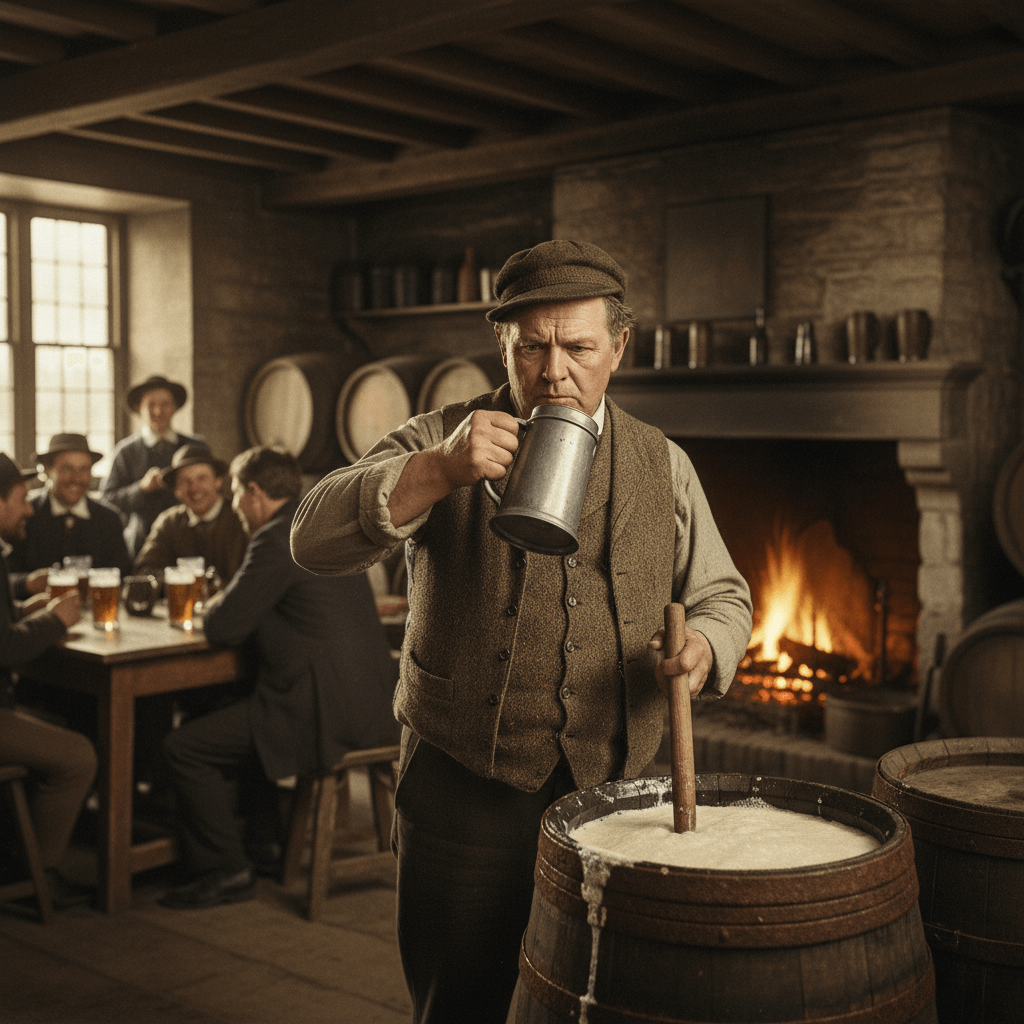 Past · Medieval PeriodAle ConnerThe role of the Ale Conner was a vital one in medieval society, particularly in England, where ale was a staple beverage. Tasked with ensuring the quality of ale produced by local brewers, the Ale Conner acted as a guardian of public health and consumer rights. This position was often held by a local official or a member of the community who had the authority to inspect and taste ale before it was sold to the public. The Ale Conner would assess the ale for its strength, flavor, and overall quality, ensuring that it met the standards set by local regulations. If the ale was found to be subpar, the Ale Conner had the power to condemn it, preventing it from being sold and protecting the community from potential harm.
In addition to quality control, the Ale Conner also played a role in the regulation of prices, ensuring that brewers did not exploit consumers by charging exorbitant rates for inferior products. This position was essential in maintaining the integrity of the ale market, which was a significant part of daily life in medieval towns and villages. The Ale Conner's work was not only about quality but also about fairness in trade, reflecting the communal values of the time.
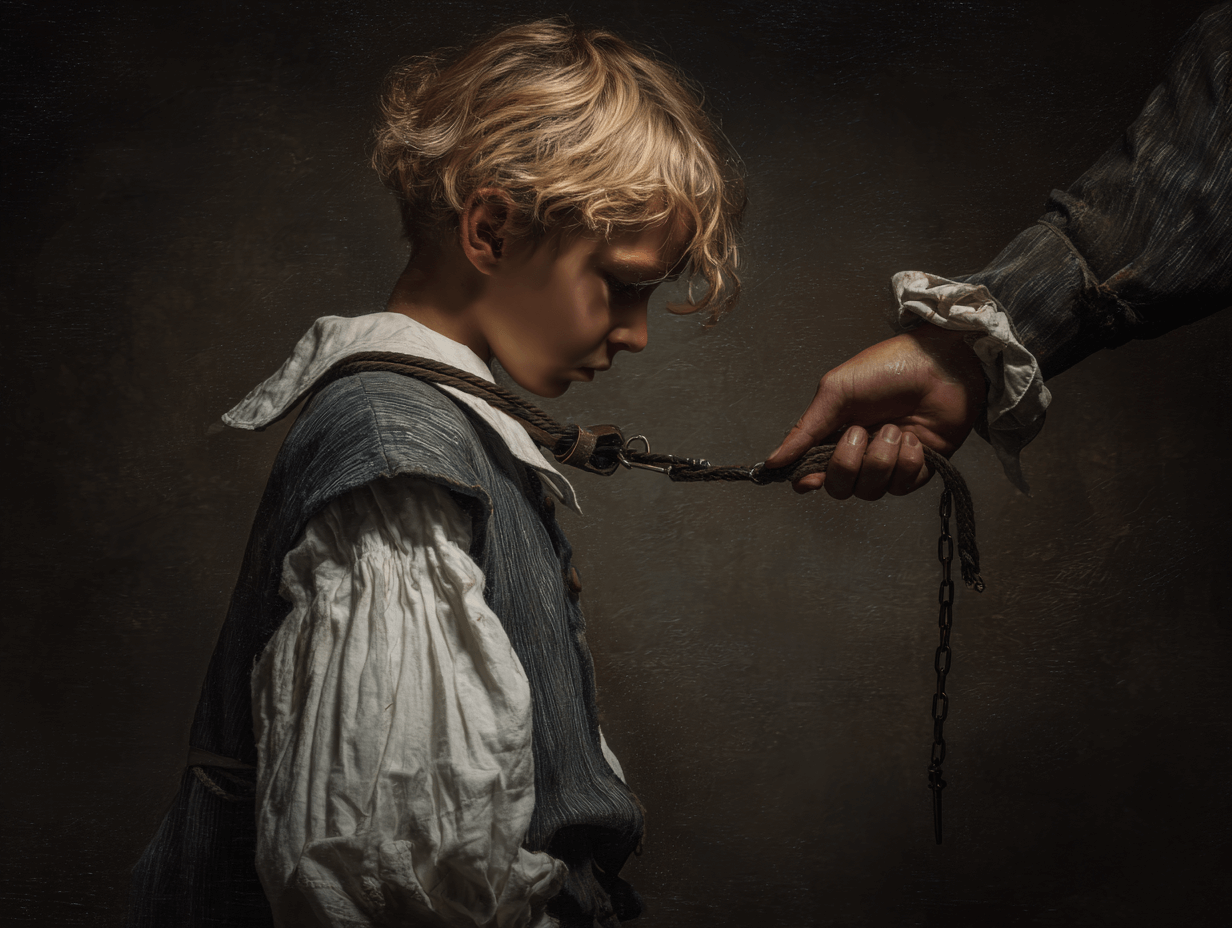 Past · Medieval PeriodWhipping BoyThe role of a whipping boy was a peculiar and often misunderstood position in the royal courts of Europe, particularly during the 15th to 17th centuries. A whipping boy was a young boy, often of noble birth, who was assigned to a prince or young nobleman. The unique aspect of this role was that the whipping boy would receive punishment on behalf of the prince when the latter misbehaved or failed to meet educational expectations. This practice stemmed from the belief that it was inappropriate to physically punish a royal child, so the whipping boy served as a surrogate for discipline.
The relationship between the prince and his whipping boy was complex; while the whipping boy was subjected to physical punishment, he often enjoyed privileges and a close bond with the prince, sharing in the education and courtly life. This role was not merely one of suffering; it involved companionship, loyalty, and sometimes even friendship, as the boys grew up together in the opulent yet demanding environment of the court.
The whipping boy's existence highlights the social hierarchies and educational practices of the time, where the nobility sought to instill discipline and responsibility in their heirs without tarnishing their royal status. The role was a reflection of the era's values, where physical punishment was a common method of discipline, yet the nobility sought to protect their own from such indignities.
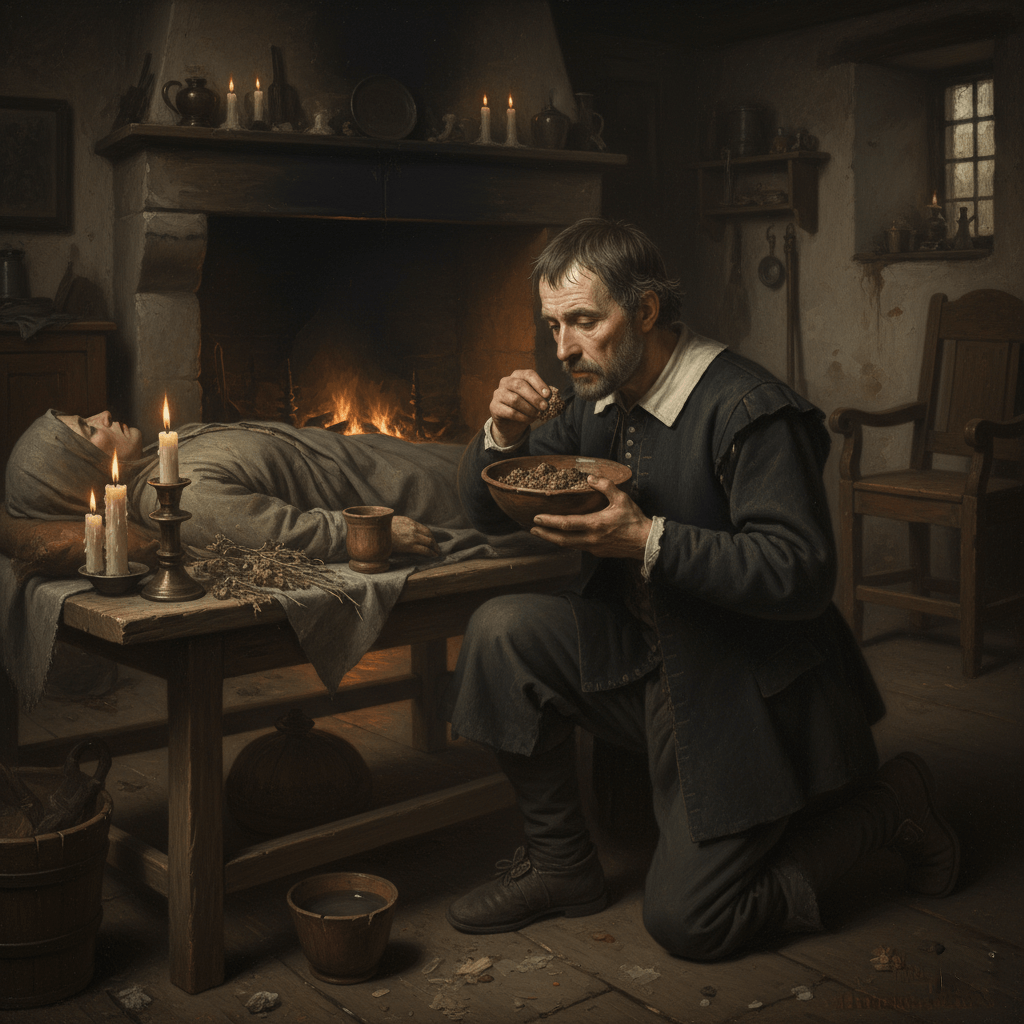 Past · Medieval PeriodSin EaterThe role of the Sin Eater was a unique and somber occupation that emerged in medieval Europe, particularly in England and Wales, during the 11th to 19th centuries. Sin Eaters were individuals who performed a ritualistic act of consuming food, often bread and ale, placed on the body of a deceased person. This act was believed to absolve the deceased of their sins, allowing their soul to ascend to heaven. The Sin Eater was often a marginalized figure, sometimes a beggar or outcast, who took on this role for a small fee or in exchange for food. The practice was steeped in superstition and reflected the deep-seated beliefs about sin, guilt, and the afterlife prevalent in medieval society.
The Sin Eater's work was not merely a job; it was a profound engagement with the community's spiritual beliefs. Families would hire a Sin Eater to ensure that their loved ones could pass into the afterlife unburdened by sin. This role was particularly significant in times of plague or death, when the community was desperate for solace and closure. The Sin Eater's presence at funerals was often met with a mix of reverence and fear, as they were seen as both a necessary part of the grieving process and a reminder of the community's own mortality.
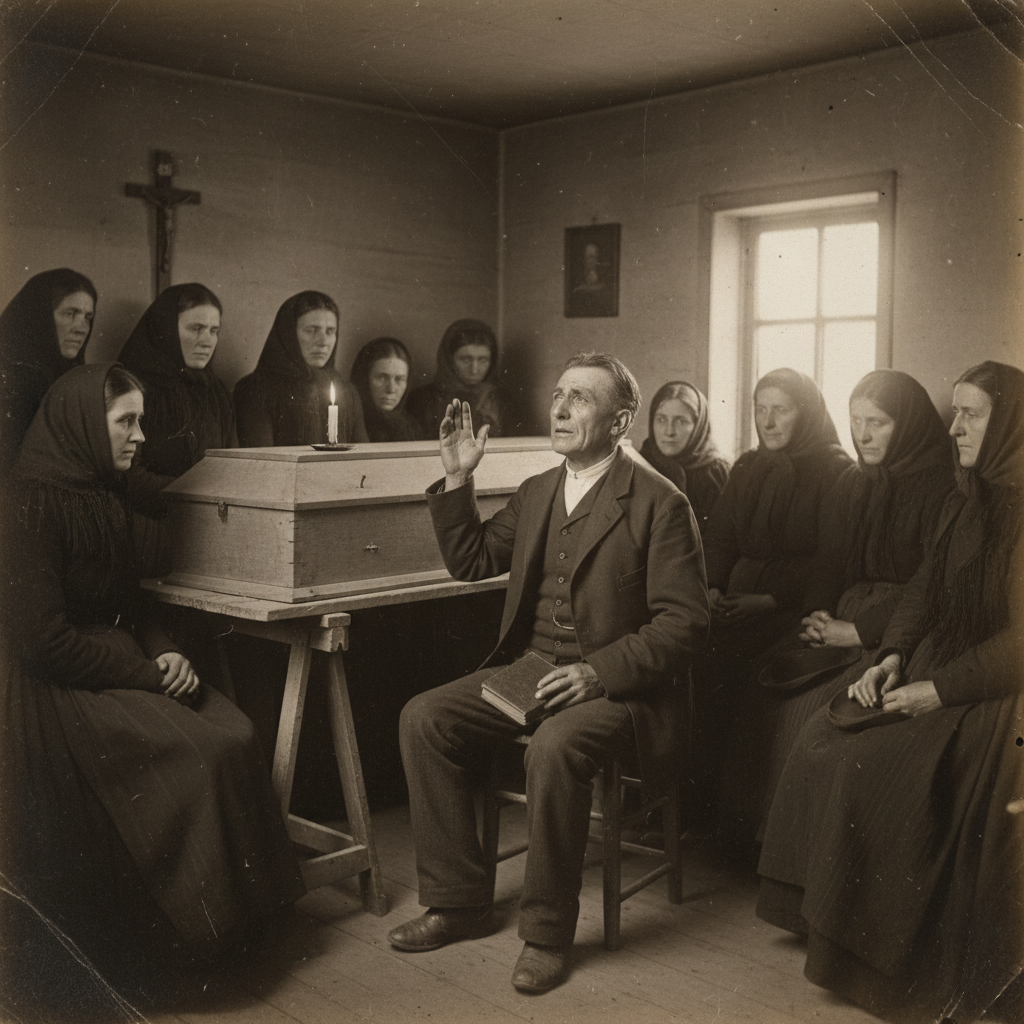 Past · Victorian EraMoirologistThe moirologist, a term derived from the Greek word 'moirologia' meaning 'to lament,' was a specialized profession that emerged during the Victorian Era, particularly in the 19th century. These individuals were skilled mourners, often hired to express grief at funerals and memorial services. Their role was to provide a public display of sorrow, which was considered an essential part of the mourning process in a society that placed great emphasis on the rituals surrounding death. Moirologists were often women, who would don black attire and engage in elaborate displays of mourning, including weeping, wailing, and reciting elegies or poems that honored the deceased. Their presence was thought to enhance the emotional atmosphere of the funeral, allowing the bereaved family to feel supported in their grief.
In addition to their emotional labor, moirologists were also expected to have a deep understanding of the customs and traditions surrounding death, including the appropriate attire, behavior, and rituals that were expected in various social contexts. They often worked alongside funeral directors and were an integral part of the mourning culture of the time, which was characterized by elaborate funerals and a public display of grief.
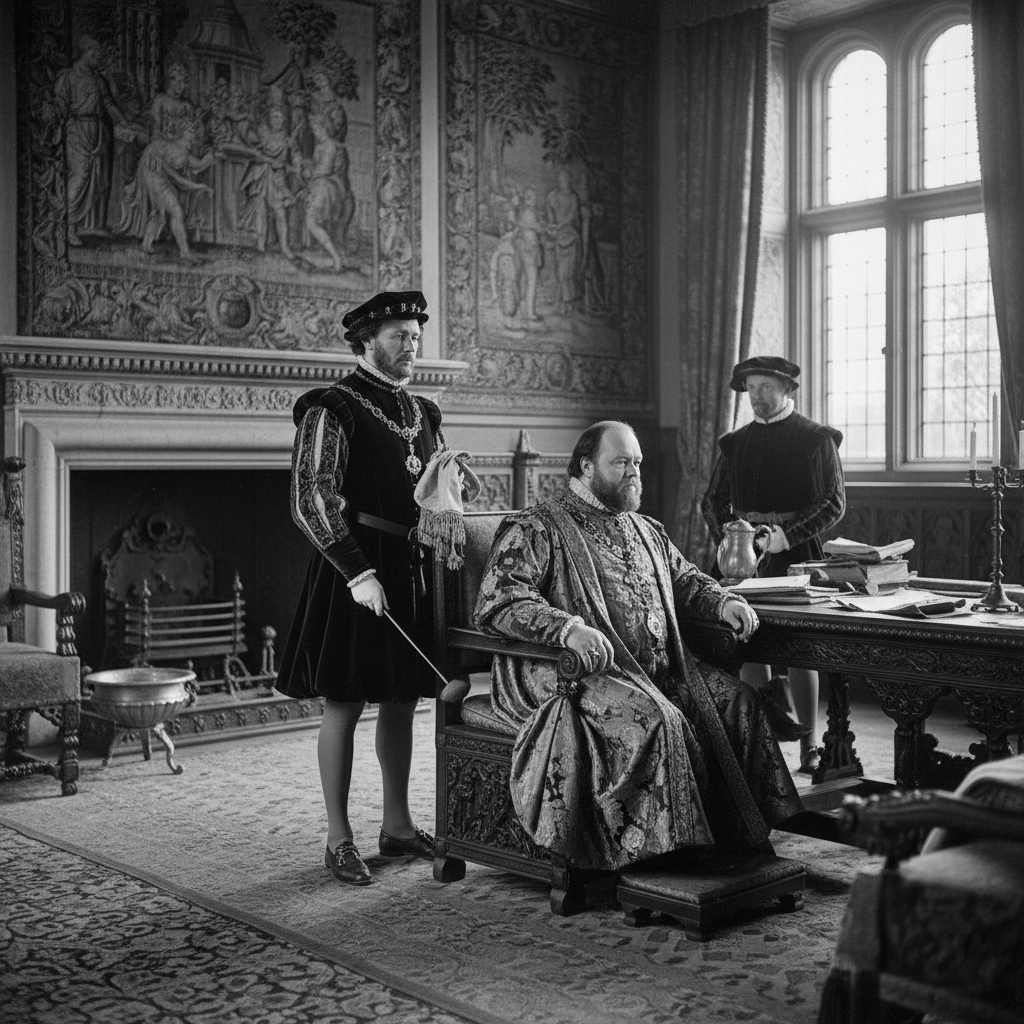 Past · Tudor PeriodGroom of The StoolThe Groom of the Stool was a highly esteemed position in the royal court of England, particularly during the Tudor period, which spanned from the late 15th century to the early 17th century. This role was not merely one of menial service; it was a position of significant trust and intimacy, as the Groom was responsible for the personal hygiene and comfort of the monarch, specifically in relation to the royal toilet. The Groom's duties included the preparation of the necessary tools for the king's ablutions, ensuring the cleanliness of the royal chamber, and even assisting the monarch during the act itself. This role was often filled by individuals of noble birth, as it required a level of discretion and loyalty that was paramount in the court. The Groom of the Stool was also privy to the king's most private moments, which often led to considerable influence over royal decisions and policies, making this position one of both service and power.
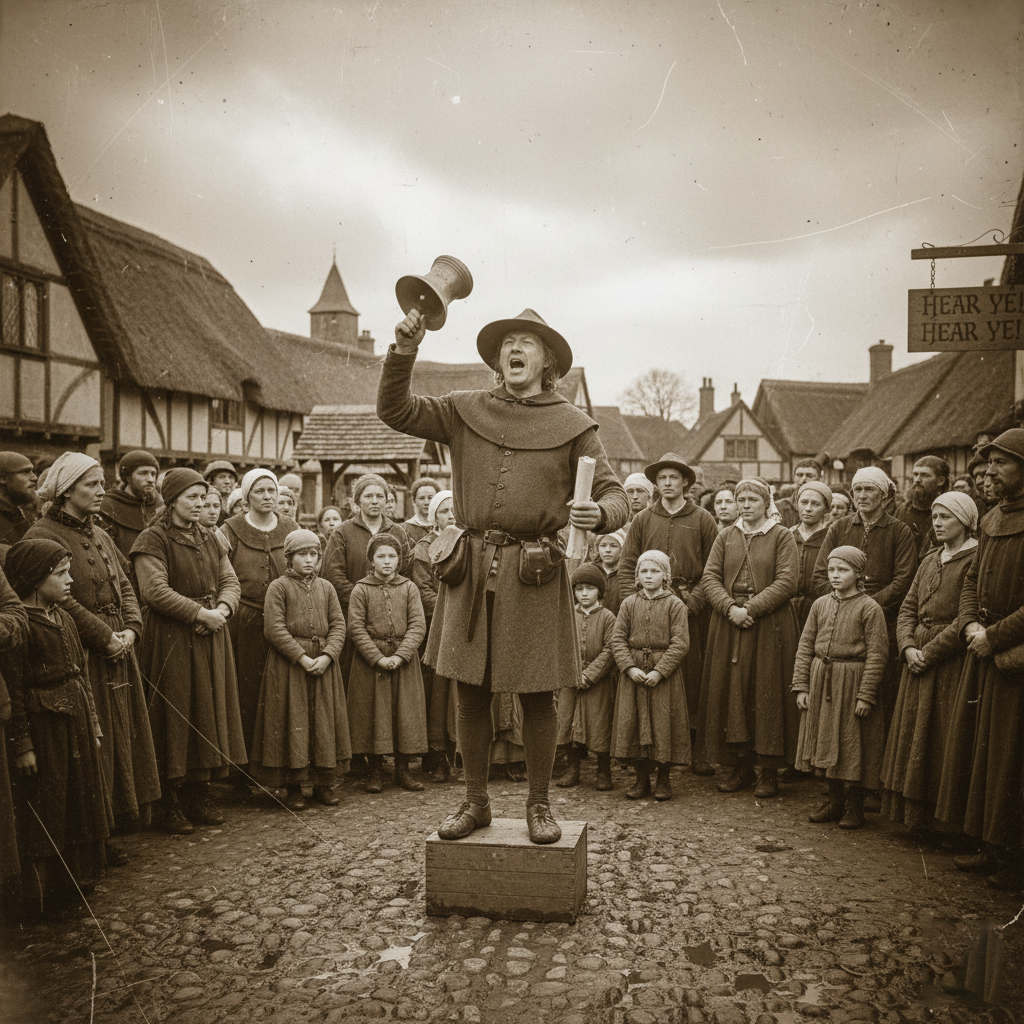 Past · Medieval PeriodTown CrierIn the bustling streets of medieval towns, where the written word was a luxury few could afford, the Town Crier served as the vital link between the local government and the populace. Clad in a distinctive uniform, often adorned with a bell and a scroll, the Town Crier was a figure of authority and community spirit. His primary duty was to announce news, proclamations, and important events to the townsfolk, ensuring that even the illiterate could stay informed about matters that affected their daily lives. From royal decrees to local market days, the Town Crier's voice echoed through the streets, a herald of information in an age where communication was limited.
The role was not merely about shouting news; it required a keen understanding of the community's needs and a flair for performance. Town Cryers were often chosen for their loud, clear voices and their ability to engage the public, making announcements memorable and entertaining. They would often embellish their proclamations with dramatic flair, using gestures and intonation to capture the attention of passersby.
In addition to their announcements, Town Cryers played a crucial role in maintaining public order. They would often be called upon to quell disputes or remind citizens of local laws and regulations, acting as a mediator in the community. Their presence was a symbol of civic pride and a reminder of the social contract between the rulers and the ruled, making them an indispensable part of town life.
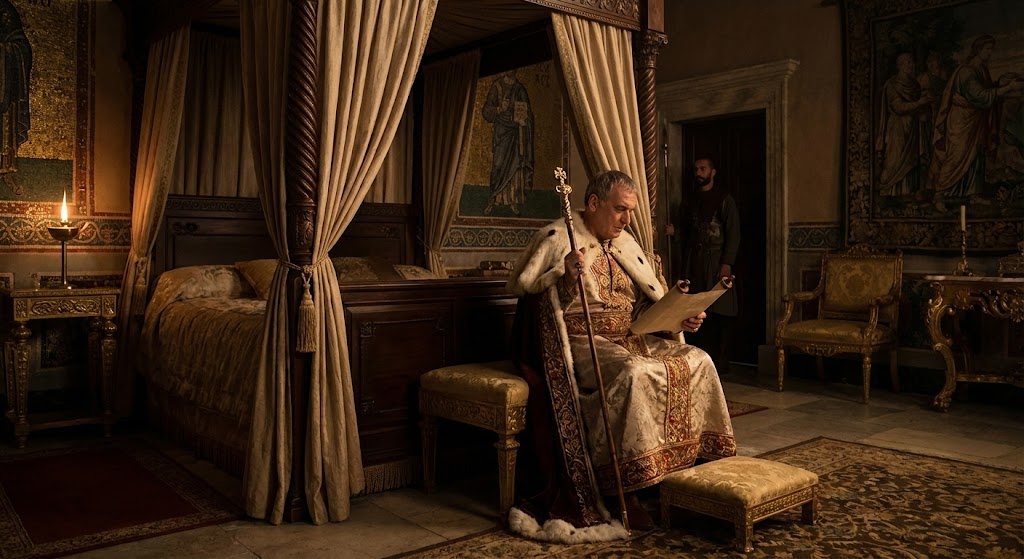 Past · Classical AntiquityParakoimomenosThe Parakoimomenos, often translated as 'bedchamber attendant' or 'chamberlain,' was a significant role in the households of the elite during the Classical Antiquity period, particularly in the Byzantine Empire. This position was not merely one of servitude; it was a trusted role that involved close personal service to the emperor or high-ranking officials. The Parakoimomenos was responsible for the personal care and comfort of their charge, overseeing the sleeping quarters, and ensuring that the environment was conducive to rest and privacy. This included managing the temperature of the room, preparing bedding, and even attending to the personal needs of the individual they served. The role required a high level of discretion and loyalty, as the Parakoimomenos often had access to sensitive information and was privy to the intimate details of their employer's life.
In addition to personal care, the Parakoimomenos also played a role in the ceremonial aspects of the household, assisting in the preparation for audiences and events. They were often involved in the selection of clothing and accessories, ensuring that their employer was always presented in the best light. This position was a blend of servant and confidant, requiring a deep understanding of the social dynamics of the court and the ability to navigate complex relationships with other members of the household and nobility.
 Past · Classical AntiquityAgoranomosThe Agoranomos was a pivotal figure in the bustling marketplaces of ancient Greece, particularly in city-states like Athens. This role was akin to that of a modern-day market supervisor or inspector, responsible for overseeing the activities within the agora, the central public space where commerce, politics, and social interaction flourished. The Agoranomos ensured that trade was conducted fairly, that weights and measures were accurate, and that vendors adhered to the laws governing commerce. They played a crucial role in maintaining order and integrity in the marketplace, which was vital for the economic health of the city-state.
In addition to regulatory duties, the Agoranomos also had the authority to impose fines on dishonest merchants and to confiscate goods that were sold under false pretenses. This position required a deep understanding of local laws and trade practices, as well as a keen sense of justice to protect both consumers and honest traders. The Agoranomos was often seen as a guardian of the public interest, ensuring that the agora remained a vibrant and trustworthy hub of activity.
 Past · Victorian EraFuneral muteA funeral mute was a hired mourner in full black who walked at the head of a Victorian funeral with a wand or a staff. Undertakers kept such men, or engaged them for the day, as part of the pageant sold to families who wanted the procession to look grave. Mute meant silent attendant. It did not mean a person unable to speak. In pairs they went ahead of the hearse from the house door toward the church or the cemetery and stood while the service asked for stillness. A tall hat with a long crepe weeper, black gloves, and the wand were the kit that made the role readable from the pavement.
The trade belonged to the commercial funeral of the nineteenth century, especially in London and in towns that copied London furnishers. Dickens placed a mute in the shop of the undertaker Sowerberry in Oliver Twist, and the figure became a stock image of hired grief. Reformers from the 1870s attacked the cost of feathers, mutes, and velvet. Simpler funerals, the motor hearse, and the decline of the pageant funeral in the early twentieth century removed the reason to hire a man to walk in silence. The mute faded because the bill changed. No statute abolished the wand.