
c. 1800–1970
Women's work
Exhibits in which the workforce was women or girls, often paid as if the skill were natural.
Pit-brow lasses, bal maidens, chainmakers, comptometer rooms, and switchboards. Some of these jobs were restricted to women by custom, and some were the jobs men had left when the pay fell.
The chainmakers' minimum rate and the later office-machine rooms are the two ends of the same fact: the work was skilled, and the wage had to be argued for.
In this theme
18
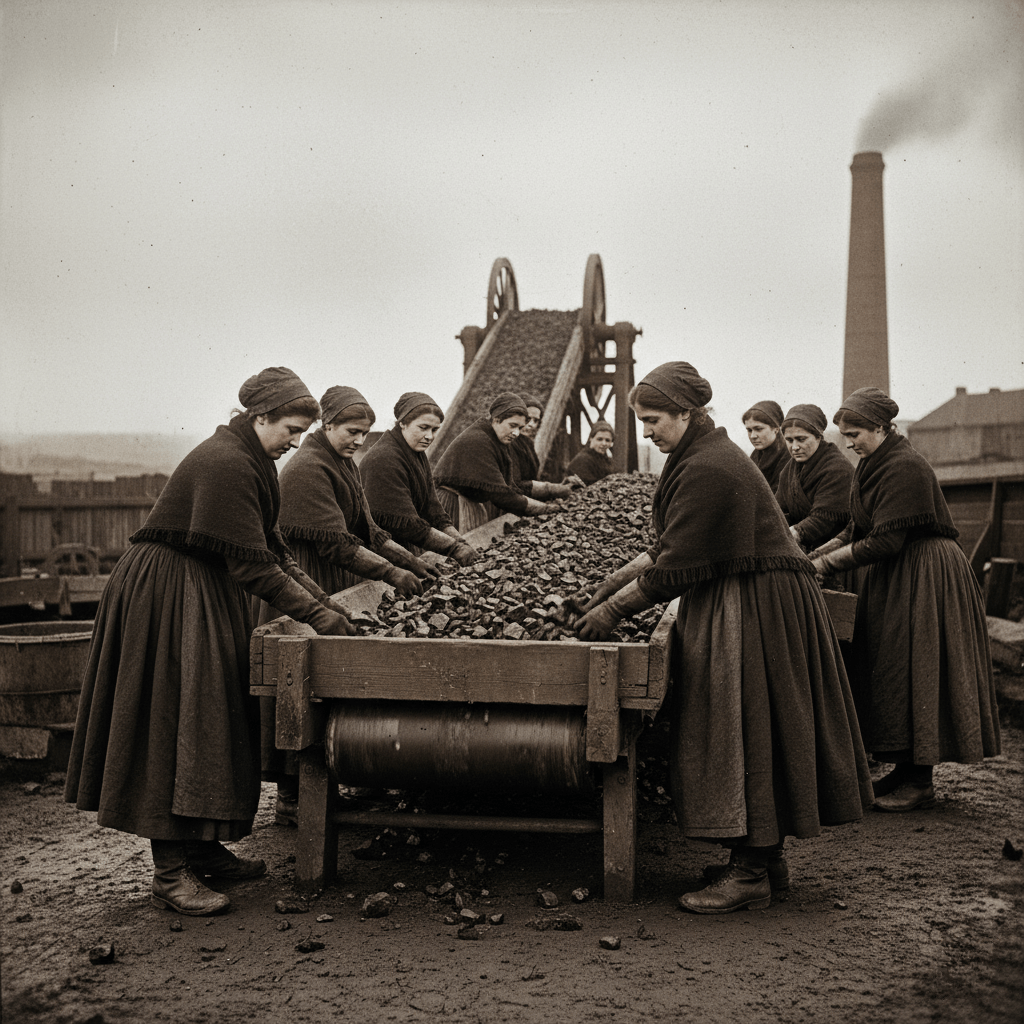 Past · Victorian EraPit Brow LassThe Pit Brow Lass was a vital yet often overlooked figure in the coal mining industry during the Victorian Era, particularly in the northern regions of England. These women worked at the surface of coal mines, known as the 'pit brow,' where they played a crucial role in the extraction and processing of coal. Their responsibilities included sorting coal from the waste material, loading it onto carts, and ensuring that the coal was ready for transport to markets. The work was physically demanding and often conducted in harsh conditions, with women frequently exposed to the elements and the dangers of the mining environment. Despite the grueling nature of their labor, Pit Brow Lasses were known for their resilience and camaraderie, often forming close-knit communities among themselves as they navigated the challenges of their work.
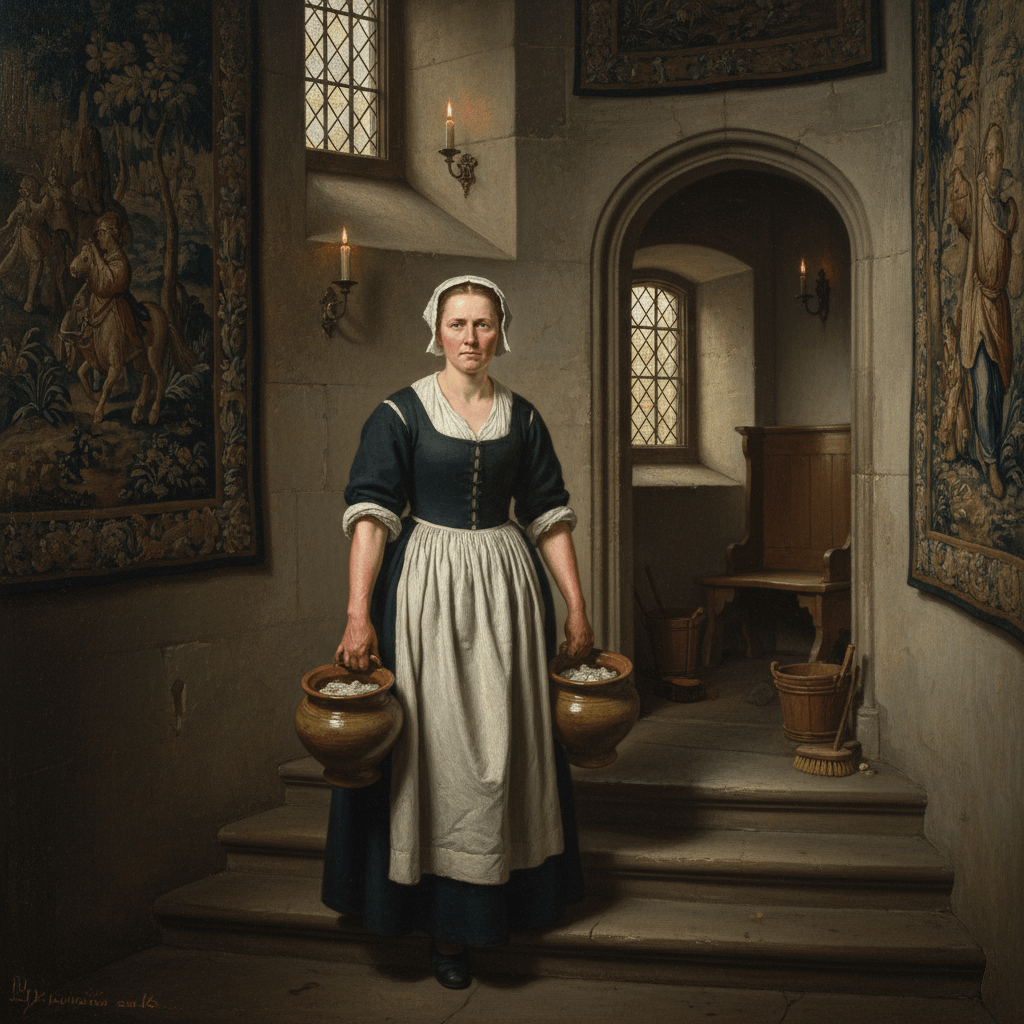 Past · Victorian EraNecessary WomanThe role of the Necessary Woman emerged during the Victorian Era, a time characterized by strict social hierarchies and the delineation of gender roles. These women were employed primarily in affluent households, where they were responsible for the maintenance of the 'necessary room'—a euphemism for the toilet or privy. This job was not merely about cleaning; it involved a range of tasks that ensured the hygiene and comfort of the household. Necessary Women were tasked with the cleaning and upkeep of the facilities, which included emptying chamber pots, scrubbing floors, and ensuring that the necessary room was stocked with essential supplies such as toilet paper and soap.
In an era when sanitation was becoming increasingly important, the work of the Necessary Woman was crucial. They were often the unsung heroes of the household, performing a job that was considered too unpleasant for the higher-status members of the family. Their work was essential in preventing the spread of disease, particularly in urban areas where sanitation was a growing concern.
Despite the low social status of this occupation, Necessary Women played a vital role in the functioning of Victorian households, often working long hours for modest pay. Their contributions were largely overlooked, reflecting the broader societal attitudes towards women’s work during this period.
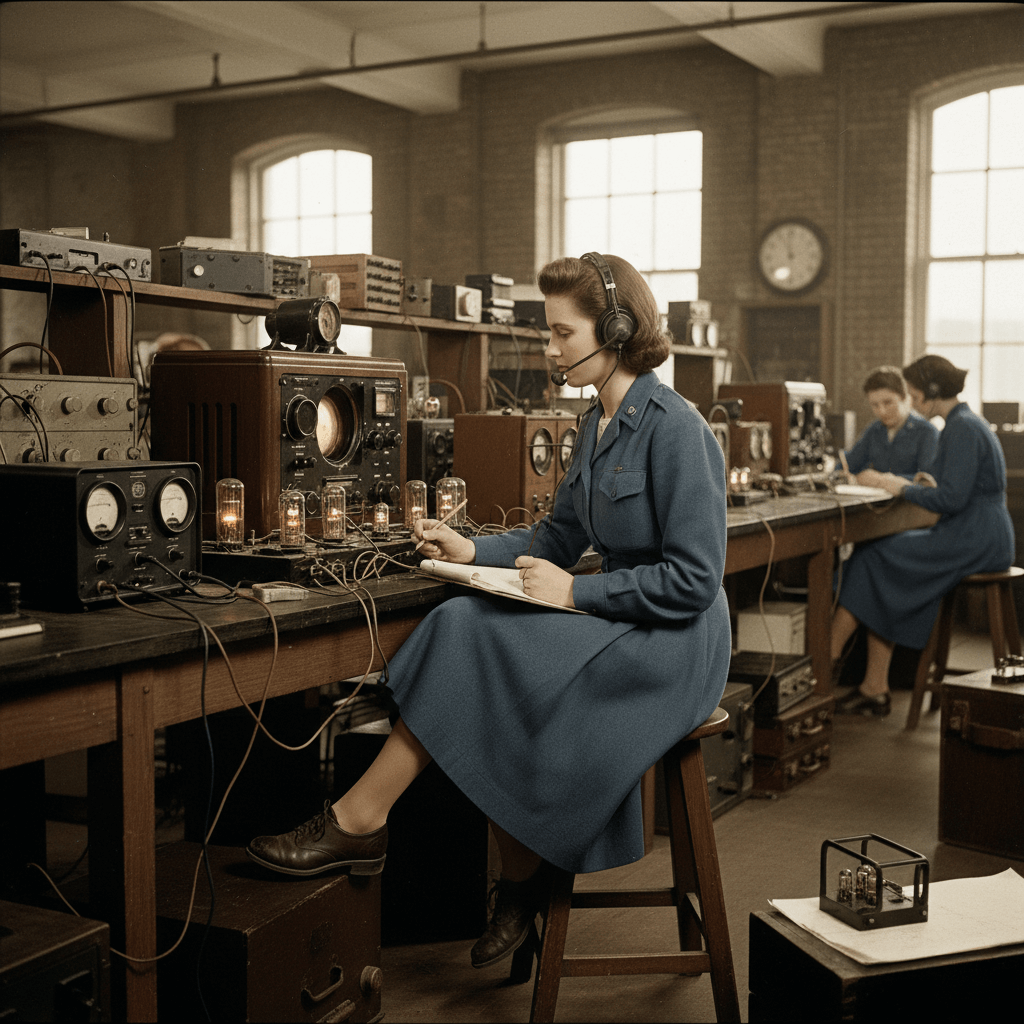 Past · Gilded AgeRadio Test GirlThe role of a Radio Test Girl emerged in the early 20th century, during a time when radio technology was rapidly evolving and becoming a staple of American life. These women were integral to the development and testing of radio equipment, ensuring that devices functioned correctly before they reached consumers. Their work involved a combination of technical skill and keen auditory perception, as they would test the clarity and quality of sound produced by various radio sets. Often employed by radio manufacturers, they would sit in soundproof booths, adjusting dials and listening intently to broadcasts, making notes on sound quality, static interference, and overall performance. The job required not only a good ear for sound but also an understanding of the technical aspects of radio equipment, making them vital contributors to the burgeoning field of telecommunications.
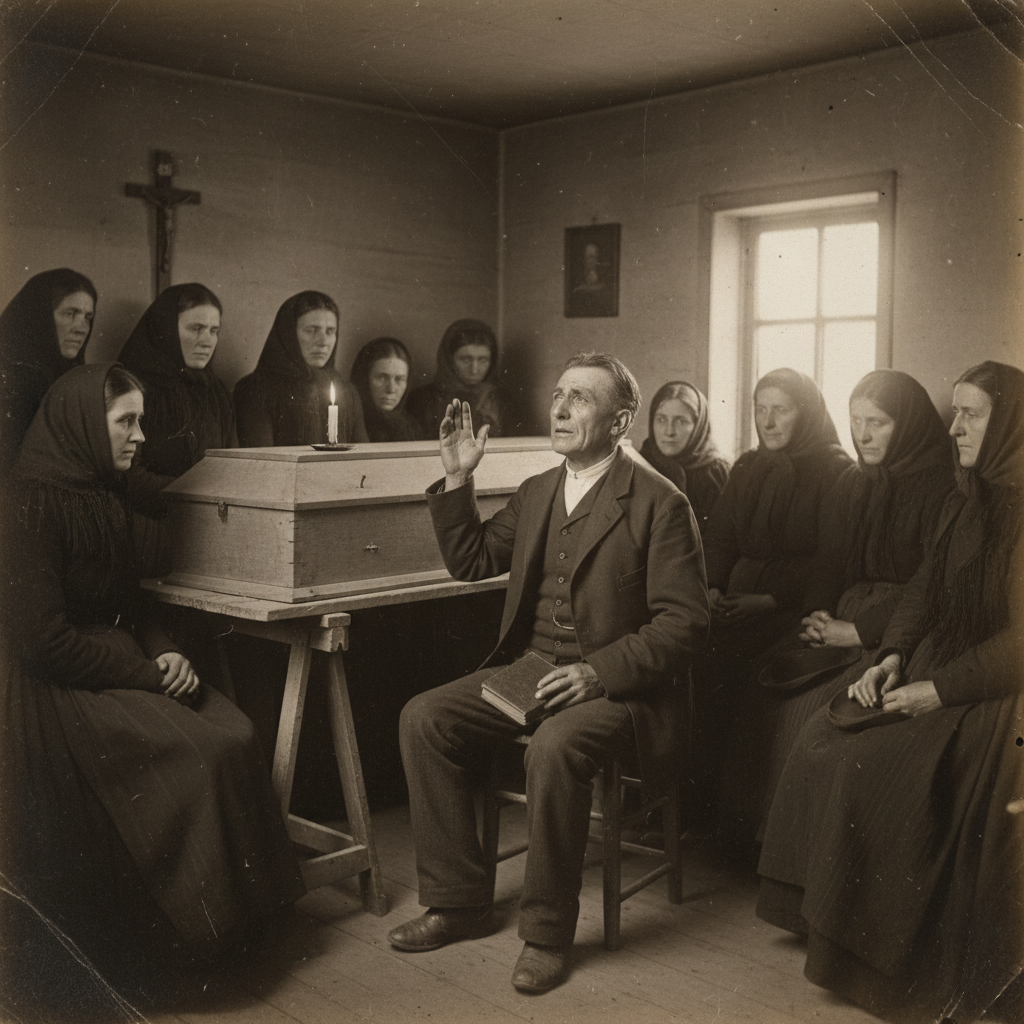 Past · Victorian EraMoirologistThe moirologist, a term derived from the Greek word 'moirologia' meaning 'to lament,' was a specialized profession that emerged during the Victorian Era, particularly in the 19th century. These individuals were skilled mourners, often hired to express grief at funerals and memorial services. Their role was to provide a public display of sorrow, which was considered an essential part of the mourning process in a society that placed great emphasis on the rituals surrounding death. Moirologists were often women, who would don black attire and engage in elaborate displays of mourning, including weeping, wailing, and reciting elegies or poems that honored the deceased. Their presence was thought to enhance the emotional atmosphere of the funeral, allowing the bereaved family to feel supported in their grief.
In addition to their emotional labor, moirologists were also expected to have a deep understanding of the customs and traditions surrounding death, including the appropriate attire, behavior, and rituals that were expected in various social contexts. They often worked alongside funeral directors and were an integral part of the mourning culture of the time, which was characterized by elaborate funerals and a public display of grief.
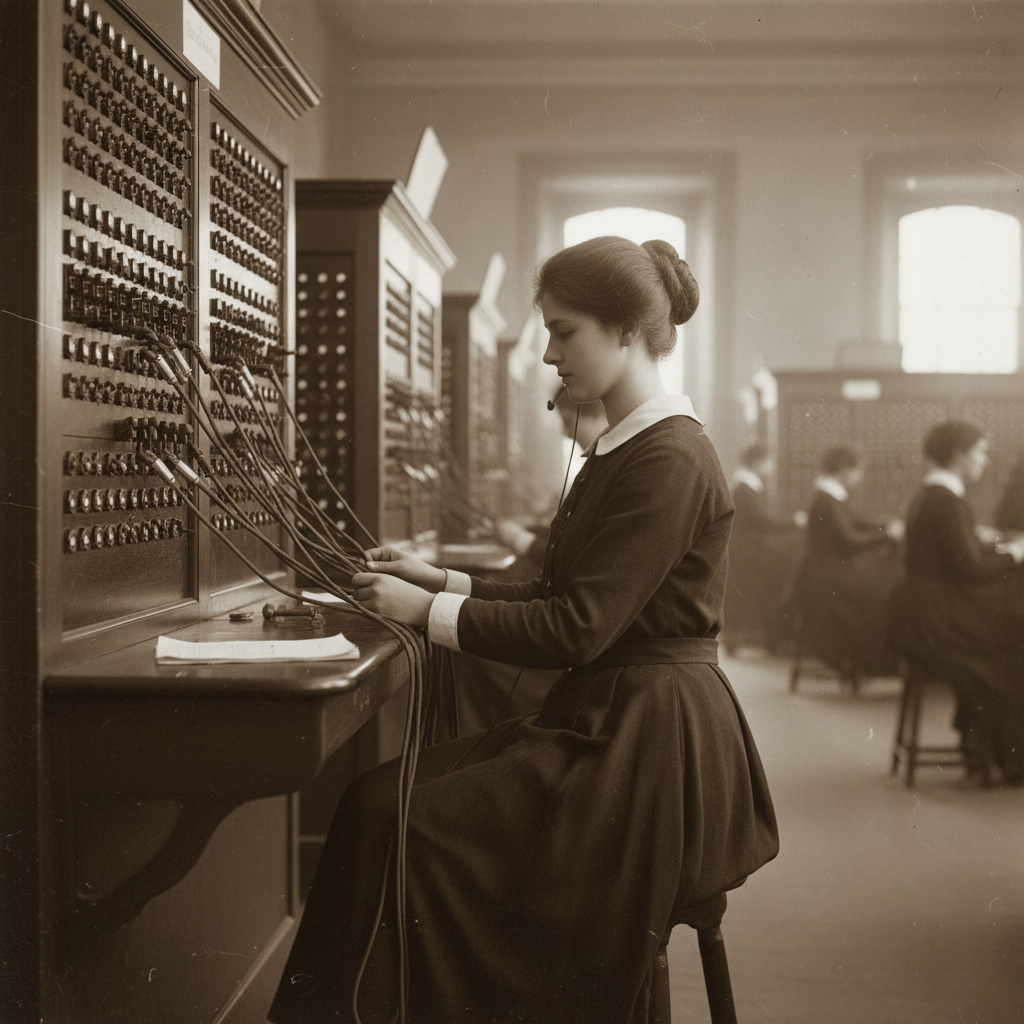 Past · Industrial RevolutionSwitchboard OperatorIn the bustling world of the late 19th and early 20th centuries, the role of the switchboard operator emerged as a vital cog in the machinery of communication. These skilled individuals were the unsung heroes of the telephone network, connecting calls and facilitating conversations that bridged distances and brought people together. With the advent of the telephone, the need for a human intermediary became apparent, and thus, the switchboard operator took center stage in the realm of telecommunications.
Switchboard operators worked in large, often crowded rooms filled with rows of switchboards, each adorned with a myriad of plugs and wires. Their primary responsibility was to connect callers by manually plugging and unplugging telephone lines into the appropriate jacks on the switchboard. This intricate dance of wires required not only dexterity but also a keen ear for voices and an ability to quickly assess and respond to the needs of callers. Operators were often the first point of contact for individuals seeking to connect with friends, family, or businesses, making their role both crucial and highly regarded.
The job was not without its challenges. Operators had to manage multiple calls simultaneously, often dealing with a cacophony of voices and requests. They were trained to handle emergencies, providing vital assistance during crises, such as connecting calls to hospitals or fire departments. The work environment was typically fast-paced and required a high level of concentration, as even a small mistake could lead to misdirected calls or delays in communication.
As technology advanced, the role of the switchboard operator began to wane. The introduction of automated switching systems in the mid-20th century marked the beginning of the end for this once-essential occupation. These systems could connect calls without human intervention, leading to a decline in demand for operators. By the 1980s, the role had largely disappeared, replaced by automated systems that could handle the volume of calls with greater efficiency and reliability.
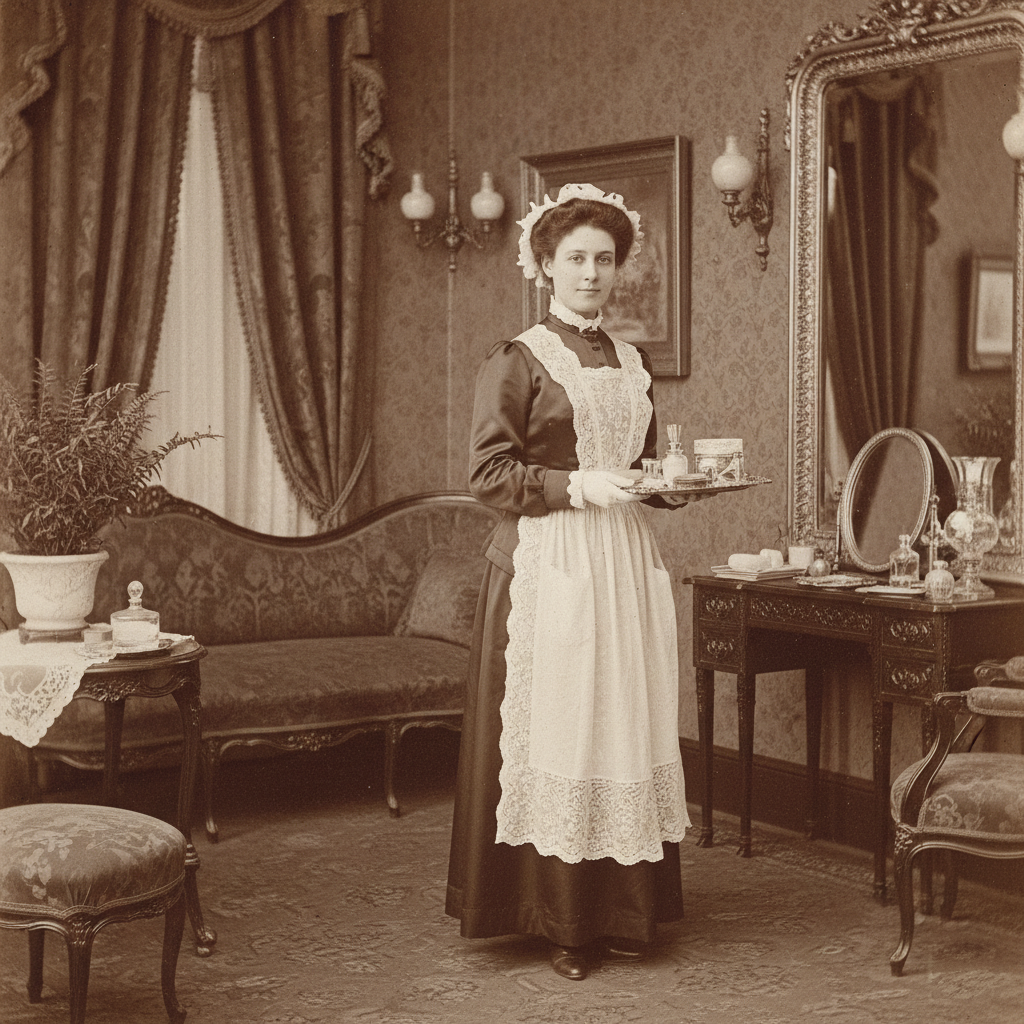 Past · Victorian EraPowder Room AttendantThe role of a Powder Room Attendant was a vital yet often overlooked position in the social fabric of the Victorian Era, particularly in the late 19th century. These attendants were responsible for maintaining the elegance and functionality of the powder rooms in theaters, opera houses, and high-end social venues. Their duties included ensuring that the facilities were clean, stocked with necessary items, and that patrons had a pleasant experience while attending to their personal grooming needs. The powder room was a sanctuary for women, a place where they could refresh their appearance, apply makeup, and socialize in a more private setting. Attendants would often assist patrons with their needs, offering services such as providing powder, perfume, and other beauty essentials, as well as helping with clothing adjustments and offering a listening ear to the social exchanges that took place within these intimate spaces.
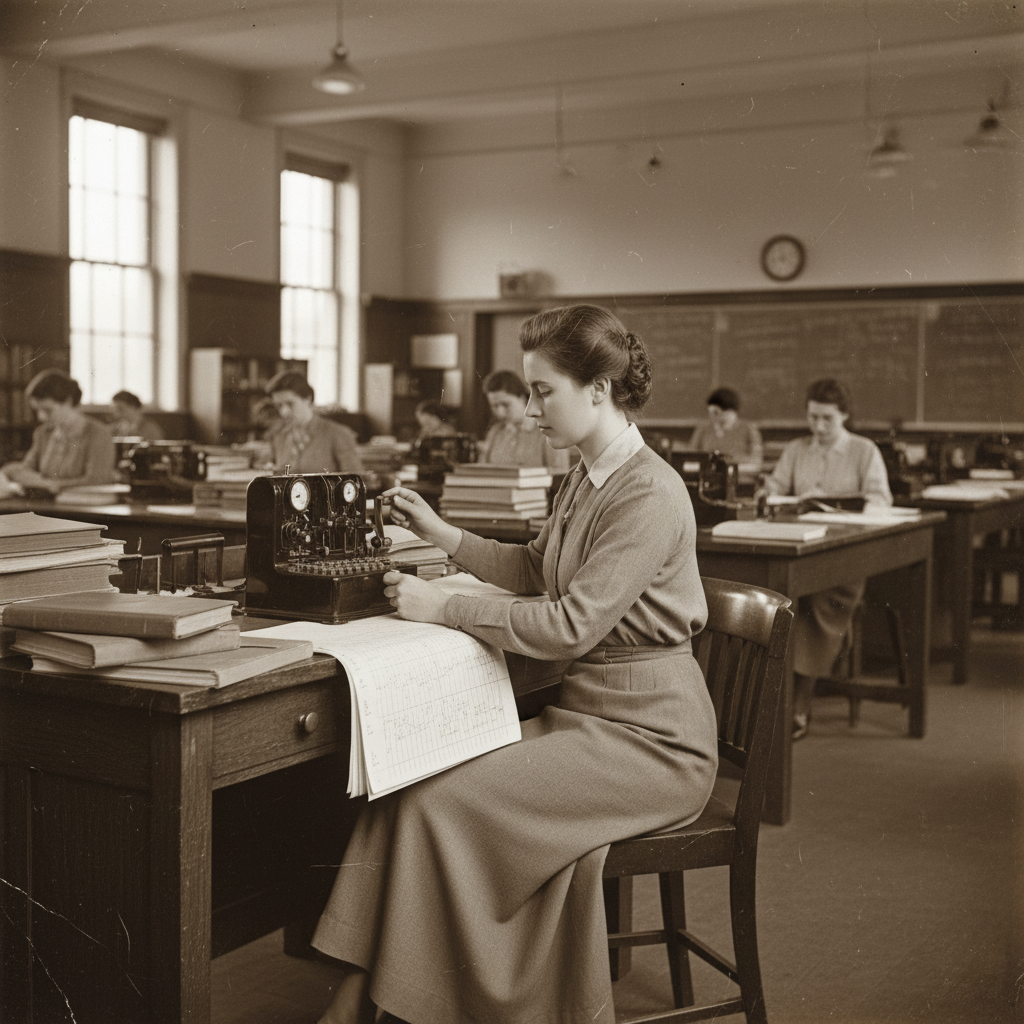 Past · 20th CenturyHuman ComputerThe role of a Human Computer emerged in the early 20th century, primarily during the 1930s to the 1950s, as a response to the growing need for complex calculations in fields such as astronomy, engineering, and military applications. Human Computers were predominantly women who performed mathematical calculations by hand, often using pencil and paper, and later, mechanical calculators. They worked in teams, meticulously calculating trajectories for rockets, analyzing astronomical data, and solving intricate mathematical problems that were essential for scientific advancements. Their work was critical in the development of early computers, as they laid the groundwork for the algorithms and processes that would later be automated.
These women, often referred to as "computers," were not only skilled mathematicians but also adept at problem-solving and critical thinking. They operated in environments that ranged from university laboratories to government research facilities, where they collaborated closely with scientists and engineers. The atmosphere was often intense, with deadlines looming and the pressure to produce accurate results being paramount.
The Human Computer's role was not just about numbers; it was about precision, attention to detail, and the ability to work under pressure. They were the unsung heroes behind many scientific breakthroughs, including the early space missions and the development of radar technology during World War II. Their contributions were vital, yet often overlooked in the historical narrative of computing and mathematics.
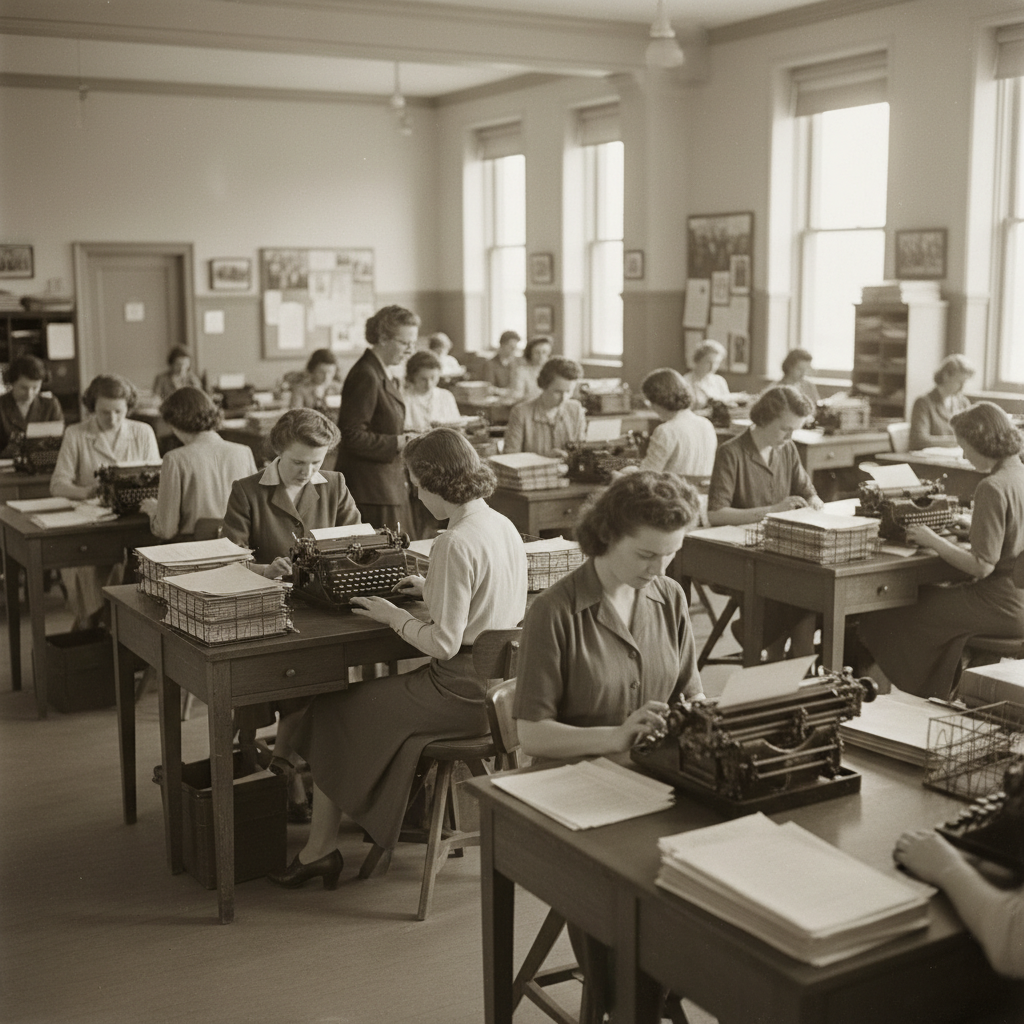 Past · Post-War EraTypist Pool WorkerThe Typist Pool Worker was a vital cog in the machinery of mid-20th century office life, particularly in the bustling corporate environments of the Post-War Era, from the late 1940s to the early 1980s. These skilled individuals were responsible for producing typed documents, correspondence, and reports, often under tight deadlines. They worked in a shared office space known as a 'typist pool,' where multiple typists would be stationed at rows of typewriters, each contributing to the efficiency of the office. The typist pool was a reflection of the era's burgeoning corporate culture, where the demand for clerical work surged as businesses expanded in the post-war economic boom.
The role required not only speed and accuracy in typing but also a keen understanding of office protocols and etiquette. Typist Pool Workers were often the first point of contact for incoming correspondence, and their ability to produce clear, professional documents was crucial for maintaining the image of the organization. They utilized carbon paper for duplicating documents and were adept at using various typewriter models, each with its own quirks and features. The job was often seen as a stepping stone for women entering the workforce, providing them with financial independence and a foothold in the corporate world.
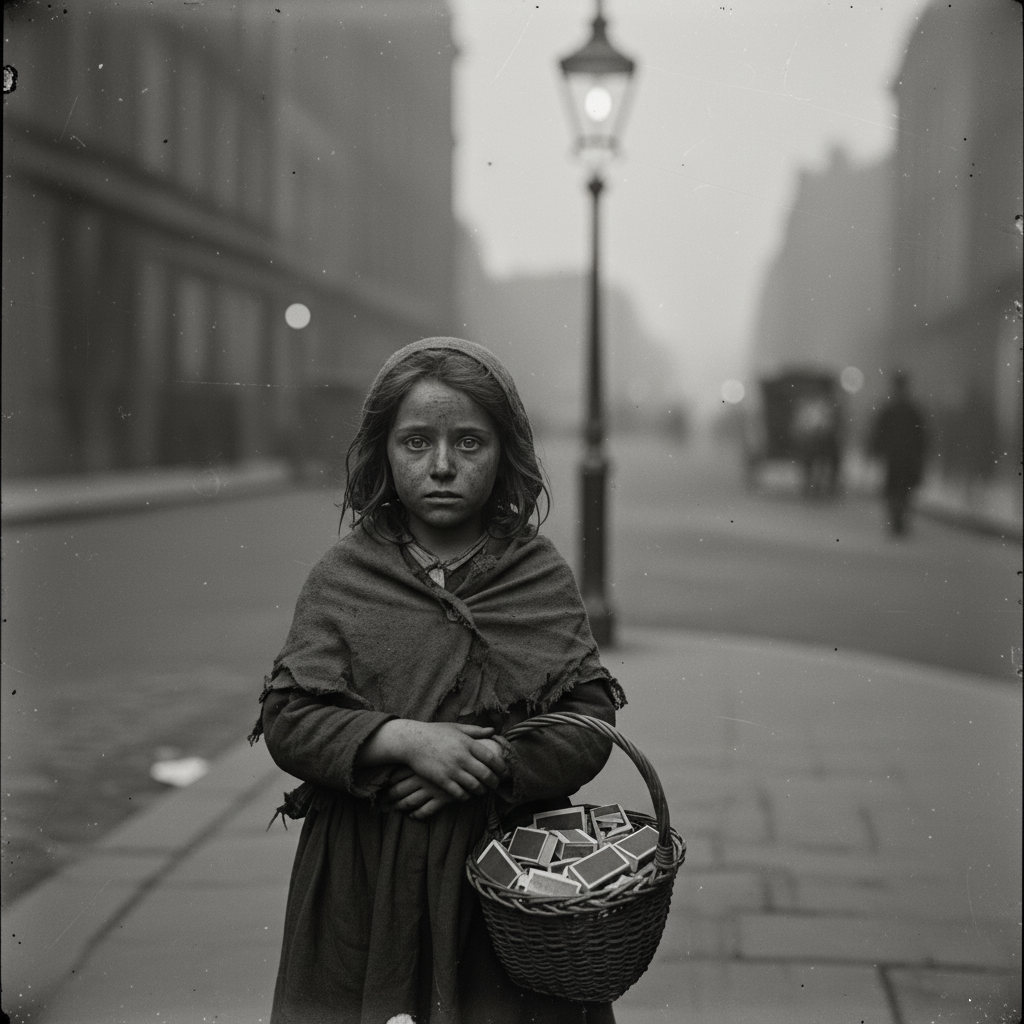 Past · Victorian EraMatchstick GirlThe role of a Matchstick Girl emerged during the Victorian Era, a time marked by rapid industrialization and urbanization in Britain. These young girls, often as young as six years old, were employed to sell matches on the streets of cities like London. The job was not only a means of survival for the girls and their families but also a reflection of the harsh realities of the working class during this period. The matchstick girls were typically from impoverished backgrounds, and their earnings were crucial for their families' subsistence. They would often work long hours, braving the elements, to sell boxes of matches to passersby, including shopkeepers and households. The matches were sold at a low price, and the girls would often carry their wares in small baskets or bags, calling out to potential customers in hopes of making a sale.
The work was grueling and dangerous; the girls were exposed to the elements, and many suffered from health issues due to malnutrition and the harsh conditions of street life. The matches themselves were often made with hazardous materials, leading to serious health risks, including phosphorus poisoning, which was a common affliction among those who worked with match production. Despite these dangers, the job was a vital source of income for many families, and the plight of the matchstick girls eventually drew public attention, leading to social reform movements aimed at improving working conditions for children.
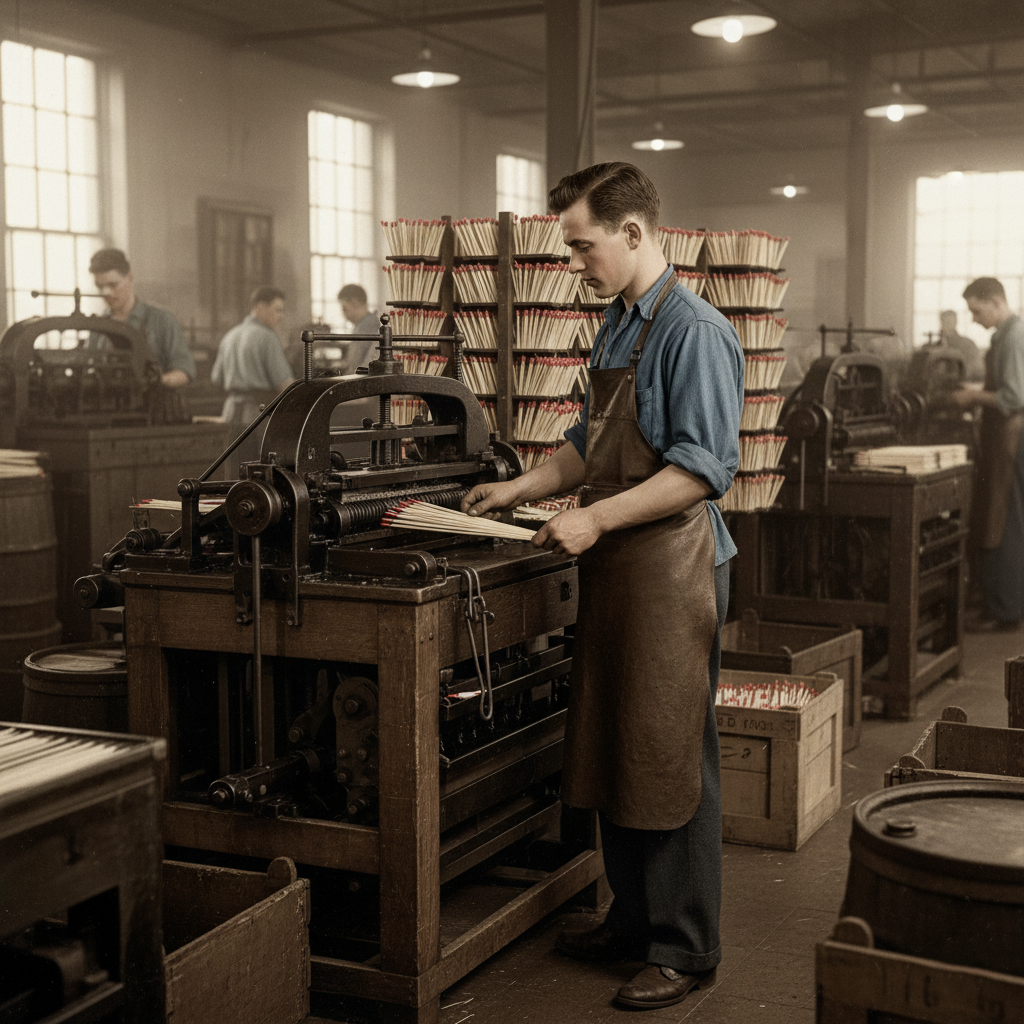 Past · Industrial RevolutionMatchstick MakerIn the bustling factories of the Industrial Revolution, the matchstick maker played a crucial role in the production of one of the era's most essential commodities: matches. These small, slender sticks, tipped with a flammable substance, revolutionized the way people ignited fires, making them a staple in households and businesses alike. The matchstick maker was responsible for crafting these vital tools, often working in dimly lit workshops filled with the scent of sulfur and wood.
The process of match production was labor-intensive and required a keen eye for detail. Workers would begin by cutting thin strips of wood, typically from readily available softwoods like aspen or pine. These strips were then meticulously dipped into a mixture of chemicals, including potassium chlorate, sulfur, and glass powder, to create the striking head of the match. The matchsticks were then dried, packaged, and prepared for distribution.
The job was not without its hazards; the chemicals used in match production were often toxic, leading to health issues such as 'phossy jaw,' a painful condition caused by exposure to phosphorus. Despite these dangers, matchstick makers were essential to the growing demand for convenience in lighting fires, which was a significant aspect of daily life during the Industrial Revolution.
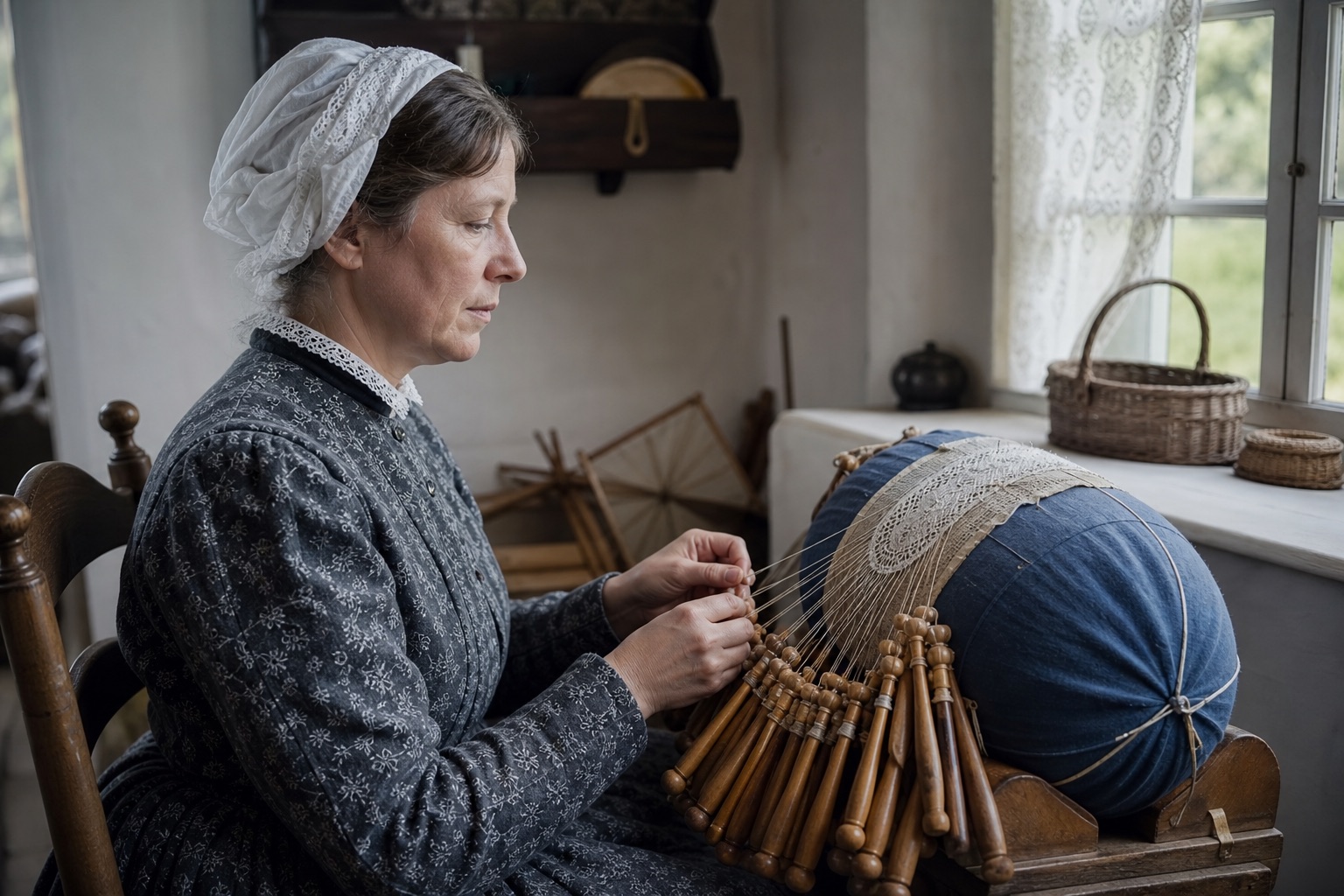 Past · Victorian EraLacemakerPillow lace was made on a cushion. A parchment pricking carried the pattern, and the thread moved on dozens of bobbins that the worker crossed, twisted, and pinned. The Midlands trade, in Buckinghamshire, Bedfordshire, and Northamptonshire, made continuous lace, ground and motif growing as one web. Bucks point was an older pride of that country. After the Great Exhibition put Maltese lace in fashion, Bedfordshire workers also made a plaited lace to sell into that taste. Devon worked differently. At Honiton and in the villages toward Beer the lacemaker made separate sprigs, sewn onto net. From the early nineteenth century that net was usually machine-made, so a celebrated Honiton piece could sit on a ground the pillow had never worked.
Women and girls did most of the hand work. Lace schools sat small children at pillows for eight or ten hours and a few pence, the mistress selling their output and keeping a margin. A woman at home might make a few shillings in a week and still work into the evening to finish a yard. John Heathcoat's bobbin-net machine of 1809, and the Leavers machine developed from it in Nottingham, put patterned lace on the market below the pillow's price. Hand lace did not stop on a given Monday. It became a poorly paid remnant beside a machine that already supplied the ordinary buyer.
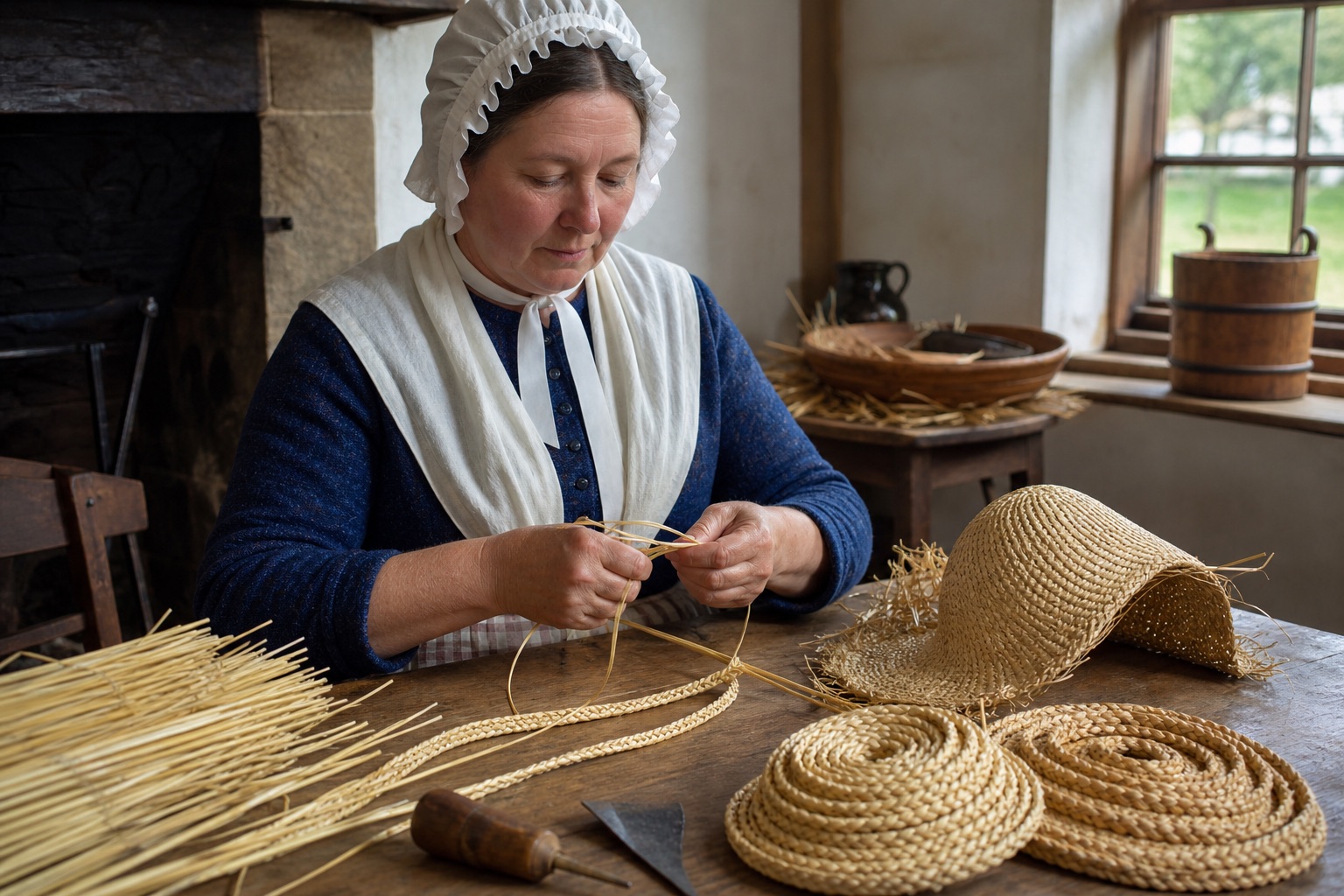 Past · Victorian EraStraw-PlaiterStraw plait was a narrow braid of split wheat straw, made in the cottages of Bedfordshire, Buckinghamshire, and Hertfordshire and sold to the hat trade of Luton and Dunstable. The plaiter damped the straws, split them, and worked a set pattern, joining a fresh straw so the edge did not lump, until she had a score of twenty yards. That score was the unit of the weekly plait market. Women and children did the work. In a village plait school a child could sit the day for pence, and a mother made her own scores in the evening for a few shillings when the buyers were kind. The hat factories turned the braid into bonnets and hats. The cottage sold them braid, not hats.
Luton's hat industry continued. The local hand plait did not. Italian straw, including the Leghorn and Tuscan kinds, had long been a finer rival for the best hats. In the late nineteenth century cheap plait from China arrived in amounts the south Midlands could not underbid. Sewing machines and factory blocking then made hats from that imported braid, or from other materials, without a village score at all. By the early twentieth century a girl in a Bedfordshire parish was no longer set to plait as her mother had been. The market had stopped paying an English hand price for the hours in the braid.
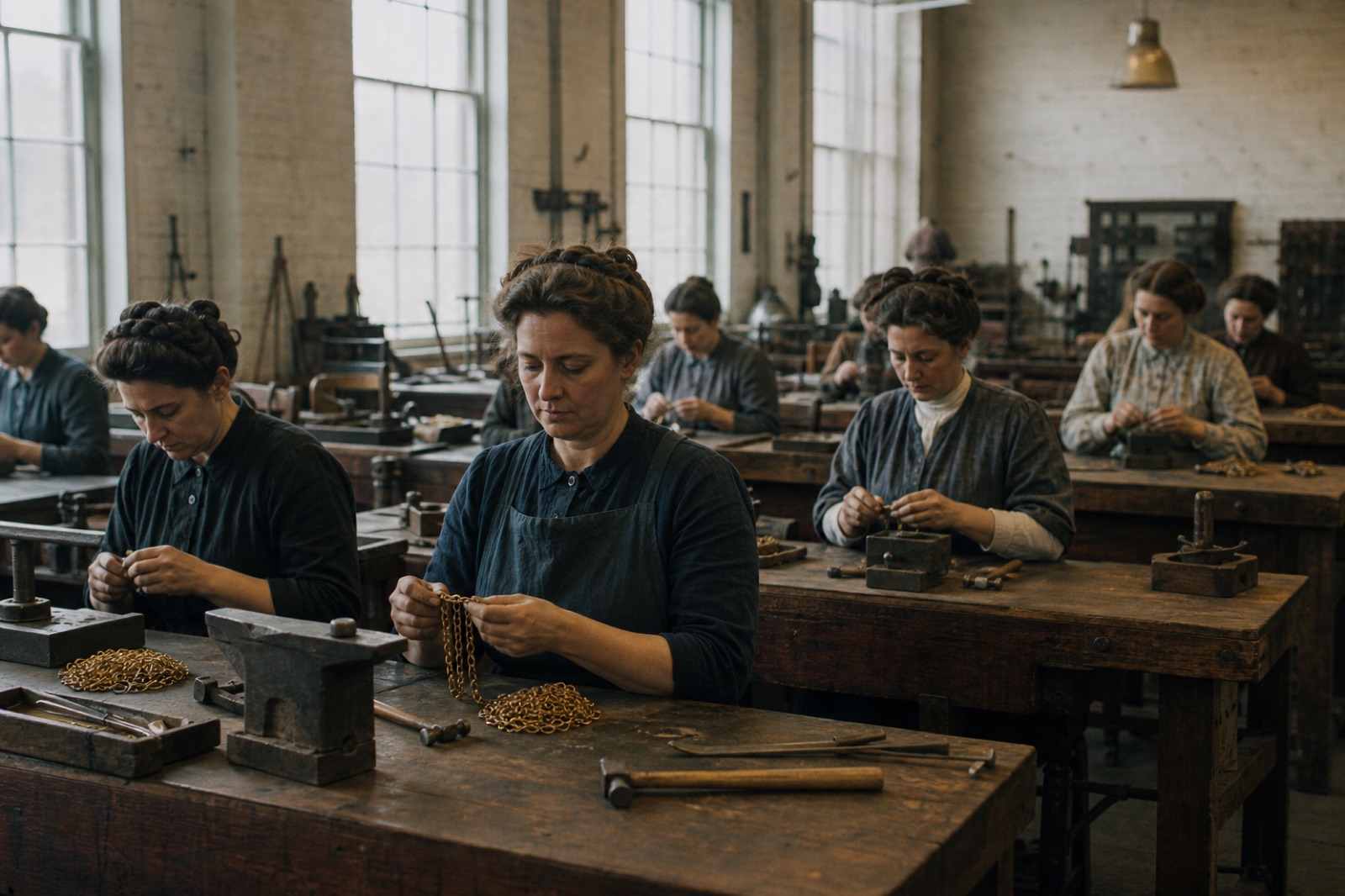
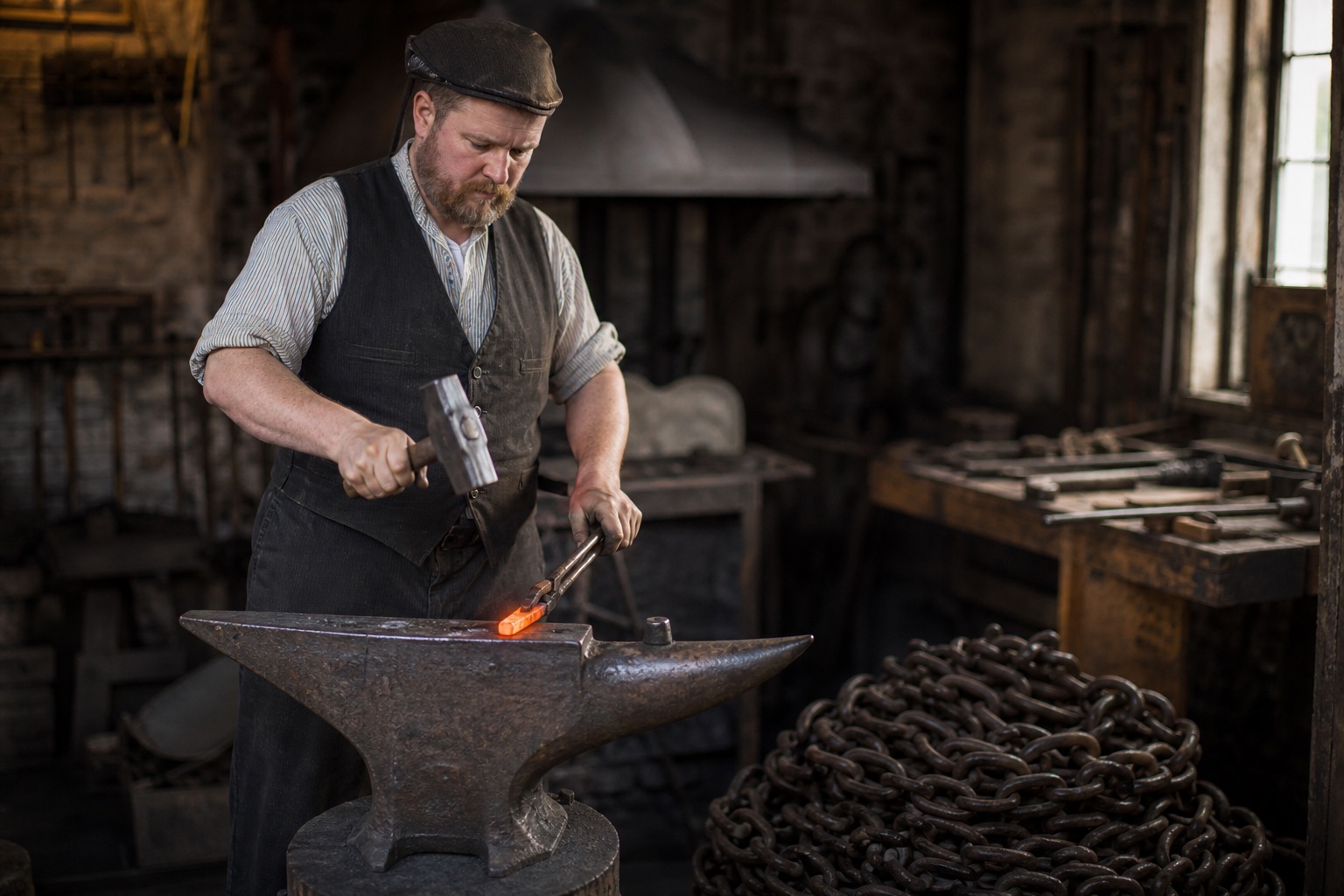 Past · Early Twentieth CenturyChainmakerAt Cradley Heath, and in the small-chain streets of Old Hill and the neighbouring towns, chain was hammered link by link. A woman scarfed a short iron rod, bent it through the previous link, and welded the join on a bick in a backyard shop, a dolly shop, paid by the hundredweight. This was the small work: common chain, dog chain, the lighter sizes. Heavy cable was men's work in larger shops. Before 1910 the backyard bargain was a sweated one. A woman could be at the hearth from morning into the evening and take home five or six shillings for the week, girls learning beside her at a still smaller share of that weight.
Mary Macarthur and the National Federation of Women Workers led the chainmakers' strike of 1910 so that employers would actually pay the minimum the Chain Trade Board had fixed under the Trade Boards Act of 1909, twopence-halfpenny an hour. The strike succeeded. It put a floor under the wage. It did not preserve the backyard hammer as the way ordinary chain would be made. Machine-made chain, and then welded chain from factories, supplied common links more cheaply than a legal hand rate could. The women had stopped the starvation price. Across the early twentieth century the market took the bulk orders to the factory, and the old domestic shops thinned away.
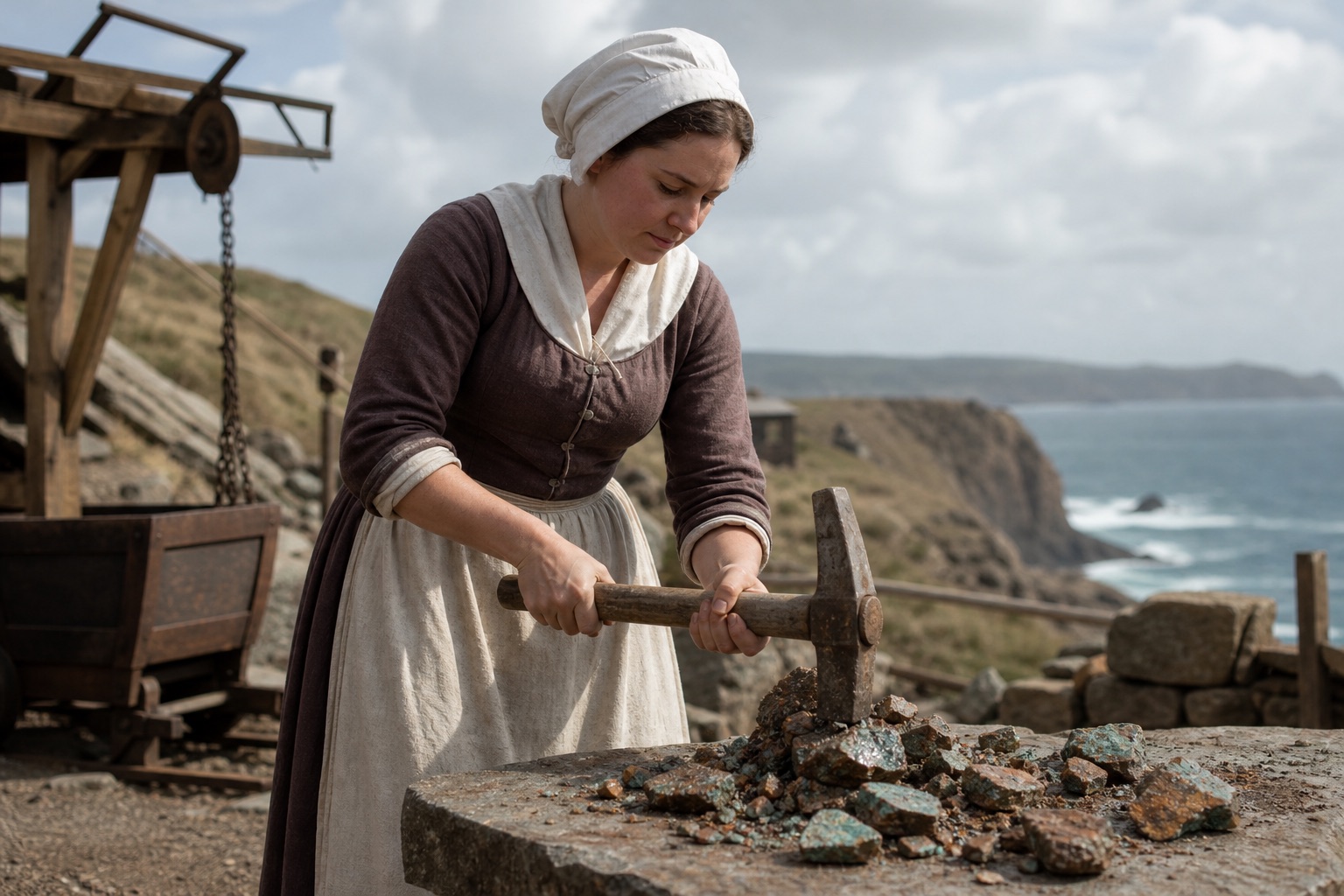 Past · Industrial RevolutionBal-maidenA bal-maiden broke and sorted copper ore, and sometimes tin, on the surface dressing floor of a Cornish or West Devon mine. She was not underground. The word bal is the mine itself. On a paved or boarded floor open to the weather she used a bucking hammer, a short-handled flat-faced tool, to crush ore small enough to be washed, and a heavier cobbing hammer on the larger stones. Waste rock was picked out by eye. Dressed ore went on to buddles and the rest of the surface plant, where water separated the heavier mineral.
The trade runs from the eighteenth century, when these copper mines expanded, into the early twentieth, when the same mines closed and mechanical stamps, crushers, and later flotation did the breaking. The Mines and Collieries Act 1842 cleared women from underground work. It did not clear the dressing floor, and bal-maidens remained a normal part of the surface payroll long after that Act. Census returns use the title in Cornwall and around Tavistock. Devon Great Consols was among the large employers. The label is this hand floor, not a romantic pit woman and not a child-haulage job.
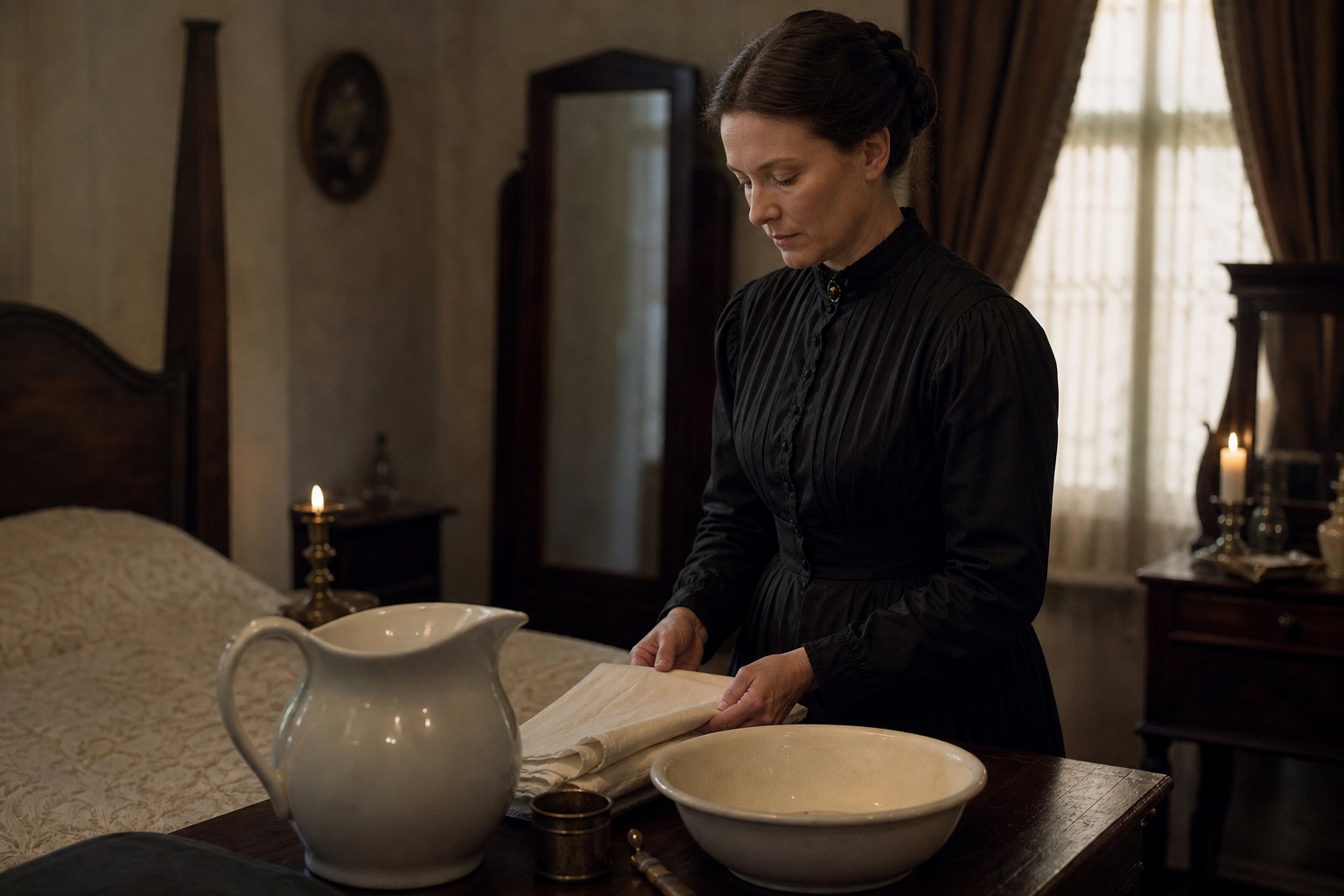 Past · Victorian EraLayer-outA layer-out was the woman of the neighborhood who came when someone died at home, washed the body, and prepared it for the interval before burial. She closed the eyes, tied a bandage or a strip of cloth under the chin so the mouth stayed shut, washed with soap and a cloth, and dressed the body in a shroud or in a clean shirt. Hair was combed. The room was left orderly enough for kin to sit. Pennies on the eyelids were a household trick used sometimes to keep the eyes closed, not a required rite. The layer-out was often the same sort of neighbor as the handywoman who attended births: known, local, and sent for by a child knocking at her door.
The work was ordinary in British towns and villages through the nineteenth century and still common in the early twentieth, especially where the dead remained in the house for a day or more. It was women's work by custom. Men of the family might lift. They did not wash. The end came when the undertaker's men removed the body to a mortuary or a chapel of rest and the washing was done there, by staff, away from the street. The layer-out was not abolished. She was left with no body in the bedroom, which had been her only workplace.
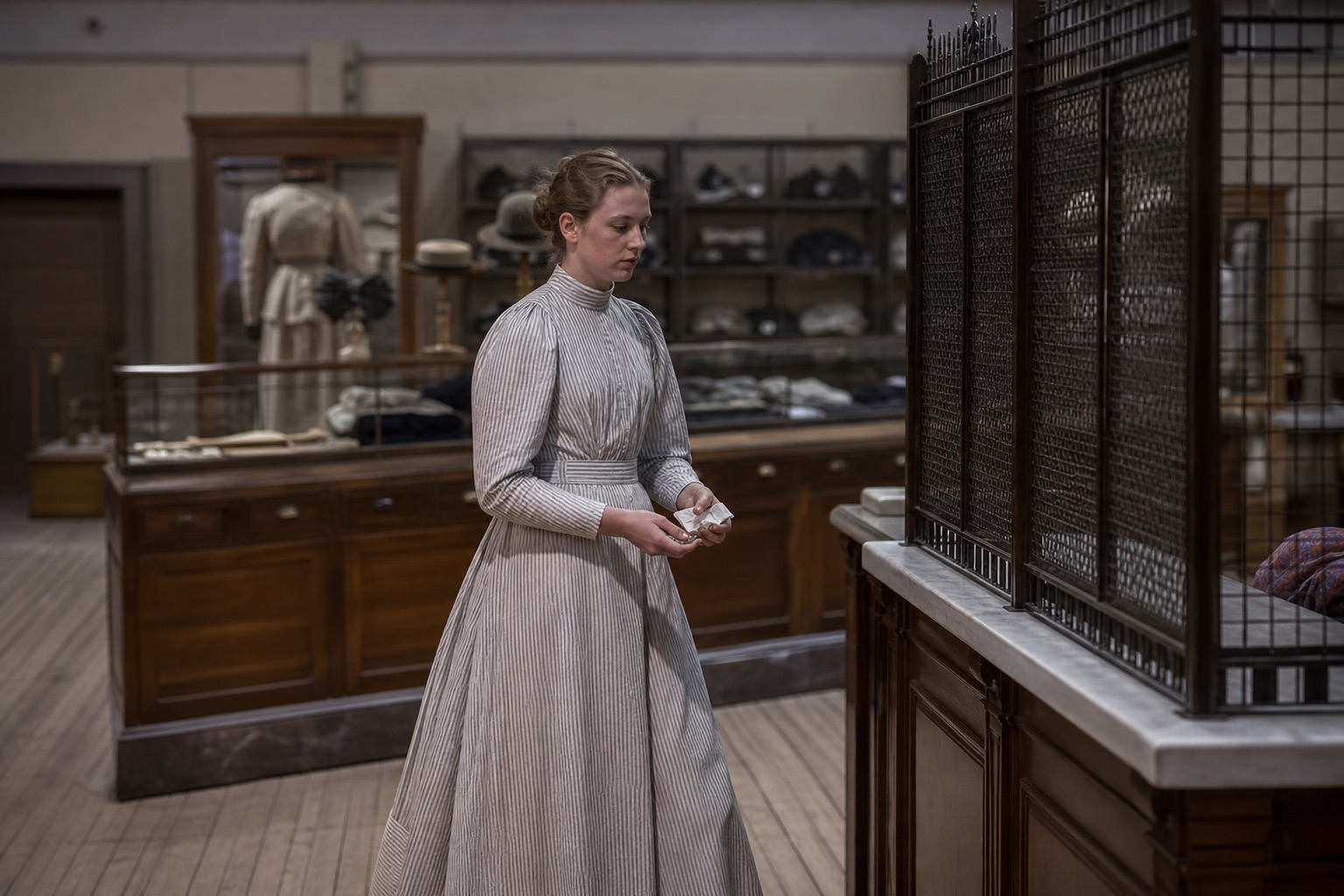 Past · Victorian EraCash GirlA cash girl was a department-store junior, often a girl or a young woman, who carried the customer's money and the written bill to a cashier and brought the receipt and the change back. The counter itself had no register yet. She waited where the sale was made, took the cash and the slip, walked the floor to the desk, and returned without mixing one purchase with another in a crowded aisle. The work was ordinary and public, a pair of errands repeated for every sale. This record keeps that walk concrete and calm.
The practice belongs to the late nineteenth century in the United States and in Britain, in dry-goods houses and the new department stores. Cable systems such as Lamson's cash railway, pneumatic tubes to a central desk, and the cash register on the counter each removed a reason to send a junior across the floor. She was not the buyer and not the cashier. She was the distance between them, and when that distance was mechanized the walk ended.
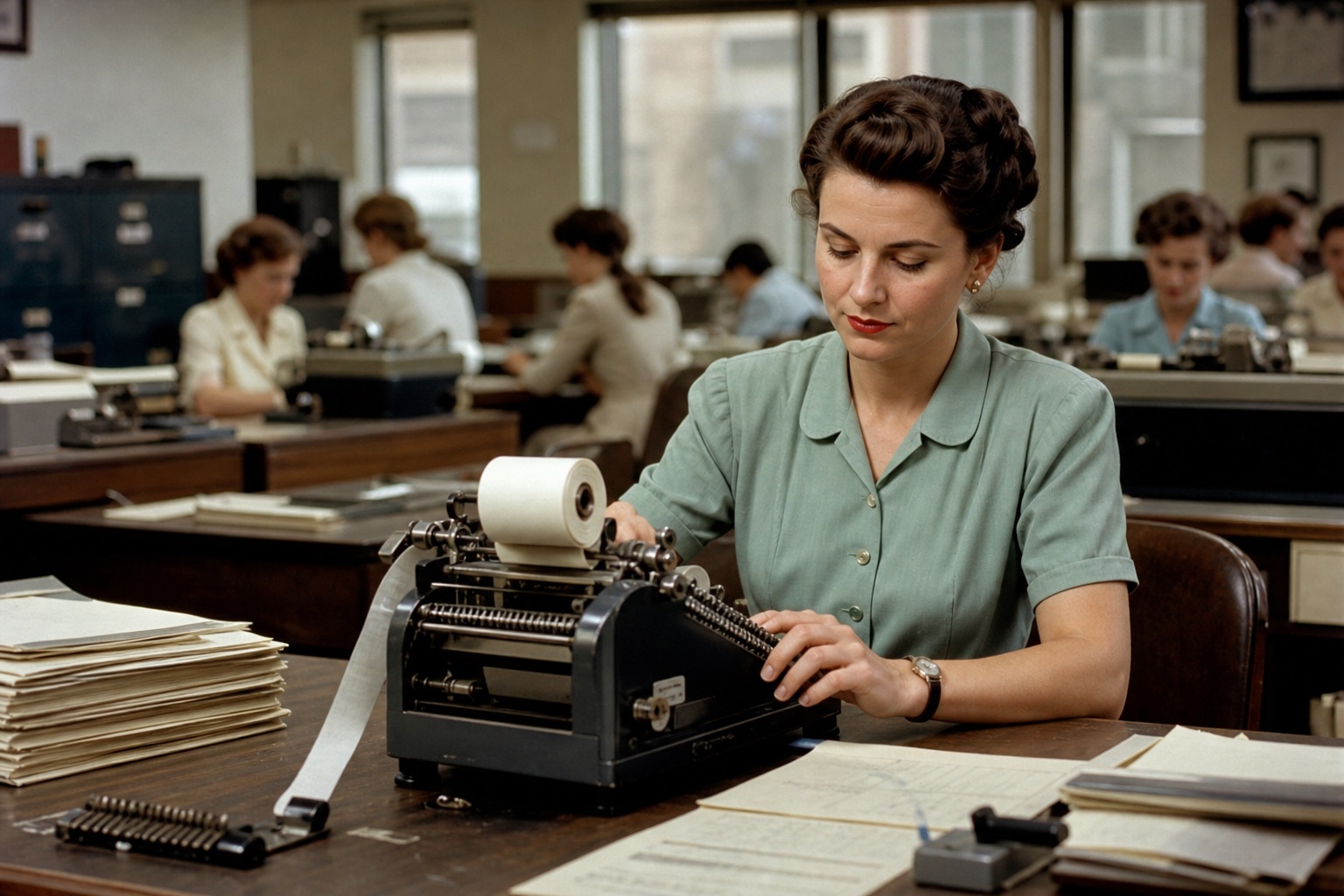 Past · Mid Twentieth CenturyComptometer OperatorA comptometer operator ran a Felt comptometer, the key-driven adding machine Dorr E. Felt brought out in 1887. Unlike a crank adder, it let several keys in a column go down together, so a trained hand could enter a number in one stroke. Banks, billing offices, railroads, and insurance rooms hired people, mostly women, to add and extend figures for hours at that keyboard. Operator schools taught the touch and certified speed. The product was a total the bookkeeper could trust, not a printed page of prose.
The machine's long life makes the job look Victorian at the start, and the honest center of the exhibit is the twentieth-century office, ending when electronic calculators and computers took the columns in the 1960s and 1970s. A comptometer bureau might sell the labor by the batch. An in-house operator sat beside the ledgers she fed. Either way the skill was in the hands, and it did not survive the cheap electronic key.
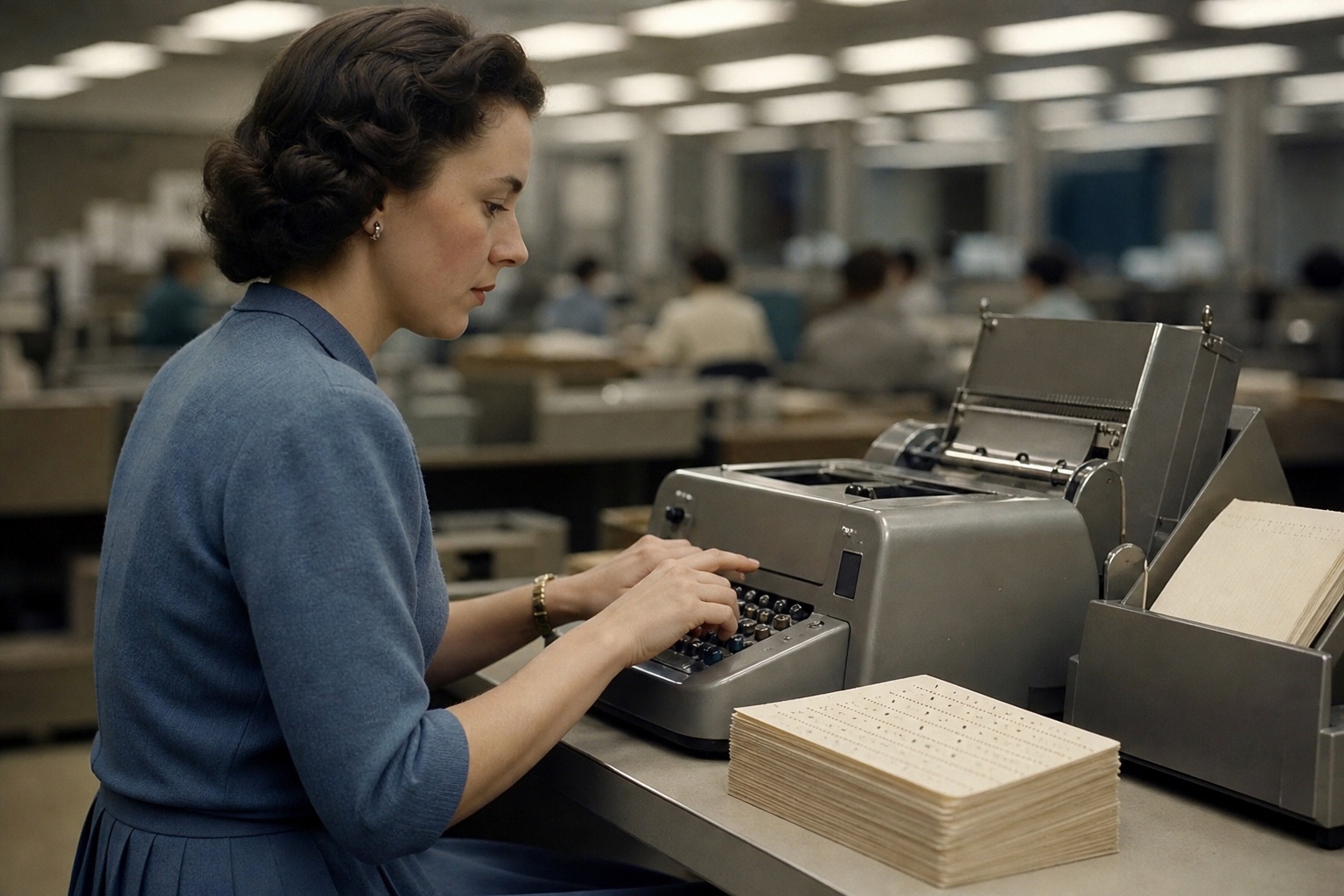 Past · Mid Twentieth CenturyKeypunch OperatorA keypunch operator turned source documents into Hollerith and later IBM cards by striking a punch, one character to a column, until a deck existed that a machine room could read. The mid-century room was often a floor of the same gray machines, program drums skipping fields the operator should not retype, hoppers of blank cards on one side and finished decks on the other. A second person at a verifier rekeyed to catch errors. The work flourished when payrolls, policies, censuses, and bills all had to become cards before a computer would accept them.
The operators were mostly women, and the job is a mid-twentieth-century mass occupation rather than a nineteenth-century curiosity. It thinned when key-to-disk machines, terminals, and direct data entry in the 1970s and 1980s let the same facts go into a system without a card. The exhibit is that punch room: the sheet, the keyboard, the deck, and the sound.