
c. 1900–1945
The early twentieth century
Chain shops, picture palaces, and the last wooden wheels.
Hand work continued in a city that already had motors, films, and a minimum wage on some of the worst homework.
The chainmakers' strike, the silent-film pit, and the horse bus belong together because each is about to be replaced by a machine the audience can already see.
In this period
8
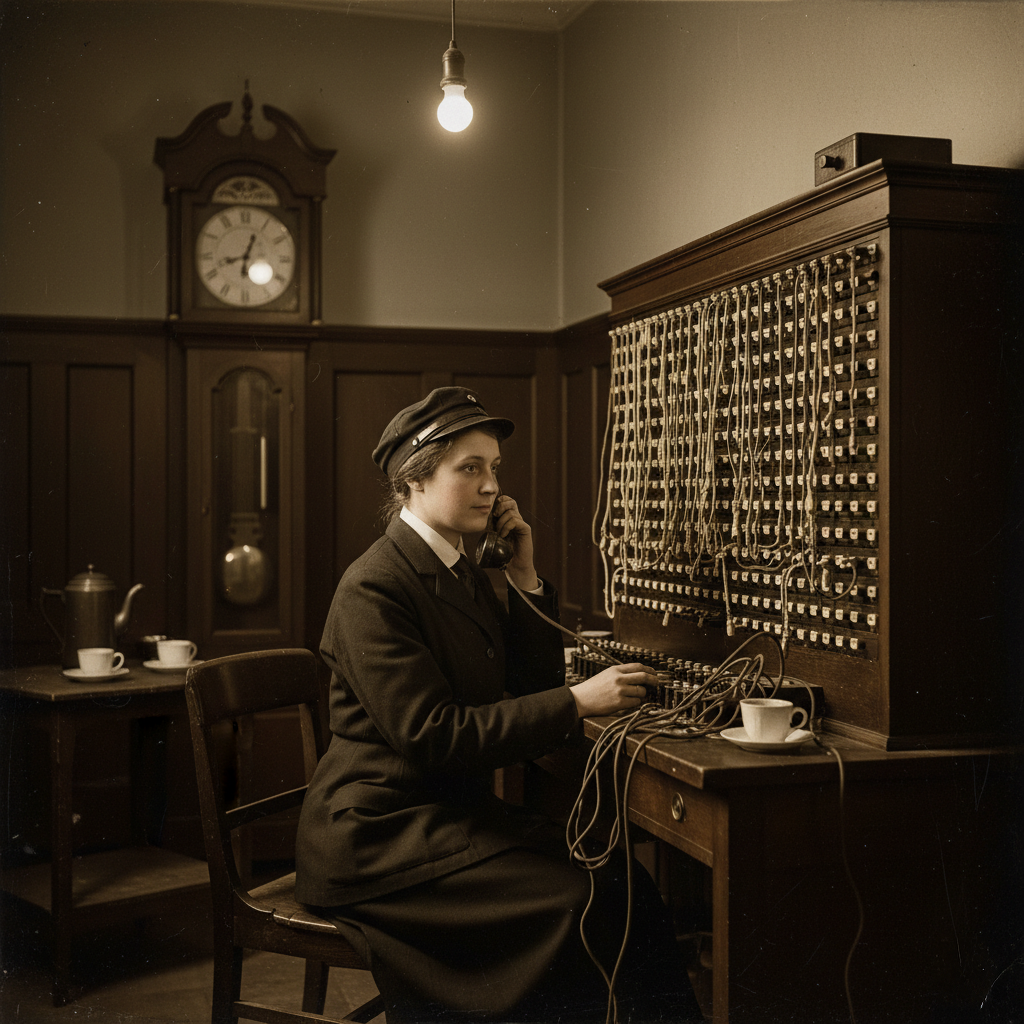 Past · Early 20th CenturySwitchboard Night WatchThe Switchboard Night Watch was a crucial role in the early 20th century, particularly during the rise of telephone communication. As cities expanded and the demand for instant communication grew, telephone switchboards became the backbone of urban connectivity. The Switchboard Night Watch was responsible for overseeing the operation of these switchboards during the night hours, ensuring that calls were connected efficiently and that any issues were promptly addressed. This role required a keen sense of responsibility and a deep understanding of the switchboard's mechanics, as well as the ability to handle emergencies and troubleshoot problems in the dark hours of the night.
Night watch operators worked in dimly lit rooms filled with the hum of electrical equipment and the soft clicks of switches being flipped. They were often the only person on duty, tasked with maintaining the flow of communication for hospitals, police stations, and other essential services that operated around the clock. The job was not only about connecting calls but also about providing a sense of security and reliability to the community, as the night watch was often the first point of contact in emergencies.
As technology advanced, the need for manual switchboard operators diminished. The introduction of automated switching systems in the mid-20th century rendered the role of the Switchboard Night Watch obsolete, as machines could perform the tasks more efficiently and without the need for human oversight.
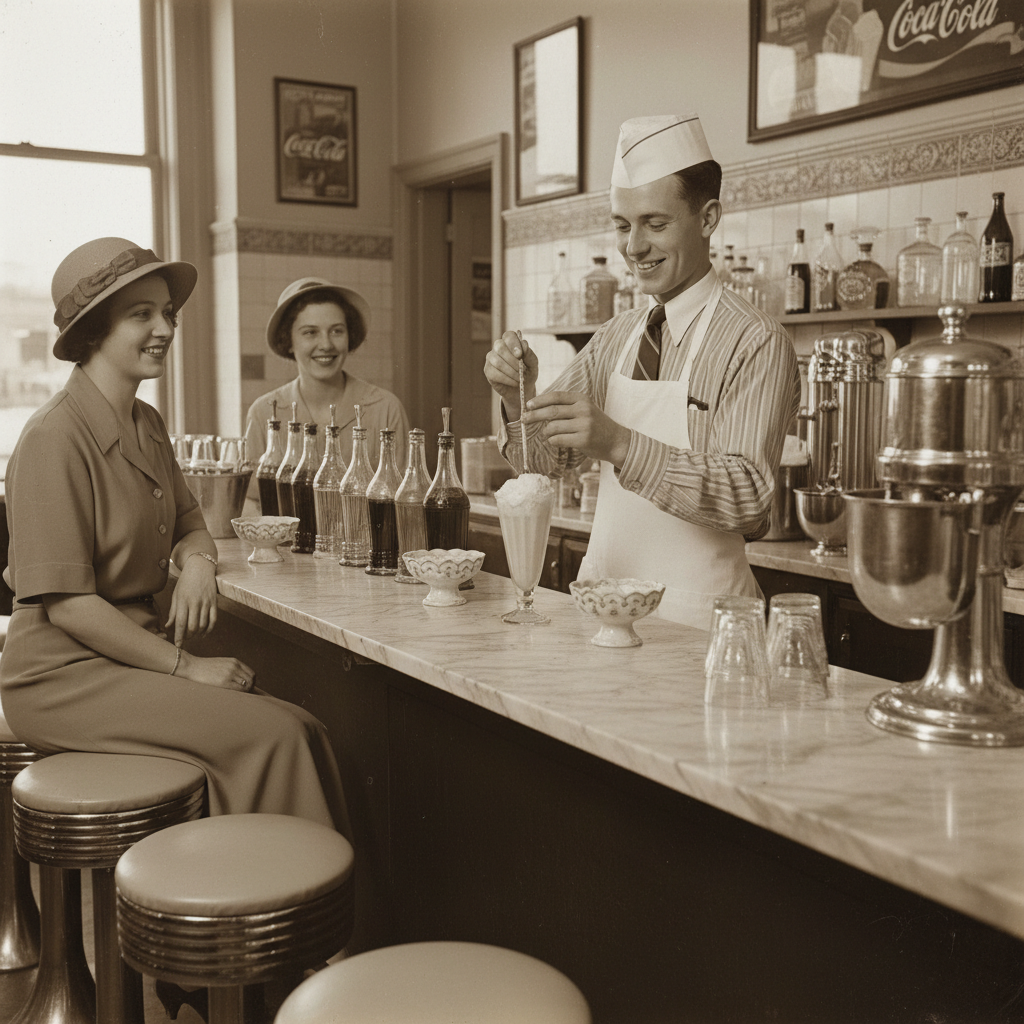 Past · Early to Mid 20th CenturySoda JerkThe soda jerk was a quintessential figure in American culture from the late 19th century through the mid-20th century, particularly in the United States. This role was primarily associated with soda fountains, which were popular gathering spots in drugstores and diners. The soda jerk was responsible for preparing and serving a variety of carbonated beverages, ice cream sodas, and other sweet treats, often with a flair that entertained patrons. The term 'jerk' refers to the quick motion of pulling the soda fountain lever to dispense the fizzy drink, a skill that required both speed and precision.
Soda jerks were not just servers; they were also social facilitators, engaging with customers and creating a lively atmosphere. They often wore distinctive uniforms, which included a white apron and a paper hat, and were known for their friendly demeanor and knowledge of the menu. The soda jerk's role was integral to the experience of visiting a soda fountain, where patrons could enjoy a refreshing drink while socializing with friends or family.
The soda jerk's repertoire included classic concoctions such as root beer floats, banana splits, and phosphates, which were flavored syrups mixed with carbonated water. The job required a good understanding of flavors and the ability to create visually appealing presentations. In addition to beverages, soda jerks often served light snacks, such as sandwiches and pastries, making them a vital part of the local dining scene.
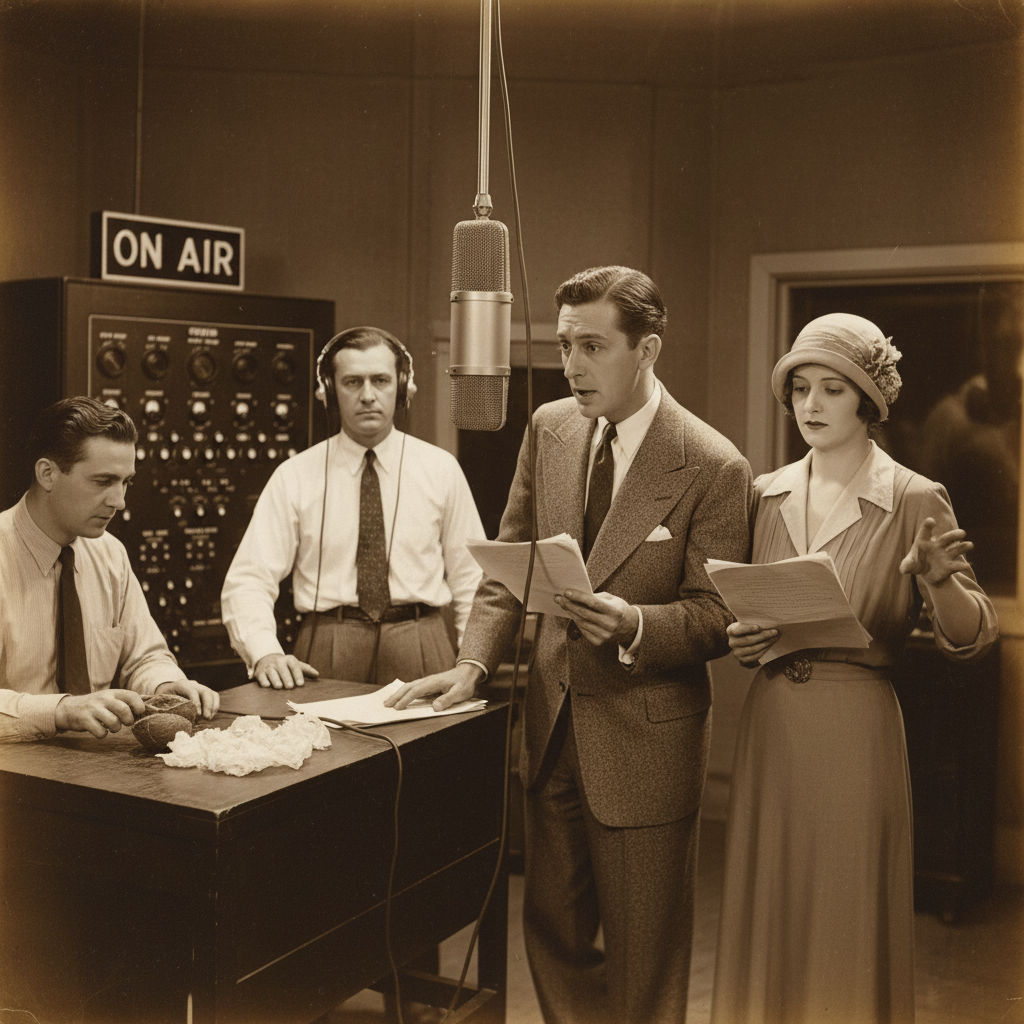 Past · Golden Age of Radio (1920s - 1950s)Radio ActorThe role of a radio actor was pivotal during the Golden Age of Radio, a time when families gathered around their radios to listen to serialized dramas, comedies, and news broadcasts. Radio actors were the voices behind beloved characters, bringing stories to life through their vocal talents alone. Unlike film or television, where visual elements play a significant role, radio actors relied solely on their voices to convey emotion, character, and narrative. They performed live or recorded scripts, often in front of a studio audience, and were skilled in various genres, from soap operas to thrillers. The ability to modulate their voices, create distinct characterizations, and engage listeners through sound alone was essential to their craft. Radio actors often worked with sound effects artists and musicians to enhance the auditory experience, creating a rich tapestry of sound that captivated audiences.
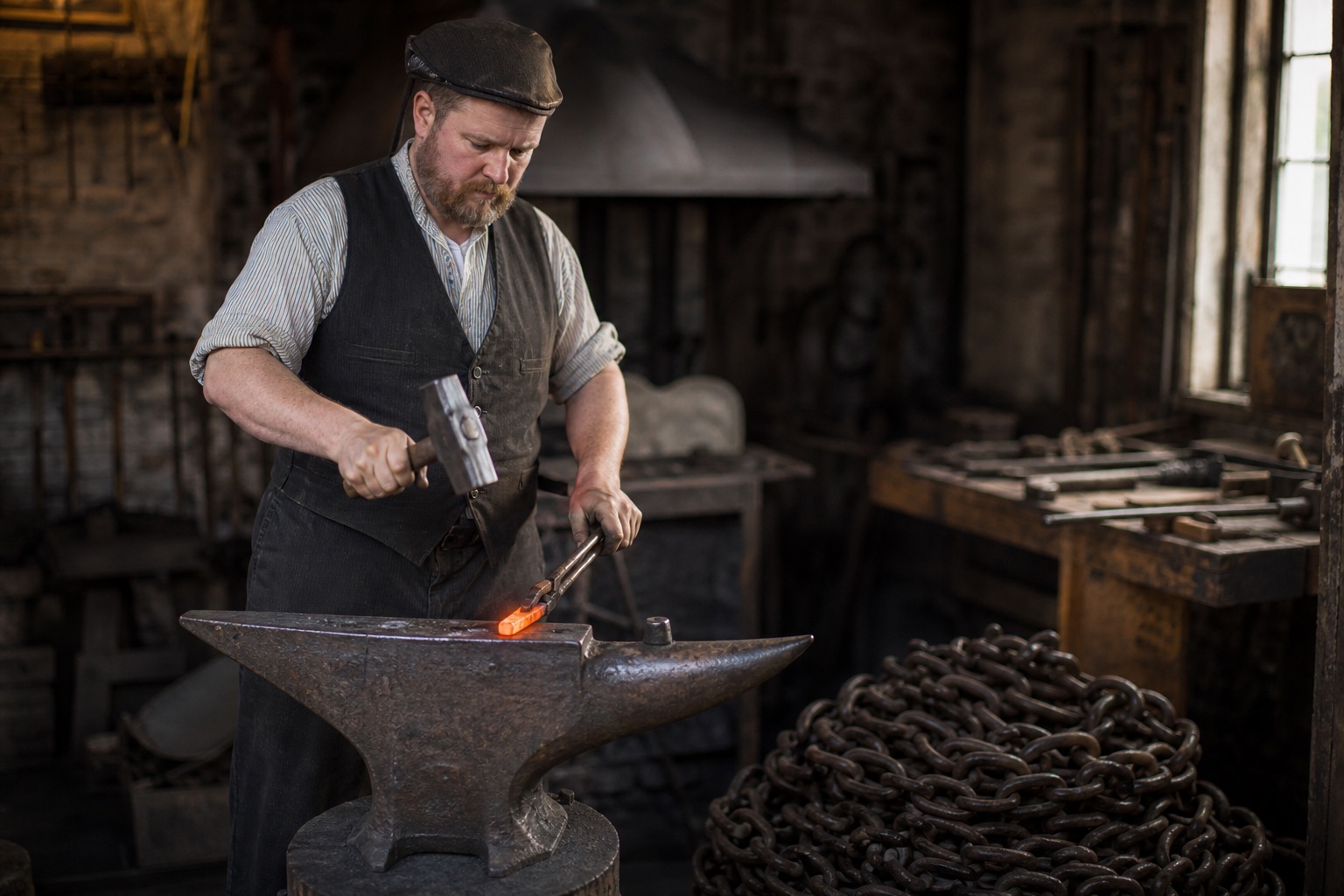 Past · Early Twentieth CenturyChainmakerAt Cradley Heath, and in the small-chain streets of Old Hill and the neighbouring towns, chain was hammered link by link. A woman scarfed a short iron rod, bent it through the previous link, and welded the join on a bick in a backyard shop, a dolly shop, paid by the hundredweight. This was the small work: common chain, dog chain, the lighter sizes. Heavy cable was men's work in larger shops. Before 1910 the backyard bargain was a sweated one. A woman could be at the hearth from morning into the evening and take home five or six shillings for the week, girls learning beside her at a still smaller share of that weight.
Mary Macarthur and the National Federation of Women Workers led the chainmakers' strike of 1910 so that employers would actually pay the minimum the Chain Trade Board had fixed under the Trade Boards Act of 1909, twopence-halfpenny an hour. The strike succeeded. It put a floor under the wage. It did not preserve the backyard hammer as the way ordinary chain would be made. Machine-made chain, and then welded chain from factories, supplied common links more cheaply than a legal hand rate could. The women had stopped the starvation price. Across the early twentieth century the market took the bulk orders to the factory, and the old domestic shops thinned away.
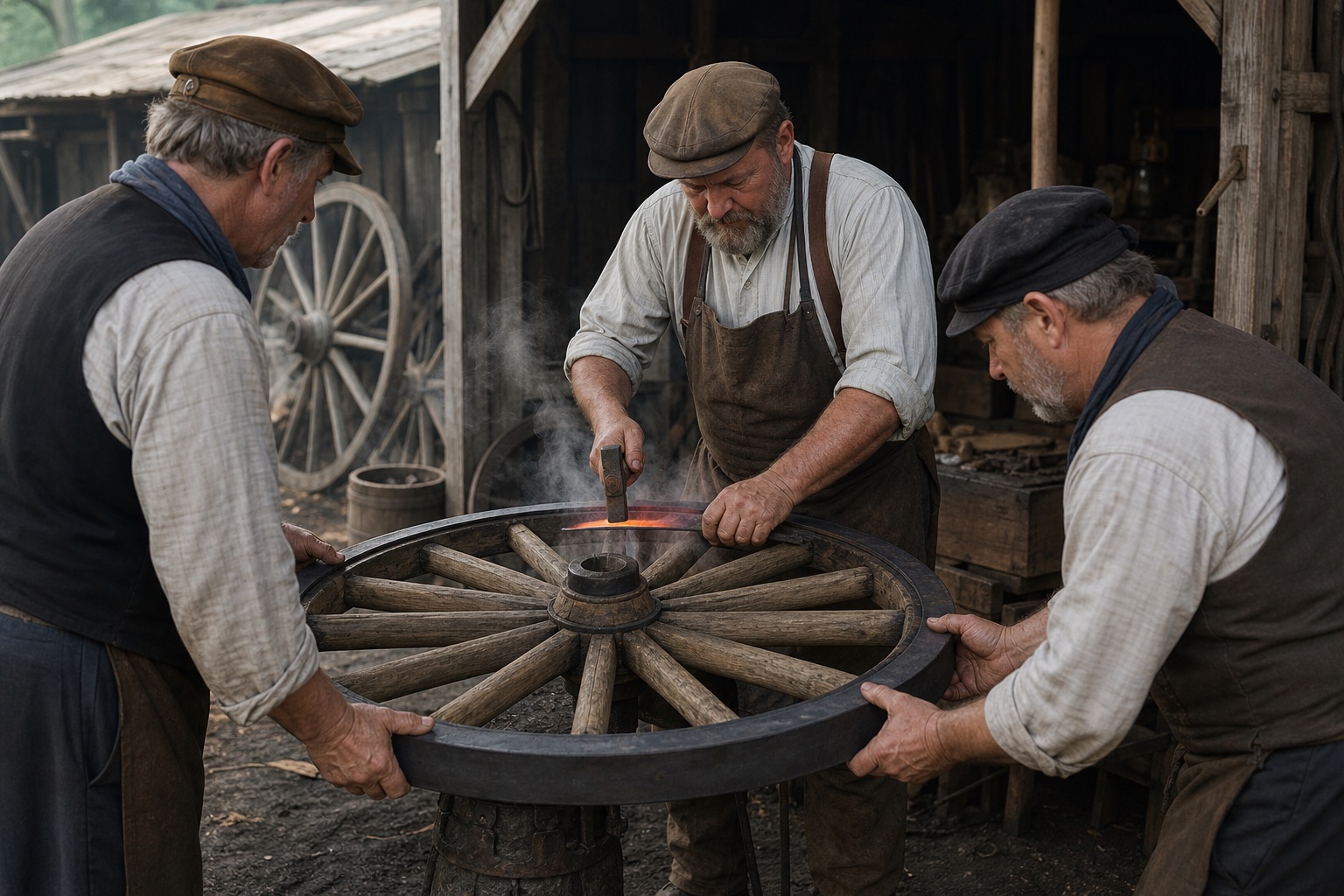 Past · Early Twentieth CenturyWheelwrightA wheelwright made the wooden wheel that carried a cart, a waggon, or a carriage, and he shod it with iron. The stock, or nave, was the hub, boxed with iron for the axle. Spokes were dressed and driven into mortises. Felloes, curved sections of ash or elm, made the rim and were dowelled into a circle. The wheel was dished, set as a shallow cone, so it stood plumb under the load when the cart moved. A hoop tyre was then heated on a circular fire, dropped over the rim, and quenched so the iron shrank tight and pulled the joints home. George Sturt, who ran his family shop at Farnham in Surrey from 1884 and published The Wheelwright's Shop in 1923, described this as a whole literacy in timber. Every country town had some version of that bench.
Rubber tyres, the motor trade, and factory wheels removed the reason for the bench. A pneumatic tyre does not sit on a craftsman-cut felloe in the old way. A motor van does not come to the wheelwright for a new stock. Factories supplied wooden wheels and then metal ones faster than a shop could spoke them, and cheaper. Farm repairs lingered where iron-shod carts still worked, into the 1920s and 1930s. The boy who in 1900 could still be offered seven years at the bench was, a generation on, looking at a trade that no longer bound apprentices.
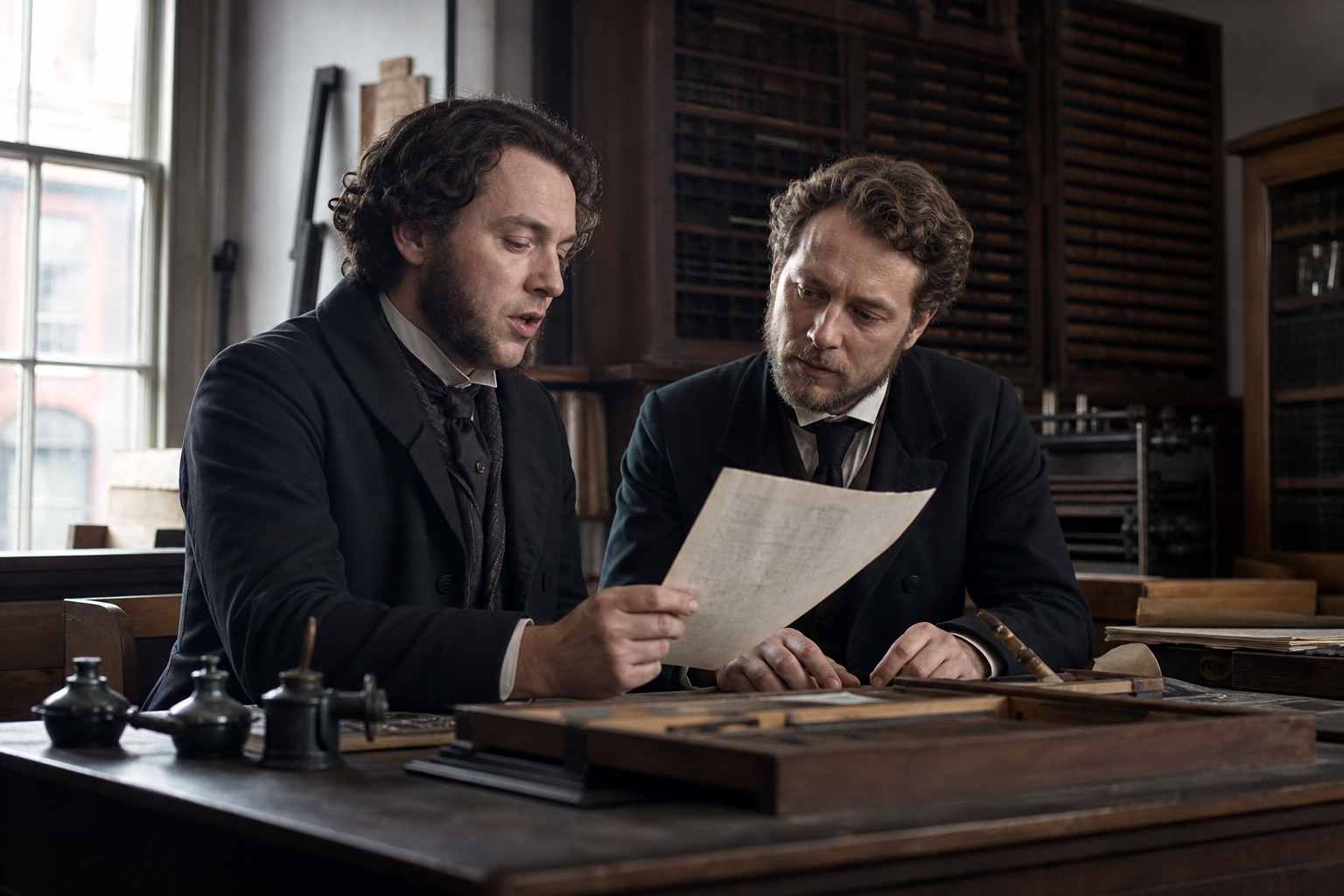 Past · Early Twentieth CenturyCopyholderA copyholder sat in the proofing room with the manuscript or typescript and read it aloud so a proofreader could follow the printed proof. Names were spelled, punctuation was spoken, and the place in the copy was never lost if the reader stopped to mark a letter. The pair worked as one instrument: voice on the copy, pencil on the proof. Newspaper rooms, book houses, and government printing offices all used some version of that duet. It was indoor, exacting, and easy for a visitor to mistake for mere reading.
The post belongs mostly to the nineteenth century and the first half of the twentieth, when type was still set from handwritten or typed copy and a second pair of eyes was hired as a voice. Women and girls filled it in large numbers as a junior office grade, though men and boys held it too, especially earlier. Silent comparison by a single reader, then a tape that could be replayed, and finally a screen, took the voice out of the room. The label is the person who held the copy, not the senior who signed the proof.
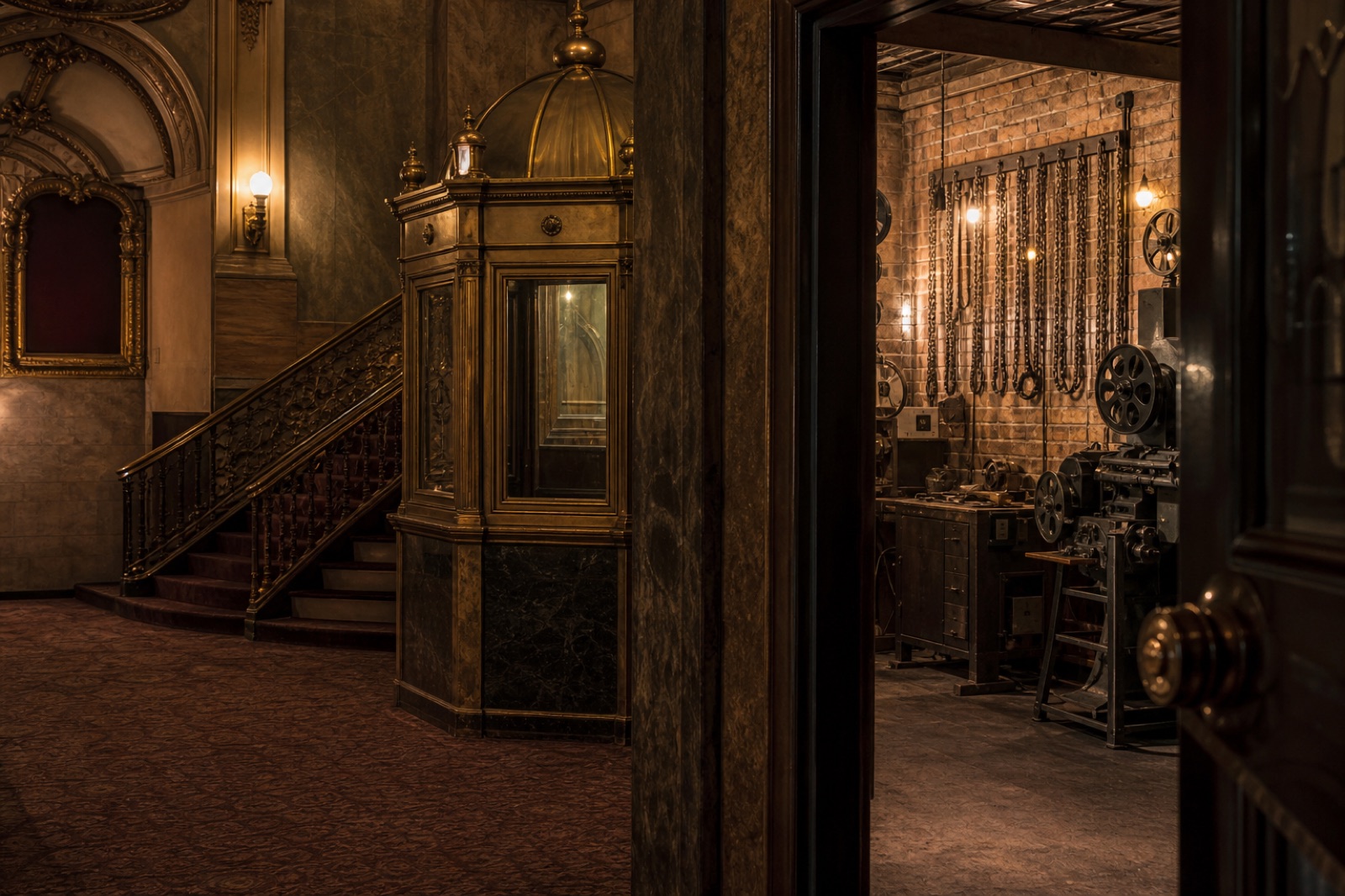
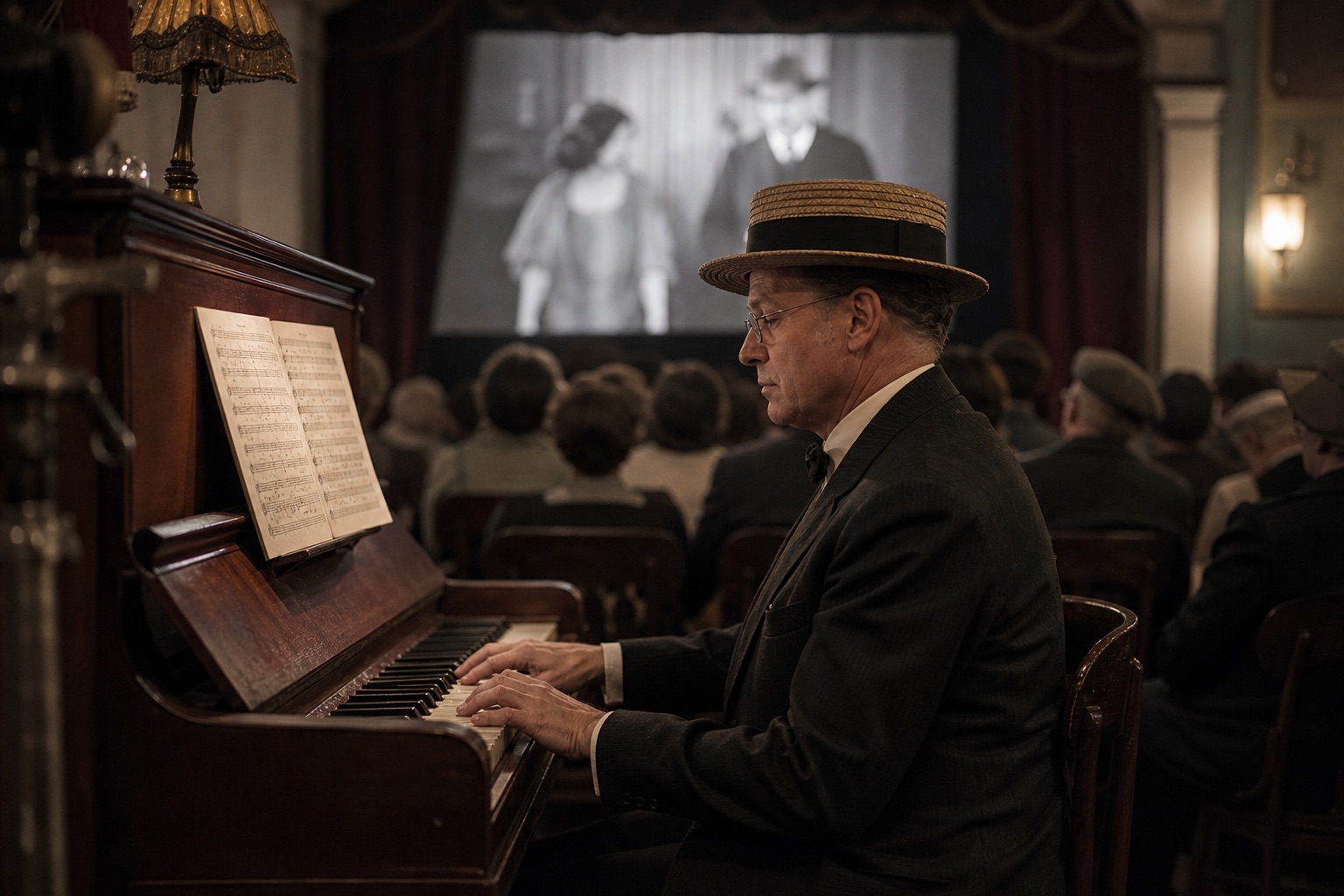 Past · Early Twentieth CenturyPhotoplayerA photoplayer was the pianist or organist who supplied the sound of a silent picture inside the cinema. In a small house that meant an upright piano below the screen, played by someone who watched the reel and changed mood when the scene changed. In a picture palace it meant a theater organ, with stops and traps that could drive a chase or quiet a farewell. Cue sheets traveled with some films; other players improvised from the image in front of them. The audience heard the story through that person, not through a track printed on the film.
The work sits in the early twentieth century and closes in a short overlap with sound. A talking picture in 1927 did not darken every pit in a week, but by 1929 houses wired for talkies had made a live score an extra rather than the picture itself. Neighborhood pianists and famous console players lost the same job even when their next engagements differed. This exhibit is the musician of the silent show, not a later score written in a studio.
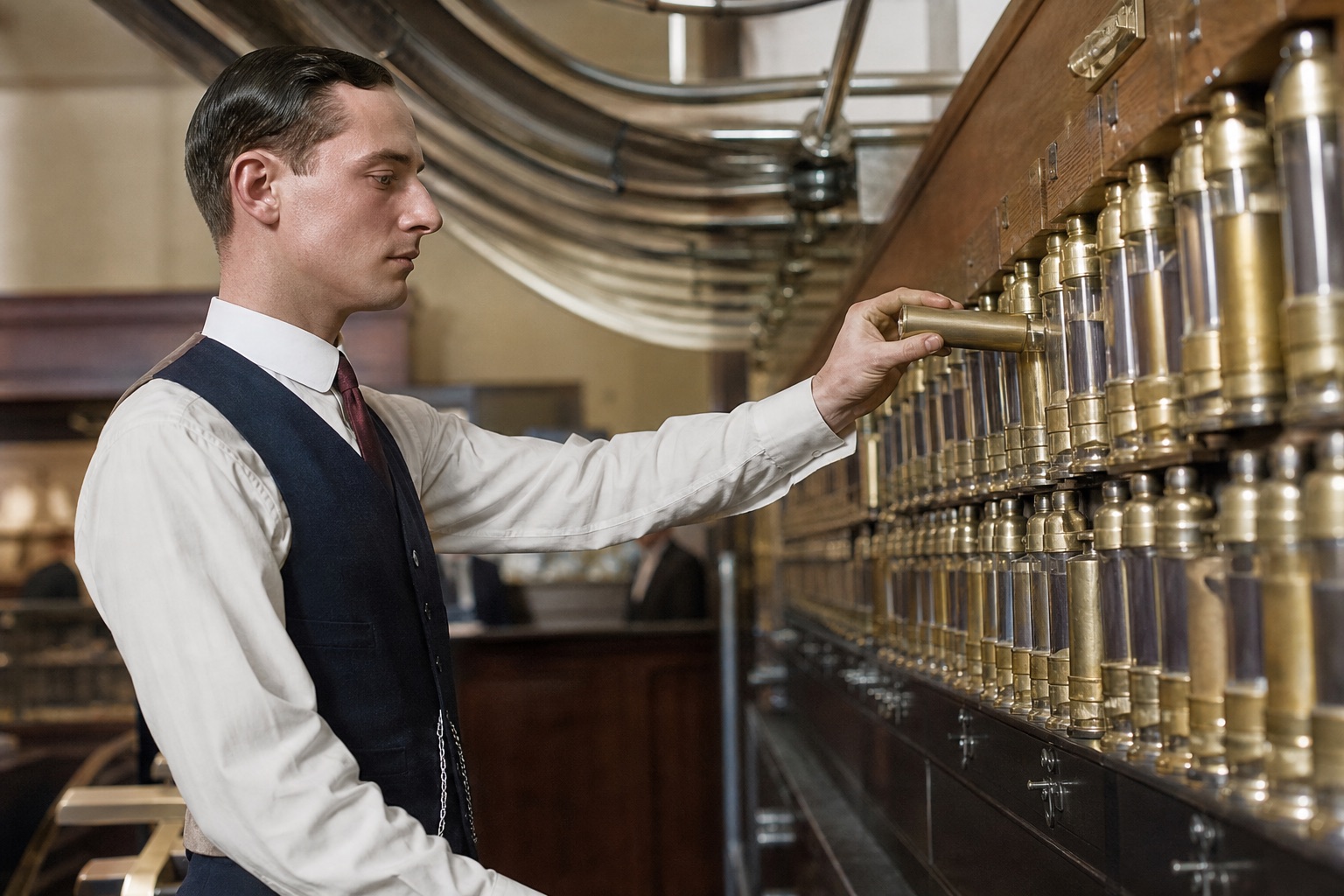 Past · Early Twentieth CenturyPneumatic Tube AttendantA pneumatic-tube attendant staffed the terminals of a store or office system that shot small carriers through tubes of air. In a department store the carrier brought a sale's cash and bill to a central cashier, and the attendant sent the change and the receipt back to the counter. In an office the same rush of air carried papers between floors, and the attendant opened, sorted, and returned them. The work was the mouth of the tube: a lever, a carrier, a drawer. This is the late nineteenth and early twentieth century. It is not the hospital tube, which still runs and is another job entirely.
Retail ended the attendant when the tubes and the central cashier's desk were ripped out and the money stayed on the selling floor. Office lines lingered in a few buildings and are not the center of this label. The earlier cash girl had walked what the carrier now flew; the register on the counter would later make even the flight unnecessary. The person with the pile of carriers is the exhibit.