
Trade
The lens and the recorded show
Photographs, films, and the people who played or projected them.
From the daguerreotype to the video counter, the pattern is the same. A specialist stood between the audience and the picture until the picture could travel alone.
In this trade
9
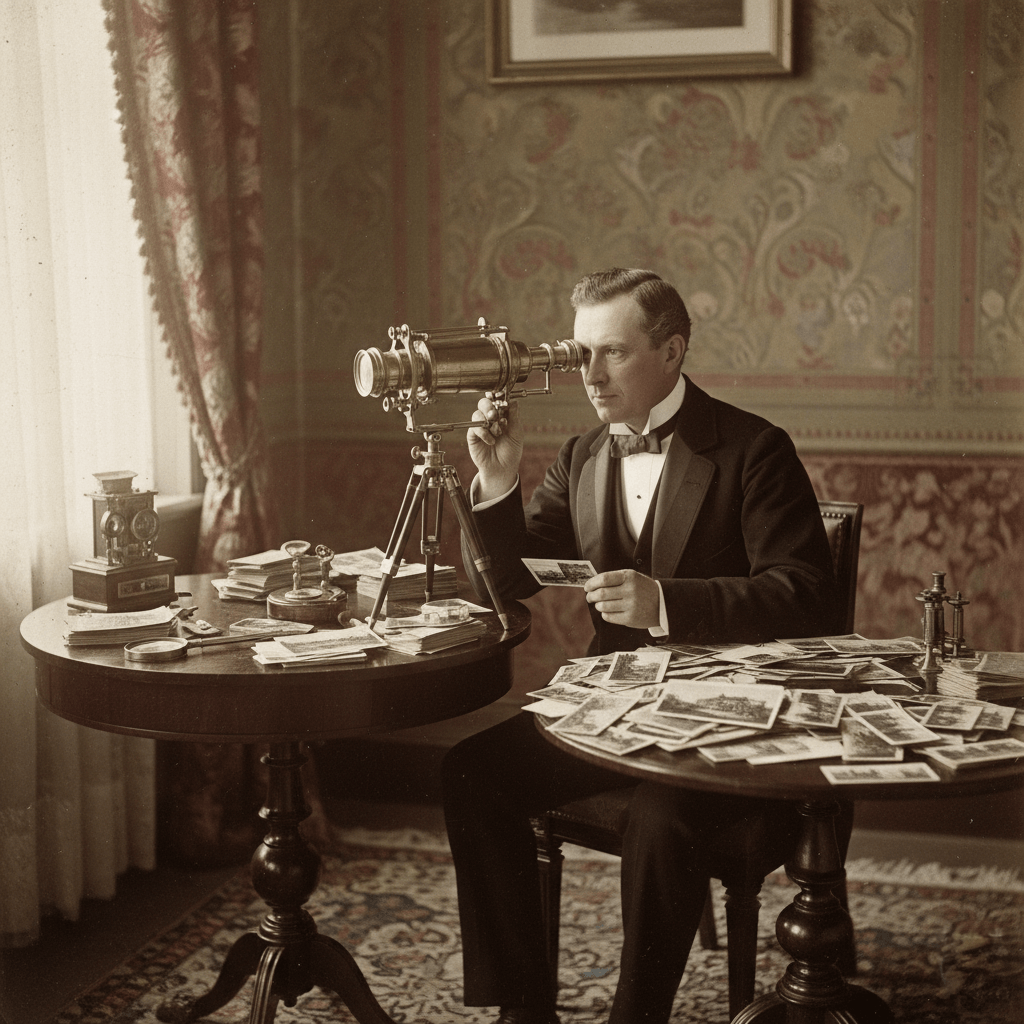
- Past · Victorian EraStereoscopistThe role of a stereoscopist emerged in the mid-19th century, coinciding with the rise of the stereoscope, a device that allowed viewers to experience three-dimensional images. Stereoscopists were skilled artisans and technicians who specialized in creating stereoscopic images, which were pairs of photographs taken from slightly different angles to simulate depth perception when viewed through a stereoscope. This job was not only a technical craft but also an artistic endeavor, as stereoscopists had to carefully compose scenes, select appropriate lighting, and ensure that the images conveyed a sense of realism and depth.
Stereoscopists often worked in studios or as part of larger photographic firms, where they would collaborate with photographers and artists. They were responsible for processing the images, mounting them on cards, and sometimes even hand-coloring them to enhance their visual appeal. The popularity of stereoscopic images surged during the Victorian Era, as they provided a novel form of entertainment and education, allowing people to experience distant landscapes, historical events, and even exotic cultures from the comfort of their homes.
As the demand for stereoscopic images grew, so did the need for skilled stereoscopists who could produce high-quality work. They played a crucial role in the dissemination of visual culture, contributing to the development of photography as an art form and a means of communication.
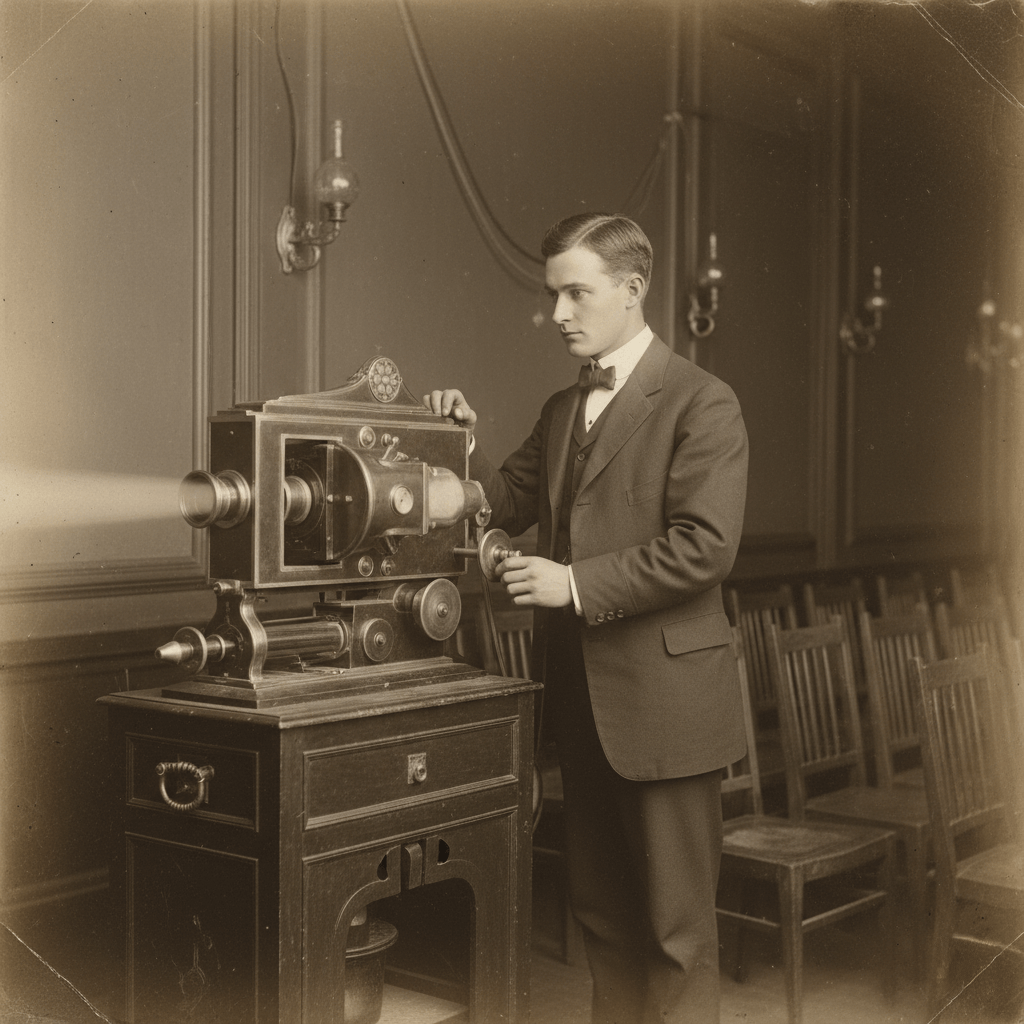 Past · Gilded AgeVitascope OperatorThe Vitascope Operator was a pioneering figure in the early days of cinema, responsible for operating the Vitascope, one of the first commercially successful motion picture projectors. This role emerged in the late 19th century, during a time when the world was captivated by the novelty of moving images. The Vitascope, developed by Thomas Edison and his team, allowed for the projection of short films to audiences in theaters, marking a significant leap in entertainment technology. Operators were tasked with not only running the machine but also ensuring that the film was threaded correctly, maintaining the right speed, and managing the light source to create a clear image on the screen. The job required a blend of technical skill and showmanship, as operators often had to engage with the audience, enhancing the viewing experience with commentary or sound effects. The excitement of the flickering images and the communal experience of watching films in a darkened theater made the role of the Vitascope Operator a vital part of the early film industry.
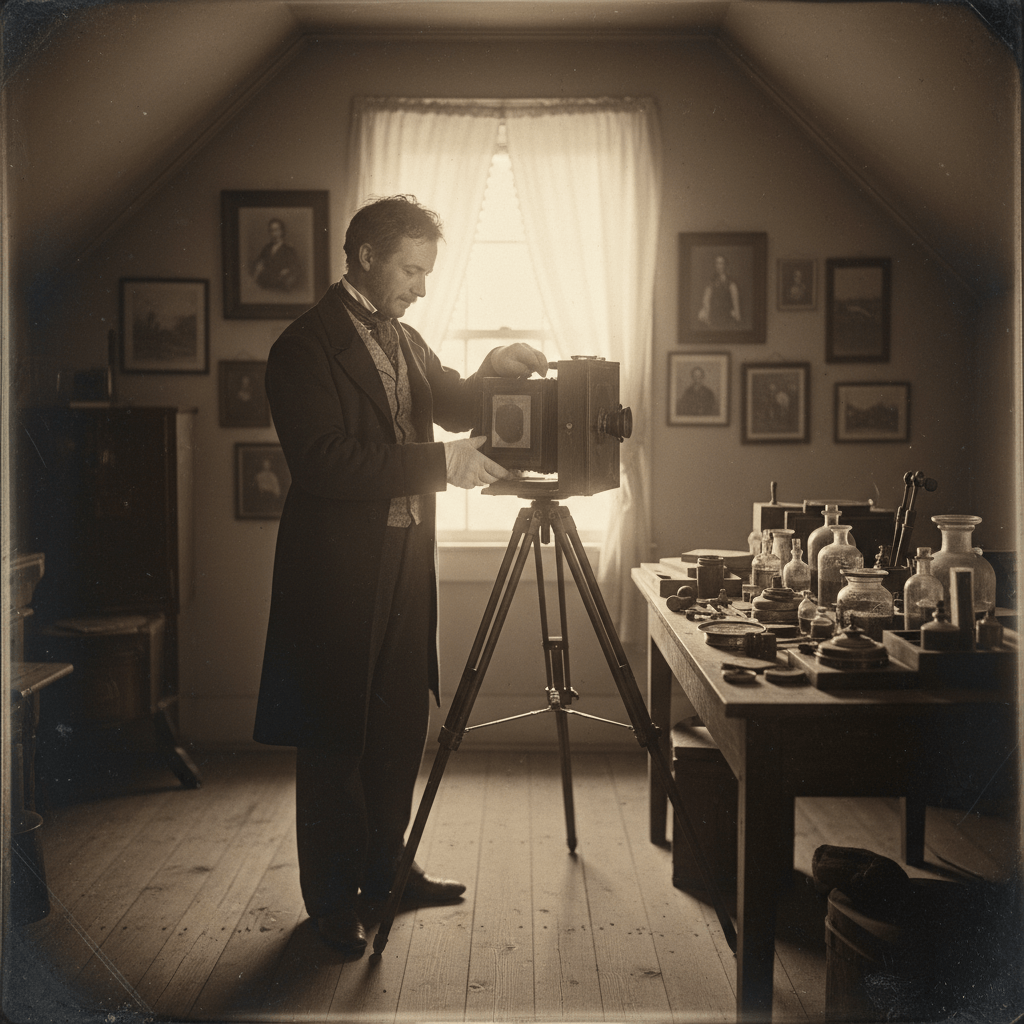 Past · 19th CenturyDaguerreotypistThe daguerreotypist was a pioneering figure in the world of photography, specializing in the creation of daguerreotypes, the first commercially successful form of photography. This intricate process, developed by Louis Daguerre in 1839, involved capturing images on a polished sheet of silver-plated copper. The daguerreotypist's work was not merely technical; it was an art form that required a keen eye for detail and a deep understanding of light and composition. Each daguerreotype was a unique image, characterized by its remarkable clarity and depth, making it a sought-after medium for portraiture and landscapes alike.
The daguerreotypist operated in a small studio, often adorned with velvet drapes and props to enhance the aesthetic of the portraits. The process began with the careful preparation of the metal plate, which was coated with a light-sensitive layer of silver iodide. After exposure in the camera, the plate was developed using mercury vapor, a hazardous but essential step that brought the latent image to life. The final product was then fixed with a salt solution, resulting in a stunning, mirror-like image that could be viewed directly or framed for display.
Daguerreotypists were often entrepreneurs, establishing their own studios and marketing their services to the public. They played a crucial role in documenting society, capturing everything from family portraits to significant historical events, and their work laid the foundation for modern photography.
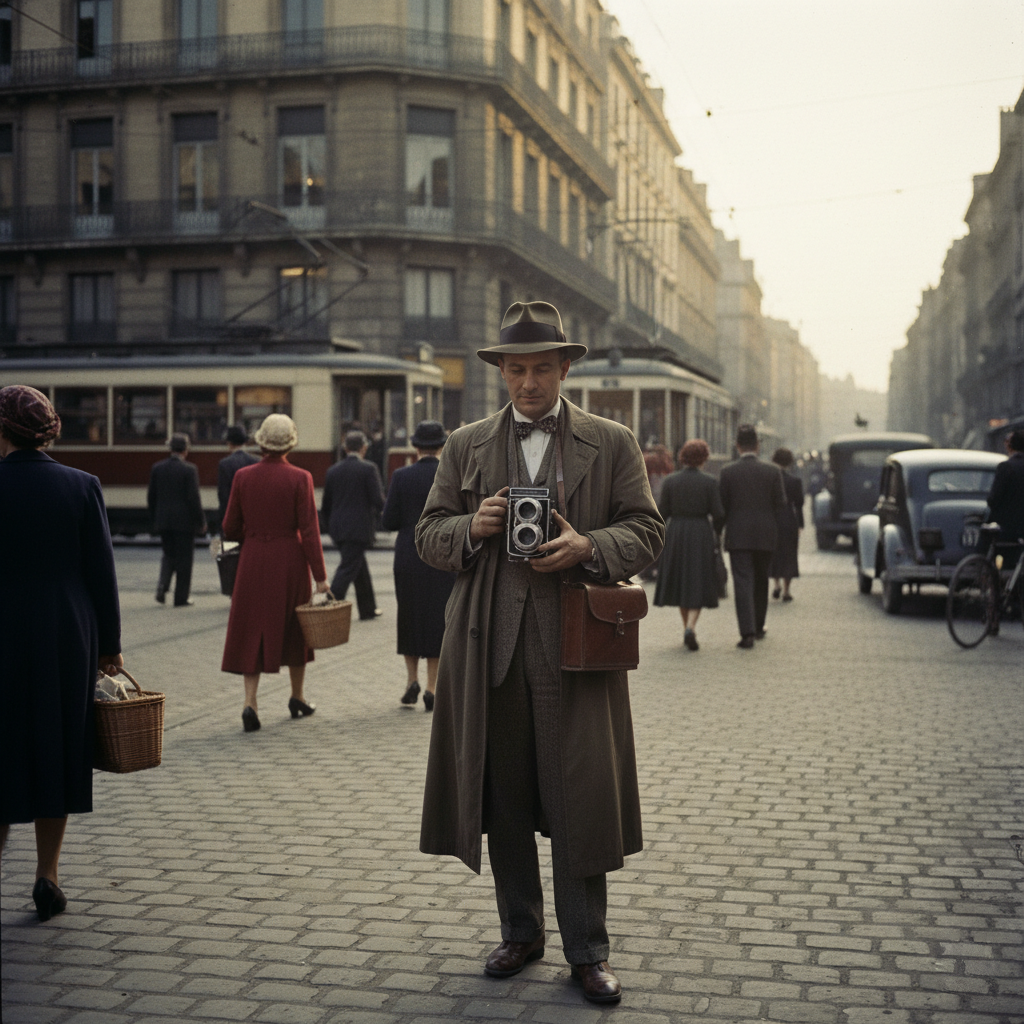 Past · 20th CenturyStreet PhotographerStreet photographers were the visual storytellers of urban life, capturing candid moments and the essence of everyday existence in bustling city streets. Active primarily from the early 1900s to the late 20th century, these artists wielded their cameras to document the vibrancy of public spaces, from crowded markets to serene parks, and everything in between. Their work often reflected the social dynamics, cultural shifts, and historical events of their time, providing a unique lens through which to view the world. Street photography was not merely about taking pictures; it was about seizing fleeting moments that conveyed emotion, narrative, and the human experience.
The street photographer's role was multifaceted, requiring not only technical skill in photography but also an acute awareness of the environment and the ability to connect with strangers. They often worked independently, roaming the streets with their cameras, ready to capture spontaneous interactions and scenes that told a story. Their photographs were frequently published in newspapers, magazines, and art galleries, contributing to the visual culture of the era and influencing future generations of photographers.
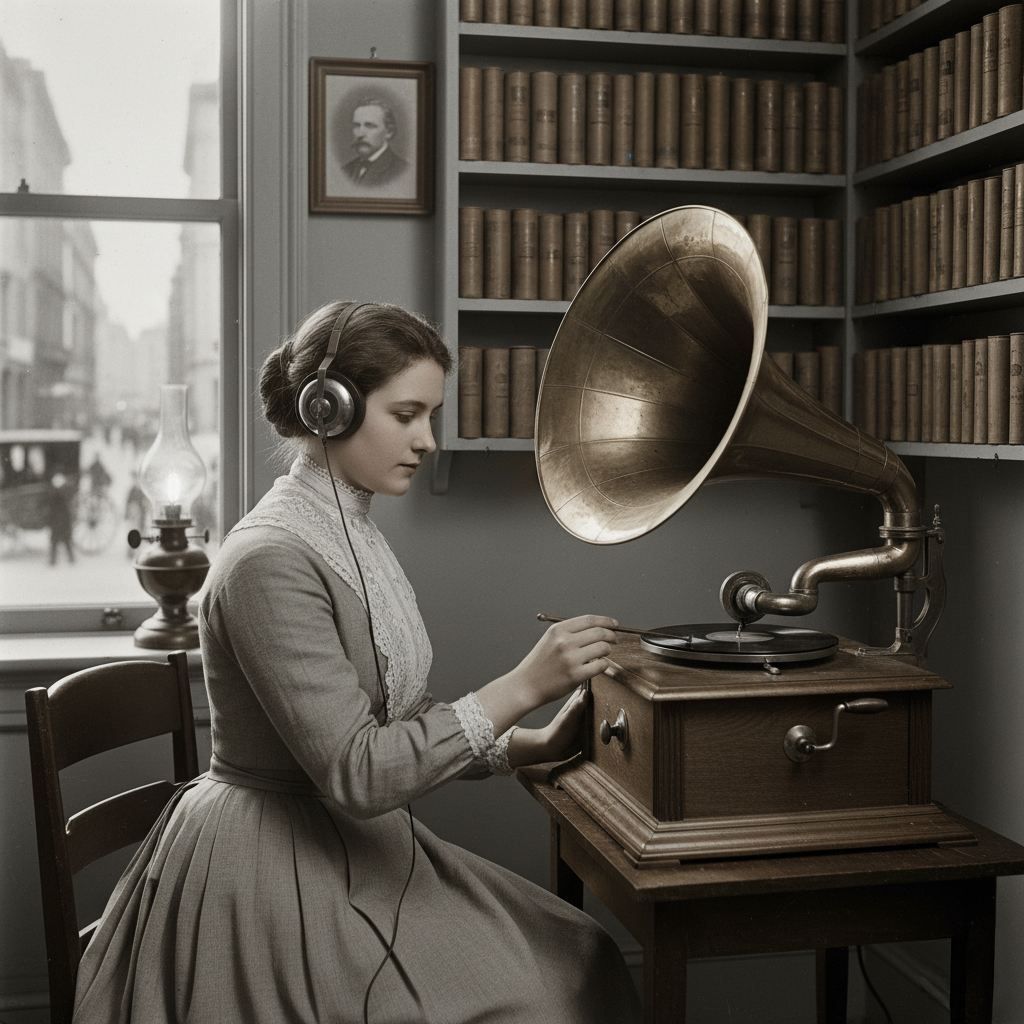 Past · Gilded AgePhonograph OperatorThe phonograph operator was a pivotal figure in the early days of recorded sound, a profession that emerged in the late 19th century with the invention of Thomas Edison’s phonograph in 1877. This role involved the operation of phonographs, which were early devices used to record and reproduce sound. Phonograph operators were responsible for managing the recording process, ensuring that sound was captured accurately onto wax cylinders or discs. They worked in recording studios, often collaborating with musicians, voice actors, and other performers to create audio recordings for entertainment, education, and commercial purposes. The job required a keen ear for sound quality and an understanding of the mechanical workings of the phonograph, as operators had to adjust the device to optimize recording conditions. As the industry evolved, phonograph operators also played a role in the distribution of recorded music, helping to create and manage catalogs of recordings for public consumption.
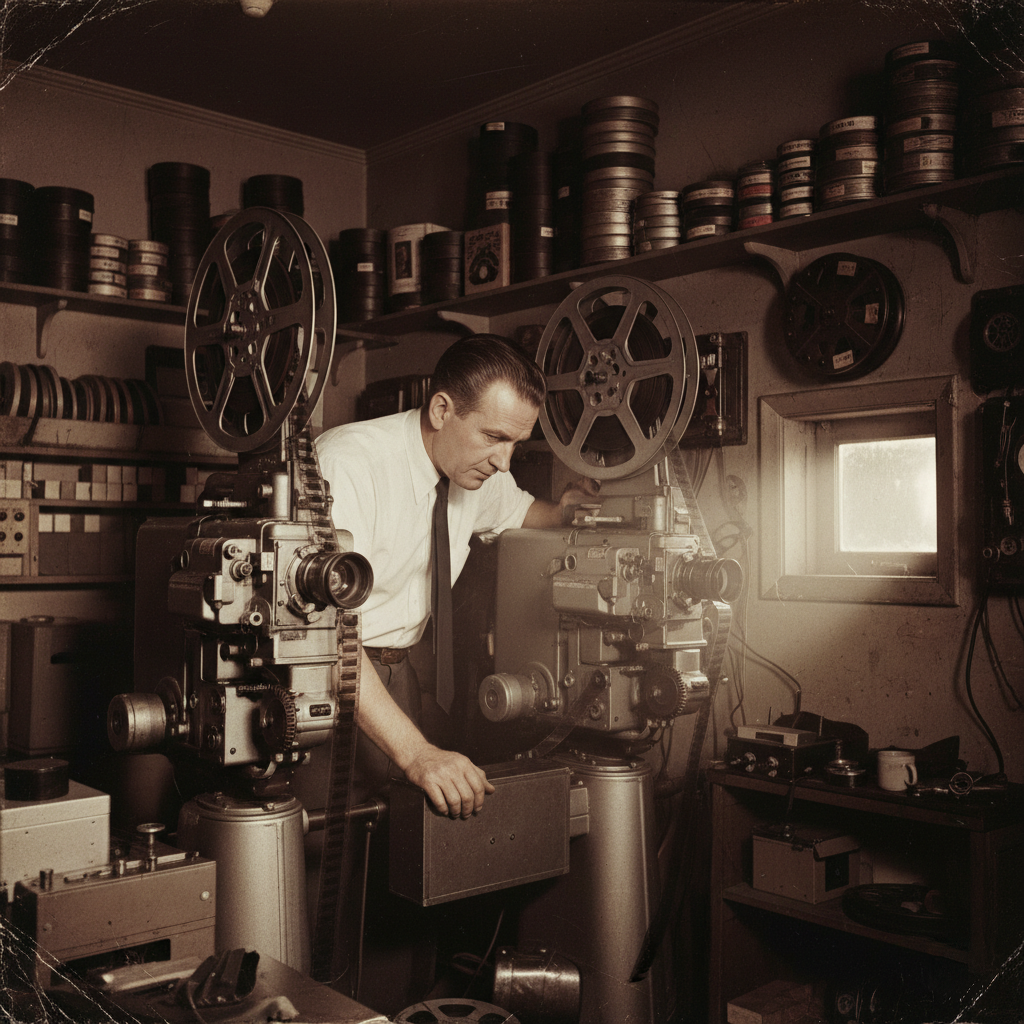 Past · 20th CenturyFilm ProjectionistThe film projectionist was a vital figure in the cinematic experience, responsible for bringing the magic of movies to life on the big screen. This role emerged in the early 20th century, coinciding with the rise of motion pictures as a popular form of entertainment. Projectionists operated complex machinery, ensuring that films were shown correctly and seamlessly to audiences. They were tasked with loading film reels onto projectors, adjusting focus and sound, and managing the intricate mechanics of film projection. The job required a keen eye for detail and a deep understanding of the technology involved, as even a minor error could disrupt the viewing experience. Projectionists often worked in dimly lit theaters, surrounded by the smell of popcorn and the excitement of eager moviegoers. They were the unsung heroes of the cinema, often working late hours and weekends, and were known for their dedication to the craft of film presentation.
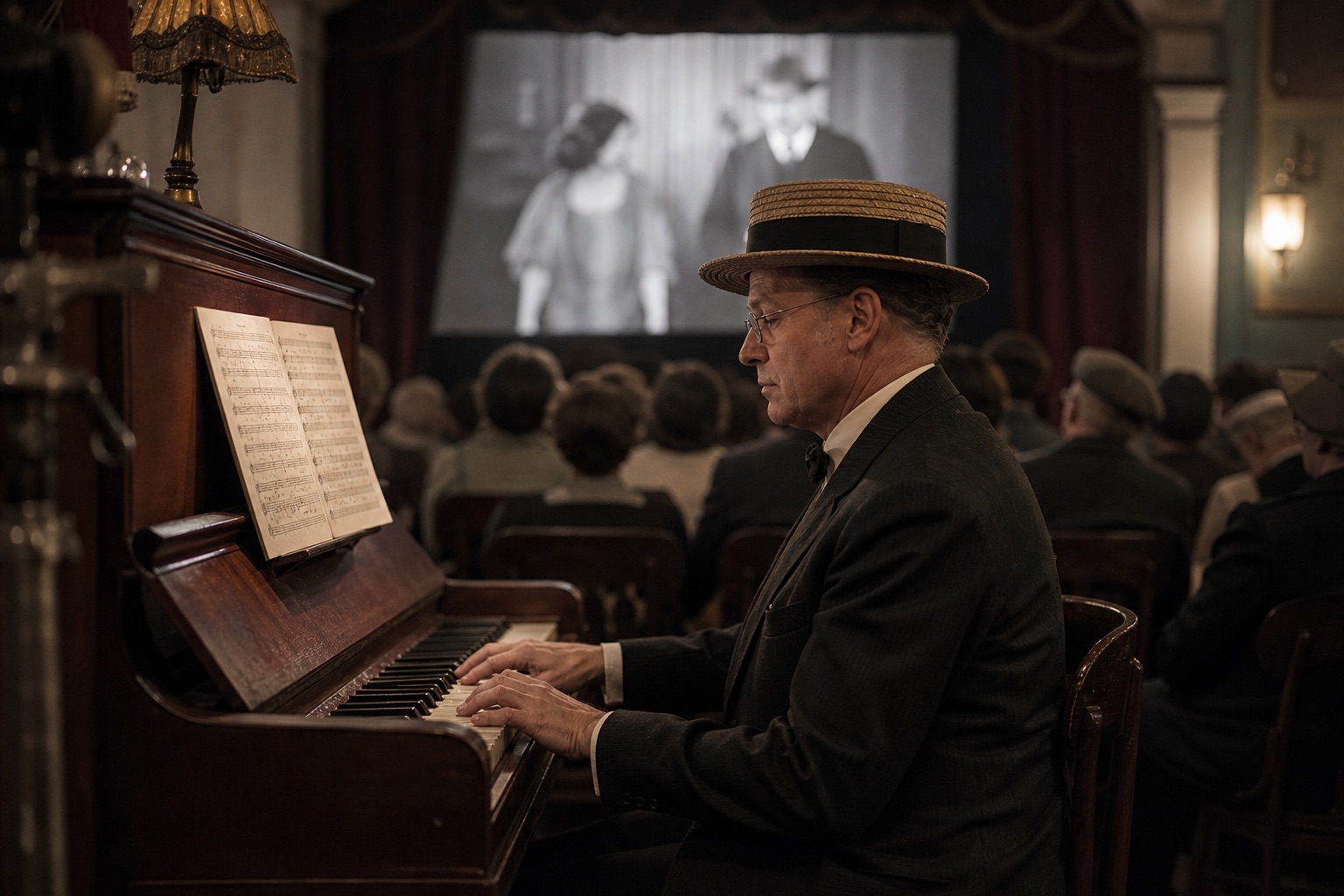 Past · Early Twentieth CenturyPhotoplayerA photoplayer was the pianist or organist who supplied the sound of a silent picture inside the cinema. In a small house that meant an upright piano below the screen, played by someone who watched the reel and changed mood when the scene changed. In a picture palace it meant a theater organ, with stops and traps that could drive a chase or quiet a farewell. Cue sheets traveled with some films; other players improvised from the image in front of them. The audience heard the story through that person, not through a track printed on the film.
The work sits in the early twentieth century and closes in a short overlap with sound. A talking picture in 1927 did not darken every pit in a week, but by 1929 houses wired for talkies had made a live score an extra rather than the picture itself. Neighborhood pianists and famous console players lost the same job even when their next engagements differed. This exhibit is the musician of the silent show, not a later score written in a studio.
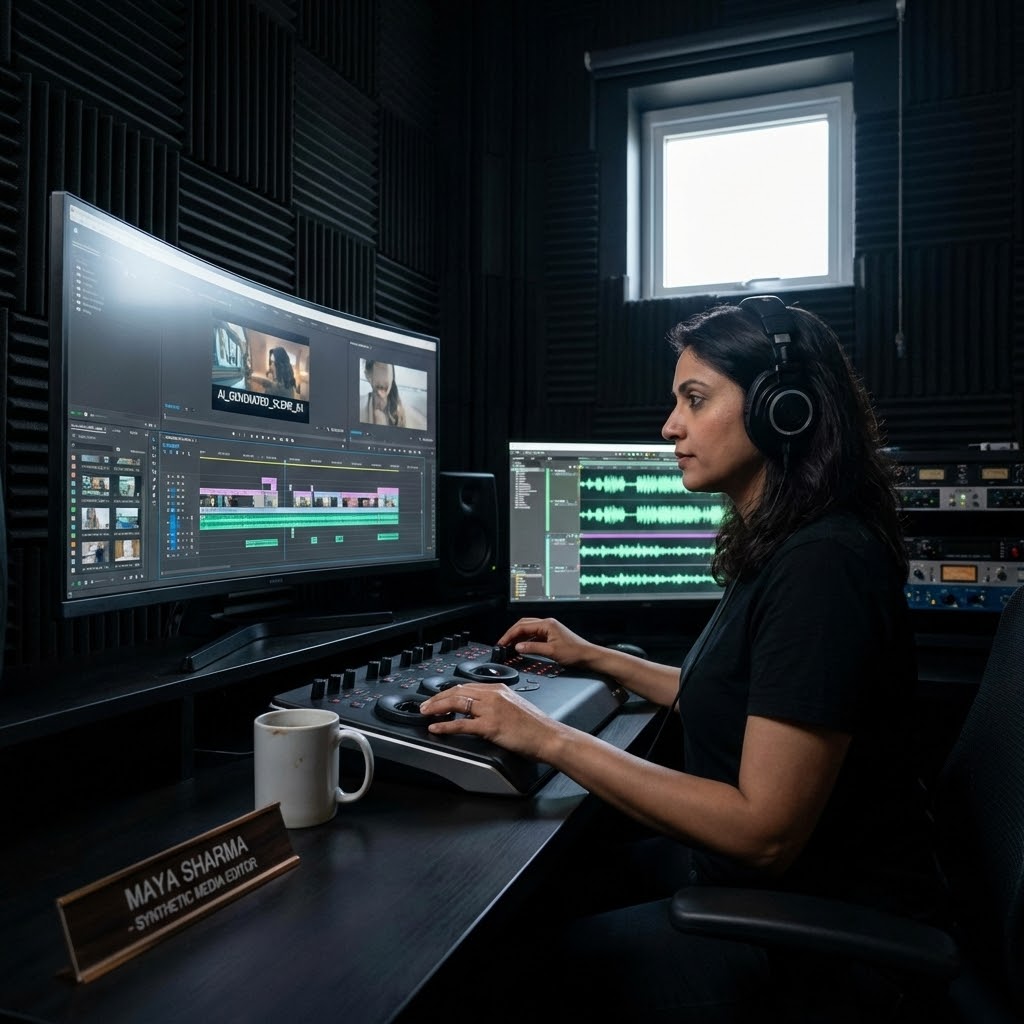 Projected · AI RevolutionSynthetic Media EditorIn the not-so-distant future, the role of a Synthetic Media Editor emerges as a pivotal profession in the landscape of digital content creation. As artificial intelligence continues to evolve, the ability to generate hyper-realistic media—ranging from video and audio to text—becomes commonplace. Synthetic Media Editors are the creative minds who harness these advanced technologies to produce compelling narratives, advertisements, and entertainment that resonate with audiences on a profound level. They blend human creativity with AI capabilities, ensuring that the final product is not only engaging but also ethically sound and culturally relevant. This role is crucial in a world where the line between reality and synthetic creation blurs, requiring a keen understanding of both technology and human emotion.
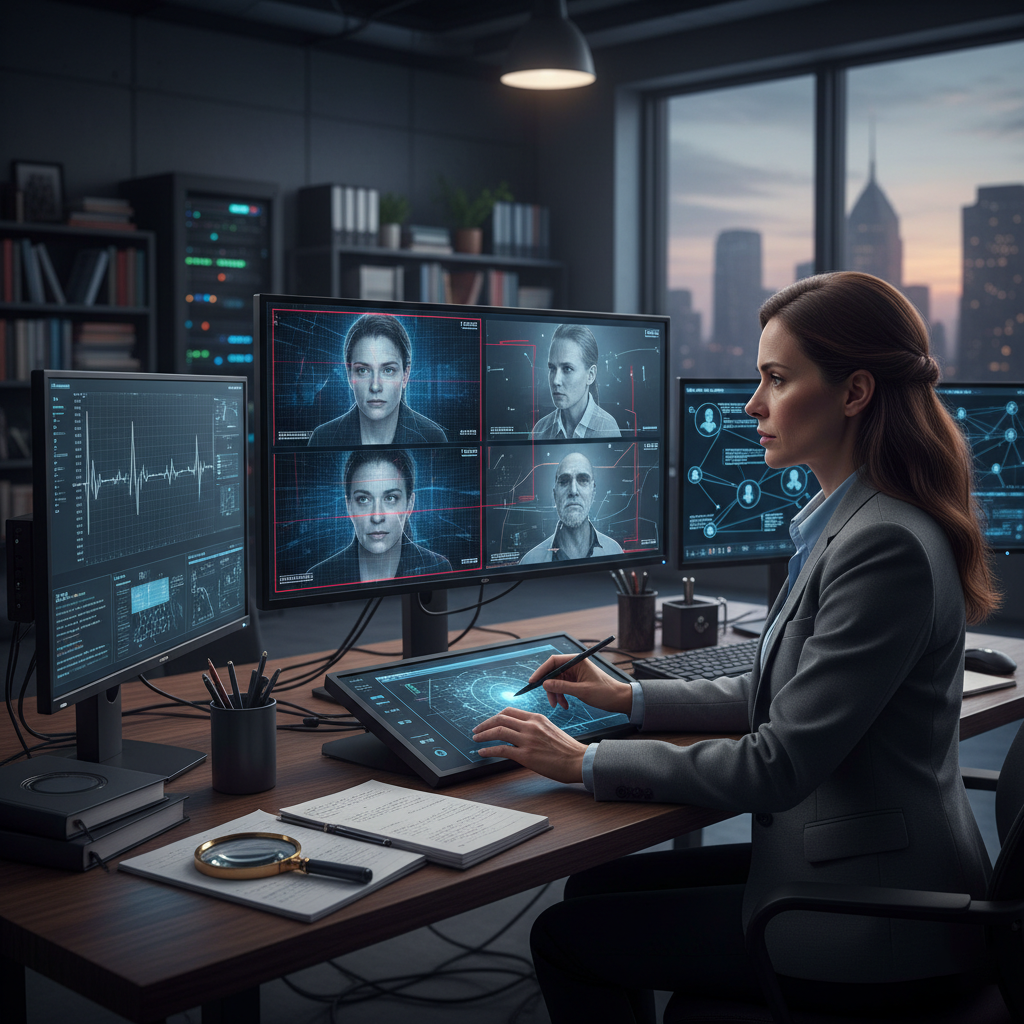 Projected · AI RevolutionDeepfake InvestigatorIn an era where artificial intelligence has advanced to the point of creating hyper-realistic digital forgeries, the role of the Deepfake Investigator emerges as a crucial guardian of truth. These specialists are tasked with identifying, analyzing, and mitigating the impact of deepfake technology, which can manipulate video and audio content to create convincing yet false narratives. As misinformation proliferates, the Deepfake Investigator stands at the forefront of digital forensics, employing cutting-edge tools and techniques to discern reality from fabrication. Their work is not only technical but also deeply intertwined with the ethical implications of trust, privacy, and the very nature of truth in the digital age.