
law
Professional medicine
The split between the barber, the fairground, and the registered practitioner.
Surgery left the barber. Dentistry left the fair. Uroscopy and phrenology left medicine entirely. A register and a school, not a single invention, did most of this.
Under this force
8
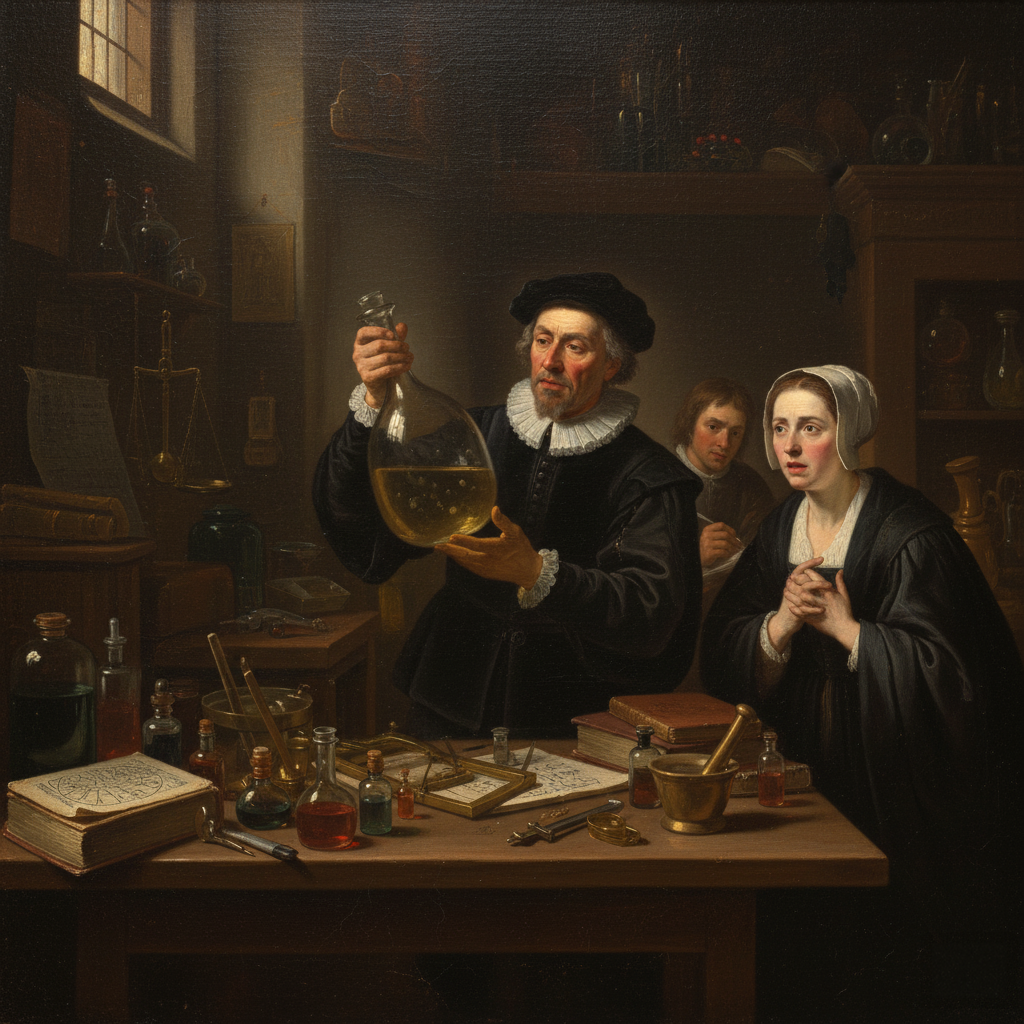
- Past · Medieval PeriodPiss-ProphetThe Piss-Prophet was a unique and somewhat peculiar occupation that emerged during the Medieval Period, particularly in Europe. This role was primarily associated with the practice of diagnosing health conditions and predicting the future through the examination of urine. The Piss-Prophet, often a male figure, would analyze the color, consistency, and even the smell of urine to provide insights into a person's health and fortune. This practice was rooted in the ancient humoral theory, which posited that bodily fluids were indicative of one's health and temperament.
In a time when medical knowledge was limited and superstition reigned, the Piss-Prophet held a significant place in society. They were often consulted by individuals seeking answers to ailments or guidance on personal matters. The Piss-Prophet would typically set up shop in a market square or a local tavern, where they would attract clients with their claims of divination and healing. The role required a keen eye for detail and a deep understanding of the various interpretations of urine, which were often documented in rudimentary medical texts of the time.
Despite the oddity of the profession, Piss-Prophets were sometimes regarded with a mix of respect and skepticism. They often operated alongside other medical practitioners, such as barber-surgeons and herbalists, contributing to the eclectic tapestry of medieval healthcare.
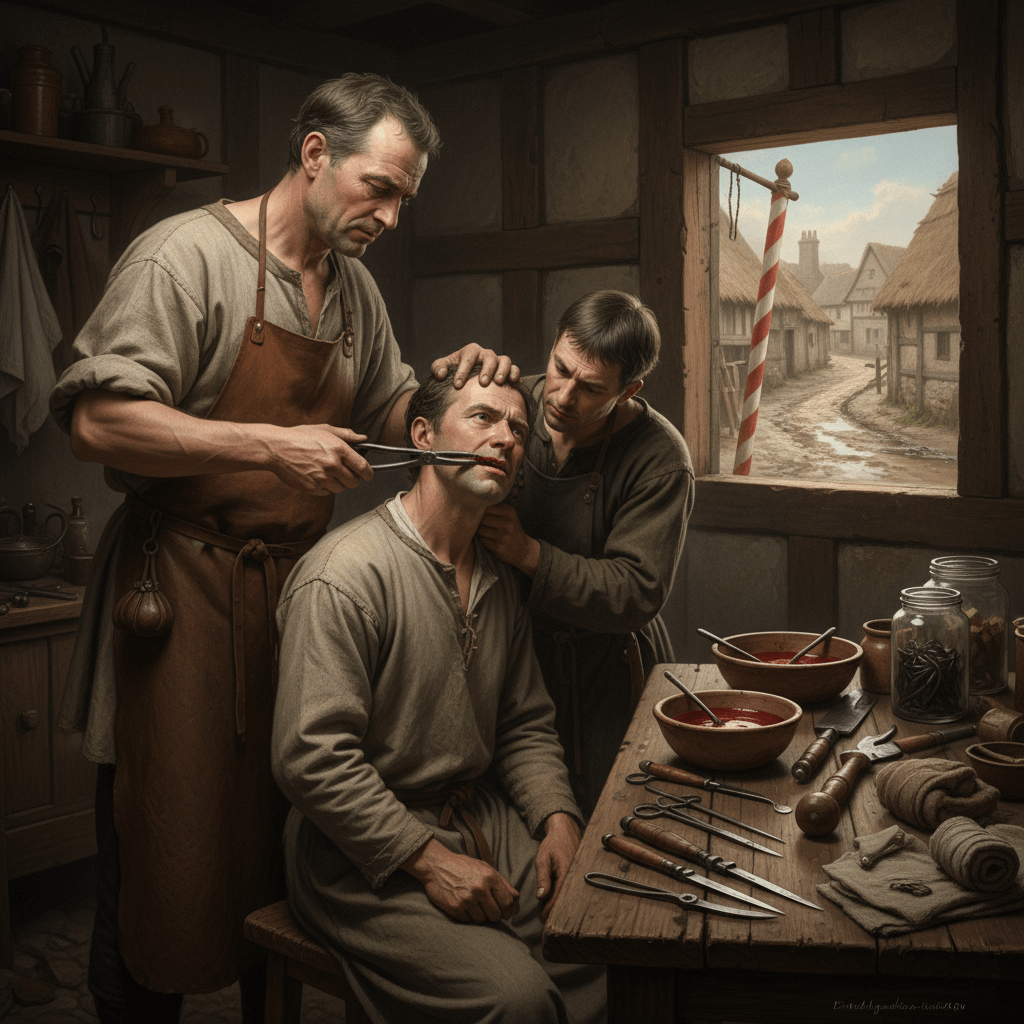 Past · Medieval PeriodBarber SurgeonThe barber surgeon was a unique figure in medieval society, serving as both a barber and a surgeon. This dual role emerged in the 12th century and persisted into the 17th century, reflecting the limited medical knowledge and the social structure of the time. Barber surgeons were responsible for a variety of tasks, including hair cutting, shaving, and performing surgical procedures such as bloodletting, tooth extraction, and even amputations. They were often the first point of contact for medical care in their communities, providing essential services in an era when formal medical training was scarce. The barber's pole, a symbol of their trade, features red and white stripes, representing blood and bandages, a nod to their surgical duties.
Barber surgeons operated in a time when the boundaries between medicine and personal grooming were blurred. They were often found in small shops or stalls, where they would set up their equipment and await customers. The role required a blend of practical skills, a steady hand, and a certain level of anatomical knowledge, albeit rudimentary by modern standards. Despite their contributions, barber surgeons were often viewed with suspicion by the more educated physicians, who considered their practices to be unrefined and lacking in scientific rigor.
As the Renaissance ushered in a new era of medical understanding and the establishment of formal medical schools, the role of the barber surgeon began to decline. The rise of trained physicians and surgeons, who had undergone extensive education and training, rendered the barber surgeon's services increasingly obsolete. By the 18th century, the profession had largely disappeared, replaced by specialized medical practitioners who could offer more effective and safer treatments.
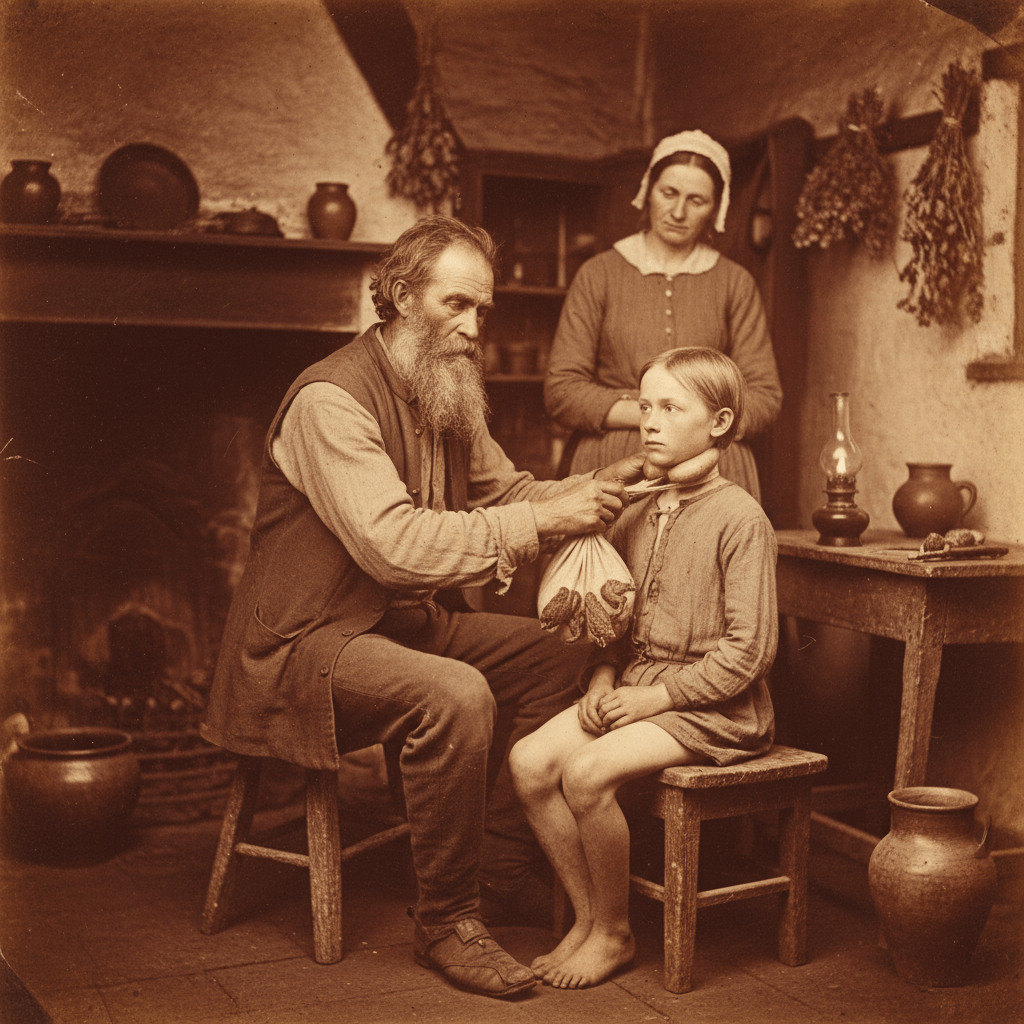 Past · Medieval PeriodToad DoctorThe Toad Doctor was a unique and somewhat peculiar figure in medieval society, often found in rural areas where folk medicine thrived. This practitioner was believed to possess the knowledge and skills necessary to treat ailments using toads and their byproducts. The Toad Doctor's practice was steeped in superstition and folklore, with many believing that toads had magical properties that could cure various diseases. Treatments often involved the use of toad fat, which was rendered down and applied to wounds or ingested to alleviate ailments such as warts, skin conditions, and even more serious illnesses. The Toad Doctor would also prescribe charms and incantations, blending herbal remedies with the mystical qualities attributed to the toad.
In a time when formal medical training was scarce, the Toad Doctor filled a vital niche in the community, often serving as the primary healthcare provider for the rural populace. Their role was not only to heal but also to provide comfort and reassurance in an era rife with superstition and fear of the unknown.
Despite their importance, the practice of the Toad Doctor began to wane with the rise of more formalized medical practices and the advent of the scientific method, which sought to replace superstition with empirical evidence. As the understanding of human anatomy and disease progressed, the reliance on folk remedies and magical beliefs diminished, leading to the eventual extinction of this once-revered occupation.
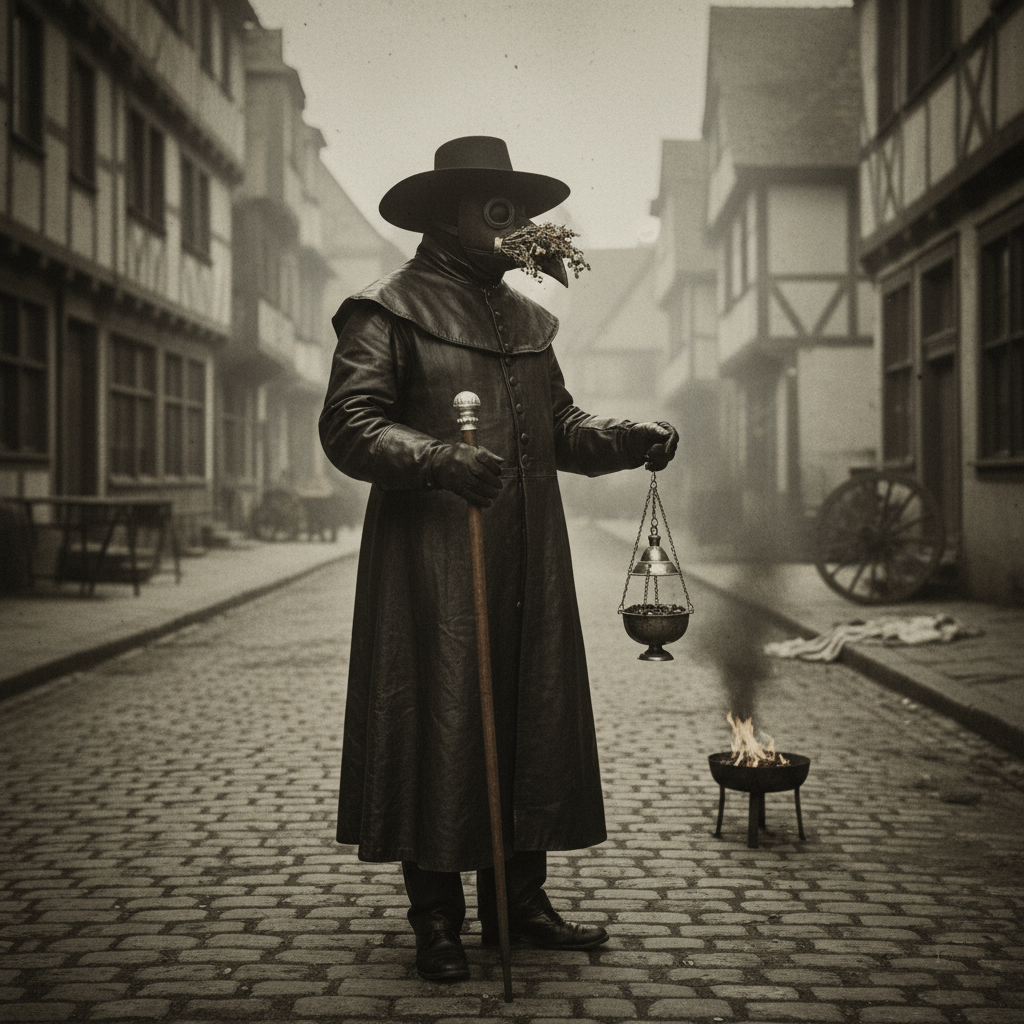 Past · Medieval PeriodPlague DoctorThe role of the Plague Doctor emerged during the devastating outbreaks of the bubonic plague in the 14th to 17th centuries, particularly during the Black Death. These physicians were tasked with treating the afflicted and managing the spread of the disease, which claimed millions of lives across Europe. Plague Doctors were often hired by towns and cities to care for the sick, and their distinctive attire became a symbol of the era's struggle against disease. They wore long cloaks, gloves, boots, and a beaked mask filled with aromatic substances, believed to purify the air and protect them from miasma, or 'bad air,' thought to be the cause of the plague. Their work was fraught with danger, as they often encountered patients who were gravely ill or already deceased, and they had limited medical knowledge and tools at their disposal. Despite their efforts, many Plague Doctors themselves succumbed to the very diseases they sought to combat, highlighting the perilous nature of their profession.
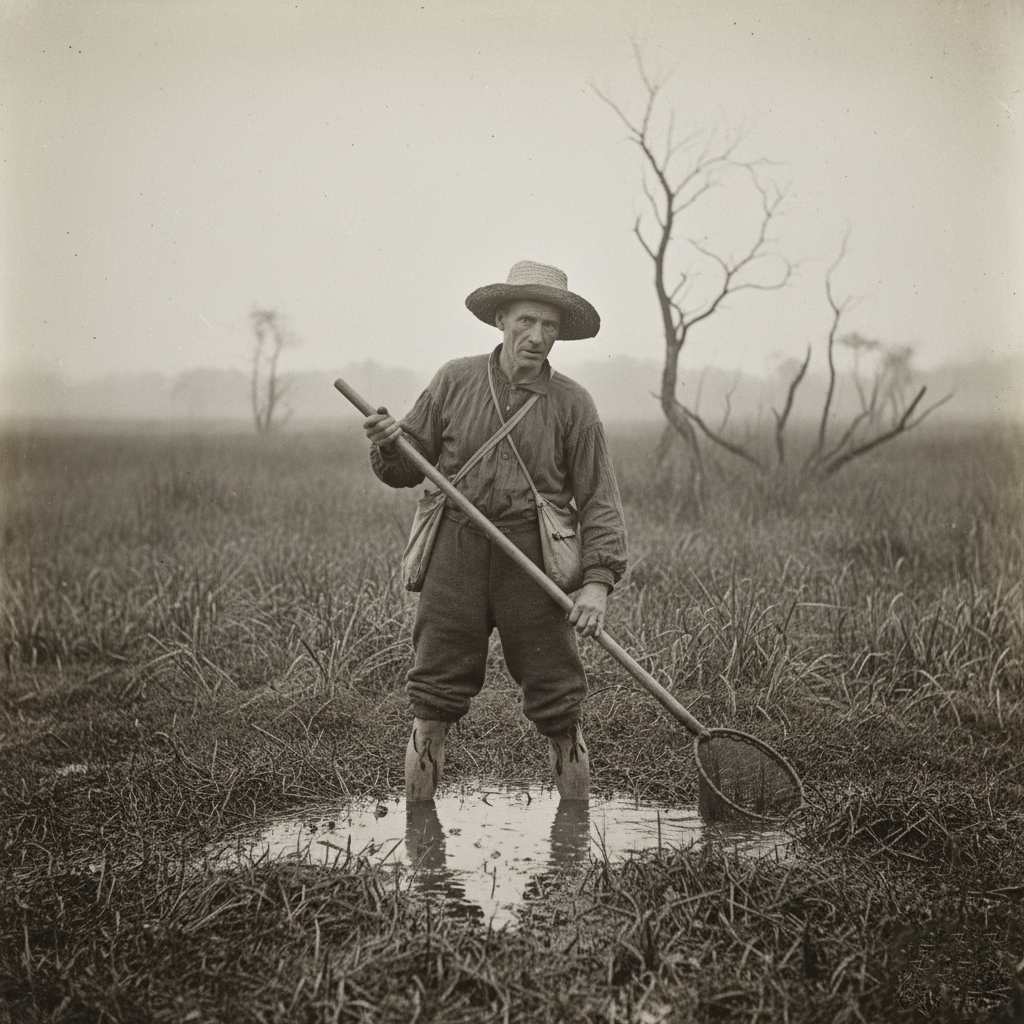 Past · Victorian EraLeech CollectorIn the Victorian Era, the leech collector played a crucial role in the burgeoning field of medicine. These individuals were tasked with harvesting leeches from freshwater bodies, primarily for use in bloodletting—a common medical practice of the time. Leeches were believed to cure a variety of ailments by drawing out 'bad blood,' and their demand surged as the medical community embraced this practice. Leech collectors would often wade into muddy waters, using nets and their bare hands to gather these slimy creatures, which were then sold to physicians and apothecaries. The job required not only physical endurance but also a keen understanding of the leeches' habitats and behaviors, as well as the ability to handle them without causing harm to themselves or the creatures.
The leech collector's work was often conducted in remote, marshy areas, where they would spend hours in the water, sometimes in harsh weather conditions. The collectors would return home with buckets filled with leeches, which they would keep alive in water-filled containers until sold. The job was labor-intensive and often poorly paid, but it was essential in an era when medical practices relied heavily on the use of leeches for therapeutic purposes.
As the medical field evolved and the understanding of human anatomy and disease progressed, the practice of bloodletting fell out of favor. By the late 19th century, with the advent of modern medicine and more effective treatments, the demand for leeches diminished significantly, leading to the decline of this once vital occupation.
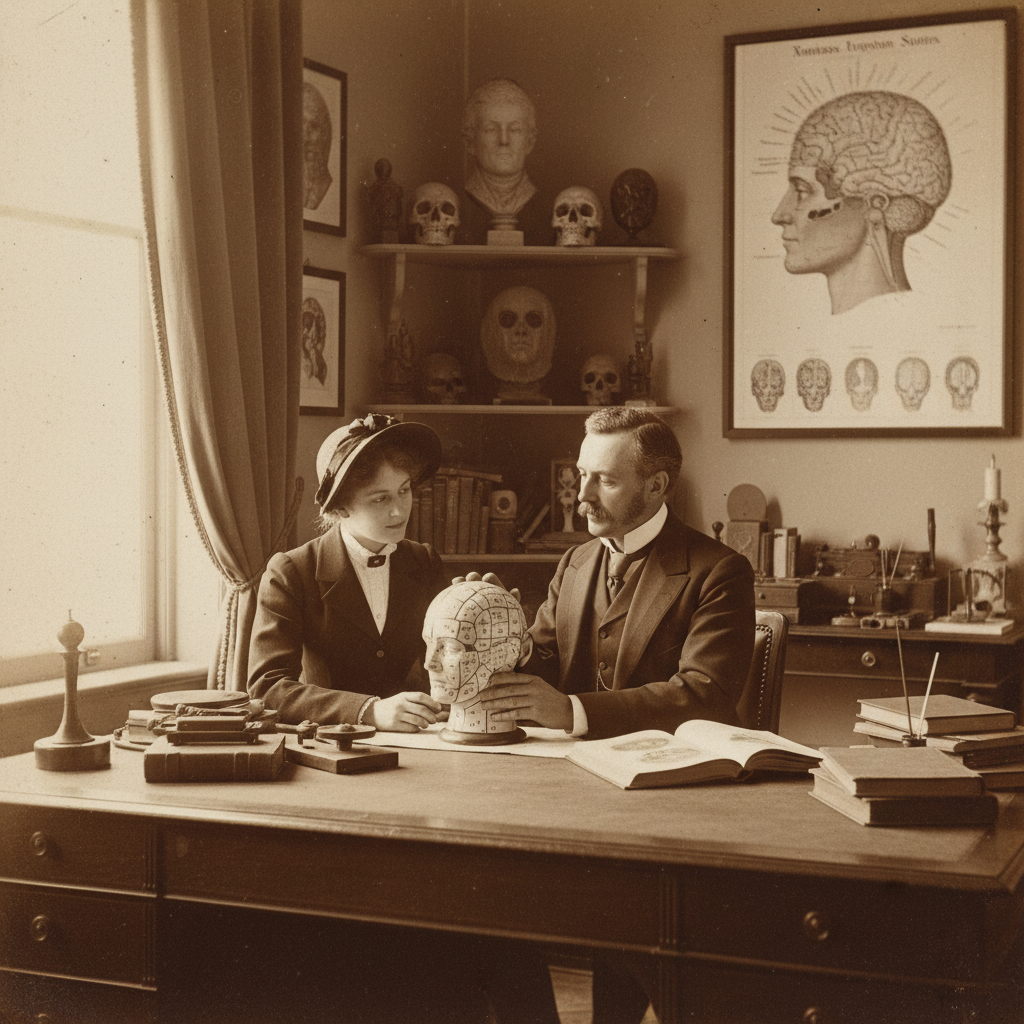 Past · 19th CenturyPhrenologistPhrenology, a now-discredited field of study, emerged in the early 19th century as a popular method for assessing personality traits and intellectual capabilities based on the shape and contours of the skull. Phrenologists believed that the brain was the organ of the mind, and that specific areas of the brain corresponded to different character traits. By examining the bumps and indentations on a person's skull, phrenologists claimed they could determine an individual's character, tendencies, and even potential for success in various fields.
Phrenologists often set up practices in urban centers, where they would offer consultations to clients seeking insights into their personalities or those of their children. They would use a combination of observation, intuition, and rudimentary anatomical knowledge to assess the skull's shape, often employing plaster casts or models to illustrate their findings. The practice was not only popular among the general public but also found its way into educational and occupational settings, influencing hiring practices and social interactions.
Despite its initial popularity, phrenology faced increasing skepticism from the scientific community as the 19th century progressed. Critics pointed out the lack of empirical evidence supporting its claims and the ethical implications of using skull shape to judge character. By the late 19th century, advances in psychology and neuroscience began to overshadow phrenology, leading to its decline and eventual obsolescence.
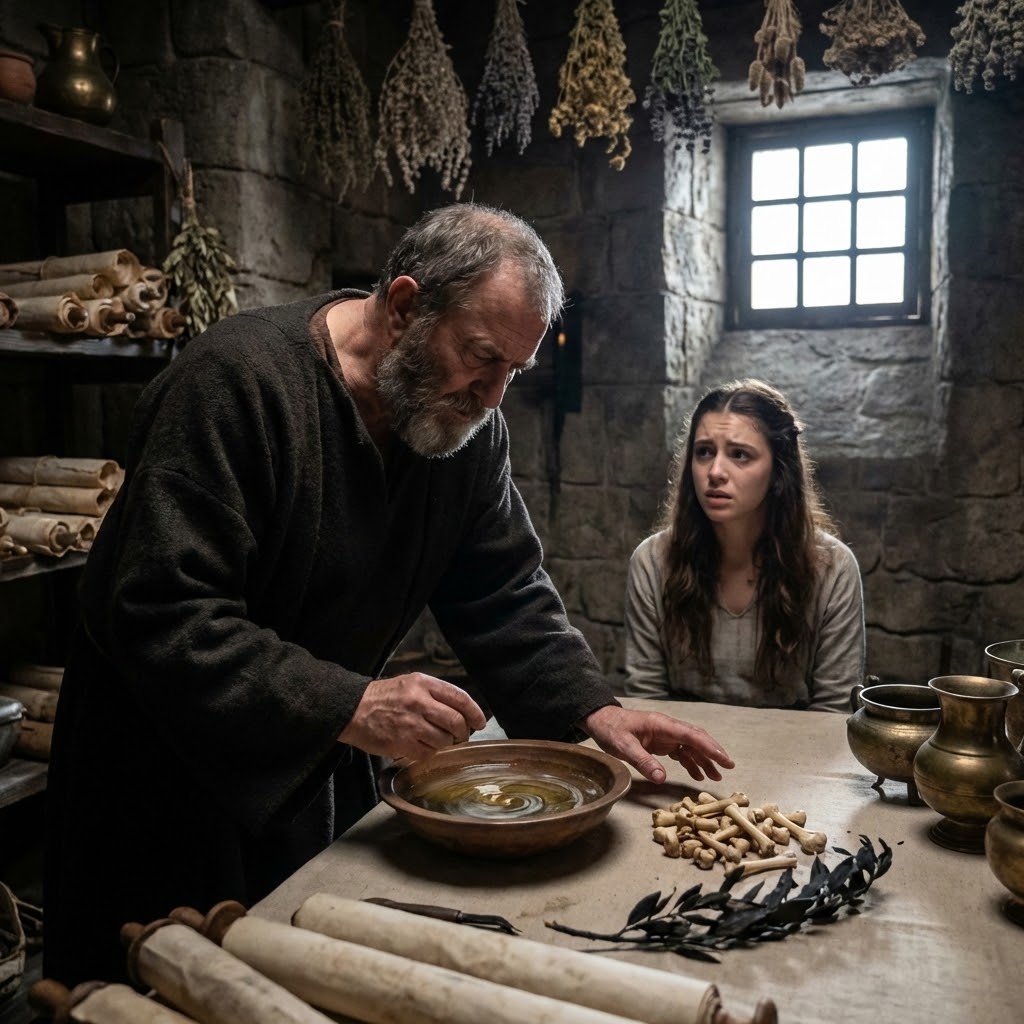 Past · Ancient CivilizationsMantikosThe Mantikos, a revered figure in ancient societies, was a professional diviner or seer, often consulted for their ability to interpret omens and communicate with the divine. This role was deeply embedded in the spiritual and social fabric of communities, where the Mantikos served as a bridge between the mortal realm and the gods. They were often called upon during significant events such as battles, harvests, and personal milestones, providing guidance through rituals, sacrifices, and the interpretation of signs from nature. The Mantikos utilized various methods, including the examination of animal entrails, the observation of celestial bodies, and the reading of dreams, to deliver prophecies and advice. Their insights were not only sought for personal matters but also for communal decisions, making them influential figures in governance and societal direction.
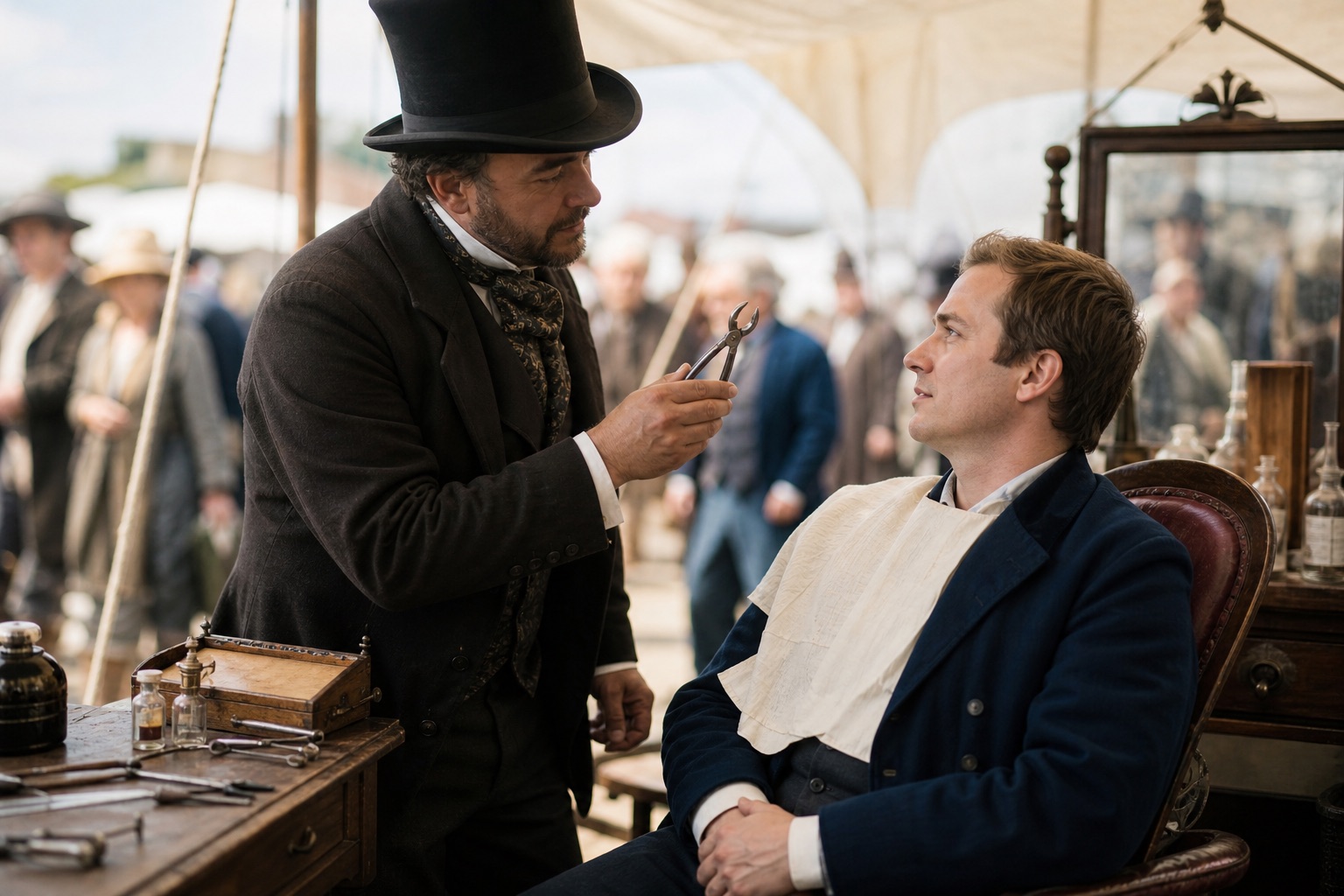 Past · Georgian EraTooth-drawerA tooth-drawer was an itinerant extractor who worked fairs, markets, and street pitches in the seventeenth, eighteenth, and early nineteenth centuries, before dentistry was a licensed profession. He was kin to the barber-surgeon: tooth-pulling sat among the minor operations that barbers and irregular operators both claimed, while physicians kept their distance. The instruments were the pelican, an older lever, the dental key that spread in the eighteenth century, and forceps, sometimes only a string tied to the tooth. There was no anesthesia. The pull was public, because a crowd was the advertisement, and the fee was a few pence or a shilling paid at once.
The exhibit stops at the early nineteenth century, which is the form meant here: a travelling operator, not a settled dental surgeon with a room and a register. That later figure is the ending of this one. Nitrous oxide and ether gave respectable practitioners a way to promise less pain. The Dentists Act 1878 put a register under British law and began to separate the titled dentist from the fairground stool. Handbills and fair paintings are the record of the drawer. Martin van Butchell, a London operator of the late eighteenth century, is one of the few whose name survived the pitch.