
machine
The computer on the desk and in the room
From a room of computers who were people to a machine that did not need a floor.
Human computers, comptometers, punch cards, mainframe operators, and typewriter repair. The sequence matters: each machine created a job and then a smaller machine deleted it.
Under this force
13
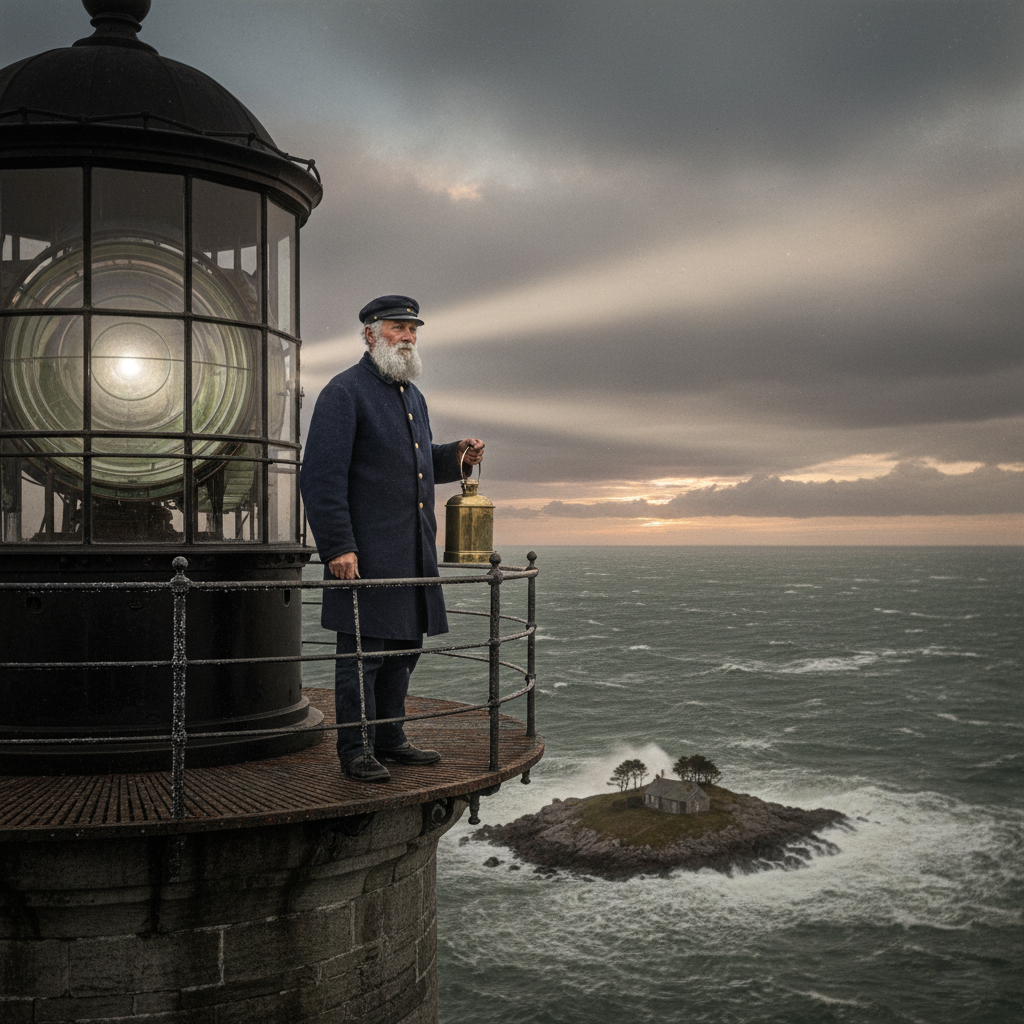
- Past · 19th CenturyLighthouse KeeperThe role of a lighthouse keeper was vital to maritime safety, particularly during the 19th century when shipping traffic surged due to industrialization and global trade. Lighthouse keepers were responsible for maintaining the light and ensuring that it was visible to passing ships, guiding them safely through treacherous waters. This job required a deep understanding of navigation, meteorology, and mechanical systems, as keepers often had to troubleshoot and repair the light mechanisms, which could include oil lamps or later, electric lights. The keeper's duties extended beyond just the light; they also maintained the lighthouse itself, kept records of weather conditions, and sometimes assisted in rescue operations for distressed vessels. The isolation of many lighthouses meant that keepers often lived in remote locations, sometimes with their families, fostering a unique community around these beacons of safety.
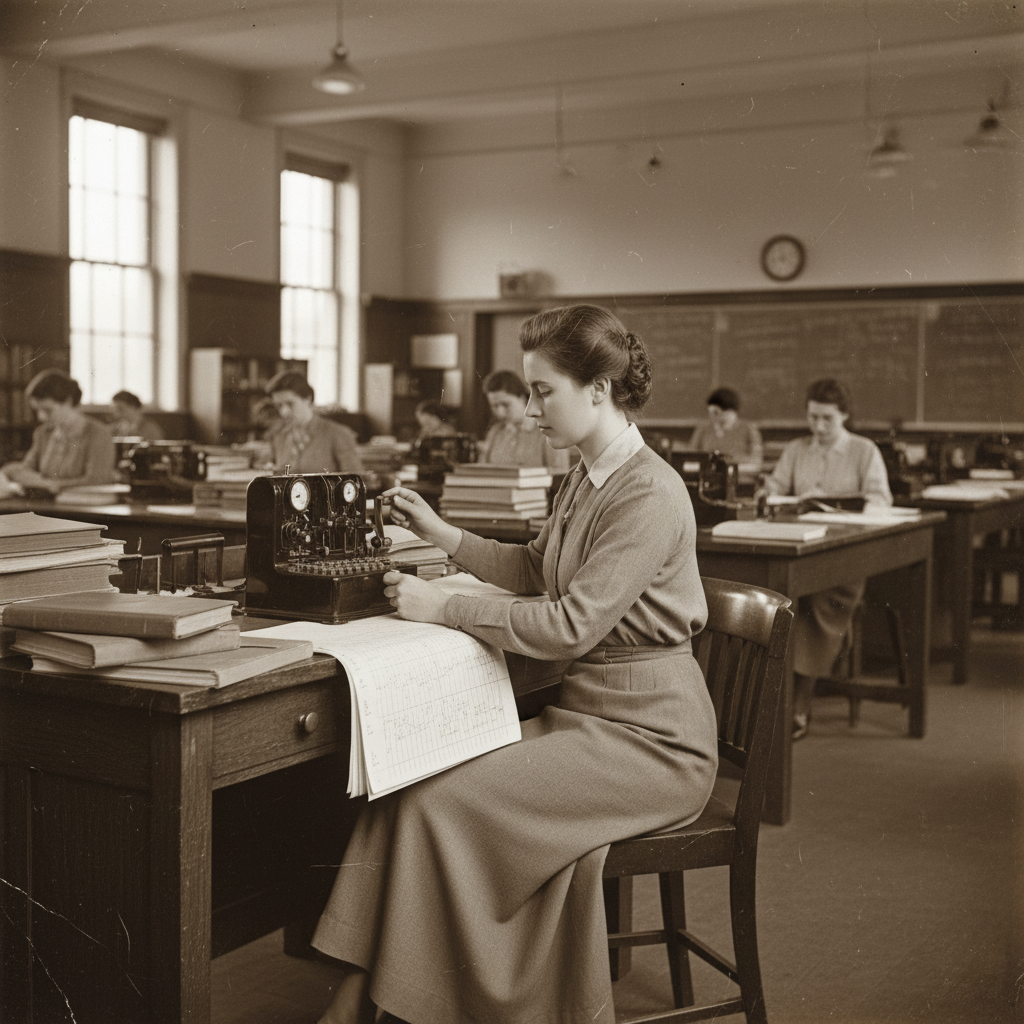 Past · 20th CenturyHuman ComputerThe role of a Human Computer emerged in the early 20th century, primarily during the 1930s to the 1950s, as a response to the growing need for complex calculations in fields such as astronomy, engineering, and military applications. Human Computers were predominantly women who performed mathematical calculations by hand, often using pencil and paper, and later, mechanical calculators. They worked in teams, meticulously calculating trajectories for rockets, analyzing astronomical data, and solving intricate mathematical problems that were essential for scientific advancements. Their work was critical in the development of early computers, as they laid the groundwork for the algorithms and processes that would later be automated.
These women, often referred to as "computers," were not only skilled mathematicians but also adept at problem-solving and critical thinking. They operated in environments that ranged from university laboratories to government research facilities, where they collaborated closely with scientists and engineers. The atmosphere was often intense, with deadlines looming and the pressure to produce accurate results being paramount.
The Human Computer's role was not just about numbers; it was about precision, attention to detail, and the ability to work under pressure. They were the unsung heroes behind many scientific breakthroughs, including the early space missions and the development of radar technology during World War II. Their contributions were vital, yet often overlooked in the historical narrative of computing and mathematics.
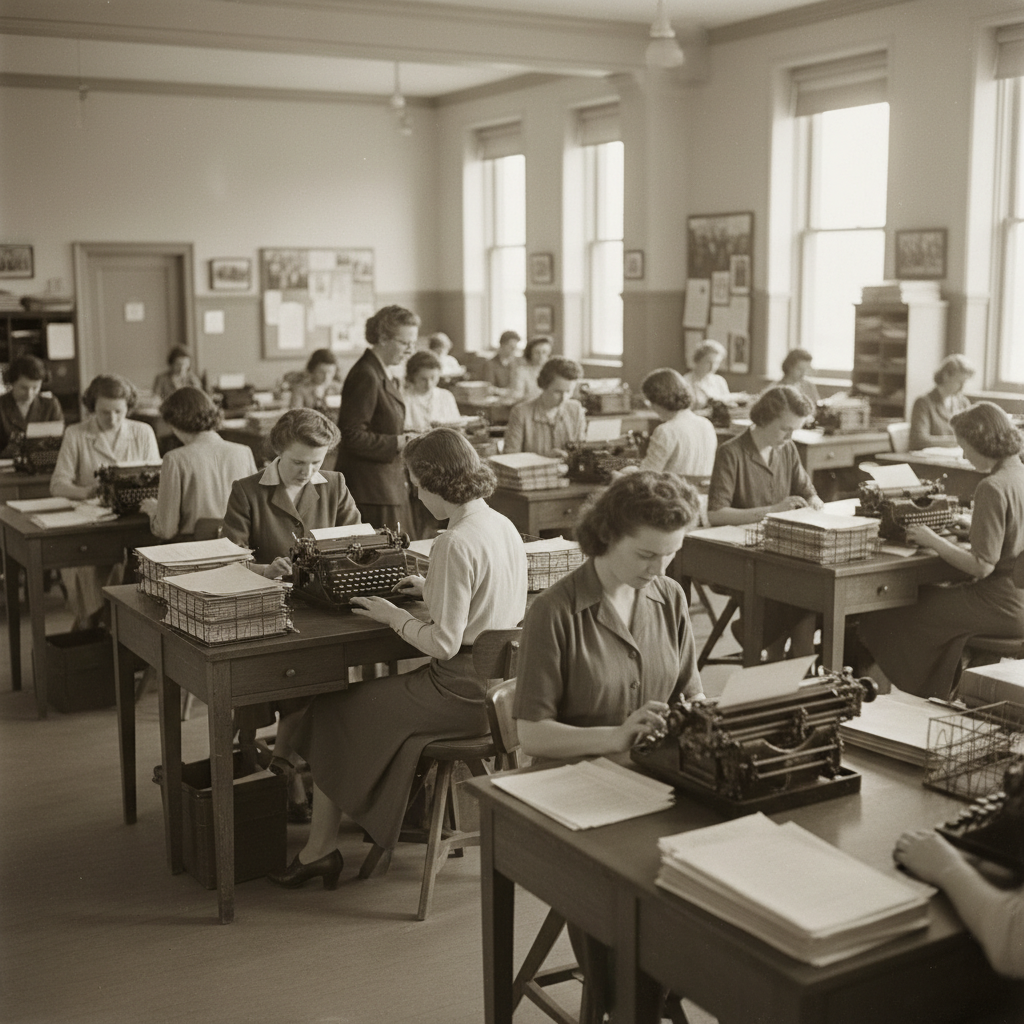 Past · Post-War EraTypist Pool WorkerThe Typist Pool Worker was a vital cog in the machinery of mid-20th century office life, particularly in the bustling corporate environments of the Post-War Era, from the late 1940s to the early 1980s. These skilled individuals were responsible for producing typed documents, correspondence, and reports, often under tight deadlines. They worked in a shared office space known as a 'typist pool,' where multiple typists would be stationed at rows of typewriters, each contributing to the efficiency of the office. The typist pool was a reflection of the era's burgeoning corporate culture, where the demand for clerical work surged as businesses expanded in the post-war economic boom.
The role required not only speed and accuracy in typing but also a keen understanding of office protocols and etiquette. Typist Pool Workers were often the first point of contact for incoming correspondence, and their ability to produce clear, professional documents was crucial for maintaining the image of the organization. They utilized carbon paper for duplicating documents and were adept at using various typewriter models, each with its own quirks and features. The job was often seen as a stepping stone for women entering the workforce, providing them with financial independence and a foothold in the corporate world.
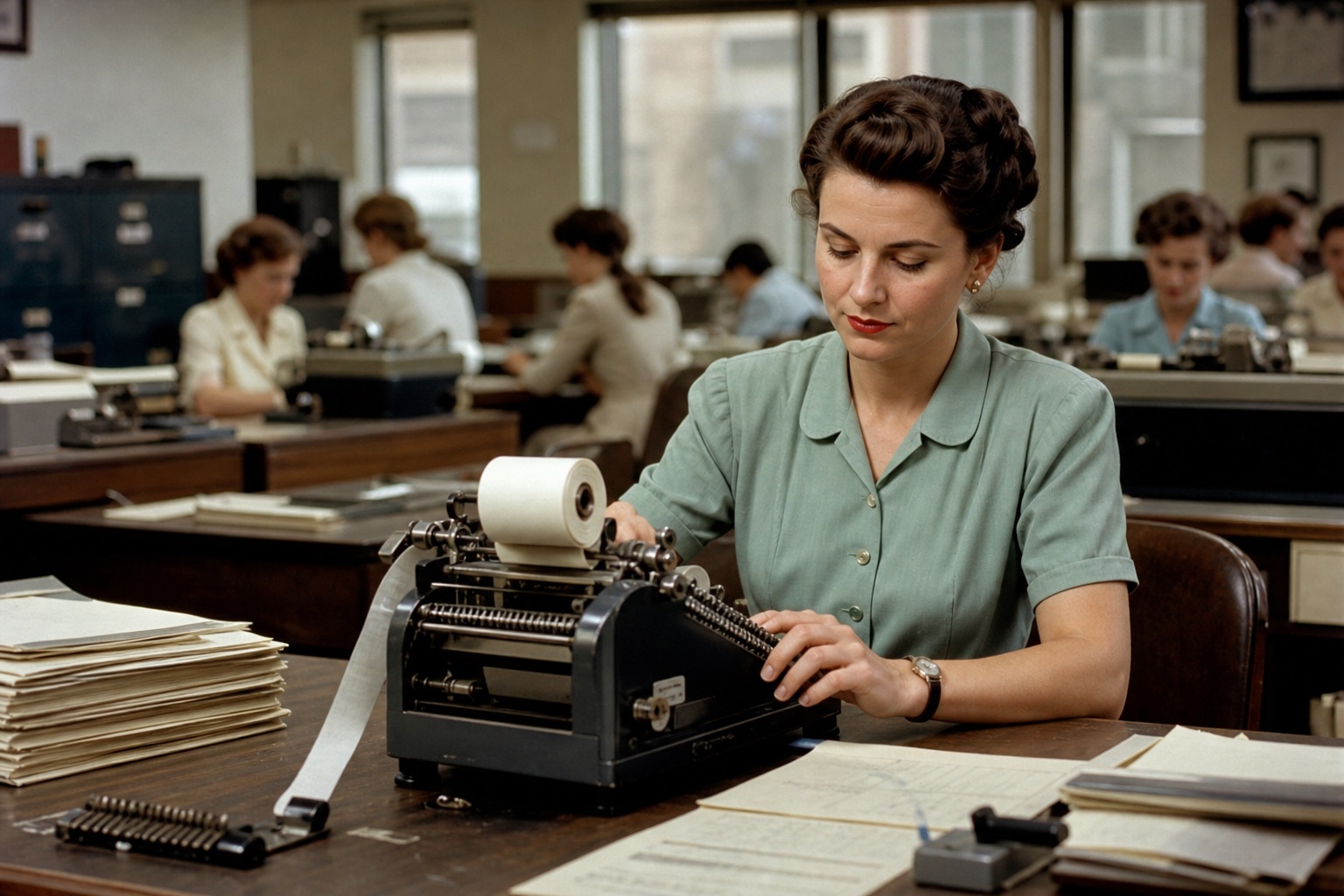 Past · Mid Twentieth CenturyComptometer OperatorA comptometer operator ran a Felt comptometer, the key-driven adding machine Dorr E. Felt brought out in 1887. Unlike a crank adder, it let several keys in a column go down together, so a trained hand could enter a number in one stroke. Banks, billing offices, railroads, and insurance rooms hired people, mostly women, to add and extend figures for hours at that keyboard. Operator schools taught the touch and certified speed. The product was a total the bookkeeper could trust, not a printed page of prose.
The machine's long life makes the job look Victorian at the start, and the honest center of the exhibit is the twentieth-century office, ending when electronic calculators and computers took the columns in the 1960s and 1970s. A comptometer bureau might sell the labor by the batch. An in-house operator sat beside the ledgers she fed. Either way the skill was in the hands, and it did not survive the cheap electronic key.
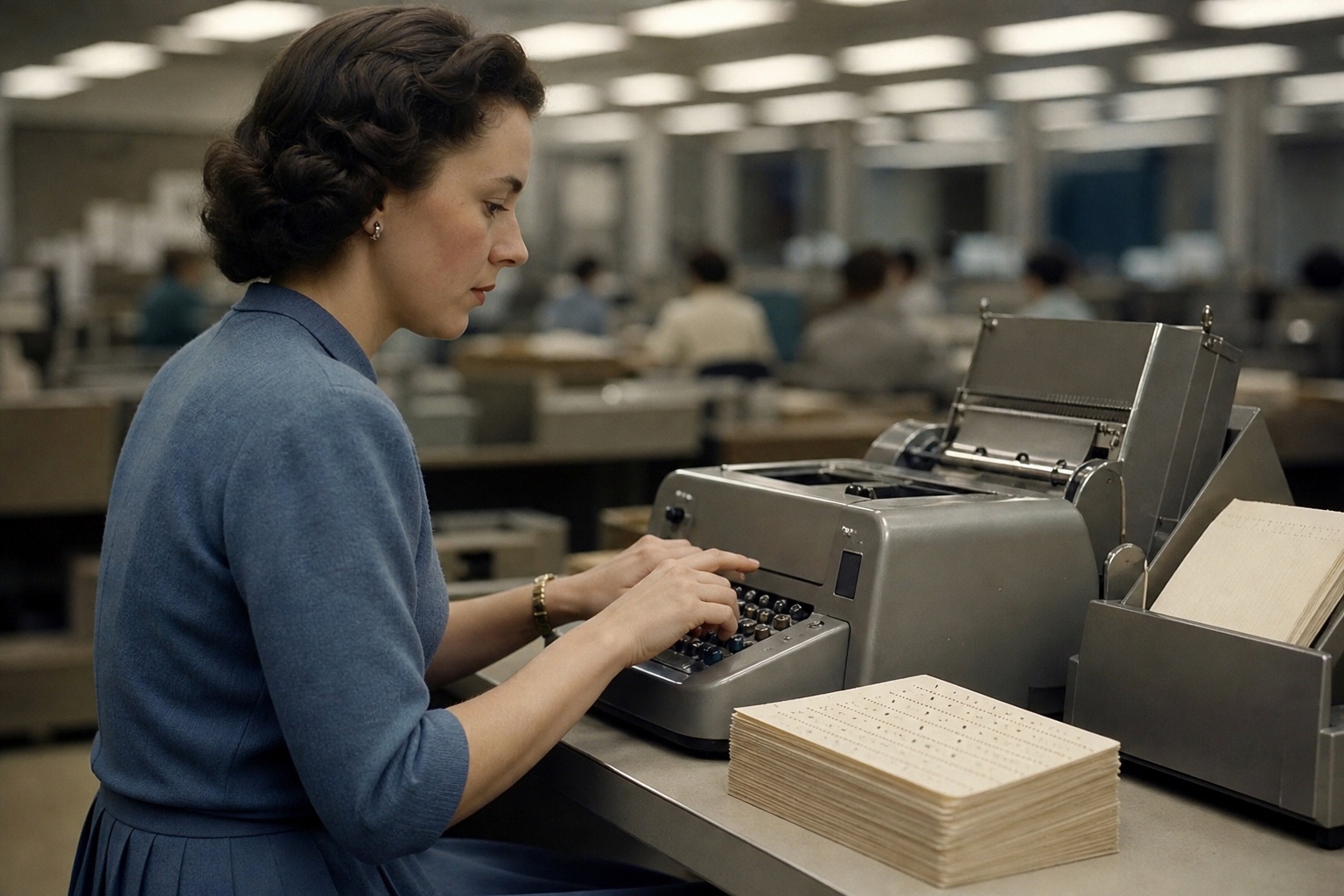 Past · Mid Twentieth CenturyKeypunch OperatorA keypunch operator turned source documents into Hollerith and later IBM cards by striking a punch, one character to a column, until a deck existed that a machine room could read. The mid-century room was often a floor of the same gray machines, program drums skipping fields the operator should not retype, hoppers of blank cards on one side and finished decks on the other. A second person at a verifier rekeyed to catch errors. The work flourished when payrolls, policies, censuses, and bills all had to become cards before a computer would accept them.
The operators were mostly women, and the job is a mid-twentieth-century mass occupation rather than a nineteenth-century curiosity. It thinned when key-to-disk machines, terminals, and direct data entry in the 1970s and 1980s let the same facts go into a system without a card. The exhibit is that punch room: the sheet, the keyboard, the deck, and the sound.
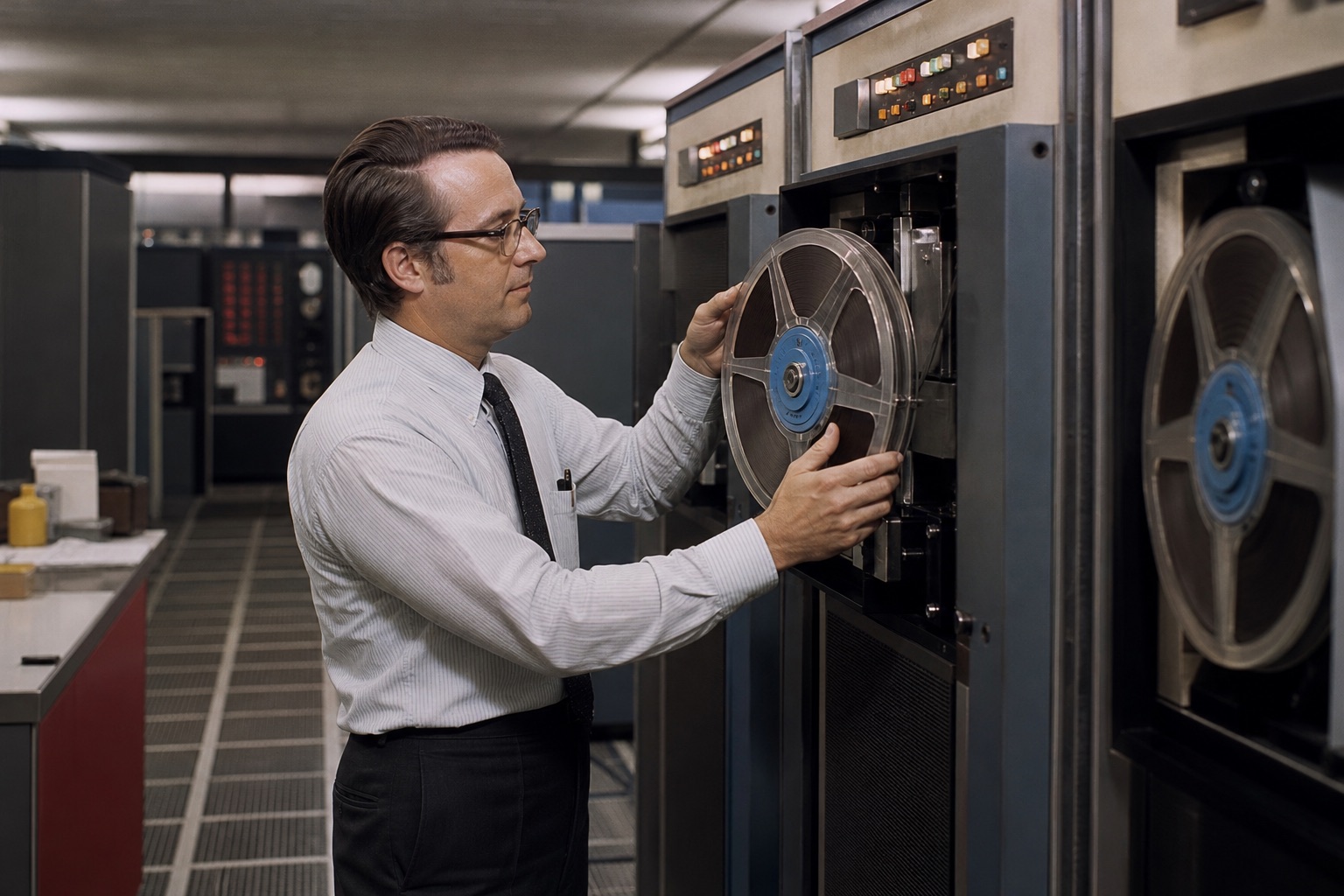 Past · Late Twentieth CenturyMainframe OperatorThe mainframe operator of this exhibit is the person in the raised-floor machine room who mounted tapes, started batch jobs, and answered the console. Glass walls made the room a show, which is why people called it a glass house. Reels went on drives, disk packs went into drawers, and a printer hammered through boxes of paper while the operator watched messages and typed the replies the system demanded. Programmers wrote the jobs. The operator made the night's queue actually run.
The decades are the 1960s through the 1980s. Automation, smaller machines, and later site-reliability roles replaced that chair. They did not abolish every kind of operations work. A later engineer who tends a service from a laptop is a different job, and this label refuses the claim that nobody operates computers anymore. It is the glass-room shift, the tapes, and the console, and no wider empire beyond that room.
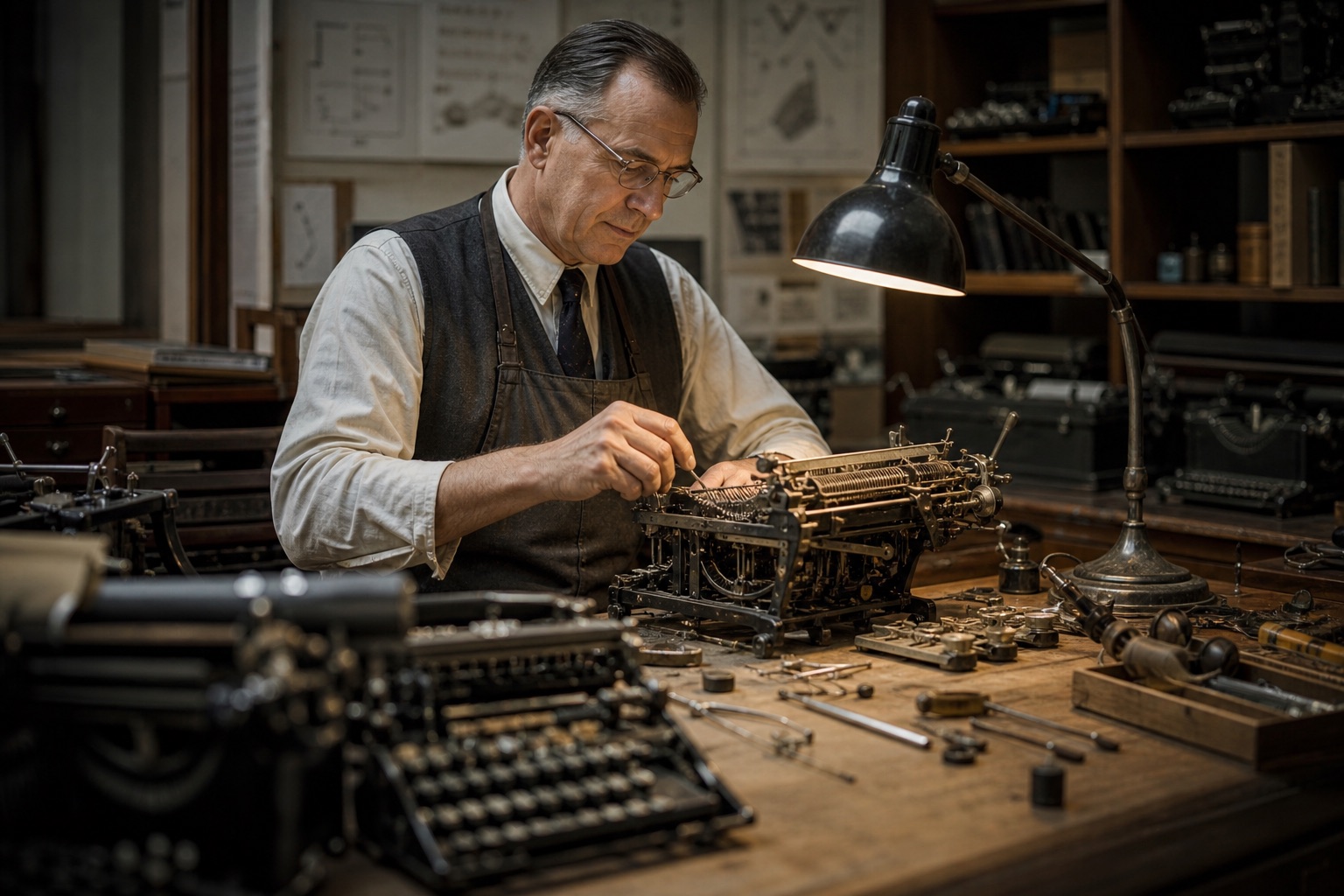 Past · Late Twentieth CenturyTypewriter RepairmanA typewriter repairman was the traveling or shop mechanic who kept office typewriters writing. He arrived with a case, cleaned a segment packed with eraser crumbs, replaced a broken drawband, aligned type that no longer struck in a straight line, and recovered or replaced a platen that had gone hard. Underwood, Remington, Royal, and the rest each had their own screws. The IBM Selectric, from 1961, added a golf-ball element and a different set of failures, and he learned those too if the route included them.
The job is a twentieth-century service trade that ends in the 1980s, when word processors and personal computers took the desks. A shop might still oil a machine for a loyal customer after that. The ordinary call, an office full of typewriters that had to be back before the mail, belongs to the decades when the typewriter was the instrument of the office and not a curiosity kept for show.
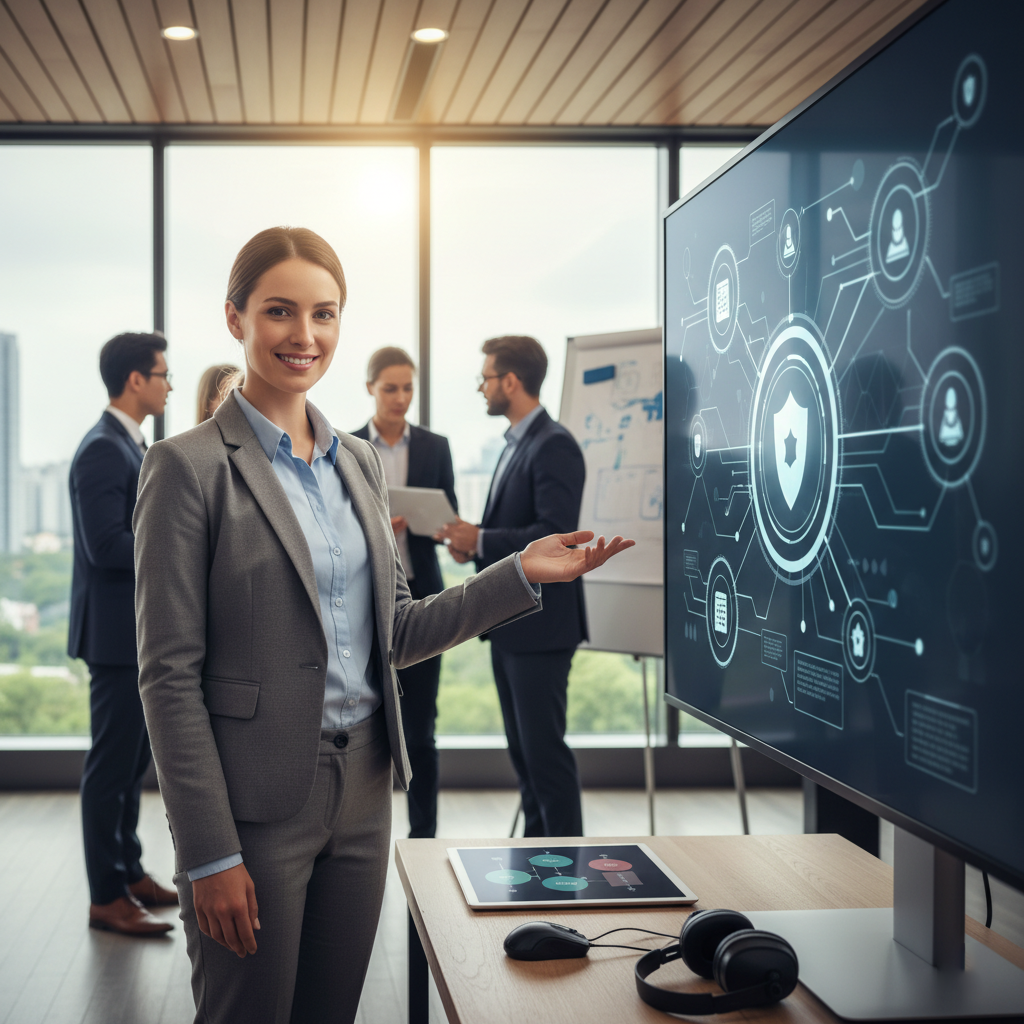 Projected · Cybernetic AgeCybersecurity Resilience CoachIn an era defined by the omnipresence of digital technology and the increasing sophistication of cyber threats, the role of a Cybersecurity Resilience Coach emerges as a vital component of organizational strategy. This innovative profession focuses on enhancing the resilience of individuals and organizations against cyber threats, ensuring that they not only defend against attacks but also recover swiftly and effectively when breaches occur. The Cybersecurity Resilience Coach acts as a mentor and strategist, guiding teams through the complexities of cybersecurity protocols, risk management, and incident response. They leverage advanced technologies, including artificial intelligence and machine learning, to simulate potential cyber threats and develop tailored resilience training programs. This role is not just about preventing breaches; it’s about fostering a culture of cybersecurity awareness and preparedness, empowering employees to recognize vulnerabilities and respond proactively. As organizations increasingly rely on digital infrastructures, the Cybersecurity Resilience Coach becomes an essential ally in navigating the turbulent waters of the Cybernetic Age, where the stakes of cyber warfare are higher than ever.
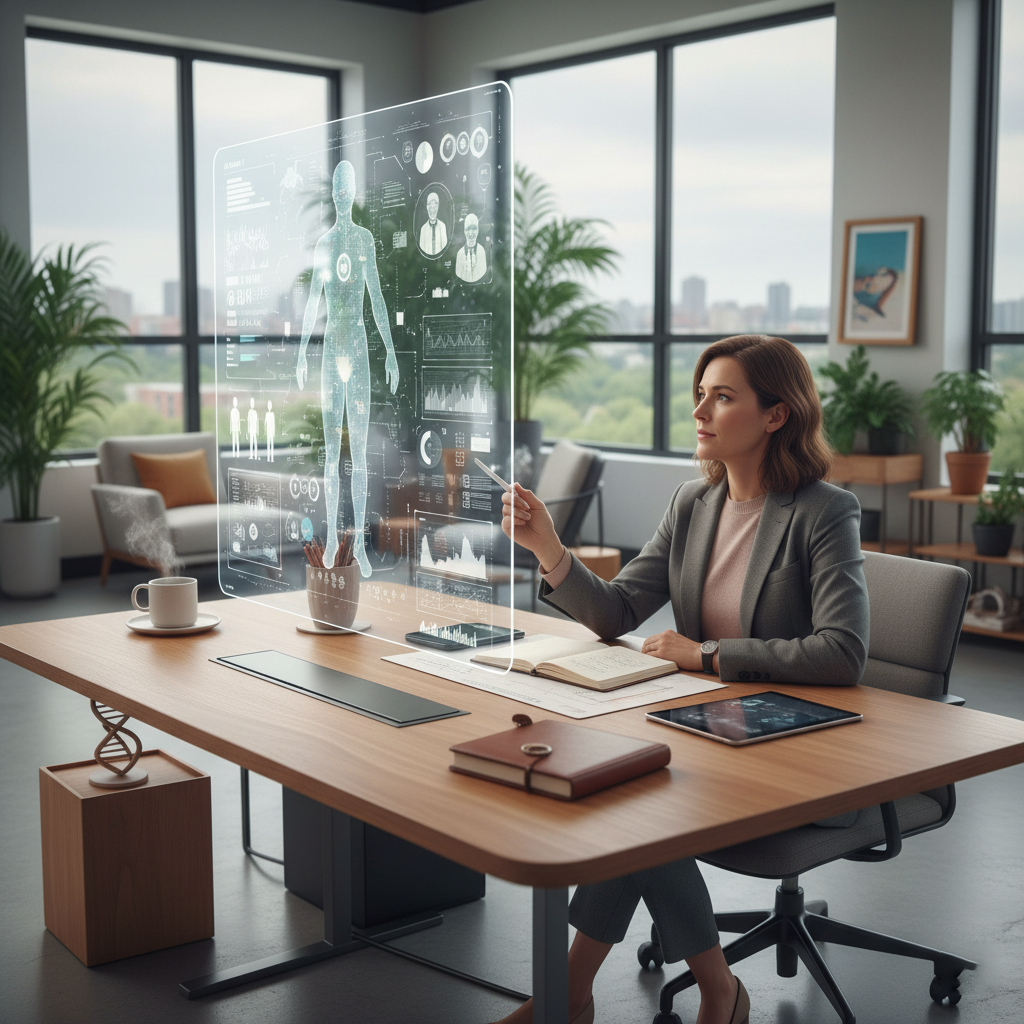 Projected · AI RevolutionDigital Twin ArchitectIn the not-so-distant future, the role of a Digital Twin Architect emerges as a pivotal profession at the intersection of technology, design, and data analytics. As industries increasingly adopt digital twin technology—virtual replicas of physical entities—these architects will be responsible for creating, managing, and optimizing these digital counterparts. From smart cities to personalized healthcare, the Digital Twin Architect will harness vast amounts of data to simulate, predict, and enhance real-world performance. This role will not only require technical expertise but also a deep understanding of the systems being modeled, ensuring that the digital twins serve their intended purpose effectively and ethically.
Imagine a world where every building, vehicle, and even human organ has a digital twin, continuously updated with real-time data. The Digital Twin Architect will design these intricate models, ensuring they are accurate, functional, and capable of providing insights that drive innovation and efficiency. As cities become smarter and industries more automated, the demand for skilled architects who can bridge the gap between the physical and digital realms will soar, making this a vital and dynamic career in the AI Revolution.
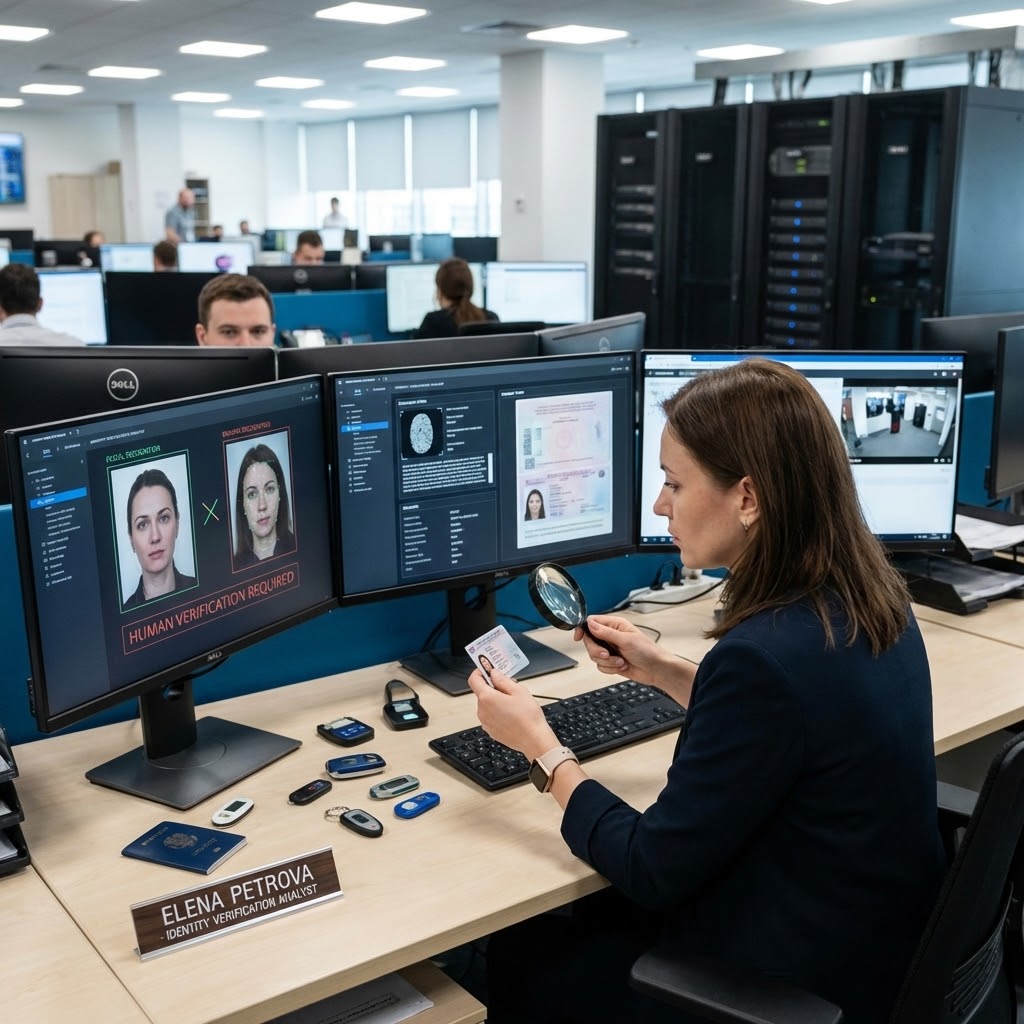 Projected · AI RevolutionIdentity Verification AnalystIn an increasingly digital world, the role of the Identity Verification Analyst emerges as a crucial safeguard against identity fraud and cybercrime. This position is pivotal in ensuring that individuals and organizations can trust the identities of those they interact with online. As technology evolves, so too do the methods of verification, requiring analysts to stay ahead of the curve in understanding both human behavior and technological advancements. The Identity Verification Analyst utilizes advanced AI algorithms, biometric data, and behavioral analytics to assess the authenticity of identities presented in various digital transactions. They work closely with cybersecurity teams, legal advisors, and compliance officers to develop robust verification protocols that protect sensitive information while ensuring a seamless user experience. This role not only demands technical expertise but also a deep understanding of the ethical implications surrounding privacy and data security, making it a vital component of the digital economy.
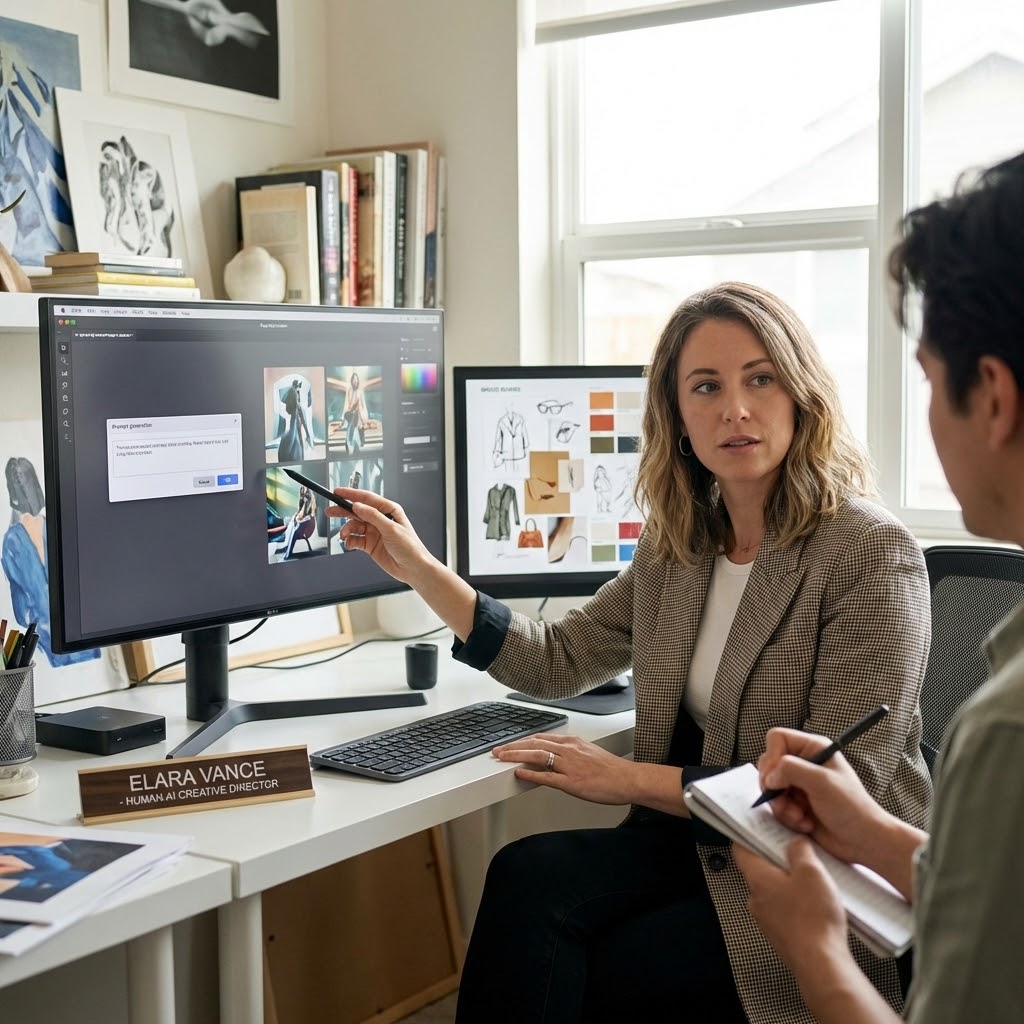 Projected · AI RevolutionHuman-AI Creative DirectorIn the not-so-distant future, the role of the Human-AI Creative Director emerges as a pivotal position at the intersection of human creativity and artificial intelligence. As industries increasingly integrate AI into their creative processes, this role becomes essential in guiding and harmonizing the collaboration between human artists and AI systems. The Human-AI Creative Director is responsible for overseeing projects that leverage AI tools to enhance artistic expression, ensuring that the final outputs resonate with human emotions and cultural relevance. This position not only requires a deep understanding of both creative practices and AI technologies but also a visionary approach to how these two realms can coexist and elevate one another. The Human-AI Creative Director will curate experiences that challenge traditional notions of authorship and creativity, pushing the boundaries of what is possible in art, design, and media.
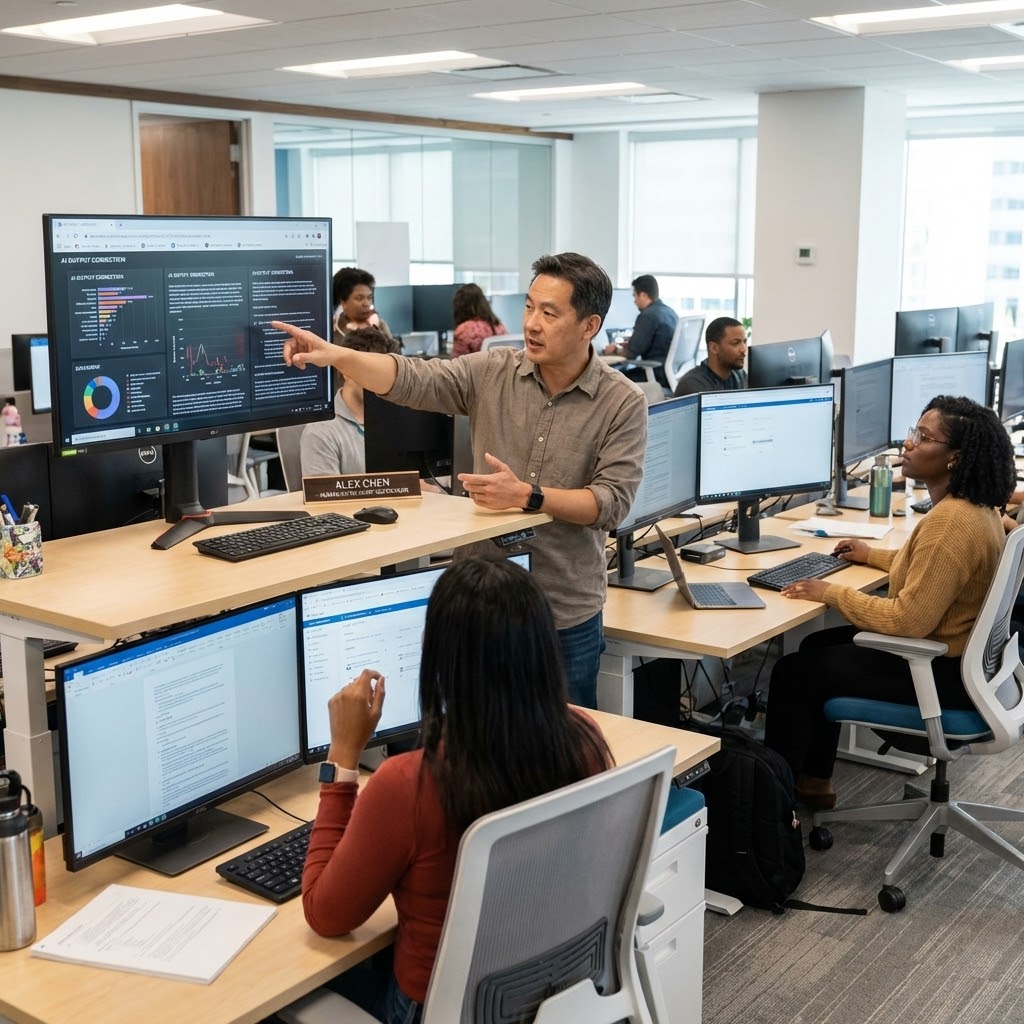 Projected · AI RevolutionHuman-in-the-Loop SupervisorIn the rapidly evolving landscape of the AI Revolution, the role of the Human-in-the-Loop Supervisor emerges as a pivotal position that bridges the gap between human intuition and machine learning algorithms. As artificial intelligence systems become increasingly sophisticated, the need for human oversight to ensure ethical decision-making, contextual understanding, and nuanced judgment becomes paramount. This role is not merely about managing AI systems; it is about enhancing their capabilities through human insight, ensuring that technology serves humanity's best interests.
The Human-in-the-Loop Supervisor is tasked with overseeing AI operations across various sectors, from healthcare to autonomous vehicles, ensuring that AI systems operate within ethical boundaries and align with societal values. This position requires a deep understanding of both technology and human behavior, as supervisors must interpret AI outputs, provide feedback for continuous learning, and intervene when necessary to prevent errors or biases. As AI systems learn from vast datasets, the supervisor's role is to ensure that these datasets are representative and free from harmful biases, thus safeguarding against unintended consequences.
In this future job, supervisors will also play a crucial role in training AI systems, providing the necessary context and real-world knowledge that machines often lack. They will collaborate with data scientists and engineers to refine algorithms, ensuring that AI systems not only perform efficiently but also ethically. The Human-in-the-Loop Supervisor will be at the forefront of a new era of responsible AI deployment, advocating for transparency, accountability, and inclusivity in technology development.
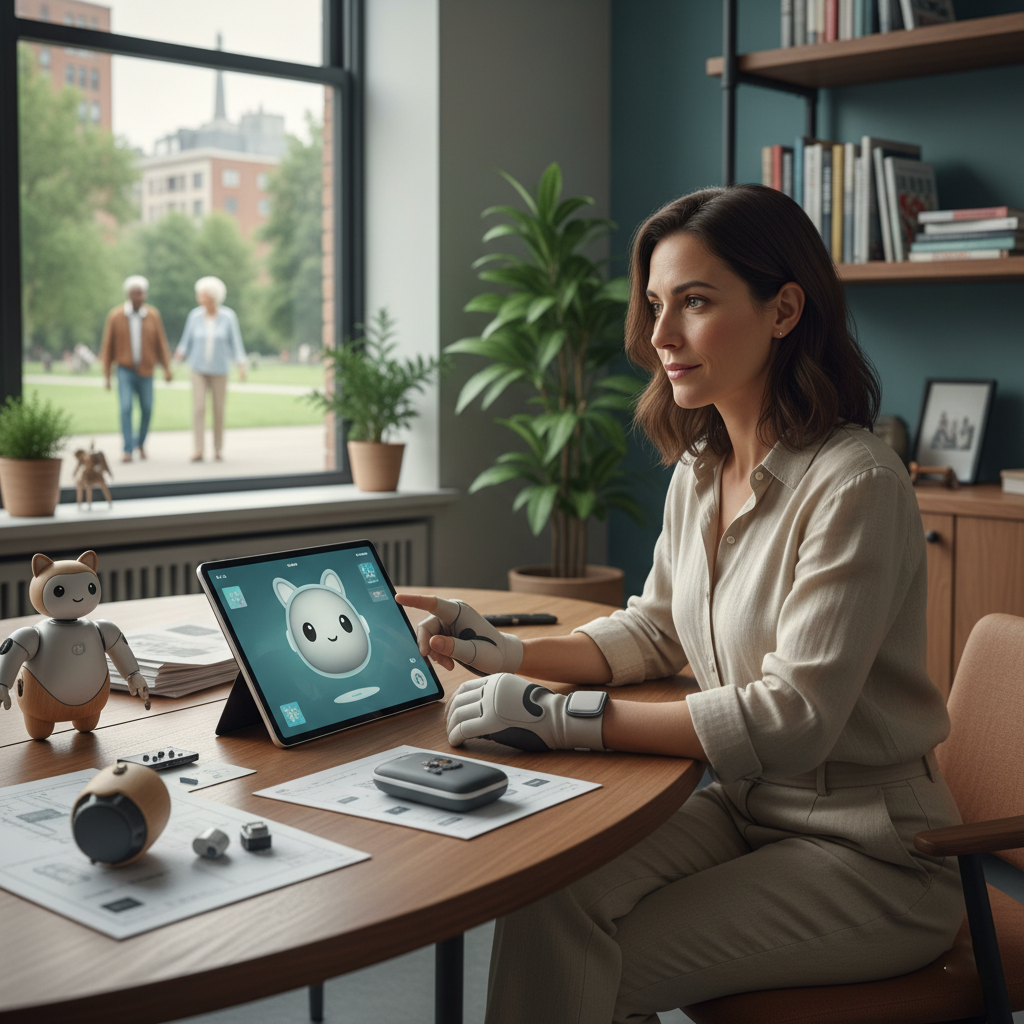 Projected · AI RevolutionAI-Powered Eldercare Companion DesignerIn the not-so-distant future, as the global population ages and the demand for personalized care increases, the role of the AI-Powered Eldercare Companion Designer emerges as a vital profession. This innovative job combines the fields of artificial intelligence, healthcare, and human-centered design to create intelligent companions that assist the elderly in their daily lives. These companions, equipped with advanced AI algorithms, are designed to provide emotional support, monitor health conditions, and facilitate social interactions, all while adapting to the unique needs and preferences of each individual. The designer's role is not only to develop the technology but also to ensure that these companions foster meaningful connections, enhance quality of life, and promote independence among seniors. As society grapples with the challenges of an aging population, this profession stands at the intersection of compassion and technology, paving the way for a more inclusive future.