
Trade
The wire
Telegraph, telephone, and the listening post.
A trained ear and a key. Automatic exchanges, teleprinters, radar, and radio took the ear out of the circuit.
In this trade
8
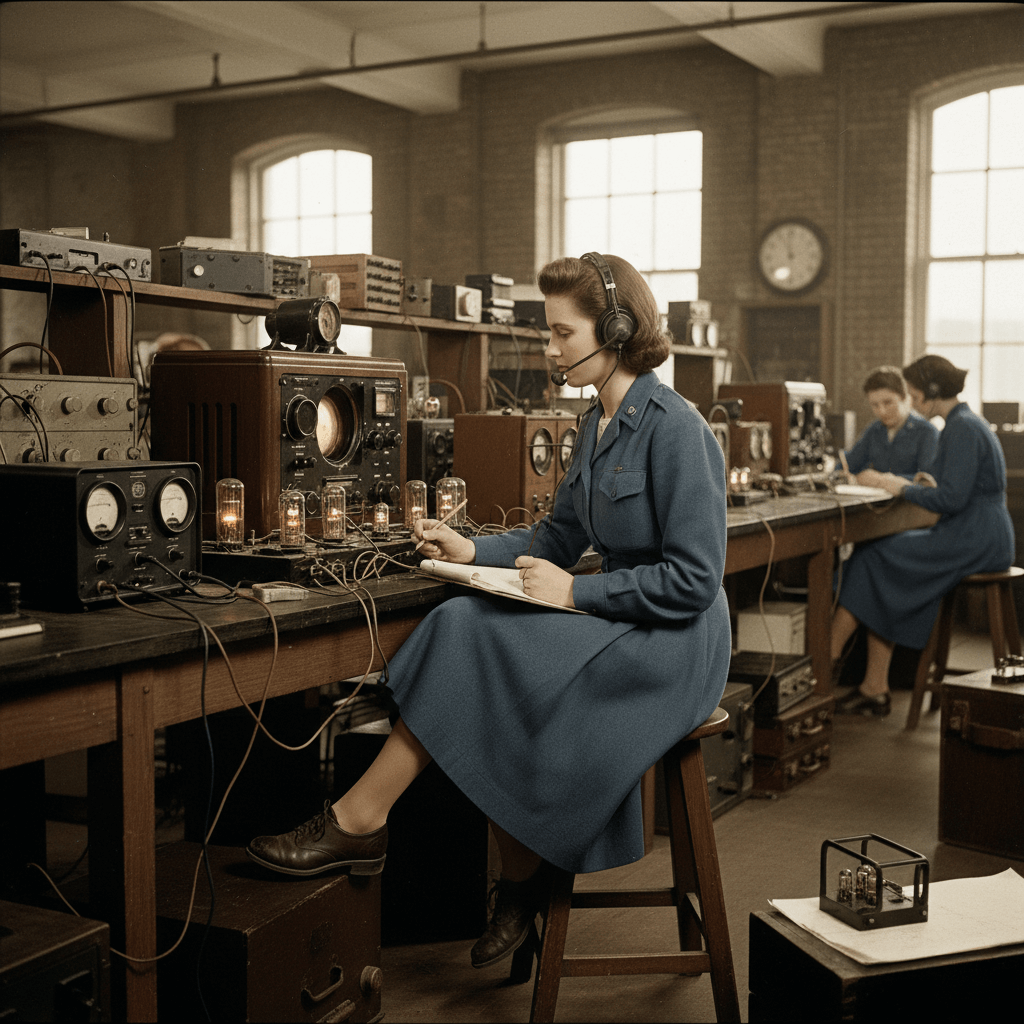
- Past · Gilded AgeRadio Test GirlThe role of a Radio Test Girl emerged in the early 20th century, during a time when radio technology was rapidly evolving and becoming a staple of American life. These women were integral to the development and testing of radio equipment, ensuring that devices functioned correctly before they reached consumers. Their work involved a combination of technical skill and keen auditory perception, as they would test the clarity and quality of sound produced by various radio sets. Often employed by radio manufacturers, they would sit in soundproof booths, adjusting dials and listening intently to broadcasts, making notes on sound quality, static interference, and overall performance. The job required not only a good ear for sound but also an understanding of the technical aspects of radio equipment, making them vital contributors to the burgeoning field of telecommunications.
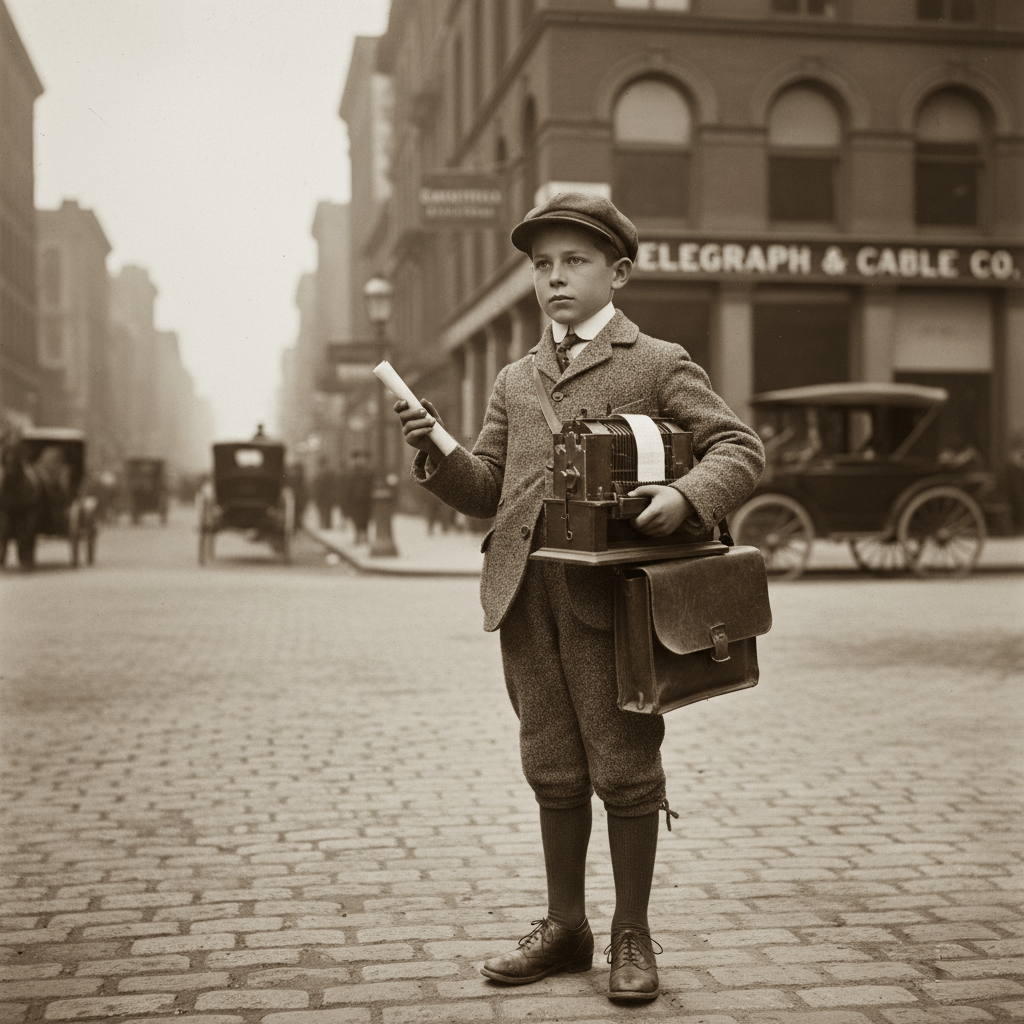 Past · Victorian EraTelemark BoyThe role of the Telemark Boy emerged during the Victorian Era, a time marked by rapid industrialization and the expansion of the British Empire. These young boys, typically between the ages of 10 and 15, were employed in the bustling telegraph offices that dotted cities and towns across the United Kingdom. Their primary responsibility was to assist telegraph operators by delivering messages and relaying information between offices and clients. The telegraph was a revolutionary technology of the time, allowing for near-instantaneous communication over long distances, and the Telemark Boys were essential to its operation.
Dressed in simple, often worn clothing, these boys navigated the busy streets, carrying messages in leather satchels. They were known for their speed and agility, darting through crowds and dodging horse-drawn carriages to ensure that messages reached their destinations promptly. The job required not only physical stamina but also a keen sense of direction and the ability to read and write, as they often had to transcribe messages before delivering them.
The social context of the era saw many children entering the workforce at a young age, often out of necessity due to family financial pressures. The work of a Telemark Boy was seen as a stepping stone for many, providing them with a glimpse into the burgeoning world of communication and technology, while also exposing them to the harsh realities of child labor during this period.
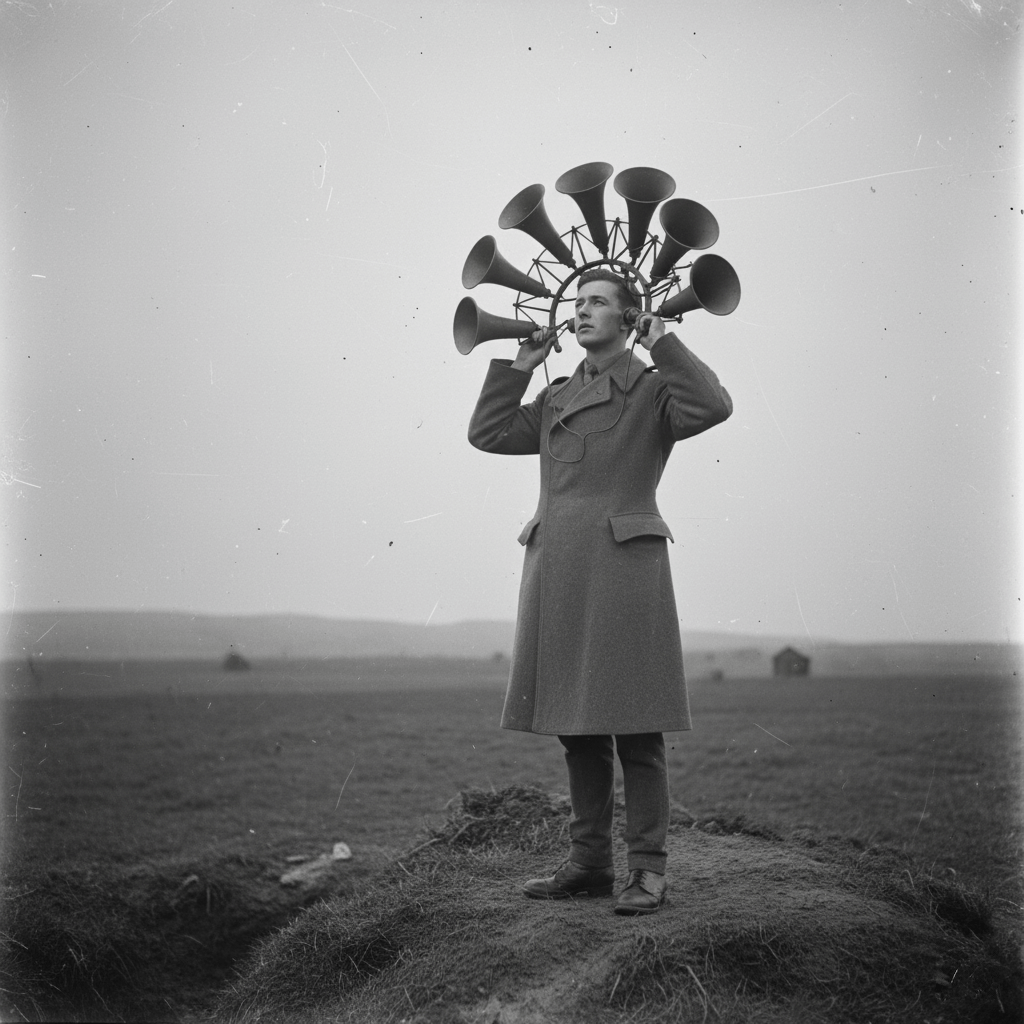 Past · Post-War EraAircraft ListenerThe role of an Aircraft Listener emerged in the mid-20th century, primarily during the Post-War Era, when aviation technology was rapidly advancing and air traffic was increasing significantly. Aircraft Listeners were tasked with monitoring and interpreting the sounds of aircraft engines, particularly in military contexts, where understanding the nuances of engine noise could indicate the type of aircraft, its operational status, and even potential mechanical issues. This job was crucial for military intelligence and air traffic control, as it provided valuable information about aircraft movements and capabilities without the need for visual confirmation.
Listeners would often work in pairs or small teams, stationed at strategic locations such as airbases or observation posts. They utilized their acute hearing to distinguish between different aircraft types, noting variations in sound that could indicate changes in speed, altitude, or engine performance. This auditory skill was honed through extensive training and experience, as the ability to identify aircraft by sound alone was a rare and valuable talent.
The job required not only a keen ear but also a deep understanding of aviation technology and the specific characteristics of various aircraft engines. Listeners would often keep detailed logs of their observations, contributing to intelligence reports and operational assessments. The role was a blend of art and science, requiring both technical knowledge and an intuitive grasp of sound dynamics.
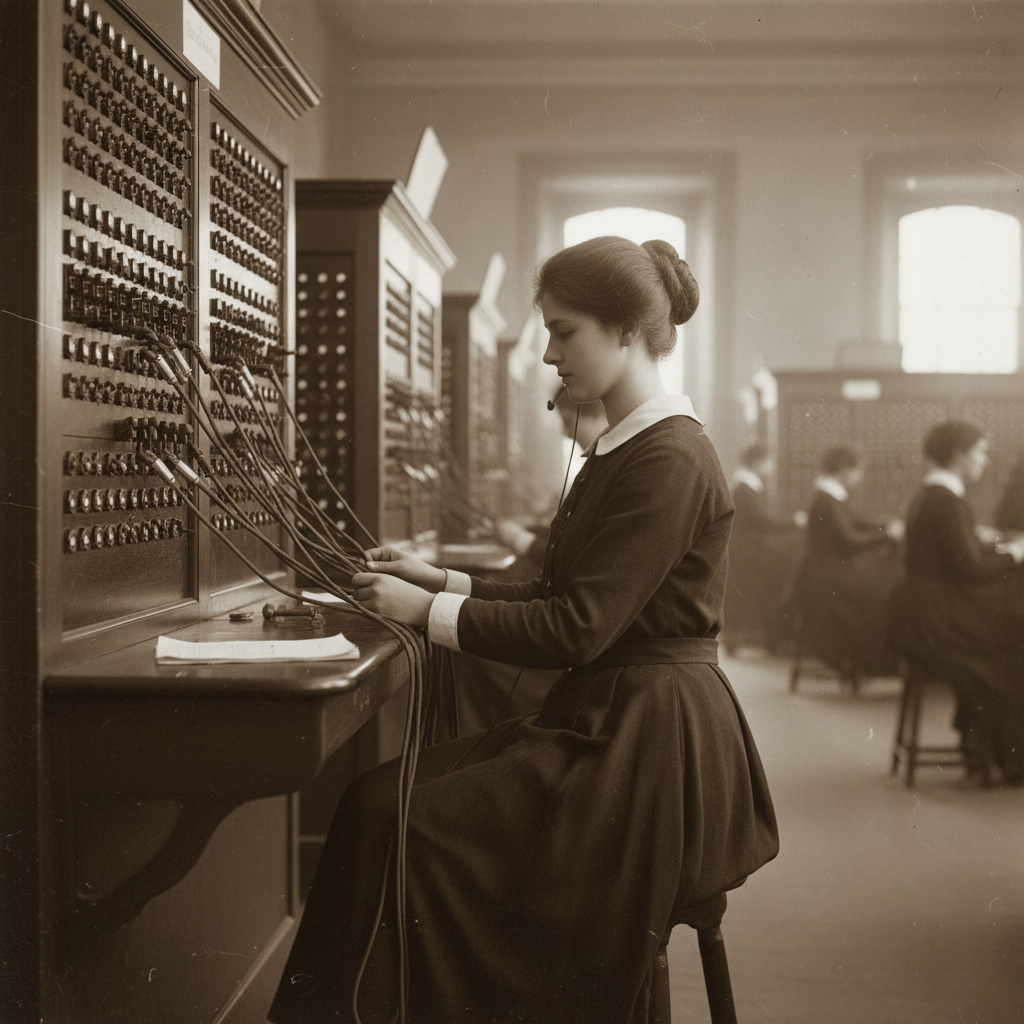 Past · Industrial RevolutionSwitchboard OperatorIn the bustling world of the late 19th and early 20th centuries, the role of the switchboard operator emerged as a vital cog in the machinery of communication. These skilled individuals were the unsung heroes of the telephone network, connecting calls and facilitating conversations that bridged distances and brought people together. With the advent of the telephone, the need for a human intermediary became apparent, and thus, the switchboard operator took center stage in the realm of telecommunications.
Switchboard operators worked in large, often crowded rooms filled with rows of switchboards, each adorned with a myriad of plugs and wires. Their primary responsibility was to connect callers by manually plugging and unplugging telephone lines into the appropriate jacks on the switchboard. This intricate dance of wires required not only dexterity but also a keen ear for voices and an ability to quickly assess and respond to the needs of callers. Operators were often the first point of contact for individuals seeking to connect with friends, family, or businesses, making their role both crucial and highly regarded.
The job was not without its challenges. Operators had to manage multiple calls simultaneously, often dealing with a cacophony of voices and requests. They were trained to handle emergencies, providing vital assistance during crises, such as connecting calls to hospitals or fire departments. The work environment was typically fast-paced and required a high level of concentration, as even a small mistake could lead to misdirected calls or delays in communication.
As technology advanced, the role of the switchboard operator began to wane. The introduction of automated switching systems in the mid-20th century marked the beginning of the end for this once-essential occupation. These systems could connect calls without human intervention, leading to a decline in demand for operators. By the 1980s, the role had largely disappeared, replaced by automated systems that could handle the volume of calls with greater efficiency and reliability.
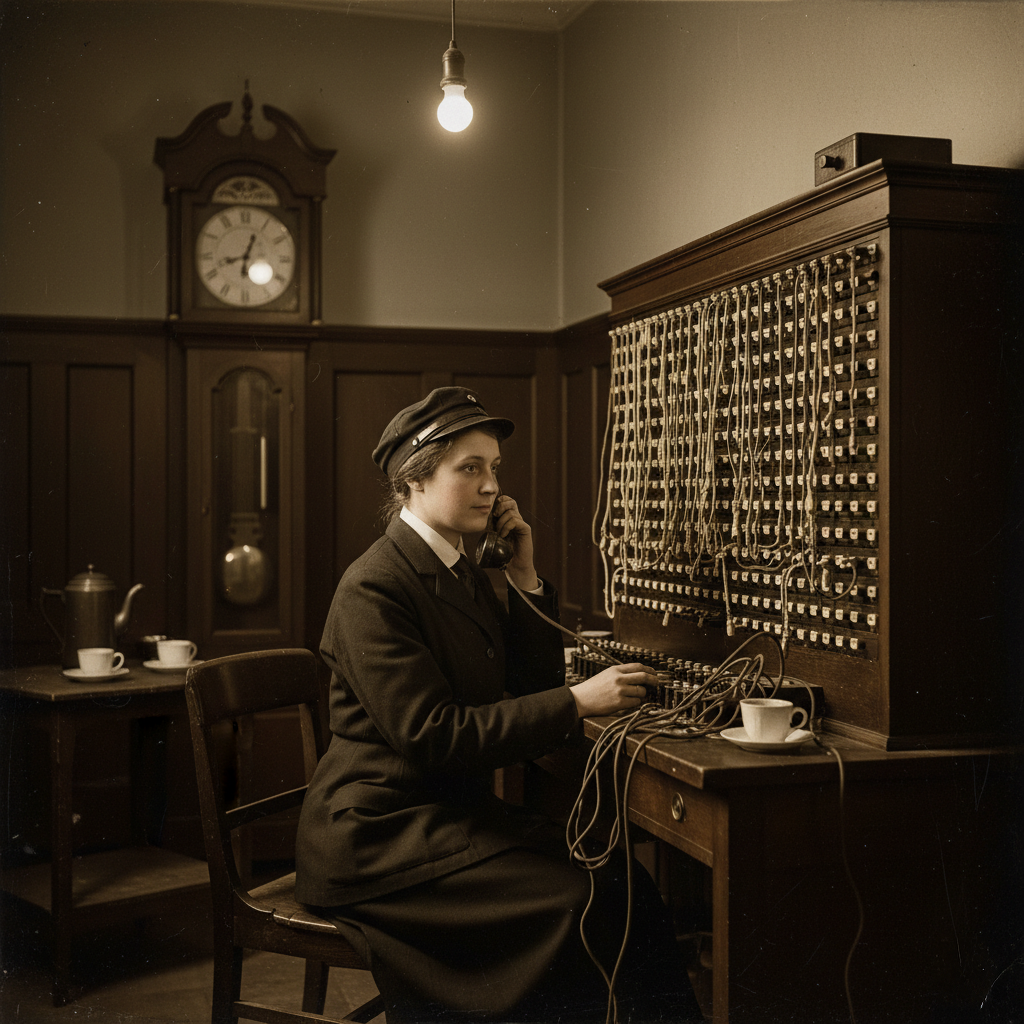 Past · Early 20th CenturySwitchboard Night WatchThe Switchboard Night Watch was a crucial role in the early 20th century, particularly during the rise of telephone communication. As cities expanded and the demand for instant communication grew, telephone switchboards became the backbone of urban connectivity. The Switchboard Night Watch was responsible for overseeing the operation of these switchboards during the night hours, ensuring that calls were connected efficiently and that any issues were promptly addressed. This role required a keen sense of responsibility and a deep understanding of the switchboard's mechanics, as well as the ability to handle emergencies and troubleshoot problems in the dark hours of the night.
Night watch operators worked in dimly lit rooms filled with the hum of electrical equipment and the soft clicks of switches being flipped. They were often the only person on duty, tasked with maintaining the flow of communication for hospitals, police stations, and other essential services that operated around the clock. The job was not only about connecting calls but also about providing a sense of security and reliability to the community, as the night watch was often the first point of contact in emergencies.
As technology advanced, the need for manual switchboard operators diminished. The introduction of automated switching systems in the mid-20th century rendered the role of the Switchboard Night Watch obsolete, as machines could perform the tasks more efficiently and without the need for human oversight.
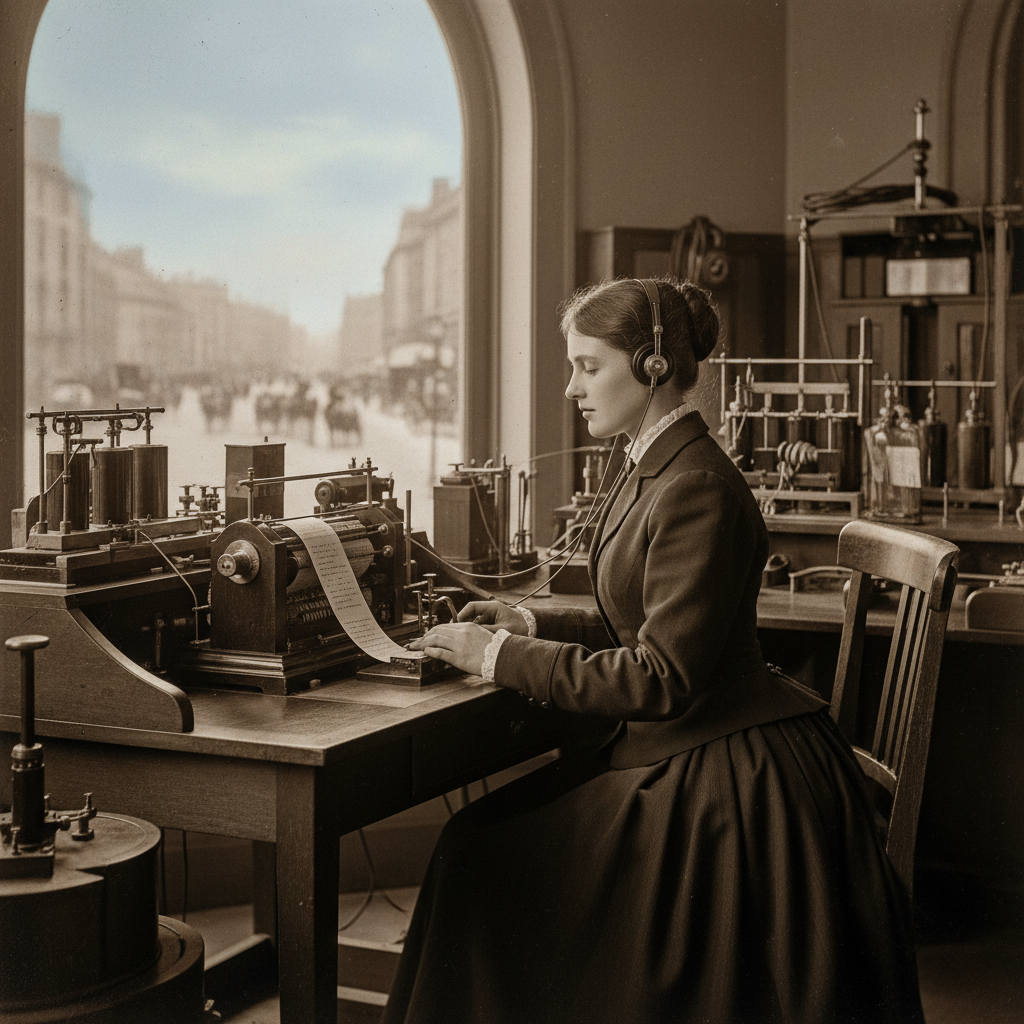 Past · 19th CenturyMorse Code DecoderThe role of a Morse Code Decoder emerged in the mid-19th century, coinciding with the advent of the telegraph. This job was pivotal in the communication revolution, allowing messages to be transmitted over long distances using a series of dots and dashes representing letters and numbers. Morse Code Decoders were responsible for interpreting these signals, translating them into readable text, and ensuring that vital information was accurately conveyed. They played a crucial role in various sectors, including military operations, maritime communication, and commercial enterprises, where timely information was essential for decision-making and coordination.
The work environment for a Morse Code Decoder was often dynamic and fast-paced. Decoders typically operated in telegraph offices, military command centers, or aboard ships, where they would listen intently to the rhythmic sounds of the telegraph machine. The ability to quickly and accurately decode messages was paramount, as delays could lead to misunderstandings or missed opportunities. The job required not only technical skill but also a keen sense of urgency and attention to detail, as decoders often worked under pressure, especially during critical communications.
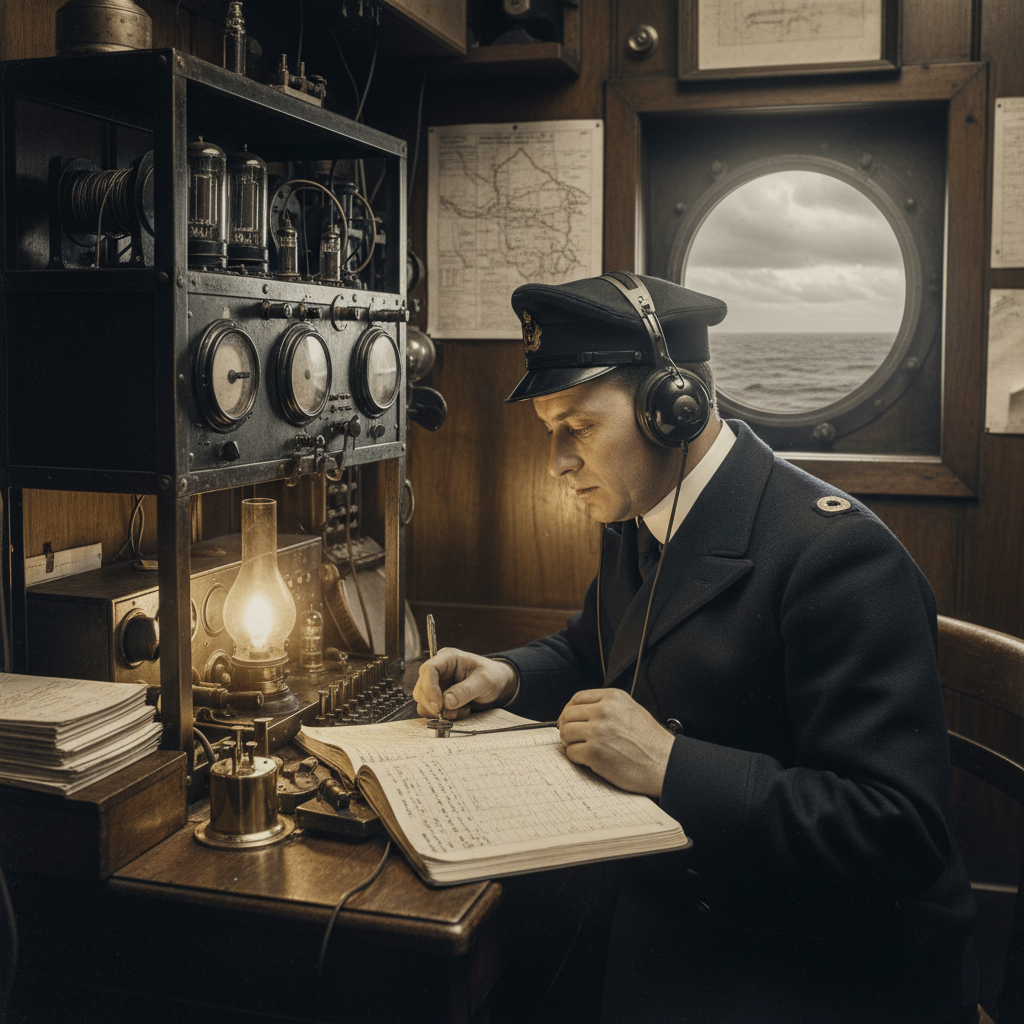 Past · Industrial RevolutionLog TelegraphistThe role of a Log Telegraphist emerged during the Industrial Revolution, a period marked by rapid technological advancement and the expansion of communication networks. These skilled workers were responsible for operating telegraph systems, which were crucial for transmitting messages over long distances using electrical signals. The Log Telegraphist specifically focused on the logging and recording of messages sent and received via telegraph, ensuring that communications were accurately documented and relayed. This job was vital for businesses, government agencies, and the military, as it facilitated timely decision-making and coordination across vast distances.
Log Telegraphists were often found in telegraph offices, railway stations, and military outposts, where they worked in close proximity to the telegraph equipment. Their work environment was typically bustling, filled with the sounds of clicking keys and the hum of electrical machinery. The Log Telegraphist's role required not only technical proficiency in operating the telegraph but also a keen attention to detail, as they meticulously recorded each message, noting the time of receipt and dispatch, and ensuring that no errors occurred in the transmission process.
As the world became increasingly interconnected, the demand for efficient communication grew, and the Log Telegraphist played a pivotal role in this transformation. However, as technology advanced, the telegraph system began to be replaced by more sophisticated communication methods, such as the telephone and eventually the internet, leading to the decline of this occupation.
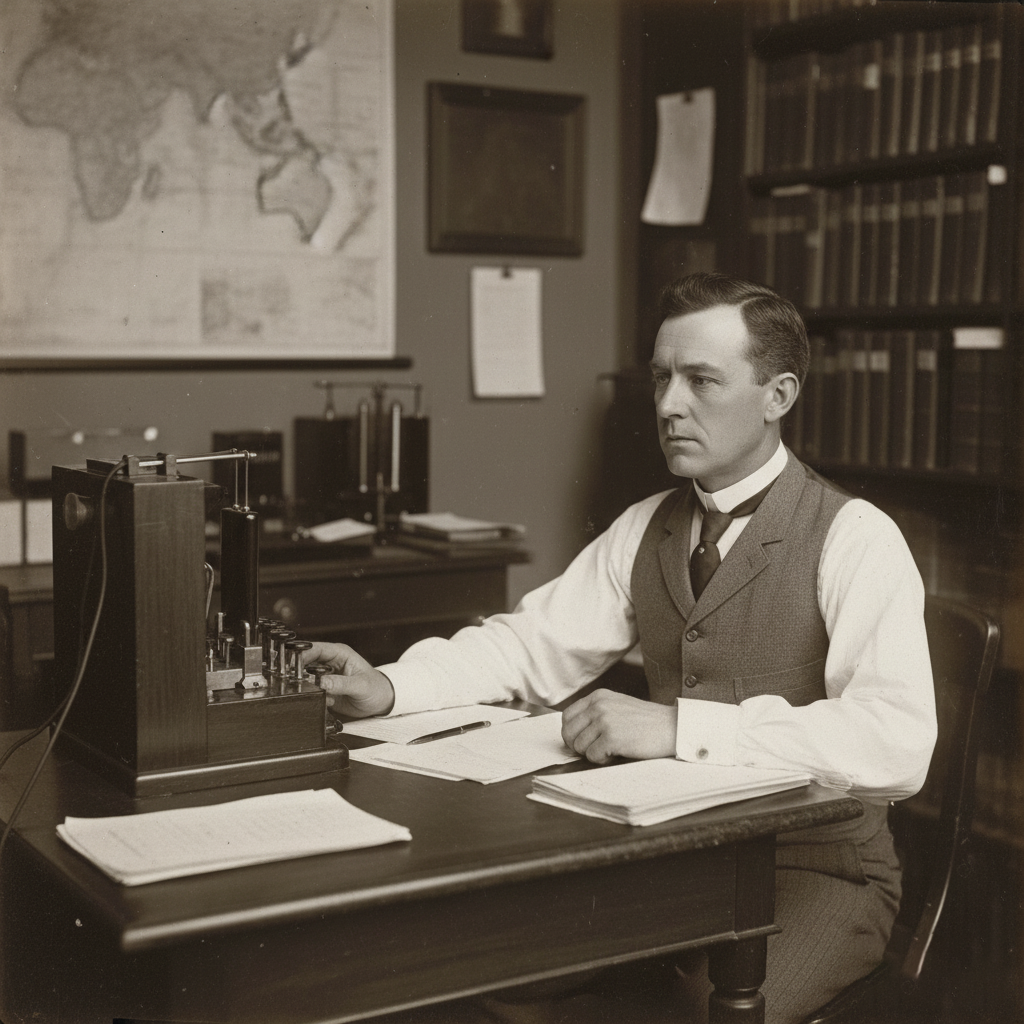 Past · Victorian EraTelegraph OperatorIn the bustling world of the Victorian Era, the telegraph operator stood as a vital link in the chain of communication that transformed society. With the advent of the electric telegraph in the early 19th century, this occupation emerged as a cornerstone of modern communication, allowing messages to traverse vast distances in mere moments. The telegraph operator was responsible for sending and receiving messages encoded in Morse code, a system of dots and dashes that conveyed information across wires.
Dressed in a crisp uniform, often adorned with a badge of the telegraph company, the operator would sit at a telegraph key, a device resembling a small lever, and tap out messages with precision and speed. The rhythmic clicking of the key became a familiar sound in telegraph offices, where operators worked in shifts, often in dimly lit rooms filled with the hum of machinery and the crackle of electrical currents.
The role of the telegraph operator was not merely mechanical; it required acute listening skills and a deep understanding of Morse code. Operators often had to decipher messages quickly, sometimes under pressure, as they relayed urgent news, weather reports, and personal correspondence. They played a crucial role in connecting people, businesses, and governments, facilitating trade and diplomacy in an increasingly interconnected world.
As the telegraph network expanded, so did the responsibilities of the operator, who often served as a point of contact for the public, answering inquiries and providing information. The job was both demanding and rewarding, offering a glimpse into the rapid technological advancements of the time and the profound impact of communication on society.