
Trade
Care of the body
Drawing teeth, laying out the dead, collecting leeches, watching a corpse.
This is the work done on a body in a house or a fair, before a profession owned it. The exits are the anatomy school, the dentist's register, and the funeral home.
In this trade
7
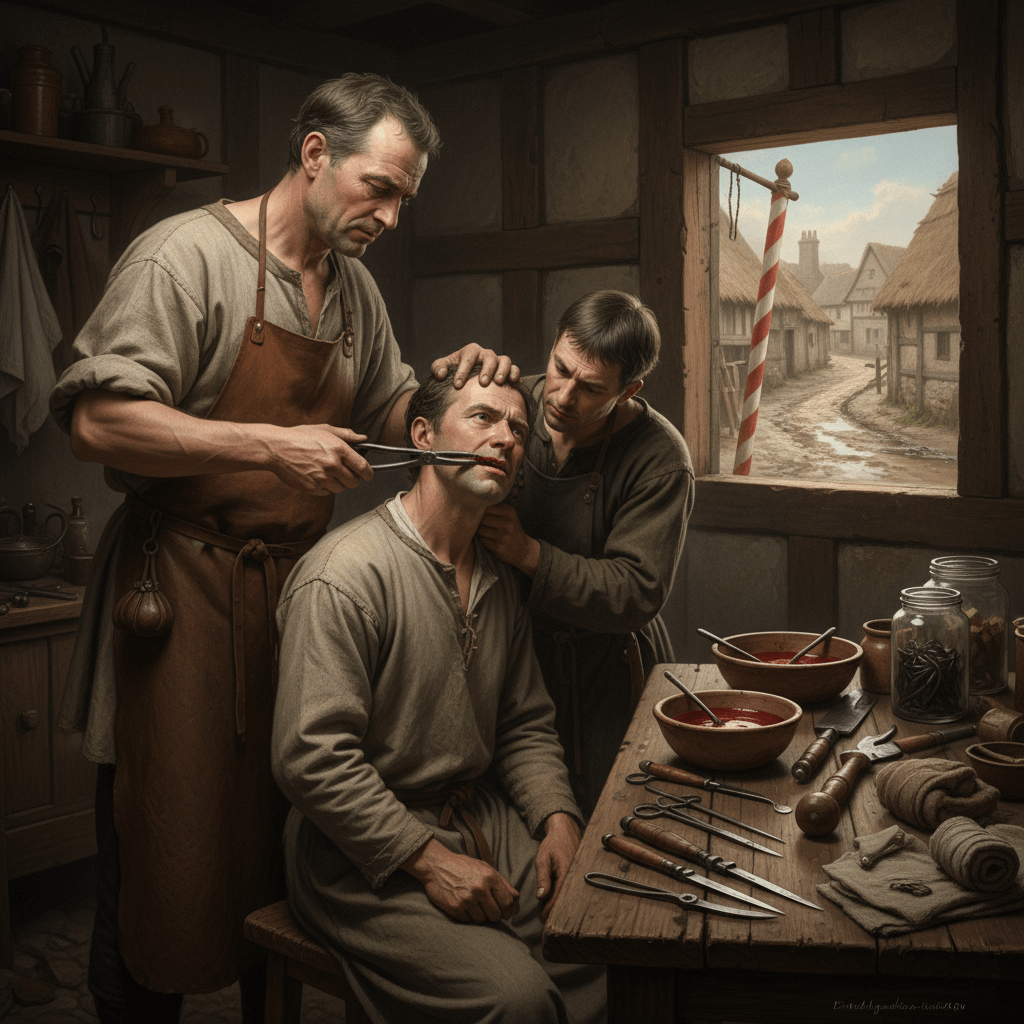
- Past · Medieval PeriodBarber SurgeonThe barber surgeon was a unique figure in medieval society, serving as both a barber and a surgeon. This dual role emerged in the 12th century and persisted into the 17th century, reflecting the limited medical knowledge and the social structure of the time. Barber surgeons were responsible for a variety of tasks, including hair cutting, shaving, and performing surgical procedures such as bloodletting, tooth extraction, and even amputations. They were often the first point of contact for medical care in their communities, providing essential services in an era when formal medical training was scarce. The barber's pole, a symbol of their trade, features red and white stripes, representing blood and bandages, a nod to their surgical duties.
Barber surgeons operated in a time when the boundaries between medicine and personal grooming were blurred. They were often found in small shops or stalls, where they would set up their equipment and await customers. The role required a blend of practical skills, a steady hand, and a certain level of anatomical knowledge, albeit rudimentary by modern standards. Despite their contributions, barber surgeons were often viewed with suspicion by the more educated physicians, who considered their practices to be unrefined and lacking in scientific rigor.
As the Renaissance ushered in a new era of medical understanding and the establishment of formal medical schools, the role of the barber surgeon began to decline. The rise of trained physicians and surgeons, who had undergone extensive education and training, rendered the barber surgeon's services increasingly obsolete. By the 18th century, the profession had largely disappeared, replaced by specialized medical practitioners who could offer more effective and safer treatments.
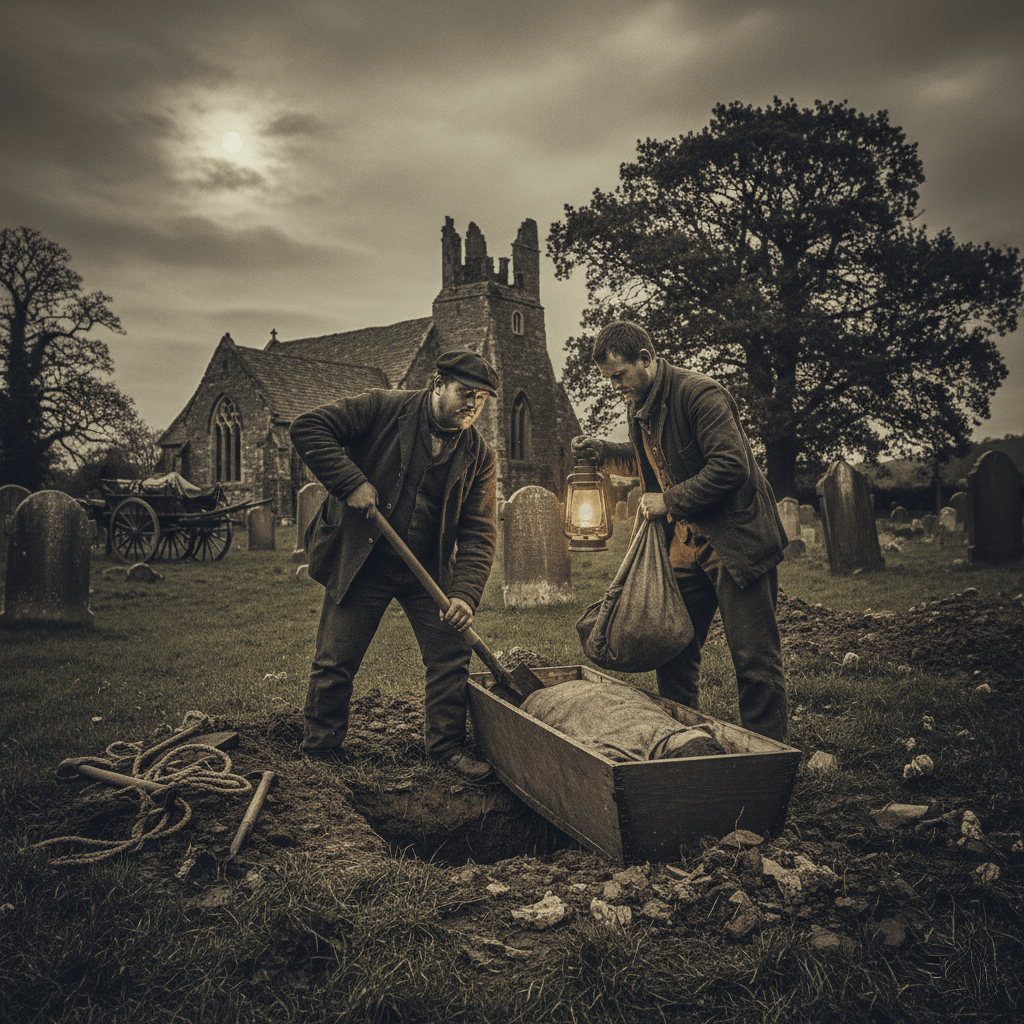 Past · Victorian EraResurrectionistThe role of a resurrectionist, often referred to as a body snatcher, emerged in the early 19th century during a time when the demand for cadavers for medical research and education far exceeded the supply. In an era where the study of human anatomy was gaining prominence, medical schools required fresh specimens for dissection, but legal restrictions limited the availability of bodies. Resurrectionists operated in the shadows, exhuming recently buried corpses from graveyards and selling them to medical institutions. This clandestine occupation was fraught with moral and legal dilemmas, as it often involved the desecration of graves and the exploitation of the deceased's families. Despite the grim nature of their work, resurrectionists played a crucial role in advancing medical knowledge, albeit through highly controversial means. Their activities sparked public outrage and led to significant legal reforms regarding the procurement of cadavers, ultimately transforming the landscape of medical education.
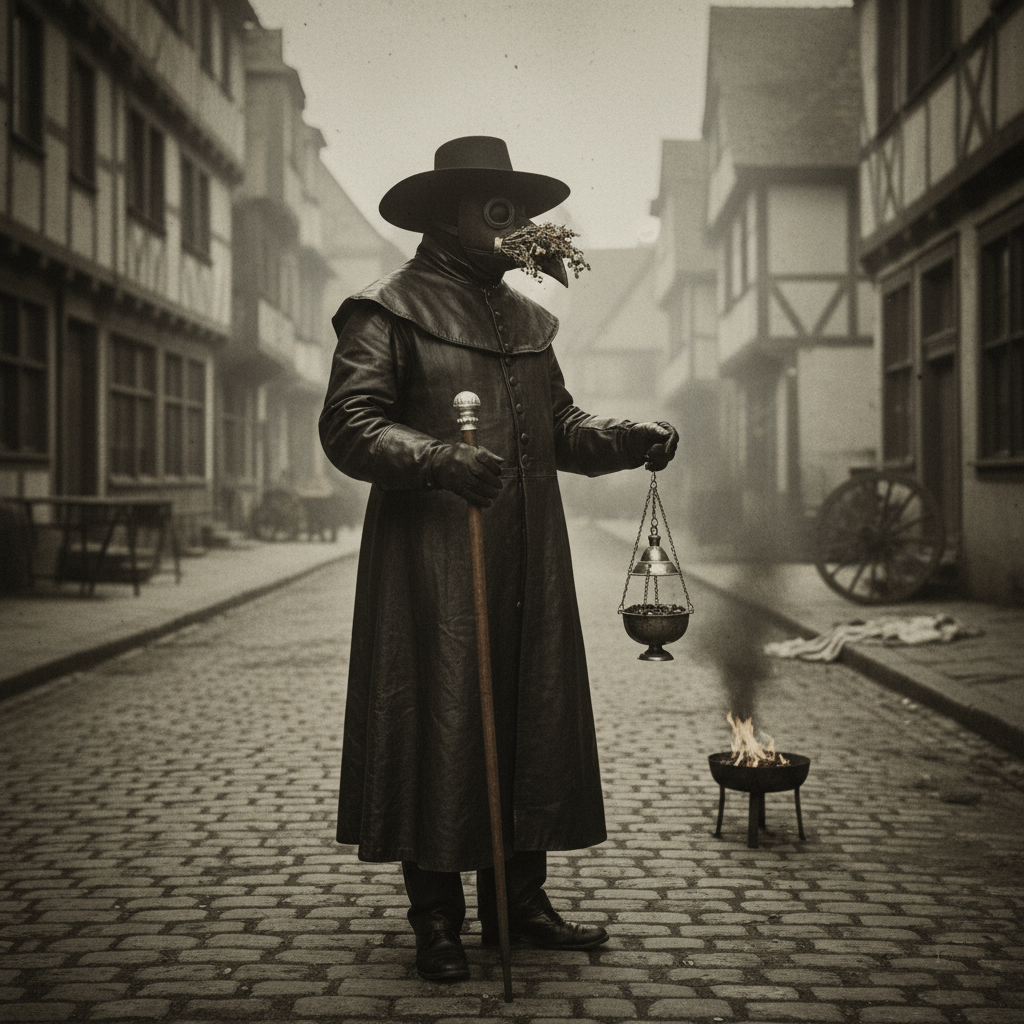 Past · Medieval PeriodPlague DoctorThe role of the Plague Doctor emerged during the devastating outbreaks of the bubonic plague in the 14th to 17th centuries, particularly during the Black Death. These physicians were tasked with treating the afflicted and managing the spread of the disease, which claimed millions of lives across Europe. Plague Doctors were often hired by towns and cities to care for the sick, and their distinctive attire became a symbol of the era's struggle against disease. They wore long cloaks, gloves, boots, and a beaked mask filled with aromatic substances, believed to purify the air and protect them from miasma, or 'bad air,' thought to be the cause of the plague. Their work was fraught with danger, as they often encountered patients who were gravely ill or already deceased, and they had limited medical knowledge and tools at their disposal. Despite their efforts, many Plague Doctors themselves succumbed to the very diseases they sought to combat, highlighting the perilous nature of their profession.
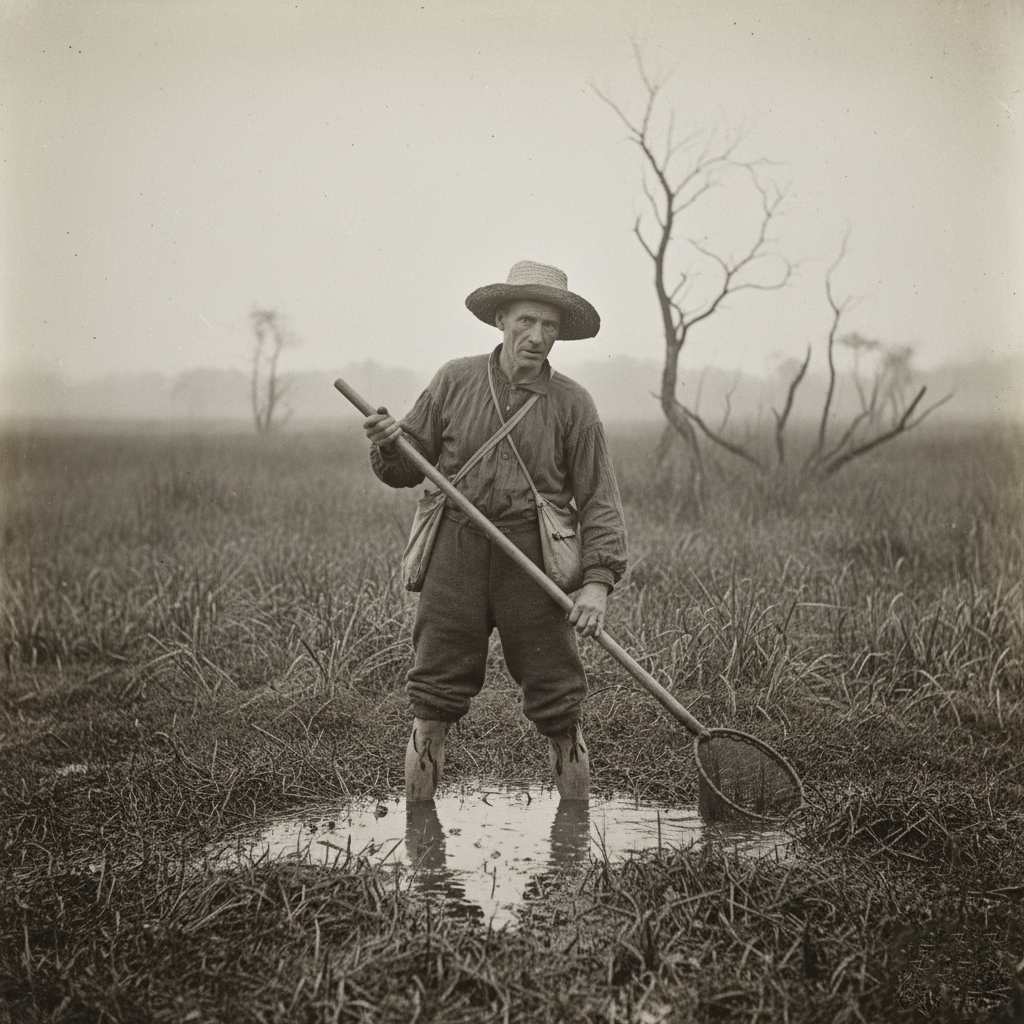 Past · Victorian EraLeech CollectorIn the Victorian Era, the leech collector played a crucial role in the burgeoning field of medicine. These individuals were tasked with harvesting leeches from freshwater bodies, primarily for use in bloodletting—a common medical practice of the time. Leeches were believed to cure a variety of ailments by drawing out 'bad blood,' and their demand surged as the medical community embraced this practice. Leech collectors would often wade into muddy waters, using nets and their bare hands to gather these slimy creatures, which were then sold to physicians and apothecaries. The job required not only physical endurance but also a keen understanding of the leeches' habitats and behaviors, as well as the ability to handle them without causing harm to themselves or the creatures.
The leech collector's work was often conducted in remote, marshy areas, where they would spend hours in the water, sometimes in harsh weather conditions. The collectors would return home with buckets filled with leeches, which they would keep alive in water-filled containers until sold. The job was labor-intensive and often poorly paid, but it was essential in an era when medical practices relied heavily on the use of leeches for therapeutic purposes.
As the medical field evolved and the understanding of human anatomy and disease progressed, the practice of bloodletting fell out of favor. By the late 19th century, with the advent of modern medicine and more effective treatments, the demand for leeches diminished significantly, leading to the decline of this once vital occupation.
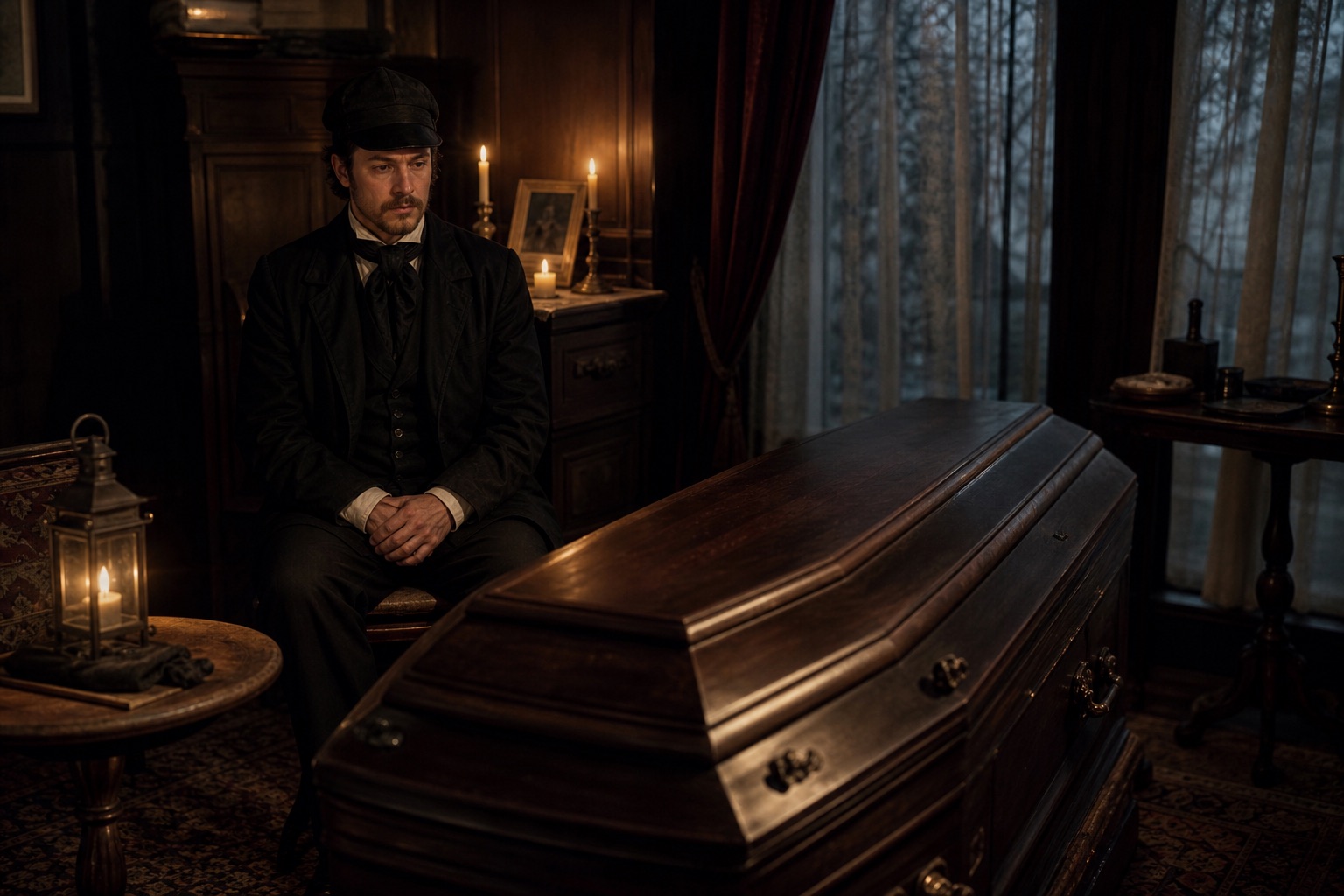 Past · Georgian EraCorpse-watcherA corpse-watcher sat with a dead person through the night in the house, before the body left for burial. The custom had two reasons that overlapped and should not be collapsed into one. One was the wake: a household did not leave its dead alone, and neighbors or kin took turns in the room, with a candle, a chair, and often a simple prayer or a quiet conversation in the next doorway. The other reason, sharpest before the Anatomy Act 1832, was practical guard duty. Resurrectionists stole fresh corpses for anatomy schools, especially in London and Edinburgh, and a watched house was harder to rob than an empty one.
The watcher was not an undertaker's employee and not a nurse. Payment, when it existed, was a shilling and a meal from the family, or nothing but the obligation of the street. After 1832 the schools had a legal supply of bodies and the profitable theft declined, yet families still sat up, because the wake was older than the panic. What ended the household version was the removal of the body itself. Funeral homes, chapels of rest, and public mortuaries took the dead out of the bedroom within hours. There was then no night in the house to sit through, and the watcher ceased with that room.
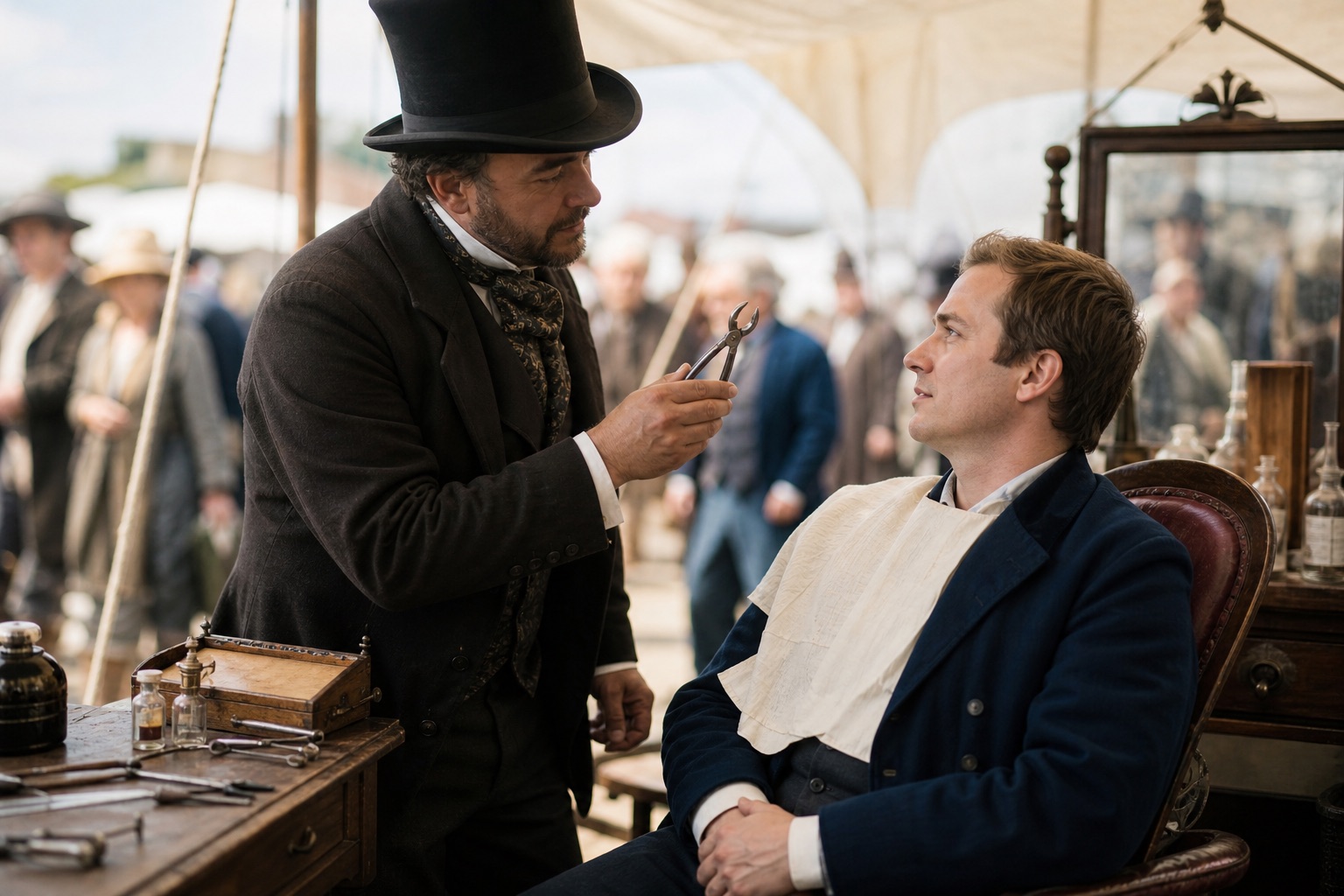 Past · Georgian EraTooth-drawerA tooth-drawer was an itinerant extractor who worked fairs, markets, and street pitches in the seventeenth, eighteenth, and early nineteenth centuries, before dentistry was a licensed profession. He was kin to the barber-surgeon: tooth-pulling sat among the minor operations that barbers and irregular operators both claimed, while physicians kept their distance. The instruments were the pelican, an older lever, the dental key that spread in the eighteenth century, and forceps, sometimes only a string tied to the tooth. There was no anesthesia. The pull was public, because a crowd was the advertisement, and the fee was a few pence or a shilling paid at once.
The exhibit stops at the early nineteenth century, which is the form meant here: a travelling operator, not a settled dental surgeon with a room and a register. That later figure is the ending of this one. Nitrous oxide and ether gave respectable practitioners a way to promise less pain. The Dentists Act 1878 put a register under British law and began to separate the titled dentist from the fairground stool. Handbills and fair paintings are the record of the drawer. Martin van Butchell, a London operator of the late eighteenth century, is one of the few whose name survived the pitch.
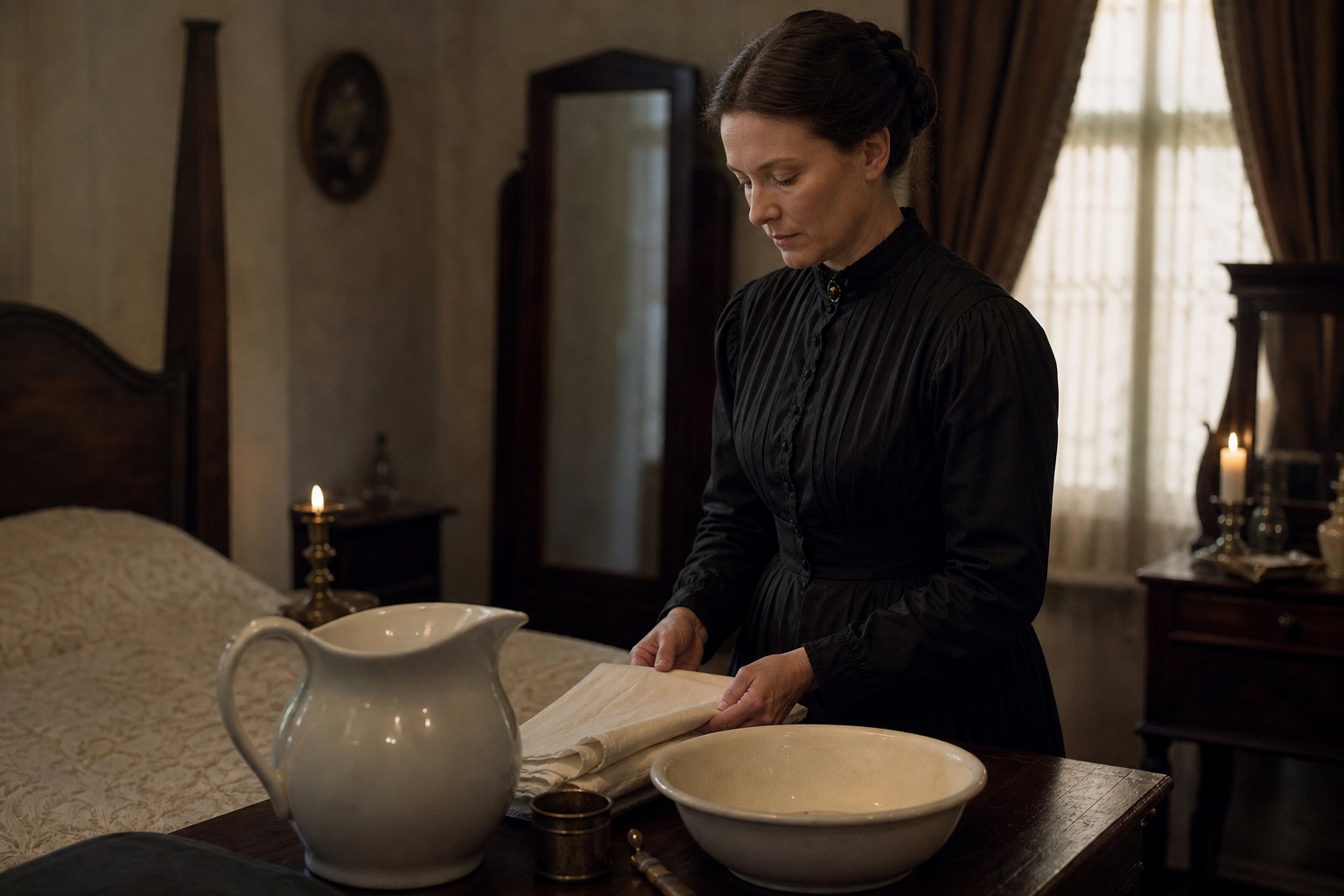 Past · Victorian EraLayer-outA layer-out was the woman of the neighborhood who came when someone died at home, washed the body, and prepared it for the interval before burial. She closed the eyes, tied a bandage or a strip of cloth under the chin so the mouth stayed shut, washed with soap and a cloth, and dressed the body in a shroud or in a clean shirt. Hair was combed. The room was left orderly enough for kin to sit. Pennies on the eyelids were a household trick used sometimes to keep the eyes closed, not a required rite. The layer-out was often the same sort of neighbor as the handywoman who attended births: known, local, and sent for by a child knocking at her door.
The work was ordinary in British towns and villages through the nineteenth century and still common in the early twentieth, especially where the dead remained in the house for a day or more. It was women's work by custom. Men of the family might lift. They did not wash. The end came when the undertaker's men removed the body to a mortuary or a chapel of rest and the washing was done there, by staff, away from the street. The layer-out was not abolished. She was left with no body in the bedroom, which had been her only workplace.