
Trade
River and sea
Wherries, billy boys, stevedores, log drives, lighthouses.
Boats and cargo handled by a gang. Bridges, steam, containers, and an automated lamp closed the jobs one at a time.
In this trade
6
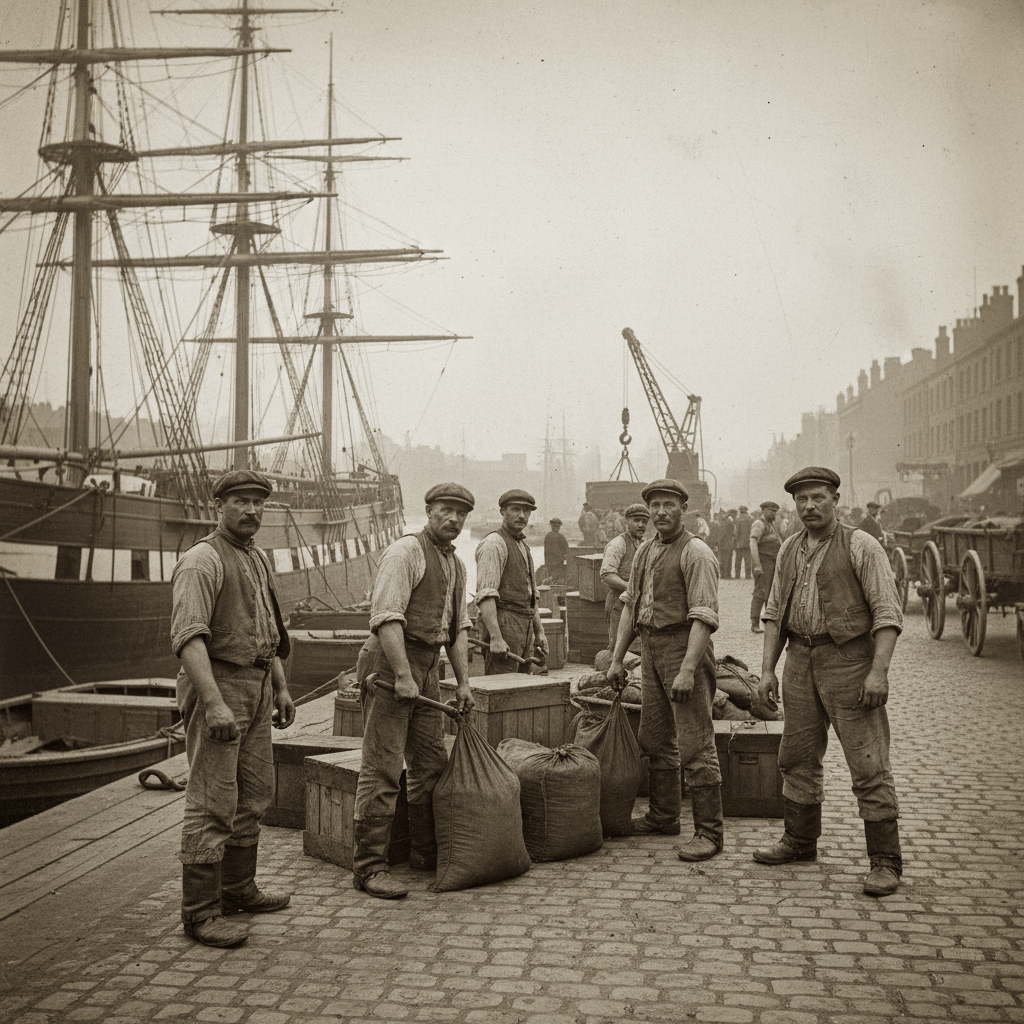
- Past · Industrial RevolutionStevedoreThe stevedore, often referred to as a longshoreman, was a vital figure in the shipping industry during the Industrial Revolution and beyond. These laborers were responsible for the loading and unloading of cargo from ships, a task that required not only physical strength but also a keen understanding of maritime operations. Stevedores worked in bustling ports, where the clamor of ships, the shouts of dockworkers, and the creaking of cargo nets created a symphony of industry. They were the backbone of trade, ensuring that goods moved efficiently from sea to shore and vice versa.
The work of a stevedore was physically demanding and often dangerous. They operated in all weather conditions, lifting heavy crates and barrels, often using tools such as hooks, slings, and winches. The stevedore's role was not merely about brute strength; it also required coordination and teamwork, as they worked alongside ship captains, dock managers, and other laborers to ensure that cargo was handled safely and efficiently. The stevedore's expertise in stowing cargo was crucial, as improper loading could lead to accidents at sea or damage to goods.
As the shipping industry evolved, so too did the role of the stevedore. The introduction of containerization in the mid-20th century revolutionized cargo handling, leading to a decline in the traditional stevedore's role. Containers allowed for faster loading and unloading, reducing the need for manual labor and specialized skills that stevedores had honed over decades. This shift marked the beginning of the end for the stevedore as a distinct occupation, as automation and mechanization took over the docks.
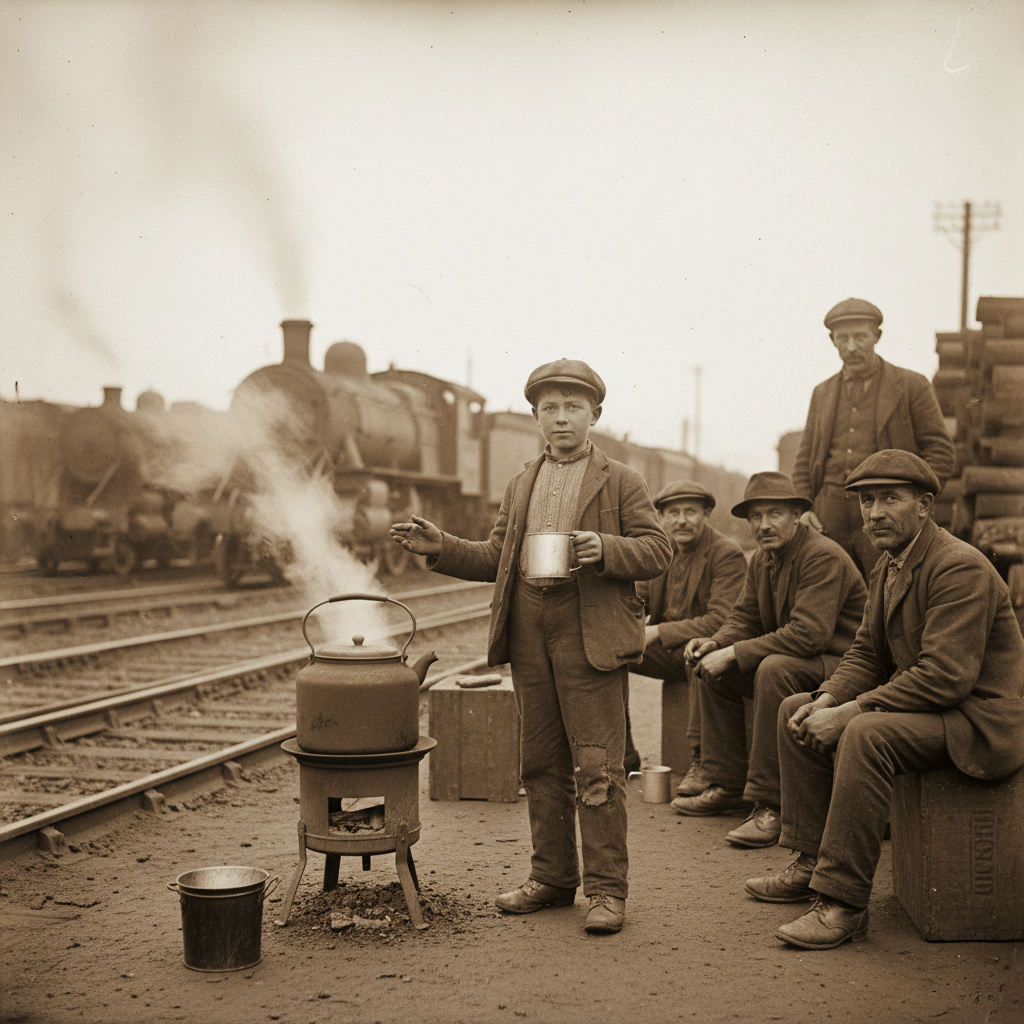 Past · Victorian EraBilly BoyThe term 'Billy Boy' refers to a young boy employed in the Victorian era, primarily in the coal mining industry, to assist with various tasks that were essential for the operation of the mines. These boys, often starting work as young as six or seven, played a crucial role in the mining process, particularly in the transportation of coal and the management of ventilation within the mines. Their small stature allowed them to navigate the narrow tunnels and shafts where adults could not fit, making them invaluable to the mining operations of the time.
Billy Boys were responsible for a variety of tasks, including pushing carts filled with coal, opening and closing ventilation doors, and sometimes even acting as lookouts for supervisors. Their work was physically demanding and often dangerous, exposing them to the perils of mining, such as cave-ins and poor air quality. Despite the harsh conditions, these boys contributed significantly to the coal industry, which was a cornerstone of the Victorian economy, fueling the Industrial Revolution and the rapid urbanization of Britain.
The life of a Billy Boy was marked by long hours, typically starting before dawn and ending after sunset, with little regard for their well-being. They were often paid meager wages, reflecting the exploitative labor practices of the time, and many faced health issues due to the hazardous environment in which they worked.
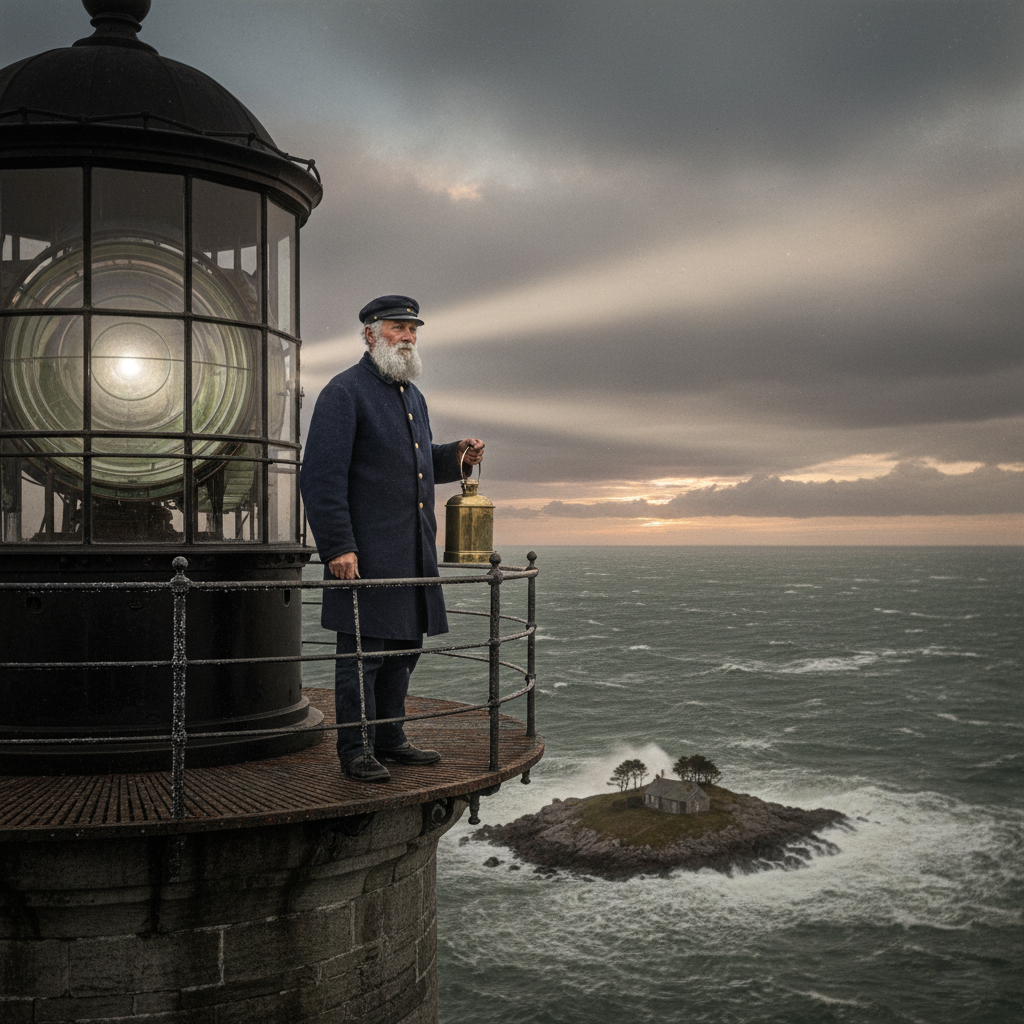 Past · 19th CenturyLighthouse KeeperThe role of a lighthouse keeper was vital to maritime safety, particularly during the 19th century when shipping traffic surged due to industrialization and global trade. Lighthouse keepers were responsible for maintaining the light and ensuring that it was visible to passing ships, guiding them safely through treacherous waters. This job required a deep understanding of navigation, meteorology, and mechanical systems, as keepers often had to troubleshoot and repair the light mechanisms, which could include oil lamps or later, electric lights. The keeper's duties extended beyond just the light; they also maintained the lighthouse itself, kept records of weather conditions, and sometimes assisted in rescue operations for distressed vessels. The isolation of many lighthouses meant that keepers often lived in remote locations, sometimes with their families, fostering a unique community around these beacons of safety.
 Past · Age of ExplorationPowder MonkeyThe term 'powder monkey' refers to young boys, typically between the ages of 10 and 18, who were employed on naval ships during the Age of Exploration and beyond, particularly in the 17th to 19th centuries. Their primary responsibility was to transport gunpowder from the ship's magazine to the cannons during naval battles. This role was crucial, as the effectiveness of a ship's artillery depended on the swift and safe delivery of gunpowder, which was highly volatile and dangerous.
Powder monkeys were often orphans or boys from impoverished backgrounds, seeking work on ships as a means of survival. They were known for their agility and speed, which were essential for navigating the often cramped and chaotic conditions aboard a ship during battle. The job was perilous; the boys had to be quick and careful, as a single spark could lead to catastrophic explosions.
In addition to their role in battle, powder monkeys also assisted in the maintenance of the ship's armaments and were sometimes tasked with cleaning and loading cannons. Their work was physically demanding and required a level of bravery that belied their youth. Despite the dangers, many powder monkeys were proud of their roles, often dreaming of becoming full sailors or officers one day.
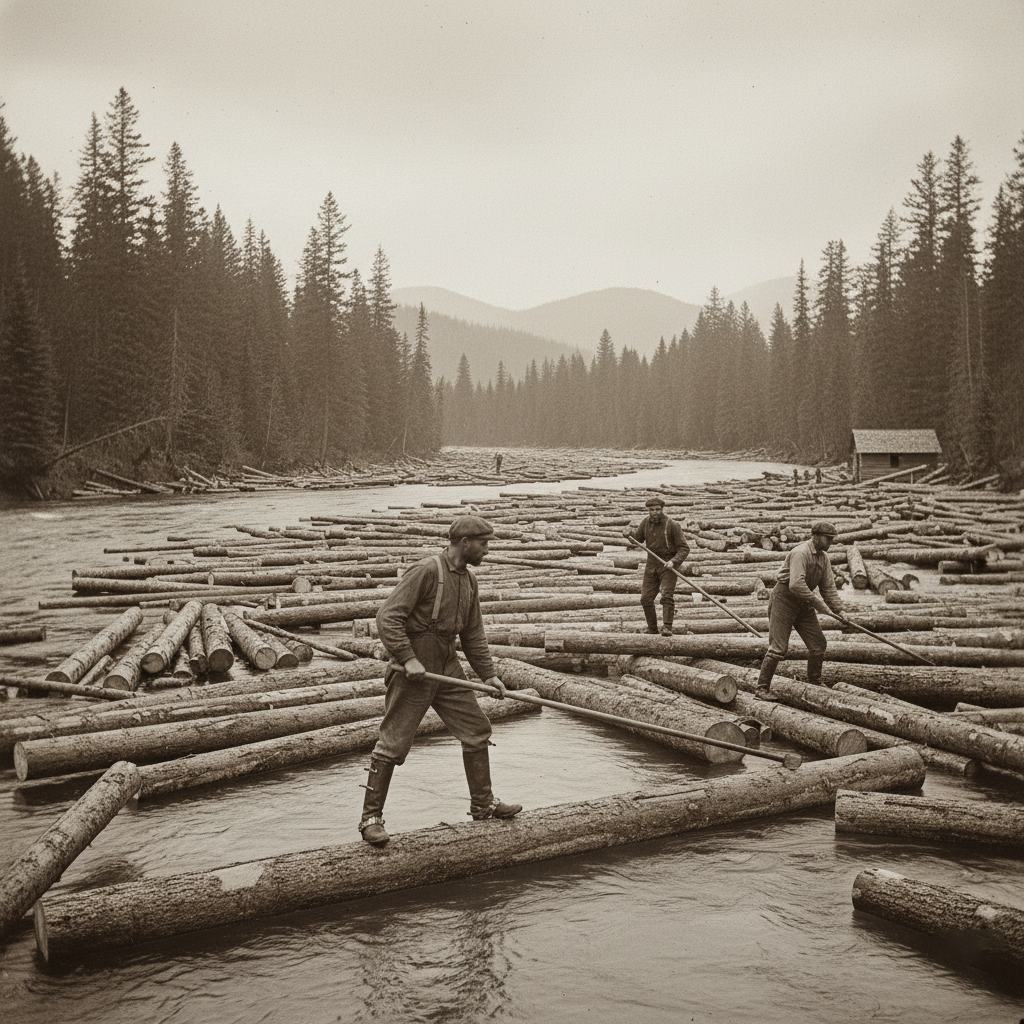 Past · Industrial RevolutionLog DriverIn the rugged landscapes of North America during the Industrial Revolution, the log driver emerged as a vital figure in the timber industry. These skilled laborers were responsible for guiding and maneuvering logs down rivers and streams to sawmills, where they would be processed into lumber for construction and other uses. The job required not only physical strength and endurance but also a deep understanding of the waterways and the behavior of timber. Log drivers often worked in teams, using their knowledge of currents and eddies to navigate the logs safely through treacherous waters, avoiding obstacles such as rocks and fallen trees. The sight of a log driver skillfully balancing on a floating log, using a long pole to steer, was a common and iconic image of the era.
The work was grueling and dangerous, with log drivers facing the constant threat of injury from the logs themselves, as well as the unpredictable nature of the rivers. Despite the hazards, the job was a source of pride, as log drivers were seen as rugged individuals embodying the spirit of the frontier. Their contributions were crucial to the booming timber industry, which fueled the growth of towns and cities across the continent, providing the lumber necessary for homes, railroads, and infrastructure.
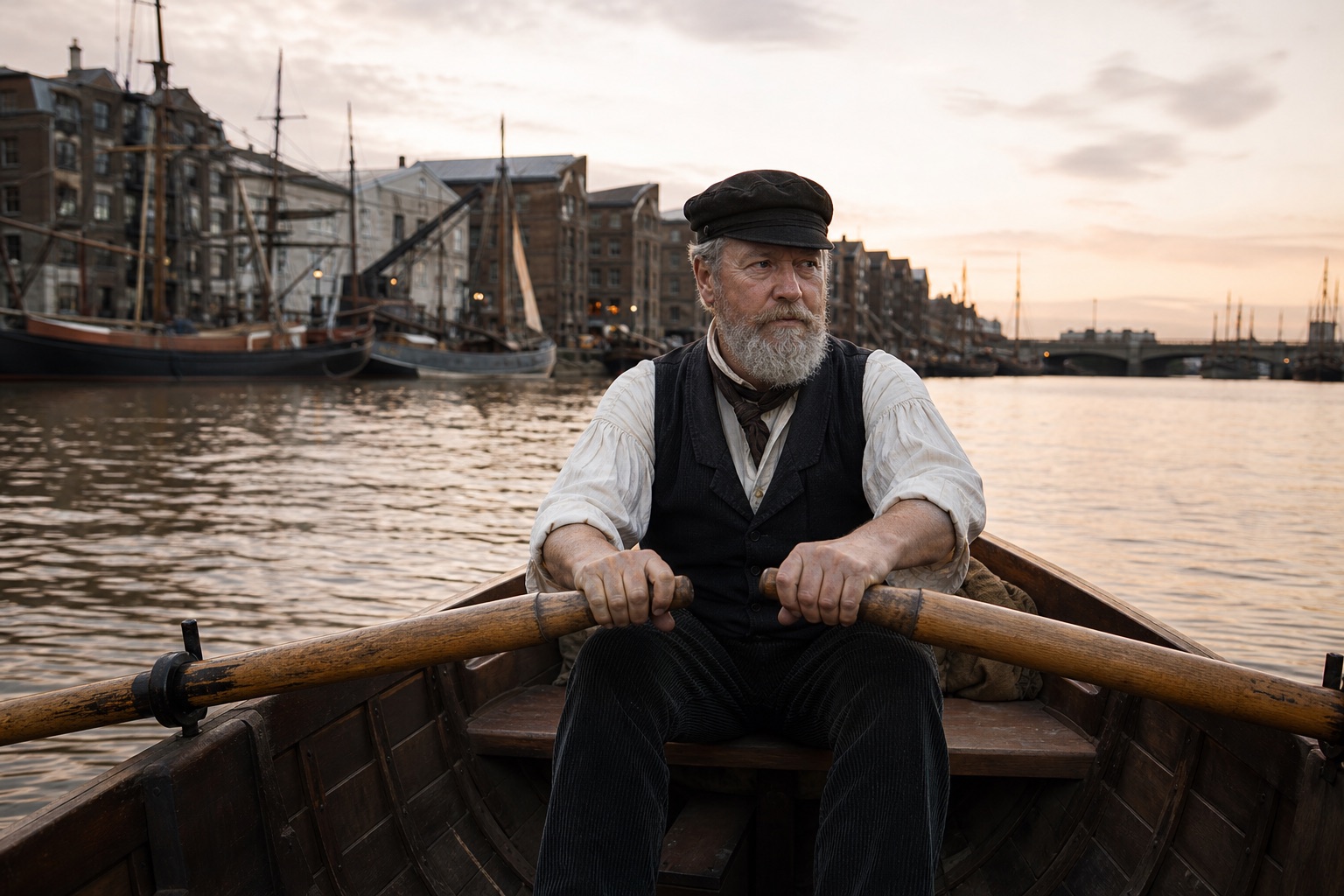 Past · Pre-Industrial EraWherrymanBefore London built enough bridges, the Thames was the street. A wherry was a light rowing boat, sharp at both ends, and the wherryman who hired it out was how a person crossed from one stair to another. The Watermen's Company licensed him. He waited at the stairs, called for custom, and rowed the fare into whatever the tide was doing that hour.
The work was older than the company and outlived the first bridges, because a bridge with a toll and a climb was not always better than a boat. Steamers and more bridges finished it. The men who remained became watermen in a thinner trade, ferrying where a tunnel or a pier had not yet made them unnecessary.