
Trade
Belief and the body of knowledge
Jobs that claimed to read a sign: urine, a skull, a liver, a marriage.
The buyer was paying for an interpretation. When a laboratory, a register, or a church withdrew that authority, the job ended even if the gesture continued at a fair.
In this trade
6
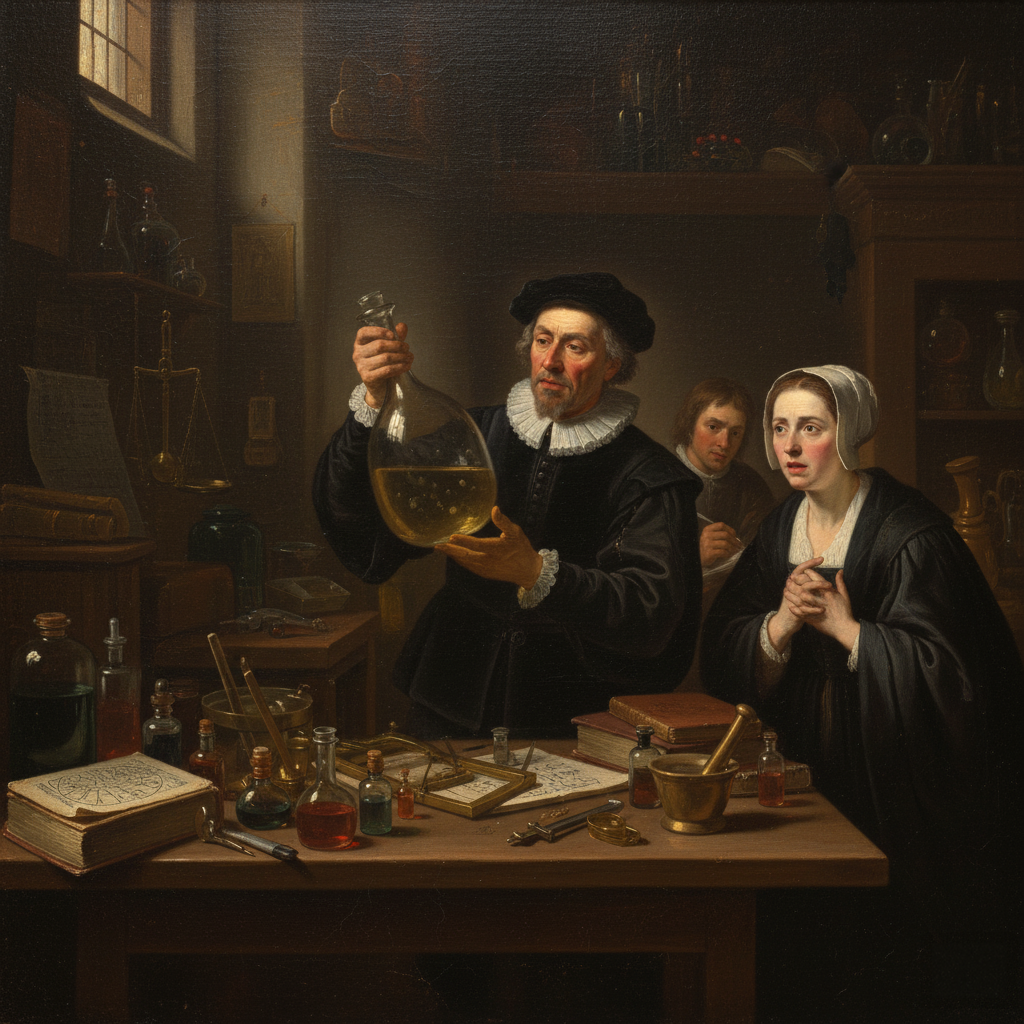
- Past · Medieval PeriodPiss-ProphetThe Piss-Prophet was a unique and somewhat peculiar occupation that emerged during the Medieval Period, particularly in Europe. This role was primarily associated with the practice of diagnosing health conditions and predicting the future through the examination of urine. The Piss-Prophet, often a male figure, would analyze the color, consistency, and even the smell of urine to provide insights into a person's health and fortune. This practice was rooted in the ancient humoral theory, which posited that bodily fluids were indicative of one's health and temperament.
In a time when medical knowledge was limited and superstition reigned, the Piss-Prophet held a significant place in society. They were often consulted by individuals seeking answers to ailments or guidance on personal matters. The Piss-Prophet would typically set up shop in a market square or a local tavern, where they would attract clients with their claims of divination and healing. The role required a keen eye for detail and a deep understanding of the various interpretations of urine, which were often documented in rudimentary medical texts of the time.
Despite the oddity of the profession, Piss-Prophets were sometimes regarded with a mix of respect and skepticism. They often operated alongside other medical practitioners, such as barber-surgeons and herbalists, contributing to the eclectic tapestry of medieval healthcare.
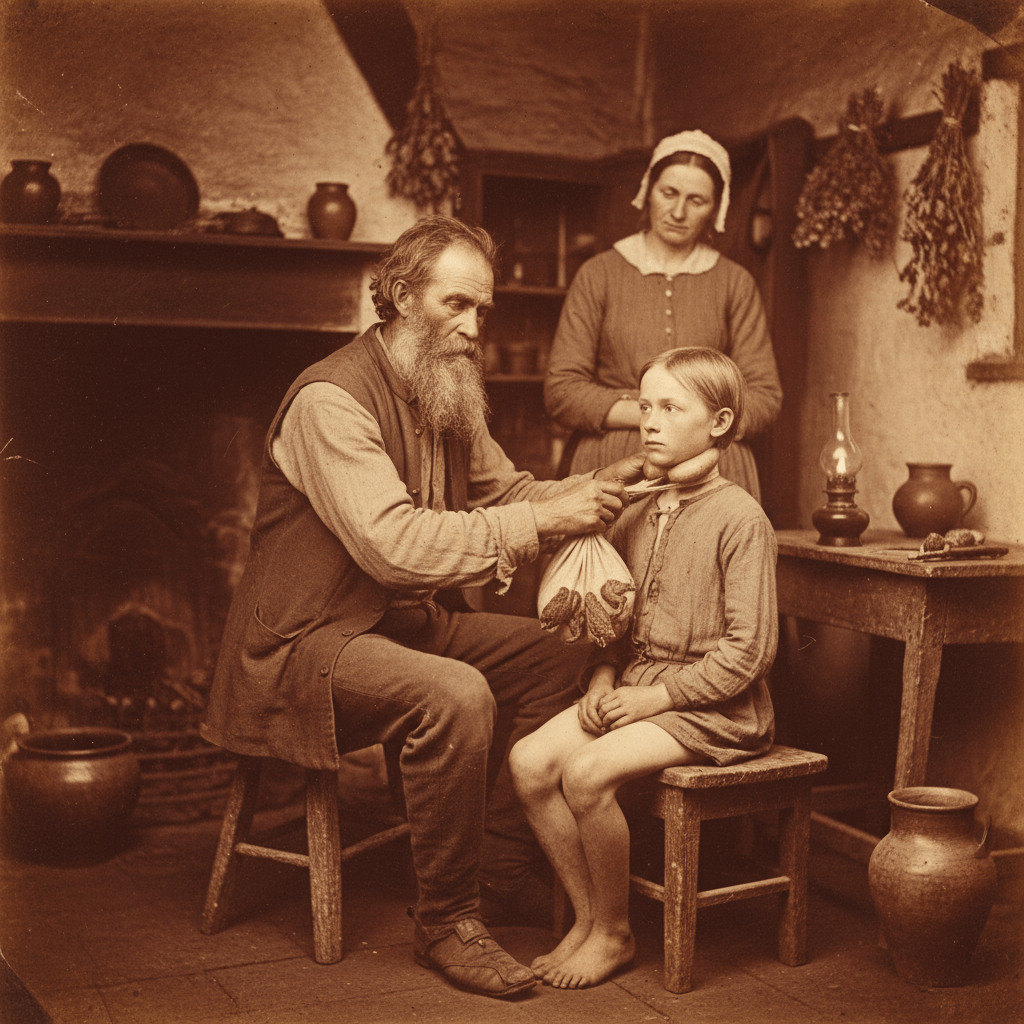 Past · Medieval PeriodToad DoctorThe Toad Doctor was a unique and somewhat peculiar figure in medieval society, often found in rural areas where folk medicine thrived. This practitioner was believed to possess the knowledge and skills necessary to treat ailments using toads and their byproducts. The Toad Doctor's practice was steeped in superstition and folklore, with many believing that toads had magical properties that could cure various diseases. Treatments often involved the use of toad fat, which was rendered down and applied to wounds or ingested to alleviate ailments such as warts, skin conditions, and even more serious illnesses. The Toad Doctor would also prescribe charms and incantations, blending herbal remedies with the mystical qualities attributed to the toad.
In a time when formal medical training was scarce, the Toad Doctor filled a vital niche in the community, often serving as the primary healthcare provider for the rural populace. Their role was not only to heal but also to provide comfort and reassurance in an era rife with superstition and fear of the unknown.
Despite their importance, the practice of the Toad Doctor began to wane with the rise of more formalized medical practices and the advent of the scientific method, which sought to replace superstition with empirical evidence. As the understanding of human anatomy and disease progressed, the reliance on folk remedies and magical beliefs diminished, leading to the eventual extinction of this once-revered occupation.
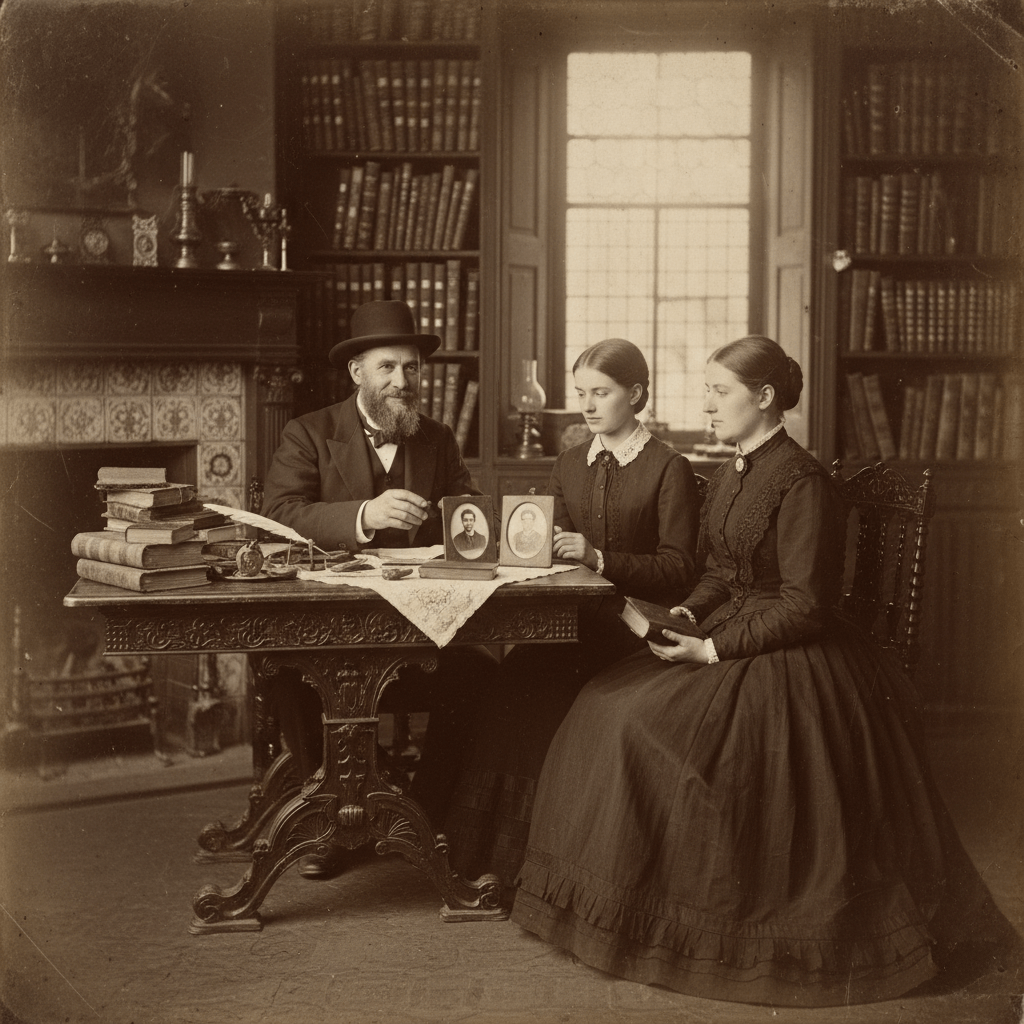 Past · Medieval PeriodShadchanThe role of a Shadchan, or matchmaker, was a vital part of Jewish communities during the Medieval Period, particularly in Eastern Europe. This profession was not merely about pairing individuals for marriage; it was deeply rooted in cultural, social, and religious practices. Shadchans were often respected members of the community, possessing a keen understanding of family dynamics, social status, and the personal attributes of potential partners. They acted as intermediaries, facilitating introductions and negotiations between families, ensuring that matches were not only compatible but also aligned with the community's values and traditions. The Shadchan's work involved a delicate balance of diplomacy, intuition, and knowledge of the community's expectations regarding marriage, which was often seen as a strategic alliance rather than just a romantic union.
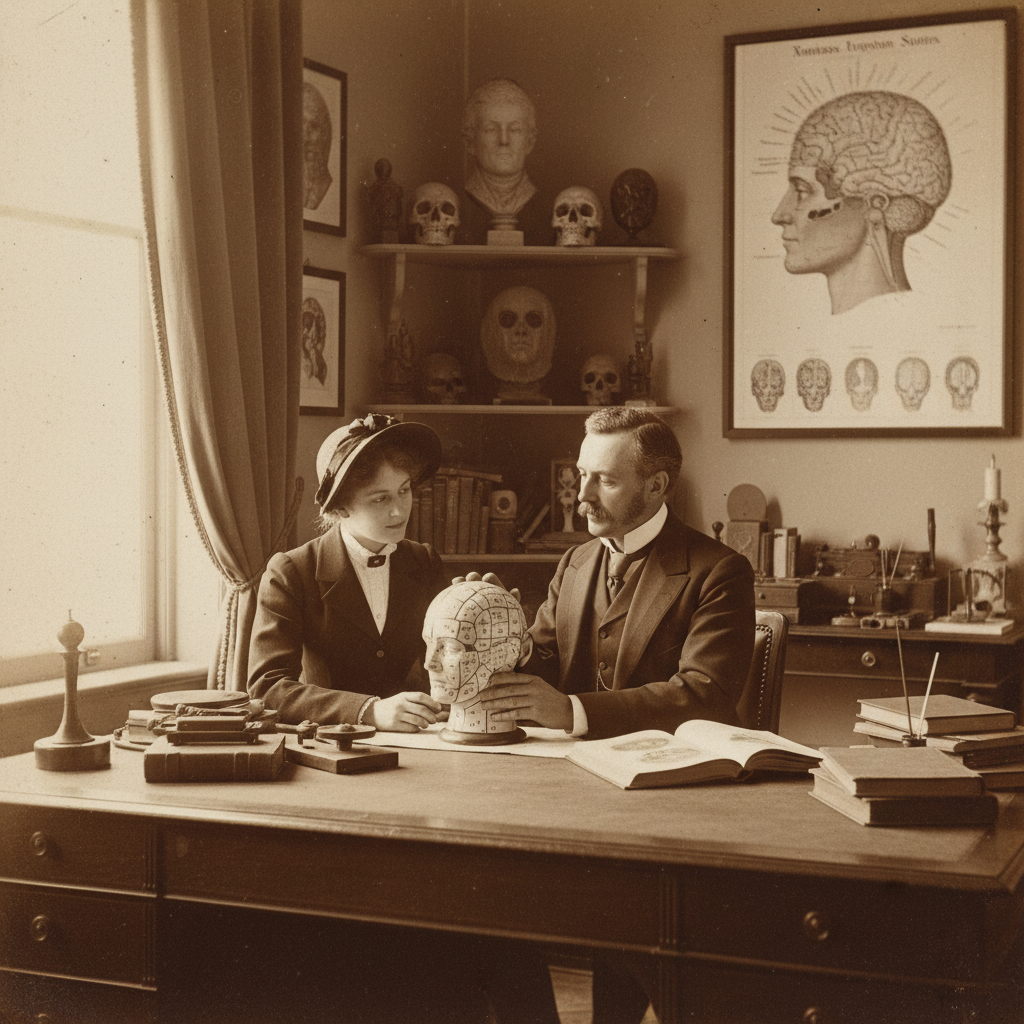 Past · 19th CenturyPhrenologistPhrenology, a now-discredited field of study, emerged in the early 19th century as a popular method for assessing personality traits and intellectual capabilities based on the shape and contours of the skull. Phrenologists believed that the brain was the organ of the mind, and that specific areas of the brain corresponded to different character traits. By examining the bumps and indentations on a person's skull, phrenologists claimed they could determine an individual's character, tendencies, and even potential for success in various fields.
Phrenologists often set up practices in urban centers, where they would offer consultations to clients seeking insights into their personalities or those of their children. They would use a combination of observation, intuition, and rudimentary anatomical knowledge to assess the skull's shape, often employing plaster casts or models to illustrate their findings. The practice was not only popular among the general public but also found its way into educational and occupational settings, influencing hiring practices and social interactions.
Despite its initial popularity, phrenology faced increasing skepticism from the scientific community as the 19th century progressed. Critics pointed out the lack of empirical evidence supporting its claims and the ethical implications of using skull shape to judge character. By the late 19th century, advances in psychology and neuroscience began to overshadow phrenology, leading to its decline and eventual obsolescence.
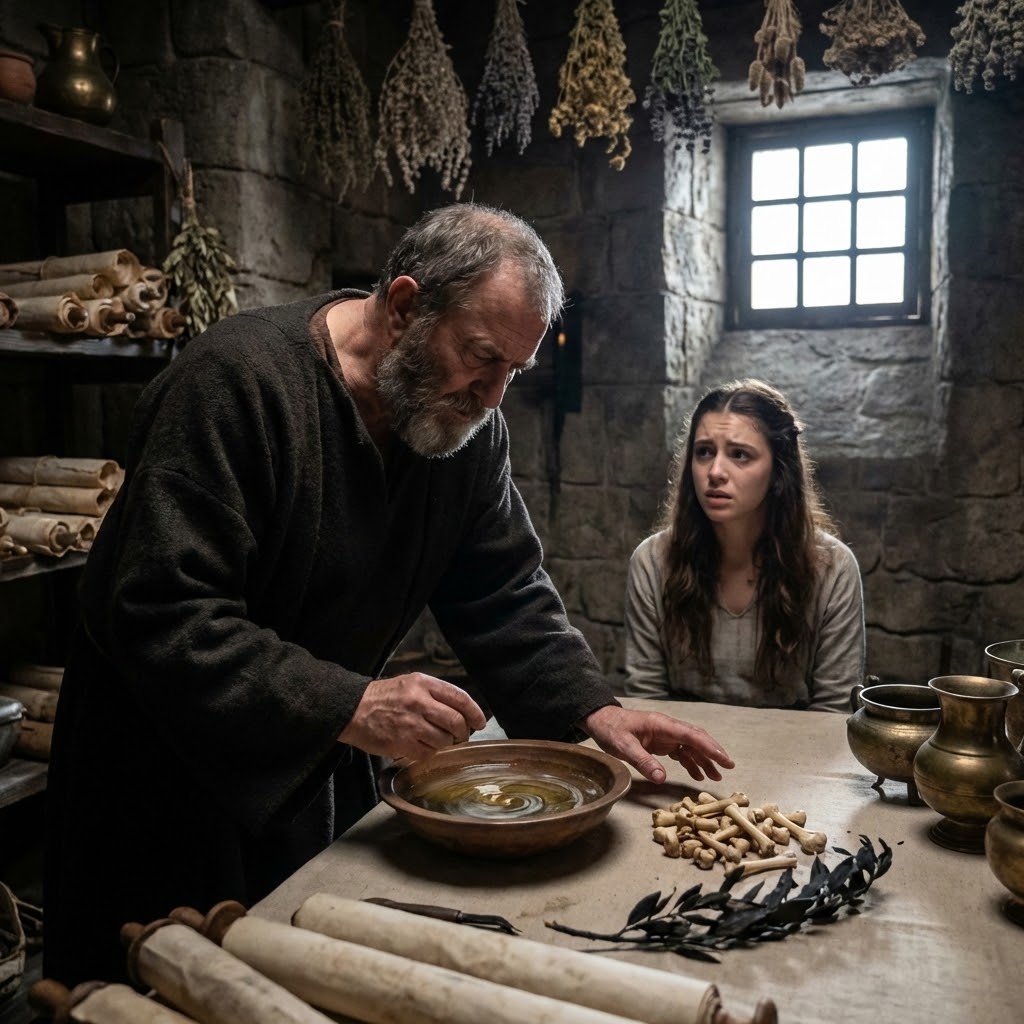 Past · Ancient CivilizationsMantikosThe Mantikos, a revered figure in ancient societies, was a professional diviner or seer, often consulted for their ability to interpret omens and communicate with the divine. This role was deeply embedded in the spiritual and social fabric of communities, where the Mantikos served as a bridge between the mortal realm and the gods. They were often called upon during significant events such as battles, harvests, and personal milestones, providing guidance through rituals, sacrifices, and the interpretation of signs from nature. The Mantikos utilized various methods, including the examination of animal entrails, the observation of celestial bodies, and the reading of dreams, to deliver prophecies and advice. Their insights were not only sought for personal matters but also for communal decisions, making them influential figures in governance and societal direction.
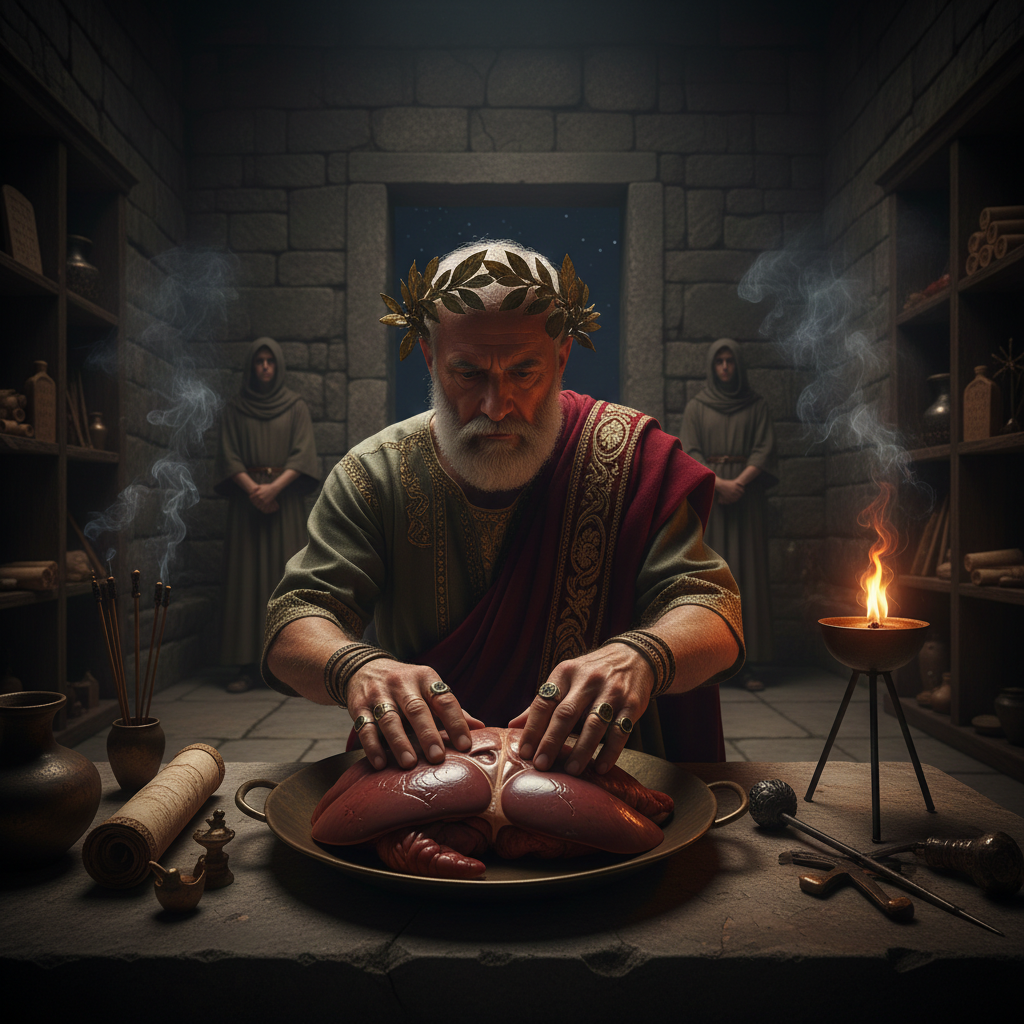 Past · Classical AntiquityHaruspexThe Haruspex was a priestly figure in ancient Roman religion, renowned for their unique role in divination. This sacred profession involved interpreting the will of the gods through the examination of animal entrails, particularly the liver, a practice known as extispicy. The Haruspex would conduct rituals, often in the presence of public officials or military leaders, to seek divine guidance before significant events such as battles, elections, or the founding of cities. The entrails were believed to reveal omens, and the Haruspex would analyze their color, texture, and any anomalies to provide insights into the future. This role was steeped in tradition and required a deep understanding of religious texts, rituals, and the symbolic meanings attributed to various organs. The Haruspex was not merely a fortune-teller; they were a respected authority in matters of state and religion, often consulted in times of crisis.