
Prehistory to the late Roman world
Antiquity
A knapped edge, a reading of a liver, a palace office.
Some of this work is prehistoric. Some of it belongs to Greek and Roman public life. Specialists, markets, and offices were already old before the medieval town.
A flint knapper and a haruspex did not share a century. Both were recognized skills, and both ended when a different skill took the same need.
In this period
6
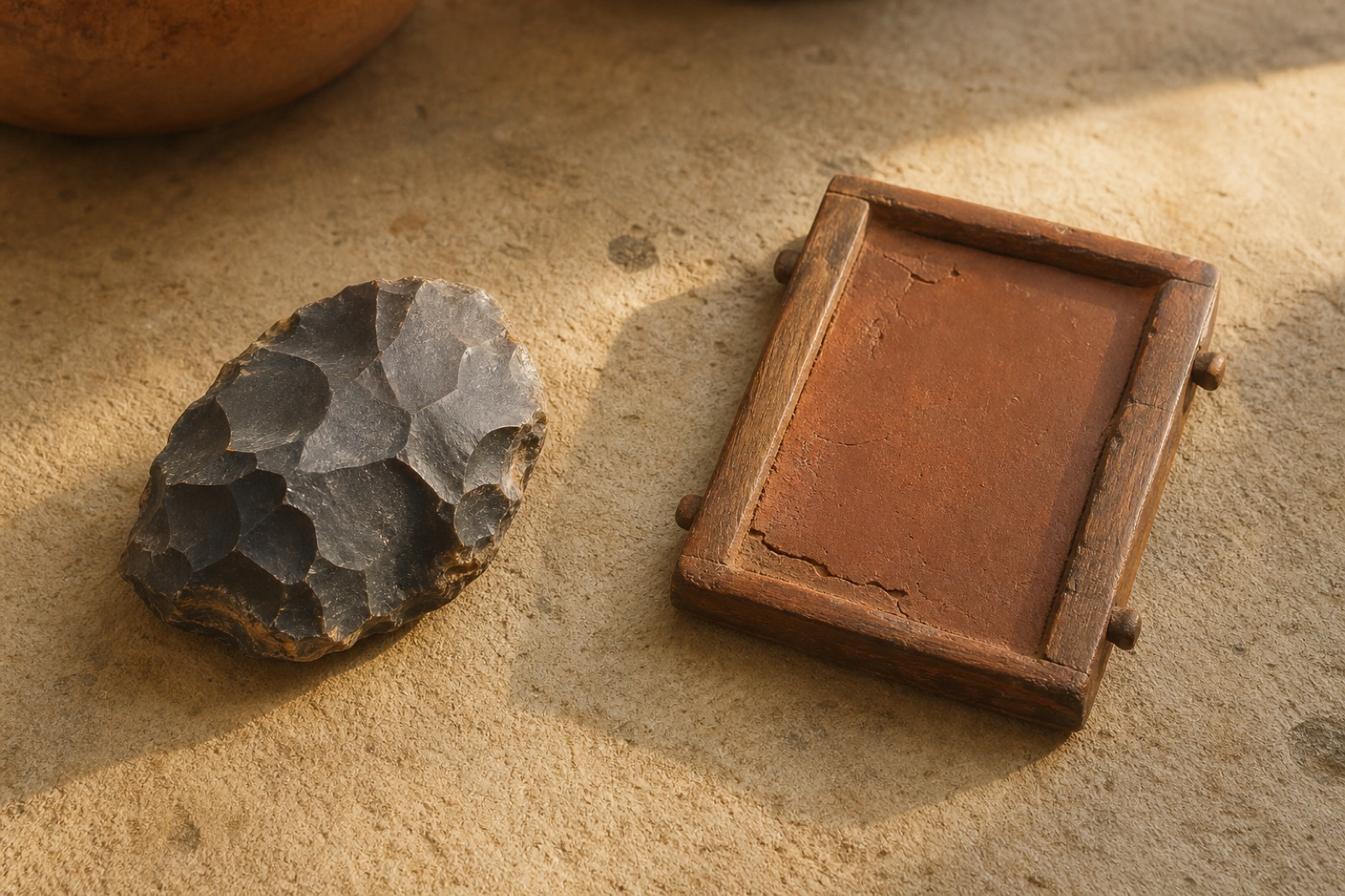
 Past · Prehistoric EraFlint KnapperThe flint knapper was a skilled artisan responsible for shaping flint and other stones into tools and weapons, a practice that dates back to the earliest human societies. This occupation was crucial for survival, as the tools created by flint knappers were essential for hunting, gathering, and daily tasks. Flint knapping involved a deep understanding of the material properties of stone, as well as the techniques required to create sharp edges and points. The flint knapper would carefully strike the stone with a hammerstone or another tool, removing flakes to create the desired shape. This process required not only physical skill but also an artistic eye, as the knapper had to envision the final product while working with the raw material. Flint knappers often worked in groups, sharing techniques and knowledge, which contributed to the development of regional styles and tool types. The tools produced ranged from simple hand axes to complex projectile points, each designed for specific tasks and environments. As societies evolved, so did their tool-making techniques, leading to the eventual decline of the flint knapper's role in favor of metalworking and other advanced technologies.
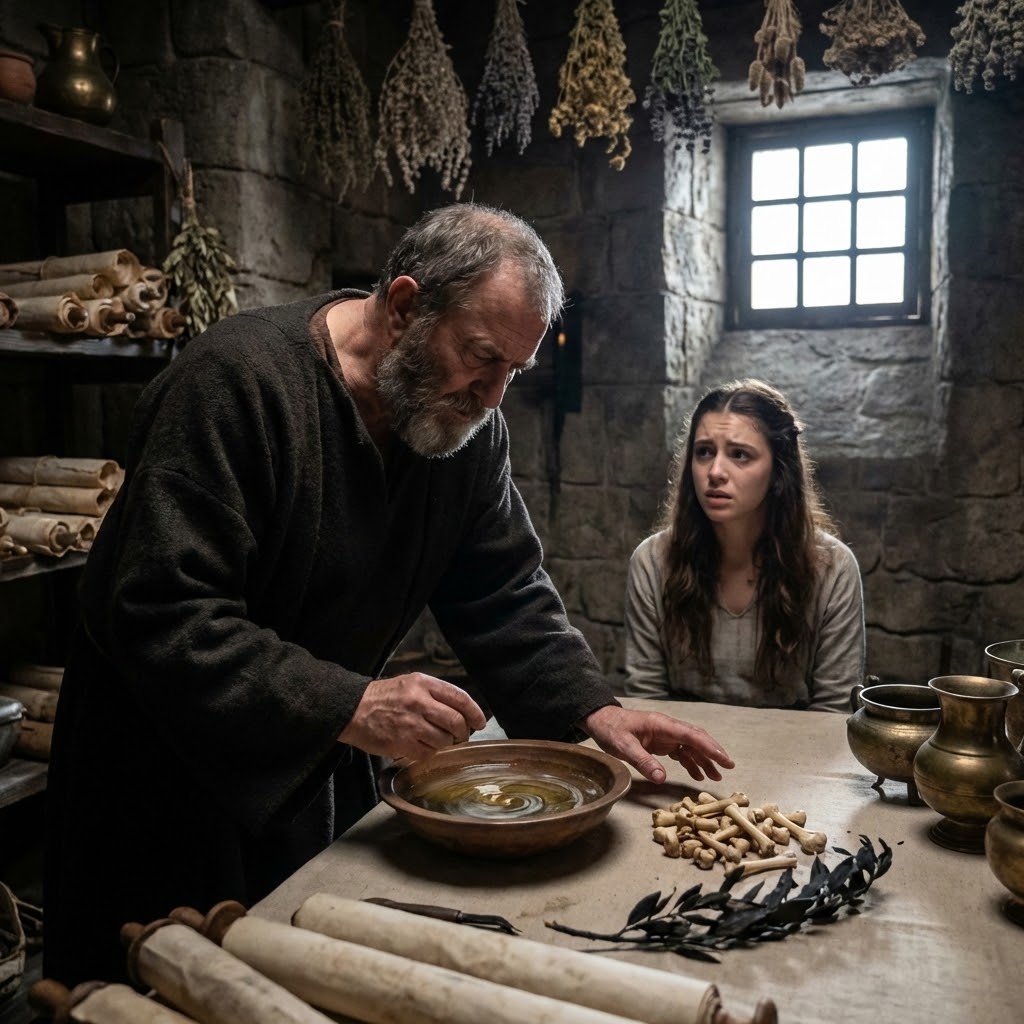 Past · Ancient CivilizationsMantikosThe Mantikos, a revered figure in ancient societies, was a professional diviner or seer, often consulted for their ability to interpret omens and communicate with the divine. This role was deeply embedded in the spiritual and social fabric of communities, where the Mantikos served as a bridge between the mortal realm and the gods. They were often called upon during significant events such as battles, harvests, and personal milestones, providing guidance through rituals, sacrifices, and the interpretation of signs from nature. The Mantikos utilized various methods, including the examination of animal entrails, the observation of celestial bodies, and the reading of dreams, to deliver prophecies and advice. Their insights were not only sought for personal matters but also for communal decisions, making them influential figures in governance and societal direction.
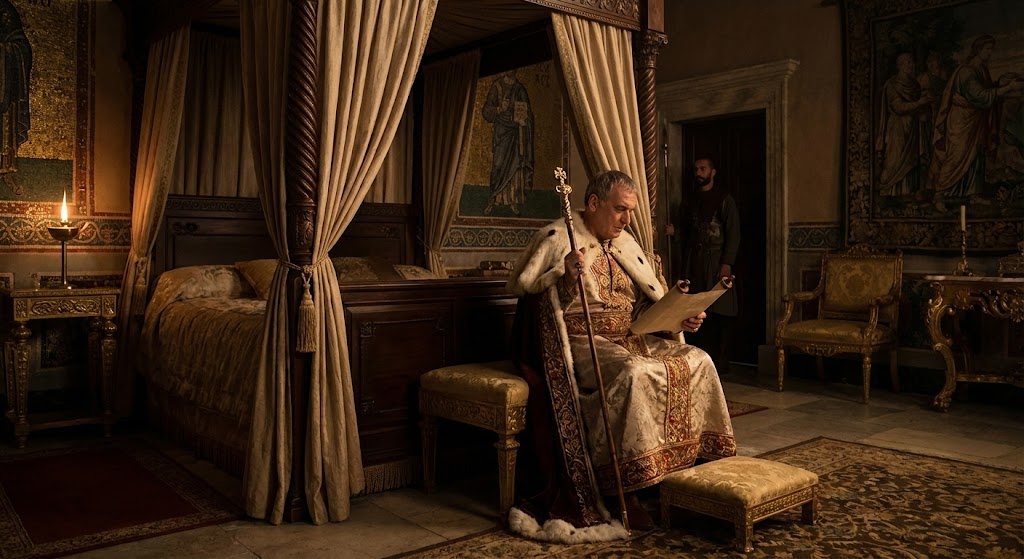 Past · Classical AntiquityParakoimomenosThe Parakoimomenos, often translated as 'bedchamber attendant' or 'chamberlain,' was a significant role in the households of the elite during the Classical Antiquity period, particularly in the Byzantine Empire. This position was not merely one of servitude; it was a trusted role that involved close personal service to the emperor or high-ranking officials. The Parakoimomenos was responsible for the personal care and comfort of their charge, overseeing the sleeping quarters, and ensuring that the environment was conducive to rest and privacy. This included managing the temperature of the room, preparing bedding, and even attending to the personal needs of the individual they served. The role required a high level of discretion and loyalty, as the Parakoimomenos often had access to sensitive information and was privy to the intimate details of their employer's life.
In addition to personal care, the Parakoimomenos also played a role in the ceremonial aspects of the household, assisting in the preparation for audiences and events. They were often involved in the selection of clothing and accessories, ensuring that their employer was always presented in the best light. This position was a blend of servant and confidant, requiring a deep understanding of the social dynamics of the court and the ability to navigate complex relationships with other members of the household and nobility.
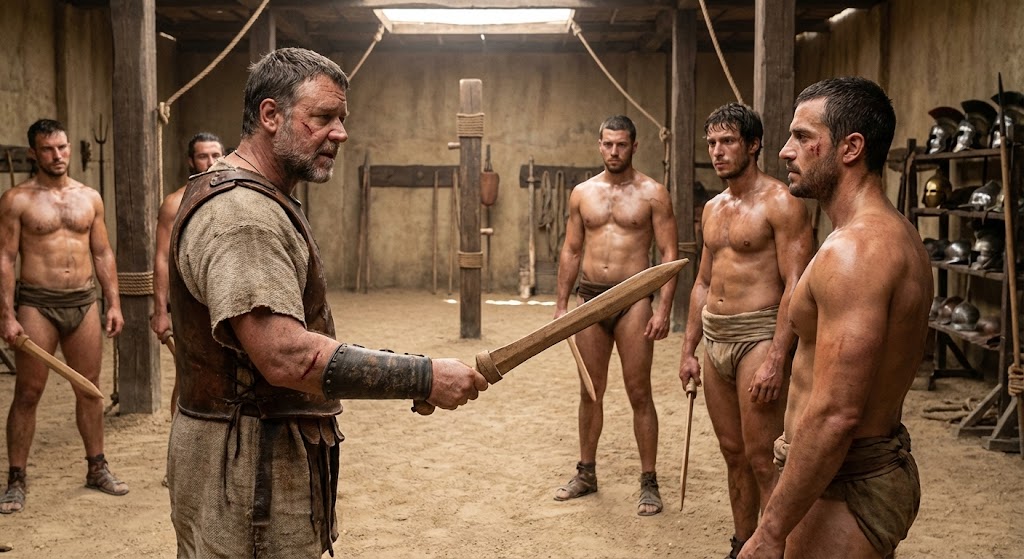 Past · Classical AntiquityLanistaThe lanista was a pivotal figure in the world of ancient Roman gladiatorial games, serving as a trainer and manager of gladiators. These individuals were responsible for the selection, training, and overall management of gladiators, who were often slaves or prisoners of war forced to fight in brutal spectacles for public entertainment. The lanista operated a ludi, or gladiatorial school, where they would oversee the rigorous training of their fighters, teaching them combat techniques, discipline, and the art of survival in the arena. The lanista's role was not only to prepare gladiators physically but also to cultivate their mental fortitude, as the psychological demands of combat were immense. They were often seen as both a mentor and a taskmaster, instilling a sense of loyalty and camaraderie among their fighters while also ensuring they were ready to face the deadly challenges of the arena. The lanista's influence extended beyond training; they were also involved in the business side of gladiatorial combat, negotiating contracts, managing finances, and sometimes even betting on the outcomes of fights. This multifaceted role made the lanista a significant player in the social and economic fabric of Roman entertainment culture.
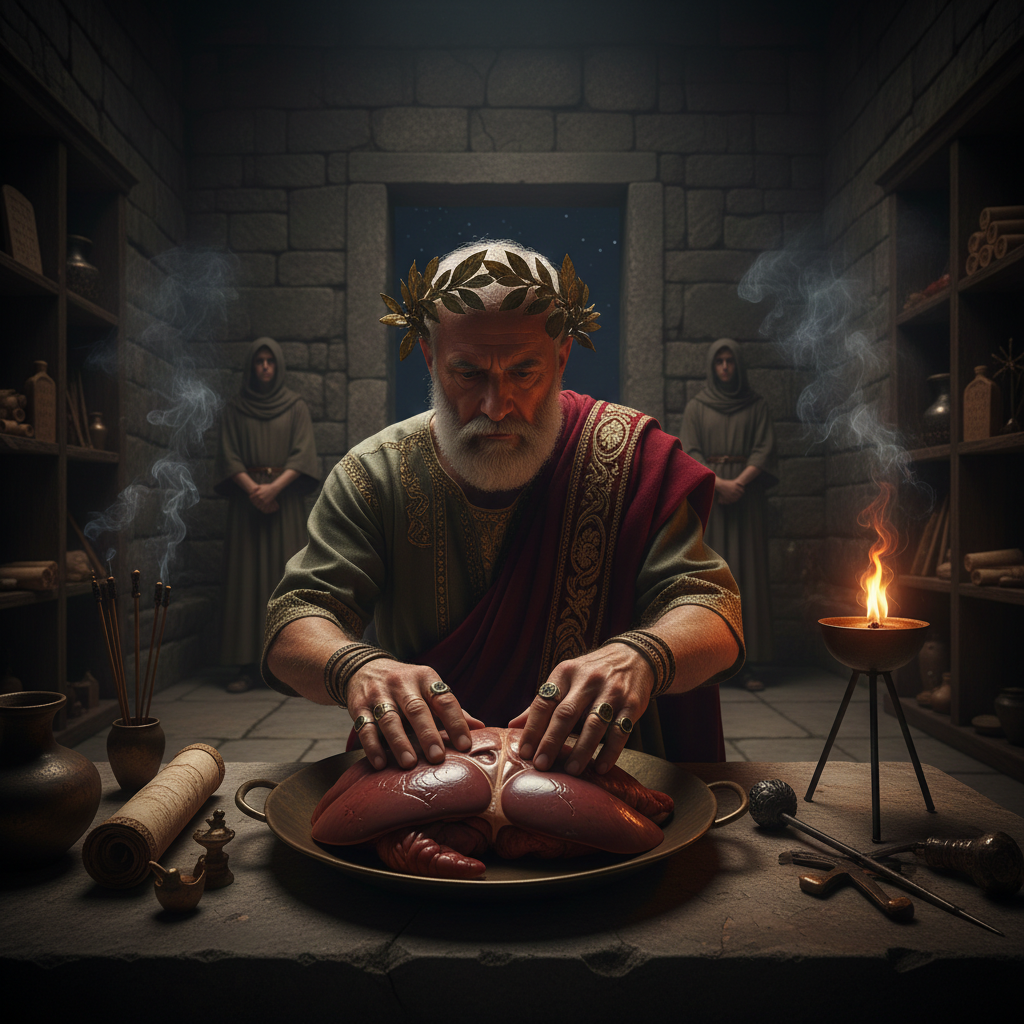 Past · Classical AntiquityHaruspexThe Haruspex was a priestly figure in ancient Roman religion, renowned for their unique role in divination. This sacred profession involved interpreting the will of the gods through the examination of animal entrails, particularly the liver, a practice known as extispicy. The Haruspex would conduct rituals, often in the presence of public officials or military leaders, to seek divine guidance before significant events such as battles, elections, or the founding of cities. The entrails were believed to reveal omens, and the Haruspex would analyze their color, texture, and any anomalies to provide insights into the future. This role was steeped in tradition and required a deep understanding of religious texts, rituals, and the symbolic meanings attributed to various organs. The Haruspex was not merely a fortune-teller; they were a respected authority in matters of state and religion, often consulted in times of crisis.
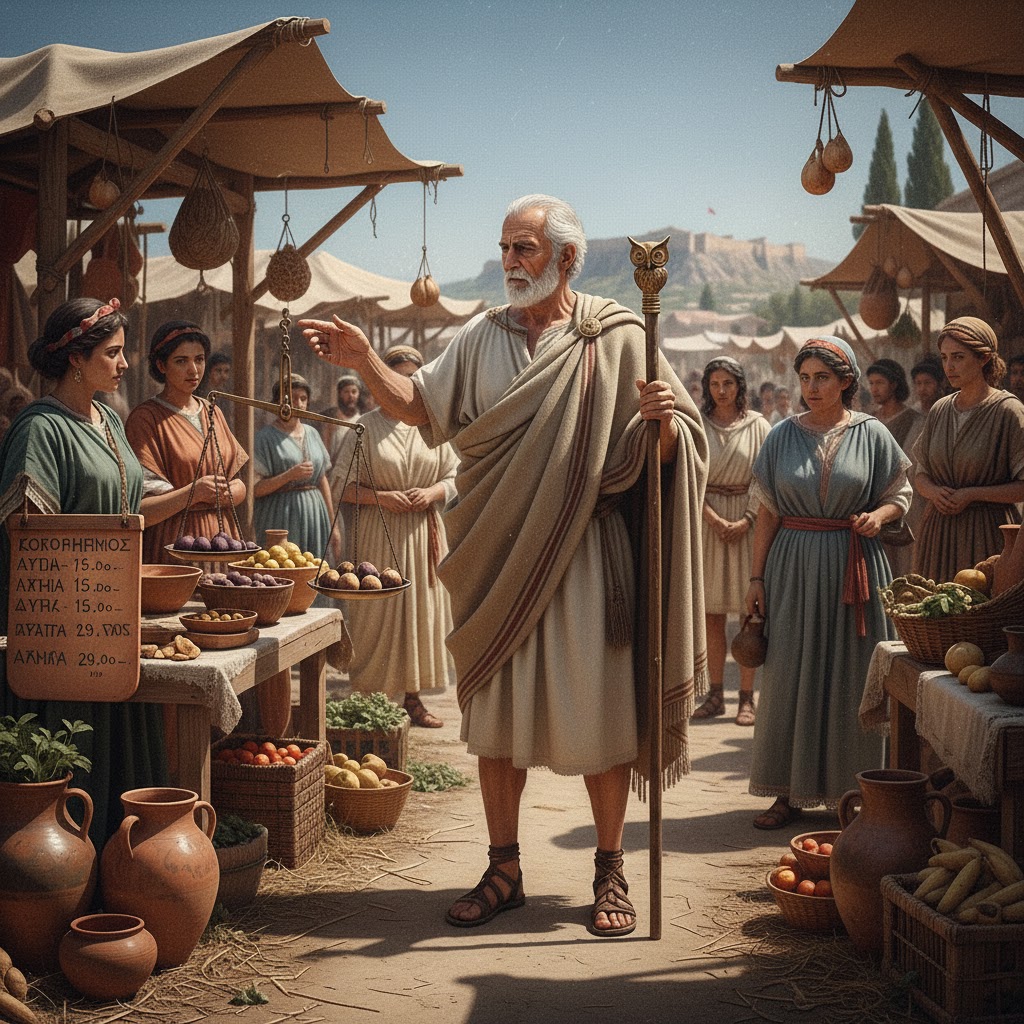 Past · Classical AntiquityAgoranomosThe Agoranomos was a pivotal figure in the bustling marketplaces of ancient Greece, particularly in city-states like Athens. This role was akin to that of a modern-day market supervisor or inspector, responsible for overseeing the activities within the agora, the central public space where commerce, politics, and social interaction flourished. The Agoranomos ensured that trade was conducted fairly, that weights and measures were accurate, and that vendors adhered to the laws governing commerce. They played a crucial role in maintaining order and integrity in the marketplace, which was vital for the economic health of the city-state.
In addition to regulatory duties, the Agoranomos also had the authority to impose fines on dishonest merchants and to confiscate goods that were sold under false pretenses. This position required a deep understanding of local laws and trade practices, as well as a keen sense of justice to protect both consumers and honest traders. The Agoranomos was often seen as a guardian of the public interest, ensuring that the agora remained a vibrant and trustworthy hub of activity.